

Parameters
- 224 pages
- 8 hours of reading
More about the book
<b>The Barnes & Noble Review</b> The Paris of <i>The Flâneur</i> -- loosely translated as one who strolls, seemingly without purpose or set destination -- is a return to the familiar in more ways than one for Edmund White. After having spent the better part of two decades living and writing in the City of Lights before coming back to the U.S. in 1998, White knows his subject with an intimacy that is enviable and effortless. His first nonfiction work about the city, <i>Our Paris: Sketches from Memory</i>, was published in 1995; and in his latest and finest novel, <i>The Married Man</i>, the city assumes its own weight of character. Indeed, <i>The Flâneur</i> can -- and perhaps should -- be read as a companion piece to the novel, or vice versa; the wonderful synergy of story and place between the works greatly enhances two already thought-provoking reads. <i>The Flâneur</i> deserves its own applause. White's celebration of loitering as the best and truest form of travel discovery will resonate with anyone who has ever dared to toss away a tourist office map or "wasted" an afternoon people-watching. Under his tutelage, we encounter the relatively undiscovered haunts and untold stories of the artists and writers, tycoons and spendthrifts, immigrants and royals who have shaped modern Parisian -- and European -- culture. White uses his skills as a polished writer, erudite gossip and intellectual magpie (indeed, the impressive and useful informal bibliography "Further Reading" section of the book validates the quicksilver breadth of White's research) to bring us along with him arm-in-arm on his rambles. A walk around the jazz-drenched fringes of Montmartre finds White sharing energetic cameos of African-American expatriates such as Josephine Baker (the recipient of 2,000 marriage proposals within two years of hitting the town) and musician Sidney Bechet (unknown at home but an icon of success in France, complete with wife, mistress and two mansions.) White does presume a certain sophistication among his audience and there is a level of intimacy here that is not typically found in other travelogues. <i>The Flâneur</i> is the opening work in a new Bloomsbury Publishing series called "The Writer and the City." If the irresistible combination of White's dapper prose and his utterly engaging revelations of a Paris where tour buses fear to tread are anything to go by, readers can certainly look forward to more delights from this imprint.
Book purchase
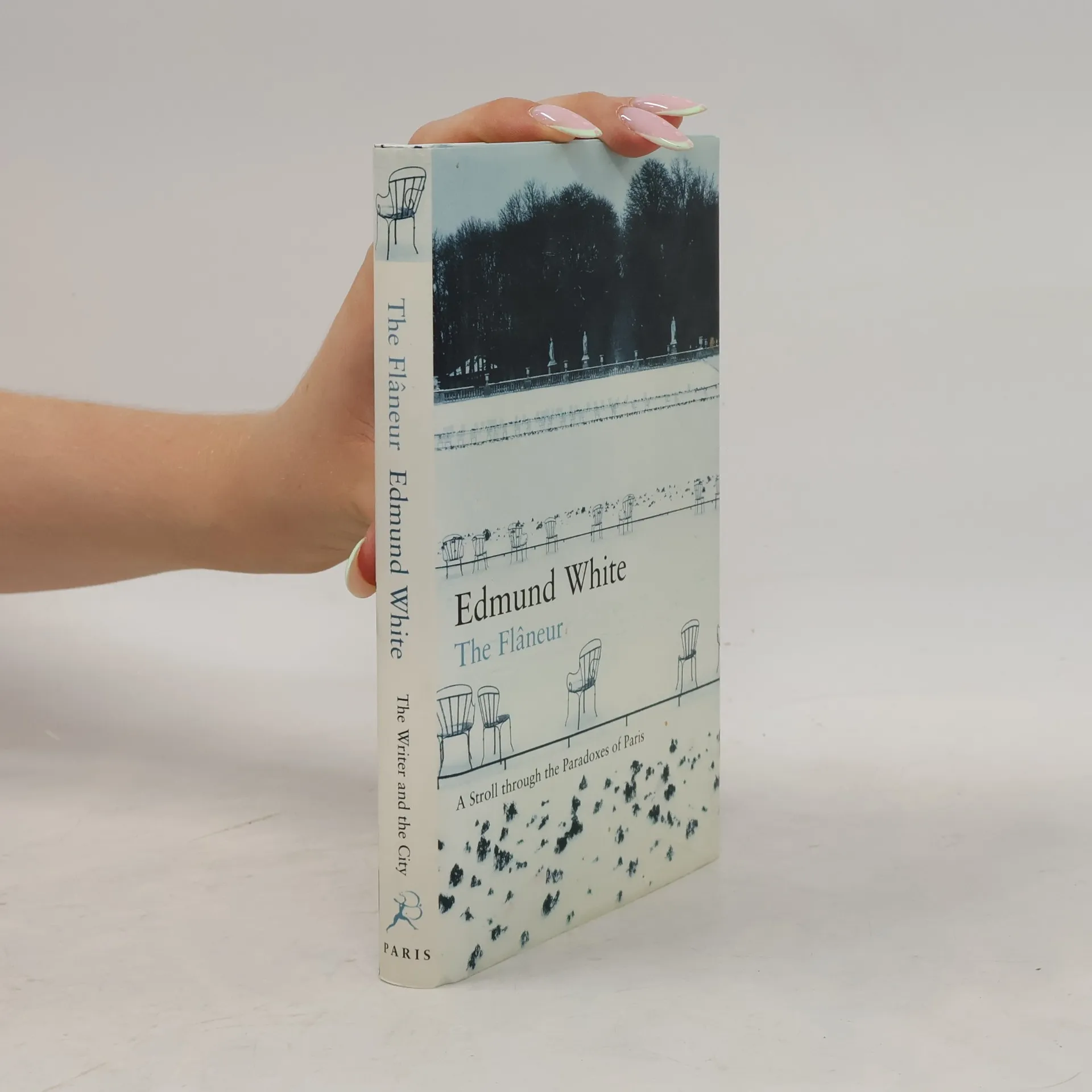
The Flâneur, Edmund White
- Language

- Released
- 2001
- product-detail.submit-box.info.binding
- (Hardcover),
- Book condition
- Very Good
- Price
- €8.99
Payment methods
No one has rated yet.
- Title
- The Flâneur
- Subtitle
- A Stroll Through the Paradoxes of Paris
- Language
- English
- Authors
- Edmund White
- Publisher
- Bloomsbury
- Released
- 2001
- Format
- Hardcover
- Pages
- 224
- ISBN10
- 0747549575
- ISBN13
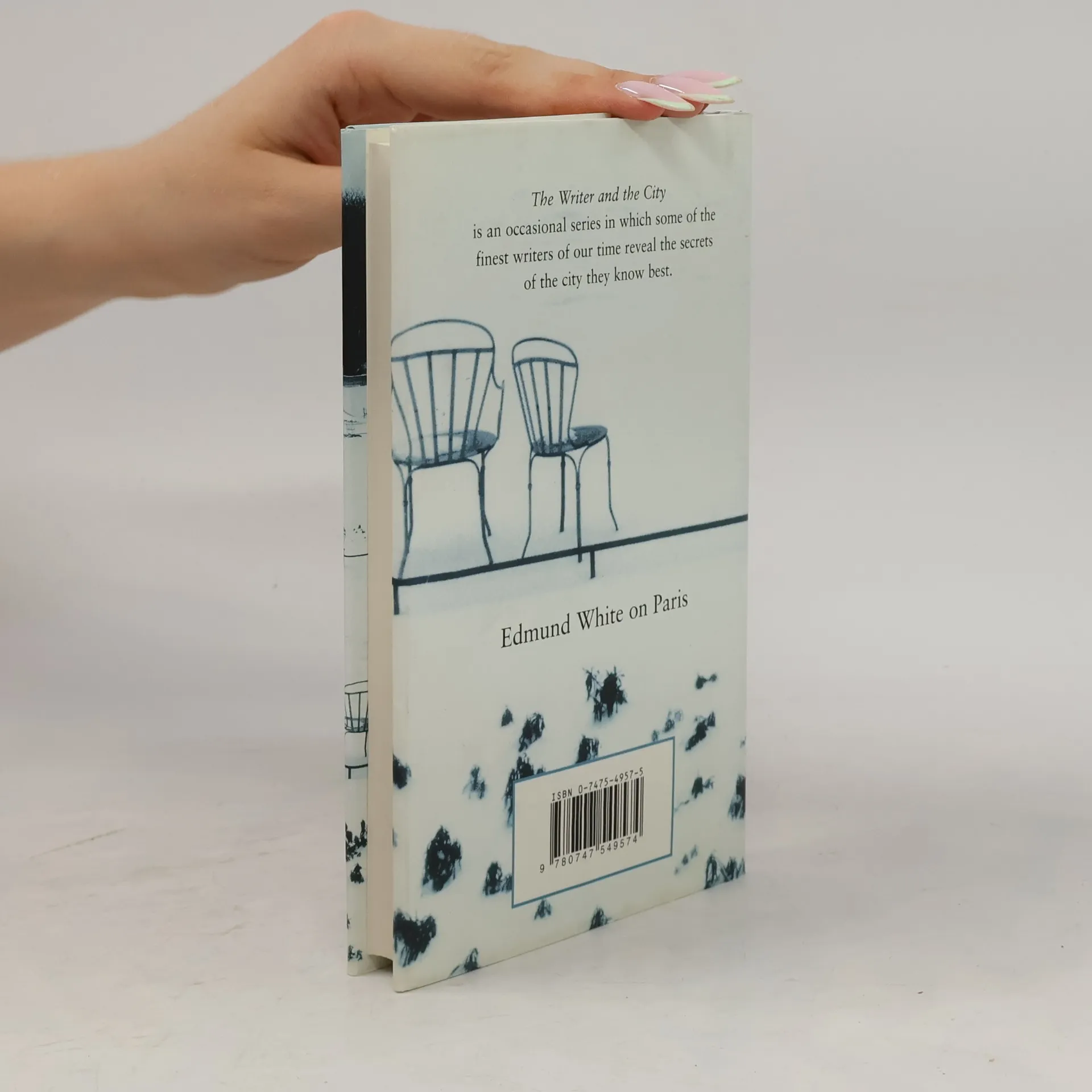
- 9780747549574
- Series
- Tags
- Non-Fiction, Historical Themes, Autobiographies & Memoirs, France, Biographies, Opinion Journalism & Essays, Europe, Memories, Local History, Travelling, Narrative Journalism, Paris, Walking
- Description
- <b>The Barnes & Noble Review</b> The Paris of <i>The Flâneur</i> -- loosely translated as one who strolls, seemingly without purpose or set destination -- is a return to the familiar in more ways than one for Edmund White. After having spent the better part of two decades living and writing in the City of Lights before coming back to the U.S. in 1998, White knows his subject with an intimacy that is enviable and effortless. His first nonfiction work about the city, <i>Our Paris: Sketches from Memory</i>, was published in 1995; and in his latest and finest novel, <i>The Married Man</i>, the city assumes its own weight of character. Indeed, <i>The Flâneur</i> can -- and perhaps should -- be read as a companion piece to the novel, or vice versa; the wonderful synergy of story and place between the works greatly enhances two already thought-provoking reads. <i>The Flâneur</i> deserves its own applause. White's celebration of loitering as the best and truest form of travel discovery will resonate with anyone who has ever dared to toss away a tourist office map or "wasted" an afternoon people-watching. Under his tutelage, we encounter the relatively undiscovered haunts and untold stories of the artists and writers, tycoons and spendthrifts, immigrants and royals who have shaped modern Parisian -- and European -- culture. White uses his skills as a polished writer, erudite gossip and intellectual magpie (indeed, the impressive and useful informal bibliography "Further Reading" section of the book validates the quicksilver breadth of White's research) to bring us along with him arm-in-arm on his rambles. A walk around the jazz-drenched fringes of Montmartre finds White sharing energetic cameos of African-American expatriates such as Josephine Baker (the recipient of 2,000 marriage proposals within two years of hitting the town) and musician Sidney Bechet (unknown at home but an icon of success in France, complete with wife, mistress and two mansions.) White does presume a certain sophistication among his audience and there is a level of intimacy here that is not typically found in other travelogues. <i>The Flâneur</i> is the opening work in a new Bloomsbury Publishing series called "The Writer and the City." If the irresistible combination of White's dapper prose and his utterly engaging revelations of a Paris where tour buses fear to tread are anything to go by, readers can certainly look forward to more delights from this imprint.