


Parameters
- 357 pages
- 13 hours of reading
More about the book
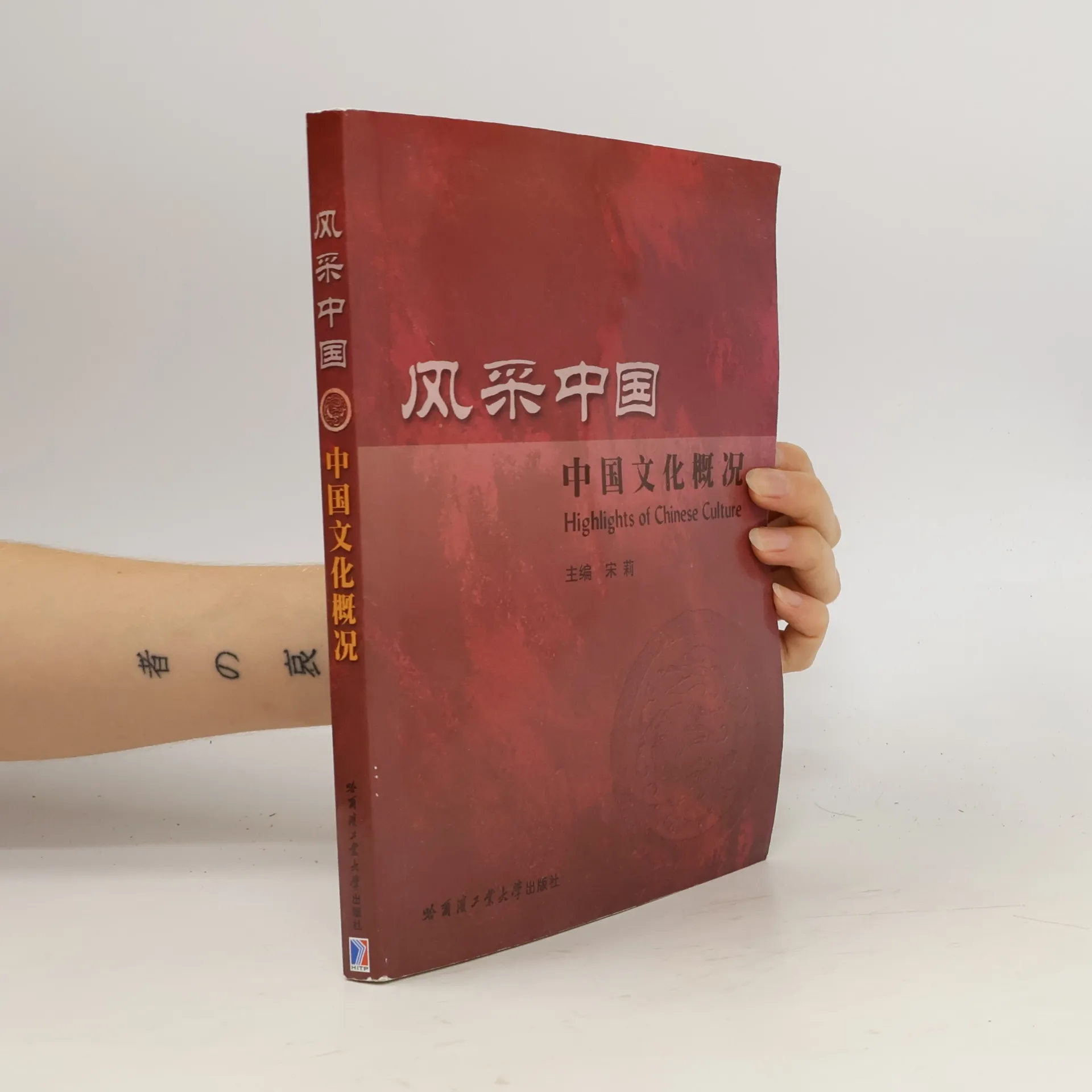
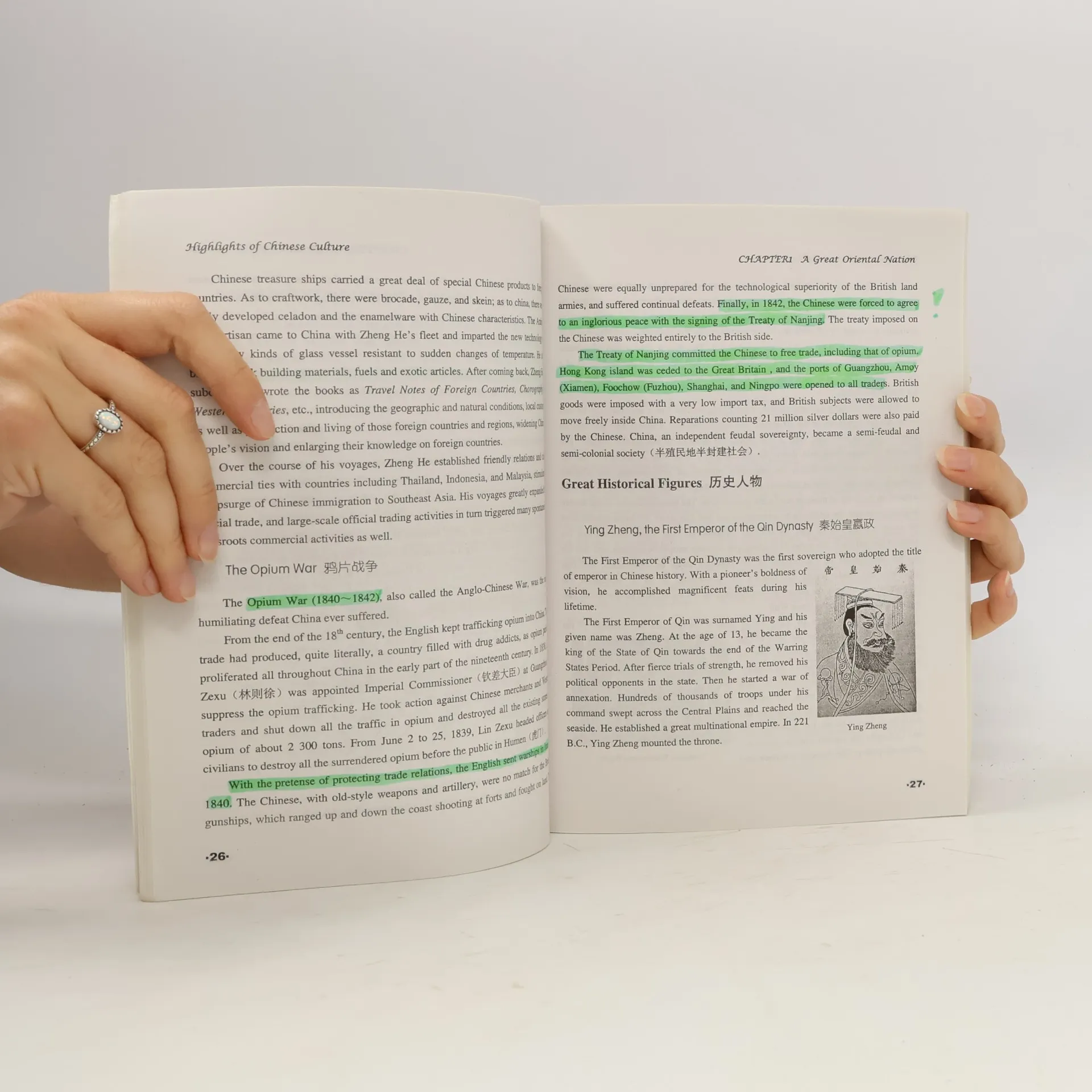
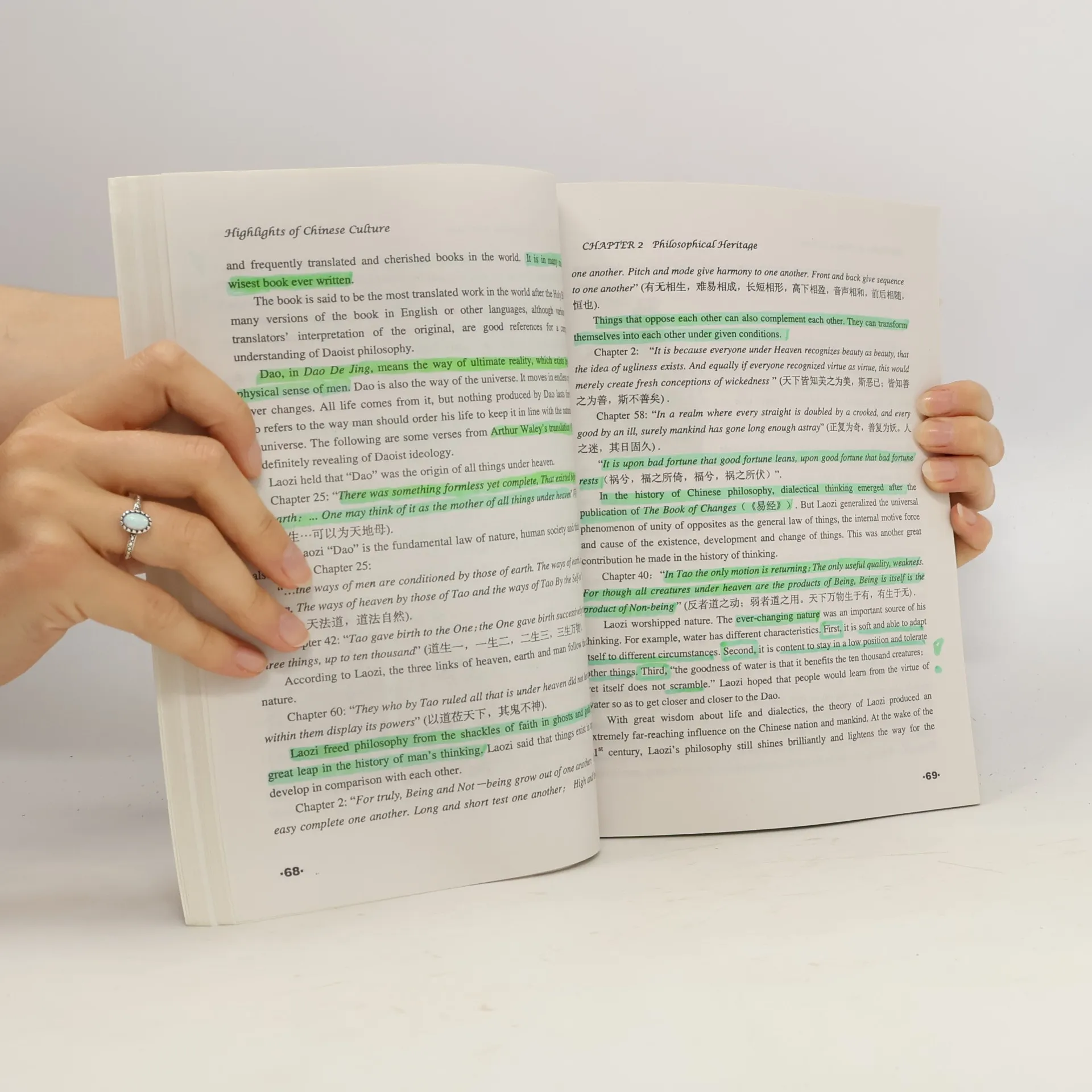
Chapter 1 offers an overview of Chinese history, highlighting significant events and figures, including Empress Wu Zetian and the Silk Road. Chapter 2 delves into the philosophical heritage, exploring the fundamental traits of the Chinese nation, traditional worldviews, and influential thinkers, with a focus on Neo-Confucianism and the story of Yue Fei. Chapter 3 examines the Chinese language and classic literature, featuring poetry, fiction, and mythology, alongside supplementary readings. Chapter 4 covers traditional Chinese arts, including calligraphy, paintings, operas, and folk arts, with readings on calligraphy sets and Tang pottery. Chapter 5 provides an overview of China's geographical landscape, natural heritage, and historical sites, with a focus on the Confucian Temple. The appendix lists China's properties inscribed on the World Heritage List. Chapter 6 discusses the unique form of government, population, and ethnic groups, supplemented by readings on Mazu and the legendary story of Huangdi. Chapter 7 presents an overview of China's economy and reforms, detailing the impact of new policies and changes in people's livelihoods. Chapter 8 addresses education and scientific development, including the Imperial Examination System. Finally, Chapter 9 explores folk culture, covering traditional medicine, martial arts, cuisine, holidays, and customs, along with useful expressions throughout. A bibliography concludes the
Book purchase
Highlights of Chinese culture, Song Li
- Language

- Released
- 2005
- Binding
- (Paperback),
- Book condition
- Damaged
- Price
- €68.84
Payment methods
No one has rated yet.
- Subtitle
- Feng cai zhongguo : Zhongguo wen hua gai kuang
- Language
- English
- Authors
- Song Li
- Publisher
- 哈尔滨工业大学出版社
- Released
- 2005
- Format
- Paperback
- Pages
- 357
- ISBN10
- 7560322042
- ISBN13
- 9787560322049
- Series
- Tags
- Description
- Chapter 1 offers an overview of Chinese history, highlighting significant events and figures, including Empress Wu Zetian and the Silk Road. Chapter 2 delves into the philosophical heritage, exploring the fundamental traits of the Chinese nation, traditional worldviews, and influential thinkers, with a focus on Neo-Confucianism and the story of Yue Fei. Chapter 3 examines the Chinese language and classic literature, featuring poetry, fiction, and mythology, alongside supplementary readings. Chapter 4 covers traditional Chinese arts, including calligraphy, paintings, operas, and folk arts, with readings on calligraphy sets and Tang pottery. Chapter 5 provides an overview of China's geographical landscape, natural heritage, and historical sites, with a focus on the Confucian Temple. The appendix lists China's properties inscribed on the World Heritage List. Chapter 6 discusses the unique form of government, population, and ethnic groups, supplemented by readings on Mazu and the legendary story of Huangdi. Chapter 7 presents an overview of China's economy and reforms, detailing the impact of new policies and changes in people's livelihoods. Chapter 8 addresses education and scientific development, including the Imperial Examination System. Finally, Chapter 9 explores folk culture, covering traditional medicine, martial arts, cuisine, holidays, and customs, along with useful expressions throughout. A bibliography concludes the