With this book, object-oriented developers can hone the skills necessary to create the foundation for quality software: a first-rate design. The book introduces notation, principles, and terminology that developers can use to evaluate their designs and discuss them meaningfully with colleagues. Every developer will appreciate the detailed diagrams, on-point examples, helpful exercises, and troubleshooting techniques.
Addison-Wesley Object Technology Series Series
This series delves into the intricacies of object-oriented programming and modern software architectures. It explores essential principles, design patterns, and best practices crucial for building robust and scalable systems. The collection offers practical guidance and theoretical foundations for software developers aiming to master the latest technologies and methodologies.

Refactoring. Improving the Design os Existing Code
- 464 pages
- 17 hours of reading
Refactoring is gaining momentum amongst the object oriented programming community. It can transform the internal dynamics of applications and has the capacity to transform bad code into good code. This book offers an introduction to refactoring.
The Rational Unified Process
- 255 pages
- 9 hours of reading
This book is a brief introduction to the Rational Unified Process. This new software development process is derived primarily from the three market-leading object-oriented analysis and design methods: Booch, OOSE (Use-Case), and OMT. It represents a collaboration and extension of the three leading object-oriented methodologists, Ivar Jacobson, Grady Booch and James Rumbaugh. In an attempt to standardize the process of analysis and design, these three leading methodologists have merged and refined their popular methods while incorporating successful ideas drawn from many other time-tested methods. The end result is the truly groundbreaking Rational Unified Process: a software development process, delivered through a web-enabled, searchable knowledge base that enhances team productivity and delivers software best practices via guidelines, templates, and tool mentors for all critical software lifecycle activities.
Object Oriented Design with Applications
- 580 pages
- 21 hours of reading
New topics covered in the third edition include the Unified Software Development Process, UML, Patterns, Java, and Components.
UML Distilled
A Brief Guide to the Standard Object Modeling Language, 3rd Edition
- 192 pages
- 7 hours of reading
A guide to the standard object modelling language, UML, this text provides programmers with the information needed to get up to speed.
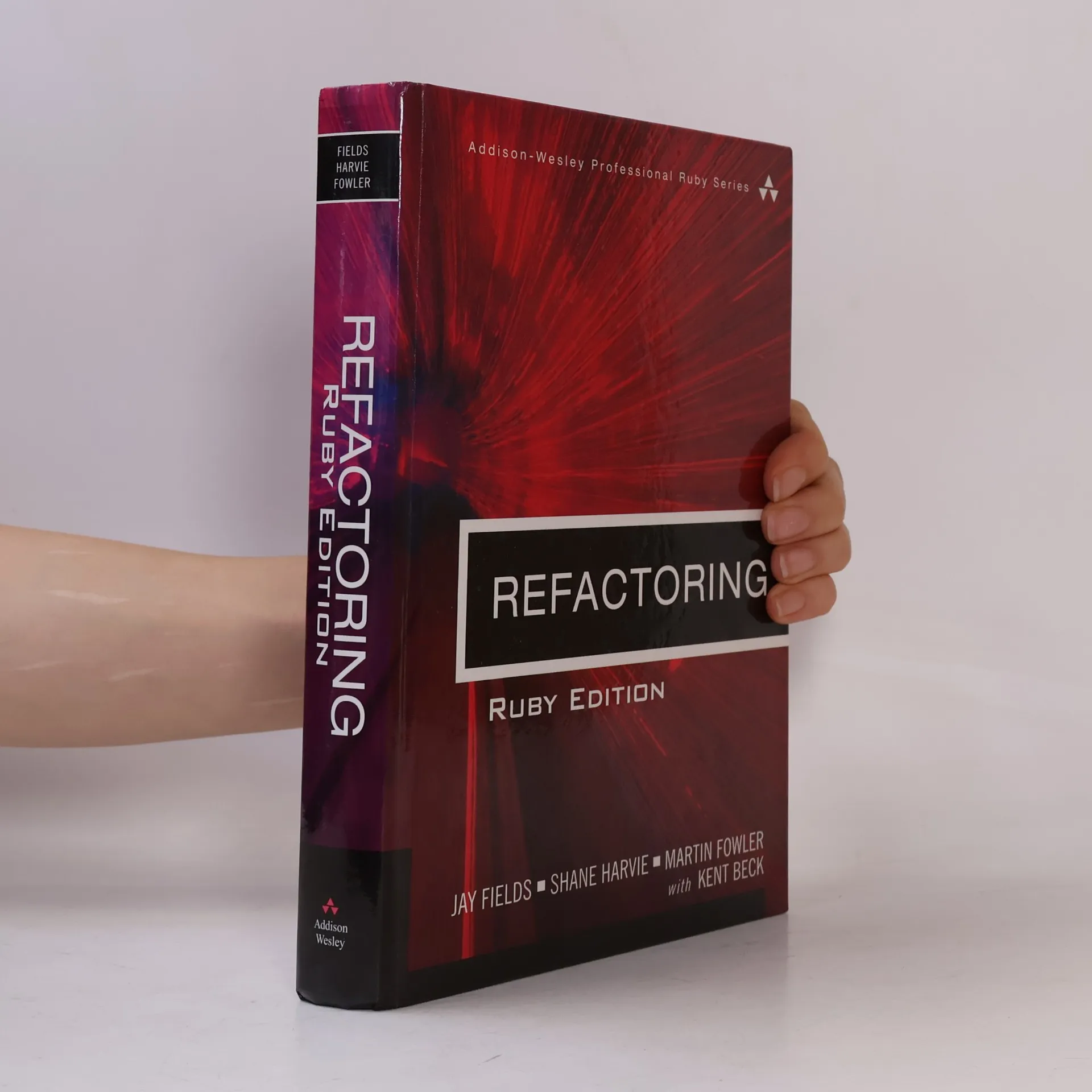
Refactoring
- 454 pages
- 16 hours of reading
Programmers can transform even the most chaotic software into well-designed systems that are far easier to evolve and maintain. What's more, they can do it through a series of simple, proven steps. This book features Ruby examples and idioms throughout - not code adapted from Java or any other environment.
Modeling XML Applications with UML
- 368 pages
- 13 hours of reading
(Pearson Education) Reveals how to integrate XML and UML to create dynamic, interactive Web applications and meet optimal business-to-business application goals. Uses a large-scale running example to keep the material moving in a fluid, understandable manner. Features 'steps for success' and other tips for creating top designs. Softcover. XML (Document markup language).
"Per Kroll and Philippe Kruchten are especially well suited to explain the RUP...because they have been the central forces inside Rational Software behind the creation of the RUP and its delivery to projects around the world." --From the Foreword by Grady Booch This book is a comprehensive guide to modern software development practices, as embodied in the Rational Unified Process, or RUP. With the help of this book's practical advice and insight, software practitioners will learn how to tackle challenging development projects--small and large--using an iterative and risk-driven development approach with a proven track record. The Rational Unified Process Made Easy will teach you the key points involved in planning and managing iterative projects, the fundamentals of component design and software architecture, and the proper employment of use cases. All team members--from project managers to analysts, from developers to testers--will learn how to immediately apply the RUP to their work. You will learn that the RUP is a flexible, versatile process framework that can be tailored to suit the needs of development projects of all types and sizes. Key topics covered Use this book to get quickly up to speed with the RUP, so you can easily employ the significant power of this process to increase the productivity of your team.
Getting started; Basic structural modeling; Advanced structural modeling; Basic behavioral modeling; Advanced behavioral modeling; Architectural modeling; Wrapping up
Developing Applications with Visual Basic and UML
- 592 pages
- 21 hours of reading
An essential resource for Visual Basic (VB) programmers who want to develop applications that are both resilient and robust, Developing Applications with Visual Basic and UML describes a proven development process for designing and implementing object-oriented client/server applications in VB using the Unified Modeling Language (UML). Guided by his own experiences as a developer applying UML and VB, the author provides clear explanations of the fundamentals of UML while also examining and illustrating the often misrepresented object-oriented properties of Visual Basic. In addition, the book incorporates in-depth information on developing VB applications utilizing DNA concepts, incorporating technologies such as DCOM and MTS, and integrating Web tools such as ASP, VB Script, and JavaScript to Internet-enable Visual Basic applications. A significant case study runs throughout the book, leading the reader through the lifecycle of a projectofrom requirements analysis to modeling and prototyping through finalizing the architecture and generating code. Through this study, the author demonstrates the design benefits of UML and shows how to translate a UML specification into Visual Basic code.
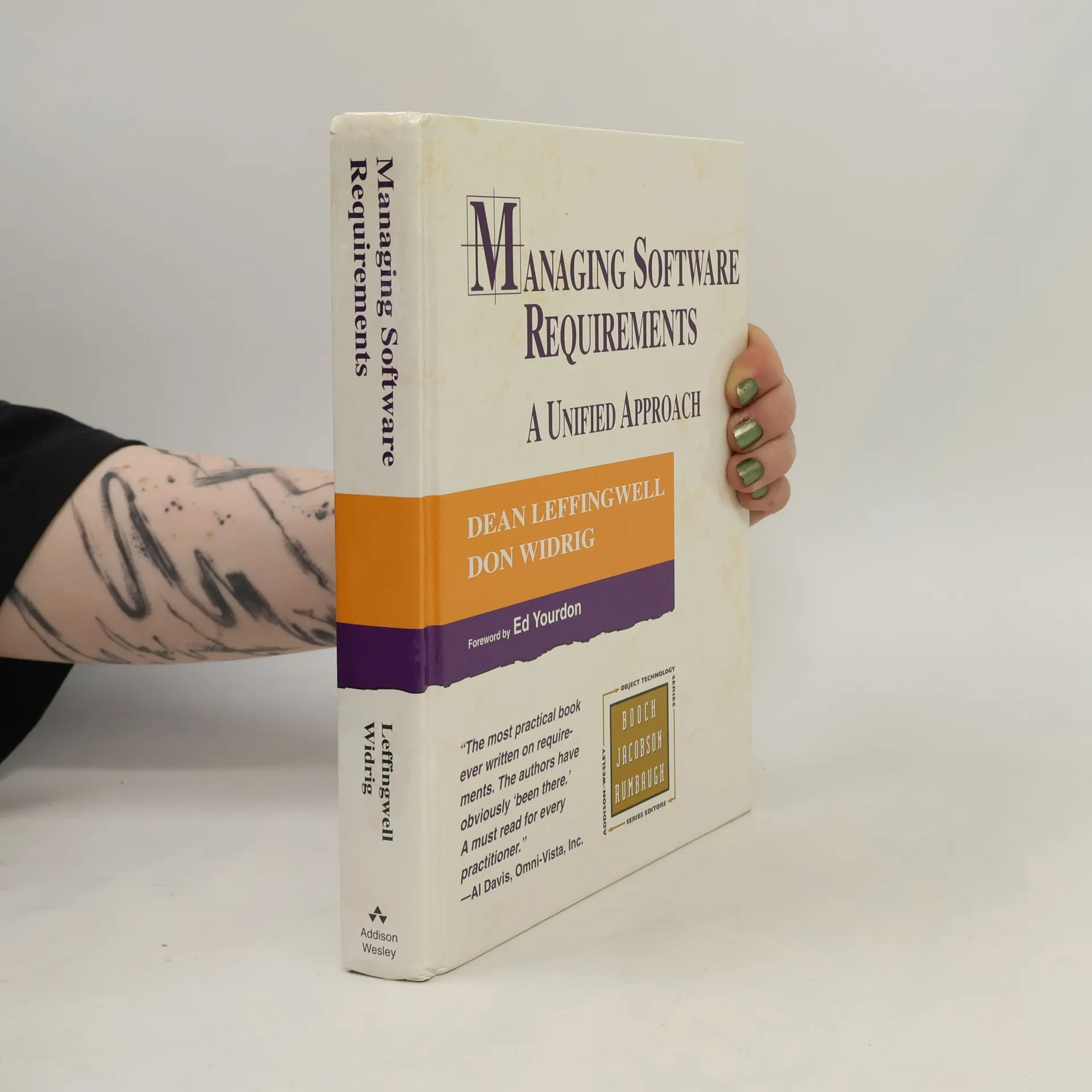
Managing Software Requirements. A Use Case Approach
- 544 pages
- 20 hours of reading
bull; New content, new theme, new subtitle! The use case approach is a cornerstone technique, and a more prescriptive approach is employed bull; Proven "team skills " exercises help the reader roll the requirements process out to the rest of the team bull; Foreword by Ed Yourdon
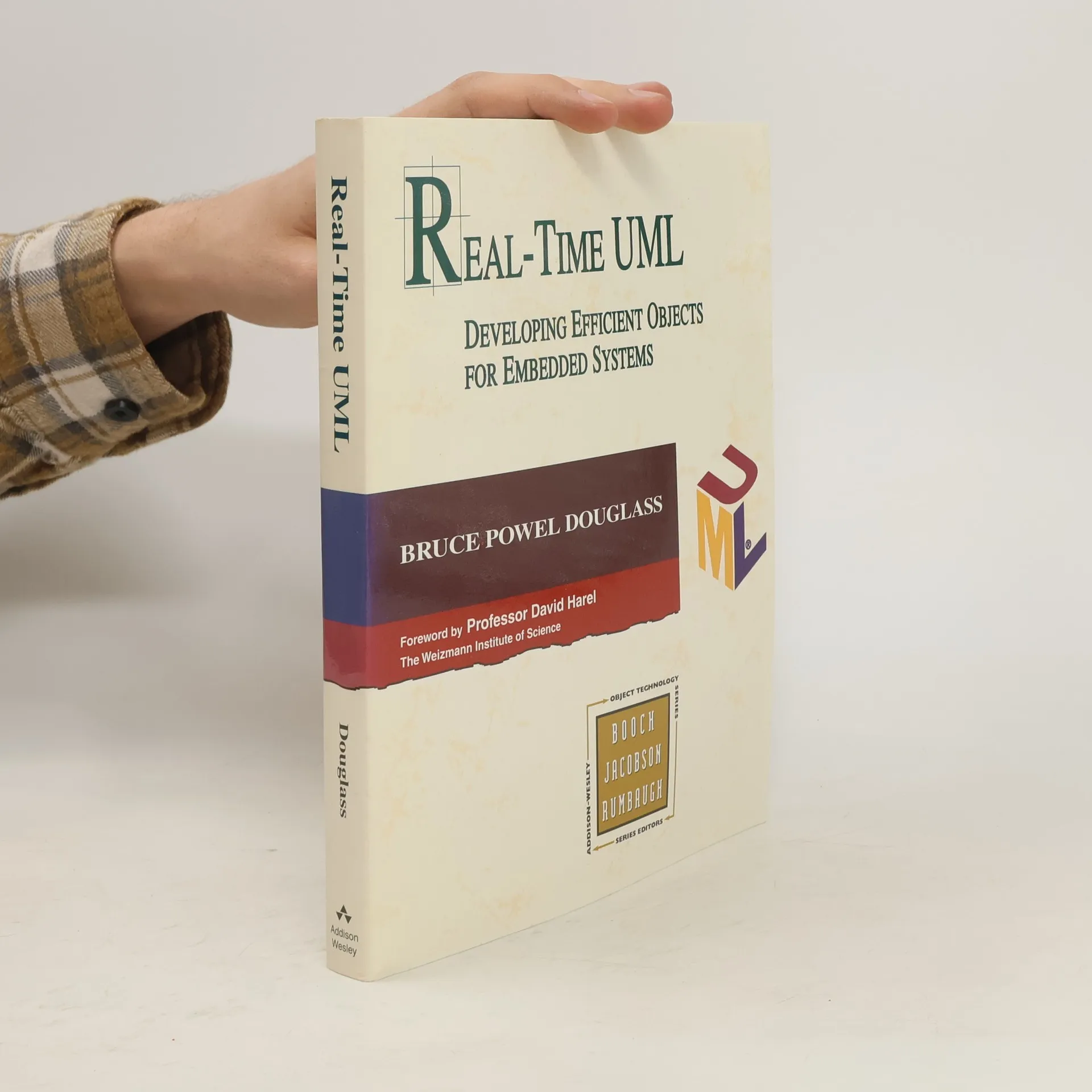
Real- Time UML. Developing Efficient Objects for Embedded Systems
- 363 pages
- 13 hours of reading
This book is the concise, 'distilled' introduction that developers of real-time systems need to begin the transition to object-oriented analysis and design and modeling with UML. The book includes special in-depth discussions of finite state machines, object identification strategies, and real-time design patterns to help beginning and experienced developers alike.
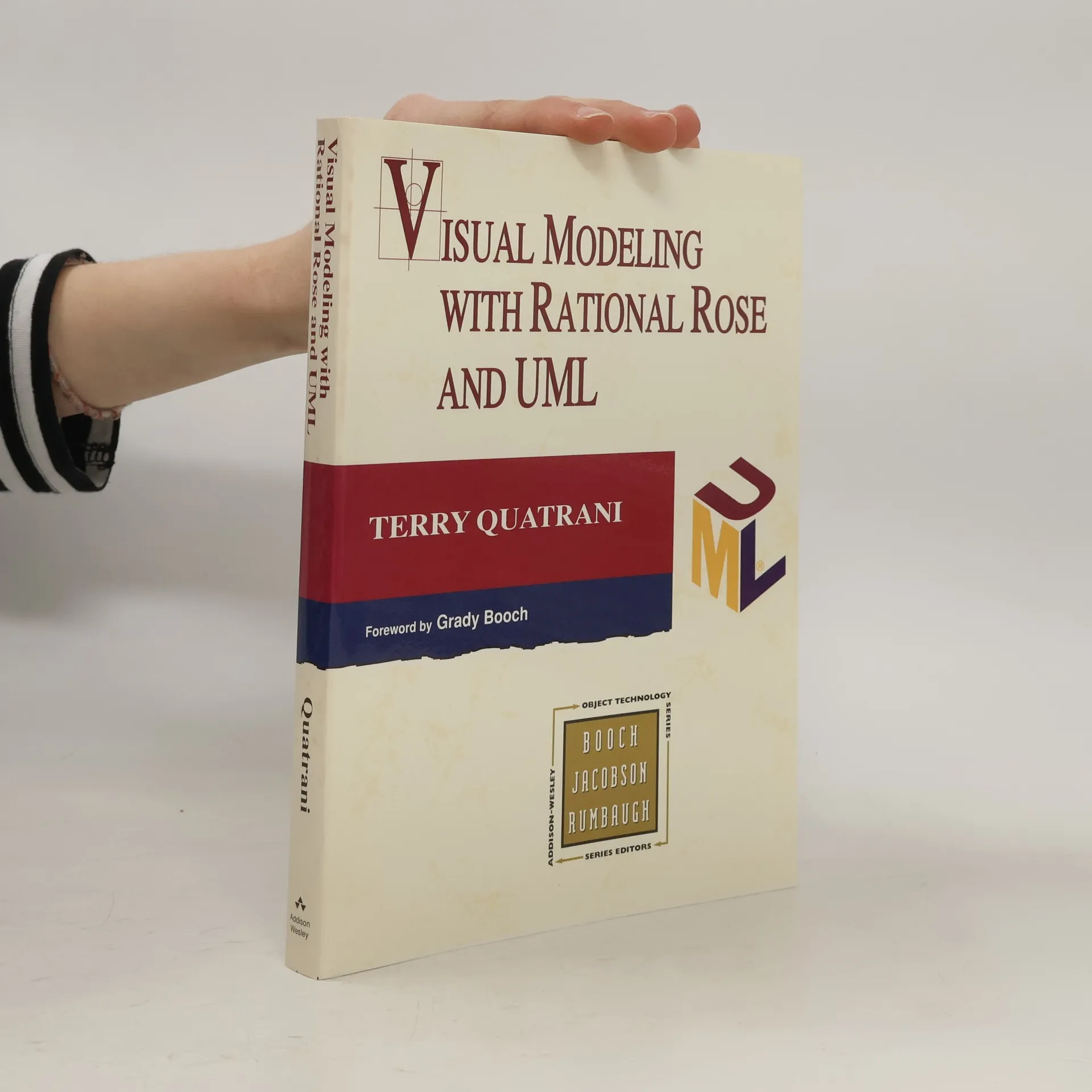
Visual Modeling with Rational Rose and UML
- 222 pages
- 8 hours of reading
As software application development becomes more complex, the benefits of developing a comprehensive "blueprint" that enables developers to visualize the complete scope of a project increase substantially. Three elements are needed to successfully diagram and visualize a software system - a process, a notation, and a modeling tool. This timely new book introduces the reader to three of the most popular and influential such elements: the Rational Objectory Process, the Unified Modeling Language (UML), and Rational Rose. With the practical direction offered in this book, you will be able to specify, visualize, document, and create software solutions
Here is the first book to introduce Catalysis, a next-generation method for constructing open component systems from frameworks, based on UML and OMG standards. Using Catalysis, programmers have the ability to describe a complex system based on content perspectives or views. Each view defines a pattern with supporting models. Catalysis provides well-defined consistency rules across models and the mechanisms for composing views. .
Two leading experts on requirements management demonstrate how to define exactly what software systems should do in terms that can be implemented and won't have to be redone later. Coverage includes: analyzing problems, defining systems, building and validating systems, and more.