

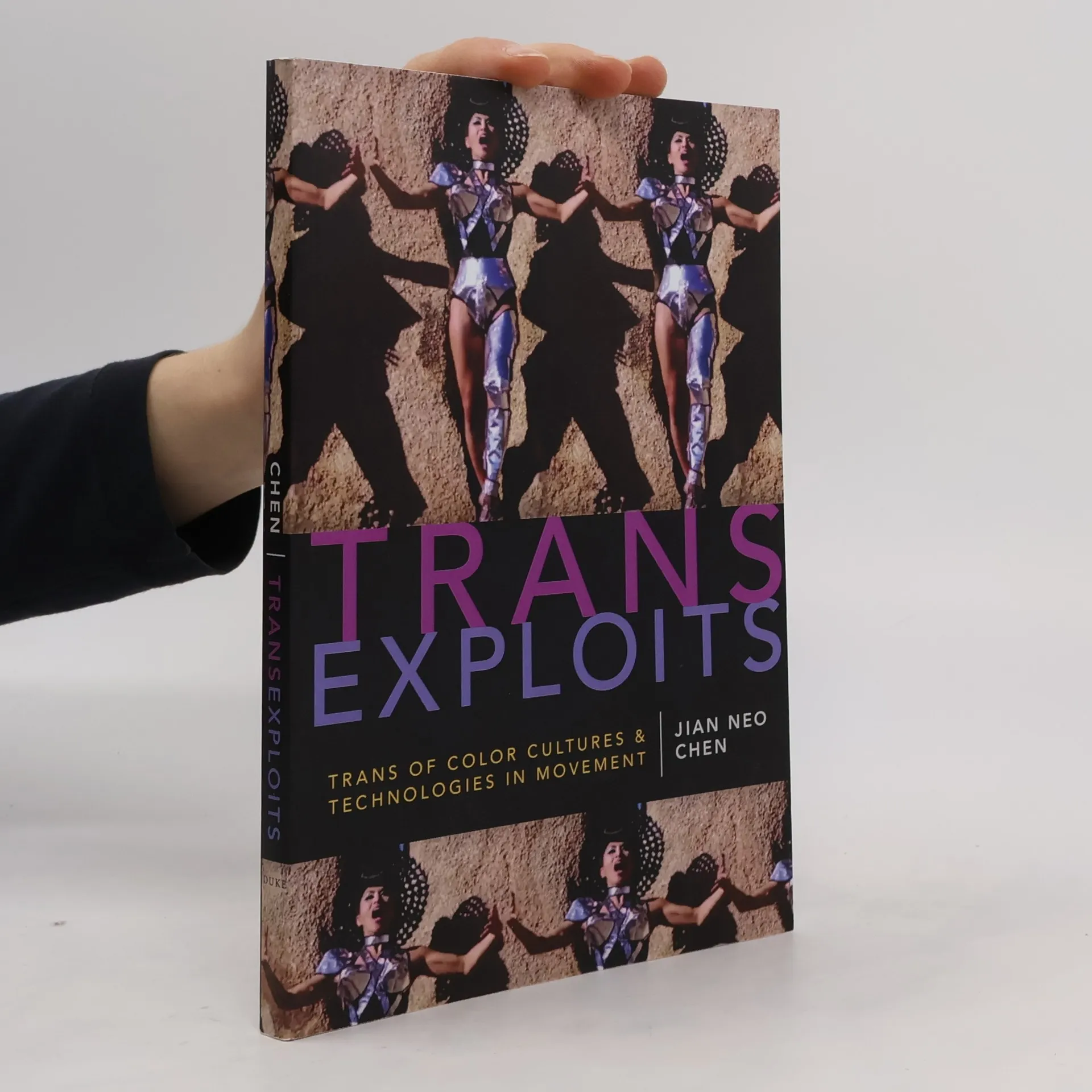
Jian Neo Chen examines how contemporary trans of color artists are tracking and resisting their displacement and social marginalization through new forms of cultural expression, performance, and activism.
ANIMA: Critical Race Studies Otherwise Series
This series investigates what animates the world around us, delving into the complex nature of life. It bridges diverse fields like queer theory, postcolonial studies, and critical race scholarship, exploring how race and sex shape our understanding of posthumanism and new materialisms. The focus is on how life, vitality, and animatedness exist beyond conventionally humanistic knowledge.

The Biopolitics of Feeling
- 296 pages
- 11 hours of reading
Kyla Schuller unearths the forgotten, multiethnic sciences of impressibility- the capacity to be affected-to expose the powerful workings of sentimental biopower in the nineteenth-century United States, uncovering a vast apparatus of sensory regulation that aimed to shape the evolution of the national population.
By exploring the biopolitical concept through a nonanthropocentric perspective, Joseph Pugliese argues for the recognition of more-than-human entities as legitimate actors deserving of justice. He highlights the entanglement of these entities with human victims in conflict zones like Palestine and sites of US drone strikes, challenging human exceptionalism. Drawing on Indigenous epistemologies, Pugliese advocates for an ethico-legal framework that acknowledges ecological justice, revealing the often-overlooked impacts of human conflict on the more-than-human world.