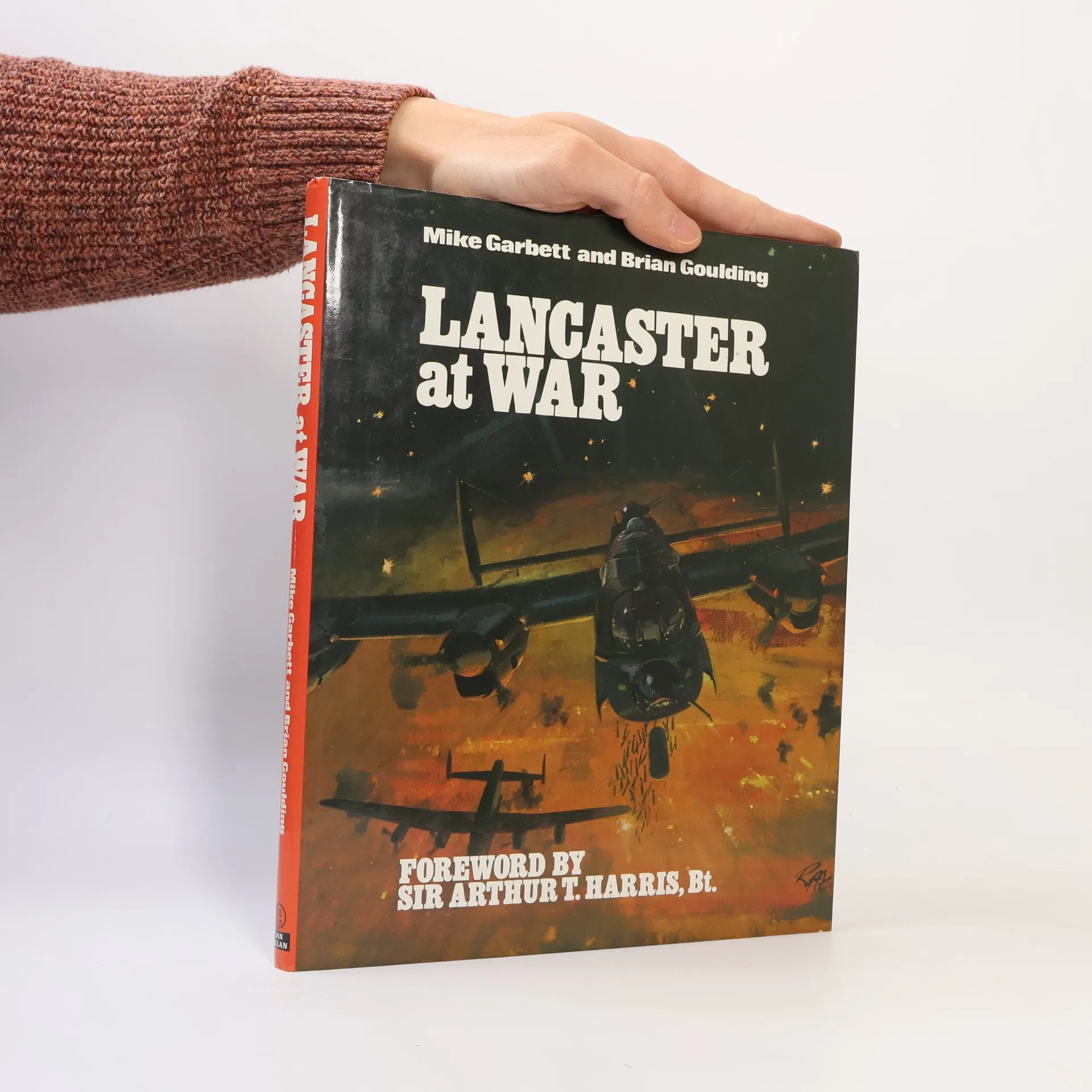
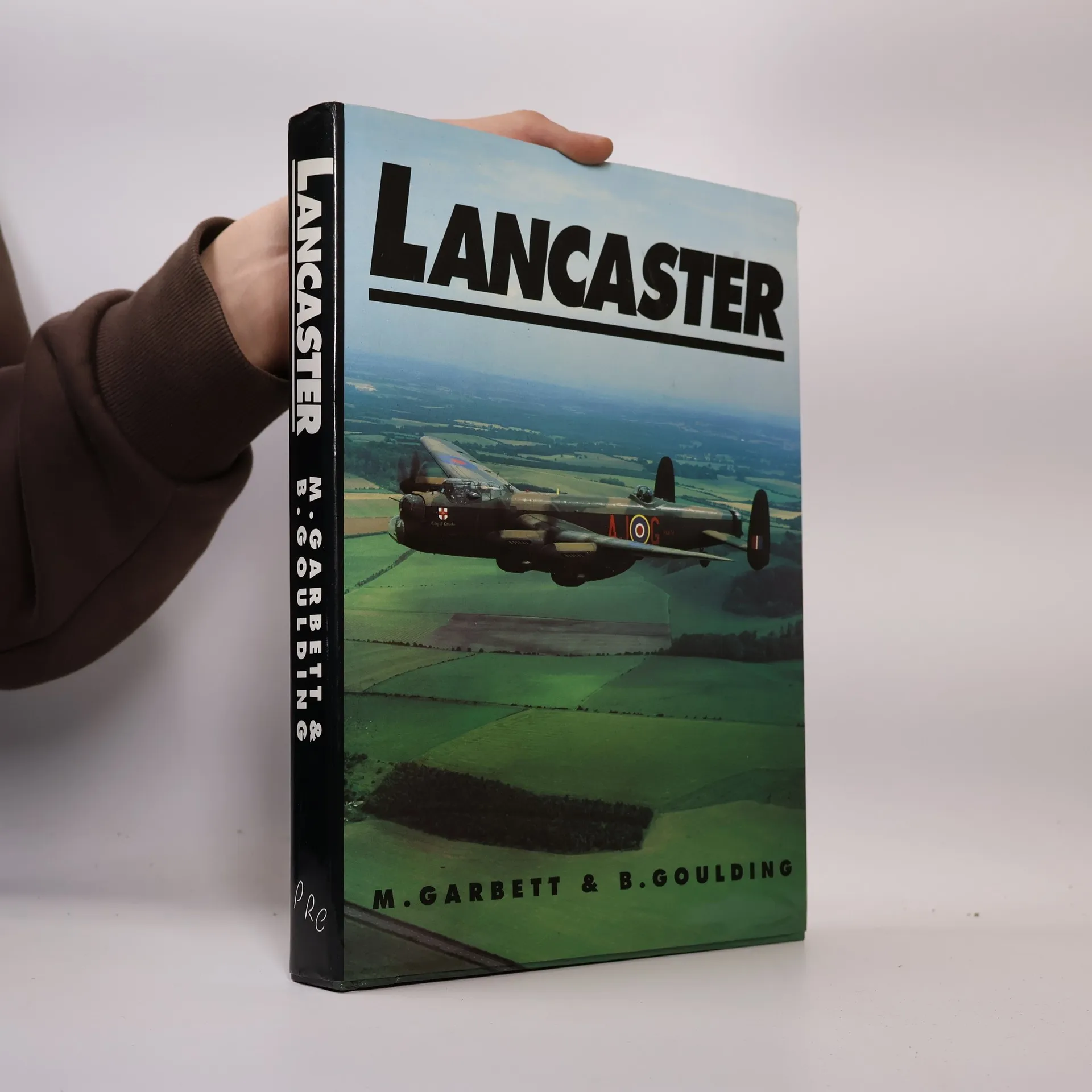
Lancaster
- 304 pages
- 11 hours of reading
Libro usado en buenas condiciones, por su antiguedad podria contener señales normales de uso


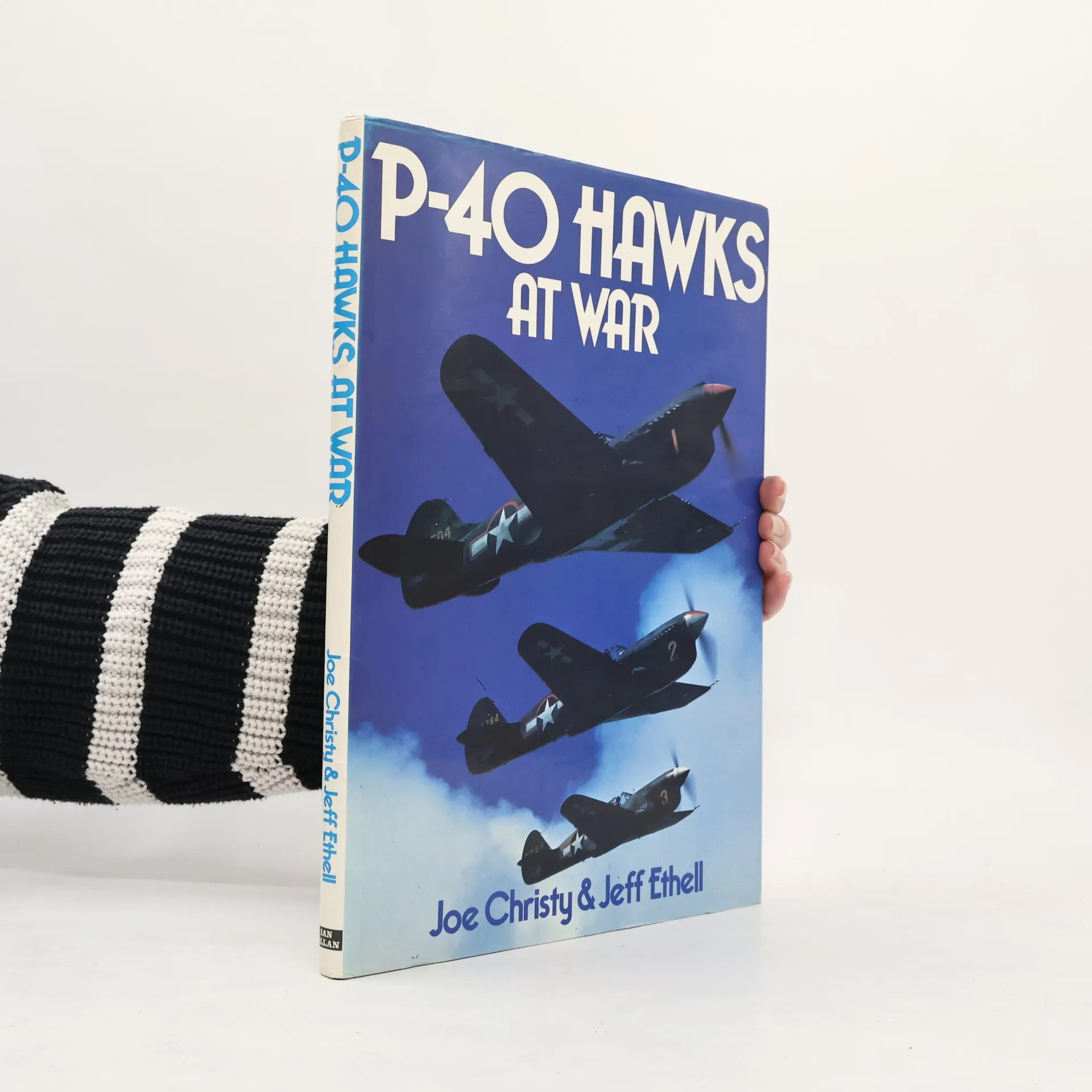
This series delves into the wartime careers of iconic military aircraft and organizations. Each volume features a collection of firsthand accounts from the individuals who flew and maintained these machines. Lavishly illustrated with black and white photographs, the texts and images work together to recreate the era's atmosphere and trace the history of each type across major theaters of war.
Libro usado en buenas condiciones, por su antiguedad podria contener señales normales de uso
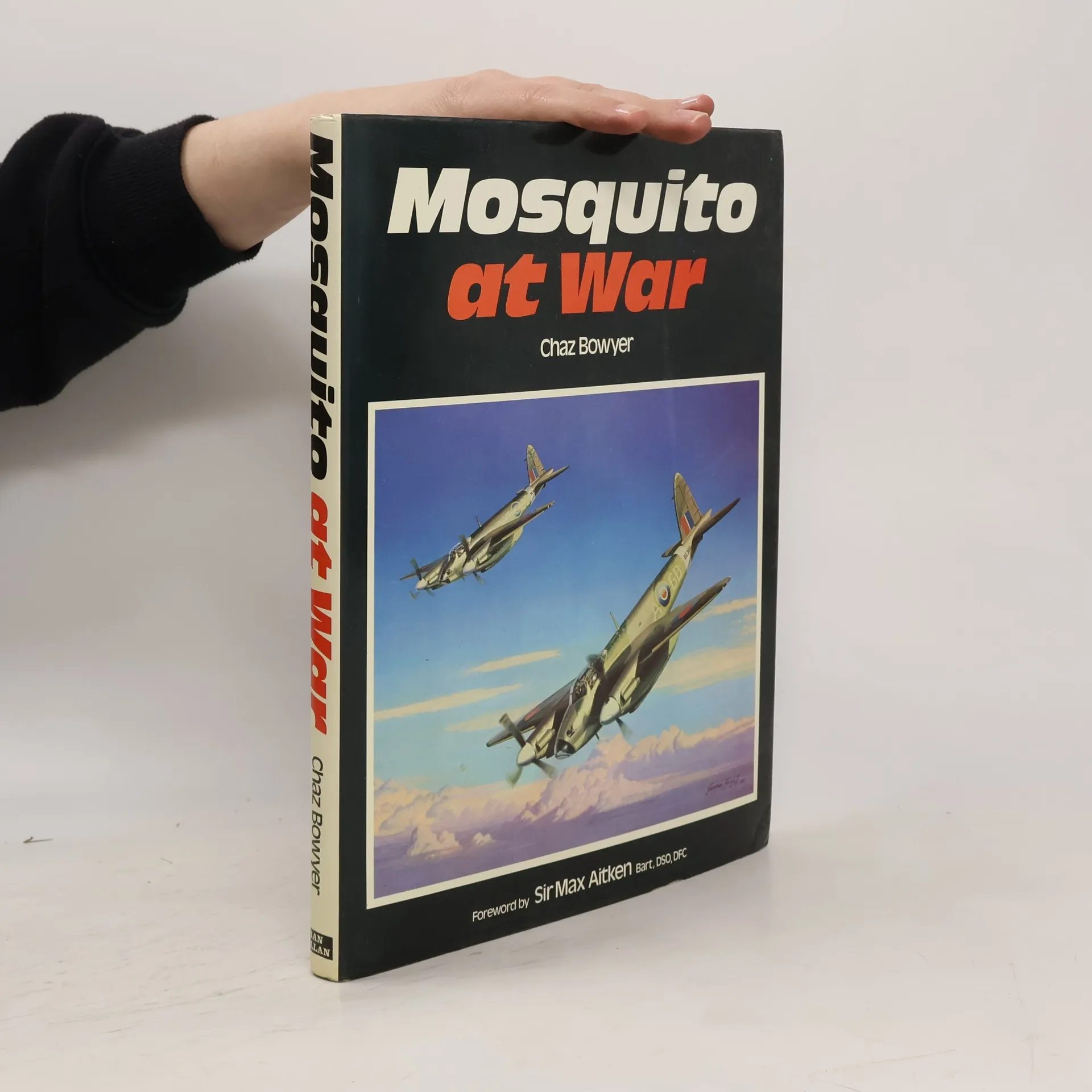
The de Havilland DH.98 Mosquito was a British multi-role combat aircraft with a two-man crew that served during and after the Second World War. It was one of few operational front-line aircraft of the era constructed almost entirely of wood and was nicknamed "The Wooden Wonder". The Mosquito was also known affectionately as the "Mossie" to its crews. Originally conceived as an unarmed fast bomber, the Mosquito was adapted to roles including low to medium-altitude daytime tactical bomber, high-altitude night bomber, pathfinder, day or night fighter, fighter-bomber, intruder, maritime strike aircraft, and fast photo-reconnaissance aircraft. It was also used by the British Overseas Airways Corporation (BOAC) as a fast transport to carry small high-value cargoes to, and from, neutral countries, through enemy-controlled airspace. A single passenger could be carried in the aircraft's bomb bay, which was adapted for the purpose
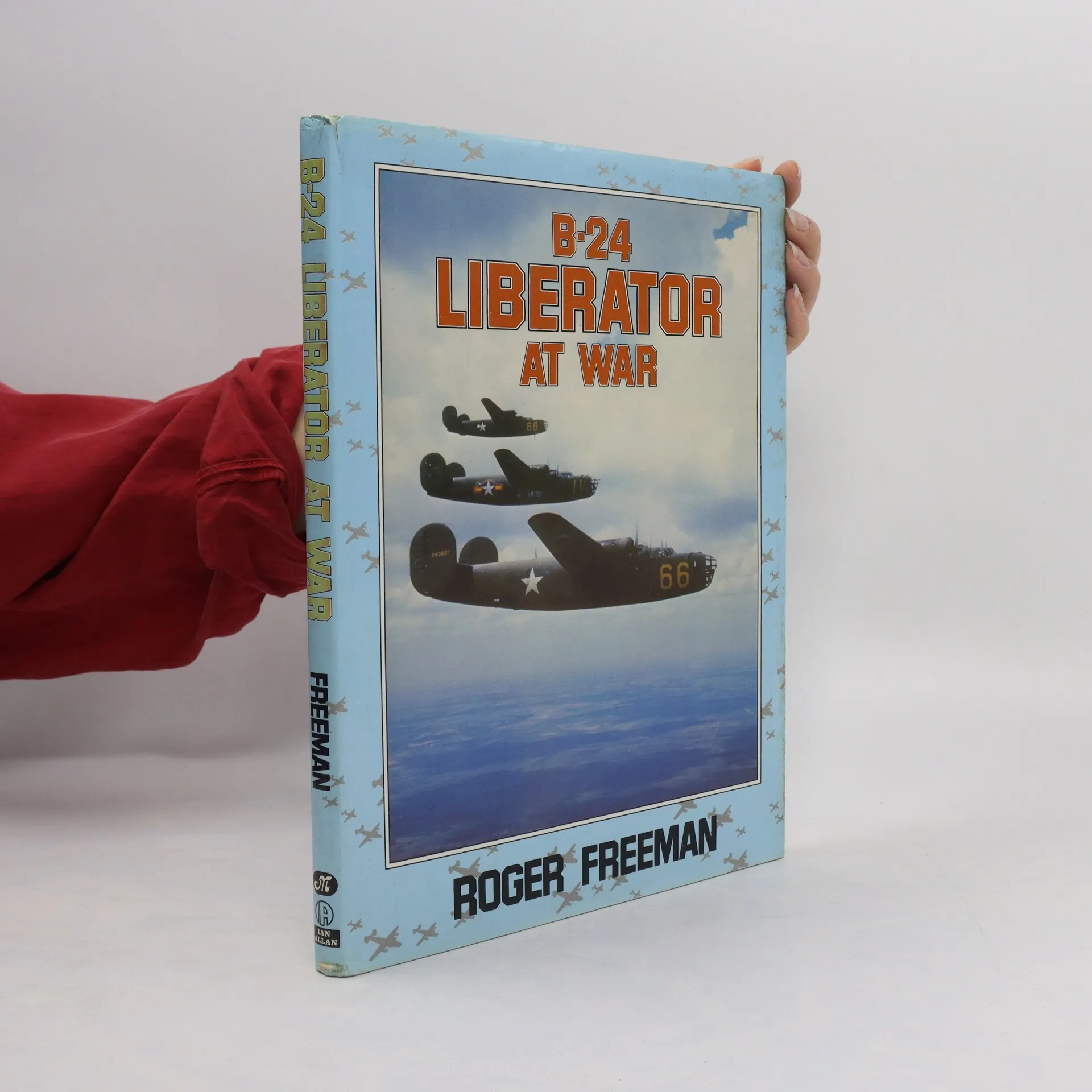
The B-24 Liberator was the most widely used four-engined aircraft of World War II, with a total of 19,256 being built. Built with Pacific distances in mind, the B-24 had a very long range and served the U.S. Army Air Force in both Europe and the Pacific, and also equipped RAF squadrons in Burma. The true character of such a long-serving aircraft cannot be deduced from its technical specifications, and this classic account draws on many first-hand experiences of those who actually flew the plane. The B-24's most important moments are covered, along with less well-known operations, all backed up with numerous photographs.
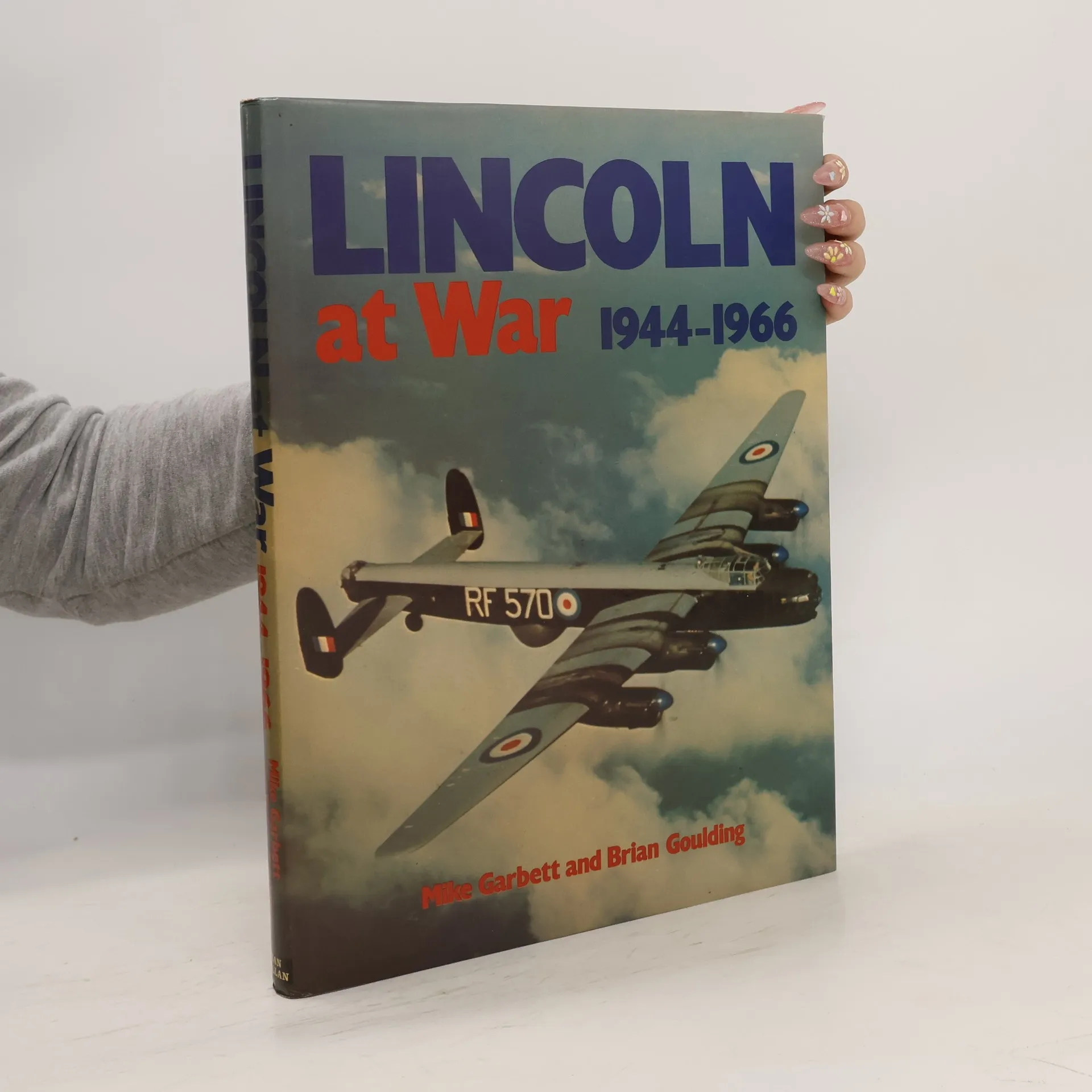
One of the classic 'At War' volumes now made available again for a new generation of aviation enthusiasts and historians. It records, through the memories of those veterans that served on the type, the service of the RAF's last piston-engined bomber. The surrender of Japan deprived it of a chance to prove itself in the Second World War, but postwar it served in the trouble spots of Malaya, Aden and Kenya. It was also a valuable test-bed and training aircraft.
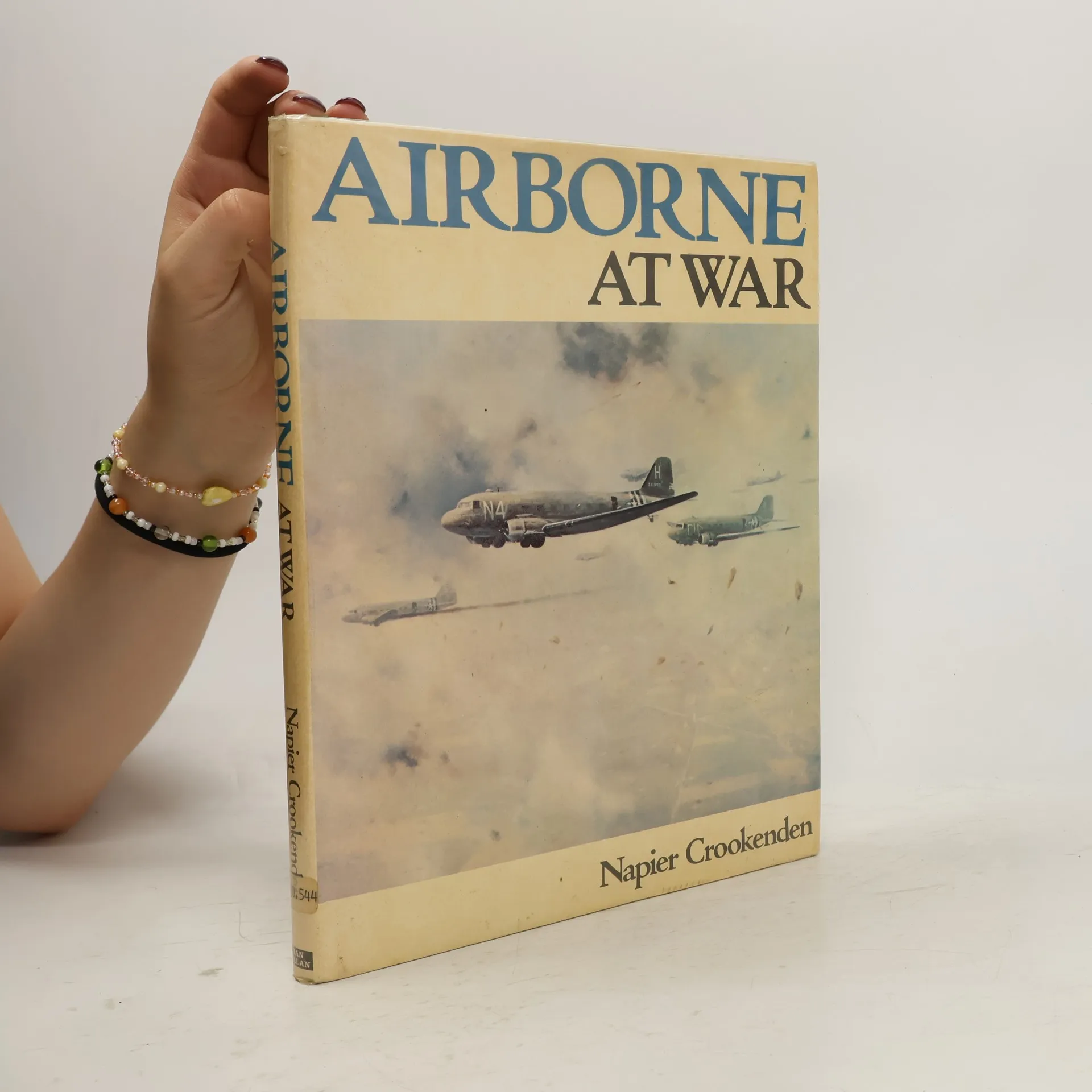
The author, a distinguished Airborne soldier, looks back at some of the Airborne operations of the Second World War to reveal the kind of spirit the airborne assault developed in its soldiers and airmen, and also to compare the operations of the three nations who used them - Germany, Great Britain and United States. First published in 1978 and now reprinted.
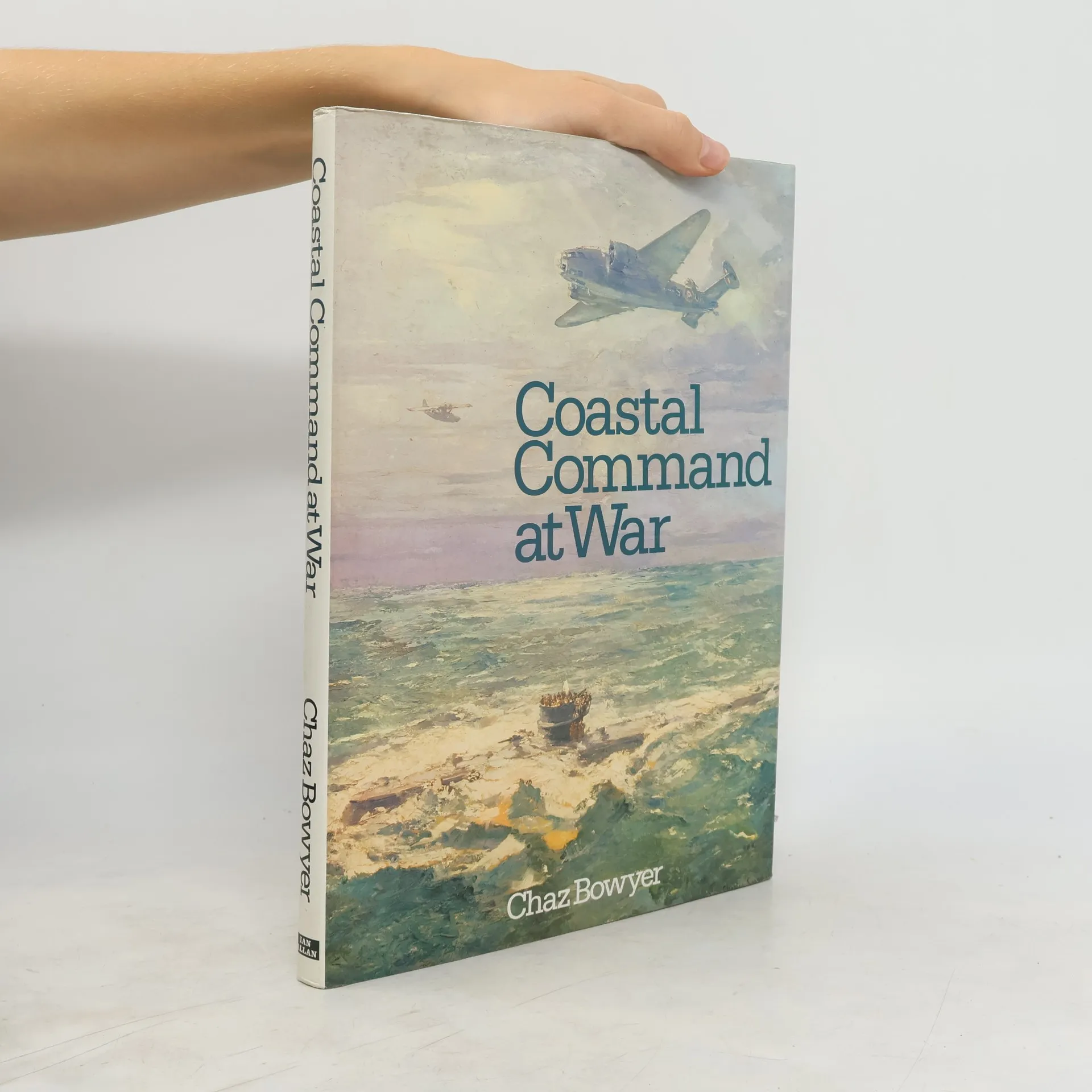
The Royal Air Force's Coastal Command carried out a vital but largely unknown struggle throughout World War II. Often equipped with obsolete aircraft, their mission was initially the protection of Britain's convoys during the Battle of the Atlantic. Much of this effort was directed against the German U-boats and, in fact, 192 out of 727 U-boats sunk were credited to Coastal Command. Actions were also taken against German surface raiders and aircraft, often involving long flights in bad weather. As the war progressed, Coastal Command adopted a more aggressive role, attacking German shipping in its home waters. Veteran Royal Air Force historian Chaz Bowyer's classic account relates the full story of all the many roles undertaken by Coastal Command, often told by those who actually took part. The detailed text is illustrated with a wealth of photographs.
Reissue bound in brown cloth. 8 3/4" x 11 1/4" hardcover. A VG+ copy in a VG+ dust jacket. Bumps to the book's corners. Mild dust spotting to the edges of the page blocks. The dust jacket has mild rubs to its corners and spine tips.
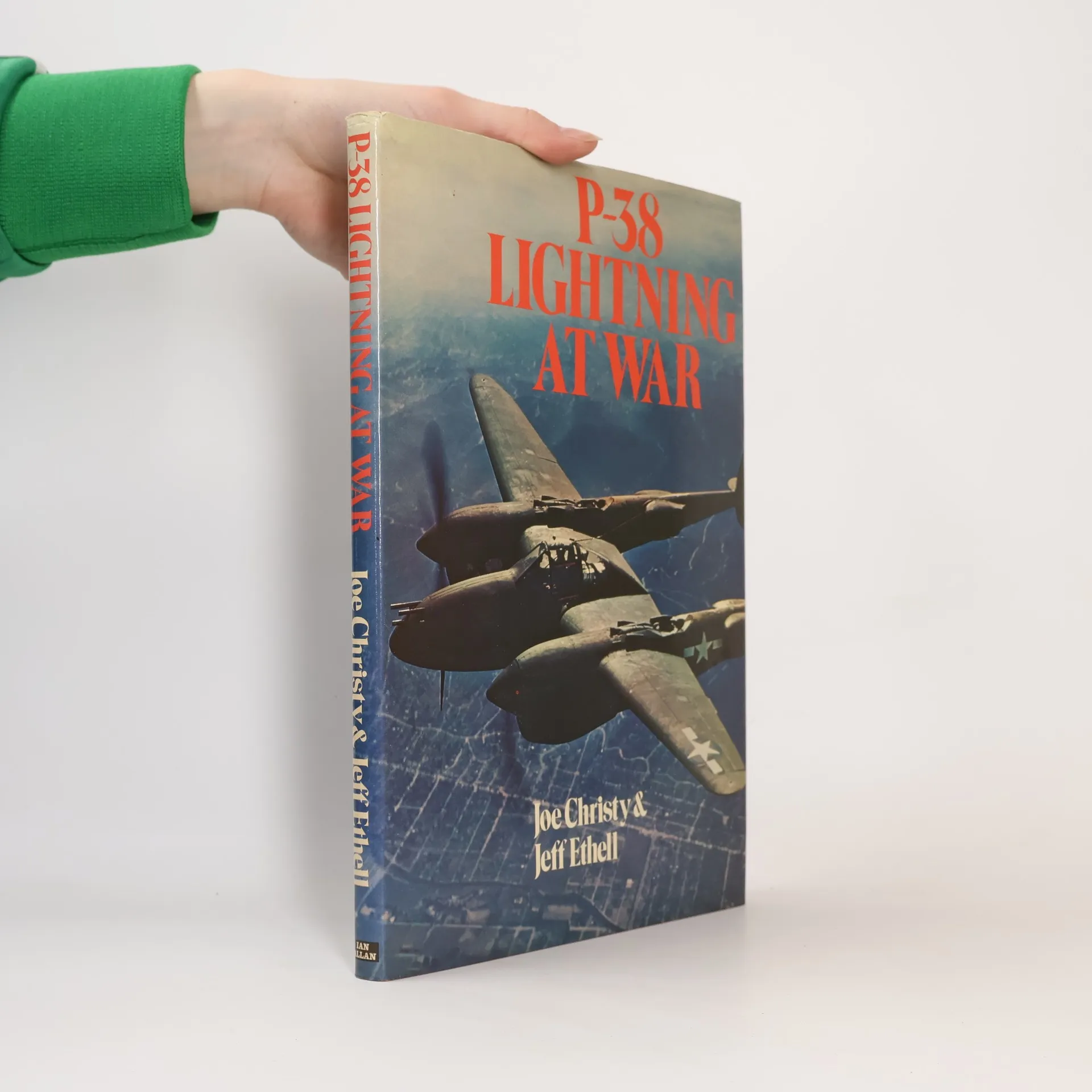
This classic title traces the history of the Lightning from the earliest Lockheed "Model 22" through the severe compressibility problems of the prototype YP-38, to the P-38L-5, the fighter-bomber-reconnaissance aircraft of the USAAF in Italy and the Pacific. Graphically illustrated with over 200 action photographs and many eyewitness accounts, this book tells the story of a unique and innovative aircraft, revered for its adaptability and ability to limp home on one engine where other aircraft would have been destroyed.
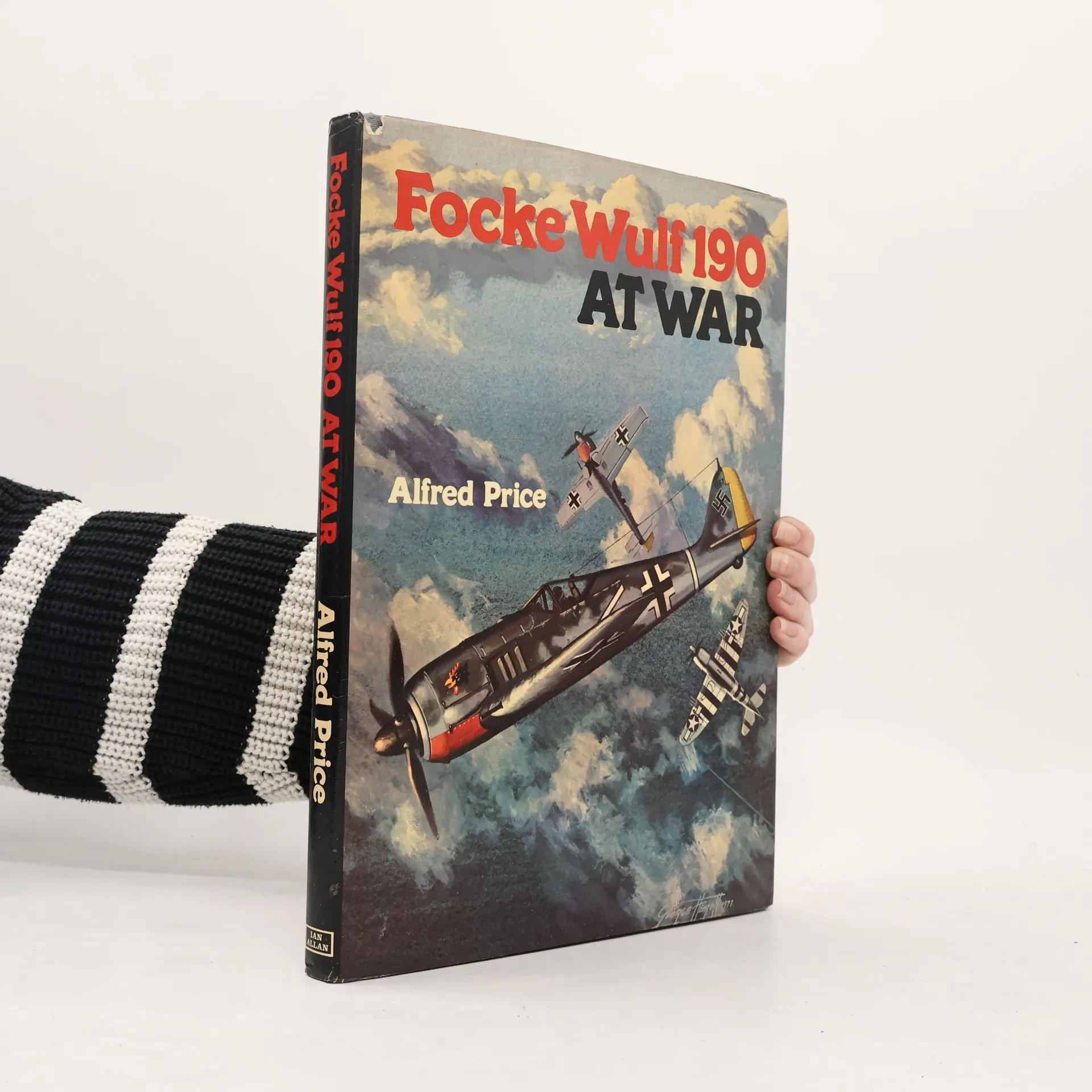
When the Focke Wulf Fw 190 became operational in 1941, it gave its enemies a nasty shock: it could out-run, out-climb and out-dive the Spitfire Mk V, the best machine the RAF then had available. The story of the versatile aircraft is offered here, along with first-hand accounts from former pilots, and an interview with the head of the Focke Wulf design team, Professor Kurt Tank.
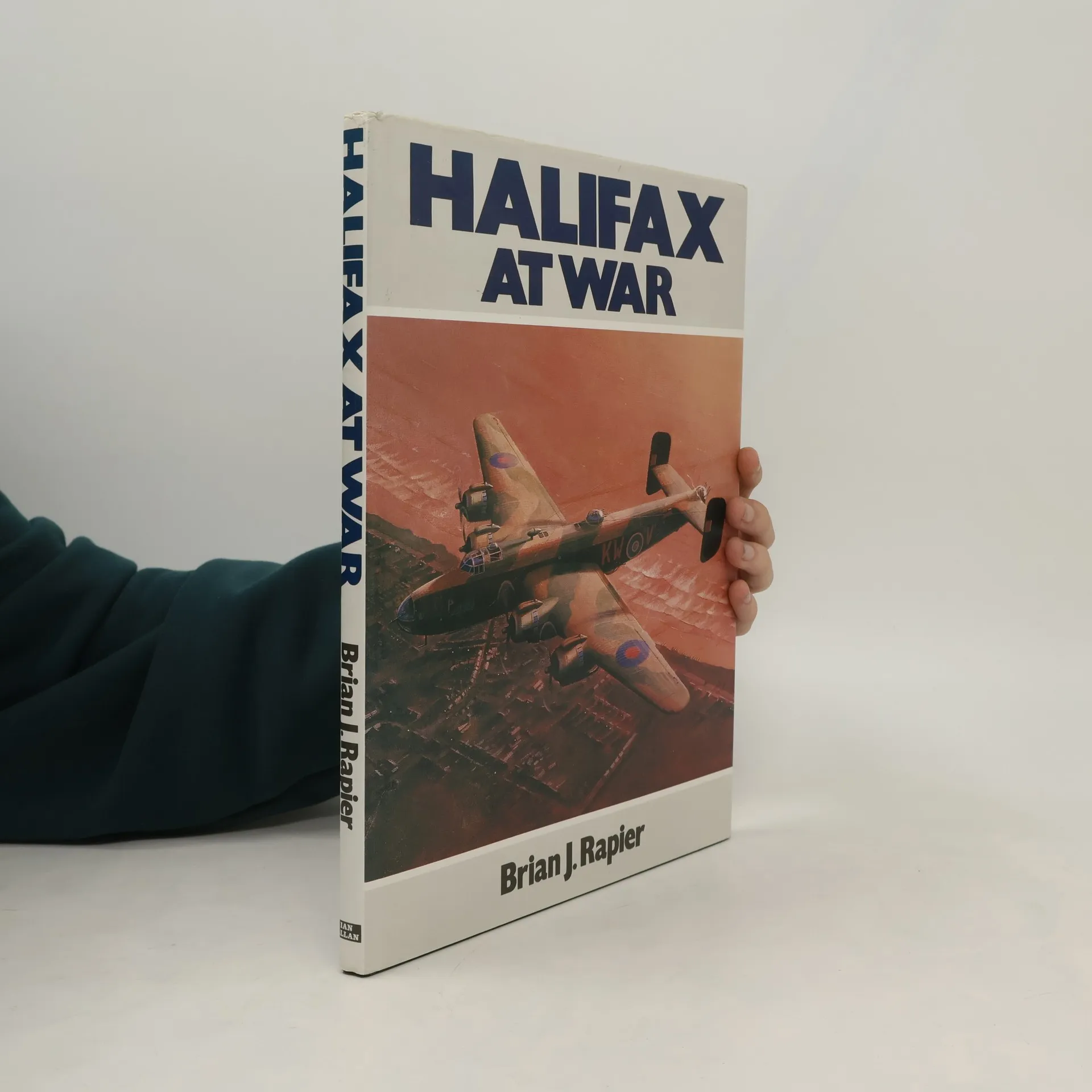
Beskriver det fra 2. verdenskrig kendte, engelske bombefly Halifax.
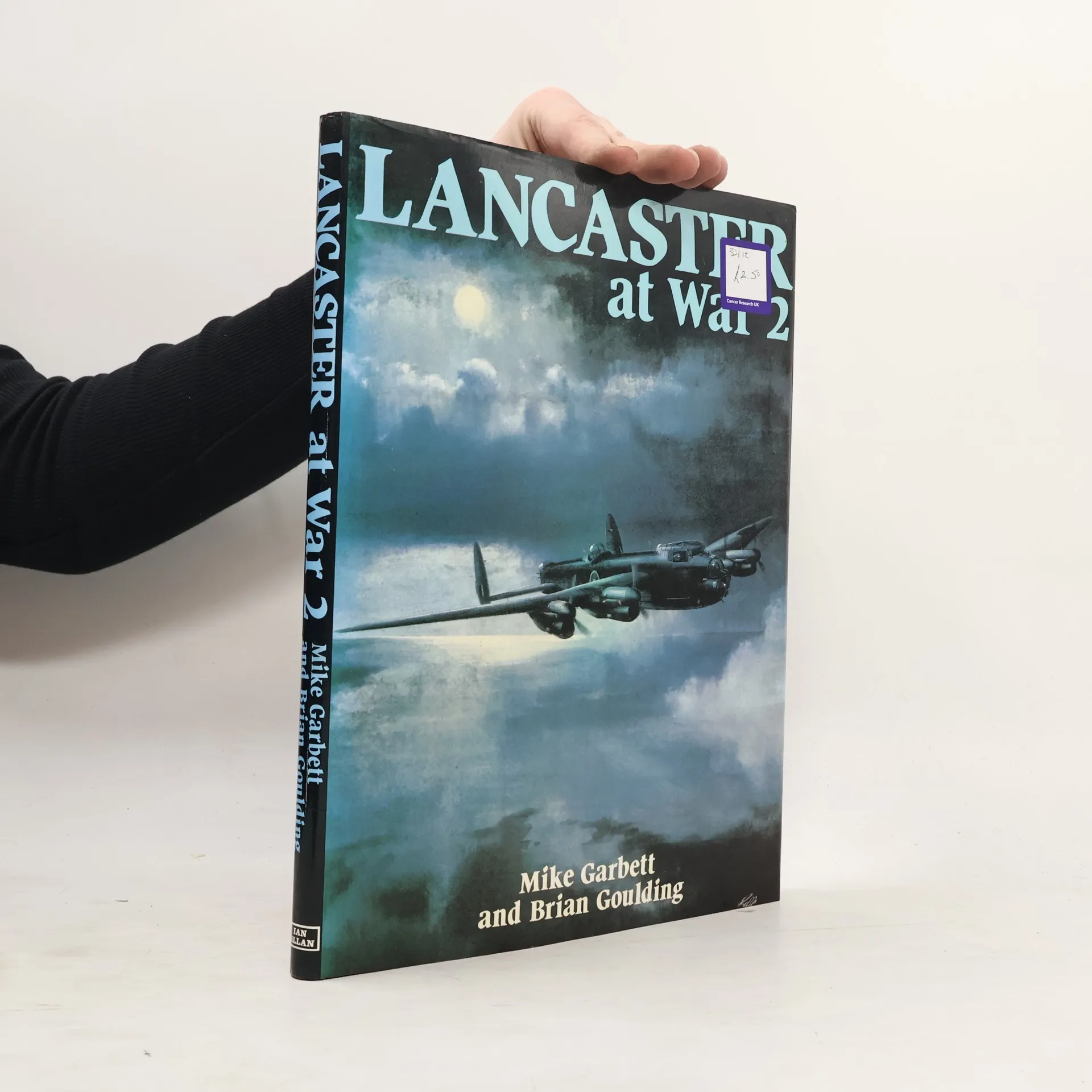
Beretning om det fra 2. verdenskrig kendte, engelske bombefly - Lancaster - og de besætninger der fløj og vedligeholdt disse bombefly.
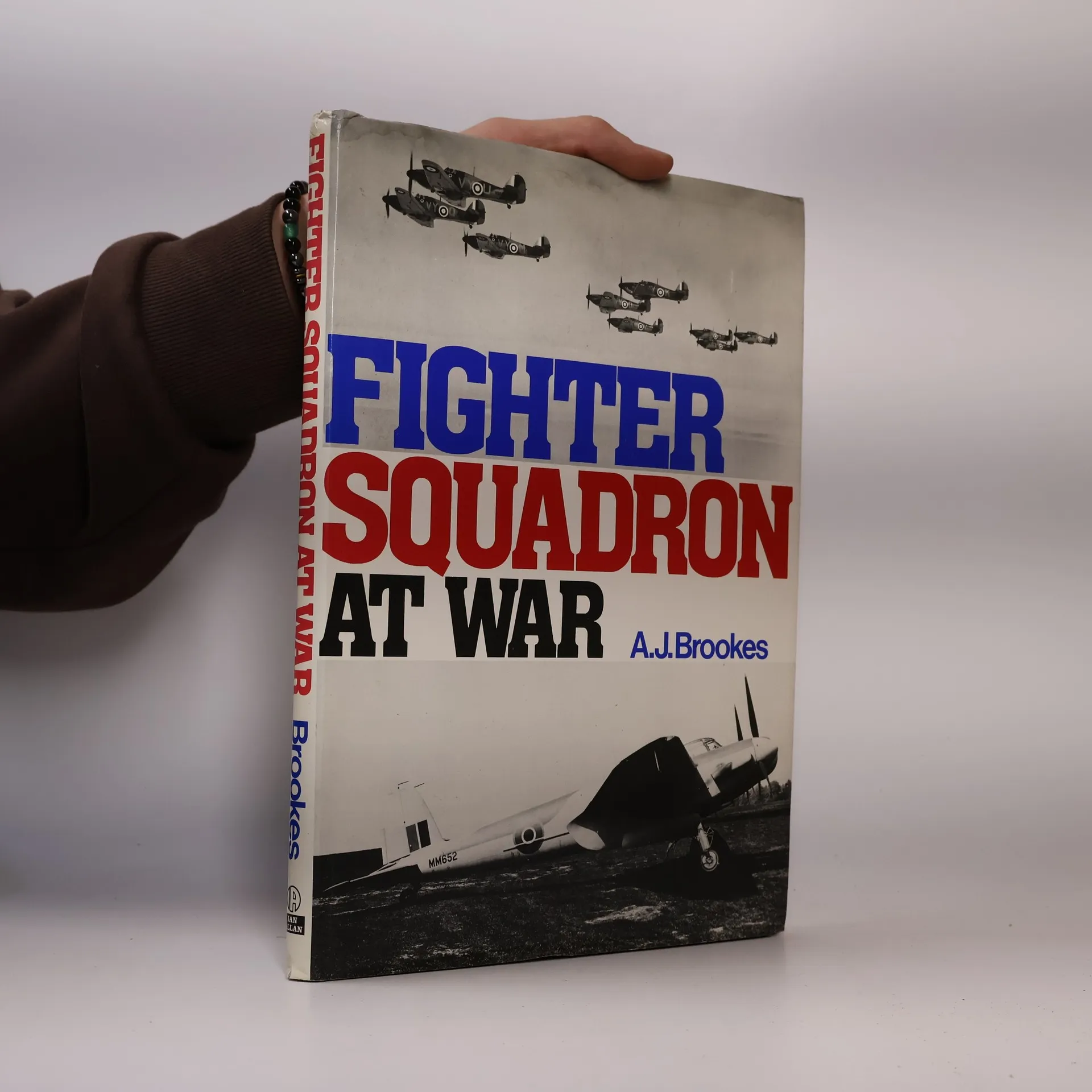
An evocation of what it was like to serve on a RAF fighter squadron between 1939 and 1945. Drawing mainly from past members of 85 squadron and their families this is a 'scrapbook' of an age portraying how men and women in RAF uniform worked fought, played and died through the war years. Information taken from Official reports, letters, diaries and mementoes describes how they saw themselves and how others saw them.