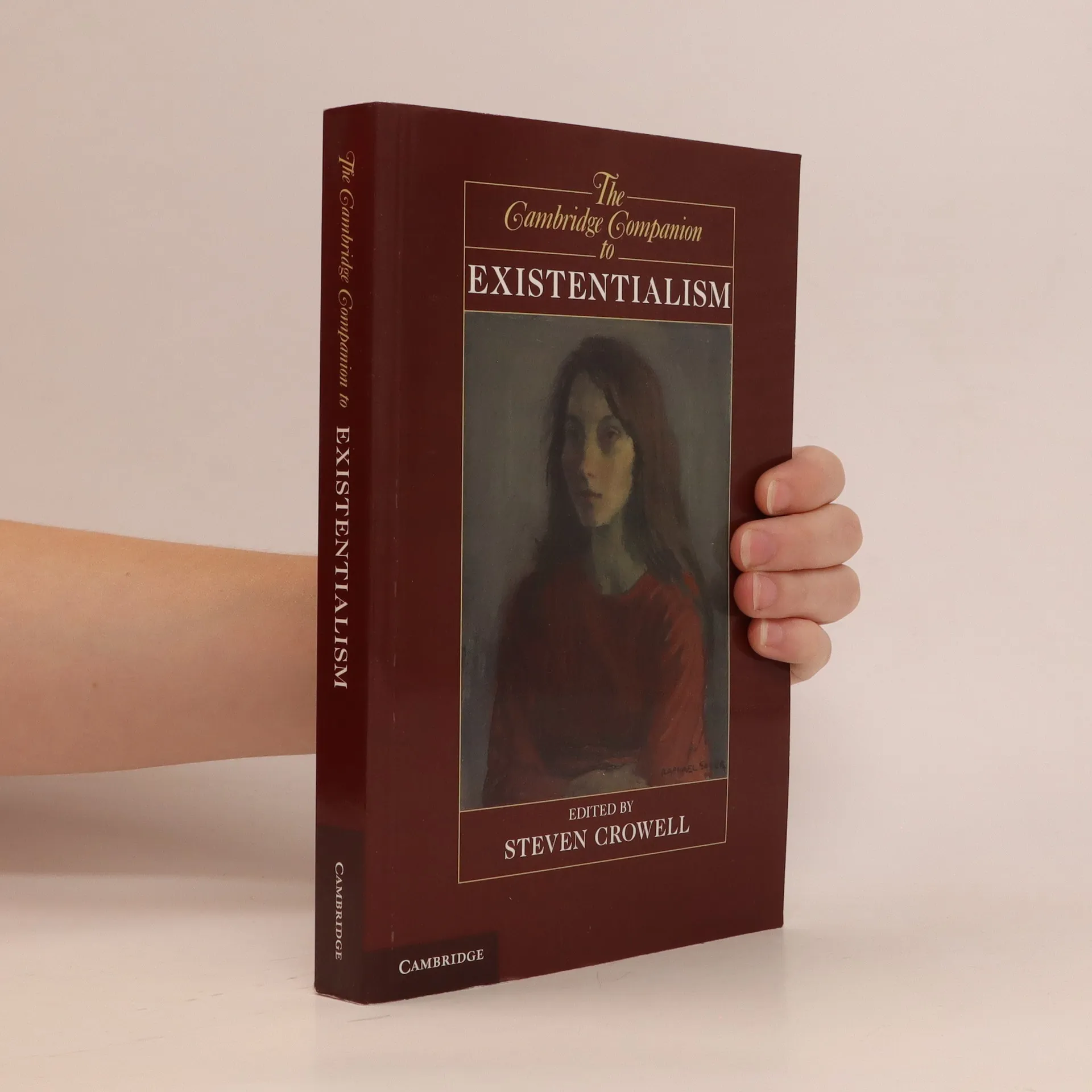
Existentialism exerts a continuing fascination on students of philosophy and general readers. As a philosophical phenomenon, though, it is often poorly understood, as a form of radical subjectivism that turns its back on reason and argumentation and possesses all the liabilities of philosophical idealism but without any idealistic conceptual clarity. In this volume of original essays, the first to be devoted exclusively to existentialism in over forty years, a team of distinguished commentators discuss the ideas of Kierkegaard, Nietzsche, Heidegger, Sartre, Merleau-Ponty and Beauvoir and show how their focus on existence provides a compelling perspective on contemporary issues in moral psychology and philosophy of mind, language and history. A further sequence of chapters examines the influence of existential ideas beyond philosophy, in literature, religion, politics and psychiatry. The volume offers a rich and comprehensive assessment of the continuing vitality of existentialism as a philosophical movement and a cultural phenomenon.
Cambridge Companions to Philosophy Series
This acclaimed series offers lively and accessible introductions to the major figures, topics, and periods in philosophy. Each volume features specially commissioned essays from leading scholars, presenting a diverse range of viewpoints. It's an ideal resource for students and anyone seeking a clear understanding of philosophical thought.

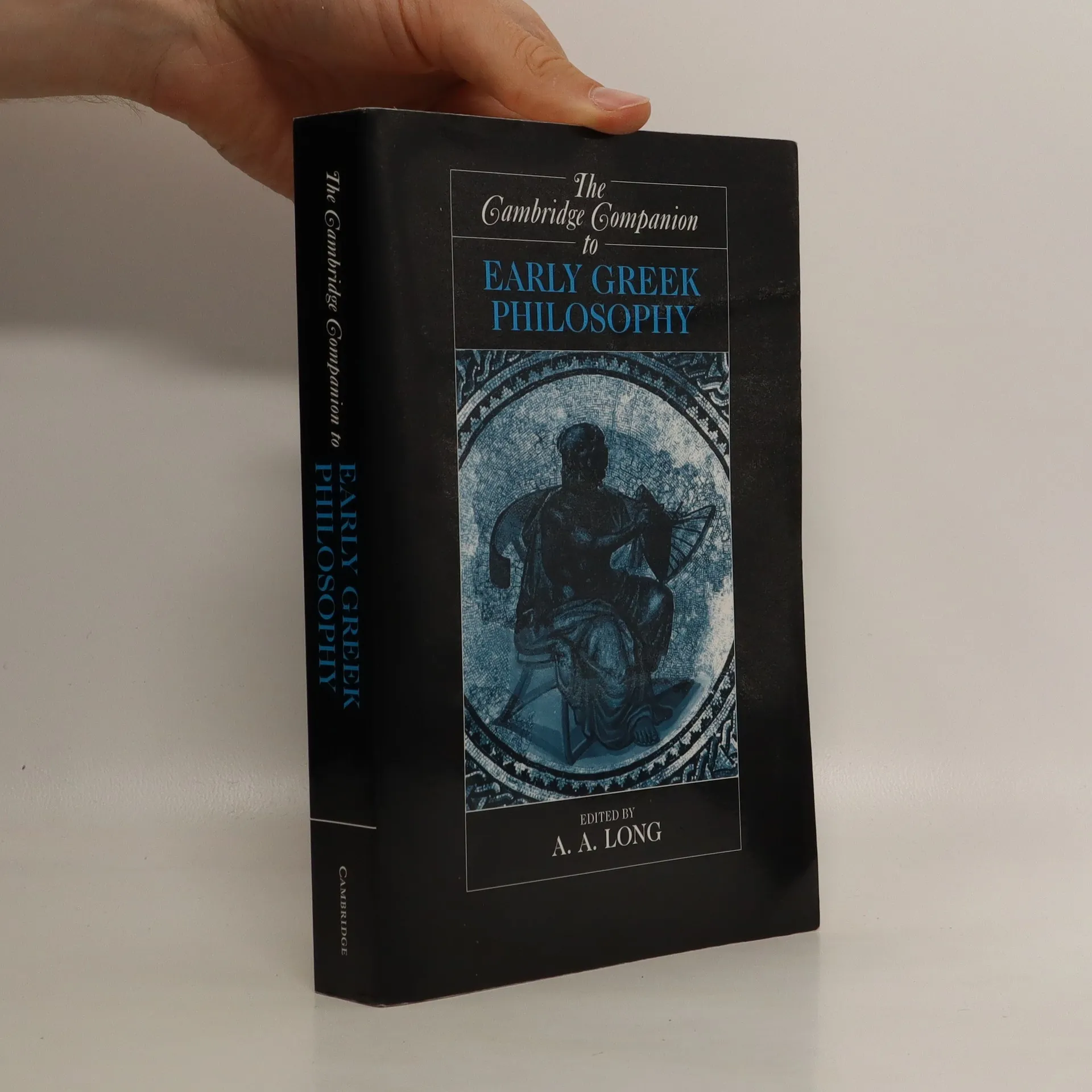
A 1999 Companion to Greek philosophy, invaluable for new readers, and for specialists.
The Cambridge companion to Deleuze
- 396 pages
- 14 hours of reading
Gilles Deleuze (1925-1995) was an influential and provocative twentieth-century thinker who developed and presented an alternative to the image of thought found in traditional philosophy. This volume offers an extensive survey of Deleuze's philosophy by some of his most influential interpreters. The essays give lucid accounts of the fundamental themes of his metaphysical work and its ethical and political implications. They clearly situate his thinking within the philosophical tradition, with detailed studies of his engagements with phenomenology, post-Kantianism and the sciences, and also his interventions in the arts. As well as offering new research on established areas of Deleuze scholarship, several essays address key themes that have not previously been given the attention they deserve in the English-speaking world.
The Cambridge Companion to Wittgenstein
- 532 pages
- 19 hours of reading
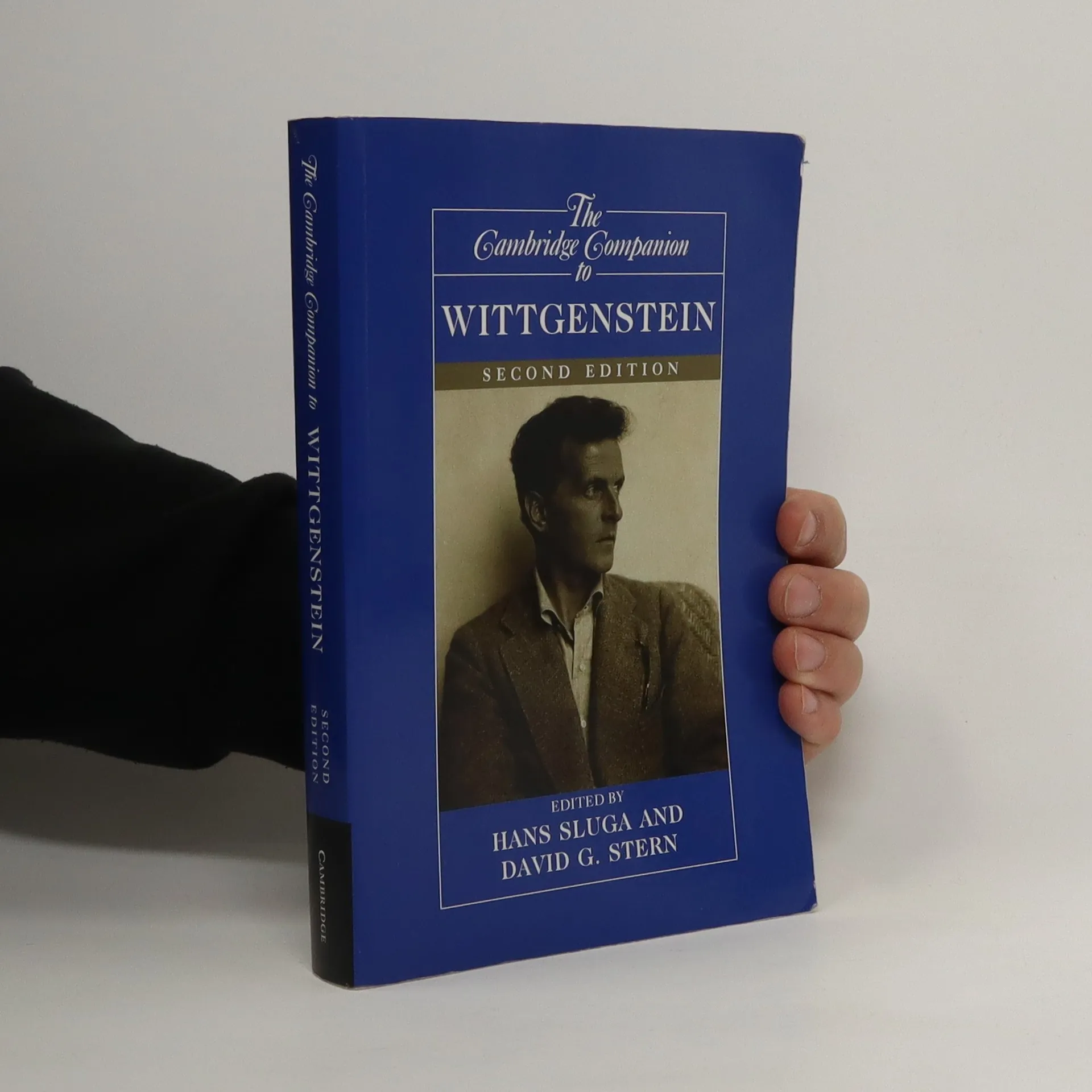
Ludwig Wittgenstein (1889-1951) is one of the most important and influential philosophers in modern times, but he is also one of the least accessible. In this volume, leading experts chart the development of his work and clarify the connections between its different stages. The essays, which are both expository and original, address central themes in Wittgenstein's writing on a wide range of topics, particularly his thinking about the mind, language, logic, and mathematics. The contributors illuminate the character of the whole body of work by focusing on key topics: the style of the philosophy, the conception of grammar contained in it, rule-following, convention, logical necessity, the self, and what Wittgenstein called, in a famous phrase, 'forms of life'. This revised edition includes a new introduction, five new essays - on Tractarian ethics, Wittgenstein's development, aspects, the mind, and time and history - and a fully updated comprehensive bibliography.
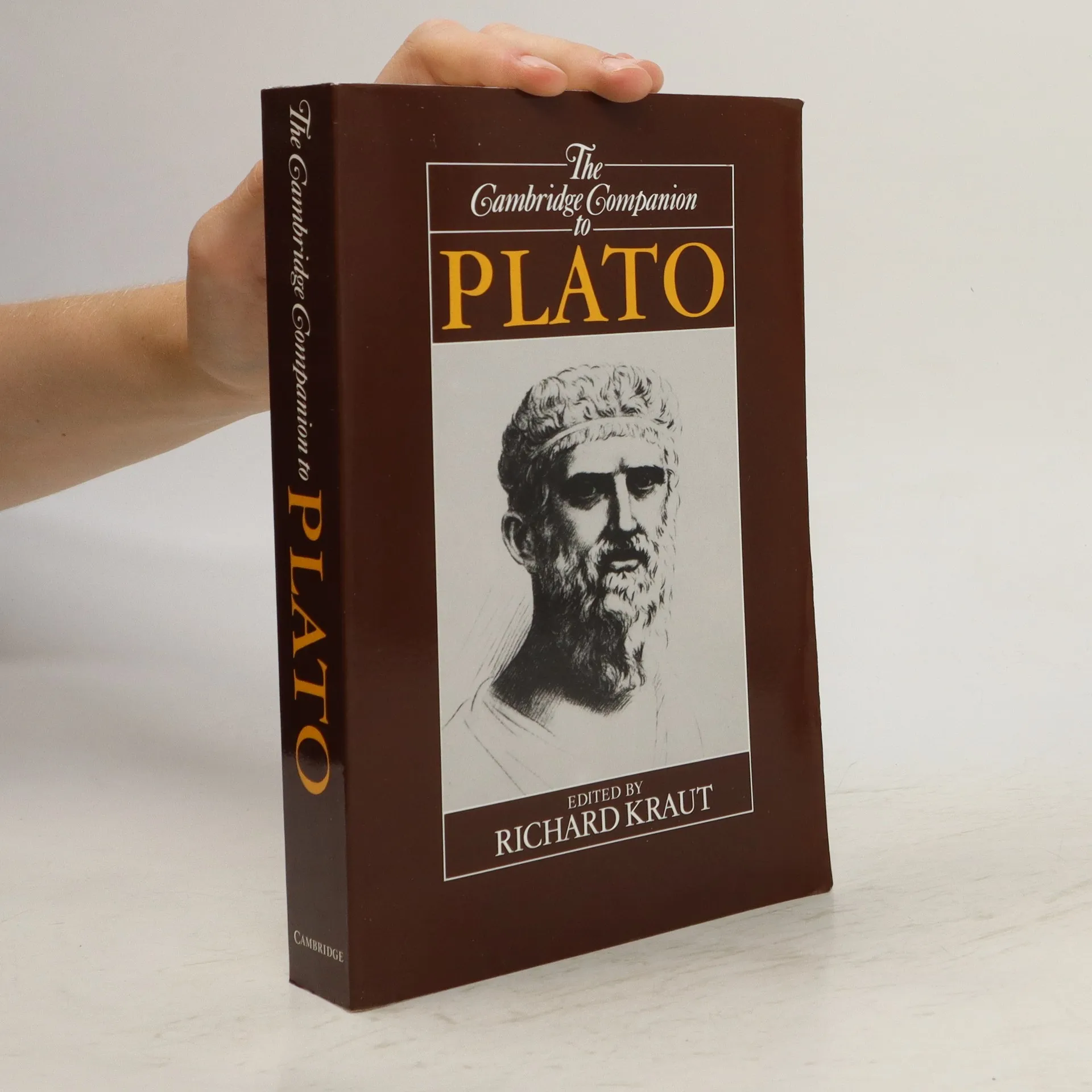
Plato stands as the fount of our philosophical tradition, being the first Western thinker to produce a body of writing that touches upon a wide range of topics still discussed by philosophers today. In a sense he invented philosophy as a distinct subject, for although many of these topics were discussed by his intellectual predecessors and contemporaries, he was the first to bring them together by giving them a unitary treatment. This volume contains fourteen new essays discussing Plato's views about knowledge, reality, mathematics, politics, ethics, love, poetry, and religion. There are also analyses of the intellectual and social background of his thought, the development of his philosophy throughout his career, the range of alternative approaches to his work, and the stylometry of his writing.
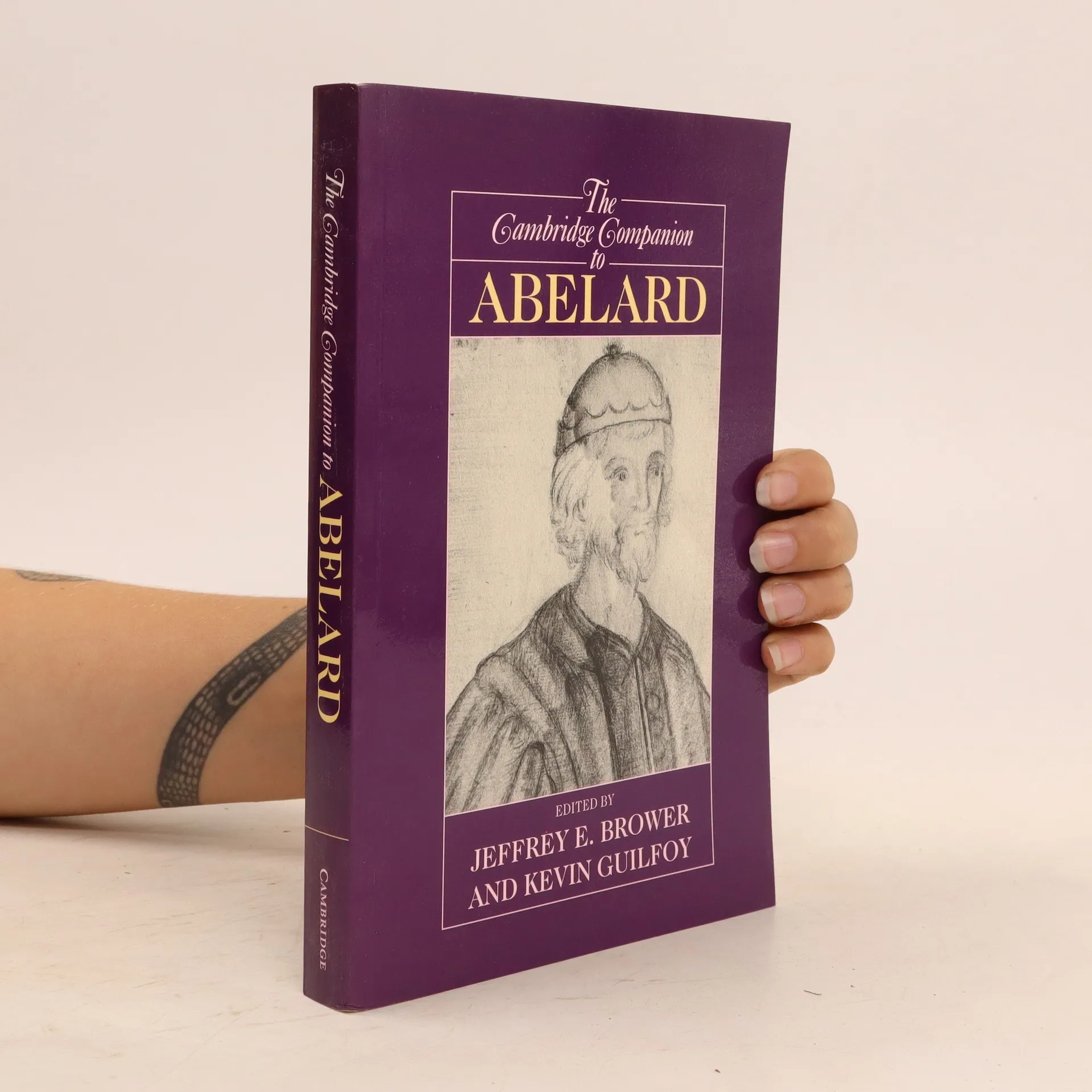
Peter Abelard (1079-1142) is one of the greatest philosophers of the medieval period. Although best known for his views about universals and his dramatic love affair with Heloise, he made a number of important contributions in metaphysics, logic, philosophy of language, mind and cognition, philosophical theology, ethics, and literature.
The Cambridge Companion to Feminism in Philosophy
- 294 pages
- 11 hours of reading
Introduction Miranda Fricker and Jennifer Hornsby; 1. Feminism in ancient philosophy: The feminist stake in Greek rationalism Sabina Lovibond; 2. Feminism in philosophy of mind: The question of personal identity Susan James; 3. Feminism in philosophy of mind: Against physicalism Naomi Scheman; 4. Feminism and psychoanalysis: Using Melanie Klein Sarah Richmond; 5. Feminism in philosophy of language: Communicative speech acts Jennifer Hornsby; 6. Feminism in metaphysics: Negotiating the natural Sally Haslanger; 7. Feminism in epistemology: Exclusion and objectification Rae Langton; 8. Feminism in epistemology: Pluralism without postmodernism Miranda Fricker; 9. Feminism in philosophy of science: Making sense of contingency and constraint Alison Wylie; 10. Feminism in political philosophy: Women's difference Diemut Bubeck; 11. Feminism in ethics: Conceptions of autonomy Marilyn Friedman; 12. Feminism in ethics: Moral justification Alison Jaggar; 13. Feminism in history of ideas: Appropriating the past Genevieve Lloyd. schovat popis
This volume, first published in 2003, spans a millennium of thought extending from Augustine to Thomas Aquinas and beyond. It includes not only the thinkers of the Latin West but also the profound contributions of Islamic and Jewish thinkers. of the major thinkers. schovat popis
This volume offers an odyssey through the ideas of the Stoics. schovat popis
Plotinus was a key figure in the Platonic tradition and the starting-point for the developments in ancient philosophy that followed. This new Companion offers chapters on topics including mathematics, fate and determinism, happiness, the theory of forms, categories of reality, matter and evil, and Plotinus' legacy.
The New Cambridge Companion to Nietzsche
- 464 pages
- 17 hours of reading
Comprehensive, accessible and detailed, this volume will be important for students and teachers seeking to develop their understanding of Nietzsche's philosophy. Key texts, including The Birth of Tragedy and Thus Spoke Zarathustra, are explored in depth, and topics covered include truth, science, art, history and his famous 'will to power'.
The Cambridge Companion to Medieval Ethics
- 426 pages
- 15 hours of reading
The first volume examining the full range of medieval ethics in Christian, Islamic, and Jewish philosophy in an accessible way, exploring previously neglected topics including the importance of civil and canon law, mystical ethics, and the role of ethics in theology. It will interest students of ethics and medieval philosophy.
This volume highlights Berlin's significance to contemporary readers, regarding not only liberty and liberalism, the Enlightenment and Romanticism, and pluralism, but also political theory, history, and the social sciences. Berlin's writings remain indispensable for showing how great political and ethical ideas have shaped contemporary history.
The Cambridge Companion to Ancient Ethics
- 410 pages
- 15 hours of reading
A comprehensive and up-to-date exploration of ancient Greek ethical thought, investigating the figures, movements, and themes of this branch of philosophy.
The Cambridge Companion to Medieval Logic
- 462 pages
- 17 hours of reading
Anyone interested in the history of logic, and the history of philosophy more generally, will greatly benefit from this volume which focuses on an extremely rich period in the history of logic: the medieval period. A must-read for students as well as scholars of the history of philosophy.
The Cambridge Companion to Popper
- 404 pages
- 15 hours of reading
This is one of the most comprehensive collections of critical essays to be published on the philosophy of Karl Popper.
The Cambridge Companion to Fichte
- 440 pages
- 16 hours of reading
The first English-language survey of Fichte's philosophy, examining all the central areas and stages of his work.
The Cambridge Companion to Aristotle's Nicomachean Ethics
- 488 pages
- 18 hours of reading
This volume provides a systematic guide to Aristotle's Nicomachean Ethics, a key text of ancient philosophy, and Western philosophy in general.
Cambridge Companions to Philosophy
- 660 pages
- 24 hours of reading
Frege is generally seen (along with Russell and Wittgenstein) as one of the fathers of the analytic method, which dominated philosophy in English-speaking countries for most of the twentieth century. This volume offers a comprehensive and accessible exploration of the scope and importance of his work.
The first collective commentary in English on Kant's landmark 1871 publication.
Since its publication in 1677, Spinoza's Ethics has fascinated philosophers, novelists, and scientists alike and is undoubtedly one of the most exciting and contested works of Western philosophy. This detailed and accessible volume is the first anthology to treat the whole of the Ethics.
The Cambridge Companion to Plato's Republic
- 560 pages
- 20 hours of reading
This Companion provides a comprehensive account of this outstanding work, which remains among the most frequently read works of Greek philosophy and Classical antiquity. Through the sixteen essays, a multidisciplinary team of authors use a variety of interpretive approaches to aid the understanding of a wide-ranging audience.
In this 2007 volume, eighteen of the world's leading scholars present original essays on various aspects of atheism: its history, defense and implications. These essays give a broad understanding of atheism and a lucid introduction to this controversial topic.
The Cambridge Companion to Arabic Philosophy
- 468 pages
- 17 hours of reading
An accessible introduction to Arabic philosophy from the 'classical' period to later Islamic thought.
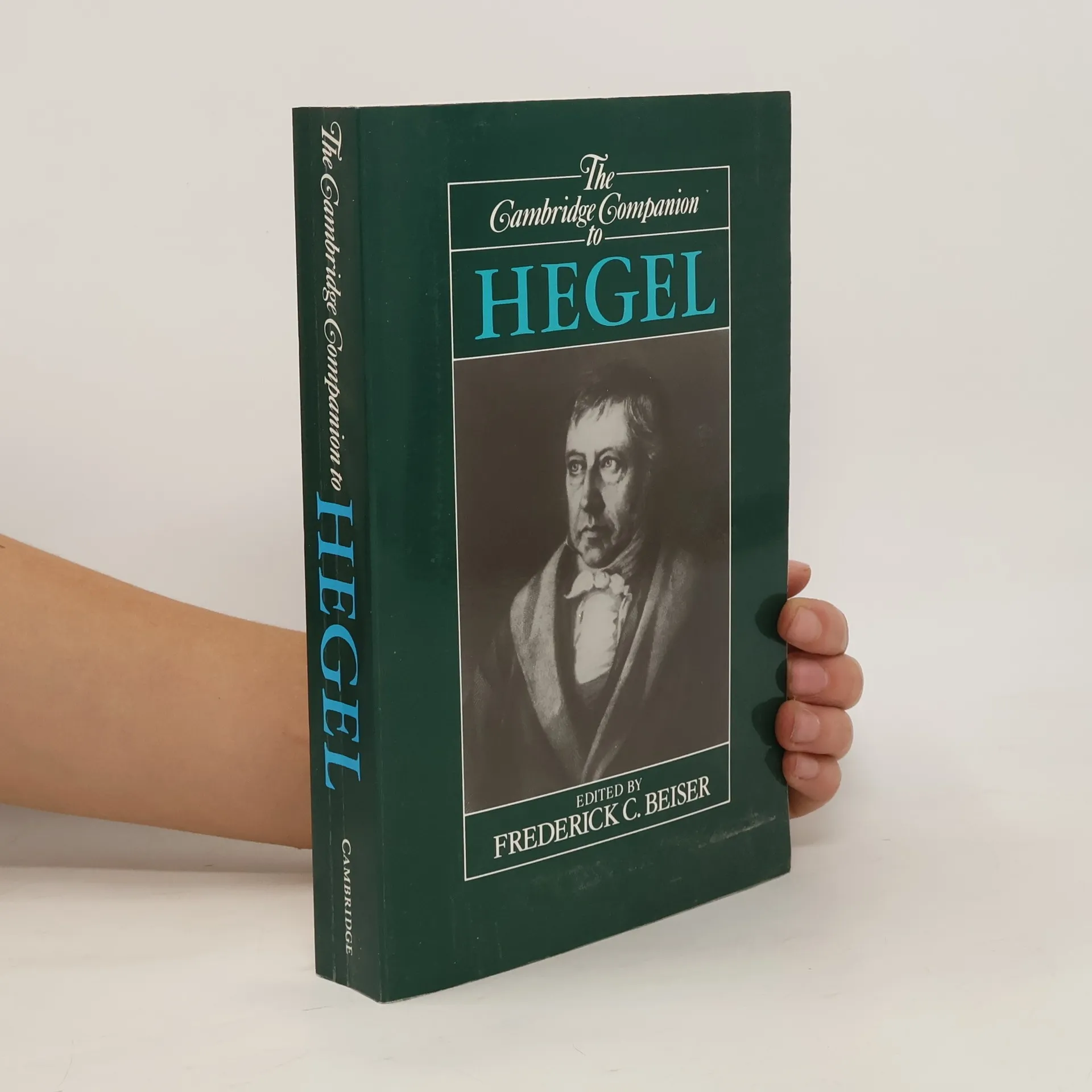
The Cambridge Companion to Hegel
- 530 pages
- 19 hours of reading
This volume considers all the major aspects of Hegel's work: epistemology, logic, ethics, political philosophy, aesthetics, philosophy of history, and philosophy of religion.
Ten leading scholars introduce all the important aspects of Aquinas' thought, ranging from its historical background and dependence on Greek, Islamic, and Jewish philosophy and theology, through the metaphysics, epistemology and ethics, to the philosophical approach to Biblical commentary.
The Cambridge Companion to Kant
- 482 pages
- 17 hours of reading
An internationally recognized team of Kant scholars explore his argument that the basic principles of the natural science are imposed on reality by human sensibility and understanding, and thus that human beings are also free to impose their own free and rational agency on the world. This 1992 volume is the only systematic and comprehensive account of the full range of Kant's writings available.
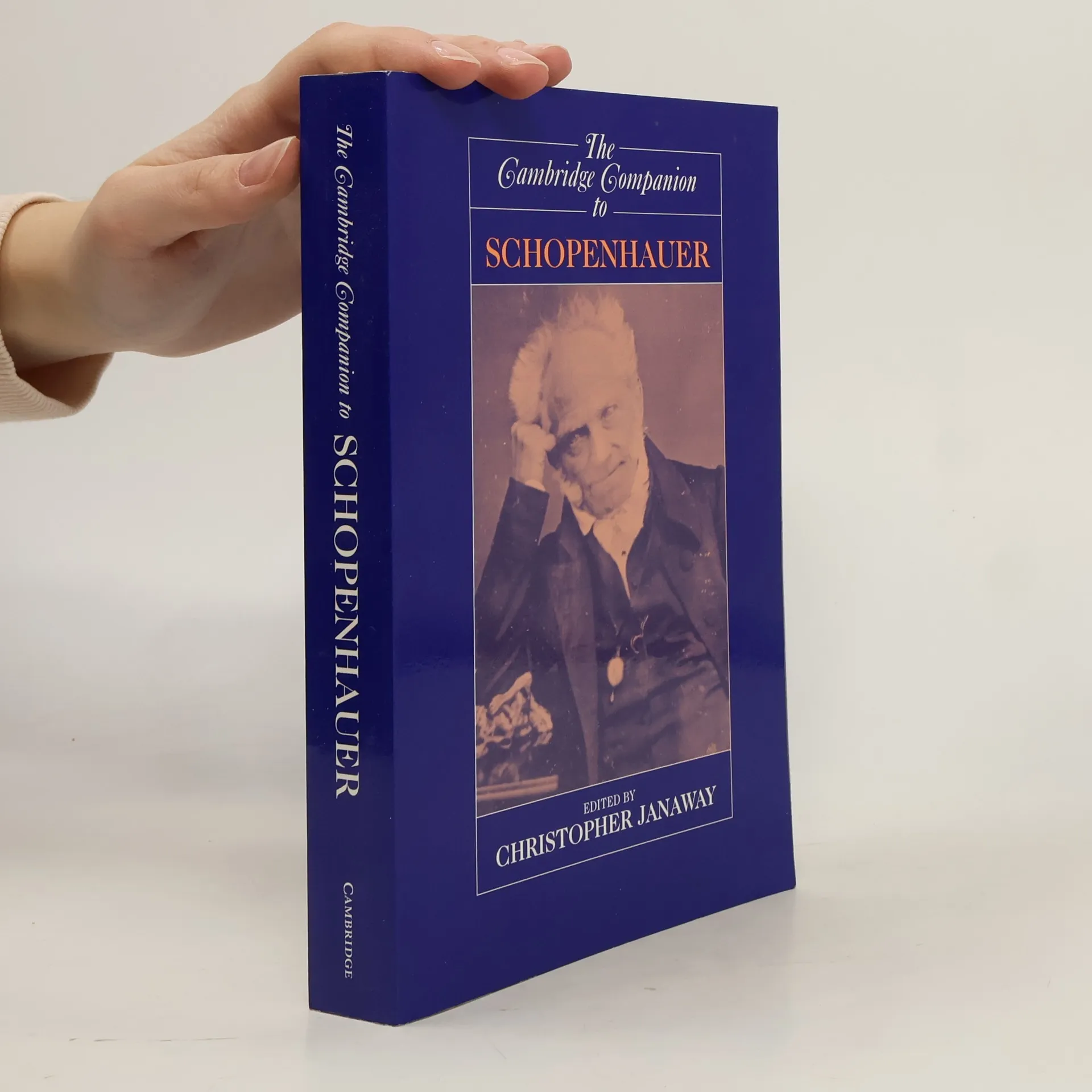
Schopenhauer (1788-1860) produced a unique theory of the world and human existence based upon his notion of will. This collection analyses the related but distinct components of will from the point of view of epistemology, metaphysics, philosophy of mind, aesthetics, ethics, and the philosophy of psychoanalysis.
This Companion probes the depth of Kierkegaard's thought to reveal its distinctive subtlety. Topics covered include Kierkegaard's views on art and religion, ethics and psychology, theology and politics, knowledge and virtue.
The Cambridge Companion to Gadamer
- 460 pages
- 17 hours of reading
Hans-Georg Gadamer (1900-2002) is widely recognized as the leading exponent of philosophical hermeneutics. This revised edition includes several new chapters on Gadamer's work, as well as updated chapters from the first edition and the most comprehensive bibliography of works by and about Gadamer available in the English language.
The Cambridge Companion to The Federalist
- 602 pages
- 22 hours of reading
Full of insights and information for scholars, students, and citizens, this volume is a guide to understanding the constitutional design, purpose, and institutional practices envisioned by Alexander Hamilton, James Madison, and John Jay - the authors of The Federalist. číst celé
The Cambridge Companion to Epicureanism
- 356 pages
- 13 hours of reading
This Companion offers both an introduction to the history of the ancient philosophical school of Epicureanism and also a critical account of the major areas of its philosophical interest. An international team of contributors present and analyse the Epicureans' contributions in physics, metaphysics, epistemology, psychology, ethics, and politics.
The most convenient, accessible guide to Hobbes available.
Aristotle is one of the very greatest thinkers in the Western tradition, but also one of the most difficult. The contributors to this volume do not attempt to disguise the nature of that difficulty, but at the same time they offer a clear exposition of the central philosophical concerns in his work.
Friedrich Nietzsche was quite simply one of the most influential of modern thinkers. New readers and non-specialists will find this the most convenient, accessible guide to Nietzsche currently available. Advanced students will find a conspectus of recent developments in the interpretation of Nietzsche. This book was first published in 1996.
The essays in this volume explore the full range of Husserl's work and reveal just how systematic his philosophy is.
The Cambridge Companion to Greek and Roman Philosophy is a wide-ranging 2003 introduction to the study of philosophy in the ancient world. It will be an invaluable guide for all who are interested in the philosophical thought of this rich and formative period.
This 2006 volume provides the broadest and deepest introduction to Kant currently available.
The Cambridge Companion to German Idealism
- 430 pages
- 16 hours of reading
Comprehensive and incisive, with three new chapters, this updated edition sees world-renowned scholars explore a rich and complex philosophical movement.
The Cambridge Companion to Philosophical Methodology
- 482 pages
- 17 hours of reading
The Cambridge Companion to Philosophical Methodology provides clear and comprehensive coverage of the main methodological debates and approaches within philosophy.
The Cambridge Companion to Natural Law Ethics
- 374 pages
- 14 hours of reading
This volume contains cutting-edge work on natural law ethics. It will appeal to philosophers, theologians, political theorists, bioethicists and economists, whether students or researchers. The book addresses both theoretical and applied ethical issues, centring on the question: are ethical norms derived from human nature, God, both or neither?
The Cambridge Companion to Ancient Greek and Roman Science
- 356 pages
- 13 hours of reading
This book provides a comprehensive overview of the key themes in Greek and Roman science, medicine, mathematics and technology. It will spark renewed discussion about the character of 'ancient' versus 'modern' science.
The Cambridge Companion to Arabic Philosophy
- 466 pages
- 17 hours of reading
This book offers an accessible introduction to Arabic philosophy, covering its evolution from the classical period to later Islamic thought. It features essays on key philosophers like al-Farabi, Avicenna, and Averroes, along with discussions on ethics, metaphysics, and connections to Greek and Jewish philosophy, supplemented by a bibliography and chronology.
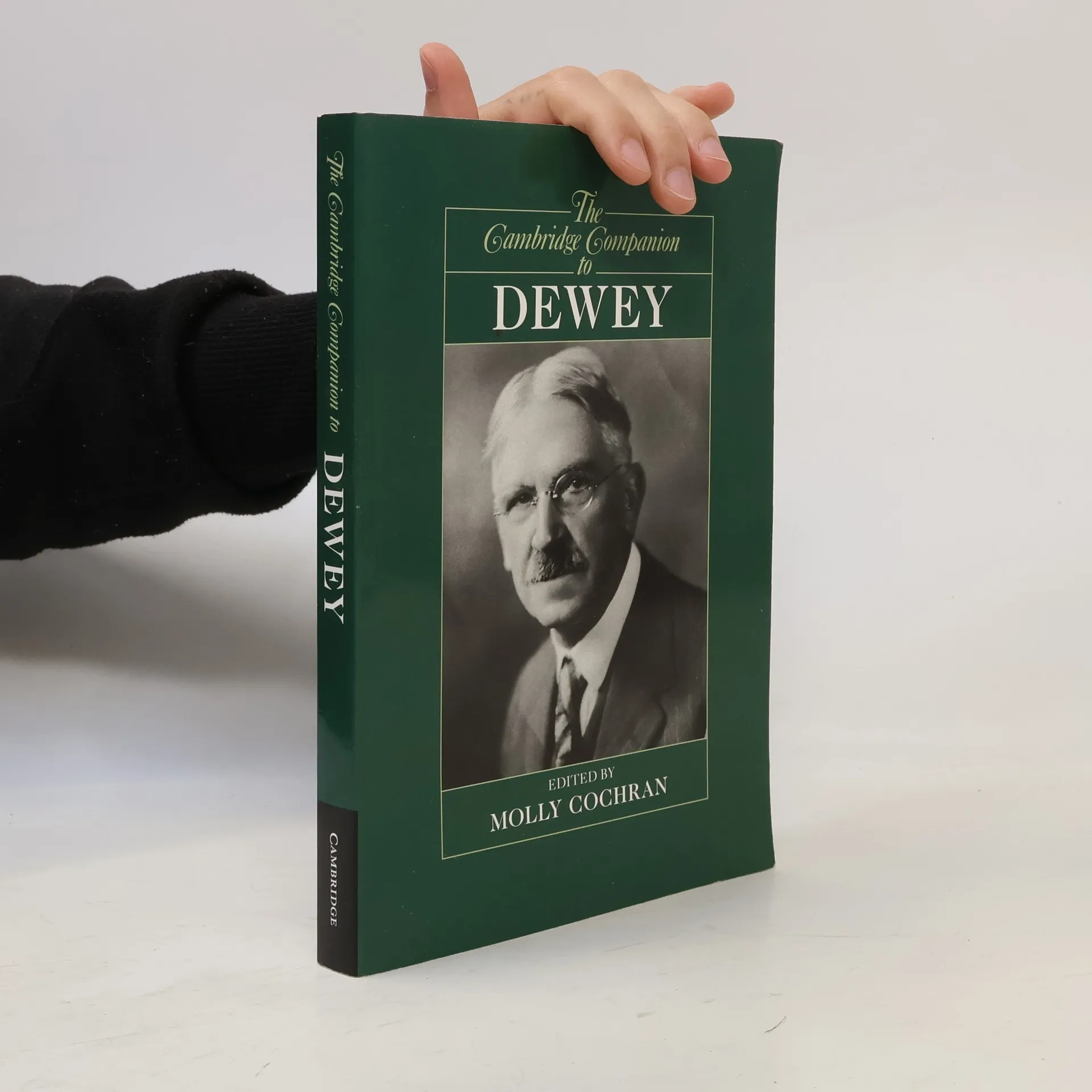
The Cambridge Companion to Dewey
- 376 pages
- 14 hours of reading
Focusing on the diverse aspects of Dewey's philosophy, this book offers a critical analysis of his ideas and their enduring impact on contemporary thought. It delves into the nuances of his theories, exploring how they have shaped educational practices and philosophical discourse over time.
The Cambridge Companion to Maimonides
- 424 pages
- 15 hours of reading
The essays delve into the challenges faced by Maimonides and explore the extensive impact of his work. They provide insights into his philosophical and theological contributions, highlighting his significance in both Jewish thought and broader intellectual history. Through a detailed analysis, the essays reveal Maimonides' innovative approaches to complex issues, showcasing his lasting influence on subsequent generations.
The Cambridge Companion to Rawls
- 600 pages
- 21 hours of reading
John Rawls is recognized as a pivotal figure in twentieth-century philosophy, particularly in moral philosophy. His ideas have significantly shaped contemporary discussions on justice and ethics, emphasizing fairness and equality in societal structures. His influential theories challenge traditional views and continue to inspire debates in political theory and moral reasoning.
Each volume in this series of companions to major philosophers contains specifically commissioned essays by an international team of scholars, together with a substantial bibliography, and will serve as a reference work for students and non-specialists. One aim of the series is to dispel the intimidation such readers often feel when faced with the work of a difficult and challenging thinker
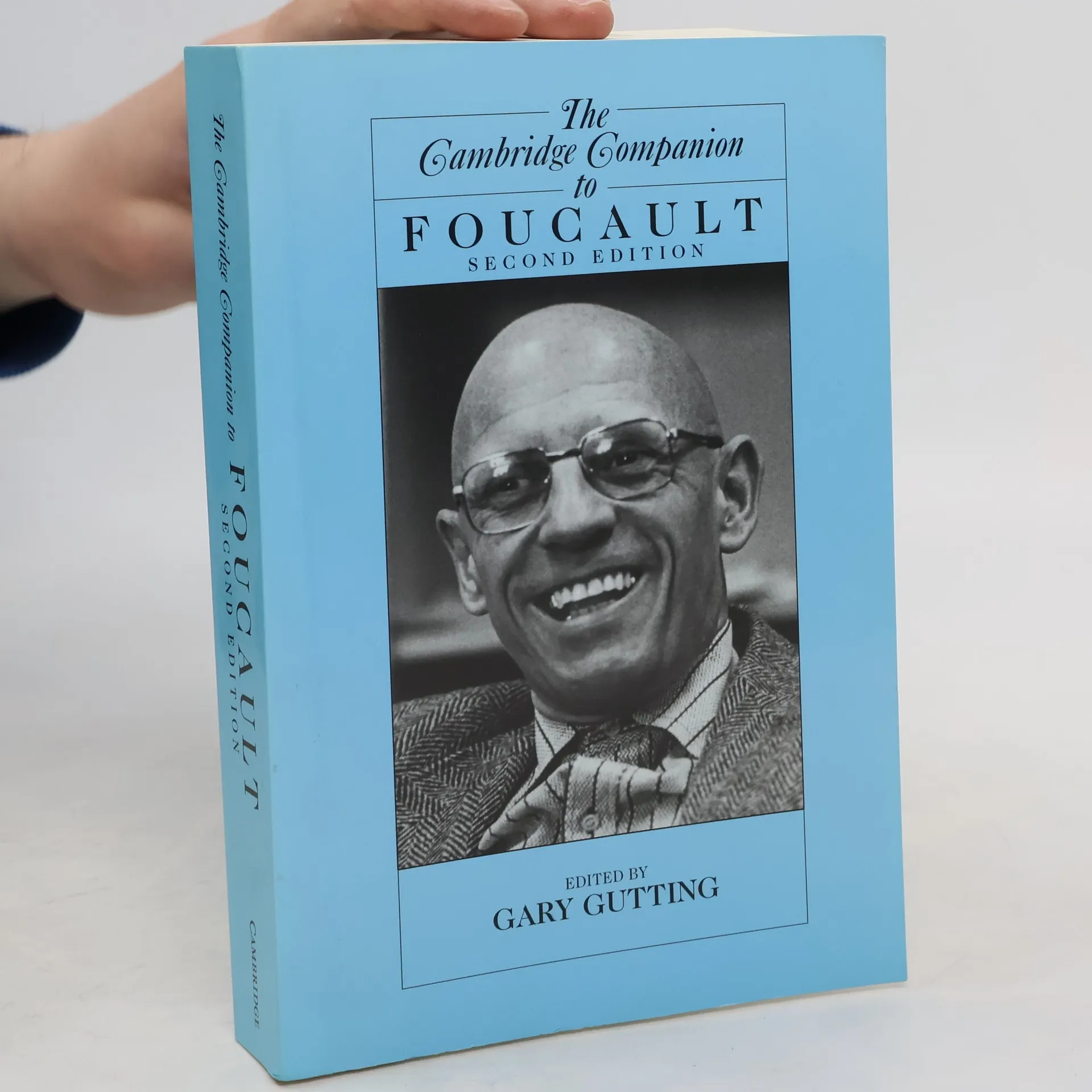
For Michel Foucault, philosophy was a way of questioning the allegedly necessary truths that underpin the practices and institutions of modern society. He carried this out in a series of deeply original and strikingly controversial studies on the origins of modern medical and social scientific disciplines. These studies have raised fundamental questions about the nature of human knowledge and its relation to power structures, and have become major topics of discussion throughout the humanities and social sciences. The essays in this volume provide a comprehensive overview of Foucault's major themes and texts, from his early work on madness through his history of sexuality. Special attention is also paid to thinkers and movements, from Kant through current feminist theory, that are particularly important for understanding his work and its impact. This revised edition contains five new essays and revisions of many others, and the extensive bibliography has been updated.
The Cambridge Companion to Mill
- 608 pages
- 22 hours of reading
John Stuart Mill was one of the greatest thinkers of the nineteenth century. His impact on modern culture and thought has been immense, and his continuing importance for contemporary philosophy and social thought is widely recognized. This companion furnishes the reader with a systematic and up-to-date account of the many facets of Mill's thought and influence. New readers will find this the most convenient and accessible guide to Mill currently available. Advanced students and specialists will find a conspectus of recent developments in the interpretation of Mill.
Martin Heidegger is now widely recognized as one of the greatest philosophers of the twentieth century. He transformed mainstream philosophy by defining its central task as asking the 'question of being'. His thought has contributed to the turn to hermeneutics and to postmodernism and poststructuralism. Moreover, the disclosure of his deep involvement in Nazism has provoked much debate about the relation of philosophy to politics. This edition brings to the fore other works, as well as alternative approaches to scholarship. The essays cover topics such as Heidegger's conception of phenomenology, his relation to Kant and Husserl, his account of truth, and his stand on the realism/anti-realism debate. This edition includes a new preface by the editor, revised versions of several essays from the first edition, and an exhaustive bibliography, providing guidance for both newcomers to Heidegger's work and established scholars.