The concert overtures A Midsummer Night's Dream, Calm Sea and Prosperous Voyage, and The Hebrides (Fingal's Cave), conceived by Mendelssohn before the age of twenty, have ranked amongst the most enduring of the nineteenth-century orchestral repertoire. R. Larry Todd offers a historical, stylistic, and analytical guide to these three remarkable works which secured for Mendelssohn no small measure of his fame. After placing the overtures in the context of Mendelssohn's astonishing compositional development during the 1820s, the volume disentangles the complex history of their creation and considers in turn their style and formal structure, their contents as programme music, aspects of their orchestration and their reception and influence. All this is supported by a wealth of primary documents, including Mendelssohn's correspondence, memoirs of his friends, and nineteenth-century critical reviews.
Cambridge Music Handbooks Series
This series offers engaging and accessible introductions to major musical works. Each volume is crafted by leading experts, providing essential context on historical background, musical analysis, and performance history. Designed for concert-goers, performers, and students alike, these handbooks deliver insightful critical discussions of the music itself.

Mozart's Clarinet Concerto is of supreme importance as his last instrumental work. Yet there are a number of special problems surrounding the piece, since the autograph is lost and the unique instrument for which it was written has not survived. This book presents a wealth of background information, an analysis of the Concerto, discussion of performance practice and details of surviving relevant instruments.
Gershwin: Rhapsody in Blue
- 136 pages
- 5 hours of reading
A study of Gershwin's Rhapsody in Blue as musical work, historical event and cultural document.
Beethoven's Violin Concerto was the only significant work of this genre to appear between Mozart's five concertos of 1775 and Mendelssohn's E minor Concerto of 1844. This is the first individual study of the Concerto, exploring the work's background and its indifferent initial reception.
Sgt. Pepper's Lonely Hearts Club Band represents the highpoint of the recording career of the Beatles. This is the first detailed study to be made of this or any other such album, and is a fascinating approach to this legendary work.
This discussion of Chopin's four ballades combines history and analysis to provide a detailed picture of these popular piano works, investigating the social and musical background to Chopin's unique style, describing the manuscript sources and evaluating the many printed editions of the ballades.
An examination of the popular Quartet for the End of Time by Olivier Messiaen.
Stravinsky's Oedipus Rex is widely acknowledged as one of the most original musical theater works of the twentieth century. This clear and concise guide, the first ever written on the work, describes the plot, the music and the staging in close detail and provides a fully documented discussion of the origins of Oedipus Rex in Stravinsky's own work and thinking. By placing the work in its social context, the author paints a vivid picture of Parisian artistic politics in the twenties, from which emerged one of the richest and most suggestive works of modern times. The full libretto is provided, with a parallel translation.
Focusing on Mozart's renowned string quartets, this guide highlights the composer's deep friendship with Joseph Haydn, who greatly influenced his work. It explores the musical intricacies and emotional depth of these quartets, offering insights into their historical context and significance. The book serves as both an analysis and appreciation of Mozart's contributions to chamber music, making it a valuable resource for music enthusiasts and scholars alike.
Focusing on Beethoven's renowned piano sonata, the book offers an in-depth exploration of Opp. 27 and 31, providing insights into their structure, themes, and musical significance. It serves as a valuable resource for both beginners and seasoned musicians, enhancing the understanding of these iconic works through analysis and context.
Focusing on Mozart's final and most renowned symphony, the guide delves into its historical background and aesthetic contexts, providing insights into the music's significance. It offers a comprehensive exploration of both the symphony's creation and its enduring impact, making it an essential resource for understanding this masterpiece.
The exploration of Anton Bruckner's Eighth Symphony delves into its intricate history of composition and revision, shedding light on its complexity as a Romantic masterpiece. The book serves as an accessible guide to the symphony's musical structure and examines the evolution of performance styles through notable recordings. Additionally, it challenges established views on the different versions and editions of the work, offering fresh insights and conclusions that provoke thought about this significant piece in classical music history.
Focusing on Tchaikovsky's final symphony, the Pathetique, the book explores its conception and genesis, as well as the critical reception it received over time. It delves into the symphony's intricate structure, providing insights into its emotional depth and significance within Tchaikovsky's body of work. Through detailed analysis, the book offers a comprehensive understanding of this iconic piece and its lasting impact on classical music.
Focusing on Tippett's renowned wartime oratorio, the guide offers insights into its themes, historical context, and musical structure. It explores the emotional depth and social commentary embedded in the work, highlighting its relevance during tumultuous times. The guide serves as a resource for understanding the oratorio's significance and the composer’s intentions, making it an essential companion for both listeners and performers.
Focusing on Elgar's renowned 'Enigma' Variations, the book delves into the intricacies and significance of this iconic composition. It explores the themes, musical structure, and the personal connections behind each variation, offering insights into Elgar's creative process and the emotional depth of the piece. Through analysis and context, readers gain a deeper appreciation for the work's impact on classical music and its enduring legacy.
Focusing on Britten's War Requiem, this study delves into how the composer interprets Wilfred Owen's poignant anti-war poetry. It explores the interplay between music and literature, highlighting Britten’s innovative approach to conveying the emotional depth and themes of loss and sacrifice inherent in Owen's work. Through this analysis, readers gain insight into the historical context and artistic choices that shape the Requiem's powerful message against the horrors of war.
Focusing on Dowland's renowned Lachrimae, this guide delves into the significance of the 1604 collection, highlighting its status as the earliest known compilation of instrumental music for a general audience. It examines the historical context, musical structure, and emotional depth of the pieces, making it accessible to both enthusiasts and scholars alike.
Offering a comprehensive introduction to Vivaldi's renowned work, this guide delves into the intricacies of The Four Seasons, exploring its structure, themes, and historical context. It serves as an excellent resource for both newcomers and those familiar with classical music, enhancing the listener's appreciation and understanding of Vivaldi's compositions.
Highlighting the definitive work of Carl Nielsen, Denmark's most renowned composer, this book delves into his significant contributions to music and explores his unique style and influence. It provides insights into Nielsen's life, his creative process, and the cultural context of his compositions, offering readers a comprehensive understanding of his legacy in the world of classical music.
Focusing on Brahms' Clarinet Quintet, this book delves into its significance as a pinnacle of chamber music. It explores the composition's intricate structure, emotional depth, and the innovative techniques employed by Brahms. Through detailed analysis, the work highlights the quintet's enduring impact on the chamber music repertoire and its place in Brahms' overall body of work.
Regarded as a monumental achievement in Western music, Beethoven's Ninth Symphony stands out as a powerful emblem of unity and affirmation. Despite its profound impact, it faced initial criticism for being cryptic and eccentric, stemming from the struggles of a deaf and aging composer. The symphony's journey from skepticism to acclaim highlights its significance and enduring legacy in the musical landscape.
Focusing on Mahler's Das Lied von der Erde, this study delves into the intricacies of the composition, exploring its themes, musical structure, and emotional depth. It highlights the significance of the work within Mahler's oeuvre and its impact on the evolution of classical music. The analysis aims to uncover the profound connections between the music and the human experience, making it a valuable resource for both scholars and enthusiasts of Mahler's artistry.
Exploring the background and significance of a widely appreciated work, David Wyn Jones delves into the circumstances surrounding its creation. His account offers insights into the themes and influences that shaped the piece, providing readers with a deeper understanding of its impact and relevance.
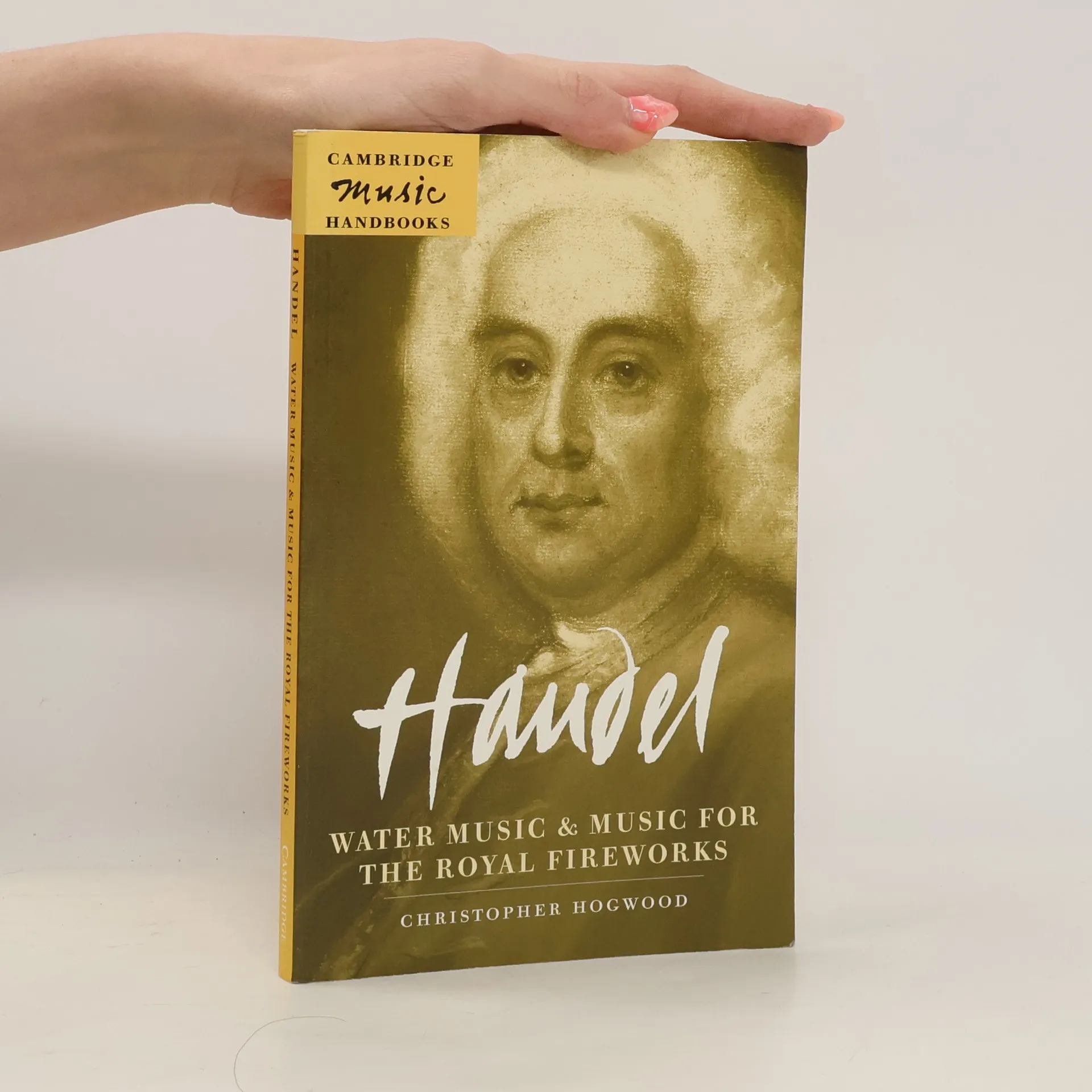
Cambridge Music Handbooks: Handel: Water Music and Music for the Royal Fireworks
- 166 pages
- 6 hours of reading
A study of Handel's best-known public music: Water Music, and Music for the Royal Fireworks.