

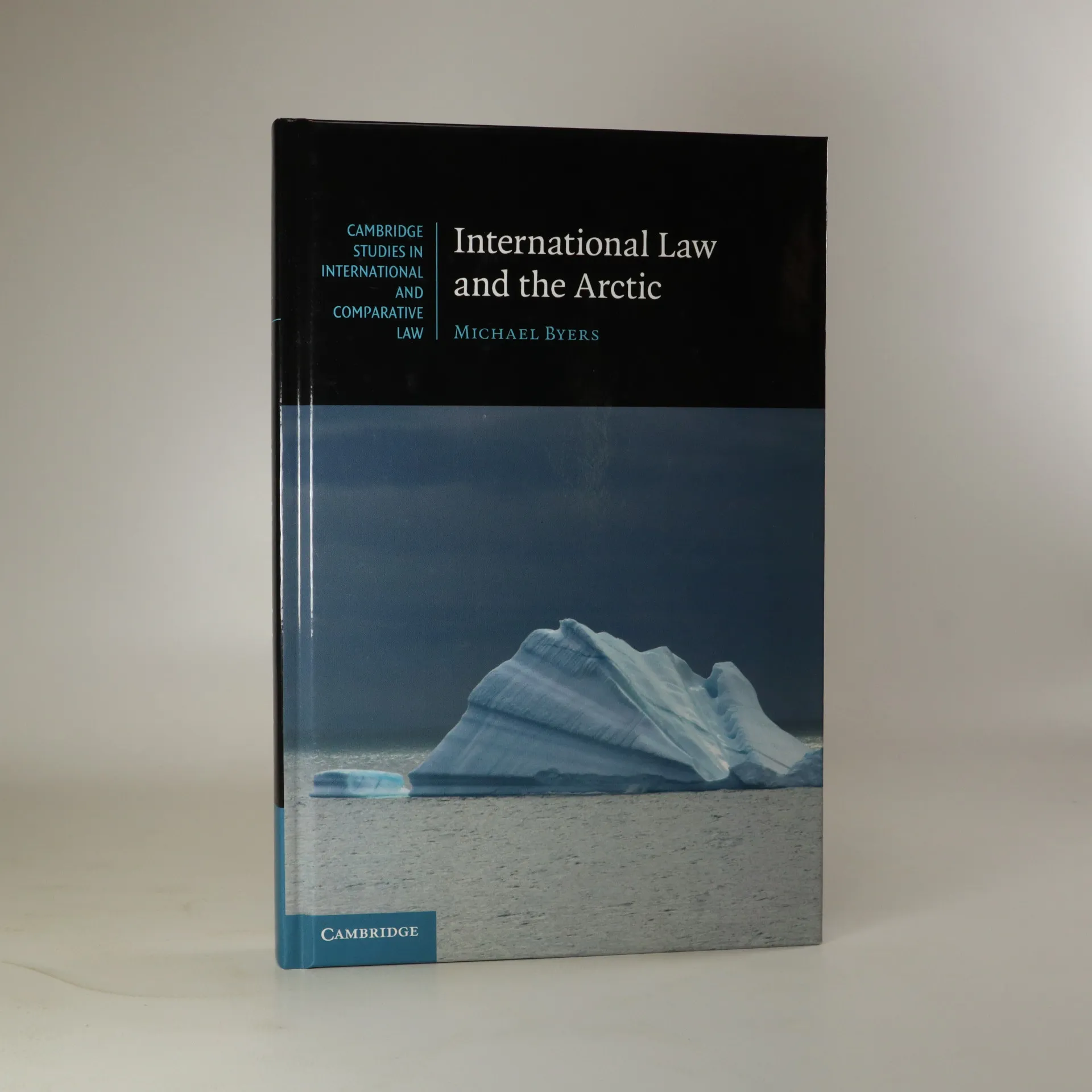
The book explores the intricate framework of international law governing the Arctic region, addressing critical issues such as the rights of indigenous peoples, environmental safeguards, and the regulations surrounding oil and gas exploration. It highlights the unique legal challenges and considerations specific to this fragile environment, making it a vital resource for understanding the complexities of Arctic governance.
Cambridge Studies in International and Comparative Law Series
This series delves into the intricacies of international and comparative law, offering both theoretical depth and practical insights. It explores pivotal questions from diverse legal traditions and geographical origins, fostering critical thinking and a multiplicity of perspectives. The aim is to push the boundaries of scholarship, presenting innovative work that shapes future legal discourse.

The public international law theory of Hans Kelsen
- 344 pages
- 13 hours of reading
This analysis of Hans Kelsen's international law theory takes into account the context of the German international legal discourse in the first half of the twentieth century, including the reactions of Carl Schmitt and other Weimar opponents of Kelsen. The relationship between his Pure Theory of Law and his international law writings is examined, enabling the reader to understand how Kelsen tried to square his own liberal cosmopolitan project with his methodological convictions as laid out in his Pure Theory of Law. Finally, Jochen von Bernstorff discusses the limits and continuing relevance of Kelsenian formalism for international law under the term of 'reflexive formalism', and offers a reflection on Kelsen's theory of international law against the background of current debates over constitutionalisation, institutionalisation and fragmentation of international law. The book also includes biographical sketches of Hans Kelsen and his main students Alfred Verdross and Joseph L. Kunz.
Legal Consequences of Peremptory Norms in International Law
- 379 pages
- 14 hours of reading
When is a norm peremptory? This question has troubled legal scholars throughout the development of modern international law. In this work, Daniel Costelloe suggests that only the legal consequences of a norm distinguish it as peremptory, and sheds light on those consequences.
Evolution of International Environmental Regimes
- 312 pages
- 11 hours of reading
Using the international climate regime as an example, Simone Schiele analyses the ability of international environmental regimes to evolve over time.
Coalitions of the Willing and International Law
- 315 pages
- 12 hours of reading
Appealing to international legal scholars and students concerned with the changing structures of international law, as well as to those audiences in academia, think tanks, and foreign ministries concerned with the law and politics of contemporary international legal strategies, and the role of law in global governance.
This books asks, can the UN violate human rights, and if so, how can it be held accountable?
Self-Determination in Disputed Colonial Territories
- 295 pages
- 11 hours of reading
Self-Determination in Disputed Colonial Territories addresses the relationship between self-determination and territorial integrity in some of the most difficult decolonization cases in international law, focusing on historical cases as well as those that remain very much alive today.
Humanitarian Disarmament
- 290 pages
- 11 hours of reading
Humanitarian disarmament is widely understood as a post-Cold War phenomenon, typified by the Anti-Personnel Landmines Convention; the Convention on Cluster Munitions; and the Treaty on the Prohibition of Nuclear Weapons. This book challenges that understanding, arguing that it neglects a complex history of humanitarian sensibilities in disarmament.
Comparative Reasoning in International Courts and Tribunals
- 292 pages
- 11 hours of reading
By adopting a comparative analysis of the practice of five international courts and tribunals, this book systematically describes and analyses the use of domestic law to interpret international law. The findings of the book, which blends doctrinal and theoretical approaches, will be of interest to practitioners and academic researchers alike.
Exclusion from Public Space
- 578 pages
- 21 hours of reading
The book delves into the consequences of excluding individuals from public spaces, examining how such bans affect the rule of law, fundamental rights, and the principles of democracy. It critically analyzes the balance between maintaining public order and safeguarding individual freedoms, highlighting the potential risks to democratic values when certain groups are marginalized. Through various case studies, it offers insights into the broader social and political implications of these practices.
International Law as a Belief System
- 178 pages
- 7 hours of reading
Exploring the intersection of international law and belief systems, this book presents a fresh viewpoint on legal argumentation within the global context. It delves into how international law shapes and is shaped by collective beliefs, challenging traditional perceptions of legal frameworks. The author examines the implications of viewing international law as a belief system, inviting readers to reconsider the foundations of legal discourse and its impact on global governance and diplomacy.
Making the Law of the Sea
A Study in the Development of International Law
- 340 pages
- 12 hours of reading
Focusing on the evolving landscape of maritime governance, this book explores the complexities of international law concerning the sea as shaped by various international organizations. It delves into the challenges faced in establishing effective legal frameworks and the potential for collaboration and innovation in addressing global maritime issues. Through critical analysis, it highlights both the obstacles and prospects for enhancing international maritime law, making it a significant resource for scholars and practitioners in the field.
Science and Risk Regulation in International Law
- 416 pages
- 15 hours of reading
Jacqueline Peel explores the intricate relationship between science and international risk regulation, highlighting both its beneficial applications and potential misuses. Through case studies on critical issues like biosafety and climate change, the book delves into how scientific insights can shape policy decisions, while also addressing the challenges and ethical dilemmas that arise in the regulatory landscape.
Focusing on the careers and roles of judges across five European countries, this 2006 study provides a comprehensive analysis of the judicial systems in France, Germany, Spain, Sweden, and England. It explores the varying responsibilities, career paths, and influences on judges, offering insights into how different legal cultures shape the judiciary. The research highlights the similarities and differences in judicial practices, contributing to a deeper understanding of the legal frameworks in these nations.
International Refugee Law and Socio-Economic Rights
Refuge from Deprivation
- 444 pages
- 16 hours of reading
The book explores the Refugee Convention's capacity to address claims rooted in socio-economic factors. It critically examines the legal framework and its implications for individuals seeking refuge based on economic hardship, rather than traditional persecution. Through analysis and case studies, it highlights the challenges and limitations faced by vulnerable populations in the context of international refugee law.
State Responsibility
- 906 pages
- 32 hours of reading
The book explores state responsibility in relation to violations of international law, delving into the intricate relationships between institutions, established rules, and practical applications. It offers a comprehensive analysis of how these elements interact and influence accountability on a global scale.
International Organizations Before National Courts
- 520 pages
- 19 hours of reading
The investigation delves into the responses of national courts when faced with disputes that involve international organizations. It explores the legal frameworks, judicial interpretations, and the implications of these interactions, providing insights into the balance between national sovereignty and international obligations. Through various case studies, the book highlights the complexities and challenges that arise in such legal scenarios, offering a comprehensive analysis of the evolving relationship between domestic and international law.
Exploring the significance of legal obligation, this book delves into how it shapes and sustains effective international law. It examines the interplay between legal commitments and the enforcement of international norms, highlighting the mechanisms that ensure compliance and the consequences of violations. Through a detailed analysis, the work offers insights into the complexities of global governance and the foundational principles that underpin international legal frameworks.
Shipping Interdiction and the Law of the Sea
- 436 pages
- 16 hours of reading
Focusing on the strategies and effectiveness of shipping interdiction, this comparative study analyzes various approaches and their implications across different contexts. It delves into historical and contemporary case studies, examining legal frameworks, enforcement challenges, and international cooperation. By highlighting the successes and failures of different methods, the book aims to provide insights into improving maritime security and addressing global shipping threats.
Dispute Settlement in the Un Convention on the Law of the Sea
- 456 pages
- 16 hours of reading
The book examines the necessity of a mandatory dispute settlement mechanism for effective ocean regulation. It delves into the complexities of maritime law and the challenges faced in governing oceanic resources and environmental protection. By analyzing various legal frameworks and international agreements, the author highlights the potential benefits and drawbacks of implementing such a mechanism, ultimately questioning its role in promoting sustainable ocean management.
Compensation for Personal Injury in English, German and Italian Law
- 276 pages
- 10 hours of reading
The book addresses the increasing prevalence of cross-border personal injury claims, particularly as European nationals participate in U.S. class actions. It highlights the lack of resources available to legal practitioners regarding recoverable damages in different jurisdictions. By examining the laws of England, Germany, and Italy, it provides a comprehensive overview of tort law and its implications. The introduction presents essential data within the broader context, while the concluding chapter focuses on methodological issues and offers comparative insights.