Women and the Transmission of Religious Knowledge in Islam
- 234 pages
- 9 hours of reading
Asma Sayeed's book traces the history of Muslim women's religious education over the course of nearly ten centuries.


This series delves into the rich and multifaceted history and culture of the Islamic world across centuries. Spanning from its origins in the 7th century to the 19th century, it explores the political, social, and religious developments that shaped Islamic civilization. Each volume offers scholarly insights into pivotal eras, influential figures, and intellectual traditions. It serves as an essential resource for understanding the enduring legacy and evolution of Islamic societies.

Asma Sayeed's book traces the history of Muslim women's religious education over the course of nearly ten centuries.
A revisionist reading of Ottoman history during the reign of Suleyman the Magnificent (1520-66), examining the life of a bureaucrat, Celalzade Mustafa. číst celé
The history of northern Mesopotamia from the Islamic conquests until the early Abbasids, first published in 2000. číst celé
A comprehensive history of Iran in the early fifteenth century under the Timurids. číst celé
This revisionist account of the history of Islamic political thought from the early to the late medieval period focuses on Ibn Taymiyya, one of the most brilliant theologians of his day. In reassessing the influence and philosophy of Ibn Taymiyya's work, this book marks a major departure from traditional interpretations of medieval Islamic thought.
The Islamic tradition has always held animals in high esteem. This original book examines the status of animals in the Qur'an, in which they are portrayed as spiritual, moral and accountable beings. The study challenges the prevalent view of man's superiority over animals and suggests new ways of interpreting the Qur'an.
This pioneering study examines the process of reasoning in Islamic law. By analysing rulings from the Hanafi school, the author questions whether sacred law operated differently from secular law, why laws changed and how different cultural and historical settings impacted on the development of legal rulings. The result is a fascinating overview of the evolution of Islamic law.
This book explores intellectual life, politics and reform in the eighteenth- century Ottoman Empire by studying statesman and historian Ahmed Vasif. číst celé
This book shows how regulations that applied to minorities in early Islamic societies were based on traditions originating from the conquerors and the conquered.
Retelling the well-known story of Chinggis Khan (commonly known as Genghis Khan) and his conquests and empire, this book illuminates the pivotal roles that women played in politics, empire, and succession. As such, this is a key read for scholars of Mongol history, world history, and medieval women and gender, as well as for a general audience.
This book reconstructs the role of midwives in medieval to early modern Islamic history.
Bringing together previously unpublished sources in Arabic, Persian and Turkish, Peacock focuses on the period of Mongol domination in Anatolia in the thirteenth-fourteenth centuries to offer new understanding of the process of Islamisation in Anatolia and integrate its study with that of the... číst celé
This book is a study of the writings of Ibn Barrajan, an influential Sunni mystic who introduced a worldview to the Muslim West based in Muslim scripture and Neoplatonic cosmology. It will be of interest to researchers of the medieval Islamic world, and those studying the history of mysticism and Sufism in the Muslim West.
Examines how ideological and administrative crises within Islamic lands in the late fifteenth century brought about a new conception of kingship for the early modern period. Through Idris Bidlisi, a major intellectual and statesman, this book paints a picture of a changing Ottoman Empire: shifting from regional dynastic kingdom to global empire.
This in-depth study of the slave trade that spurred the Russian conquest of Central Asia offers an unprecedented window into slaves' lives from eyewitness accounts, autobiographies, and newly-uncovered interviews which demonstrate that the slaves brought about their own emancipation by fomenting the largest slave uprising in the region's history.
Yossef Rapoport's work challenges the notion of Muslim women's legal inferiority by examining high divorce rates in medieval Islamic societies. He highlights how marriages in Cairo, Damascus, and Jerusalem differed from patriarchal ideals, showcasing women's economic independence and the normalization of divorce. This engaging social history intertwines personal narratives, appealing to scholars of women's and gender history in Islam.
Tarif Khalidi explores the evolution of historical thought and writing within Arabic-Islamic culture over eight centuries. The book delves into how this tradition perceived and documented the past, addressing the intricate questions surrounding the study of history. Khalidi's examination reveals the unique perspectives and methodologies employed in premodern historical narratives, highlighting the cultural significance of these approaches in shaping historical understanding.
Exploring the intricate dynamics of punishment in eleventh-to-thirteenth-century Islamic society, this study delves into the cultural, legal, and social implications of punitive measures during this period. It examines how punishment was perceived, implemented, and justified, shedding light on the broader societal values and norms of the time. Through historical analysis, the book reveals the complexities of justice and authority, offering insights into the intersection of law, morality, and societal control in medieval Islamic culture.
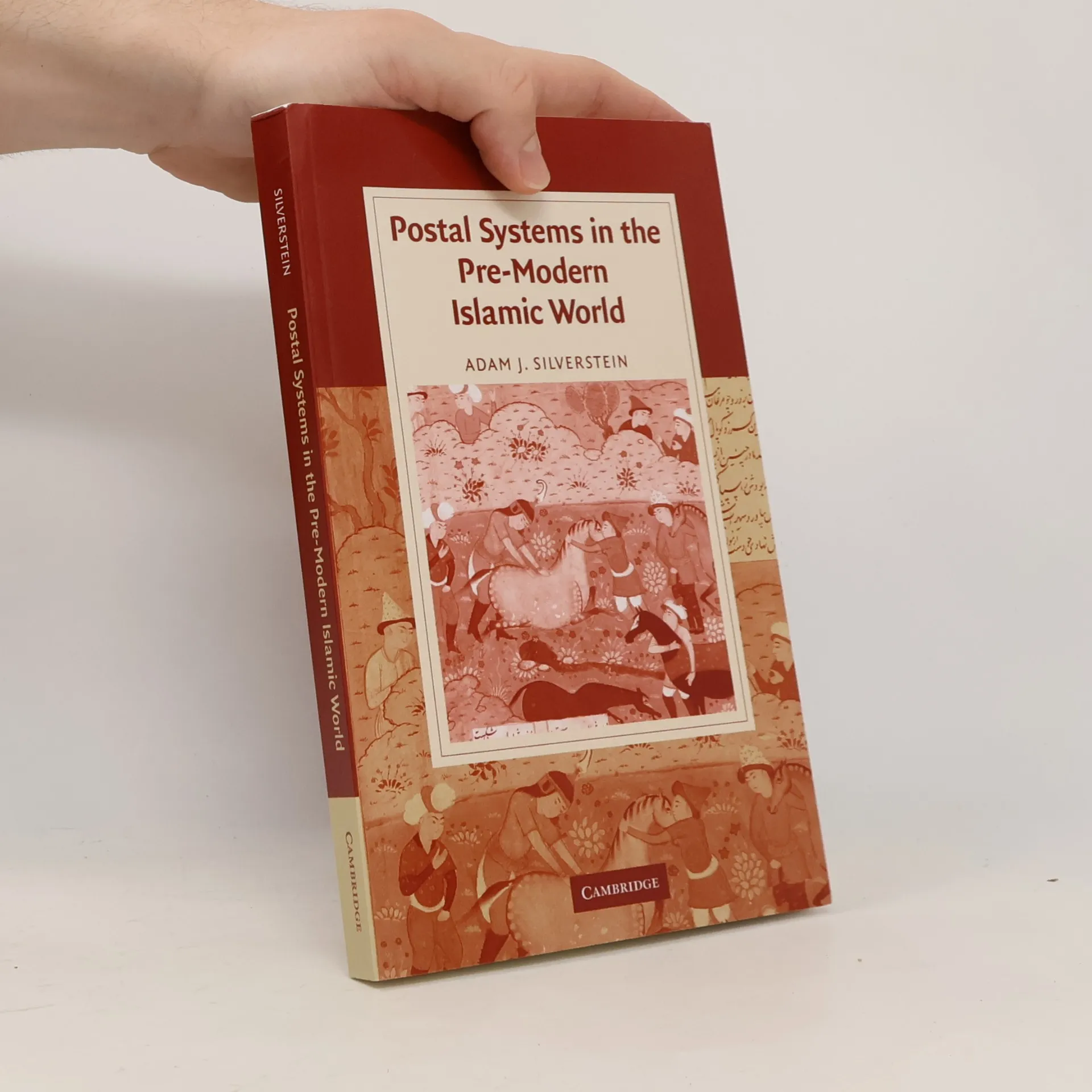
The book offers an intriguing exploration of the communication techniques used in the pre-modern Near East, detailing the official methods that facilitated interaction across cultures and regions. It delves into the historical context, examining how these methods influenced governance, trade, and diplomacy in ancient societies. Through this examination, readers gain insight into the complexities of communication in a time before modern technology, highlighting the ingenuity and adaptability of early civilizations.
Focusing on the thirteenth-century Mongol Empire, this study explores the significant cultural exchanges between Iran and China. It highlights how the Mongol rulers facilitated the flow of commodities, ideologies, and technologies across Eurasia, fostering collaboration among scholars and specialists. The book examines various fields, including cartography, agriculture, and astronomy, while questioning the motivations behind the Mongols' reliance on sedentary experts to enrich their court culture and promote cross-cultural interactions.
Exploring the often-overlooked history of Shiites in Lebanon, this work delves into their significant role within the broader tapestry of Lebanese society. It highlights their contributions, struggles, and cultural identity, providing a fresh lens through which to understand the complexities of Lebanon's social fabric. By shedding light on this community's historical narrative, the book aims to foster a deeper appreciation for the diverse influences that have shaped the nation.
This work offers a groundbreaking analysis that challenges established views on the reliability of sources from early Islamic history. By reevaluating historical narratives, it invites readers to reconsider long-held beliefs and engage in a deeper discourse about the origins and authenticity of Islamic texts. The book aims to stimulate critical thinking and debate among scholars and enthusiasts of Islamic history.
The exploration centers on the hypothesis that Roman law significantly shaped the development of Islamic law. It delves into historical contexts, examining legal principles and practices to assess their interconnections. Through rigorous analysis, the book seeks to illuminate the complexities and nuances of how these two legal systems may have influenced each other over time, offering insights into their evolution and the broader implications for legal history.