

Explore the latest books of this year!
Bookbot

Cambridge Textbooks in Comparative Politics

This textbook series delves into the intricacies of comparative politics, offering insightful explorations of political systems worldwide. Designed to be accessible for both introductory students and more advanced scholars, it provides a robust foundation in key concepts and methodologies. Each volume, from general introductions to country-specific case studies, is meticulously structured for clarity and flexibility. Experienced educators will appreciate the cohesive approach, allowing for seamless integration into diverse curricula.

Foundations of Comparative Politics
The Politics of the European Union
  • A new introduction to the European Union which uses the lens of comparative politics. This approach helps students understand the EU through comparisons with domestic politics and links with broader debates in political science. The text is supported by numerous examples, and chapters include briefings, fact files and controversy boxes which highlight important information and controversial issues in EU politics to widen and deepen student understanding. The authors have developed online 'Navigating the EU' exercises that introduce students to useful sources of information on the internet and help them to analyse policy making in the EU. This textbook is a comprehensive introduction to EU politics and covers history, theory, key institutions and participants, as well as policies and policy making.

    The Politics of the European Union
    3.0
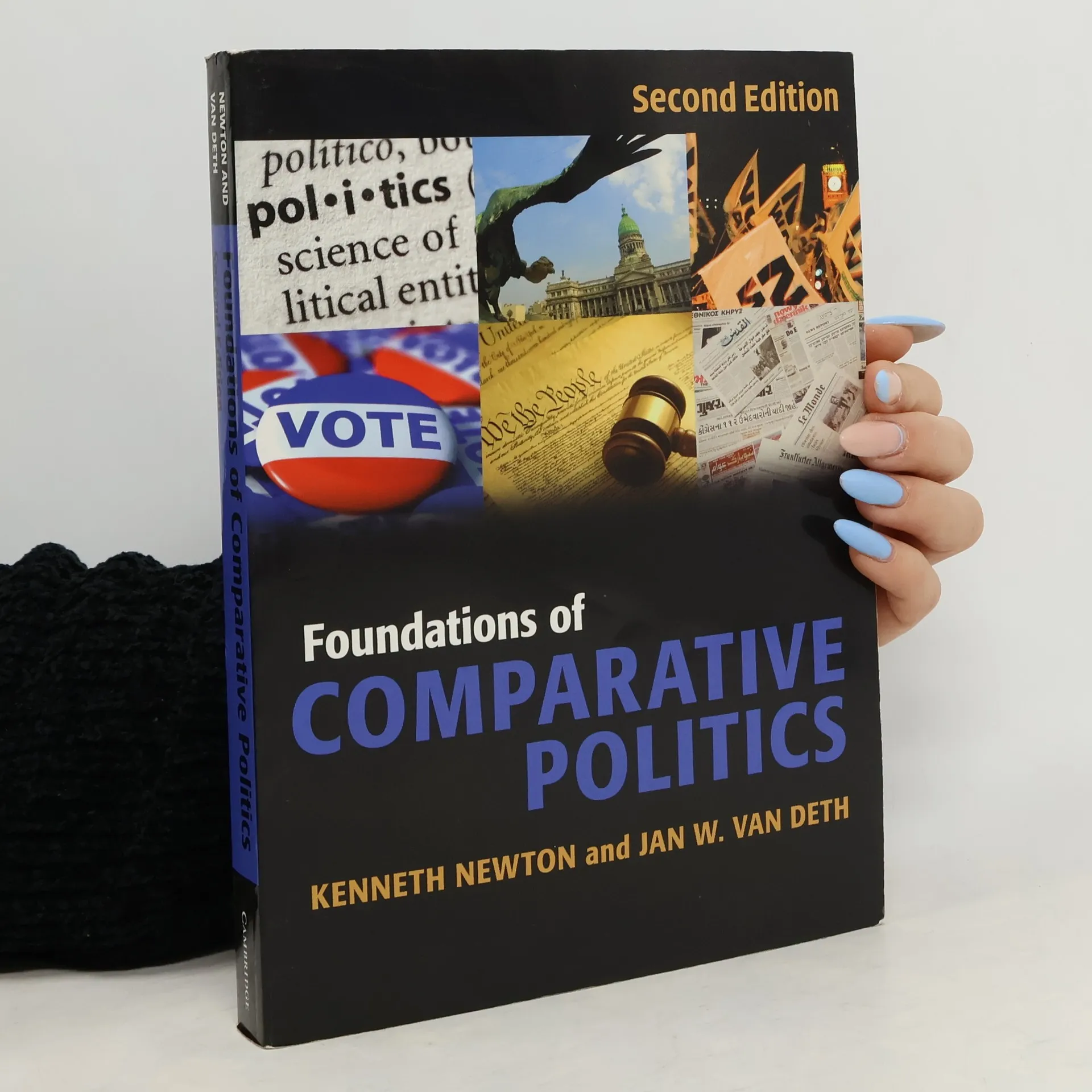
  • Foundations of Comparative Politics

    Second Edition

    • 472 pages
    • 17 hours of reading

    This student-friendly introduction to the key theories and concepts of comparative politics now provides even broader coverage of the world s democracies, with examples drawn from across the globe. Foundations of Comparative Politics contains a wealth of information, clearly structured and easy to read, with clear definition of Key Terms. It covers all the important themes in the field, including constitutional design and institutions; mass and elite politics; policy-making and implementation; and the future of the state and democracy in a globalising world. A new chapter on studying comparative politics, and new What Have We Learned? and Lessons of Comparison summary sections help students pull together the lessons of each chapter. Combining facts and theory throughout, debate is stimulated through the use of Controversy boxes, and Fact Files and Briefings give students interesting data that illustrates the key issues in the text. Online resources, including MCQs and Powerpoint slides, complete the package."

    Foundations of Comparative Politics
    3.3