

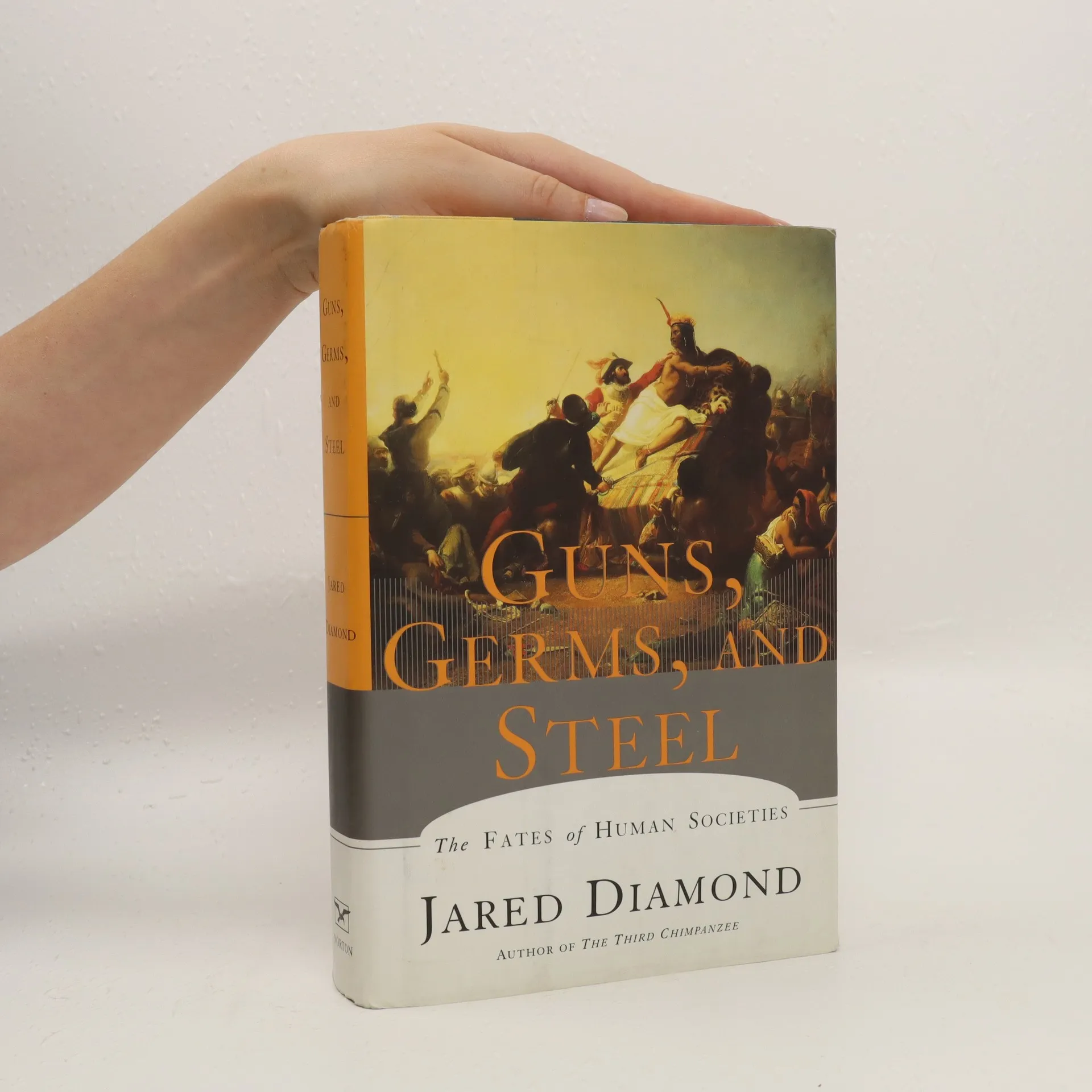
In this "artful, informative, and delightful (book)" ("New York Review of Books"), Diamond offers a convincing explanation of the way the modern world came to be and stunningly dismantles racially based theories of human history. Photos. Copyright © Libri GmbH. All rights reserved.
Civilizations Rise and Fall Series
This series delves into the depths of human history, exploring the compelling question of why diverse societies evolved along disparate paths. It unravels the complex web of factors that shaped civilizations, from geographical and environmental influences to technological advancements and cultural exchanges. Readers embark on a journey across continents and centuries, gaining insight into the dynamics of rise and fall, and understanding the interconnectedness of human destiny.
Recommended Reading Order
Collapse
- 592 pages
- 21 hours of reading
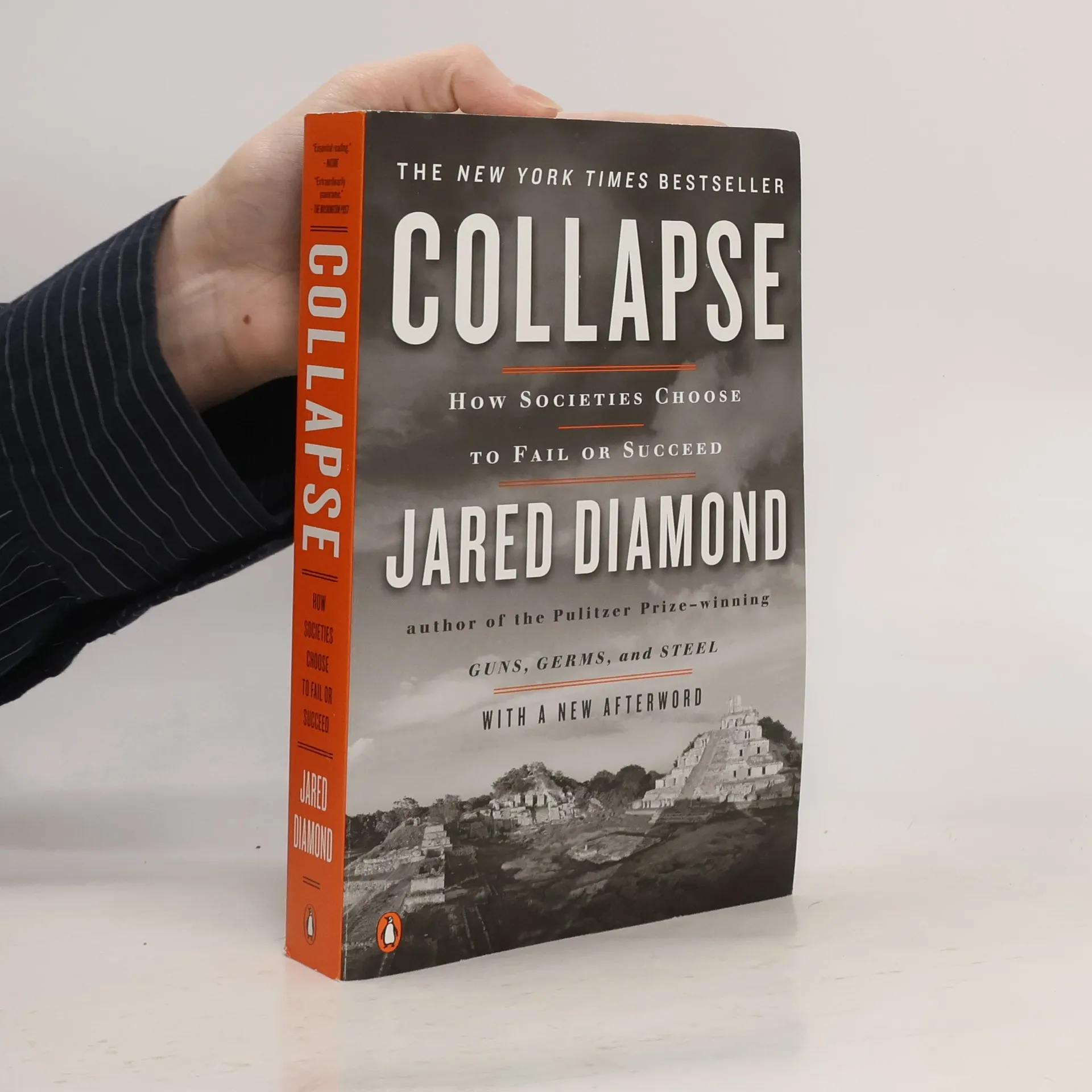
In Jared Diamond’s follow-up to the Pulitzer-Prize winning Guns, Germs and Steel, the author explores how climate change, the population explosion and political discord create the conditions for the collapse of civilization. Diamond is also the author of Upheaval: Turning Points for Nations in Crisis Environmental damage, climate change, globalization, rapid population growth, and unwise political choices were all factors in the demise of societies around the world, but some found solutions and persisted. As in Guns, Germs, and Steel, Diamond traces the fundamental pattern of catastrophe, and weaves an all-encompassing global thesis through a series of fascinating historical-cultural narratives. Collapse moves from the Polynesian cultures on Easter Island to the flourishing American civilizations of the Anasazi and the Maya and finally to the doomed Viking colony on Greenland. Similar problems face us today and have already brought disaster to Rwanda and Haiti, even as China and Australia are trying to cope in innovative ways. Despite our own society’s apparently inexhaustible wealth and unrivaled political power, ominous warning signs have begun to emerge even in ecologically robust areas like Montana. Brilliant, illuminating, and immensely absorbing, Collapse is destined to take its place as one of the essential books of our time, raising the urgent question: How can our world best avoid committing ecological suicide?
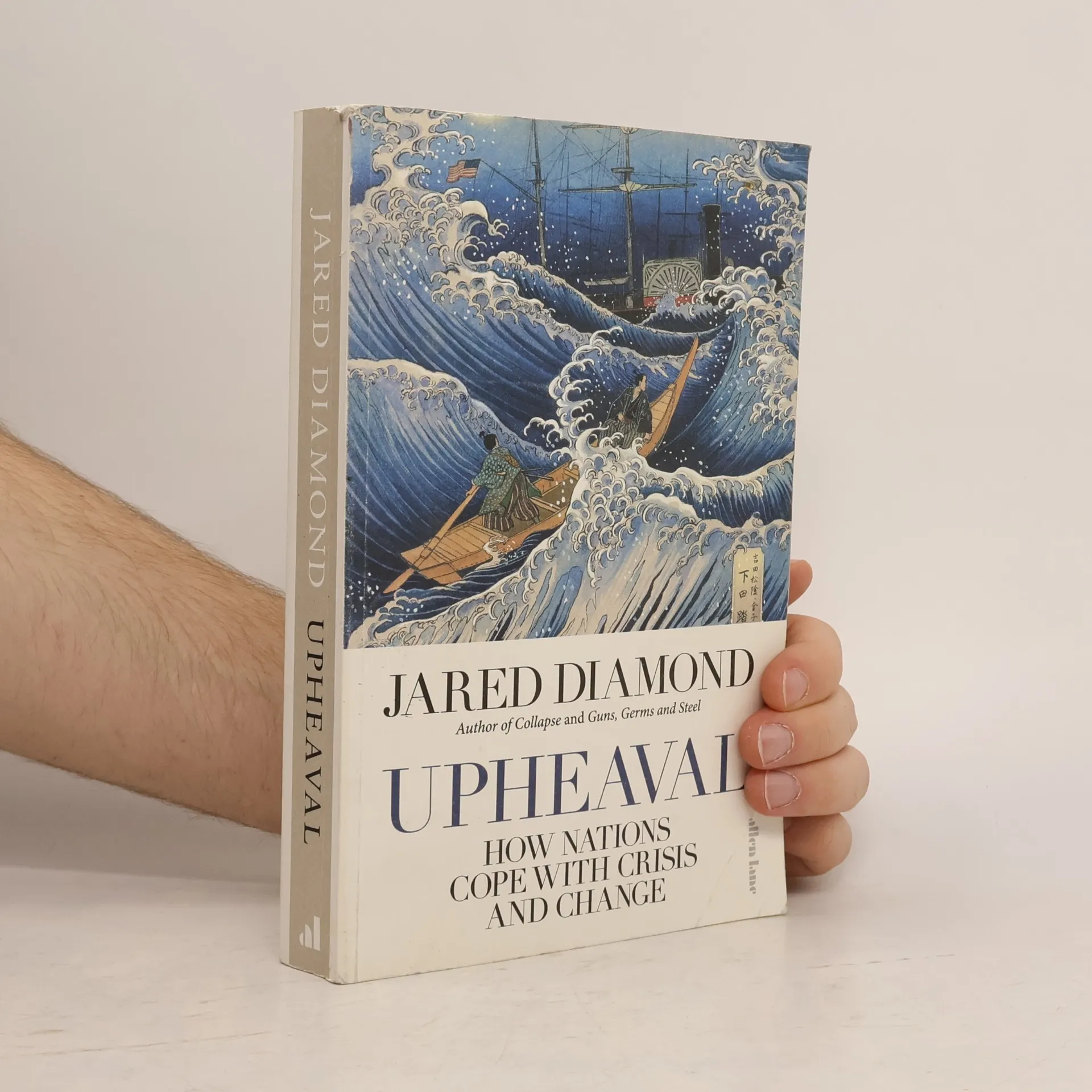
In his third book, Jared Diamond explores how successful nations recover from crises by adopting selective changes, a coping mechanism often associated with individuals. He compares the experiences of six countries that have faced significant upheavals, including Japan's forced opening by U.S. Commodore Perry, Finland's defense against the Soviet Union, and the turmoil in Chile and Indonesia, along with Germany and Austria's post-World War Two transformations. Drawing on his firsthand experiences and language skills in five of these nations, Diamond presents their histories and coping strategies, which include acknowledging responsibility, honest self-appraisal, and learning from other nations. He also examines whether the United States, Japan, and the world are effectively addressing their current crises and if lessons from the past can guide them. By integrating a psychological perspective with history, geography, biology, and anthropology, Diamond reveals the factors that influence how nations and individuals respond to significant challenges. The result is an epic yet deeply personal exploration of resilience and recovery in the face of adversity.