

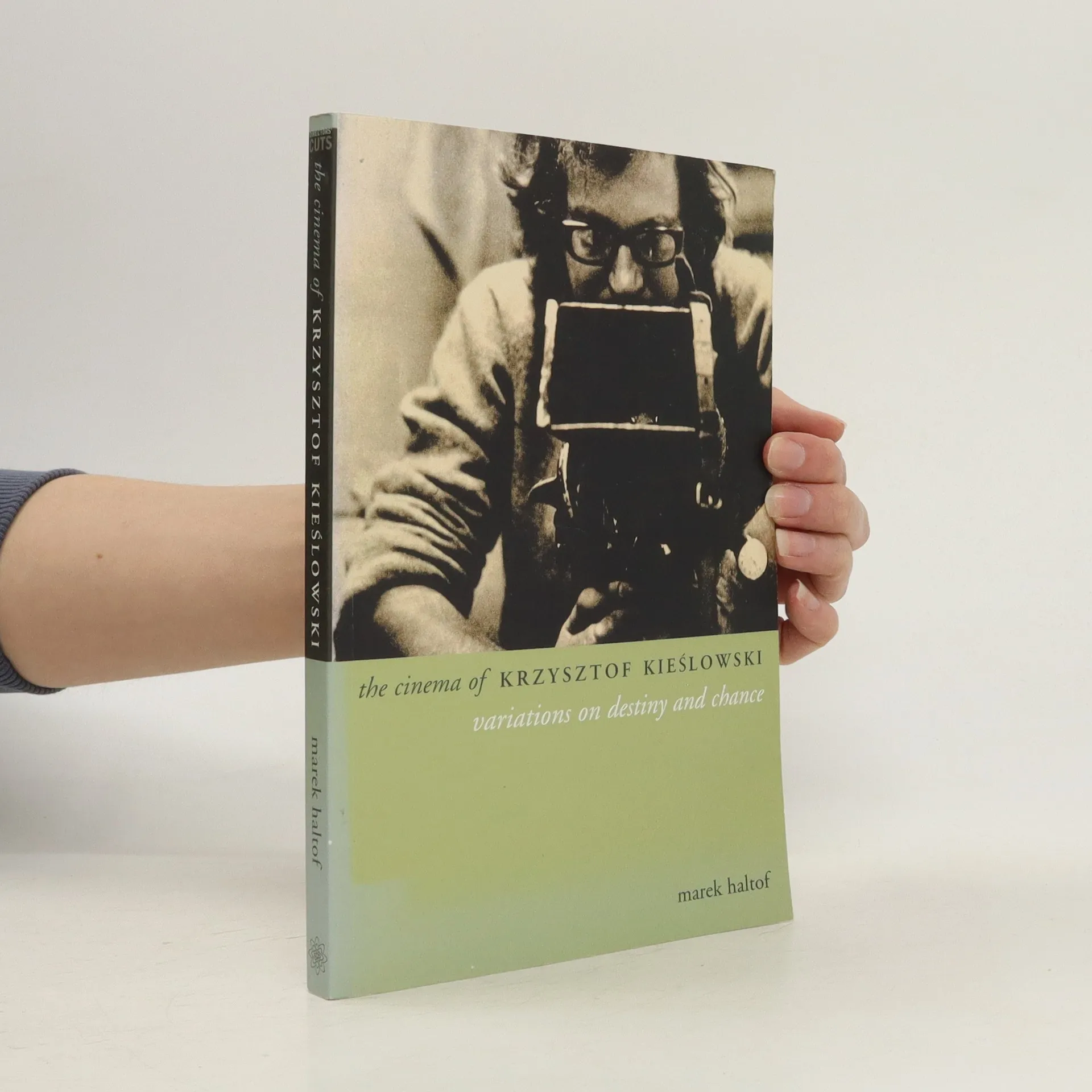
Since his death in 1996, Krzysztof Kieslowski has remained the best-known contemporary Polish filmmaker and one of the most popular and respected European directors, internationally renowned for his ambitious Decalogue and Three Colors trilogy.In this new addition to the Directors'Cuts series, Marek Haltof provides a comprehensive study of Kieslowski's cinema, discussing industrial practices in Poland and stressing that the director did not fit the traditional image of a "great" East-Central European auteur. He draws a fascinating portrait of the stridently independent director's work, noting that Kieslowski was not afraid to express unpopular views in film or in life. Haltof also shows how the director's work remains unique in the context of Polish documentary and narrative cinema.
Directors' Cuts Series
This series delves into the darker aspects of the human psyche, exploring the obsessions, hidden desires, and unspoken truths lurking beneath the surface of seemingly ordinary lives. Each narrative unfolds like a meticulously crafted film, filled with unexpected twists and psychological suspense. Readers will be captivated by the gripping storytelling that probes the nature of good and evil. It's a collection designed for those who appreciate thought-provoking psychological thrillers and unsettling dramas.

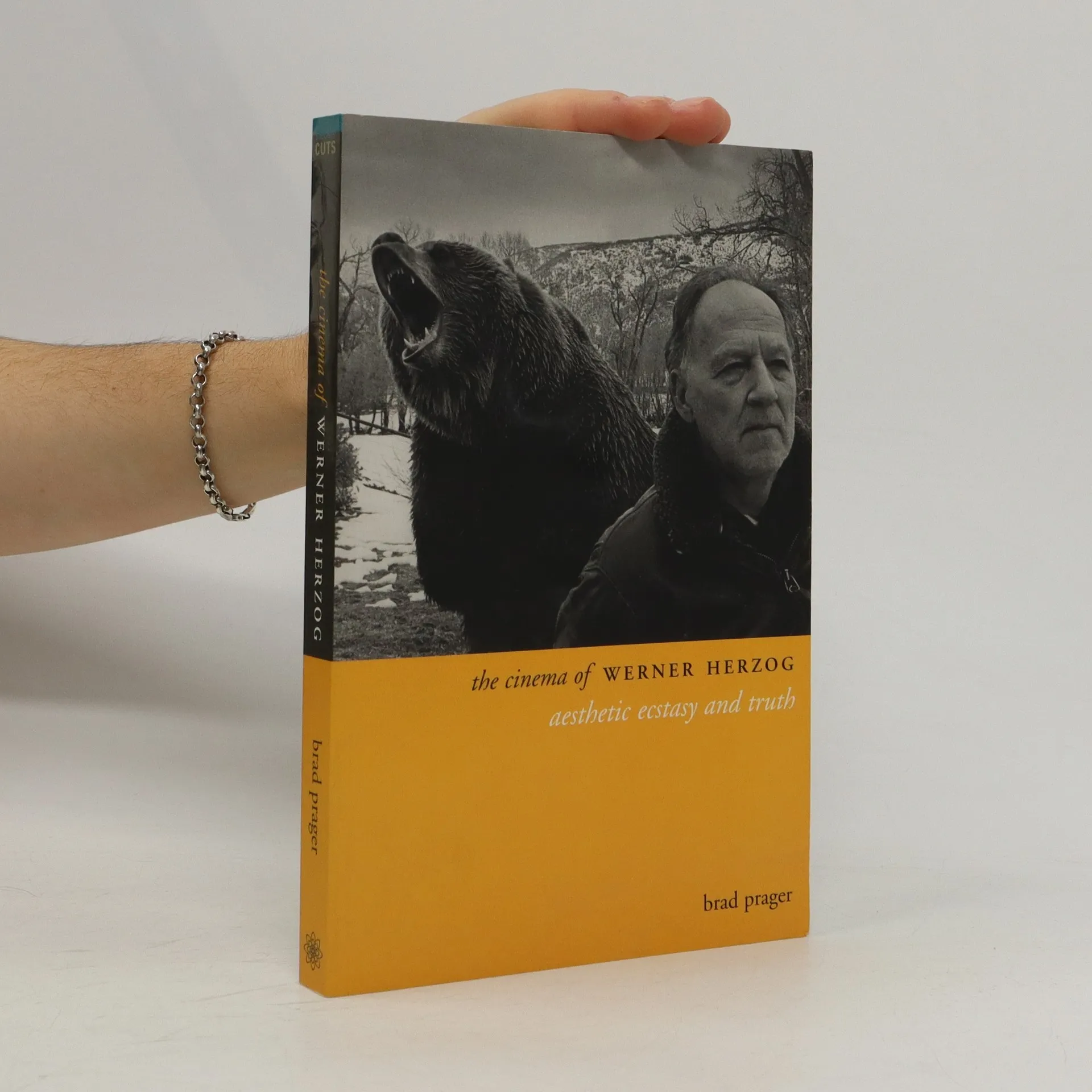
The Cinema of Werner Herzog
- 224 pages
- 8 hours of reading
Werner Herzog is renowned for pushing the boundaries of conventional cinema, especially those between the fictional and the factual, the fantastic and the real. The Cinema of Werner Aesthetic Ecstasy and Truth is the first study in twenty years devoted entirely to an analysis of Herzog's work. It explores the director's continuing search for what he has described as 'ecstatic truth,' drawing on over thirty-five films, from the epics Wrath of God (1972) and Fitzcarraldo (1982) to innovative documentaries like Fata Morgana (1971), Lessons of Darkness (1992), and Grizzly Man (2005). Special attention is paid to Herzog's signature style of cinematic composition, his "romantic" influences, and his fascination with madmen, colonialism, and war.
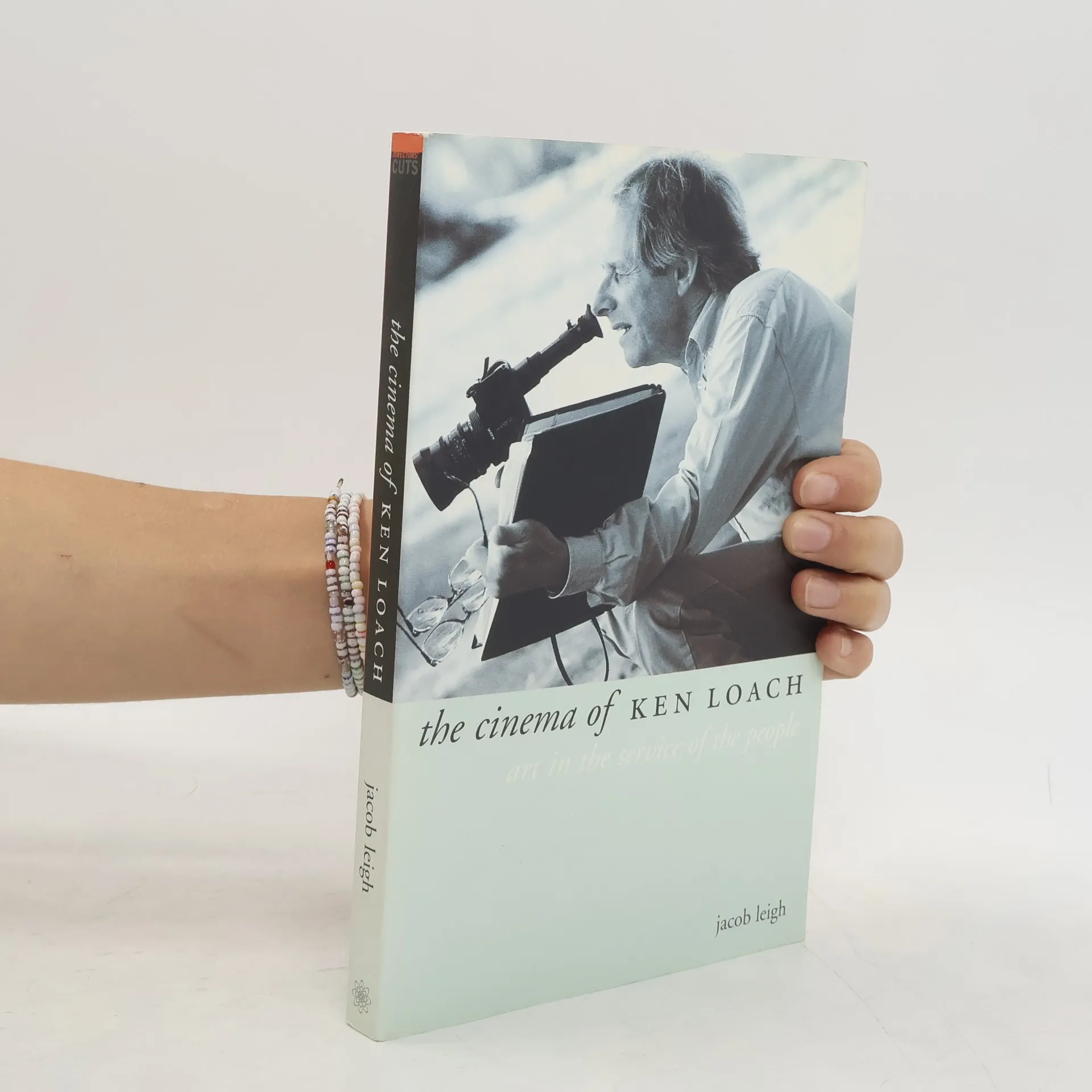
The Cinema of Ken Loach
- 192 pages
- 7 hours of reading
"The Cinema of Ken Loach: Art in the Service of the People examines the linking of art and politics that distinguishes the work of this leading British film director. Loach's films manifest recurrent themes over a long period of working with various collaborators, yet his handling of those themes has changed throughout his career. This book examines those changes as a way of reaching an understanding of Loach's style and meaning. It evaluates how Loach incorporates his political beliefs and those of his writers into his work and augments this thematic interpretation with contextual information gleaned from original archive research and new interviews."--BOOK JACKET.
The Cinema of Terrence Malick 2e
- 224 pages
- 8 hours of reading
This updated book continues its explorations of identity, place and existence in his films, with three new essays by Adrian Martin, Mark Cousins and James Morrison on his latest film The New World (2005), as well as analysis of Badlands (1973), Days of Heaven (1978) and The Thin Red Line (1998).