

Focusing on Dublin's transformation from 1660 to the 1770s, this urban history delves into the significance of various symbols and spaces within the city. It meticulously examines the meanings attached to statues, churches, houses, and public buildings, drawing on a diverse array of visual and written sources to illustrate the cultural and architectural evolution of the Irish capital during this period.
Early Modern History: Society and Culture Series
This series delves into the heart of European history between approximately 1400 and 1800. It meticulously examines the societal, political, and cultural landscapes that defined this transformative era. Readers will gain a nuanced understanding of how early modern Europe functioned, revealing the intricate dynamics of change and continuity. Each volume offers fresh perspectives on the forces that shaped the transition to the modern world.


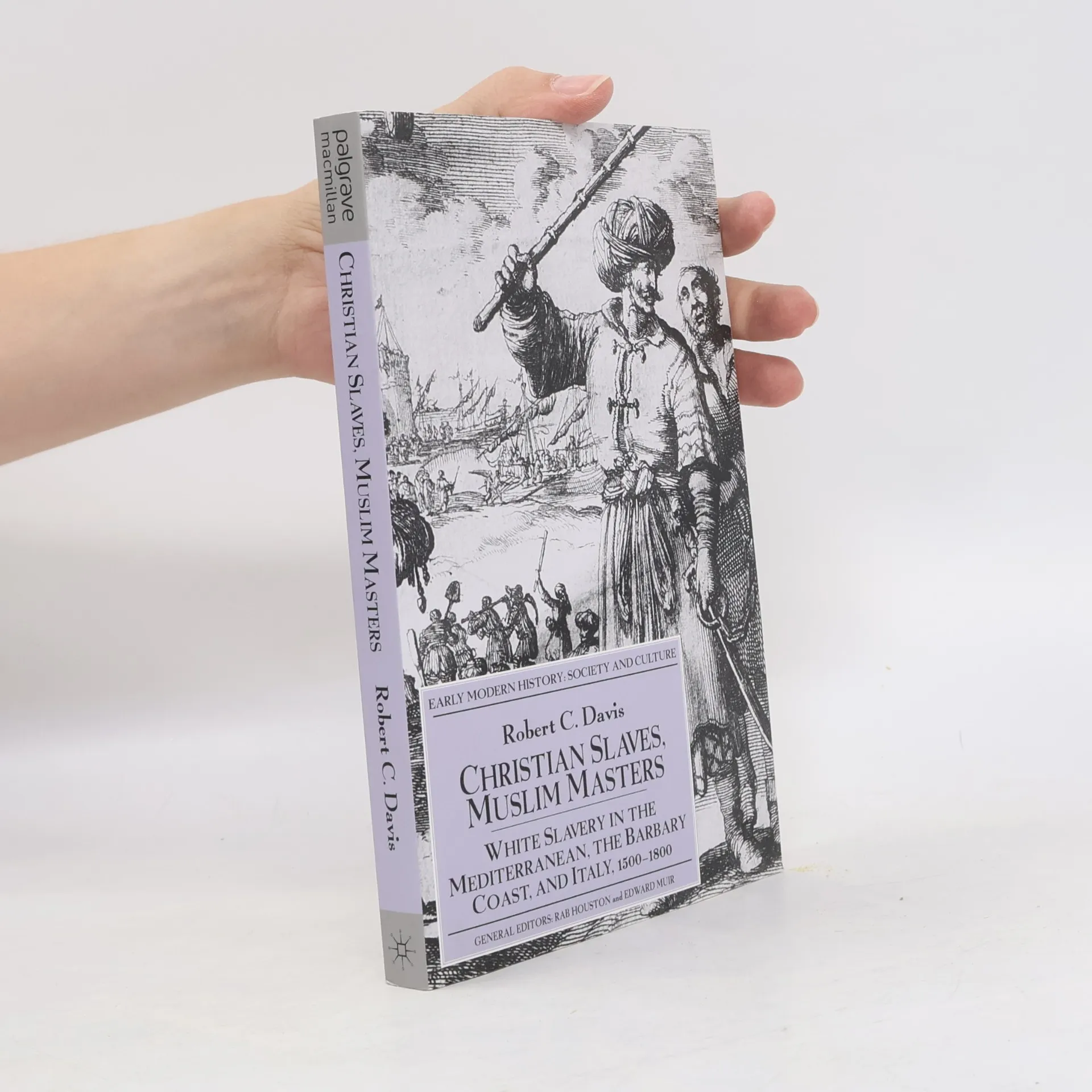
Christian Slaves, Muslim Masters
- 256 pages
- 9 hours of reading
This study examines the often-overlooked slavery of Europeans by North-African Muslims, coinciding with the trans-Atlantic slave trade. It explores the scope of Barbary Coast slavery, the dynamics between masters and slaves, and the impact on Italy, a key target and victim in this historical context.
Focusing on the complex nature of Aztec society, the book delves into the often-misunderstood practice of human sacrifice, presenting it as a significant aspect of their culture rather than a mere horror. It offers a nuanced view that emphasizes the humanity of the Aztecs, while integrating gender studies and exploring their daily lives. This fresh interpretation seeks to provide a deeper understanding of the social and religious dynamics that shaped the Aztec civilization.