
Explore the latest books of this year!
Bookbot

Figaro Trilogy

This dramatic trilogy follows the adventures of a cunning barber whose schemes and wit manipulate both the aristocracy and common folk. Set against a historical backdrop, the stories are brimming with humor, romance, and social satire. These works are renowned not only as stage plays but primarily as the foundation for famous operatic adaptations.

The Figaro Plays
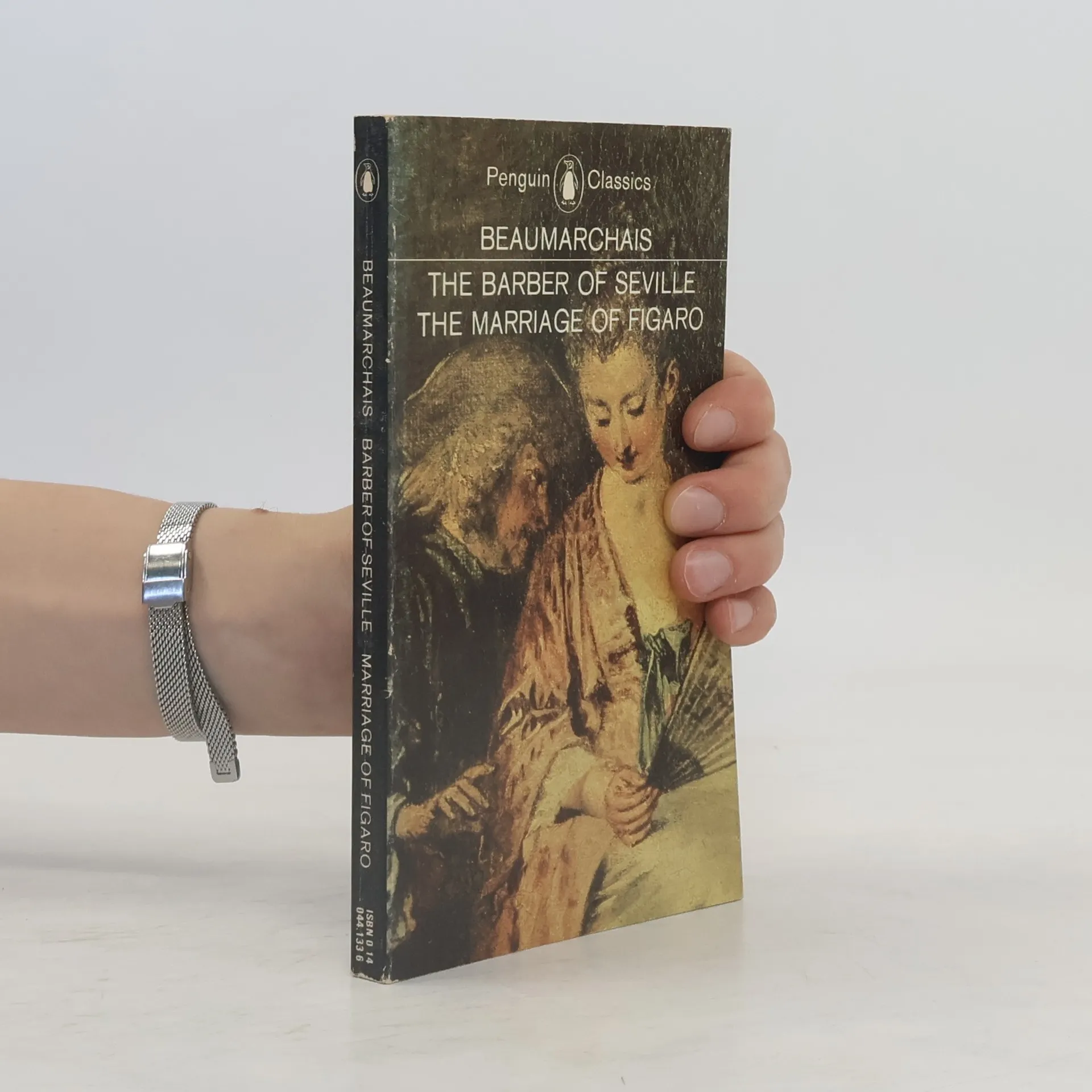
The Barber of Seville and the Marriage of Figaro
The Figaro Trilogy
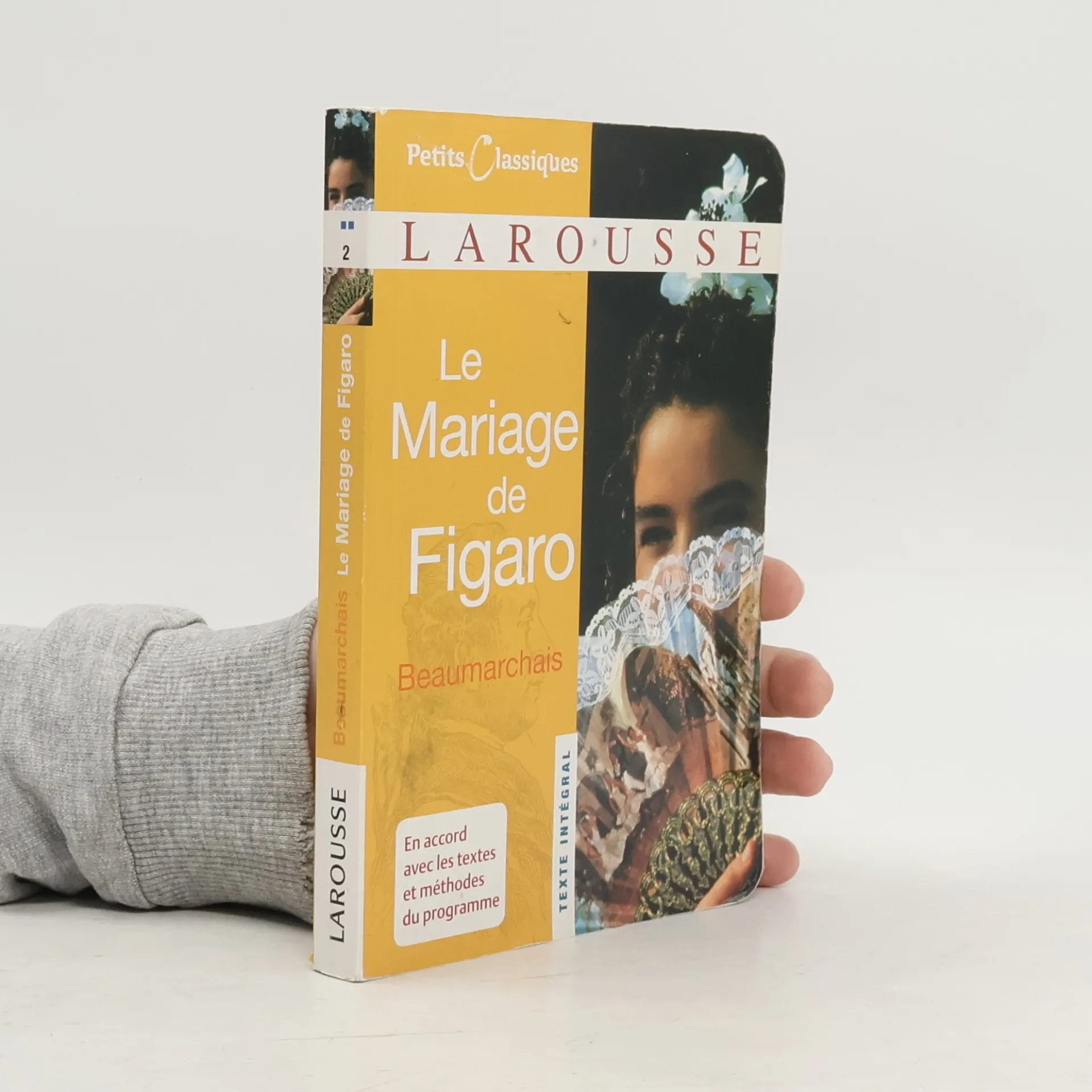
Le Mariage de Figaro - Œuvre Nouveau BAC au Programme - Texte intégral et dossier
Collection Lycée - 1: Le Barbier de Séville ou la Précaution inutile

Recommended Reading Order

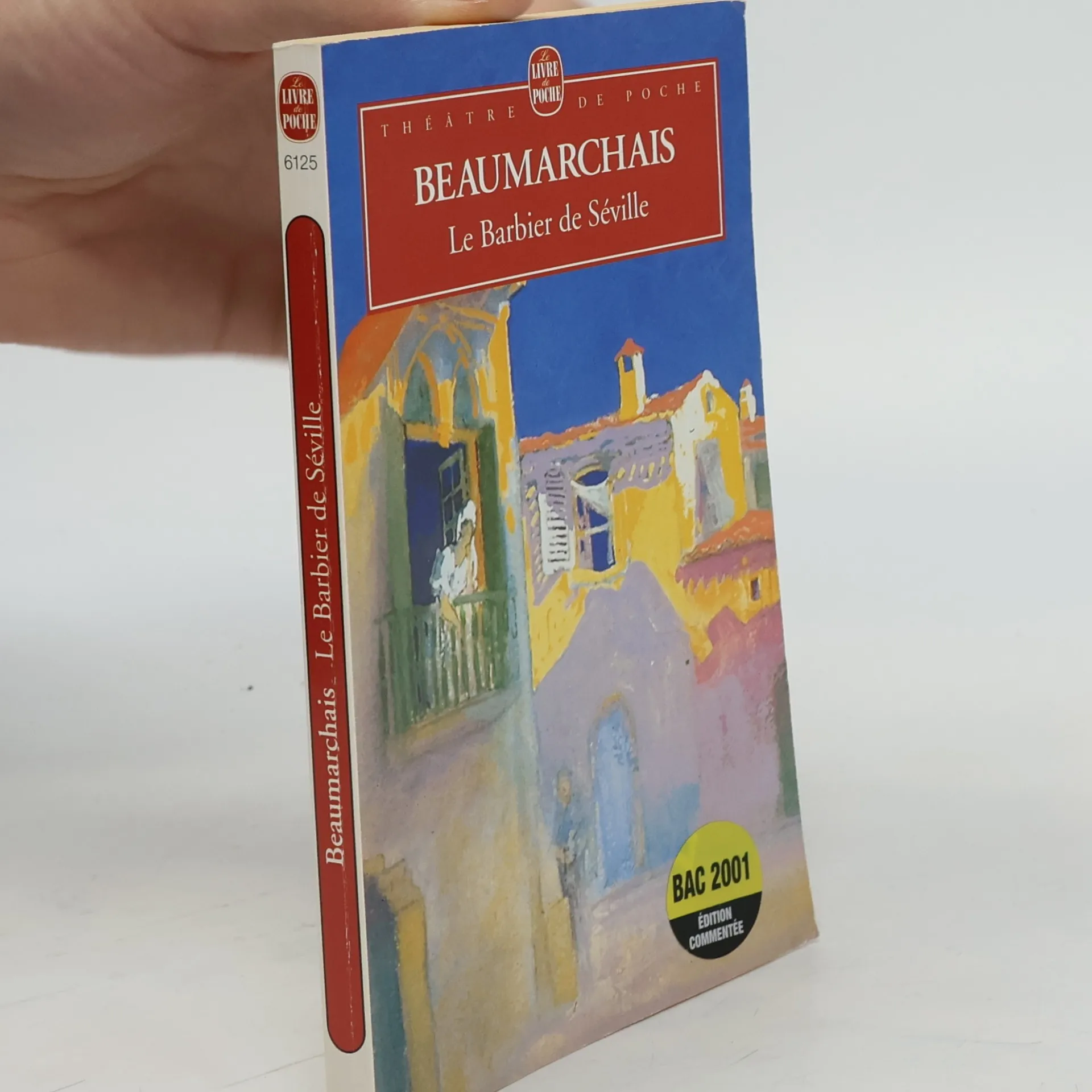
  1. Collection Lycée - 1: Le Barbier de Séville ou la Précaution inutile

    Petits Classiques - Préparation aux épreuves de français - Texte intégral

    • 206 pages
    • 8 hours of reading

    Un vieux bourgeois enferme dans sa maison une ingénue qu'il entend épouser. Un amoureux, avec l'aide de son rusé serviteur, soustrait la jeune fille à ce mariage forcé - et l'épouse lui-même. C'est un thème de comédie d'intrigue qui ne semble guère neuf. Et pourtant, en 1775, Beaumarchais, dans Le Barbier de Séville, en donne une illustration sautillante, virevoltante, qui suit le rythme de la danse et de la musique. Et voici Figaro-ci, Figaro-là, valet qui commence une belle carrière sur la scène.

    Collection Lycée - 1: Le Barbier de Séville ou la Précaution inutile1
    3.3

Related books

  • Figaro s'apprête à se marier avec Suzanne. Mais son maître, le comte Almaviva, cherche à retarder la noce pour obtenir les faveurs de la jeune femme... Au cours de cette journée pleine de quiproquos et de rebondissements, les domestiques n'hésitent pas à souffleter leurs maîtres et les femmes cherchent à prendre leur destin en main. Beaumarchais ne recule devant rien pour critiquer la société du XVIII ? siècle, et compose une pièce insolente qui renouvelle profondément le genre de la comédie. Le texte intégral de l'oeuvre accompagné de notes de bas de page - Neuf fiches pour faire le tour de l'oeuvre : 1. Beaumarchais en 18 dates ; 2. L'oeuvre dans son contexte ; 3. La structure de l'oeuvre ; 4. Les grands thèmes de l'oeuvre ; 5. Représenter Le Mariage de Figaro ; 6. Le renouveau de la comédie au XVIIIe siècle ; 7. Le siècle des Lumières 8. Citations. Pour préparer l'oral du Bac Des lectures analytiques au fil de l'oeuvre. Pour préparer l'écrit du Bac Un sujet complet. Deux groupements de textes 1. Personnages libertins aux XVIIe et XVIIIe siècles ; 2. La scène de reconnaissance au théâtre Tout pour réussir le Bac.

    Le Mariage de Figaro - Œuvre Nouveau BAC au Programme - Texte intégral et dossier
    3.1
  • A French courtier, secret agent, libertine and adventurer, Beaumarchais (1732-99) was also author of two sparkling plays about the scoundrelly valet Figaro triumphant successes that were used as the basis of operas by Mozart and Rossini. A highly engaging comedy of intrigue, The Barber of Seville portrays the resourceful Figaro foiling a jealous old man's attempts to keep his beautiful ward from her lover. And The Marriage of Figaro condemned by Louis XVI for its daring satire of nobility and privilege depicts a master and servant set in opposition by their desire for the same woman. With characteristic lightness of touch, Beaumarchais created an audacious farce of disguise and mistaken identity that balances wit, frivolity and seriousness in equal measure

    The Barber of Seville and the Marriage of Figaro
    3.8
  • [Beaumarchais'] fame rests on Le Barbier de Seville (1775) and Le Mariage de Figaro (1784), the only French plays which his stage-struck century bequeathed to the international repertoire. But his achievement has been adulterated, for 'Beaumarchais' has long been the brand name of a product variously reprocessed by Mozart, Rossini, and the score or so librettists and musicians who have perpetuated his plots, his characters, and his name. The most intriguing question of all has centered on his role as catalyst of the Revolution. Was his impertinent barber the Sweeney Todd of the Ancien Régime, the true begetter of the guillotine? . . . Beaumarchais' plays have often seemed to need the same kind of shoring up as his reputation, as though they couldn't stand on their own without a scaffolding of good tunes. Yet, as John Wells' lively and splendidly speakable translations of the Barber, the Marriage, and A Mother's Guilt demonstrate, they need assistance from no one. [Beaumarchais] thought of the three plays as a trilogy. Taken together, they reflect, as John Leigh's commentaries make clear, the Ancien Régime's unstoppable slide into revolution. --David Coward in The London Review of Books

    The Figaro Plays
    4.0