

When the apprentices of a Paris printing shop in the 1730's held a series of mock trials and then hanged all the cats they could lay their hands on, why did they find it so hilariously funny that they choked with laughter when they reenacted it in pantomime some twenty times? Why in the 18th century version of "Little Red Riding Hood" did the wolf eat the child at the end? What did the anonymous townsman of Montpelier have in mind when he kept an exhaustive dossier on all the activities of his native city? These are some of the provocative questions Robert Darnton attempts to answer in this dazzling series of essays that probe the ways of thought in what we like to call "The Age of Enlightenment."
France and Culture Series
This series delves into the rich tapestry of French culture, exploring its art, literature, history, and cuisine. Discover the unique traditions, intellectual movements, and societal shifts that have shaped the nation. Each volume offers an engaging exploration of distinct facets of French heritage. Uncover what makes French culture so captivating and influential globally.
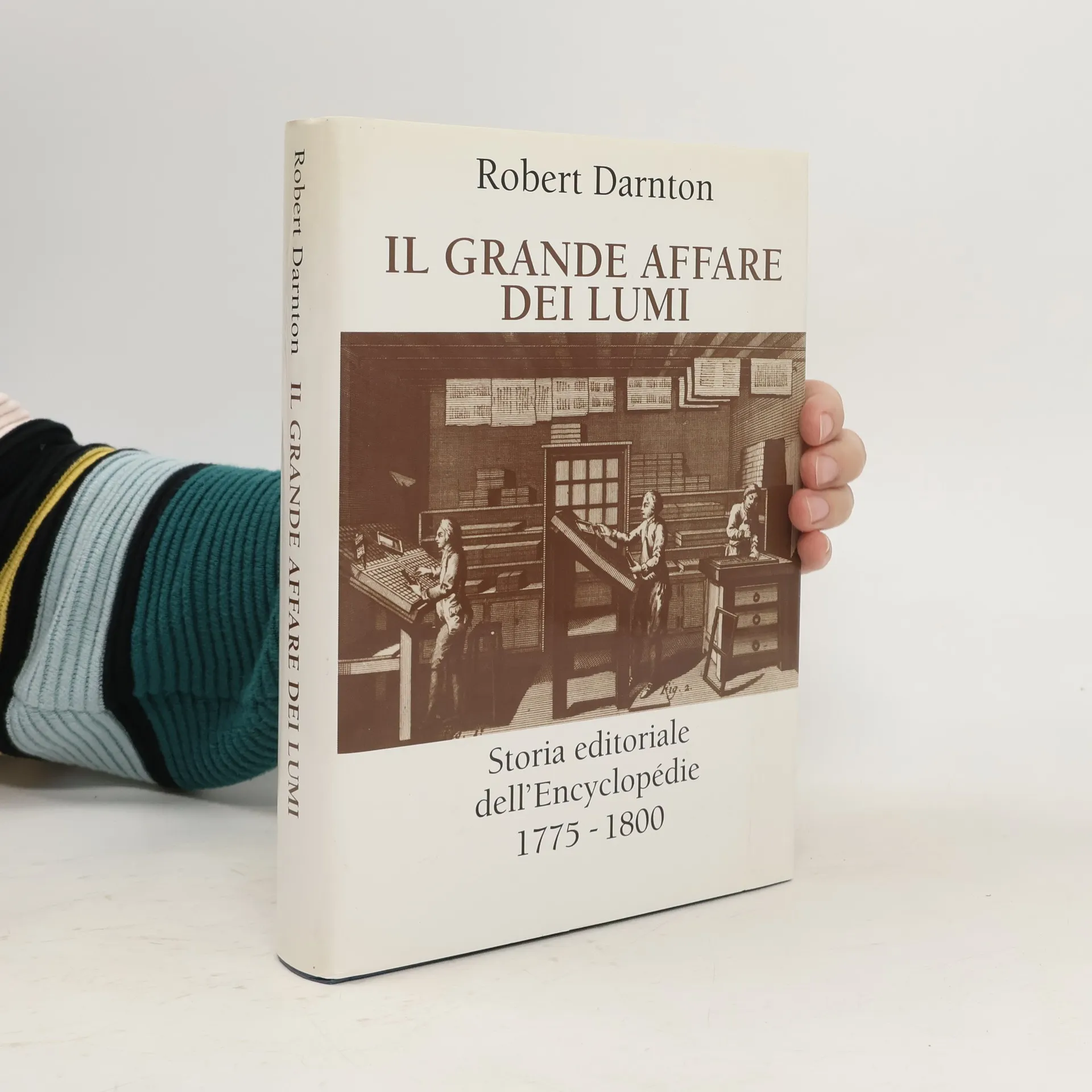



Literaten im Untergrund
- 218 pages
- 8 hours of reading
Robert Darnton führt den Leser in die dunkle, auch von der Wissenschaft bislang nicht ausgeleuchtete Welt der Raubdrucker, Hinterstubenverleger, Schmuggler und Polizeispitzel, die sich als literarischer Untergrund hinter der Fassade der Aufklärung gebildet hatte: Nicht die Enzyklopädie und die heute bekannten philosophischen Werke - das ist die sensationelle Entdeckung Darntons - waren die verbreiteten und wirksamen Bücher, sondern eine ganz andere Literatur. Während auf der offiziellen Seite die Zensur, eine monopolistische Zunft und die Polizei die Buchindustrie beschützten, begann eine weit verzweigte literarische Unterwelt eine illegale Literatur zu verbreiten, die Leser überall in Frankreich mit aufrührerischen Ideen und Ideologien versorgte. Aus naheliegenden Gründen verwischten die Hauptfiguren dieser Subkultur ihre Spuren, so daß Robert Darntons Arbeit sich wie eine detektivische Spurensicherung liest.
Poesie und Polizei
Öffentliche Meinung und Kommunikationsnetzwerke im Paris des 18. Jahrhunderts
- 170 pages
- 6 hours of reading
Die gern geführte Rede, daß wir soeben in das Informationszeitalter eingetreten seien, verkennt, daß »Informationszeitalter« auch in der Vergangenheit schon existiert haben. Nur die Formen und die Medien der Verbreitung von Informationen waren andere. Im Paris des 18. Jahrhunderts bestanden in erster Linie mündliche Kommunikationssysteme, und Informationen verbargen sich oft in poetischen Texten, die der gewöhnliche Pariser in öffentlichen Gärten rezitierte und auf den Straßen sang. Diese Poesie war politisch so wirkungsvoll, daß man versuchte, sie der polizeilichen Kontrolle zu unterstellen. Darnton beschreibt, wie die Polizei im Paris des Jahres 1749 die Herkunft solcher Gedichte zurückverfolgt, und macht dabei deutlich, wie Kommunikationssysteme funktionieren und wie sich Neuigkeiten auch durch Medien, die heute vergessen sind, ausbreiten können.
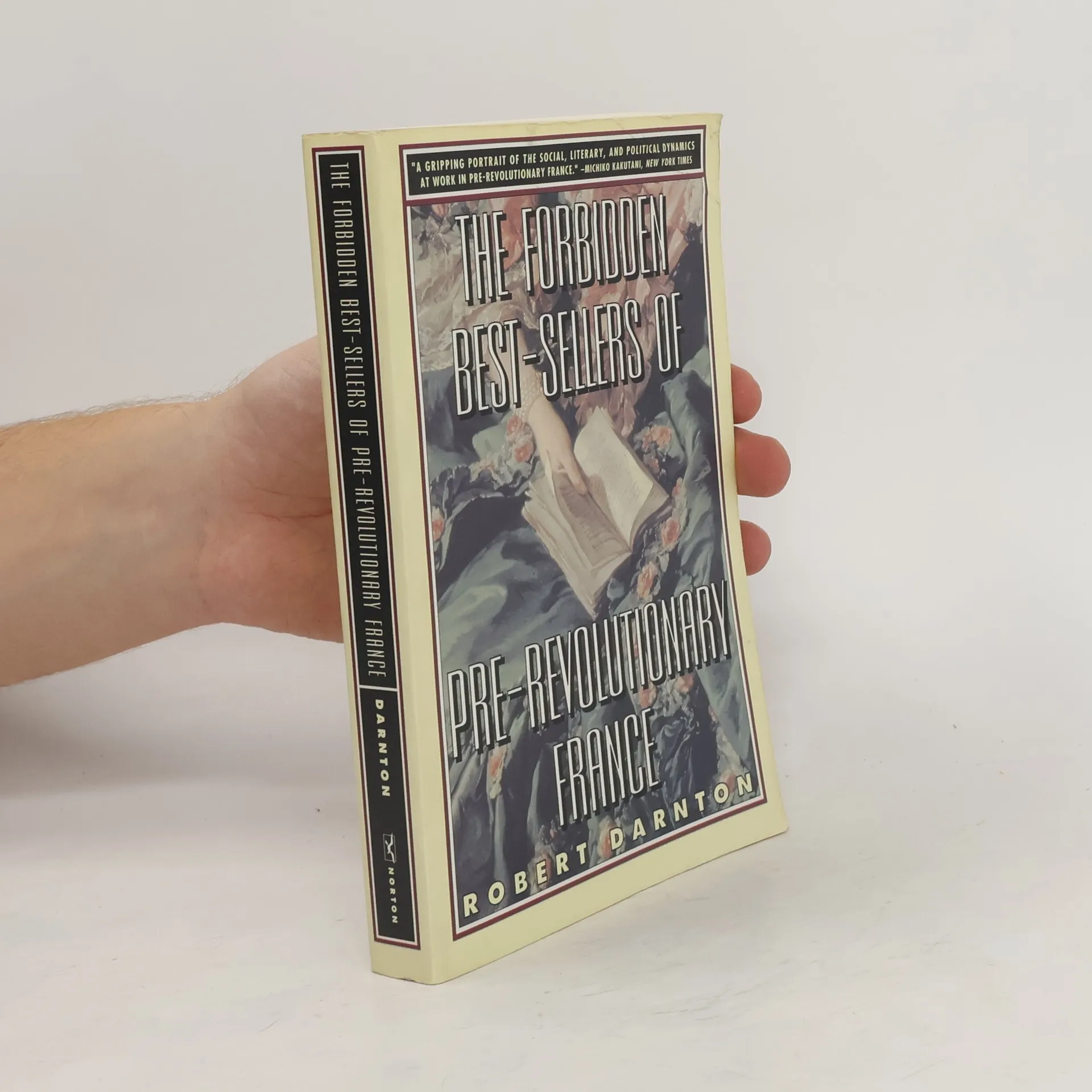
The Forbidden Best-sellers of Pre-revolutionary France
- 468 pages
- 17 hours of reading
Robert Darnton's work is one of the main reasons that cultural history has become an exciting study central to our understanding of the past.