

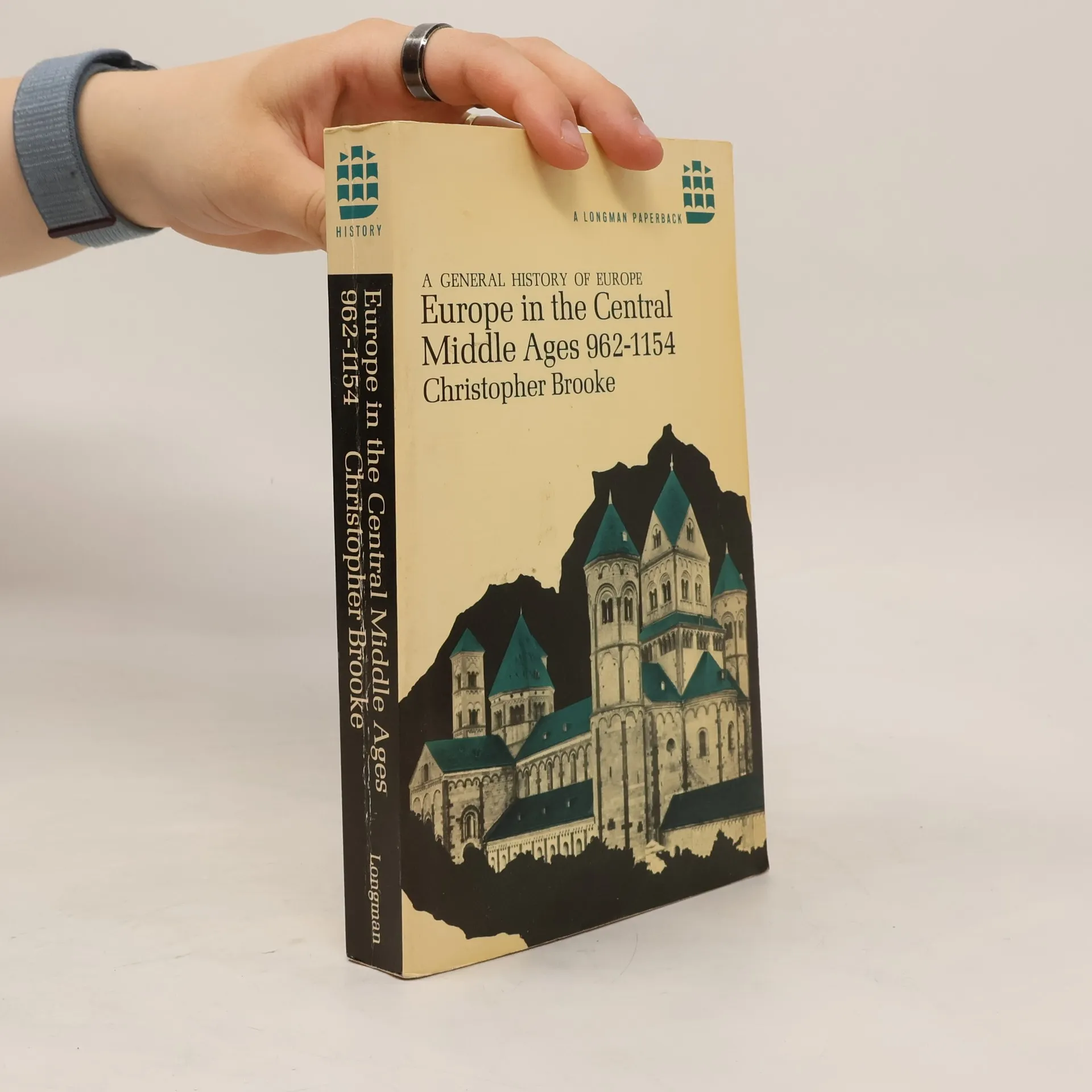
An introduction which explores the emergence of the distinctive character of medievel Europe from 962-1154. The text covers key themes including the reform and revival of the Papcy, the heyday of the medieval Empire, the rise of the Normans and the early Crusades.
General History of Europe Series
This comprehensive series delves into the rich tapestry of the European continent's history, spanning from its earliest origins to the present day. It meticulously examines the pivotal events, cultural shifts, and political transformations that have shaped Western civilization. Readers embark on a captivating journey through time, gaining detailed insights into the forces that have molded the modern world. This collection is essential for anyone seeking to understand the roots of European identity and its multifaceted legacy.

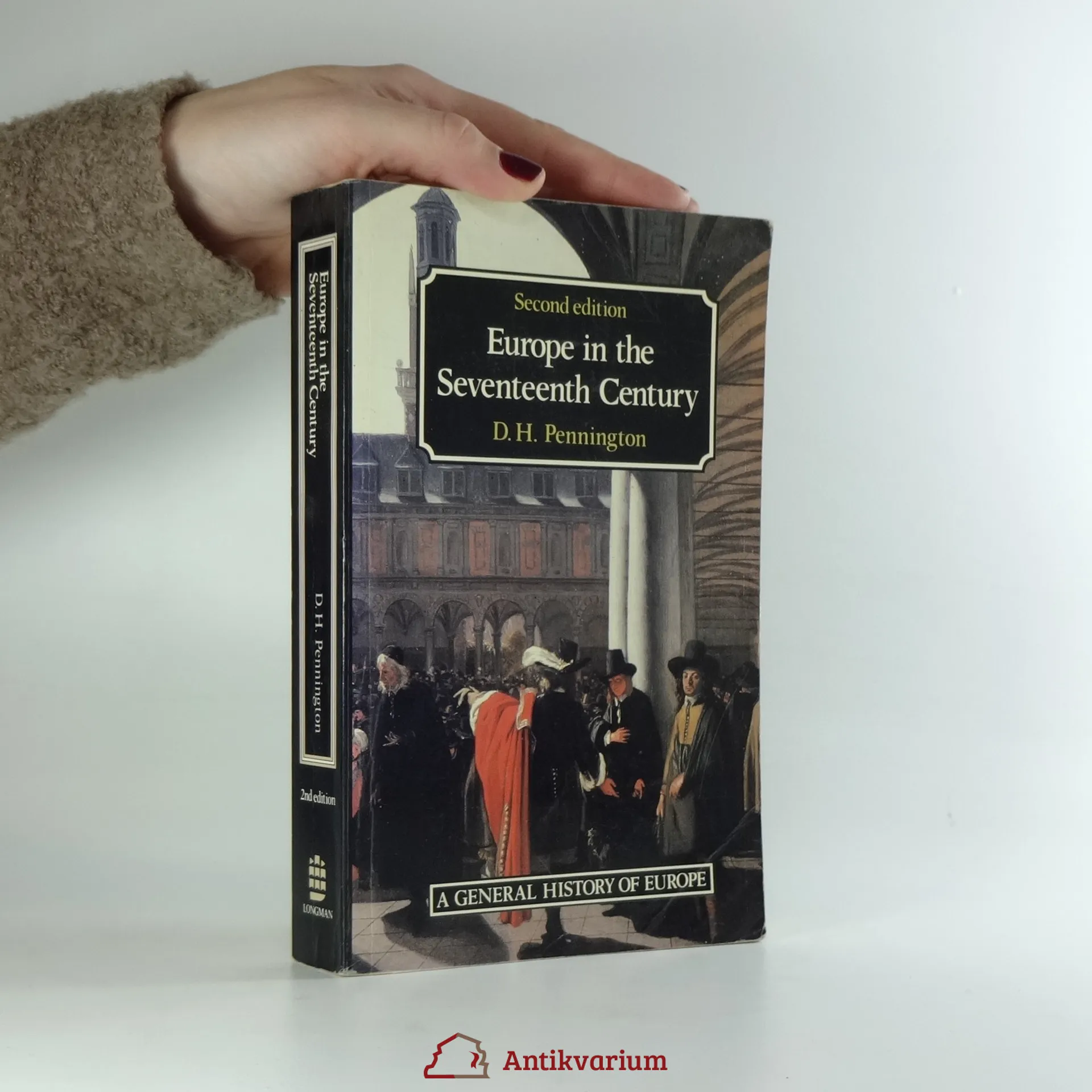
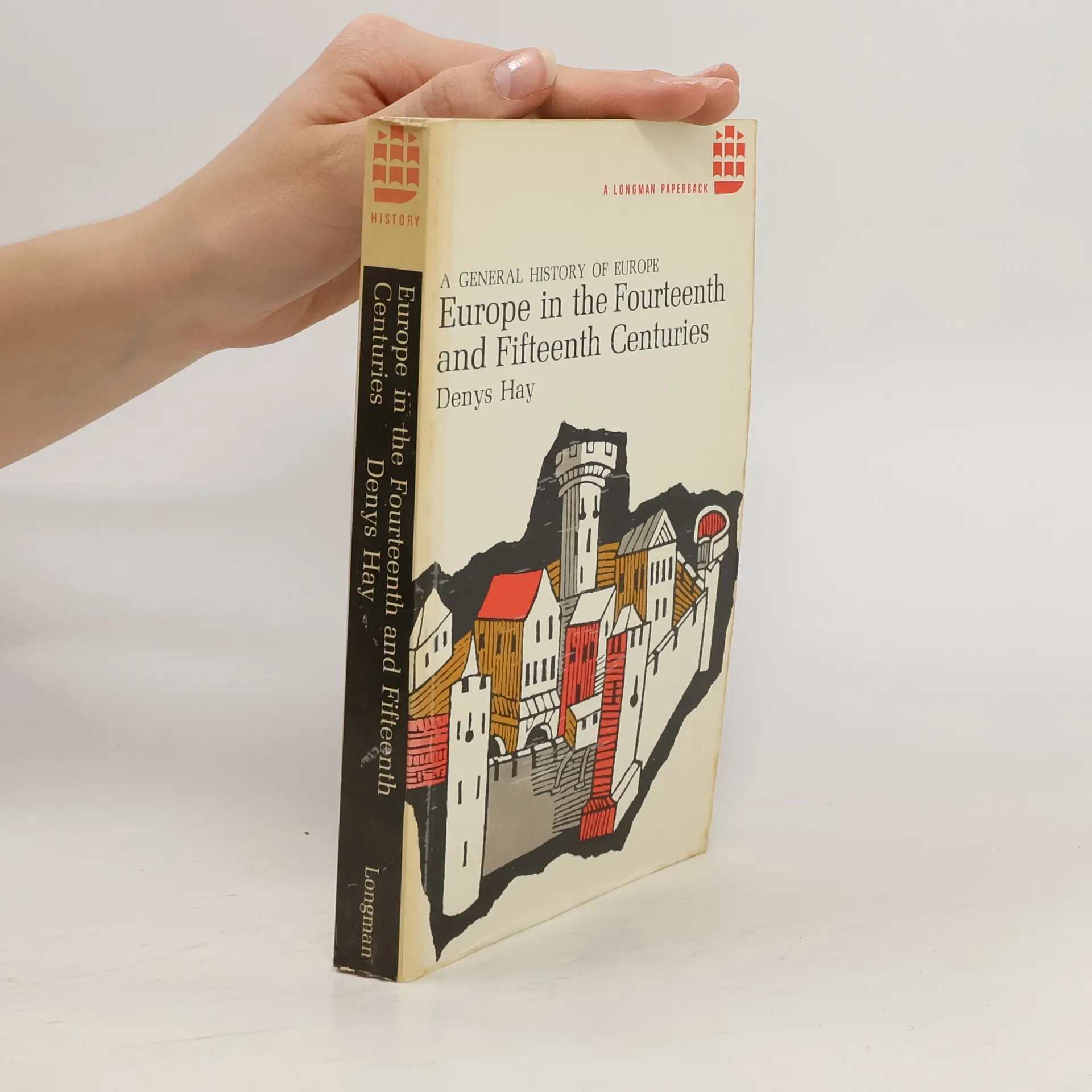
First published in 1966, this has been widely used as a standard introduction to late medieval European history throughout the academic world. It analyzes the structure of society in Europe, identifying its main groups, their political programmes and their impact.
As before, the second edition of this widely-used survey is in two main parts. The first analyses the major themes of seventeenth-century European history on a continent-wide basis. The second part moves on to outline political, diplomatic and military events in the various states and nations of the time. For the second edition all the chapters have been rewritten to take account of recent scholarship. Moreover, many new topics are discussed: the family; crime; the impact of printing; climate; population and social mobility; Islam in seventeenth-century Europe. Throughout, the book emphasises current lines of research and controversy to illustrate that the history of the period is a process of enquiry and argument rather than incontrovertible fact.
Europe 1880-1945
- 538 pages
- 19 hours of reading
The period from 1880 to 1945 in Europe is marked by the height of its global influence, followed by a dramatic decline. Internal divisions and unresolved issues led to catastrophic consequences, including two World Wars, which were fueled by European rivalries and ambitions. This survey explores the complexities of Europe's political and economic landscape during these transformative years, highlighting the interplay between power, conflict, and the eventual unraveling of its dominance.