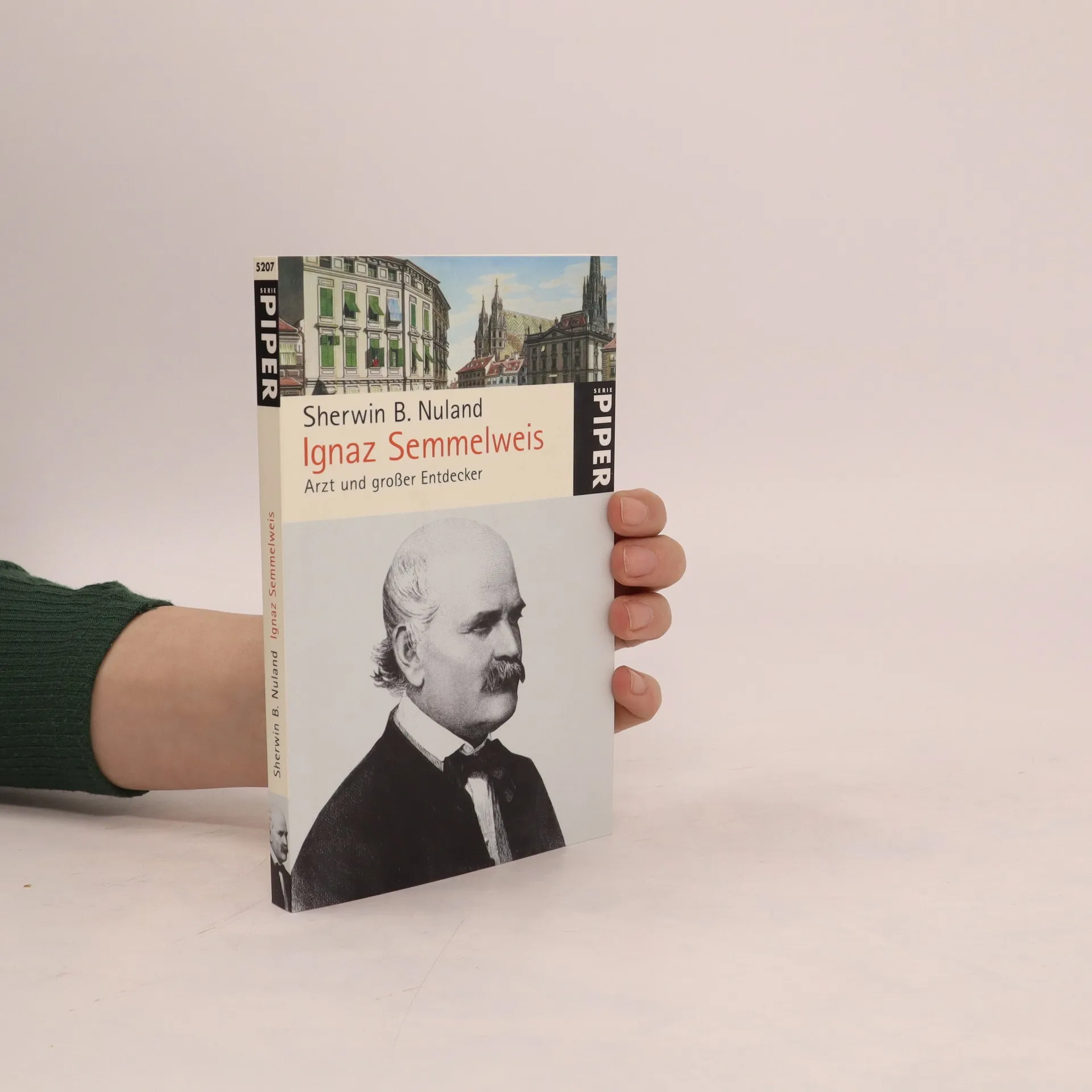
Um die Mitte des 19. Jahrhunderts entdeckte der Frauenarzt Ignaz Semmelweis Keime als Ursache für das Kindbettfieber und damit für Infektionen. Doch der Hygiene-Pionier wurde damals kaum ernstgenommen. Sherwin B. Nuland erzählt die bewegende Geschichte eines großen Entdeckers und tragischen Genies. Ein wichtiges Stück Medizingeschichte.
Great Discoveries Series
This series delves into the pivotal moments when humanity unlocked fundamental scientific and mathematical secrets. Each volume explores the historical context and profound impact of these groundbreaking discoveries. It's a journey through ingenuity and intellectual leaps that have reshaped our understanding of the universe and ourselves. Explore the narratives behind the ideas that propelled civilization forward.


The life of Ernest Rutherford, born in colonial New Zealand, reveals a journey from frontier life to becoming a pivotal figure in modern physics. His groundbreaking discoveries include the orbital structure of the atom and the concept of radioactive half-life. Alongside his team, he was the first to split the atom, foreshadowing the development of the atomic bomb. Richard Reeves vividly portrays Rutherford as a warm and approachable man whose contributions significantly shaped the scientific landscape.
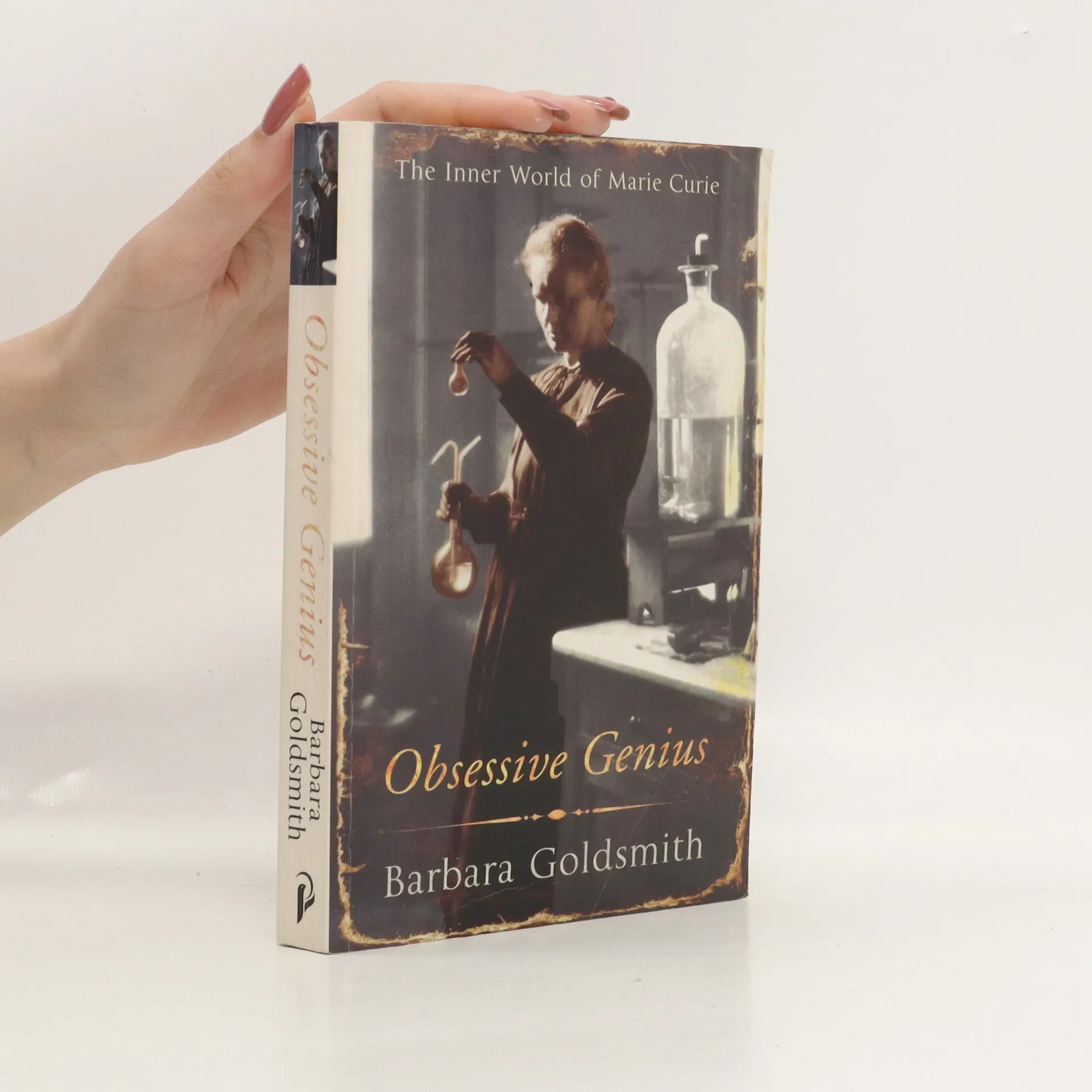
Obsessive genius : the inner world of Marie Curie
- 256 pages
- 9 hours of reading
Marie Curie remains the only woman to win two Nobel prizes - the first in 1903 for the discovery of radioactivity and the second in 1911 for the discovery of radium and polonium. Her discovery of radium opened the door to the exploration of the atom. What is even more remarkable is that the Nobel prize wasn't awarded to another woman until twenty years later, and it was Marie's daughter - Irene Joliot-Curie - who received it for discovering artificial radioactivity. In turn Irene's daughter, Helene Langevin-Joliot, helped create the first atomic pile in France. The legacy of Marie Curie, her daughter and grand-daughter makes for a fascinating story of the family who released the radioactivity that has transformed our world.
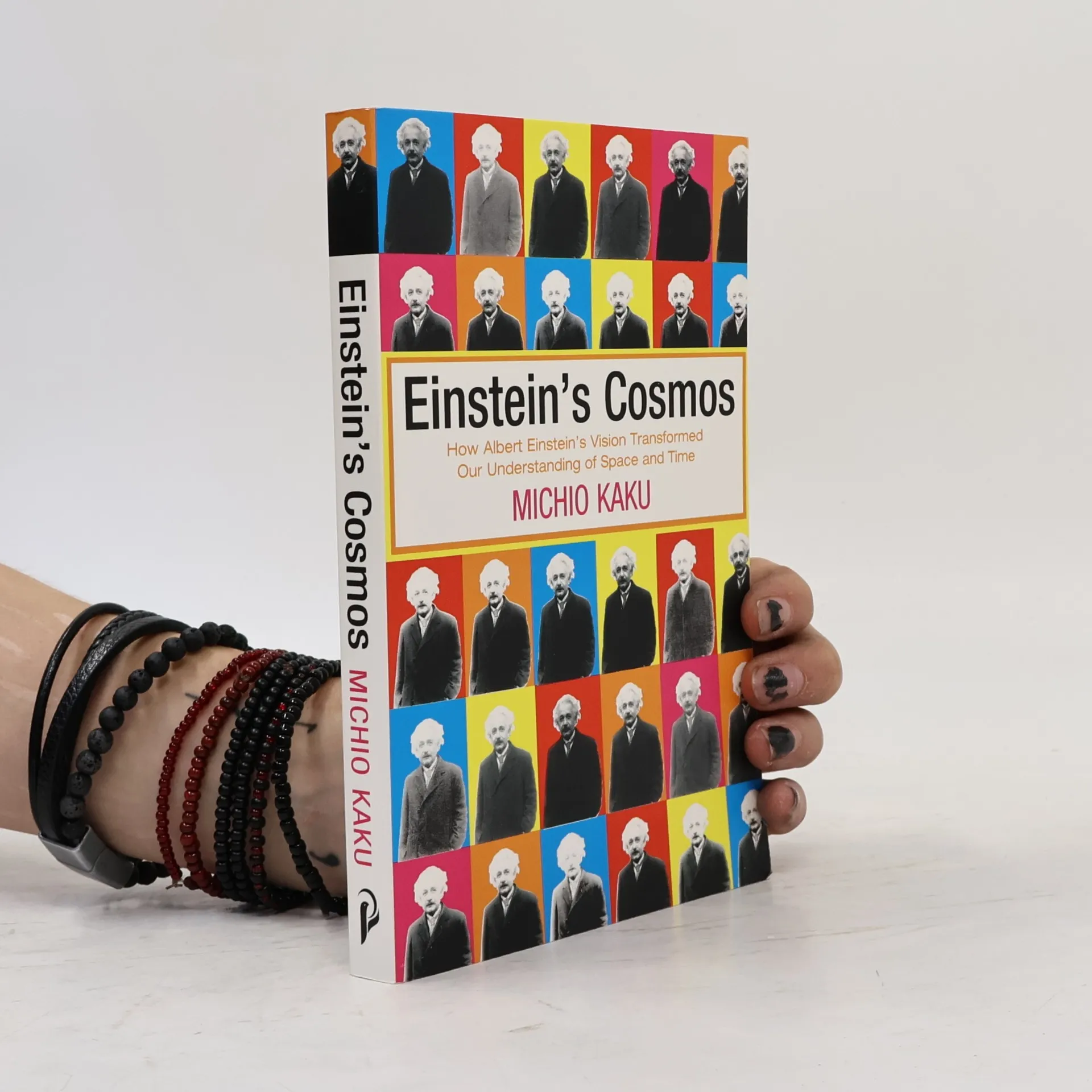
Einstein's Cosmos
How Albert Einstein's Vision Transformed Our Understanding of Space and Time
- 320 pages
- 12 hours of reading
There's no better short book that explains just what Einstein did than Einstein's Cosmos . Keying Einstein's crucial discoveries to the simple mental images that inspired them, Michio Kaku finds a revealing new way to discuss his ideas, and delivers an appealing and always accessible introduction to Einstein's work.
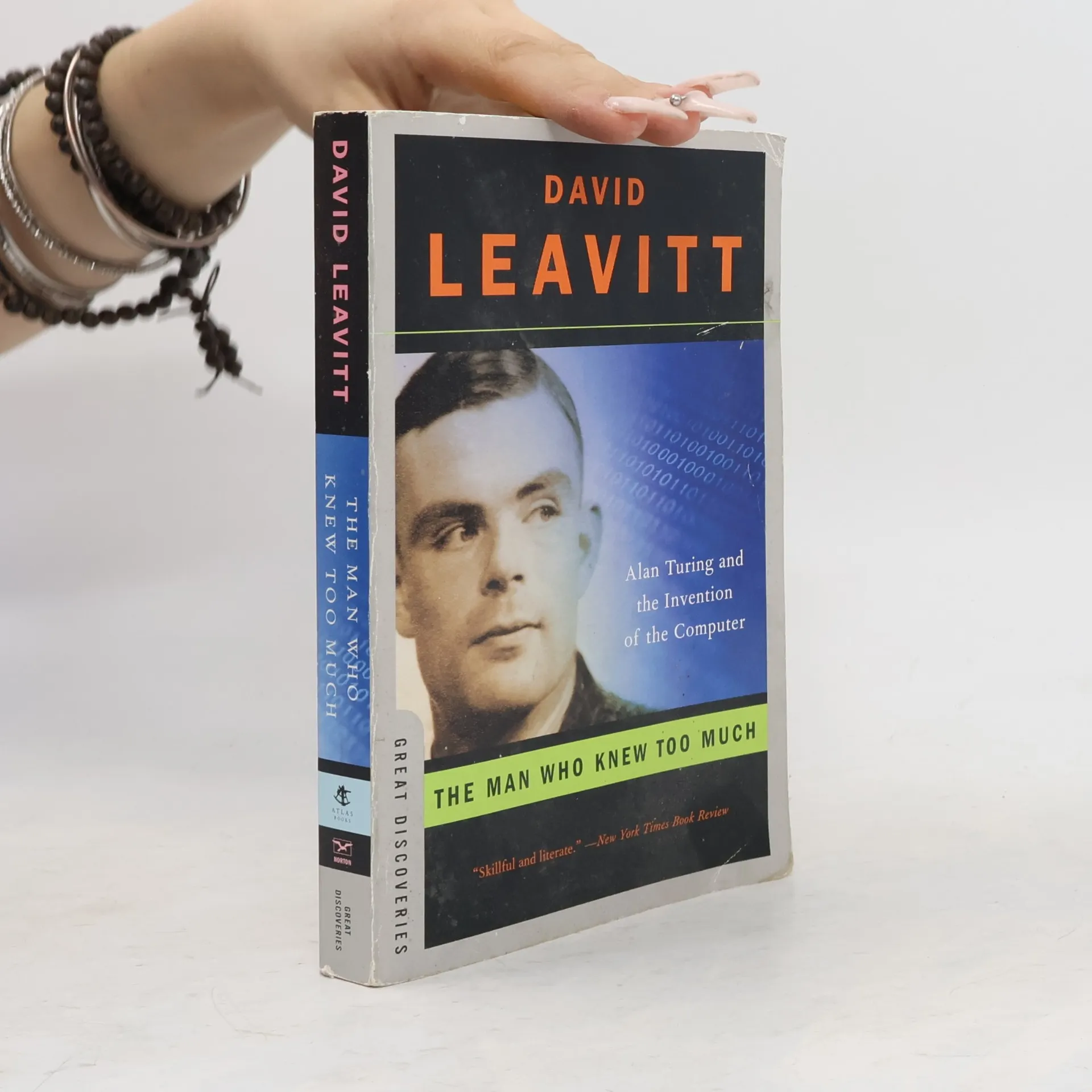
The Man Who Knew Too Much
- 336 pages
- 12 hours of reading
The story of Alan Turing, the persecuted genius who helped break the Enigma code and create the modern computer, and who received a royal pardon in 2013
Incompleteness: The Proof and Paradox of Kurt Gödel
- 224 pages
- 8 hours of reading
"A gem…An unforgettable account of one of the great moments in the history of human thought." —Steven PinkerProbing the life and work of Kurt Gödel, Incompleteness indelibly portrays the tortured genius whose vision rocked the stability of mathematical reasoning—and brought him to the edge of madness.
Quantum Man
- 350 pages
- 13 hours of reading
A gripping new scientific biography of the revered Nobel Prize-winning physicist (and curious character) Richard Feynman.
“Il vostro autore è un tizio con un interesse amatoriale di livello medio-alto per la matematica e i sistemi formali. Ha sempre detestato (con gli scarsi risultati che ne conseguono) qualsiasi corso di matematica seguito nel corso della sua vita, con una sola eccezione, peraltro estranea al suo curriculum universitario: un corso tenuto da uno di quei rari specialisti che sanno dare vita e necessità ai concetti astratti, che quando tengono una lezione parlano veramente con te e di cui tutto quanto vi è di buono in questo libro e una pallida e benintenzionata imitazione”. Autore di culto in tutto il mondo, romanziere tra i più esplosivi in circolazione, David Foster Wallace torna a confrontarsi con l’infinito dopo l’impresa titanica di Infinite Jest. Smesse le vesti dello scrittore di fiction Wallace si prende la responsabilità di indossare i panni del matematico determinato a regolare i suoi conti con il concetto del quale non si può pensare niente di più grande. Il risultato è un reportage senza esclusione di colpi nel mondo astratto dei numeri, tra formule spaccacervello e grafici astrusi. Arrivare alla meta, come sempre nel caso di Wallace, è impresa che ripaga di ogni sforzo trascorso. E il genio e l’ironia con cui attraversa lo spazio ricurvo della lettura riconcilia con l’ostinazione opaca dei numeri, nonostante il professore alla lavagna sia uno che fa le cose molto sul serio.
Lavoisier in the Year One: The Birth of a New Science in an Age of Revolution
- 214 pages
- 8 hours of reading
The author expands on his acclaimed trilogy, vividly capturing the tumultuous 18th-century Haitian uprisings and the revolutionary spirit of the time. Focusing on the influential works of Antoine Lavoisier, the narrative intertwines scientific exploration with the fervor of social change, highlighting the interplay between reason and revolution during this pivotal historical period.
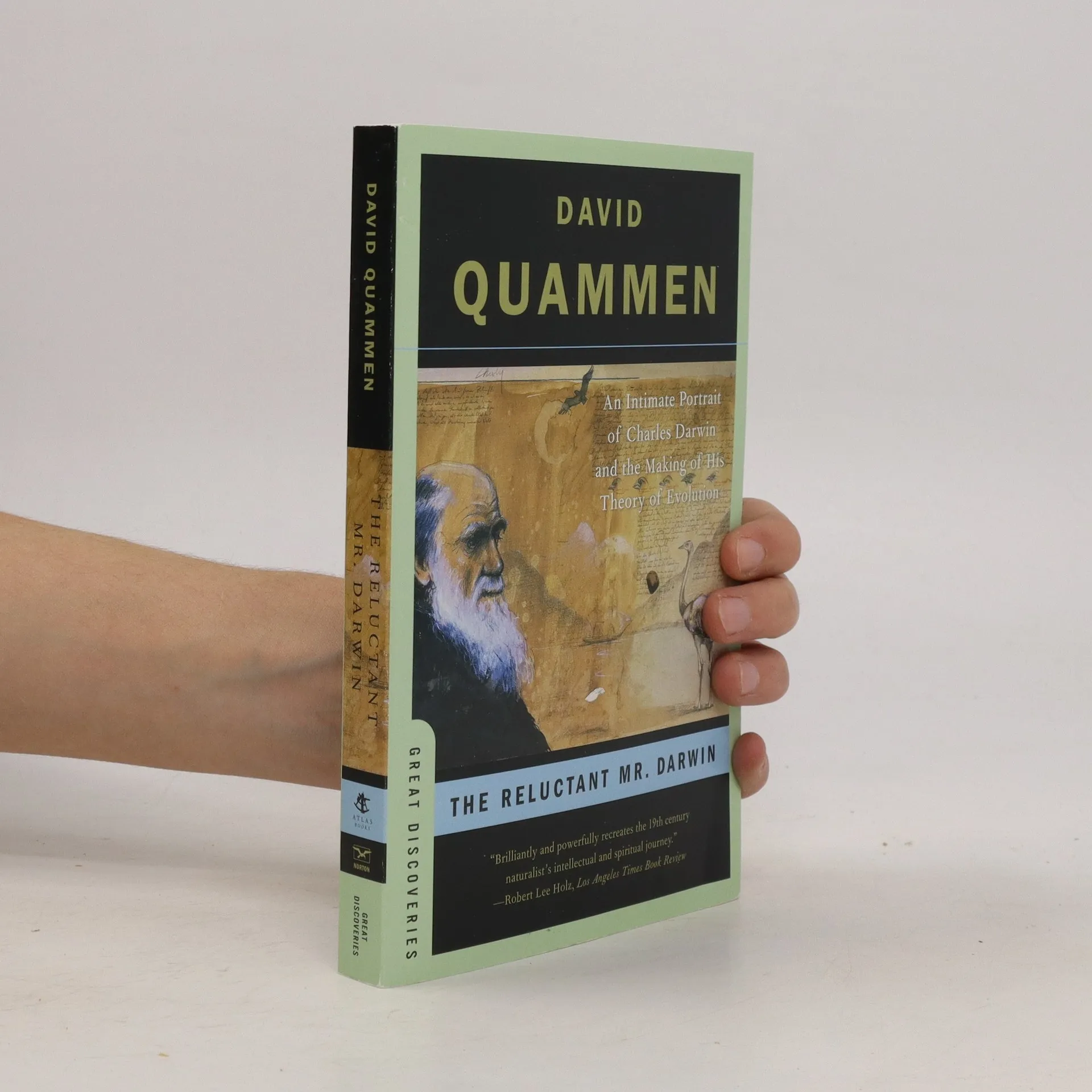
The Reluctant Mr. Darwin
- 304 pages
- 11 hours of reading
21 years passed between Charles Darwim's epiphany that 'natural selection' formed the basis of evolution and the scientist's publication of 'On the Origin of Species'. This text looks at why Darwin delayed the publication and examines what happened during the course of those two decades.