

Explore the latest books of this year!
Bookbot

Images of America: New Jersey

This series delves into the vibrant past of American cities and regions, focusing on unique cultures and traditions. Through hundreds of historical photographs and engaging captions, this collection brings bygone eras to life. It's a visual journey through time, revealing the people, places, and events that shaped the American landscape. Each book offers a nostalgic look into the heart of American history.

Institute for Advanced Study
Six Flags Great Adventure
Marlboro Township
Kearny's Immigrant Heritage
Asbury Park
Sea Girt Lighthouse
  • Sea Girt Lighthouse

    • 128 pages
    • 5 hours of reading

    In the New Jersey shore community of Sea Girt, where Commodore Robert Stockton's oceanfront mansion had a porch as long as a ship's deck from which he surveyed the waters, a lighthouse was built in 1896. Sea Girt Lighthouse illuminated a dark space, providing a crucial guiding light to passing ships. The station would become a lighthouse of distinction and innovation. In 1920, it was the first land-based lighthouse with a radio beacon transmitter, enabling ships to navigate through fog. During World War II, the Coast Guard extinguished the light, stood watch in the tower, and patrolled the beaches. No matter the mission, the lighthouse met every challenge. In 1956, the town acquired the decommissioned lighthouse, making it the library and recreation center. By 1981, however, the building needed extensive repairs and was at risk of being sold. Concerned residents formed the Sea Girt Lighthouse Citizens Committee to "save our lighthouse." And they did, restoring it, preserving its history, and keeping it busy with community events.

    Sea Girt Lighthouse
    3.5
  • Asbury Park

    • 128 pages
    • 5 hours of reading

    The book serves as a visual chronicle of Asbury Park, capturing the city's rich and varied history through photography. It highlights the cultural diversity and significant moments that have shaped the community, offering readers a glimpse into the vibrant life and heritage of this iconic location.

    Asbury Park
  • The narrative explores Kearny's rich multicultural heritage, beginning with the influx of immigrants in 1875 when Scottish mills attracted workers. Over the years, various groups, including Swedes, Lithuanians, Italians, Jewish families, and Japanese settlers, contributed to the town's development. The establishment of community institutions like Our Lady of Sorrows Church and local businesses reflects the diverse cultural tapestry that has shaped Kearny into an iconic representation of immigration and multiculturalism in America.

    Kearny's Immigrant Heritage
    2.0
  • Marlboro Township

    • 128 pages
    • 5 hours of reading

    Exploring the rich history of Marlboro Township, this collection highlights its diverse past, from early aviation to a landmark greenhouse and the thriving potato industry. The book captures the transition of this once-rural Monmouth County town into modern suburbia, showcasing images that reflect its agricultural roots and industrial development. It offers a glimpse into Marlboro's textured heritage while also looking ahead to its promising future.

    Marlboro Township
    4.0
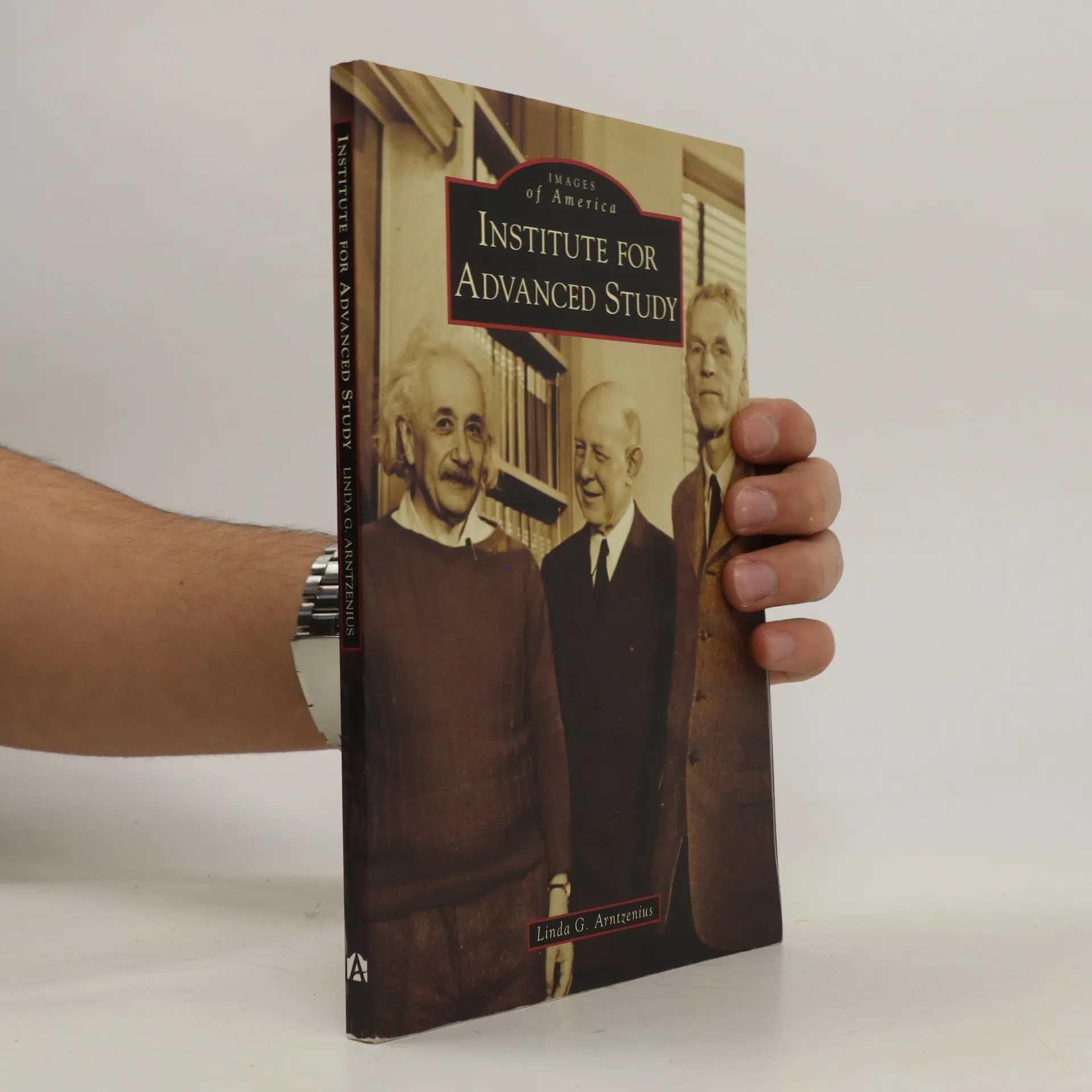
  • Founded in 1930, the Institute for Advanced Study was conceived of high ideals for the future of America and its system of higher education, and was made possible by sibling philanthropists Louis Bamberger and Caroline Bamberger Fuld. Guided by education expert Abraham Flexner, the Bambergers created an independent institution devoted to the pursuit of knowledge. The Institute for Advanced Study opened its arms to scholars "without regard to race, creed, or sex." It provided a haven for Jewish intellectuals fleeing Nazi Germany, including Albert Einstein, who remained on the permanent faculty until his death in 1955, and became the intellectual home of such luminaries as J. Robert Oppenheimer, John von Neumann, Kurt Gödel, Marston Morse, Oswald Veblen, Hermann Weyl, Homer A. Thompson, Erwin Panofsky, George F. Kennan, Clifford Geertz, and Freeman Dyson.

    Institute for Advanced Study
    5.0
  • Focusing on the rich history and unique character of West Long Branch, this volume explores the evolution of the borough, highlighting its well-landscaped properties and summer cottages. It examines the blend of town-and-country life shaped by original settlers and prosperous New Yorkers who established vacation homes. The narrative also reflects on the post-World War II transformation of the area into a town-and-gown community, showcasing how educational opportunities repurposed cottages into classrooms, enriching the local culture and community.

    West Long Branch Revisited
  • Medford

    • 130 pages
    • 5 hours of reading

    The book explores the historical development of Medford, established by Quakers in the late 1600s and evolving into a community by the mid-1800s. It highlights the significance of local industries like sawmills and schools, some of which remain today. Central to the narrative are the photographs of William Cooper from the early 20th century, capturing the essence of Medford's daily life, including workers, schoolchildren, sports, and community events, providing a vivid visual history of the town's heritage.

    Medford
    5.0
  • Highland Park's rich history unfolds through its evolution from a small town to a vibrant community of 14,000 residents. Established in 1905, this trolley suburb boasts a welcoming atmosphere, characterized by good schools, tree-lined streets, and active local businesses. The narrative highlights the town's growth, particularly post-World War II, and emphasizes the importance of community events—like parades and soapbox derbies—that foster a strong sense of pride among its residents.

    Highland Park in the 20th Century
    4.0
  • Richly illustrated with over two hundred historical photographs, the book delves into the intertwined histories of Allentown and Upper Freehold Township in Monmouth County. It captures the charm of the last rural landscapes facing development pressures, showcasing pastoral farms like Merino Hill and notable sites such as Imlaystown, renowned for its crooked Main Street, and the Old Yellow Meeting House. This exploration highlights the cultural significance and evolving identity of these communities amidst changing times.

    Allentown and Upper Freehold Township
    3.5
  • Atlantic Highlands

    • 130 pages
    • 5 hours of reading

    The book offers a captivating photographic exploration of eastern Monmouth County, focusing on Atlantic Highlands at the turn of the century. It features a collection of family heirlooms sourced from local residents, providing a rich historical context and personal narratives that enhance the visual storytelling. Gabrielan's work highlights the community's heritage and the significance of preserving local history through imagery and artifacts.

    Atlantic Highlands
    4.0
  • Bordentown

    • 128 pages
    • 5 hours of reading

    Bordentown, New Jersey, is located at the confluence of the Delaware River, Blacks Creek, and Crosswicks Creek. The town sits on a high bluff northeast of Philadelphia. Bordentown has always been an accessible crossroads, first by water and train and presently by car and light rail. The community was a railroading town and had a successful boating industry. It eventually transitioned into a factory town, supporting such businesses as Eagle Shirt Factory, Ocean Spray Cranberries, and Springfield Worsted Mills. Motels, drive-ins, and diners sprang up along the highway as halfway stops from northeast to southwest Jersey. The New Jersey Turnpike brought tourists and visitors, who frequented the locally owned restaurants, shops, and galleries. Bordentown showcases the rich industrial and community history of this Burlington County town.

    Bordentown
  • Colts Neck

    • 130 pages
    • 5 hours of reading

    Set in Colts Neck, a township in Monmouth County, the narrative explores the unique blend of community and individuality within this picturesque area. The story delves into the lives of its residents, revealing the complexities of their relationships and the impact of local history on their identities. Themes of belonging, ambition, and the interplay between tradition and modernity are woven throughout, offering a rich portrait of life in this distinctive locale.

    Colts Neck
  • Sandy Hook

    • 130 pages
    • 5 hours of reading

    Sandy Hook, a stunning peninsula on the northern Atlantic coast, boasts a beautiful ocean beach and is the most popular destination in Monmouth County. It has a rich history, having been a beloved site for generations, attracting visitors with its natural beauty and recreational opportunities. The area offers a blend of scenic landscapes, historical significance, and a vibrant community atmosphere, making it a cherished spot for both locals and tourists alike.

    Sandy Hook
    3.6
  • The history of High Point State Park, a stunning landmark in New Jersey, is intricately linked to the Civilian Conservation Corps (CCC). Established in 1923 as a gift from Colonel Anthony and Susie Kuser, the park features designs by the renowned Olmsted Brothers. The CCC played a crucial role in shaping the park from 1933 to 1941, implementing many original proposals and creating lasting structures that continue to enhance the visitor experience today. This exploration highlights the park's significance and the legacy of the CCC in its development.

    High Point State Park and the Civilian Conservation Corps
    5.0
  • Red Bank: Volume III

    • 128 pages
    • 5 hours of reading

    Set in the lively town of Red Bank, New Jersey, the narrative delves into the vibrant community and its eclectic mix of characters. The story explores themes of friendship, resilience, and the complexities of life in a small town. Through engaging interactions and local events, it captures the essence of the town's spirit and the bonds formed among its residents, making it a heartfelt reflection on community and belonging.

    Red Bank: Volume III
  • Long Branch

    People and Places

    • 130 pages
    • 5 hours of reading

    The book showcases the historical significance of Long Branch, emphasizing its diverse past as a key location in Monmouth County. Historian Randall Gabrielan presents a curated collection of images that capture the essence of the town's earlier days, despite much of the physical evidence having disappeared. Through these visuals, readers can explore the rich heritage and transformation of Long Branch over time.

    Long Branch
  • Shrewsbury

    • 130 pages
    • 5 hours of reading

    The township of Shrewsbury, New Jersey, established in 1665, is pivotal to Monmouth County's history. Initially a large area organized in 1693, it has transformed into a charming 2.3-square-mile community. The book explores Shrewsbury's historical significance and its evolution over time, highlighting key events and developments that shaped the region.

    Shrewsbury
    5.0
  • Union Revisited

    • 130 pages
    • 5 hours of reading

    The narrative captures the transformation of Union Township from a close-knit rural community in the 1950s to its modern incarnation. Once vibrant with local businesses like O'Mara's Farm and Headley's Cider Mill, the town now features new residents and changed landscapes, including a relocated high school. Through vivid reminiscences, the book reflects on the nostalgia of a bygone era, highlighting the loss of familiar landmarks while suggesting that, although the past cannot be recaptured, revisiting its essence can still be meaningful.

    Union Revisited
    4.0
  • Originally part of the Bergen County area known as Godwinville and then Ridgewood, Glen Rock voted to become a borough in 1894. The rock from which the borough took its name was deposited at the end of the last ice age by a retreating glacier. Local folklore tells of Native Americans, the Lenni Lenape, holding meetings on the rock. Early settlers used the rock as a landmark in deeds for the farms they created out of the heavily wooded land. Local streams powered gristmills and sawmills. By 1842, trains brought goods to the area, and within a decade, passenger trains carried the first of the daily commuters to and from New York City. Glen Rock, a photographic journey, documents the growth of the community from the late 1880s through the late 1950s. The early strawberry fields, farms, mills, and hotels made way for today's stores and homes. The dirt roads once used by horse and buggy, stagecoach, and bicycle were paved for early automobiles. The original schools became too small to hold the growing number of children, and new schools were built. Glen Rock's leaders created municipal departments, civic organizations, emergency services, businesses, and places of worship. Parades, picnics, and pageants entertained Glen Rockers. Wars and the Great Depression brought citizens together, and residents gathered to help each other and the nation.

    Images of America : Glen Rock
    4.0
  • Keansburg

    • 130 pages
    • 5 hours of reading

    Focusing on its rich heritage, the book delves into Keansburg's evolution from a waterfront resort to a vibrant year-round community. Local author and historian Randall Gabrielan explores the town's fishing and farming roots, alongside its transformation from parts of Hazlet and Middletown Township. Special attention is given to the amusement and resort businesses that have significantly shaped Keansburg's identity and contributed to its historical prominence.

    Keansburg
  • Benjamin Franklin Bridge

    • 130 pages
    • 5 hours of reading

    Focusing on the historical significance, this book showcases the Benjamin Franklin Bridge, highlighting its original construction as the longest suspension bridge in the world in 1926. It features rare images documenting the planning, construction, and the people behind the bridge's creation. Additionally, the vintage photographs capture the bridge's evolution over the decades, emphasizing its enduring role as a symbol of the Philadelphia-Camden metropolitan area.

    Benjamin Franklin Bridge
    3.6
  • Hopatcong

    A Century of Memories

    • 130 pages
    • 5 hours of reading

    The book explores the rich history of Lake Hopatcong as a premier vacation spot from the 1880s to the 1930s, attracting notable figures from government, industry, and entertainment. It highlights the area's natural appeal, with its cooler climate providing a refreshing escape from nearby urban centers. The narrative delves into the establishment and growth of the Borough of Hopatcong, showcasing its grand hotels and vibrant nightlife that drew thousands each summer, inviting readers to relive the golden era of this beloved resort destination.

    Hopatcong
    4.0
  • Florence Revisited recounts the rich and unique history of Florence, New Jersey through the lens of vintage images; some never before seen. Known as the Community with Character at the Bend in the River, Florence has a fascinating past and rich heritage. First inhabited by the Lenni-Lenape tribes, Florence is believed to be named after the daughter of Charles Macalester of Philadelphia, one of the area's first landowners who was instrumental in dividing Florence into lots for future homes in the early 1850s. Some early residents were decoy carvers, whose labors are in high demand today under the classification of Delaware River decoys, while others worked in foundries or as storekeepers, farmers, and fishermen. Picking up where Florence left off, Florence Revisited will provide information and enjoyment for those who are proud to call this town home, and it will spark an interest for old pictures, stories, and news articles about early families in Florence, New Jersey.

    Florence Revisited
  • The contrasting development of Monmouth Beach and Sea Bright highlights the diversity of community character along New Jersey's Atlantic coast. While both municipalities originated from a seventeenth-century land grant, Monmouth Beach evolved into an exclusive enclave focused on privacy and membership associations. In contrast, Sea Bright embraced a more public identity, attracting visitors with its hotels and vibrant summer atmosphere. This analysis delves into how these distinct approaches shaped the identities of each town.

    Monmouth Beach and Sea Bright
    4.5
  • Hasbrouck Heights

    • 96 pages
    • 4 hours of reading

    Hasbrouck Heights was incorporated over 100 years ago as a farming community. However, the building of the railroad brought an influx of people, and this agricultural town located a few miles outside of Manhattan morphed into a commuter's dream. The farms died out, and the postwar housing boom made Hasbrouck Heights into the borough it is today. During the last 50 years, the town has relatively stayed the same. Businesses may change, but the time-tested traditions that make up Hasbrouck Heights have stayed true. One can watch children paint the store windows for Halloween in autumn or attend the Easter egg hunt in spring. New traditions, like the inception of Town Day and the street fair, have sprung up as well and will continue for years. These are just some of the things that make people settle here. Viewing these archival photographs will take readers on a walk down memory lane.

    Hasbrouck Heights
  • Florham Park

    • 128 pages
    • 5 hours of reading

    Florham Park, New Jersey, boasts a rich history highlighted by the enduring Little Red Schoolhouse, established in 1866. Originally Hoppingtown, the village transformed into Afton in 1876 before becoming Florham Park in 1899, named after millionaires Florence and Hamilton Twombly. The book explores the community's evolution from its agrarian roots to suburban development post-World War II, featuring unique glimpses of historical lanterns, the fire department's early days, and local landmarks like the Twombly mansion and Afton Restaurant.

    Florham Park
    4.4
  • Fair Haven

    • 128 pages
    • 5 hours of reading

    The book explores Fair Haven, New Jersey, highlighting its unique heritage and close-knit community. Nestled between Red Bank and Rumson, this charming town features small streets and a friendly atmosphere, fostering strong relationships among residents. The narrative captures the essence of a place where neighbors care for one another, emphasizing the relaxed vibe that makes Fair Haven special. This documentation contributes to the broader understanding of the Navesink-Shrewsbury Rivers peninsula's history and culture.

    Fair Haven
  • Waterloo and Byram Township

    • 128 pages
    • 5 hours of reading

    The historical narrative of Byram Township highlights its reliance on abundant natural resources, from fertile farmlands to iron ore-rich hills. The area's development was significantly influenced by industrialists and farmers, shaping its economic landscape. Notably, the township's numerous lakes and ponds have become a defining feature, fostering community growth and recreational opportunities. This rich backdrop of natural beauty and resourcefulness paints a vivid picture of Byram Township's evolution over the years.

    Waterloo and Byram Township
  • With more than two hundred vintage photographs, South Orange presents a distinctive view of a village that has evolved from a rural to a sophisticated landscape. Situated next to a two-thousand-five-hundred-acre forest preserve filled with wildlife, South Orange is just a half-hour drive from Manhattan. In the early 1800s, South Orange was popular for its reputation as a healthy, relaxing destination-an escape from the increasingly industrial big-city landscapes of the region. Today, this bedroom community presents a unique mix of cosmopolitan and suburban environments.South Orange follows the village through growth and development, illustrating how it has maintained much of its original character. The many extant homes in a wide variety of late-architectural styles hint at the summer afternoon tea parties of the nineteenth century. The gas-service lamps lining the streets of South Orange were once fueled by whale oil. The home of the Orange Lawn Tennis Club and Seton Hall University, South Orange was also the dwelling place of W.F. Havemeyer, real-estate tycoon, and Louis Bamberger, founder of Bamberger's Department Store, now known as Macy's. Another South Orange notable was William Frederick Allen, editor of the Official Railway Guide, who helped to implement the use of standard time in the United States.

    Images of America: South Orange
    4.0