

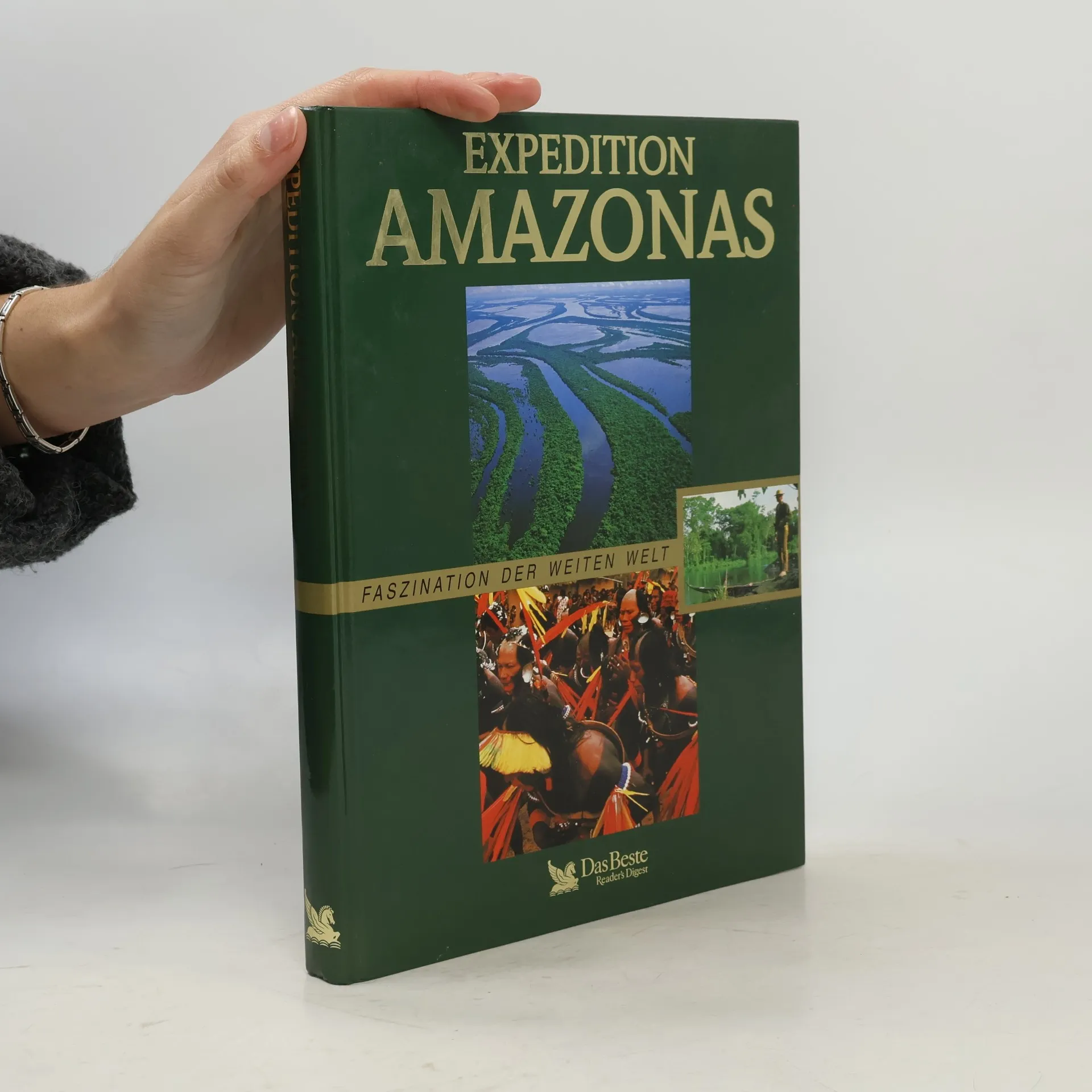
Ein wie neu erhaltenes Buch,Verlag Das Beste 1997,fest gebunden,191 Seiten,kein Umschlag,Einband sehr schön
Images of Rail Series
This series delves into the history of railways, exploring collections of photographs that capture the evolution of steam locomotives and lines. It focuses on the technical details and nostalgic charm of the steam era. It is a visual journey for enthusiasts of history, engineering, and classic rail transport.

Roanoke Locomotive Shops and the Norfolk & Western Railroad
- 128 pages
- 5 hours of reading
In the history of the steam locomotive Roanoke Machine Works played a key part. Take a look at this important economic center of the New South. Roanoke Shops has been an indispensable part of the Roanoke Valley and the Magic City for more than 125 years. Founded in 1881 as an independent company, Roanoke Machine Works built new locomotives and cars for the Shenandoah Valley and Norfolk & Western Railroads. Situated between the picturesque Allegheny and Blue Ridge Mountains, the facility caused an economic boom in the nearby village of Big Lick and the surrounding area. By 1891, Big Lick had become Roanoke and had emerged as one of the most important economic centers in the New South. Today, Roanoke Shops employs skilled craftsmen who provide the highest-quality overhauls and repairs to diesel locomotives. This book takes a look into its history, particularly at production during that exciting and enchanting era of the steam locomotive.
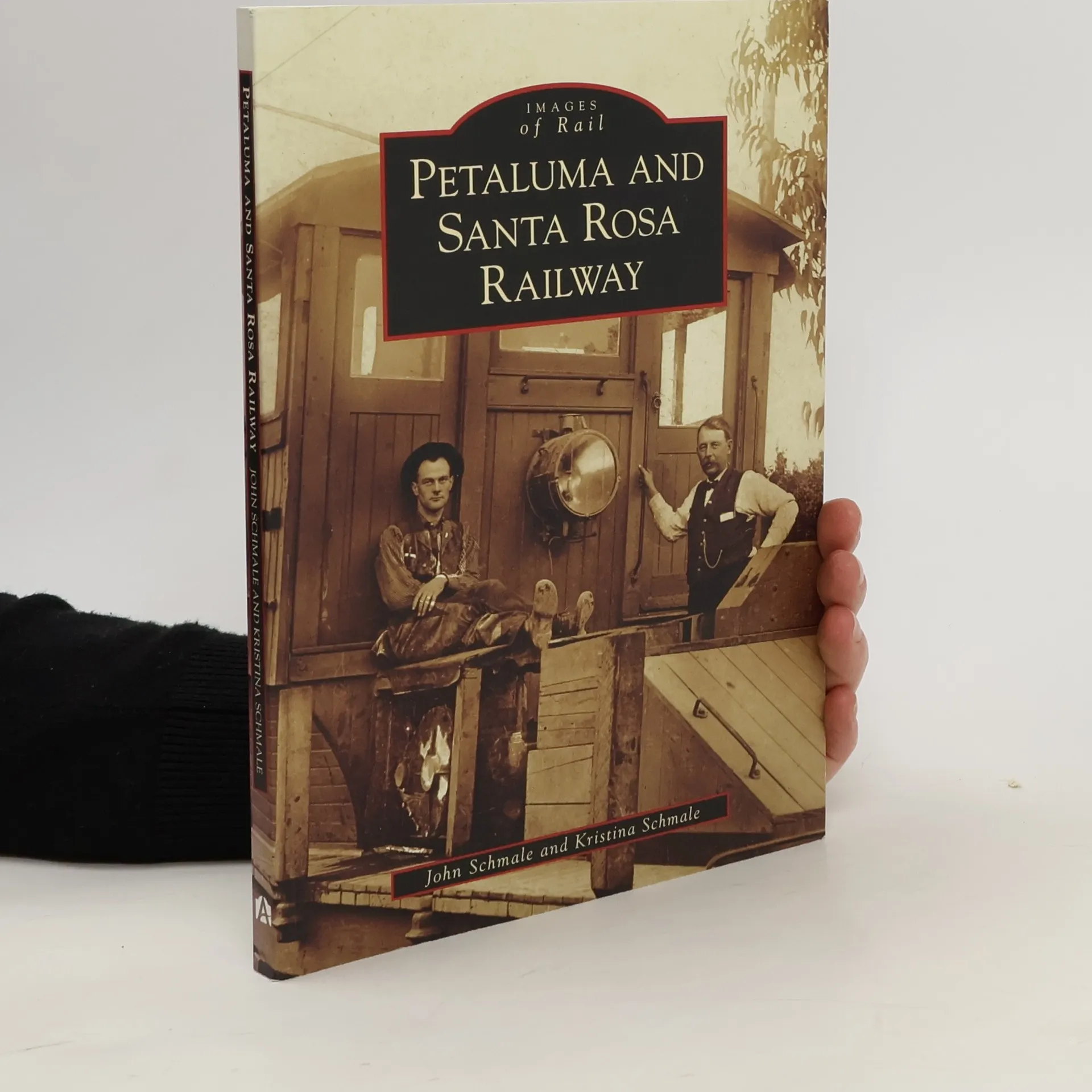
With a schedule regulated by the tides and the needs of chickens, the Petaluma and Santa Rosa Railway operated for 81 years as a delightfully quirky egg-hauling enterprise. Modern electric railroad technology paired with ancient low-tech steamboats made possible the overnight shipping of fresh produce to a voracious San Francisco market. The railroad helped Petaluma earn the moniker "the egg basket of the world." Incorporated in 1903, the railroad provided efficient train service to this fertile farm region. The famous botanist Luther Burbank located his experimental farm near Sebastopol and proclaimed it is nature's "chosen spot of all the earth." The railroad survived the devastating 1906 earthquake, opposition from three larger railroads, the Great Depression, and fierce auto-truck competition. The corporation was, mercifully, abandoned in 1984, and most of the rails were removed by 1988. Happily, recent plans call for a tourist trolley to operate over a portion of surviving Petaluma tracks.
Railroad Depots of Southwest Ohio
- 130 pages
- 5 hours of reading
Focusing on the historical significance of railroad depots in Southwest Ohio, this book showcases the evolution of rail travel from Springfield's early rail connections to a network linking major cities by the late 1800s. It highlights the architectural diversity of depots, from small shelters to grand terminals, and their roles in bustling towns like Cincinnati and Dayton. As passenger service declined and many depots were demolished, this pictorial collection captures the grandeur of these structures during their peak, preserving a vital aspect of Ohio's transportation history.
Richmond Railroads
- 130 pages
- 5 hours of reading
Richmond served as a vibrant hub for railroads during the latter half of the 20th century, showcasing a diverse array of rail activity and infrastructure, including the notable Triple Crossing. The city’s railroads significantly influenced its growth, with iconic stations like Broad Street and Main Street hosting renowned streamliner trains. "Images of Rail: Richmond Railroads" captures six decades of this dynamic history, highlighting the transformations brought about by corporate mergers, urban development, and technological progress in the rail industry.
Railroad Depots of West Central Ohio
- 128 pages
- 5 hours of reading
Focusing on the historical significance of railroad depots in west central Ohio, this book explores the vital role these structures played in community development around 1907. It highlights major terminals like Bellefontaine and Crestline, as well as lesser-known locations that thrived due to the railroads. Through vintage postcards and mid-20th-century photographs, it captures the golden age of rail travel, showcasing both surviving depots and those lost to time, while celebrating restored architectural gems like Bucyrus and Galion.
Nebraska's Cowboy Rail Line
- 130 pages
- 5 hours of reading
The Cowboy Line in Nebraska, operational for nearly 125 years, played a pivotal role in shaping the state's development. Initiated in 1869, its construction led to the establishment and relocation of towns along its 400-mile route. The rail line facilitated the transportation of miners to the Black Hills during the gold rush and brought thousands of Irish and German immigrants to the region. Additionally, it served as a vital link for politicians, delivering essential goods, entertainment, technology, and innovations to the local population.
Slabtown Streetcars
- 130 pages
- 5 hours of reading
The historical significance of Slabtown in Northwest Portland is highlighted through its pivotal role in the development of street railway systems. Home to the West Coast's first streetcar manufacturing factory, it was integral to the early streetcar network, with local production dominating until the 1910s. By 1950, Slabtown residents were among the last to use the dwindling streetcar lines, marking the end of an era in public transportation. The narrative captures the evolution of urban transit and the community's connection to this transformative period.
Portland's Streetcar Lines
- 128 pages
- 5 hours of reading
The history of Portland's neighborhoods is intricately linked to the streetcar system, a 19th-century innovation that shaped the city's layout and growth. The carlines facilitated not only daily commutes but also recreational outings, connecting residents to parks, shopping, and social activities. The peak of trolley use occurred in the 1910s, followed by a gradual decline leading to the end of streetcars in 1950, when buses took over. This book delves into the legacy of these classic streetcar lines and their influence on the city's development.
Rail Depots of Eastern North Carolina
- 128 pages
- 5 hours of reading
Railroads have been an integral part of North Carolina since the 1850s, allowing goods and people to travel across the state or to other areas of the country. For many years, the main focus of small towns and large cities in the state was the railroad depots. Residents could purchase train tickets, businesses sought to ship or receive goods for market, and kids loved to visit and wave to the passing train crews. During the Christmas season, presents ordered from catalogs would arrive by Railway Express and were delivered to homes across the area. Mail was also delivered by rail to the depots, even if the train did not stop at a particular community. This book hopes to provide rail enthusiasts, local and economic historians, and history lovers in general a look back at the heyday of railroads and how much they affected daily life in North Carolina.