This series delves into the complexities of modern warfare, exploring its origins, execution, and far-reaching consequences. It offers in-depth analysis of key battles, strategic decisions, and their impact on civilian populations. Readers will gain a profound understanding of the dynamics of the conflicts that have shaped our world. The narratives illuminate the enduring influence of these wars on international relations and societal structures.
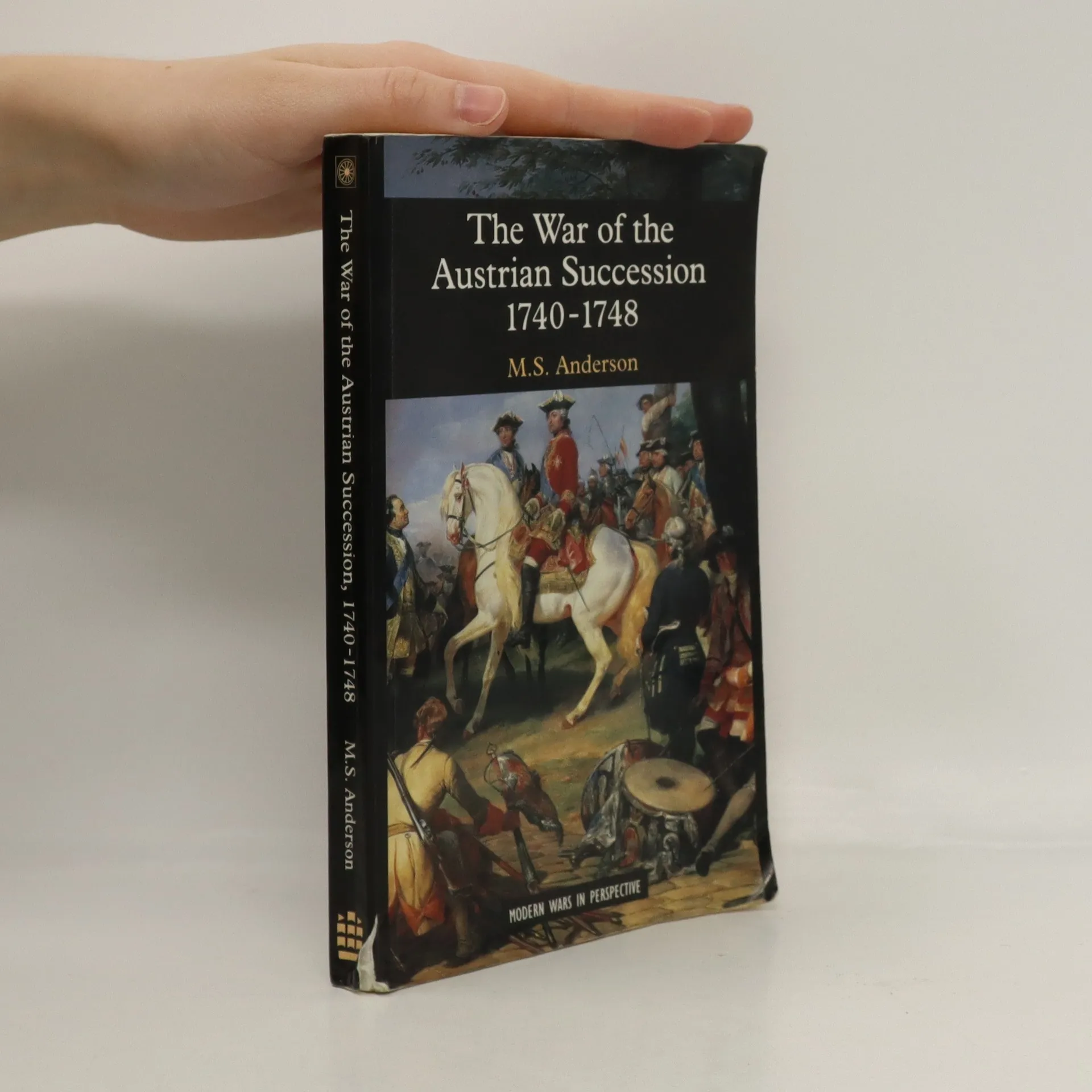
This text includes chapters covering: the Prussian invasion of Silesia and the crisis of Habsburg power; the imperial election and the Habsburg conquest of Bavaria; the end of the war in Germany, 1742-1745; the naval and colonial struggle; and the results of the war.
Cover -- Half Title -- Title Page -- Copyright Page -- Dedication -- Table of Contents -- List of Maps -- List of Tables -- List of Figures -- Acknowledgements -- Abbreviations -- Glossary -- Introduction: The belated great power -- Modest Origins - the Habsburg Monarchy During the Second Half of the Seventeenth Century -- 1. The domestic foundations -- The question of terminology -- The territorial and administrative configuration of the Habsburg Monarchy -- Limited absolutism: the provincial Estates -- Economy -- Finances -- 2. The primacy of power politics -- The instruments of foreign policy -- From domestic to foreign policy: the Habsburgs and the Reich after 1648 -- Geopolitical challenges and responses -- 3. Home defence -- Feudal levy and peasant militia in the Austro-Bohemian lands -- Hungary -- The Military Border (Militärgrenze) -- The contribution of the Reich -- 4. The standing army -- Origins and growth -- The High Command -- The officer corps -- Military administration -- Artillery -- Technical branches -- The guards -- Weaponry -- Military industries -- Uniforms -- Quarters and provisions -- Soldiers' families and the baggage train -- Military justice -- Religion -- Medical service and disabled soldiers -- Tactics, strategy and the primacy of logistics -- Austria's 'age of heroes' 1683-1733 -- 5. The Turkish War 1683-1699 -- The Kuruc rebellion -- The siege of Vienna -- The Habsburg counter-offensive -- 6. The
Fundamentalna praca Franza A.J. Szabo, oparta na nowym badaniu źródeł w Austriackich Archiwach Państwowych, to inspirująca ocena wojny na kontynencie – pierwsza od niemal stulecia. Profesor Szabo kwestionuje mit, że zwycięstwo w wojnie siedmioletniej zawdzięczano umiejętnościom militarnym króla Prus, Fryderyka Wielkiego. Zamiast tego, argumentuje, że Prusy jedynie przetrwały, a nie zwyciężyły, mimo działań swego władcy. Wojna nie była „gabinetowa”, jak sugeruje historia, lecz doprowadziła uczestników na skraj upadku, zmieniając oblicze Europy. Książka analizuje wszystkich głównych uczestników konfliktu oraz strefy starć, opisując strategie i taktyki dowódców, a także większe bitwy. Badane są również aspekty dyplomatyczne, polityczne i finansowe wojny. Jasna analiza polityki brytyjskiej, francuskiej, pruskiej, austriackiej, rosyjskiej i szwedzkiej dostarcza nowej perspektywy na ten konflikt. Szabo, profesor historii i dyrektor instytutu im. Wirtha na uniwersytecie w Albercie, jest autorem wielu prac, w tym nagradzanej książki o Kaunitzu. Otrzymał także austriacką Odznakę Honorową Sztuki i Nauki za wkład w badania Europy Wschodniej.
Focusing on the reign of Louis XIV, this comprehensive history delves into the strategic policies behind the numerous wars of his era. John Lynn analyzes the operational logistics of the campaigns, emphasizing that warfare was more about attrition than decisive victories. He situates these conflicts within a broader framework, considering their diplomatic, military, administrative, and institutional impacts, offering a nuanced understanding of the complexities of warfare during this pivotal period in French history.
Focusing on the impact of sea power, this edition highlights how it obstructed French military efforts during the Global Seven Years War while also providing strategic advantages. The author, Daniel Baugh, examines specific French initiatives that struggled due to a lack of financial backing, offering a nuanced perspective on the interplay between naval capabilities and military strategy in this historical conflict.
Focusing on the scale of French military power, this book offers a thorough examination of the Napoleonic Wars and their effects on other European nations. It serves as an essential resource for students interested in the French Revolutionary Wars and the broader context of European and military history during this period, providing updated insights and analyses.
Focusing on the significant influence of the Italian Wars on European history, this updated edition includes a variety of maps and a new chapter dedicated to propaganda and war imagery. It serves as an essential resource for students interested in Renaissance and military history, providing comprehensive insights into the conflicts that shaped the continent during this tumultuous period.
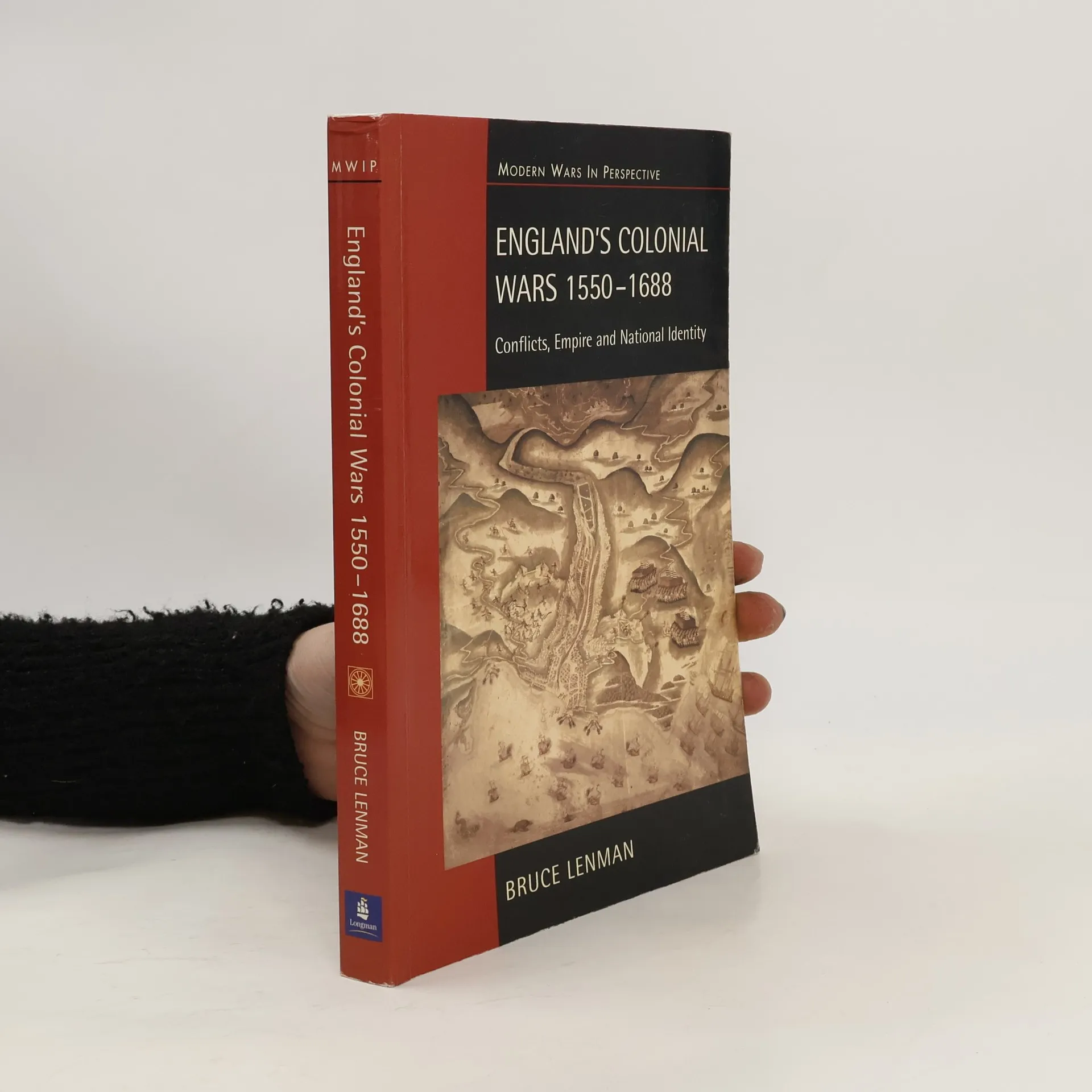
The book delves into the origins of England's extensive colonial empire, tracing its development from the mid-sixteenth century to the Glorious Revolution. It examines the intricate military aspects of colonial expansion and their influence on the formation of national identity, highlighting the interplay between warfare and colonialism in shaping England's historical narrative.
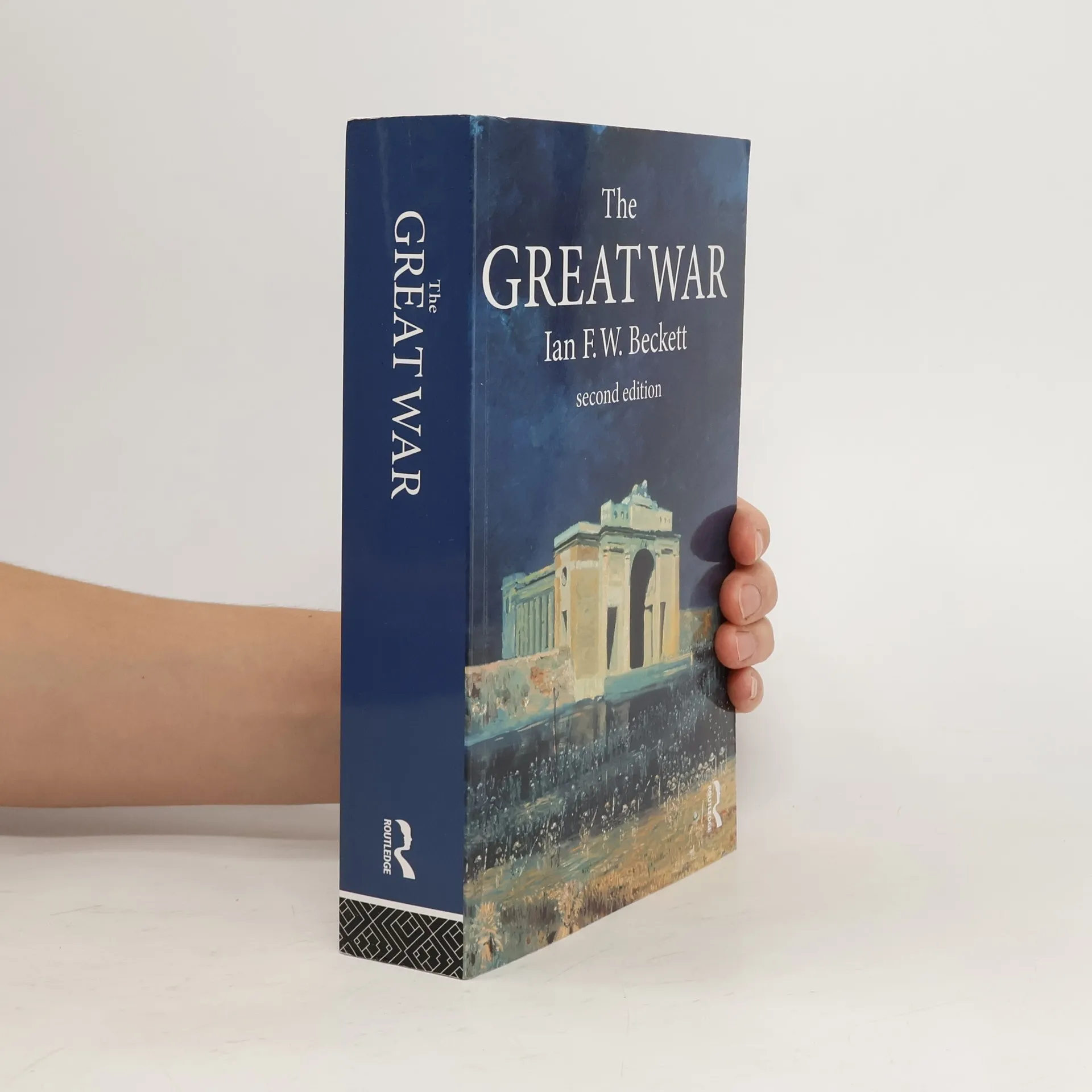
The course of events of the Great War has been told many times, spurred by an endless desire to understand 'the war to end all wars'. However, this book moves beyond military narrative to offer a much fuller analysis of of the conflict's strategic, political, economic, social and cultural impact. Starting with the context and origins of the war, including assasination, misunderstanding and differing national war aims, it then covers the treacherous course of the conflict and its social consequences for both soldiers and civilians, for science and technology, for national politics and for pan-European revolution. The war left a long-term legacy for victors and vanquished alike. It created new frontiers, changed the balance of power and influenced the arts, national memory and political thought. The reach of this acount is global, showing how a conflict among European powers came to involve their colonial empires, and embraced Japan, China, the Ottoman Empire, Latin America and the United States.