

In a journey spanning 2,000 years, this book describes the ties of trade, migration and investment between India and the rest of the world, showing how changing patterns of globalisation reverberated on economic policy, politics and political ideology within India. A global history written on India's terms, this book marks a new approach to the study of Indian history.
New Approaches to Asian History Series
This series offers fresh and accessible perspectives on pivotal moments and developments in Asian history. Renowned scholars provide concise introductions to events and themes that have shaped the region's cultural and social evolution. Each volume delves into specific events or periods, or explores broader regional topics, presenting a comprehensive view of Asia for both students and general readers.


China's Civil War
- 293 pages
- 11 hours of reading
A new social history of China's Civil War, 1945-9, which brought dramatic political and social revolution to China.
Migration and Diaspora in Modern Asia
- 240 pages
- 9 hours of reading
The book explores the evolution of modern migration, highlighting its connections to the rise and fall of empires and the transformative effects of modernity. It examines how historical events and societal changes have shaped migration patterns, providing a comprehensive understanding of the forces driving people to move across borders in contemporary times. Through this lens, it offers insights into the complex interplay between migration and the historical context of globalization.
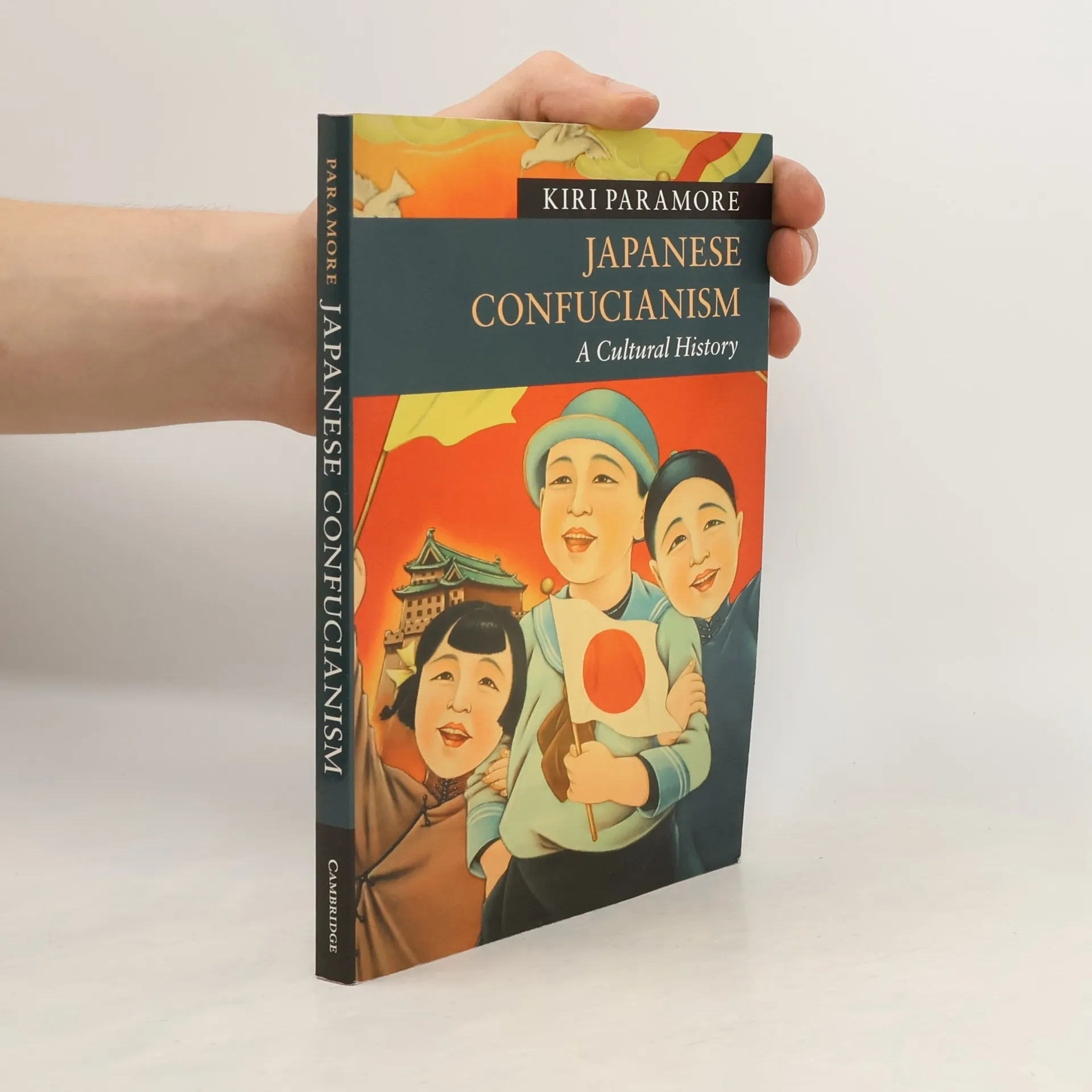
Japanese Confucianism
- 252 pages
- 9 hours of reading
This book charts the history of Confucianism in Japan to offer new perspectives on the sociology of Confucianiam across East Asia.
Gender and Sexuality in Modern Chinese History
- 256 pages
- 9 hours of reading
Exploring the evolution of sexuality and gender in China, this work delves into the historical shifts from late imperial periods to contemporary society. It examines cultural, social, and political influences that have shaped perceptions and expressions of gender and sexuality, highlighting key transformations and their implications for modern Chinese identity. Through a comprehensive analysis, the book provides insights into the complexities of these themes within the context of China's rich history.
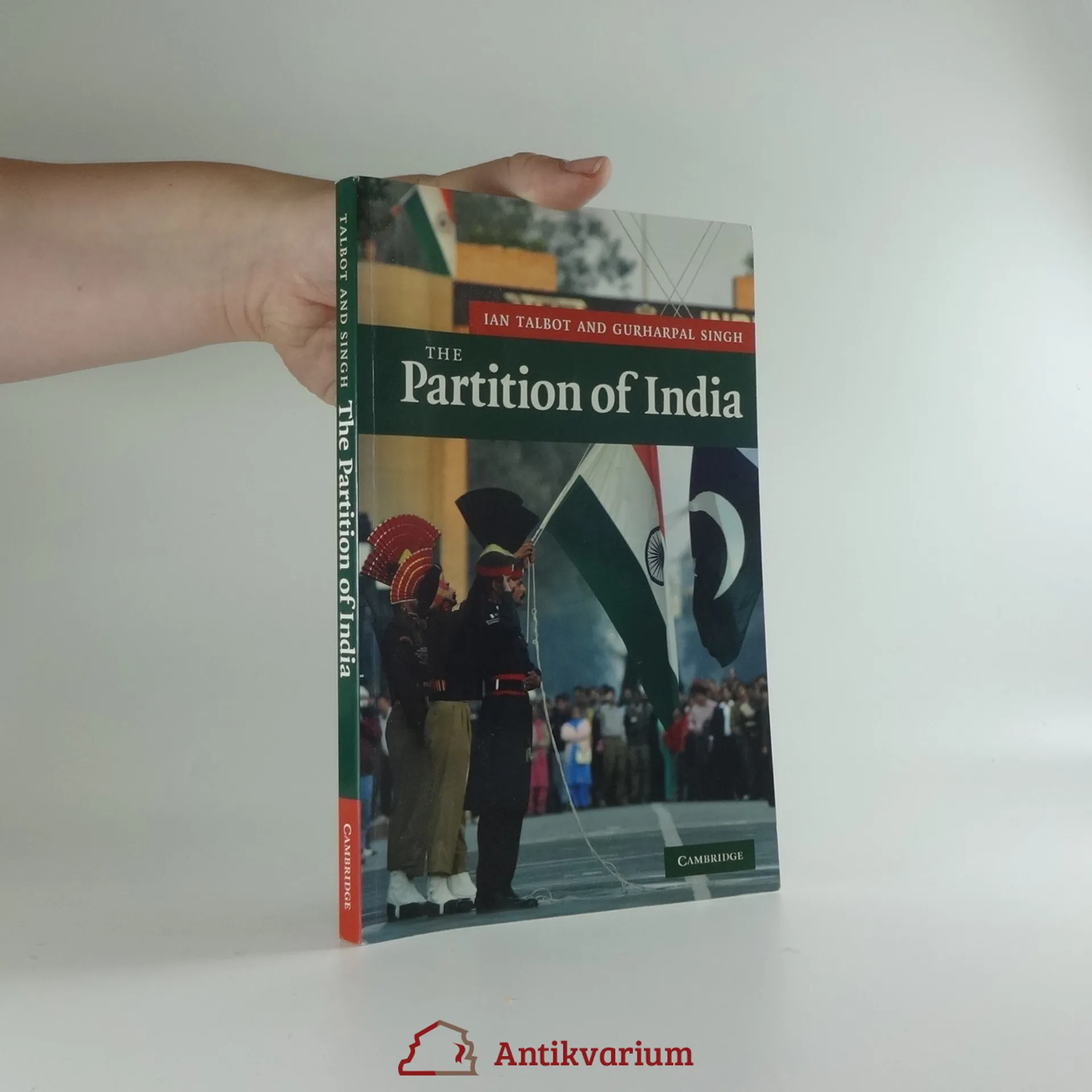
The Partition of India
- 206 pages
- 8 hours of reading
The British divided and quit India in 1947. The partition of India and the creation of Pakistan uprooted entire communities and left unspeakable violence in its trail. This volume tells the story of partition through the events that led up to it, the terrors that accompanied it, to migration and resettlement. In a new shift in the understanding of this seminal moment, the book also explores the legacies of partition which continue to resonate today in the fractured lives of individuals and communities, and more broadly in the relationship between India and Pakistan and the ongoing conflict over contested sites. In conclusion, the book reflects on the general implications of partition as a political solution to ethnic and religious conflict. The book, which is accompanied by photographs, maps and a chronology of major events, is intended for students as a portal into the history and politics of the Asian region.
Epidemics in Modern Asia
- 378 pages
- 14 hours of reading
The exploration of epidemics reveals their significant influence on modern Asia over the past two centuries. Robert Peckham examines how infectious diseases have shaped societies from India to China and the Russian Far East, intertwining biology with history and geopolitics. The book highlights the relationships between disease and key themes such as empire, modernization, nationalism, and trade. By viewing Asia's history through the lens of epidemics, Peckham offers a unique perspective on the complex interplay between material conditions and social-political processes in the region's transformation.
Early China
- 370 pages
- 13 hours of reading
This work presents a groundbreaking analysis of early Chinese civilization, integrating the latest scholarship and archaeological findings. It challenges traditional narratives and offers fresh insights into the social, political, and cultural developments of ancient China, highlighting the complexity and richness of its history. The book aims to reshape understanding of China's formative years by examining new evidence and interpretations, making it essential for those interested in the evolution of Chinese society.
Yinyang
- 264 pages
- 10 hours of reading
At the core of Chinese thought, the concept of yinyang represents the interplay between opposing forces. This book delves into the significance of yinyang, examining how these dualities shape various aspects of culture, philosophy, and life. Through insightful analysis, it reveals the balance and harmony that yinyang brings to understanding the world and human experience.
Empires of Ancient Eurasia
- 316 pages
- 12 hours of reading
Introduces a crucial period of world history when the vast exchange network of the Silk Roads connected most of Eurasia.