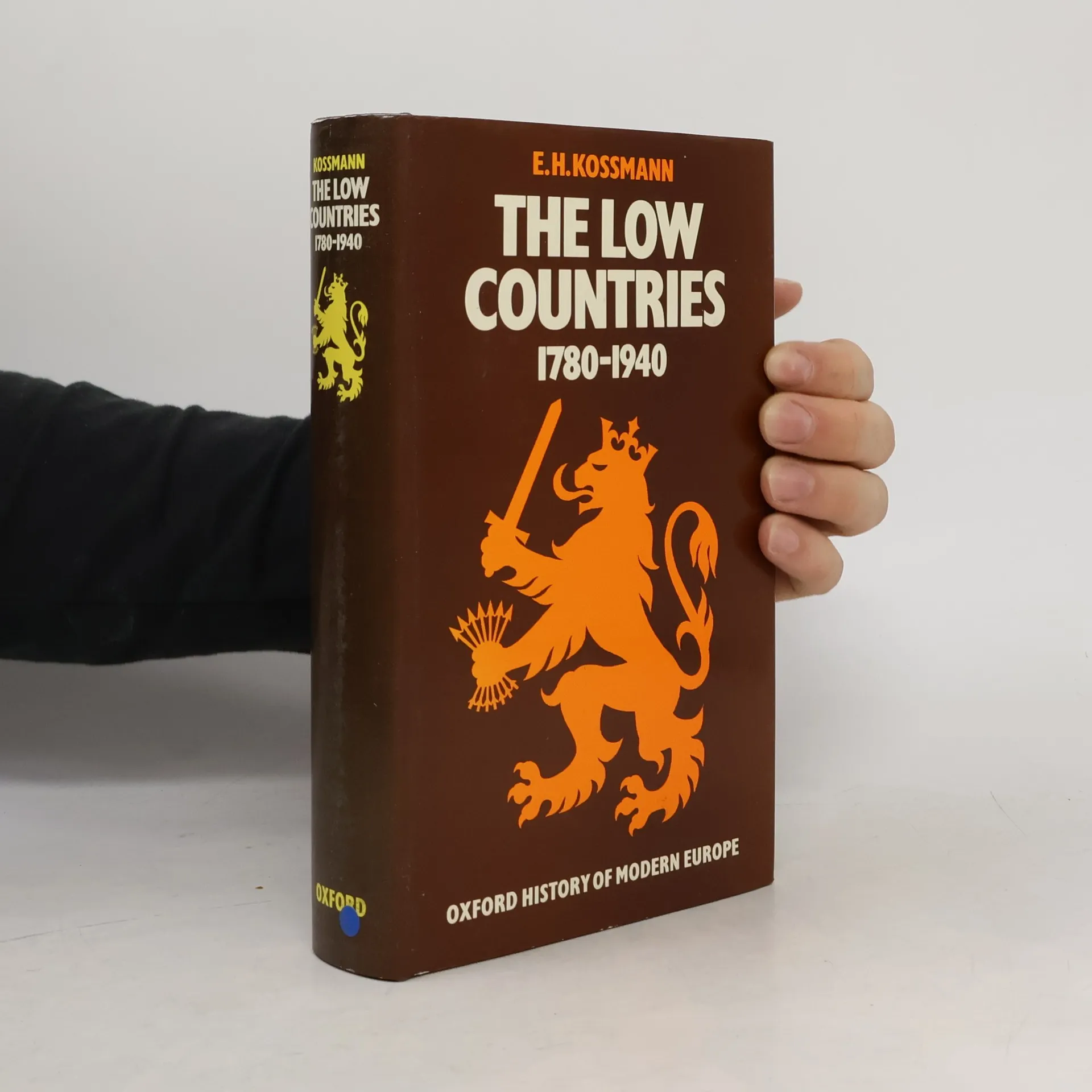
Dieser Band der Oxford History of Modern Europe ist eine umfassende Studie der deutschen Geschichte von 1770 bis 1866. Er untersucht, wie die Entwicklung bürokratischer und partizipativer Institutionen den Charakter und die Fähigkeiten der Regierungen in ganz Deutschland veränderte; das wirtschaftliche Wachstum, bei dem die Produktivität sowohl in der Landwirtschaft als auch in der Industrie zunahm, die Handelsaktivität intensiviert wurde und das städtische Wachstum gefördert wurde; sowie die aufkommende Druckkultur, die neue Entwicklungen in Literatur, Philosophie und Wissenschaft unterstützte und half, die Regeln und Verfahren des Alltagslebens zu transformieren. Es wird argumentiert, dass diese Entwicklungen zu einer Erosion der traditionellen Werte und Institutionen führten und eine wichtige Rolle bei der Transformation der deutschen Politik, Gesellschaft und Kultur spielten. Anstatt die Entwicklung eines preußisch geführten Nationalstaates als "natürlich" oder unvermeidlich zu betrachten, betont das Buch alternative Kräfte der Einheit und Spaltung, die bis zum Österreichisch-Preußischen Krieg von 1866 existierten.
Oxford History of Modern Europe Series
This series delves into the pivotal events and transformative forces that have shaped modern Europe. It offers an in-depth examination of the political, social, and cultural movements that have defined the continent from the 19th century to the present day. Each volume is meticulously researched, providing a comprehensive overview of the complexities of European history. It is an essential resource for anyone seeking to understand the continent's evolution.


The Triumph of the Dark
- 1248 pages
- 44 hours of reading
In this magisterial narrative, Zara Steiner traces the twisted road to war that began with Hitler's assumption of power in Germany. Covering a wide geographical canvas, from America to the Far East, Steiner provides an indispensable reassessment of the most disputed events of these tumultuous years.
The Triumph of the Dark: European International History 1933-1939
- 1248 pages
- 44 hours of reading
The narrative explores the complex path to war initiated by Hitler's rise to power, offering a comprehensive analysis of significant global events from America to the Far East. Steiner's work serves as an essential reevaluation of the contentious moments leading up to the conflict, providing insights into the geopolitical dynamics of the era.
Focusing on the reconstruction of Europe in the 1920s, the analysis challenges the notion that the Treaty of Versailles directly led to World War II. It highlights both the failed efforts and the overlooked successes that offered hope for stability. Despite achieving some degree of fragile stabilization, the period ultimately succumbed to nationalist approaches during the 1929-1933 crisis, shifting away from international strategies. A subsequent volume will continue the exploration of European dynamics from 1934 to 1941.
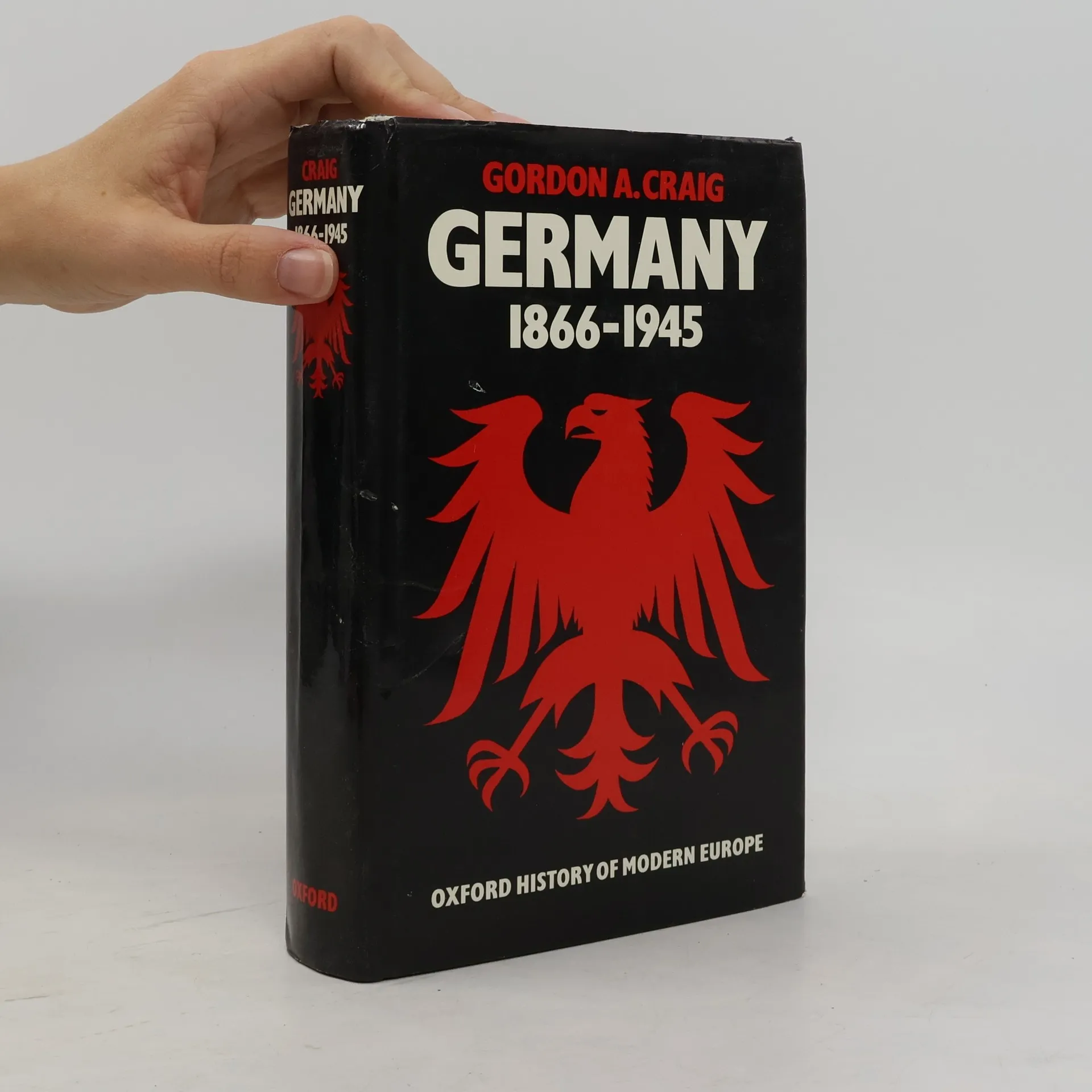
A history of the rise & fall of united Germany, which lasted only 75 years from its 1870 establishment by Bismark. Suitable for A Level & upwards. In the History of Modern Europe series. Preface The unification of Germany, 1866-71 The institutional structure of the empire The consolidation of the empire: politics & economics, 1871-79 Ideology & interest: the limitations of diplomacy, 1871-90 The campaign against social democracy & Bismarck's fall, 1879-90 Religion, education & the arts The new course & the deterioration of Germany's foreign position, 1890-97 Political parties, interest groups & the failure of the Reichstag, 1890-1914 Weltpolitik, navalism & the coming of the war, 1897-1914 The Great War, 1914-18 From Kiel to Kapp: the aborted revolution, 1918-20 Reparations, inflation & the crisis of 1923 Weimar culture Party politics & foreign policy, 1924-30 The end of Weimar The Nazi dictatorship: the instruments of power The Nazi revolution: economic & social developments Cultural decline & political resistance Hitler & Europe: foreign policy, 1933-39 Hitler's war, 1939-45 Appendix List of Books & Articles Cited Index
The hardback edition of this title, published in 1982, is now made available again after being out of print for some time.
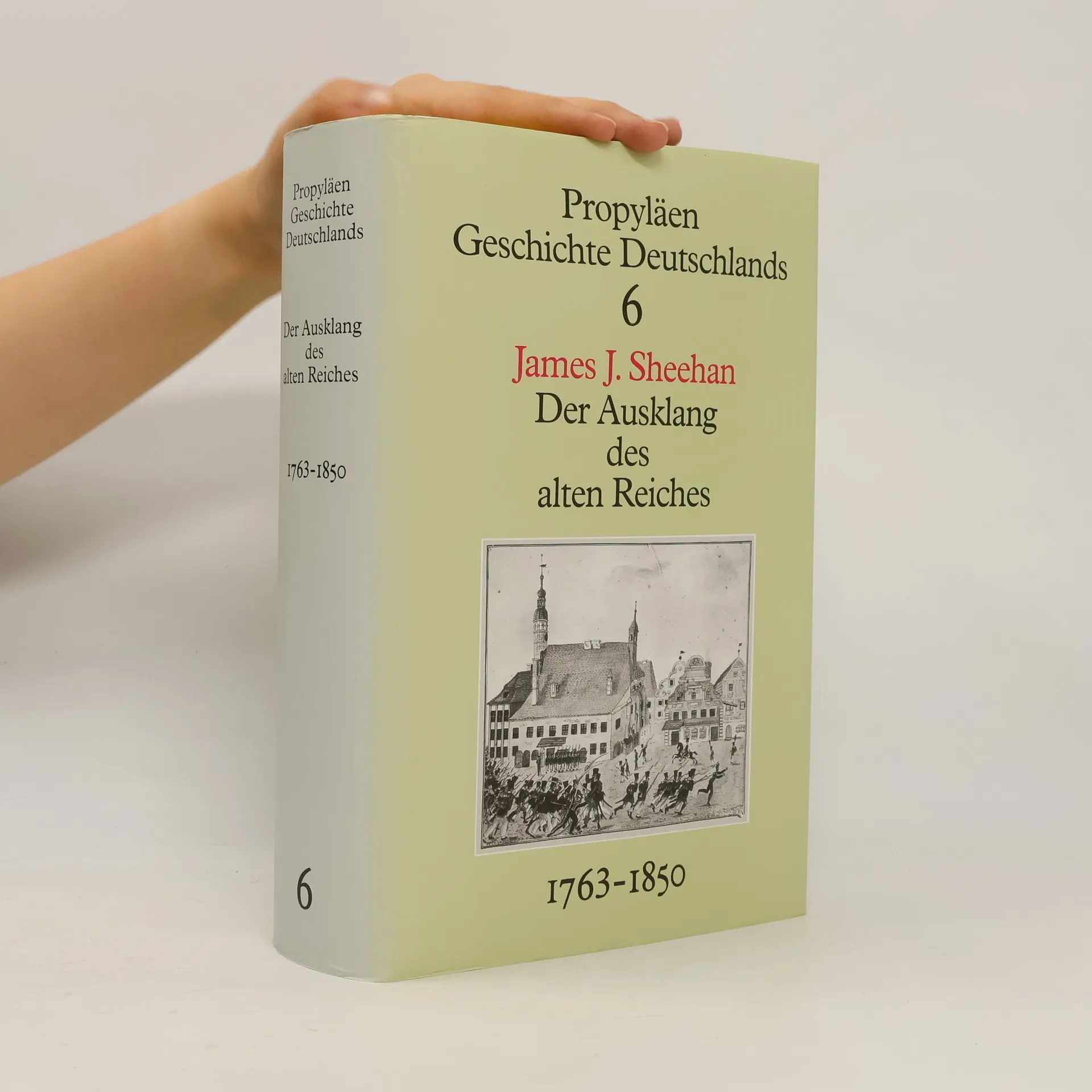
The Low Countries 1780-1940
- 790 pages
- 28 hours of reading
This history of Belgium and the Netherlands is the first major study in English to treat them as nations in their own right, while placing them in a wider European and world context.