
Explore the latest books of this year!
Bookbot

People's Trilogy

This series delves into the harrowing periods of modern history, with a particular focus on China's tumultuous past. It meticulously examines the devastating consequences of radical political ideologies on the lives of ordinary citizens. The works are characterized by rigorous historical research, uncovering untold stories and emphasizing the importance of remembering these catastrophic events to prevent future tragedies.

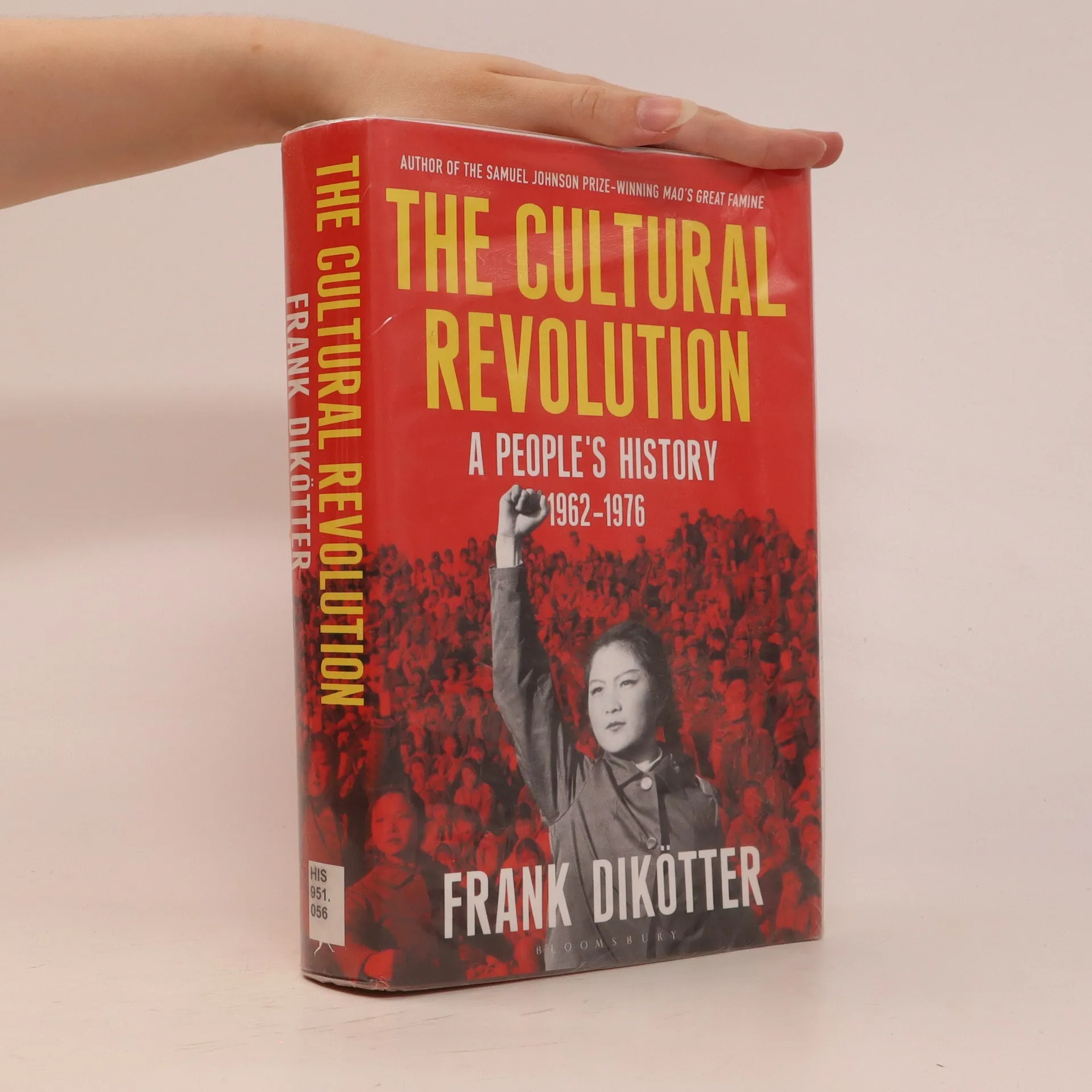
The Cultural Revolution: A People's History, 1962-1976
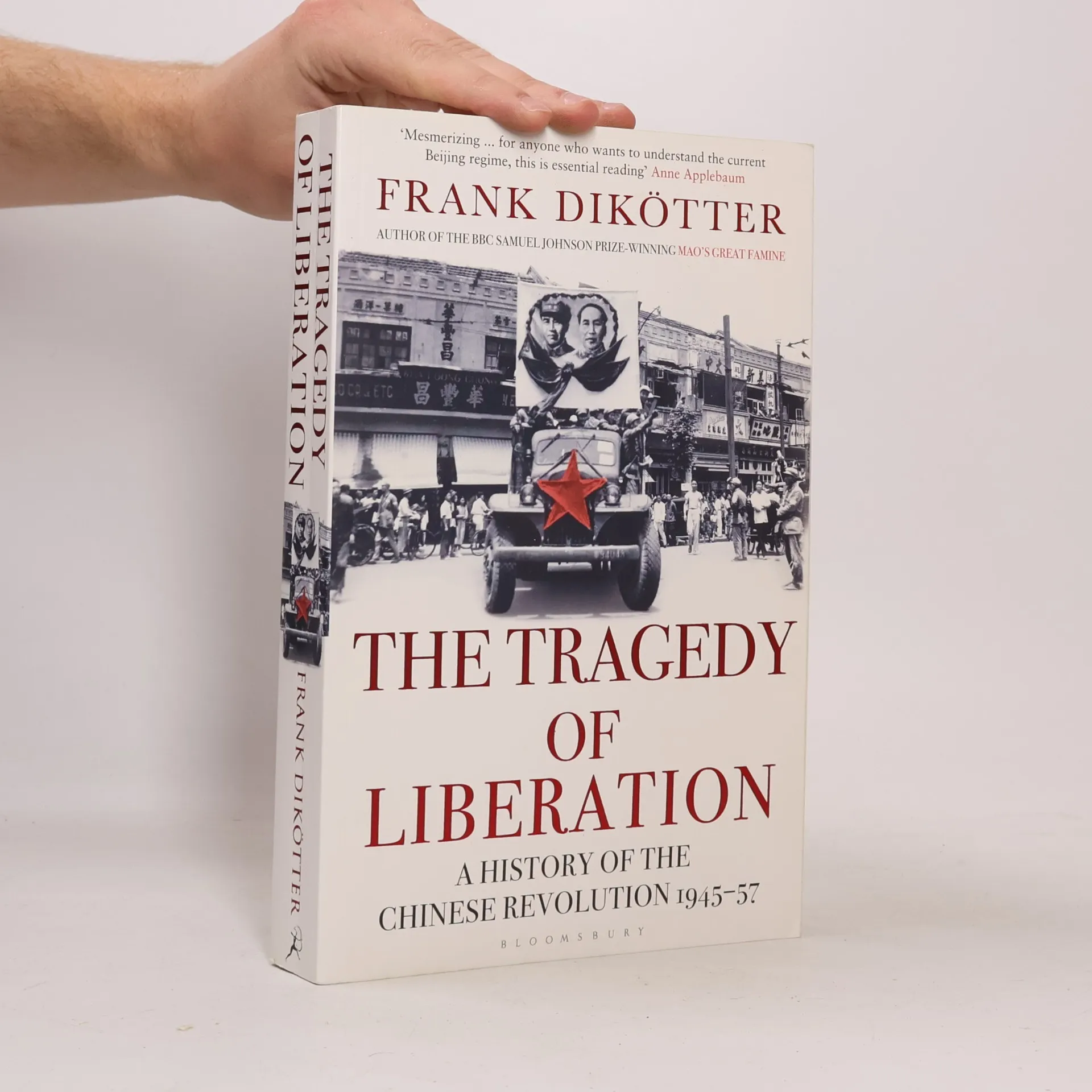
The Tragedy of Liberation
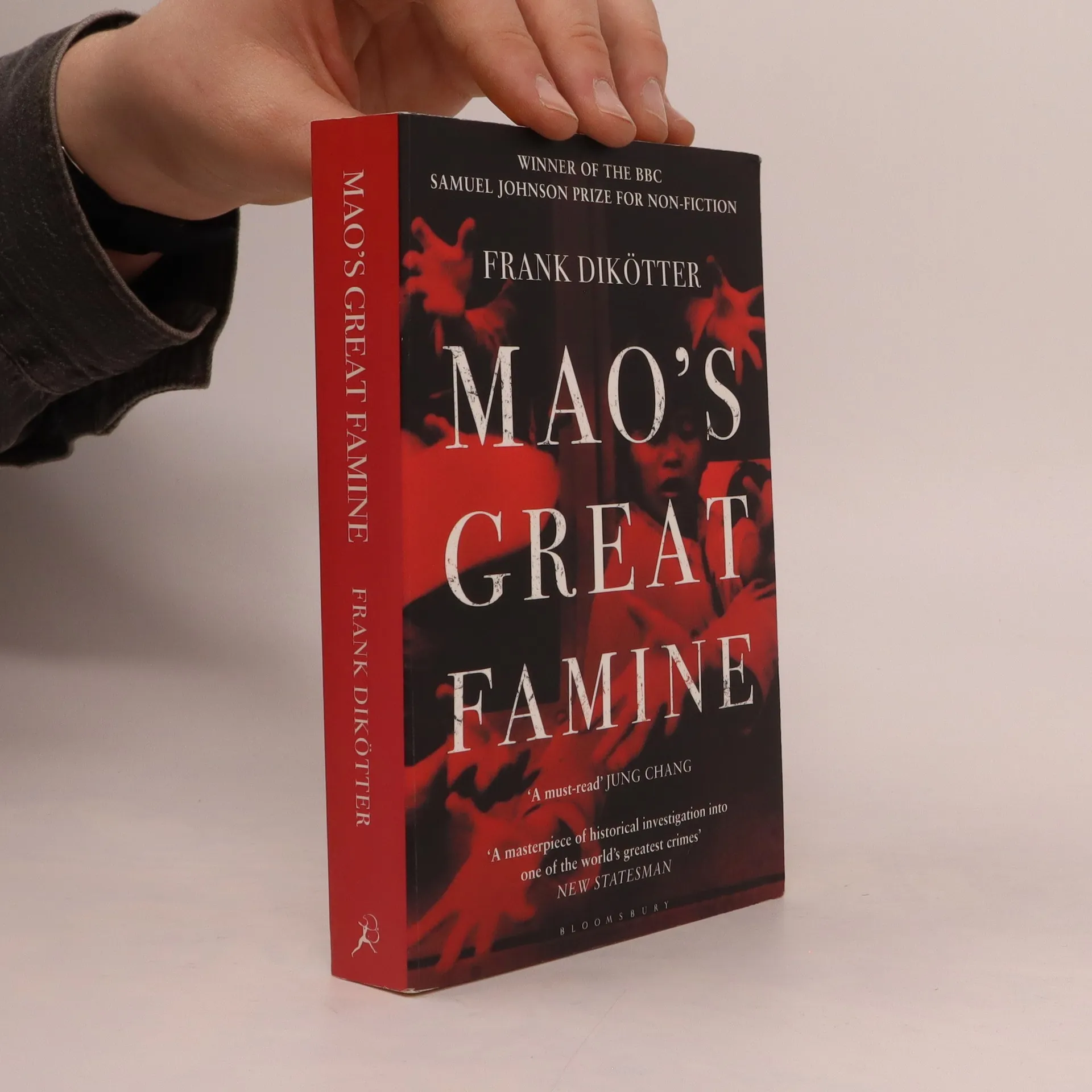
Mao's Great Famine

Recommended Reading Order

  1. Mao's Great Famine

    • 448 pages
    • 16 hours of reading

    Winner of the BBC Samuel Johnson Prize for Non-Fiction 2011 Between 1958 and 1962, 45 million Chinese people were worked, starved or beaten to death. Mao Zedong threw his country into a frenzy with the Great Leap Forward, an attempt to catch up with and overtake the Western world in less than fifteen years. It lead to one of the greatest catastrophes the world has ever known. Dikotter's extraordinary research within Chinese archives brings together for the first time what happened in the corridors of power with the everyday experiences of ordinary people, giving voice to the dead and disenfranchised. This groundbreaking account definitively recasts the history of the People's Republic of China.

    Mao's Great Famine1
    4.2
  2. The Tragedy of Liberation

    • 400 pages
    • 14 hours of reading

    A groundbreaking chronicle of the violent early years of the People’s Republic of China by the author of the BBC Samuel Johnson Prize–winning Mao’s Great Famine.

    The Tragedy of Liberation2
    4.1
  3. After the Great Leap Forward's devastating economic disaster from 1958 to 1962, an ageing Mao sought to restore his reputation and eliminate perceived threats to his legacy through the Cultural Revolution. Officially aimed at purging bourgeois, capitalist elements, the movement also targeted Mao's own colleagues, subjecting many to public humiliation, imprisonment, and torture. Young students, forming Red Guards, pledged unwavering loyalty to Mao, but soon rival factions clashed violently in the streets over revolutionary purity. As chaos engulfed the nation, the military intervened, establishing a garrison state marked by brutal purges affecting as many as one in fifty people. When the army itself became a target, ordinary citizens exploited the turmoil to challenge the party's ideology, effectively burying Maoism. Through in-depth interviews and archival research, the author reveals the complex choices faced by individuals, contradicting the notion of conformity that often characterizes this era. By illustrating how grassroots decollectivization emerged from a decade of violence and fear, this work offers a fresh perspective on China's most tumultuous period. Utilizing previously classified party documents, it serves as a powerful reassessment of the People's Republic of China’s history.

    The Cultural Revolution: A People's History, 1962-19763
    4.1