Studies in Postwar American Political DevelopmentSeries
This series delves into the complex political transformations that shaped the United States in the postwar era. Each volume explores pivotal institutional shifts, ideological realignments, and the political struggles that defined American governance. It offers essential reading for anyone interested in late 20th-century American history and the evolution of its political landscape. The collection provides a nuanced understanding of how contemporary American politics took form.
With careful research and an unflinching eye for telling detail, Lee Drutman
shows beyond any doubt how big money is strangling our democracy, and why the
rest of us must take action before its last gasp. A vitally important book
everyone who cares about America must read. Robert B. Reich, Chancellor's
Professor of Public Policy, University of California, Berkeley, and former
U.S. Secretary of Labor
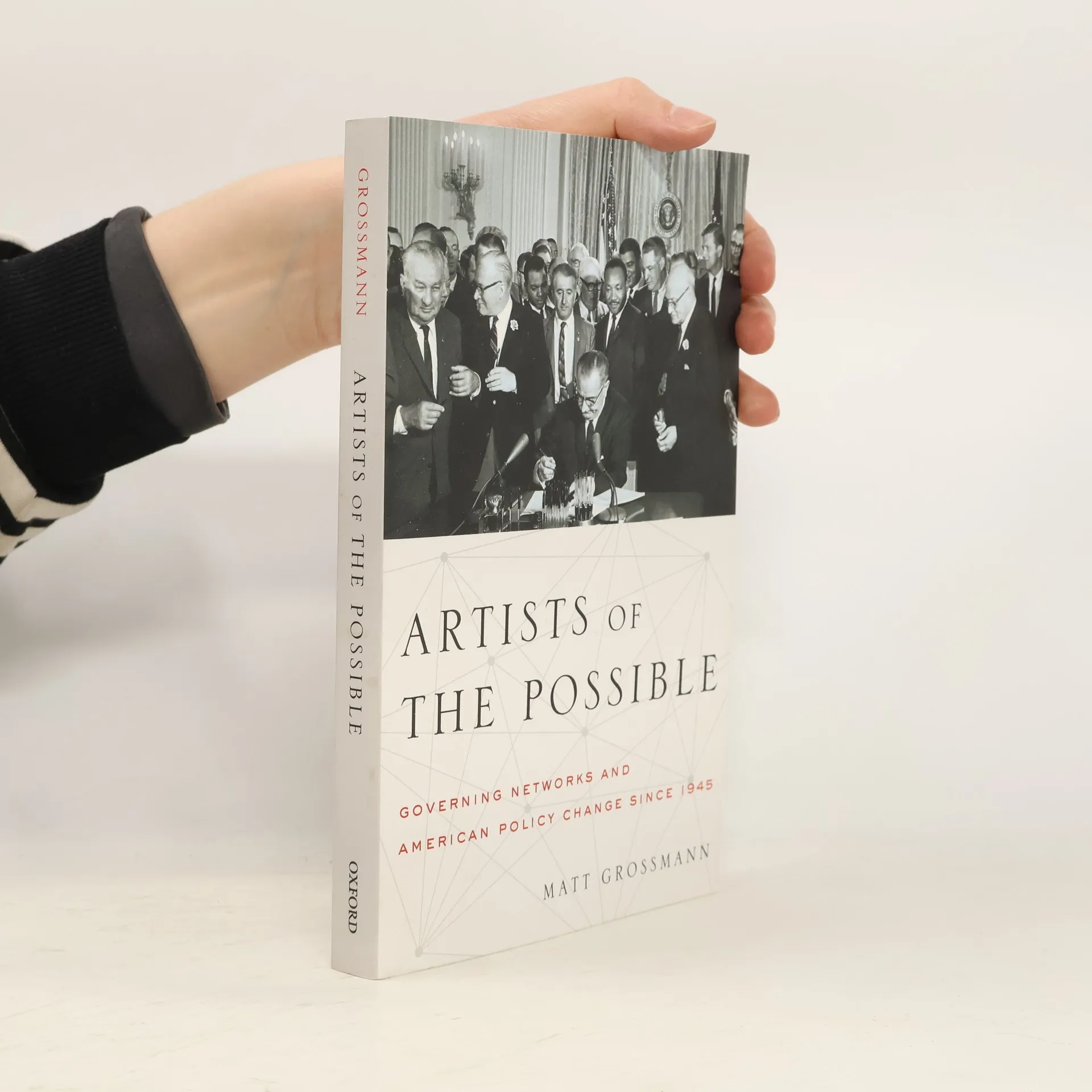
This book offers a fresh perspective on American policymaking, emphasizing the networks of actors involved. It argues that policy change is not easily predicted by election results or public opinion, as compromise and coalitions among individual actors significantly influence all branches of government. The extent of government action, the specifics of policy changes, and their ideological direction are shaped by the collaborative efforts of executive officials, legislators, and interest group leaders. The unique patterns of cooperation among policymakers and activists create distinct dynamics for each issue area and time period, challenging the notion of a consistent model of American policymaking. Through a comprehensive analysis of 268 books and articles spanning 14 major policy areas over 60 years, the author compiles findings that reveal the 790 most significant federal policy enactments and identifies 1,306 key actors involved in these changes. The results challenge established theories, demonstrating that significant policy shifts do not stem from the electorate's agenda or the ideology of officials. Instead, the interactions among political elites dictate the productivity and ideological direction of policymaking, while the roles of public opinion, elections, and media are notably limited. Furthermore, no single typology can account for variations in policymaking across different areas, as the process remains largely s