

Introduces the characters from McInerney's novel, The Good Life.
The Calloway Trilogy Series
This series delves into the exhilarating and perilous world of high finance and publishing during New York's 1980s boom. It follows ambitious individuals navigating the 'gold rush,' where the pursuit of wealth and fame often collides with moral compromises. The narratives explore the complex interplay between personal aspirations and the harsh realities of success and failure. Readers will find compelling stories about confronting adulthood, filled with wit, vulnerability, and the occasional struggle for integrity.

Recommended Reading Order
The Good Life
- 384 pages
- 14 hours of reading
In this bestselling novel, the author of Bright Lights, Big City unveils a story of love, family, conflicting desires, and catastrophic loss in a powerfully searing work of fiction. Clinging to a semiprecarious existence in TriBeCa, Corrine and Russell Calloway have survived a separation and are wonderstruck by young twins whose provenance is nothing less than miraculous. Several miles uptown and perched near the top of the Upper East Side’s social register, Luke McGavock has postponed his accumulation of wealth in an attempt to recover the sense of purpose now lacking in a life that often gives him pause. But on a September morning, brightness falls horribly from the sky, and people worlds apart suddenly find themselves working side by side at the devastated site. Wise, surprising, and, ultimately, heart-stoppingly redemptive, The Good Life captures lives that allow us to see–through personal, social, and moral complexity–more clearly into the heart of things.
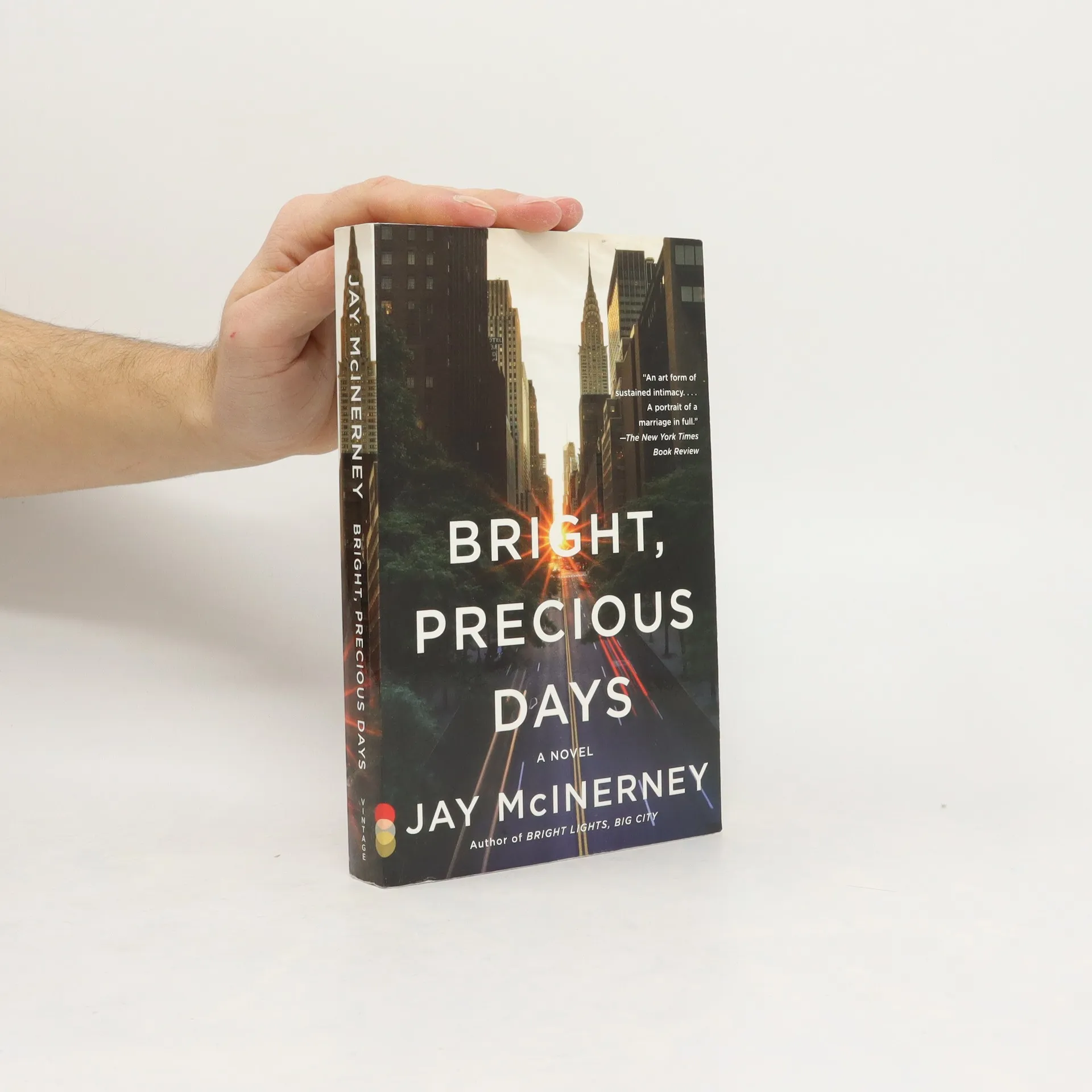
This unforgettable New York story of glamour, sex, ambition, and heartbreak begins in the heady days before the financial crash. Russell and Corrine Calloway seem to be living the dream: a calendar filled with high-society parties; jobs they care about and enjoy; twin children, a boy and a girl whose birth was truly miraculous; a loft in TriBeCa and summers in the Hamptons. But beneath the glossy surfaces, things are simmering. Russell, editor-in-chief of a boutique publisher, has cultural clout but is on the edge financially, and feels compelled to pursue an audacious—and potentially ruinous—opportunity. Meanwhile, Corrine’s world is turned upside down when the man with whom she’d had an ill-fated affair in the wake of 9/11 suddenly reappears, and the Calloways find themselves tested more severely than they ever could have imagined. The third book in McInerney’s celebrated Calloway trilogy, Bright, Precious Days is an aching, extraordinary portrait of a marriage during a period of dizzying change.