

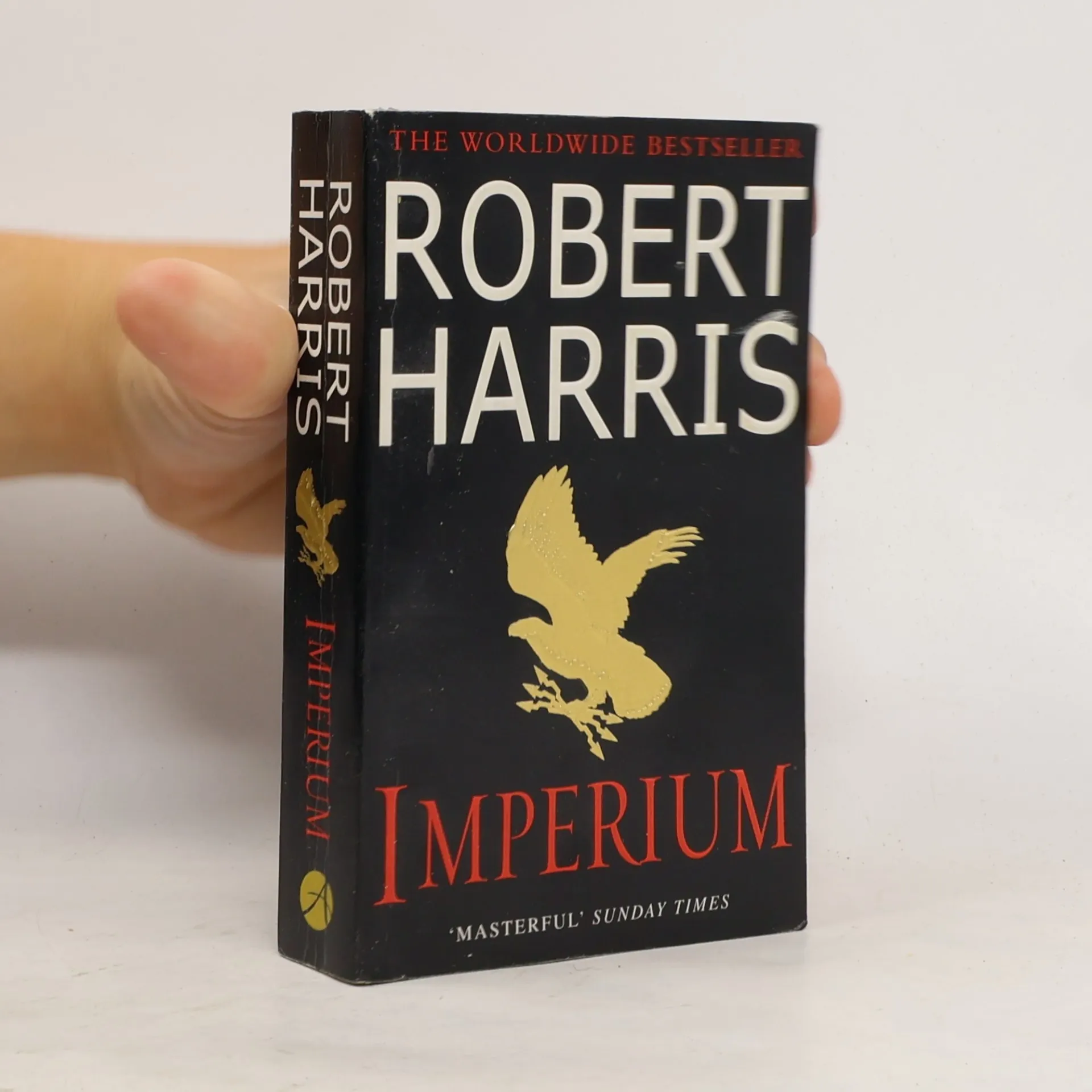
When Tiro, the confidential secretary of a Roman senator, opens the door to a terrified stranger on a cold November morning, he sets in motion a chain of events which will eventually propel his master into one of the most famous courtroom dramas in histor
The Roman Trilogy Series
This series plunges into the turbulent waters of ancient Rome, chronicling the rise and political machinations of one of history's most iconic figures. Through the eyes of his loyal secretary, you'll explore the intricacies of senatorial struggles, electoral corruption, and constant threats to free speech. The narratives portray an ambitious yet vulnerable protagonist, whose journey from radical lawyer to the state's first citizen is filled with strategic maneuvering and public manipulation. This compelling saga captures the timeless essence of politics, showcasing human fallibility and aspiration in a setting both alien and familiar.
Recommended Reading Order
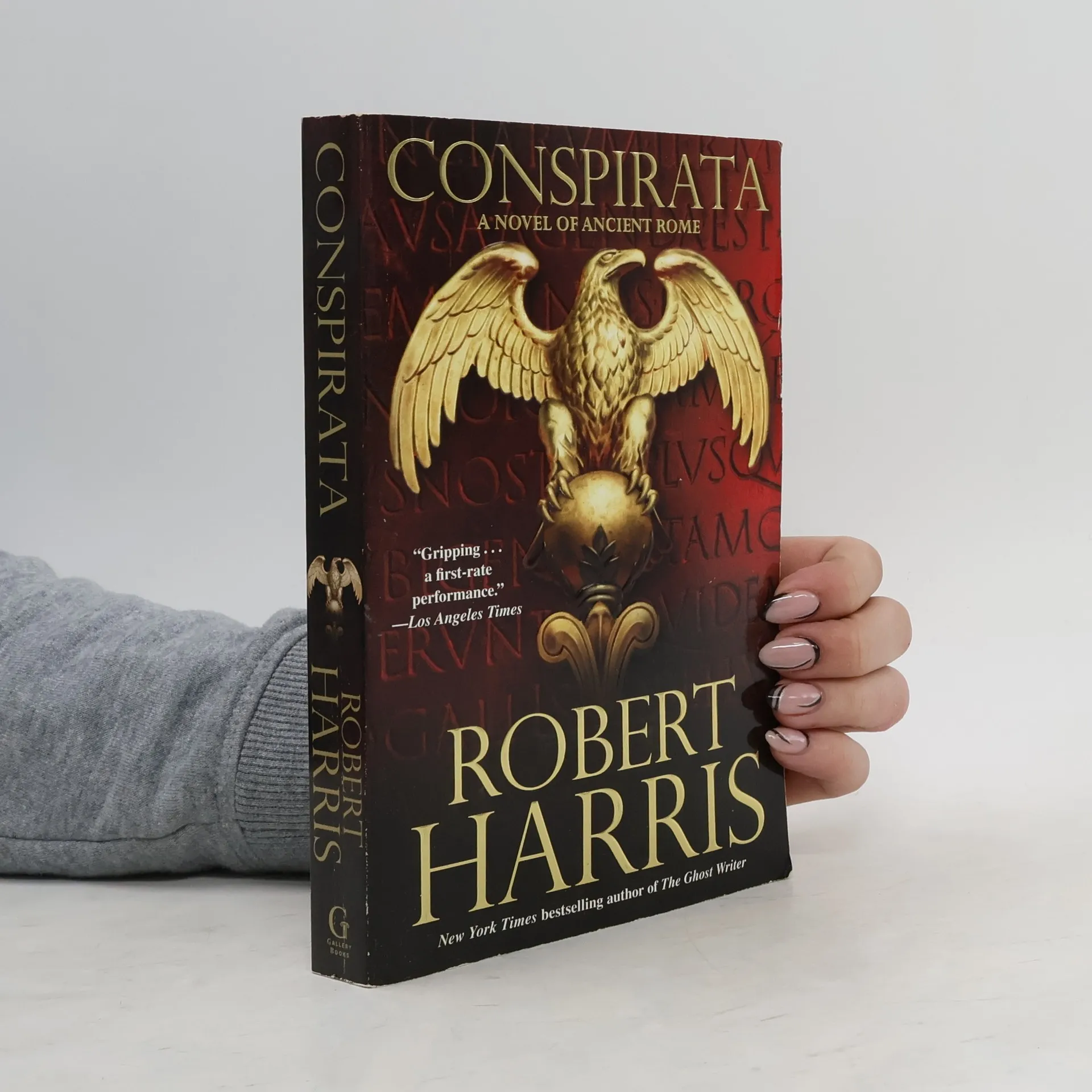
Conspirata
- 384 pages
- 14 hours of reading
Conspirata is “a portrait of ancient politics as a blood sport,” raves The New York Times. As he did with Imperium, Robert Harris again turns Roman history into a gripping thriller as Cicero faces a new power struggle in a world filled with treachery, violence, and vengeance. On the eve of Cicero’s inauguration as consul of Rome, a grisly discovery sends fear rippling through a city already racked by unrest. A young slave boy has been felled by a hammer, his throat slit and his organs removed, apparently as a human sacrifice. For Cicero, the ill omens of this hideous murder only increase his dangerous situation: elected leader by the people but despised by the heads of the two rival political camps. Caught in a shell game that leaves him forever putting out fires only to have them ignite elsewhere, Cicero plays for the future of the republic…and his life. There is a plot to assassinate him, abetted by a rising young star of the Roman senate named Gaius Julius Caesar—and it will take all the embattled consul’s wit, strength, and force of will to stop the plot and keep Rome from becoming a dictatorship.
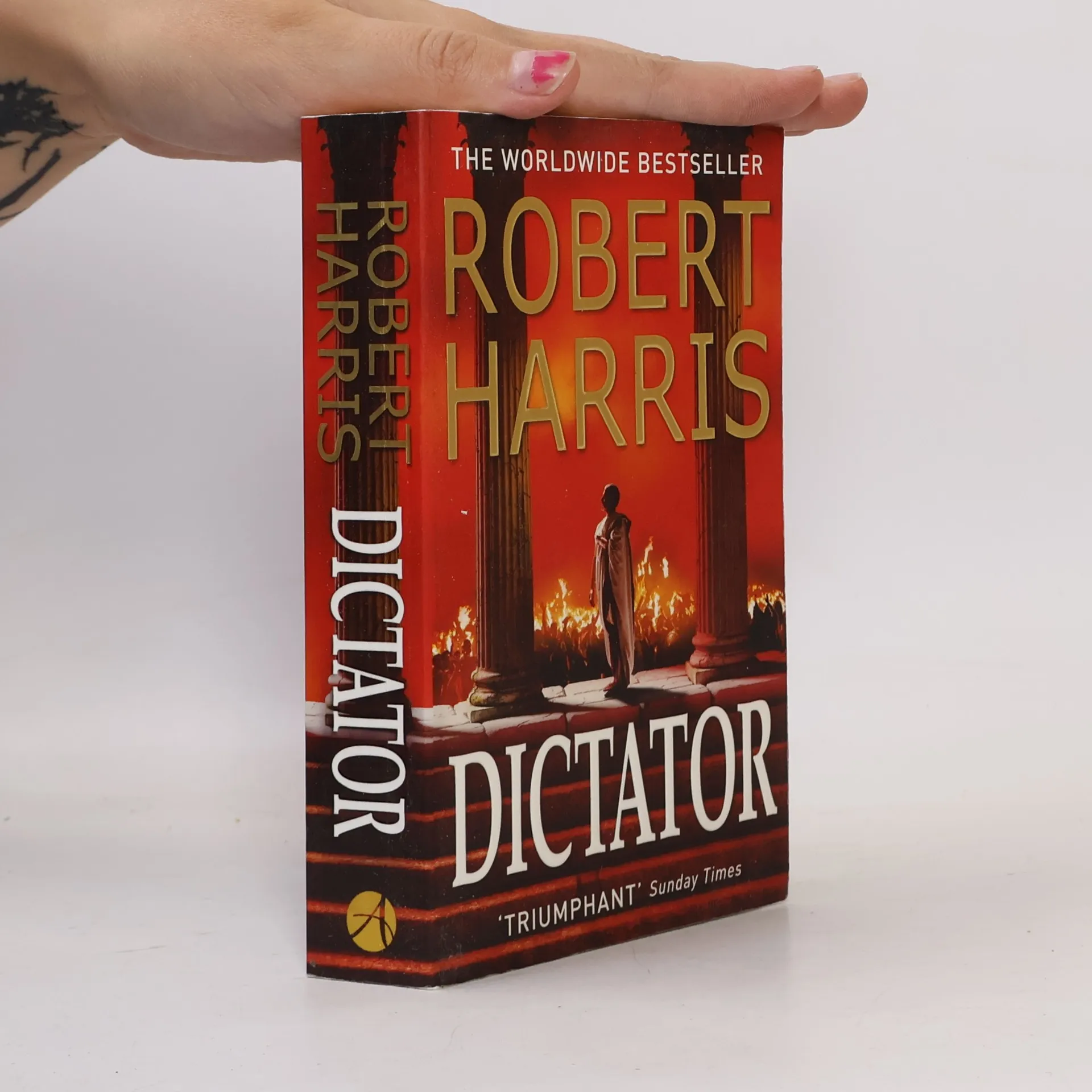
Dictator
- 384 pages
- 14 hours of reading
'Laws are silent in times of war.' Cicero There was a time when Cicero held Caesar's life in the palm of his hand. But now Caesar is the dominant figure and Cicero's life is in ruins. Exiled, separated from his wife and children, his possessions confiscated, his life constantly in danger, Cicero is tormented by the knowledge that he has sacrificed power for the sake of his principles. His comeback requires wit, skill and courage - and for a brief and glorious period, the legendary orator is once more the supreme senator in Rome. But politics is never static and no statesman, however cunning, can safeguard against the ambition and corruption of others. Riveting and tumultuous, DICTATOR encompasses some of the most epic events in human history yet is also an intimate portrait of a brilliant, flawed, frequently fearful yet ultimately brave man - a hero for his time and for ours. This is an unforgettable tour de force from a master storyteller.
Related books
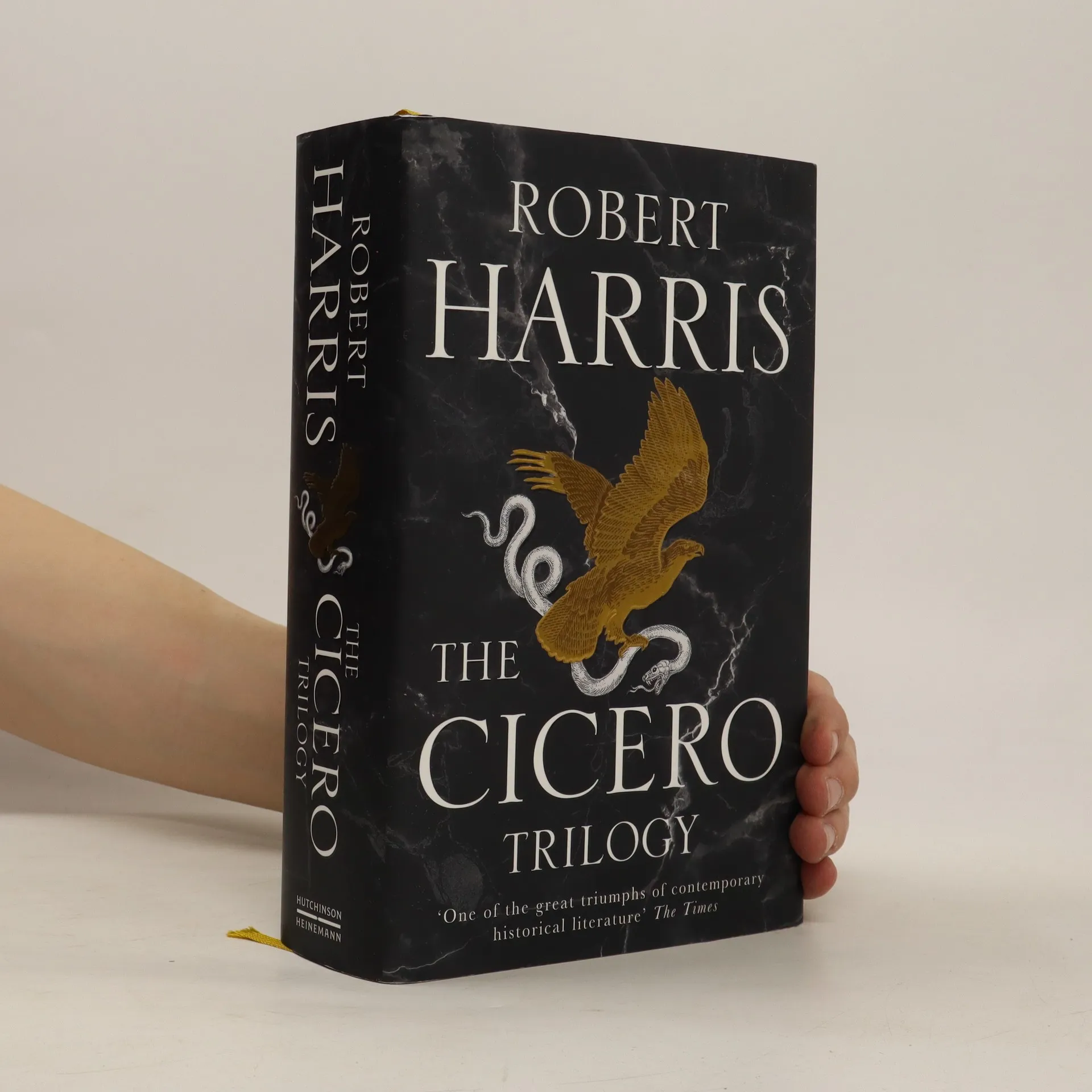
The Cicero Trilogy
- 992 pages
- 35 hours of reading
'One of the great triumphs of contemporary historical literature.' The TimesWITH A NEW INTRODUCTION BY THE AUTHOR'Laws are silent in times of war.' CiceroOne of the great epics of political and historical fiction, The Cicero Trilogy charts the career of the Roman statesman Marcus Tullius Cicero from his mid-twenties as an ambitious young lawyer to his dramatic death more than thirty years later, pursued by an assassination squad on a cliff-top path.The extraordinary life that unfolds between these two episodes is recounted by Cicero's private secretary, the law cases and the speeches that made his master's name; the elections and conspiracies he fought; the rivals who contended for power around him - Pompey, Crassus, Cato, Clodius, Catalina, and, most menacingly, Caesar; and, at the heart of it all, the complex personality of Cicero himself - brilliant, cunning, duplicitous, anxious, brave, and always intensely humane.More than ten years in the writing, and now published in a single volume for the first time, The Cicero Trilogy brings the world of the Roman republic vividly to life. Here is its grandeur, ambition and corruption; and here is its tumultuous collapse into dictatorship and anarchy - a story of the fragility of democratic institutions that holds a warning for our own time.