

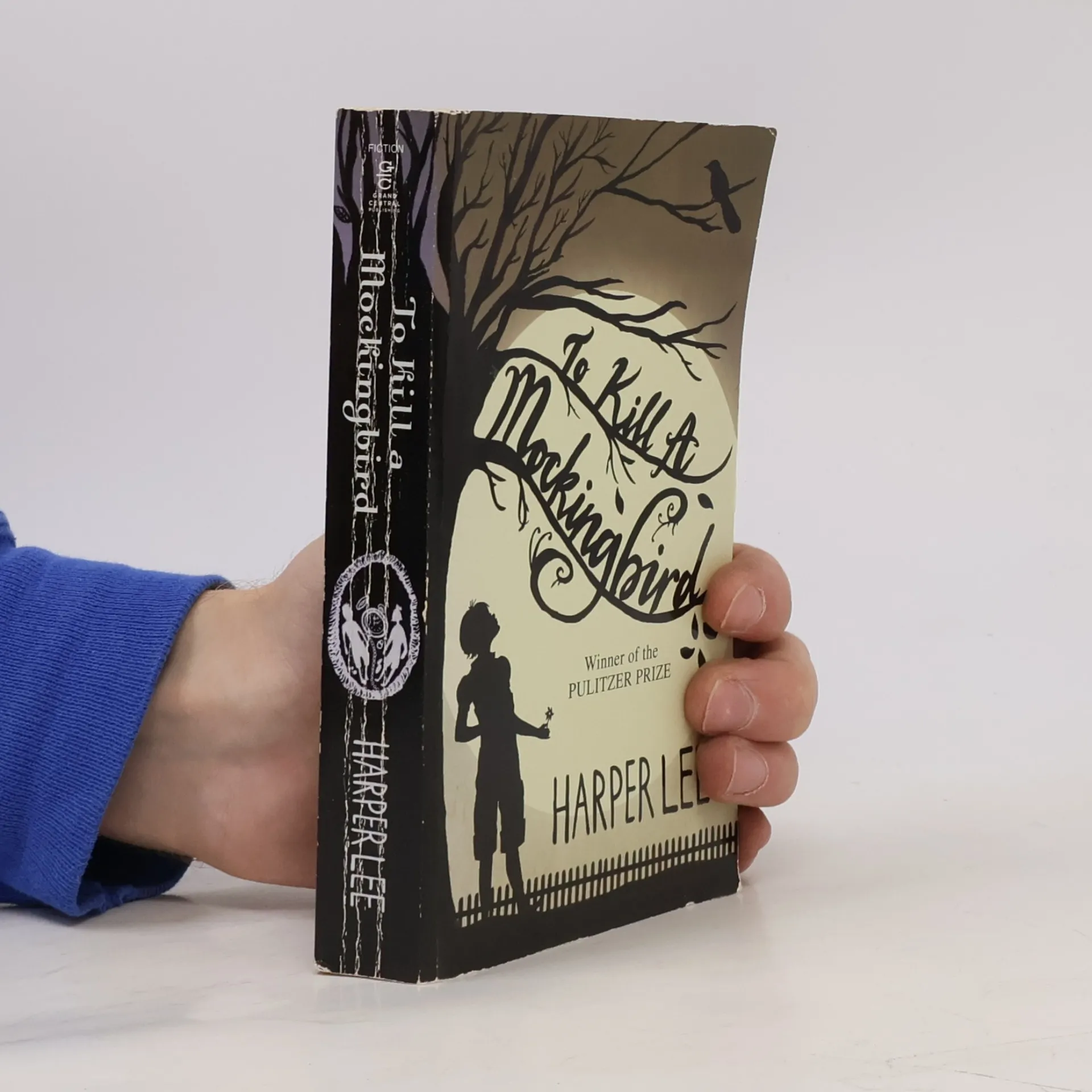
The unforgettable novel of a childhood in a sleepy Southern town and the crisis of conscience that rocked it, To Kill A Mockingbird became both an instant bestseller and a critical success when it was first published in 1960. It went on to win the Pulitzer Prize in 1961 and was later made into an Academy Award-winning film, also a classic. Compassionate, dramatic, and deeply moving, To Kill A Mockingbird takes readers to the roots of human behavior - to innocence and experience, kindness and cruelty, love and hatred, humor and pathos. Now with over 18 million copies in print and translated into forty languages, this regional story by a young Alabama woman claims universal appeal. Harper Lee always considered her book to be a simple love story. Today it is regarded as a masterpiece of American literature.
To Kill a Mockingbird Series
This literary series delves into the complexities of human nature and morality through the eyes of a young girl in a Southern town during the 1930s. The narrative centers on themes of justice, prejudice, and the loss of innocence as her lawyer father defends an innocent Black man. These stories offer profound insights into social inequalities and the power of empathy.
Recommended Reading Order
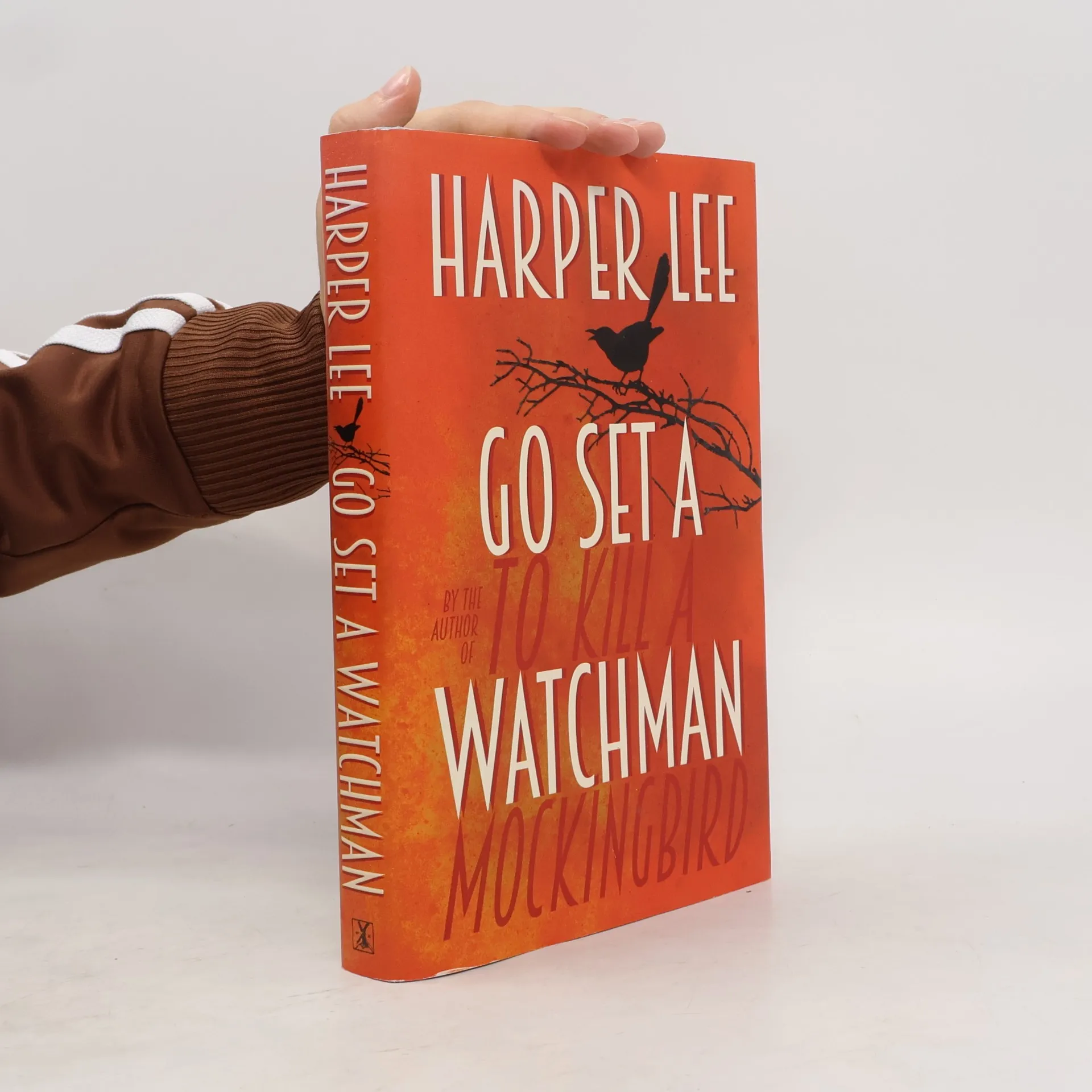
From Harper Lee comes a landmark new novel set two decades after her beloved Pulitzer Prize-winning masterpiece, To Kill a Mockingbird. Maycomb, Alabama. Twenty-six-year-old Jean Louise Finch - `Scout' - returns home from New York City to visit her ageing father, Atticus. Set against the backdrop of the civil rights tensions and political turmoil that were transforming the South, Jean Louise's homecoming turns bittersweet when she learns disturbing truths about her close-knit family, the town and the people dearest to her. Memories from her childhood flood back, and her values and assumptions are thrown into doubt. Featuring many of the iconic characters from To Kill a Mockingbird, Go Set a Watchman perfectly captures a young woman, and a world, in painful yet necessary transition out of the illusions of the past - a journey that can be guided only by one's own conscience. Written in the mid-1950s, Go Set a Watchman imparts a fuller, richer understanding and appreciation of Harper Lee. Here is an unforgettable novel of wisdom, humanity, passion, humour and effortless precision - a profoundly affecting work of art that is both wonderfully evocative of another era and relevant to our own times. It not only confirms the enduring brilliance of To Kill a Mockingbird, but also serves as its essential companion, adding depth, context and new meaning to a classic.
Related books
Harper Lee, To kill a mockingbird
- 430 pages
- 16 hours of reading
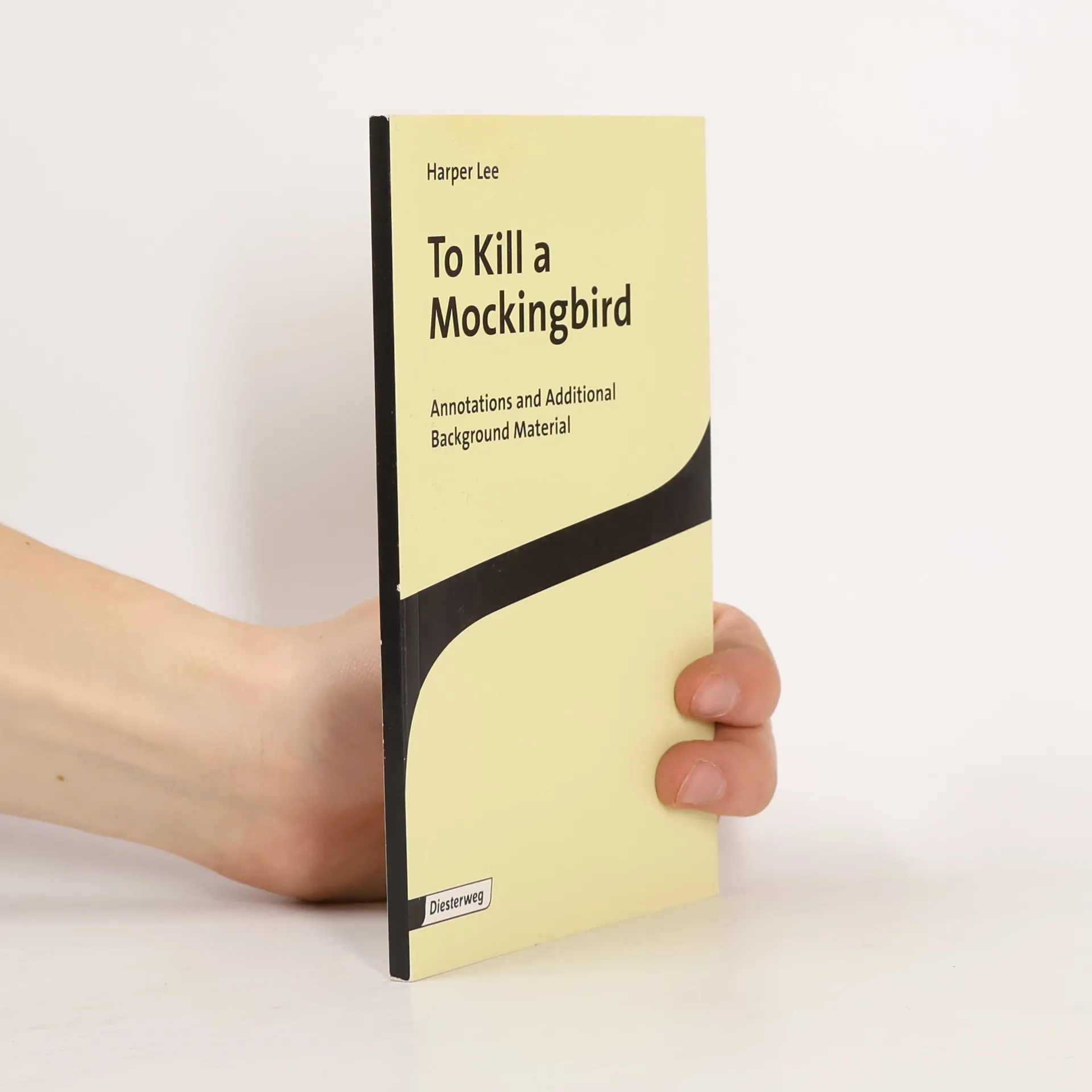
Landesabitur Hessen 2020-2022 To Kill A Mockingbird erschien 1960 auf dem Höhepunkt der amerikanischen Bürgerrechtsbewegung und traf damit den Nerv der Zeit. Dieser Entwicklungsroman, der umgehend zum Bestseller avancierte, entlarvt die rassistische Bigotterie der Südstaaten aus der Sicht von Scout, einem jungen Mädchen aus einem kleinen Ort in Alabama während der Großen Depression. Der Kern der Handlung ist der Prozess gegen einen jungen Farbigen, der zu Unrecht der Vergewaltigung angeklagt wird, ein Prozess, der sukzessive die schlechtesten und die besten Eigenschaften der Menschen herauskehrt. Der Roman enthält zahlreiche autobiografische und historische Bezüge. So war etwa der Gerichtsprozess im Roman inspiriert von den Scottsboro Boys Prozessen, einem realen Justizirrtum in Alabama in den 1930ern. Damals waren neun dunkelhäutige Jugendliche fälschlich angeklagt worden, zwei weiße Frauen vergewaltigt zu haben. Seit seinem Erscheinen vor über 50 Jahren ist der Roman ein Bestseller geblieben und zum Lieblingsbuch vieler Lehrer und Schüler geworden. Das begleitende Annotations-Heft bietet ausführliche Annotationen, Hintergrundinformationen, eine Timeline und weiterführende Texte für die selbstständige Erarbeitung durch Schülerinnen und Schüler.
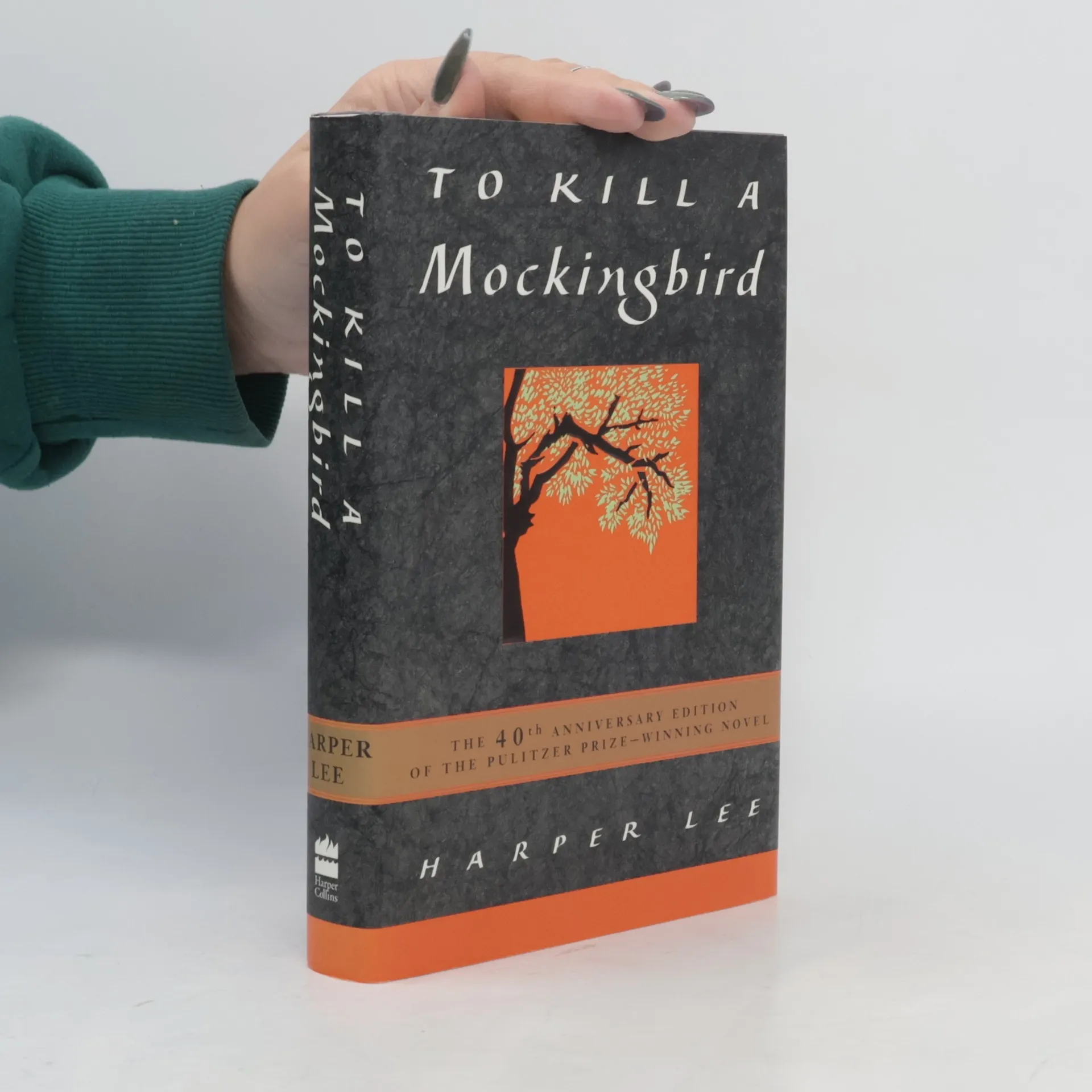
To Kill a Mockingbird
The 40th Anniversary Edition of the Pulitzer Prize-Winning Novel
- 323 pages
- 12 hours of reading
"Shoot all the bluejays you want, if you can hit 'em, but remember it's a sin to kill a mockingbird." A lawyer's advice to his children as he defends the real mockingbird of Harper Lee's classic novel--a black man charged with the rape of a white girl. Through the young eyes of Scout and Jem Finch, Harper Lee explores with rich humor and unswerving honesty the irrationality of adult attitudes toward race and class in the Deep South of the 1930s. The conscience of a town steeped in prejudice, violence, and hypocrisy is pricked by the stamina and quiet heroism of one man's struggle for justice--but the weight of history will only tolerate so much. One of the best-loved classics of all time, To Kill a Mockingbird has earned many distinctions since its original publication in 1960. It has won the Pulitzer Prize, been translated into more than forty languages, sold more than thirty million copies worldwide, and been made into an enormously popular movie. Most recent, librarians across the country gave the book the highest of honors by voting it the best novel of the century (Library Journal) . HarperCollins is proud to celebrate the anniversary of the book's publication with this special hardcover edition.