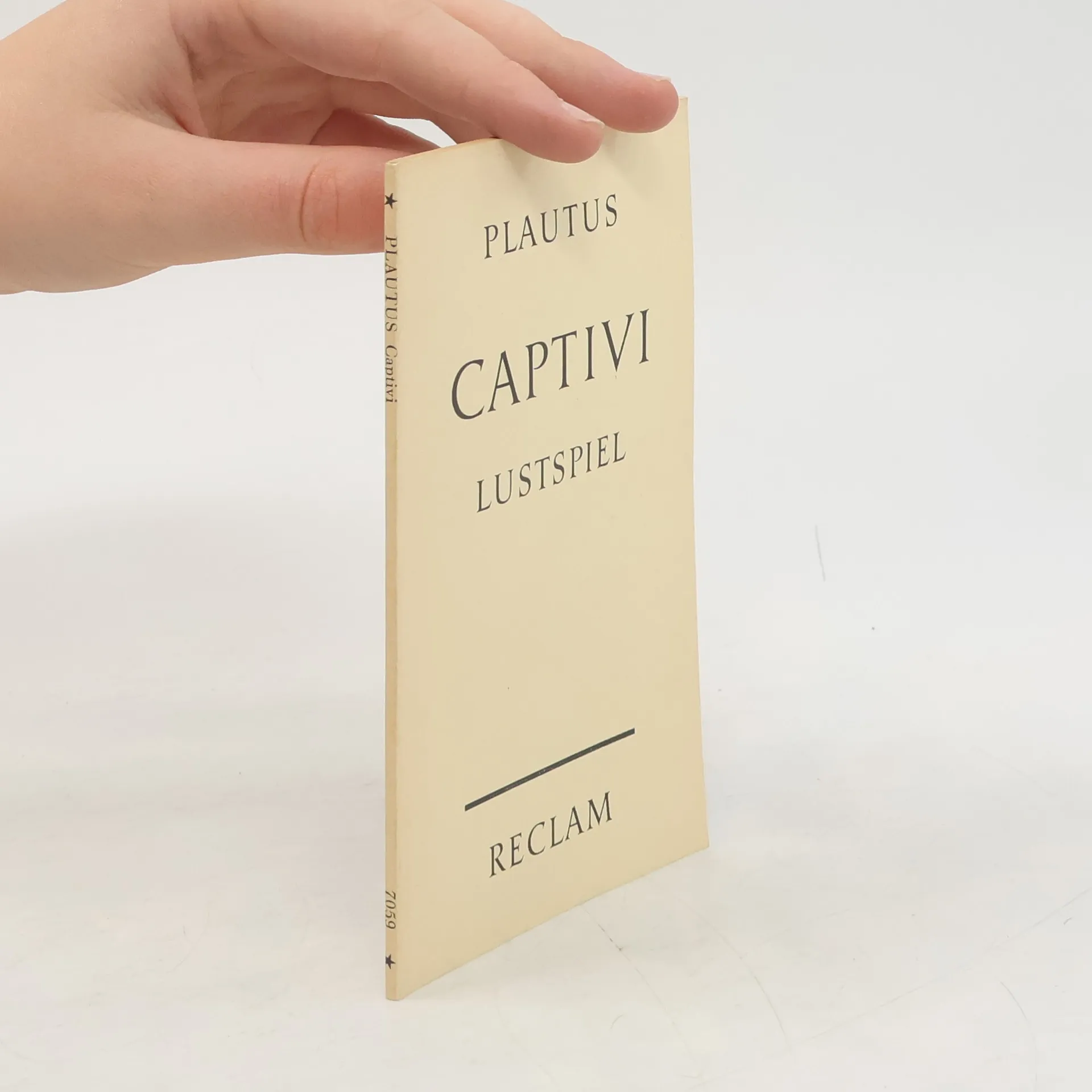
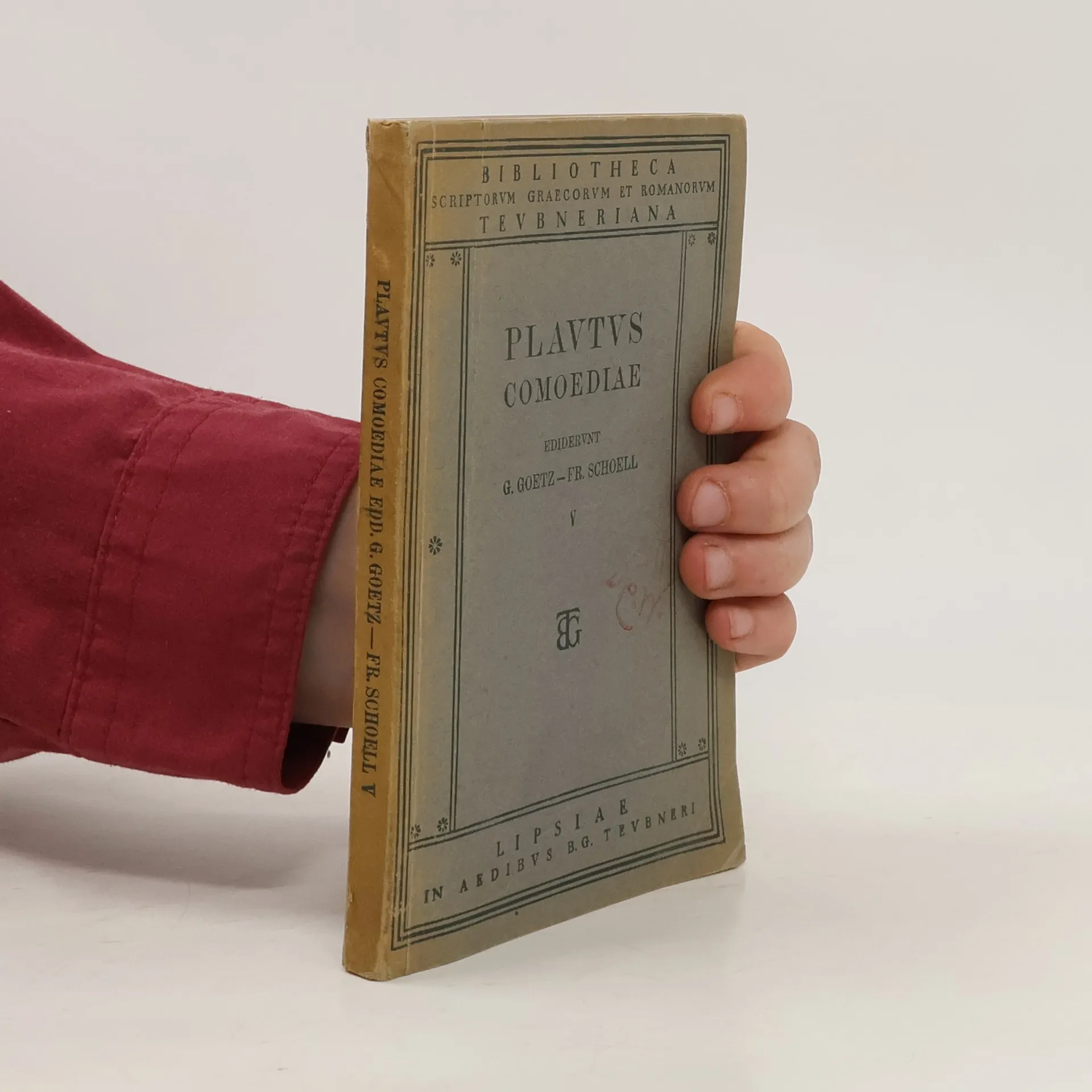
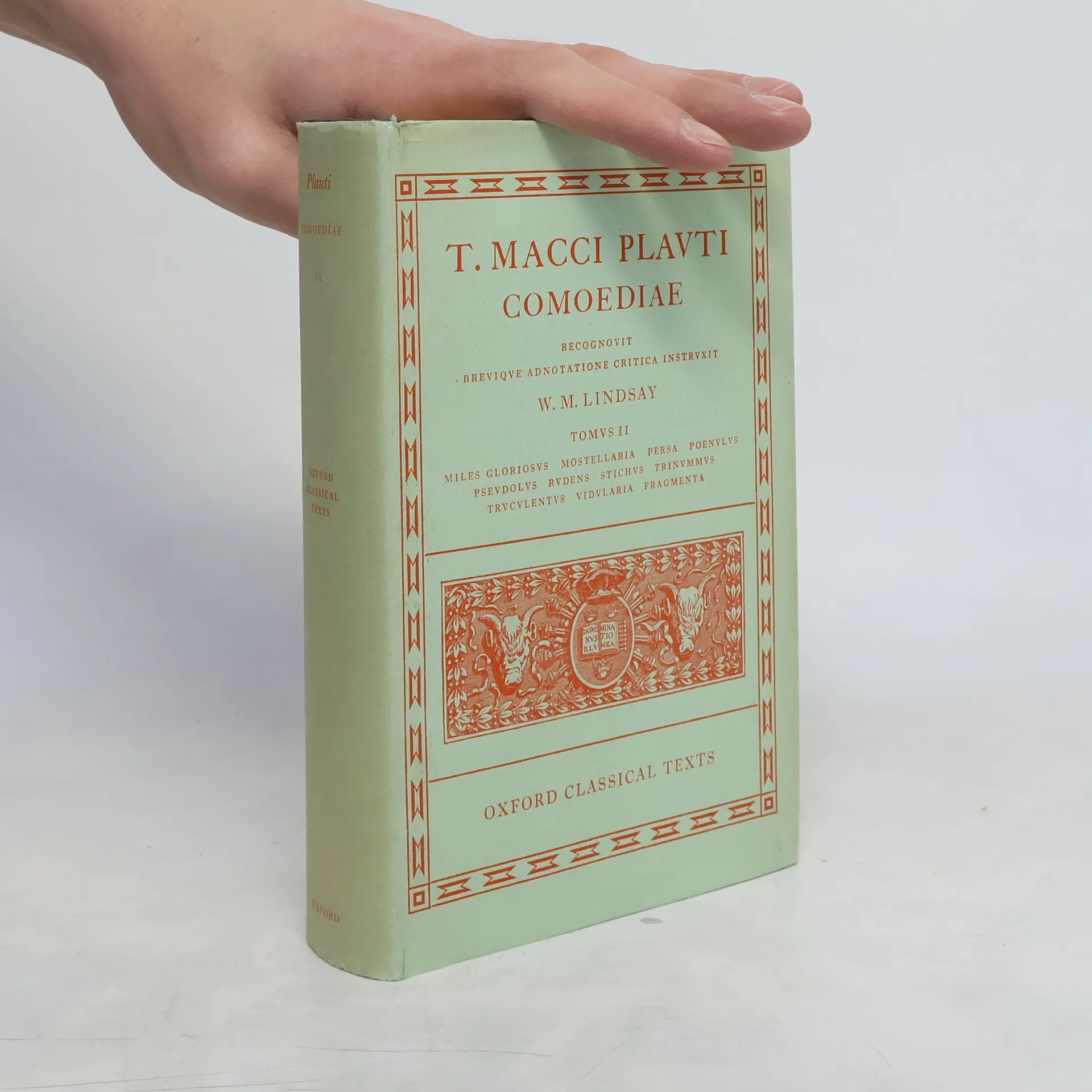
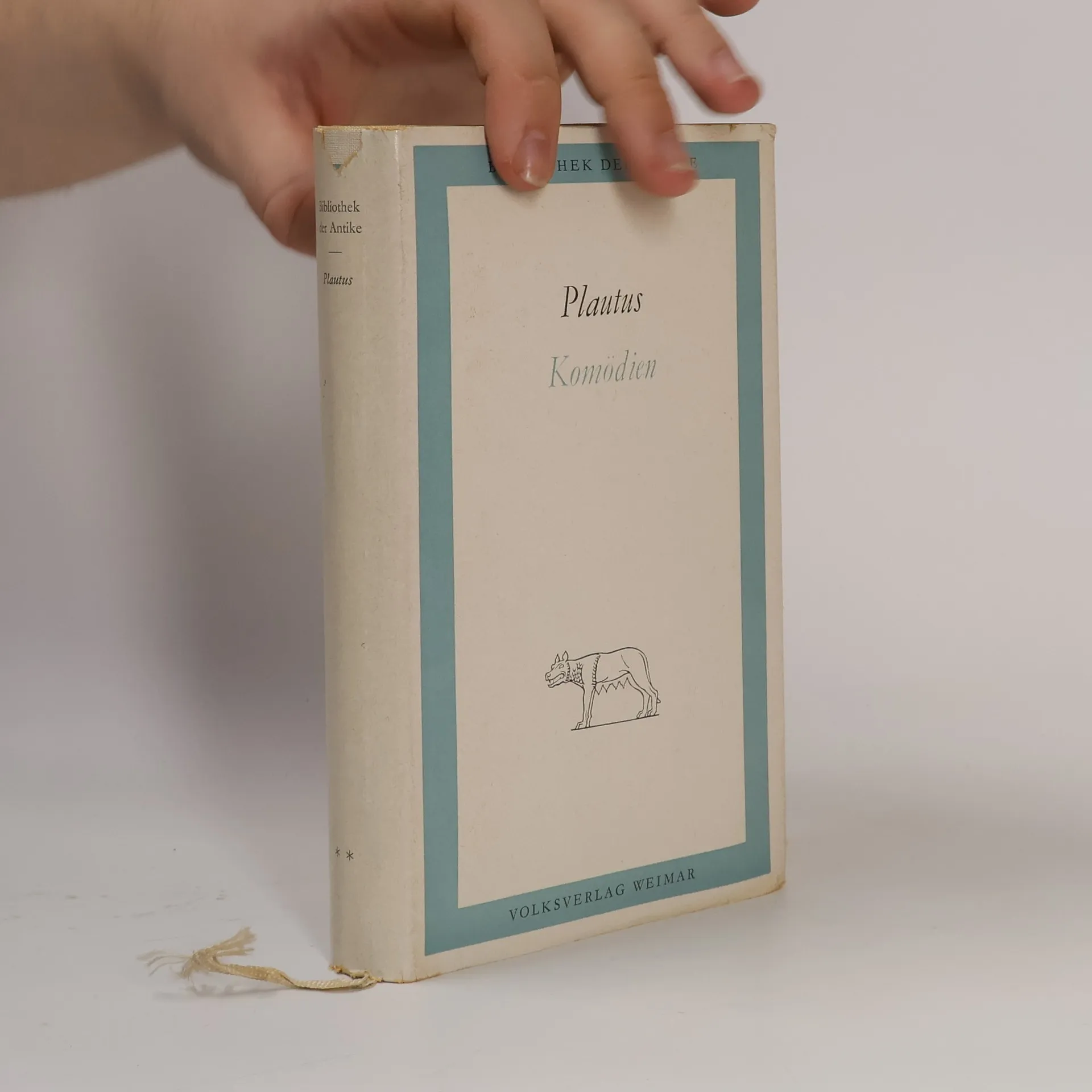
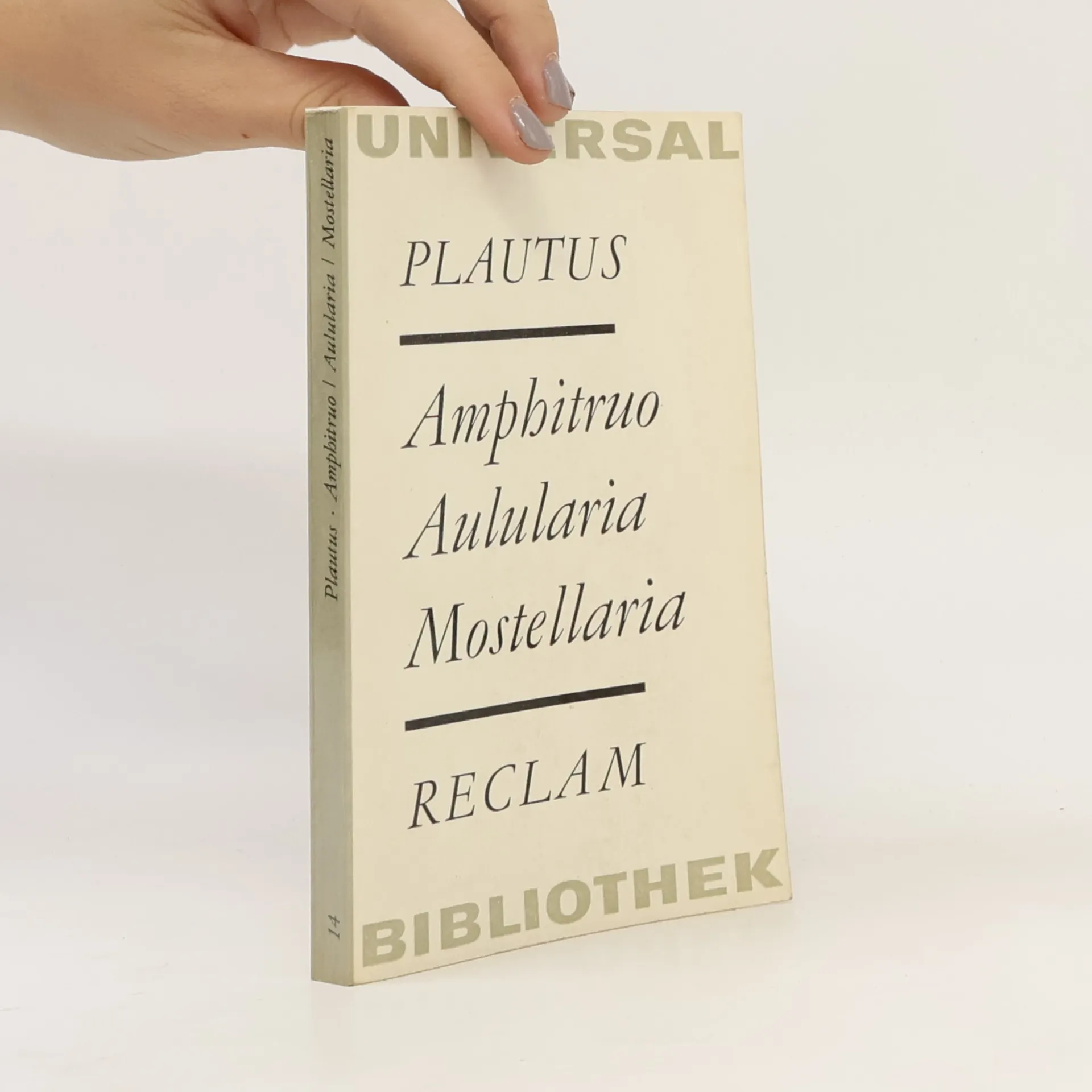
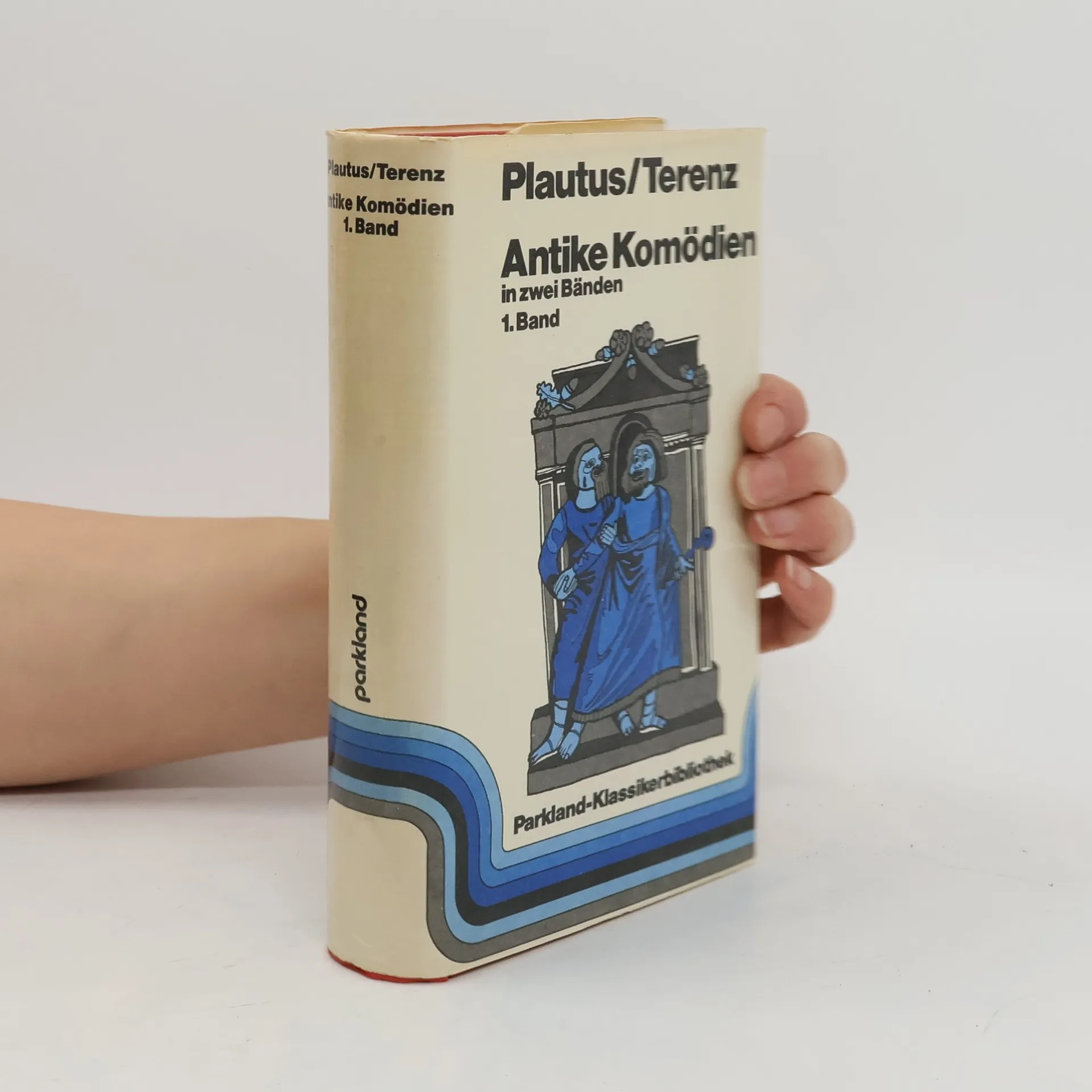
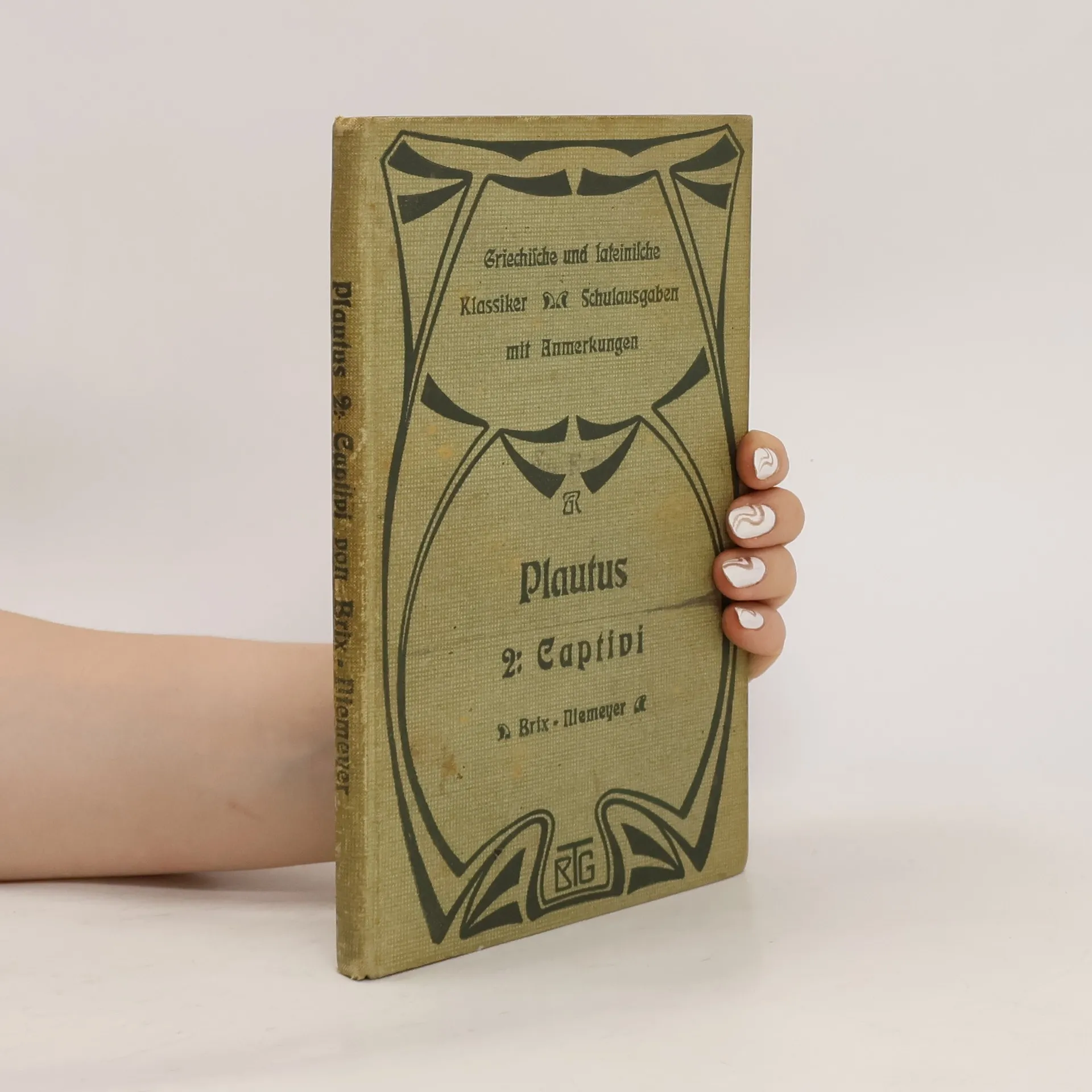
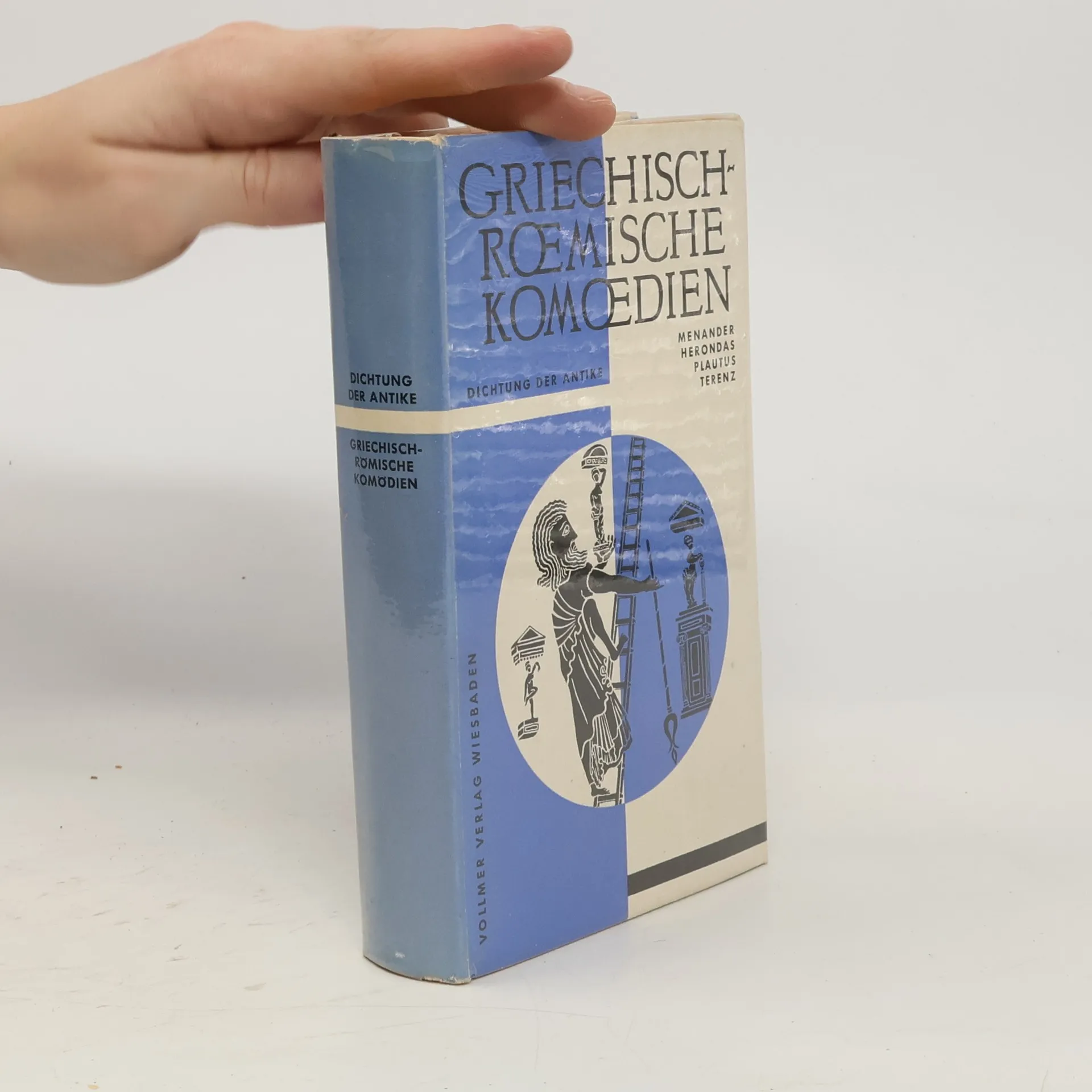
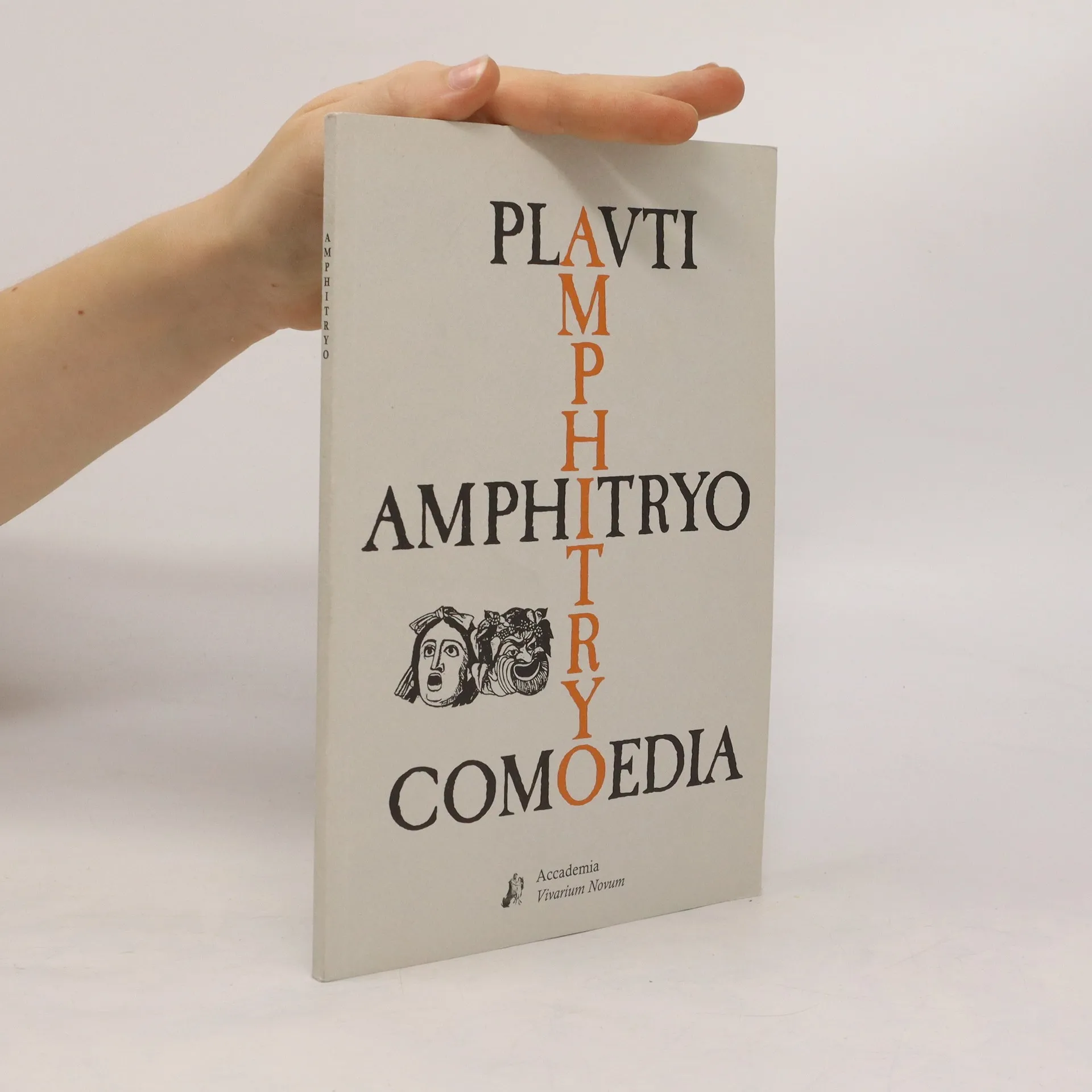
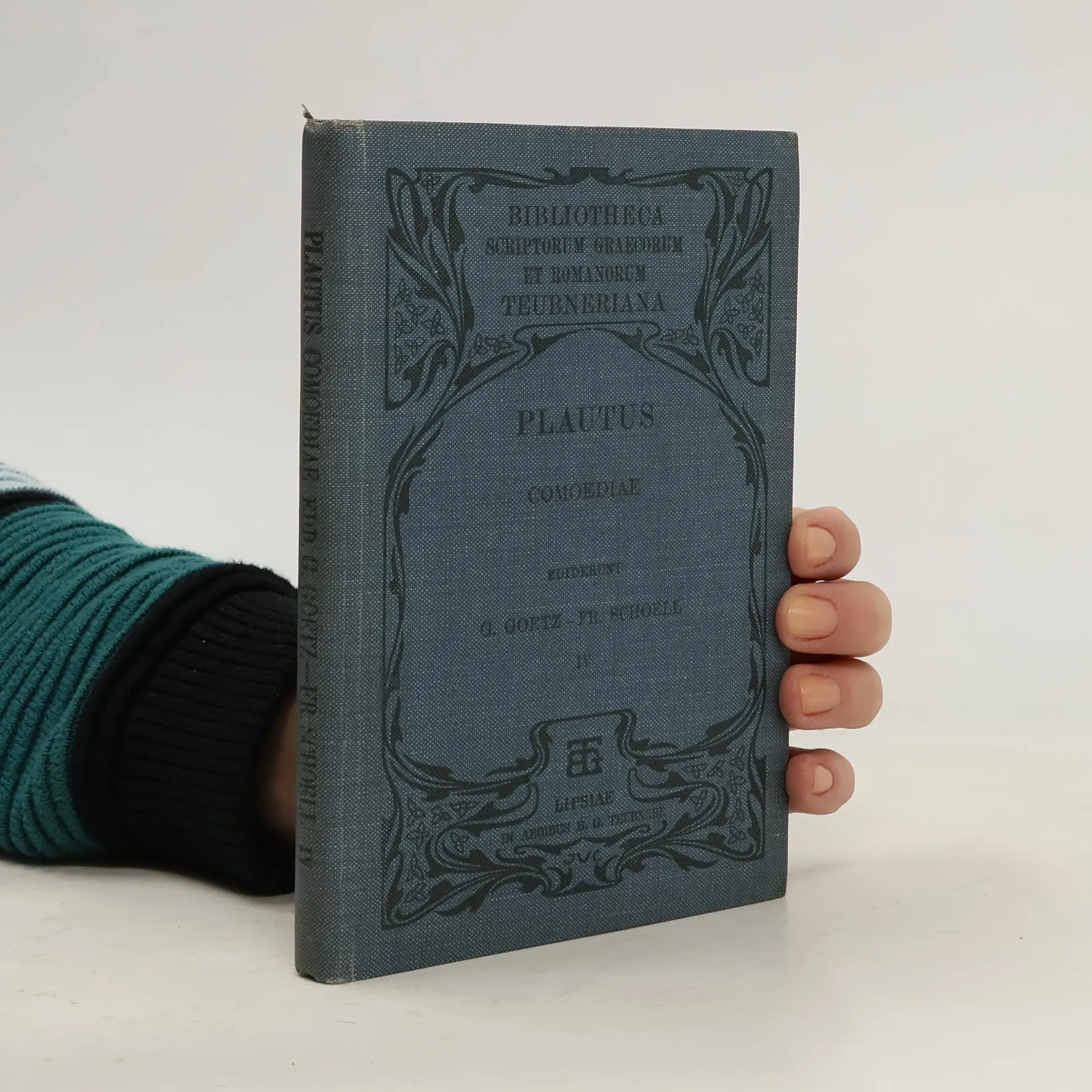
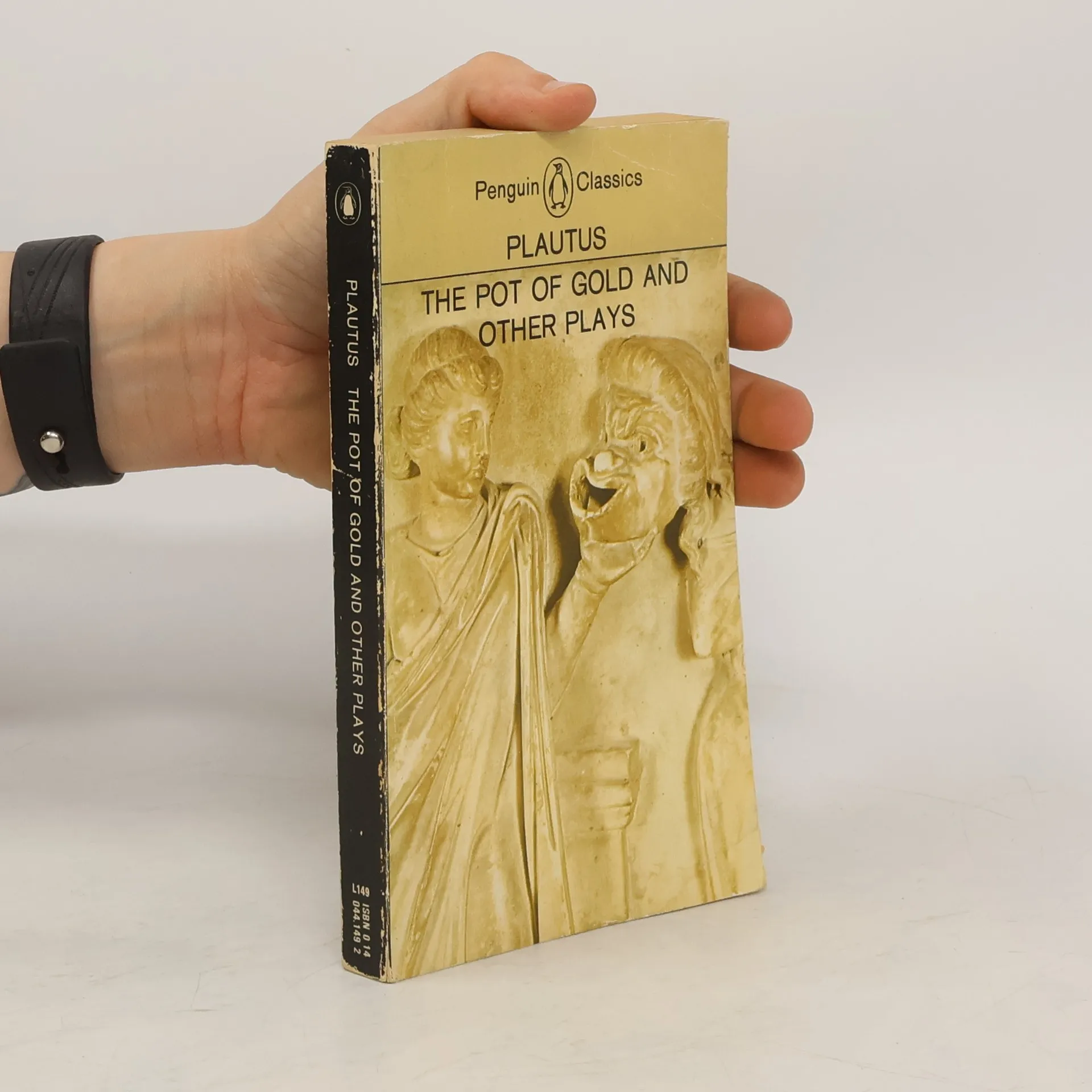
Features a varied selection of one of the supreme comic writers of the Roman world, Plautus' (c.254-184 BC) finest plays, from the comedy Pseudolus, The Prisoners, and The Brothers Menaechmus, to The Pot of Gold.
Plautus Books
Plautus was a pioneering figure in Roman comedy, whose works represent the earliest complete surviving Latin literature. His plays, known as palliata comoedia, are characterized by wit and vibrant dialogue that profoundly influenced subsequent dramatists. His distinctive style and humor establish him as a cornerstone of Roman drama. The term 'Plautine' today signifies works directly by him or those inspired by his unique theatrical legacy.


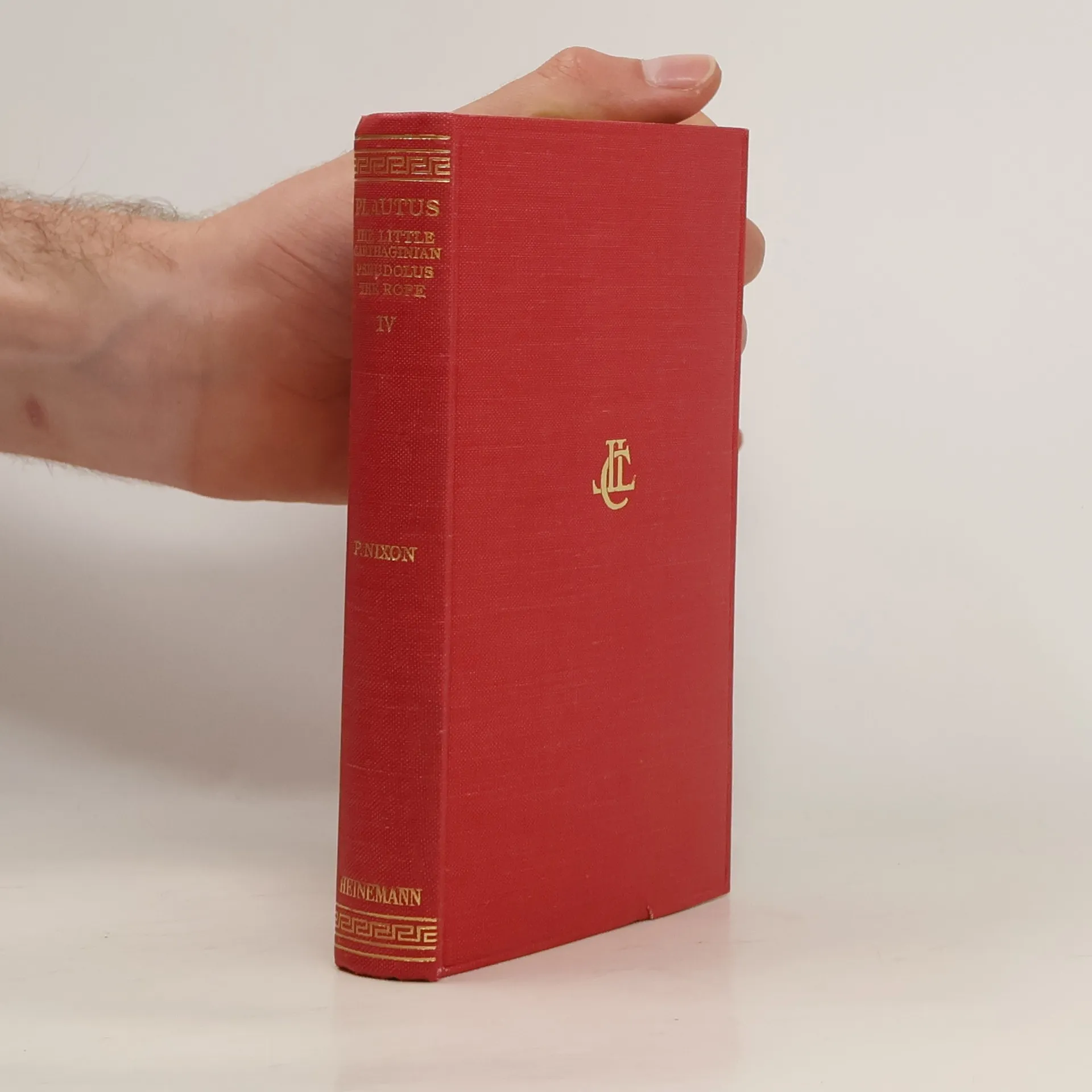
Plautus II
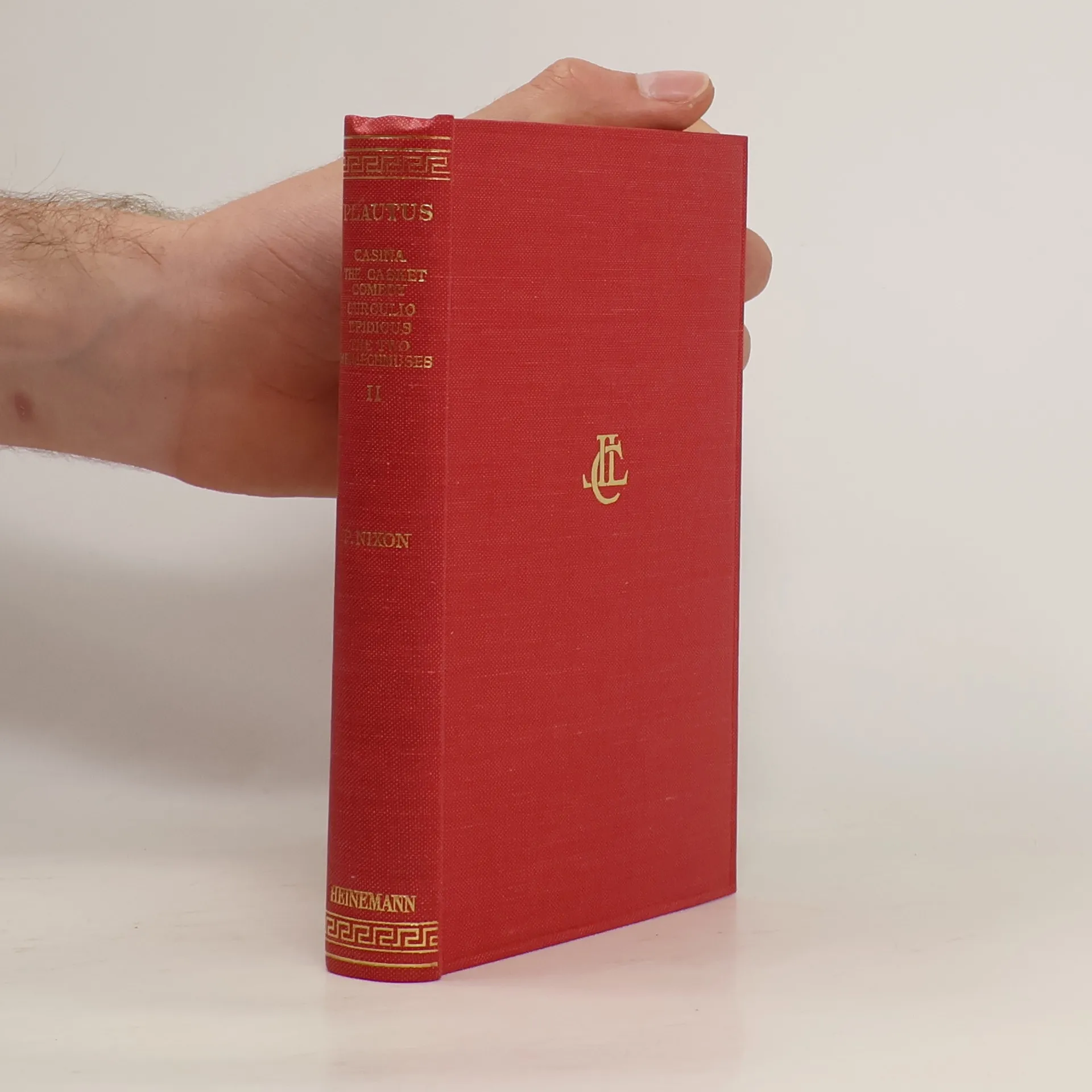
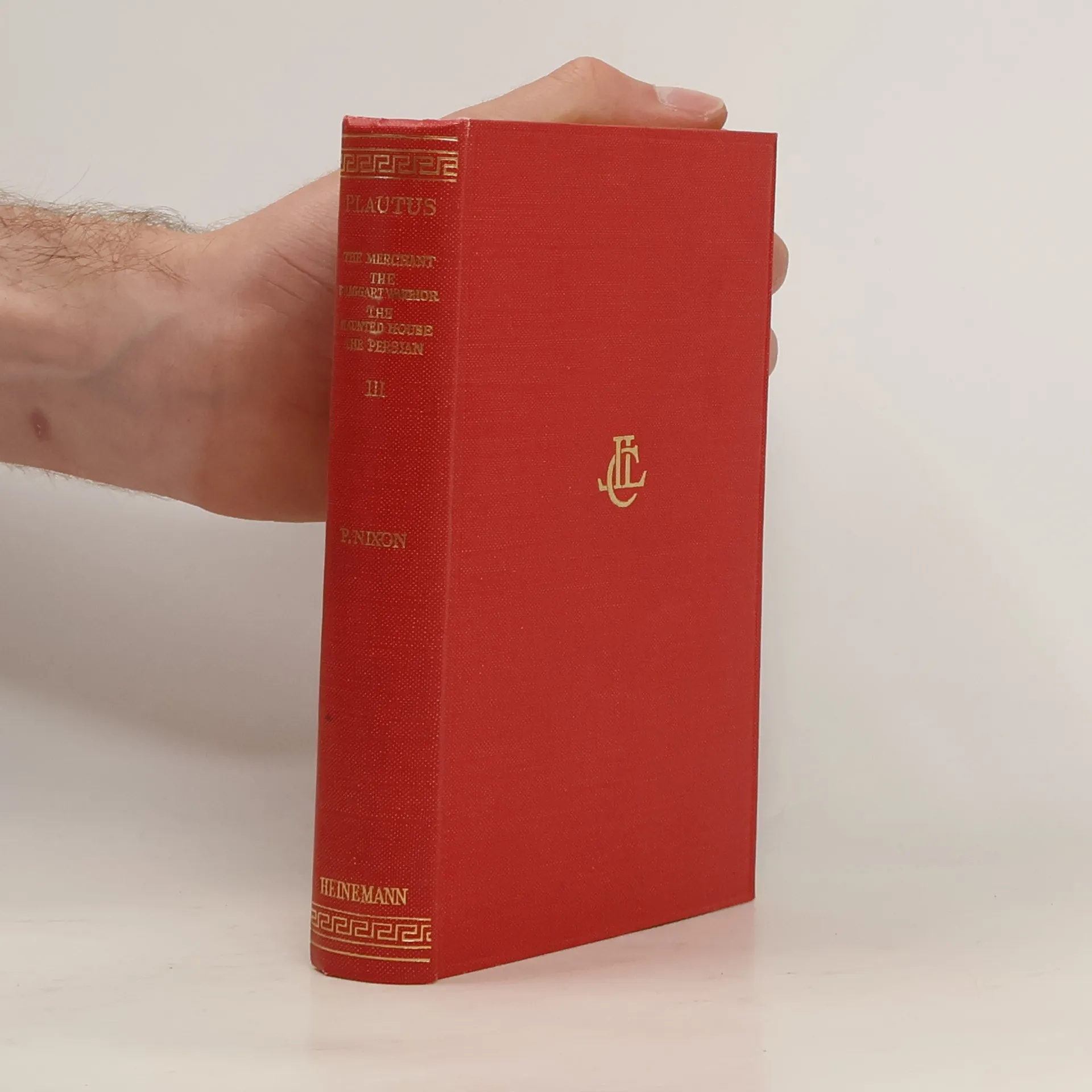
With an English Translation by Paul Nixon
Focusing on accessibility, this book is a reproduction of a historical work designed for readers with impaired vision. Published by Megali, a house dedicated to producing large print editions, it aims to enhance the reading experience for those who may struggle with standard text sizes. The commitment to preserving historical literature while making it more accessible underscores the importance of inclusivity in reading.
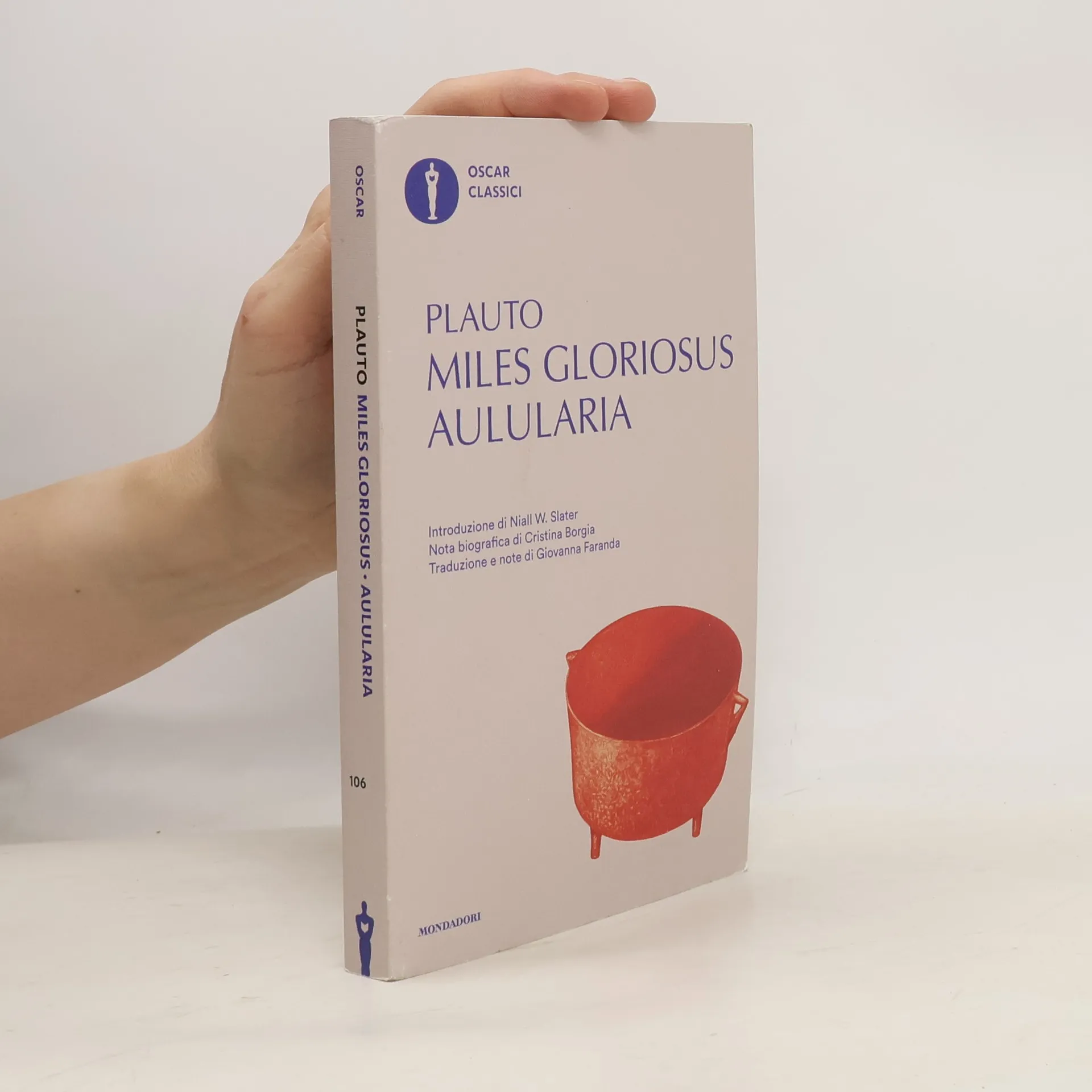
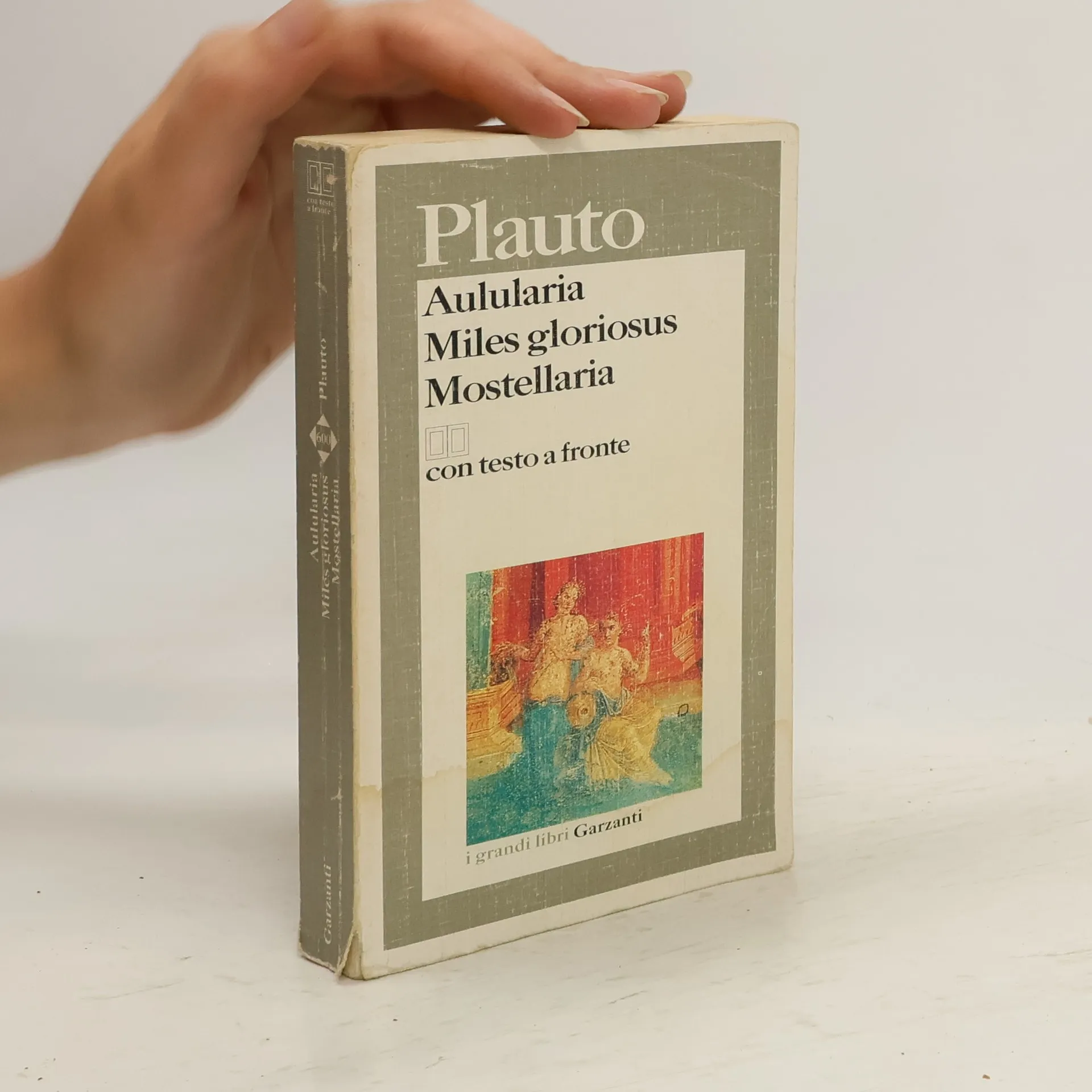
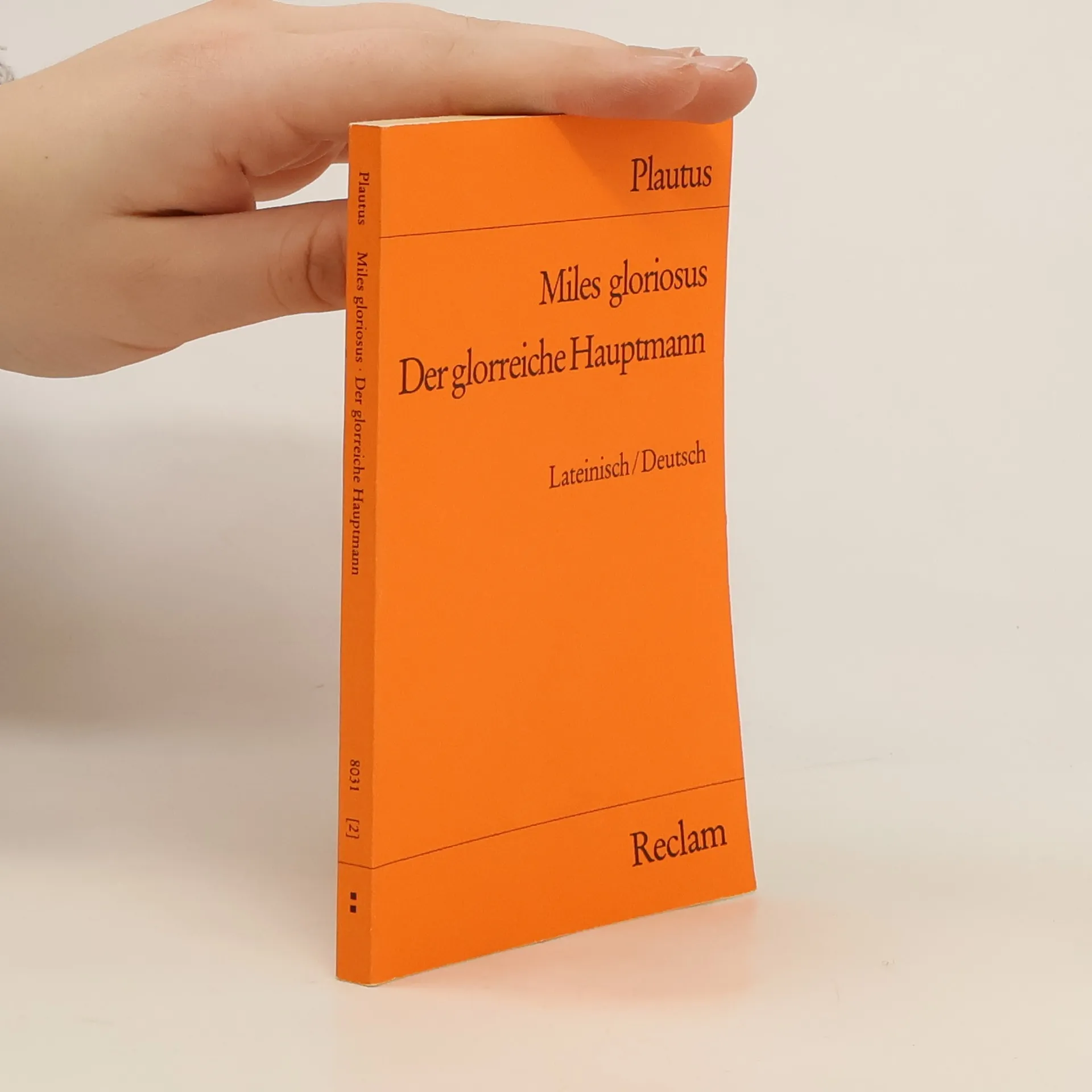
Miles Gloriosus - Aulularia
- 256 pages
- 9 hours of reading
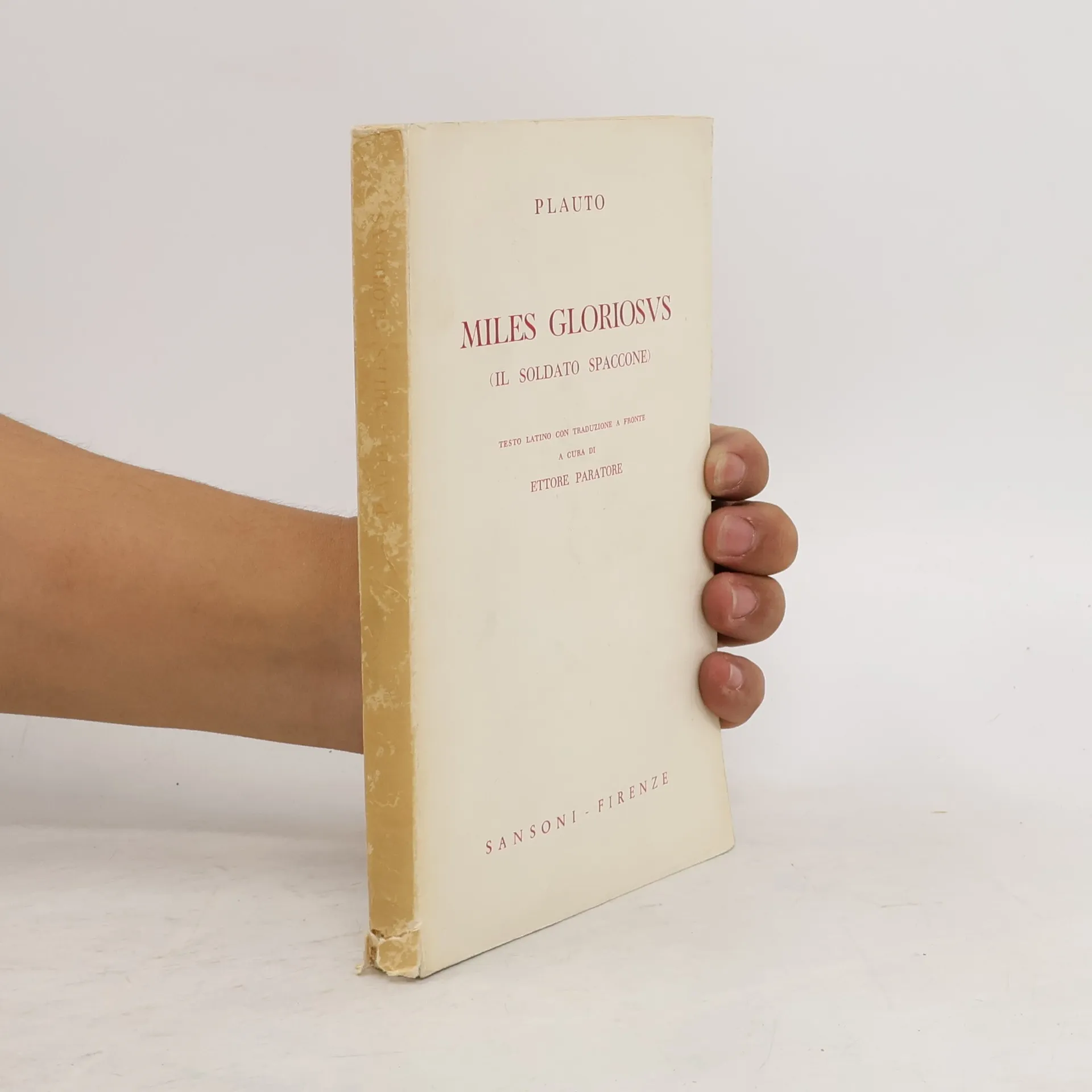
Scritte e rappresentate all'epoca della Seconda guerra punica, queste due commedie sono ancora oggi godibili e divertentissime per la vivace inventiva di situazioni comiche e la capacità di creare un linguaggio di inesauribile fantasia e ricco di giochi di parole di forte carica parodistica. La prima, "Miles gloriosus" ("Il soldato spaccone") vede come protagonista una delle figure chiave del teatro plautino, il soldato fanfarone, millantatore di grandi imprese mai compiute, che si presenta come grande conquistatore di nemici e di donne, salvo essere prontamente smentito dagli avvenimenti della commedia. La seconda, "Aulularia" ("La commedia della pentola") è invece incentrata su un personaggio destinato ad avere enorme fortuna nei secoli, il vecchio avaro, maschera chiave del teatro rinascimentale.
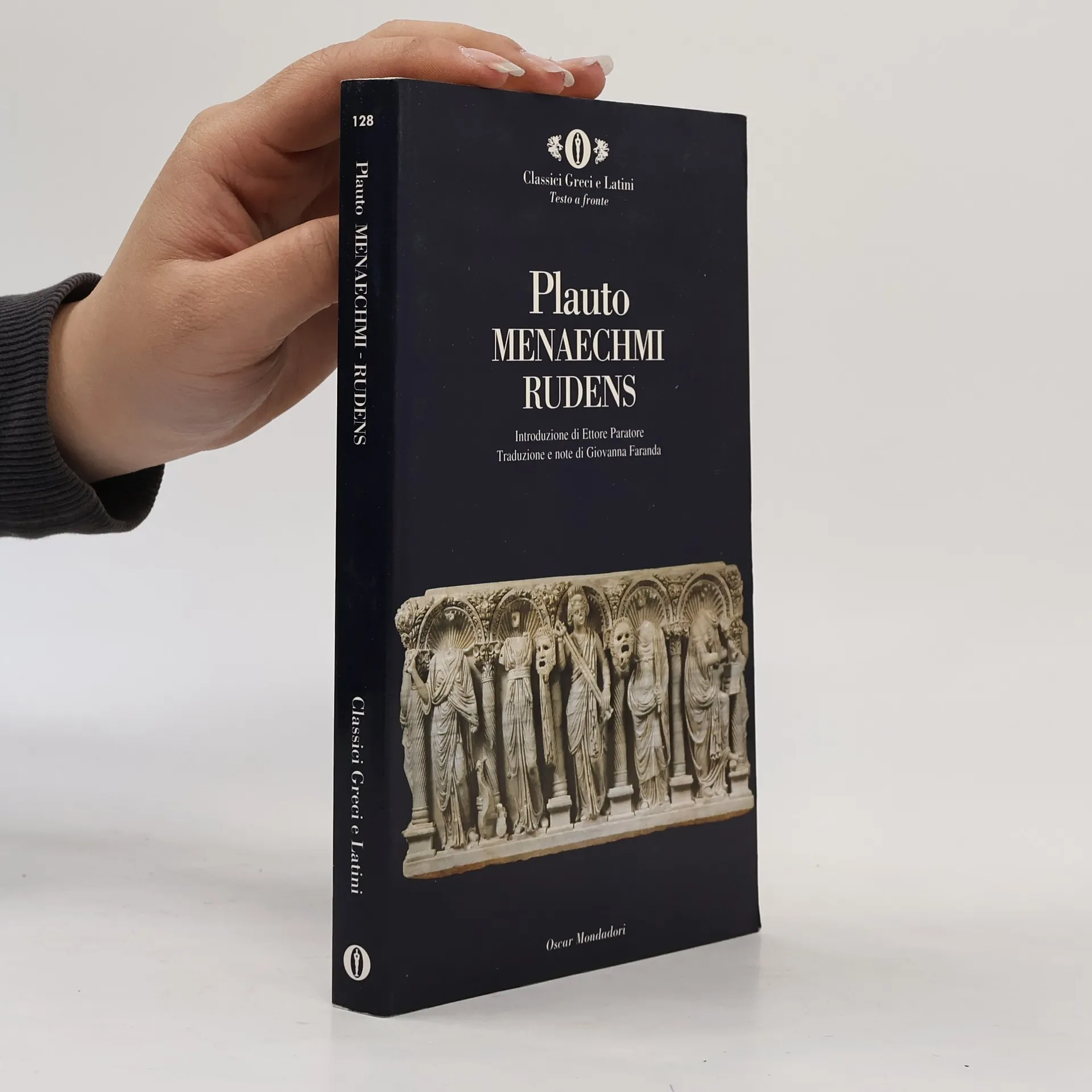
Oscar classici greci e latini - 128: Menaechmi Rudens
- 312 pages
- 11 hours of reading
Fortunato prototipo di tutte le "commedie degli equivoci", «Menaechmi» mette in scena le esilaranti vicende di due fratelli gemelli, entrambi chiamati Menecmo, separati alla nascita e cresciuti ignari l'uno dell'esistenza dell'altro. Fino al giorno in cui, ormai adulti, si ritrovano nella stessa città scatenando così una serie di situazioni comiche e scambi di persona. Molto diversa nel tono e nella trama - e per certi versi di estrema originalità nel teatro classico - è invece «Rudens», ambientata non come di consueto in città ma su una spiaggia. Qui fa naufragio la nave del lenone Labrace che ha rapito una fanciulla; il Caso vuole che la ragazza approdi vicino all'abitazione del padre e dell'innamorato, garantendo così, dopo numerose peripezie, un felice scioglimento dell'azione.
Supplemental reader in the Oerberg Lingua Latina series. This text includes an abridged and annotated edition of Plautus’ comedy "Amphitryon."
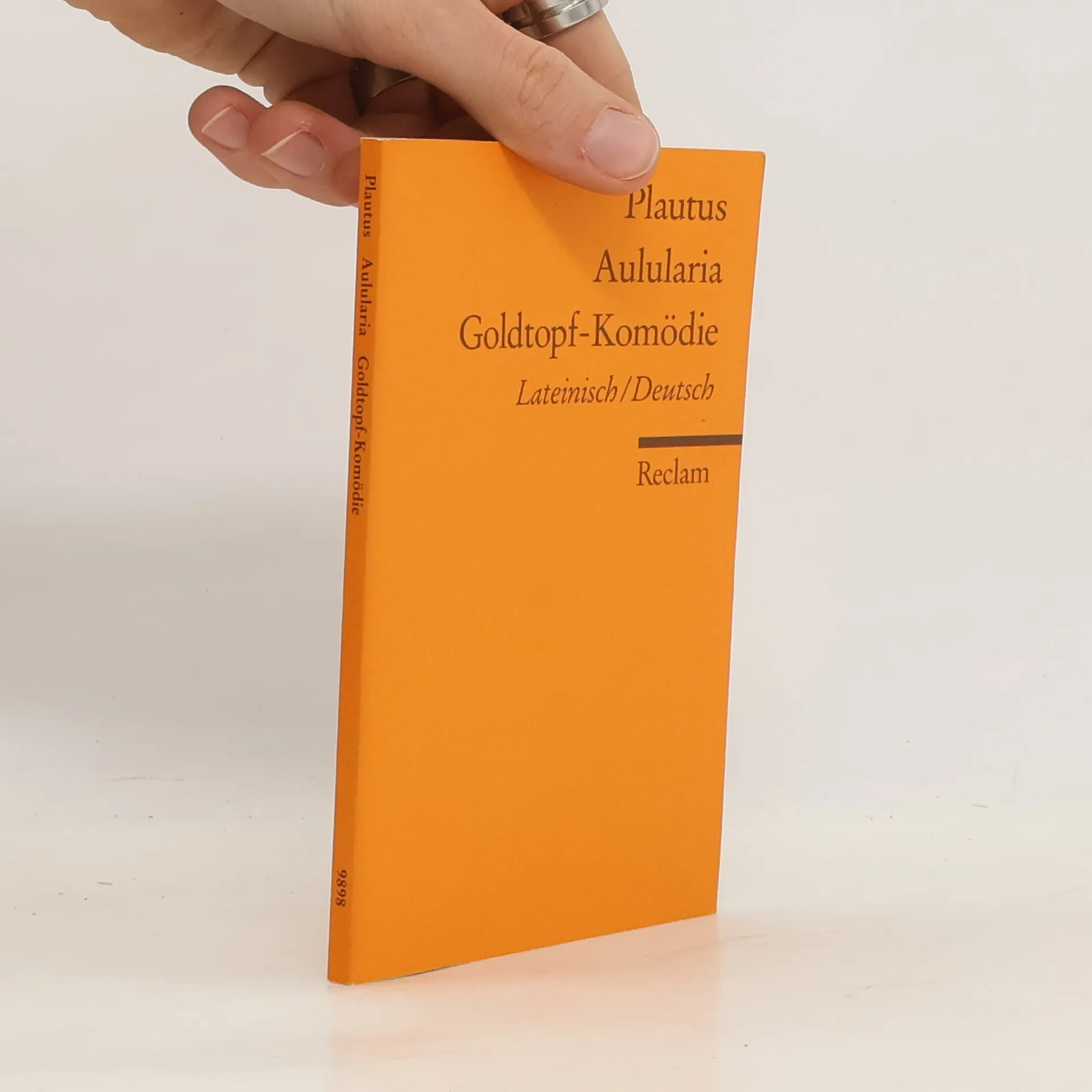
Goldtopf-Komödie. Aulularia
- 112 pages
- 4 hours of reading
Die Geschichte handelt von Euclione, einem alten Geizkragen, der eine mit Gold gefüllte Töpfe entdeckt hat, die von seinem Großvater in seinem Haus versteckt wurden, und lebt in ständiger Angst, dass sie ihm gestohlen wird, indem er sie von einem Ort zum anderen bewegt. Die Geschichte des Topfes verknüpft sich mit der von Fedria, der Tochter von Euclione, die zwischen dem jungen Liconide und dessen Onkel Megadoro umworben wird. Berühmt ist die Szene, in der Liconide um die Hand von Fedria bittet und Euclione glaubt, er spreche von dem Topf.
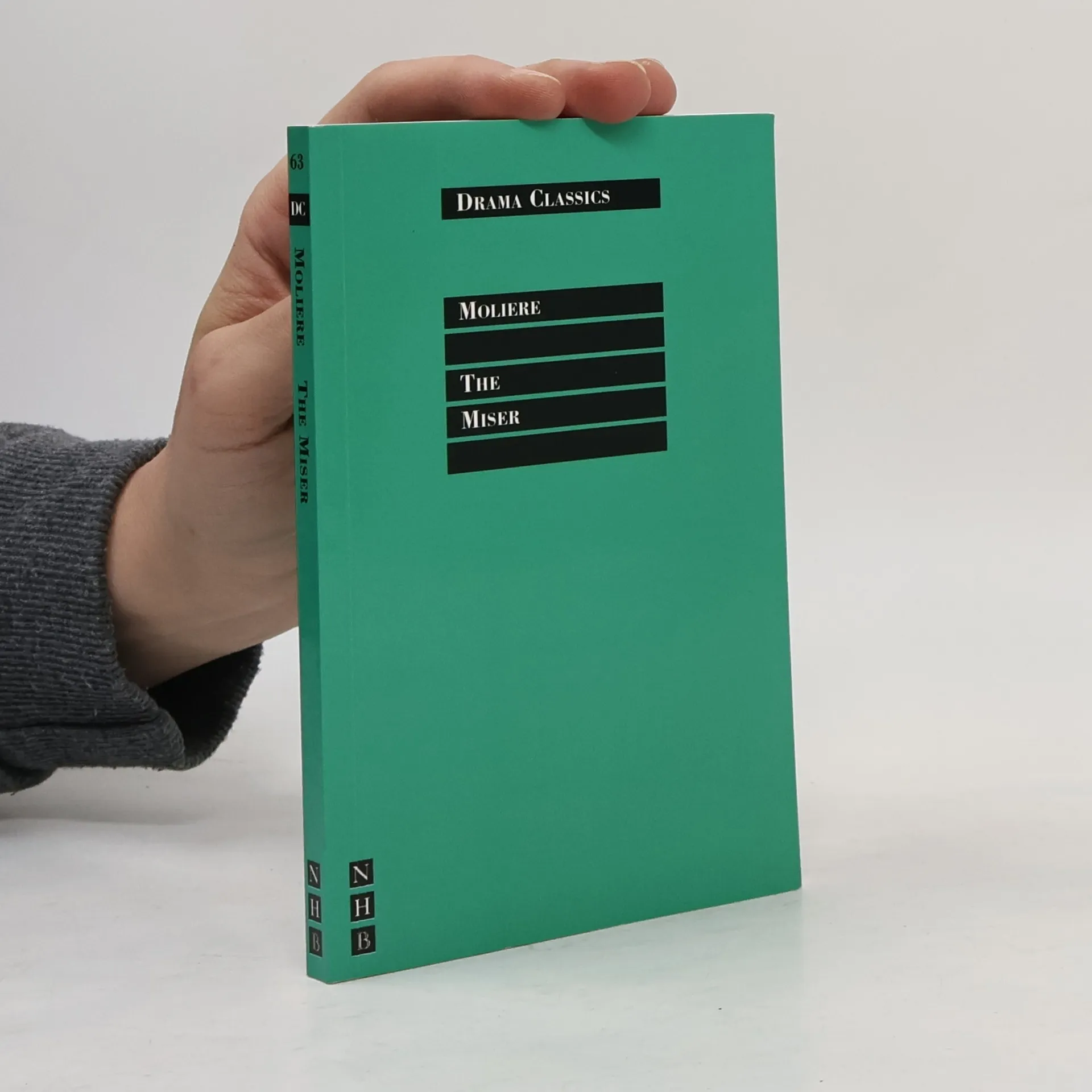
Drama Classics: The Miser
- 91 pages
- 4 hours of reading
Drama Classics: The World's Great Plays at a Great Little Price Molière's story of a covetous old miser, obsessively protecting his hoard of gold and neglecting his long-suffering children. Harpagon is obsessed with the wealth he has amassed and always ready to save expenses. Now a widower, he has a son, Cléante, and a daughter, Élise. Although he is over sixty, he is attempting to marry his son's own sweetheart, Mariane. But it seems that Harpagon's pinchpenny paranoia is finally catching up with him - his gold is missing, and this time it might really have disappeared for good... The Miser was first performed in 1668, at the theatre of the Palais-Royal, Paris. This English version, in the Nick Hern Books Drama Classic series, is translated and introduced by Martin Sorrell.
Pregio di Plauto è la sua prodigiosa ricchezza linguistica: i giochi di parole, le assonanze, i doppi sensi; le espressioni che spaziano dall’arcaico al neologismo, dalle deformazioni grottesche a volgarità che oggi si direbbero surreali; la magistrale padronanza delle possibilità musicali della parola, lo scoppiettante incalzare dei dialoghi. Tutto questo, insieme alla comicità esplicita e prepotente e alla rapidità del movimento scenico, comunica alle commedie plautine una verve irresistibile. Il teatro di Plauto è stato un importante modello per quello rinascimentale e per la successiva commedia dell’arte, fornendo una galleria di “tipi” e di situazioni cui hanno attinto, nei secoli, autori italiani e anche europei.
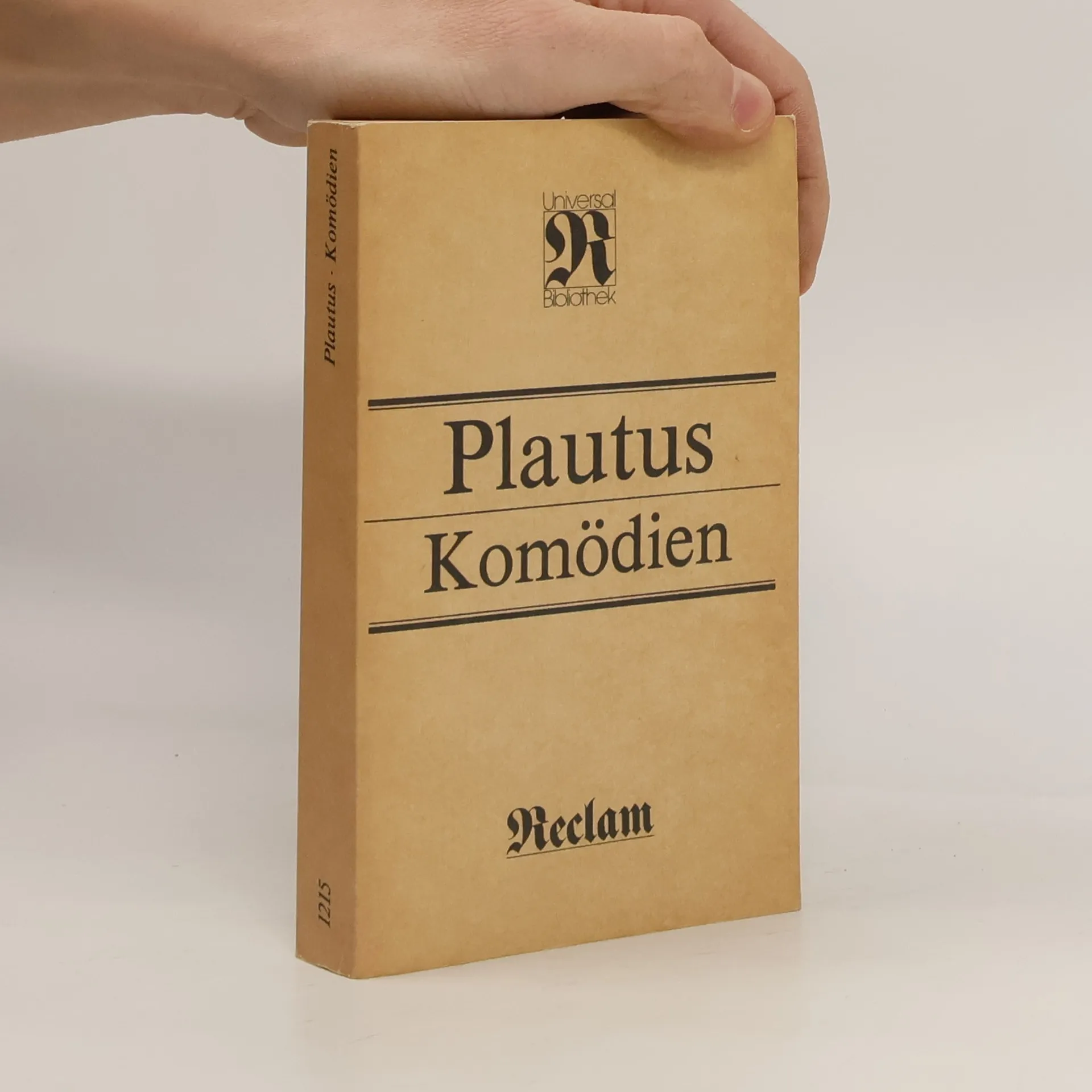
Komödien
- 479 pages
- 17 hours of reading
Le commedie
- 543 pages
- 20 hours of reading
Keine andere Figur der römischen Komödie hat in solchem Maße europäische Theatergeschichte gemacht wie Pyrgopolynices, der »miles gloriosus«, der Bramarbas, jener grotesk aufgeblasene, eitle Prahler, der von seinen Taten, seinen Vorzügen und seiner Wirkung auf die Frauen nur die allerhöchste Meinung hegt.
Molière, a pivotal figure in French comedy, honed his craft through years of acting before transitioning to playwriting. His works blend elements of Commedia dell'Arte with sophisticated French humor, showcasing his unique style. With the support of aristocrats, including Louis XIV's brother, he achieved notable success, performing at prestigious venues like the Louvre. His popular plays, including The Affected Ladies and The School for Husbands, reflect his keen observations of society and human behavior, solidifying his legacy in Western literature.
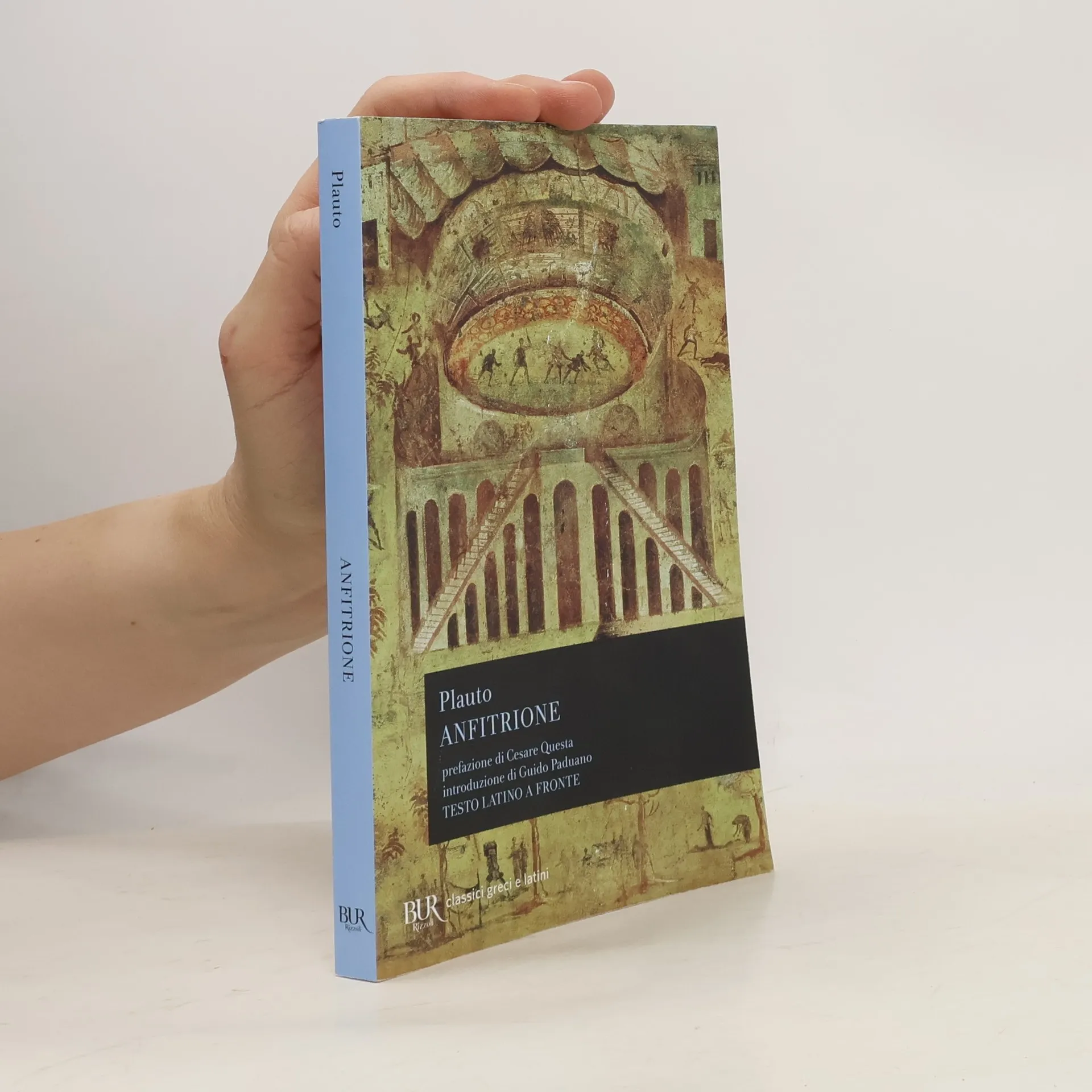
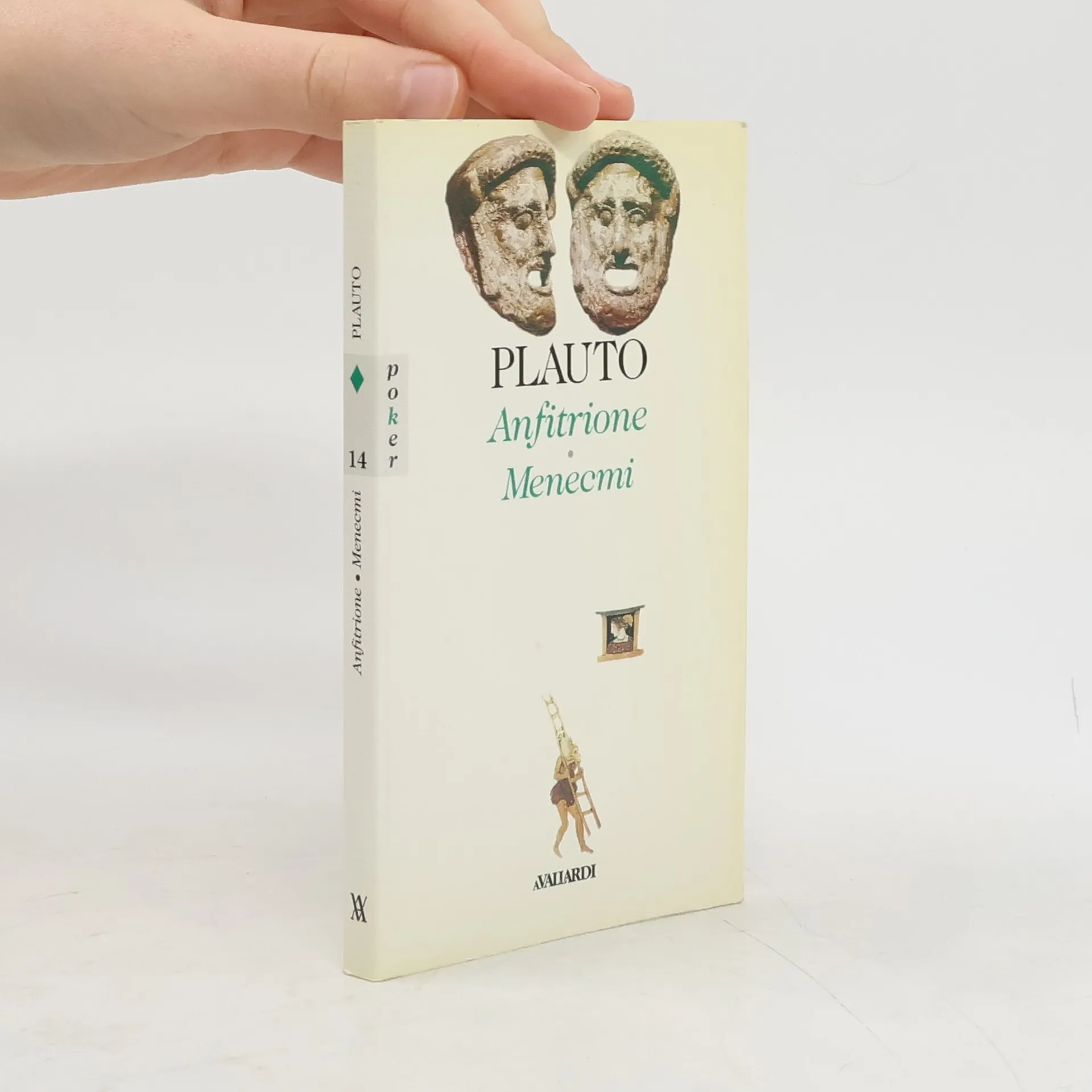
Cosa succederebbe se, tornando a casa, si venisse accolti da un altro se stesso? Il tema del doppio e la difesa della propria identità nel contrasto tra realtà e apparenza sono al centro di questa 'tragicommedia', ricca di ironia e colpi di scena che hanno ispirato autori come Molière e Kleist. Giove, innamorato della bella Alcmena, sfrutta l'assenza del marito Anfitrione per assumere le sue sembianze e passare la notte con lei. Il mattino seguente, il vero Anfitrione invia il servo Sosia per annunciare il suo ritorno dalla guerra, ma questi si imbatte nel suo 'sosia', ovvero Mercurio travestito, che sostiene il gioco di Giove. Anfitrione non crede alle parole del servo, e dopo un'esilarante interazione con il suo doppio, corre a raccontare l'accaduto al padrone. Anche Alcmena non viene creduta quando afferma di aver appena visto il marito. La situazione si complica, e solo l'intervento di Giove potrà riportare la serenità e risolvere i dubbi, conducendo a un inevitabile lieto fine. Guido Paduano esplora i temi centrali della commedia in un acuto saggio introduttivo, accompagnato da una ricca prefazione di Cesare Questa sul teatro di Plauto.
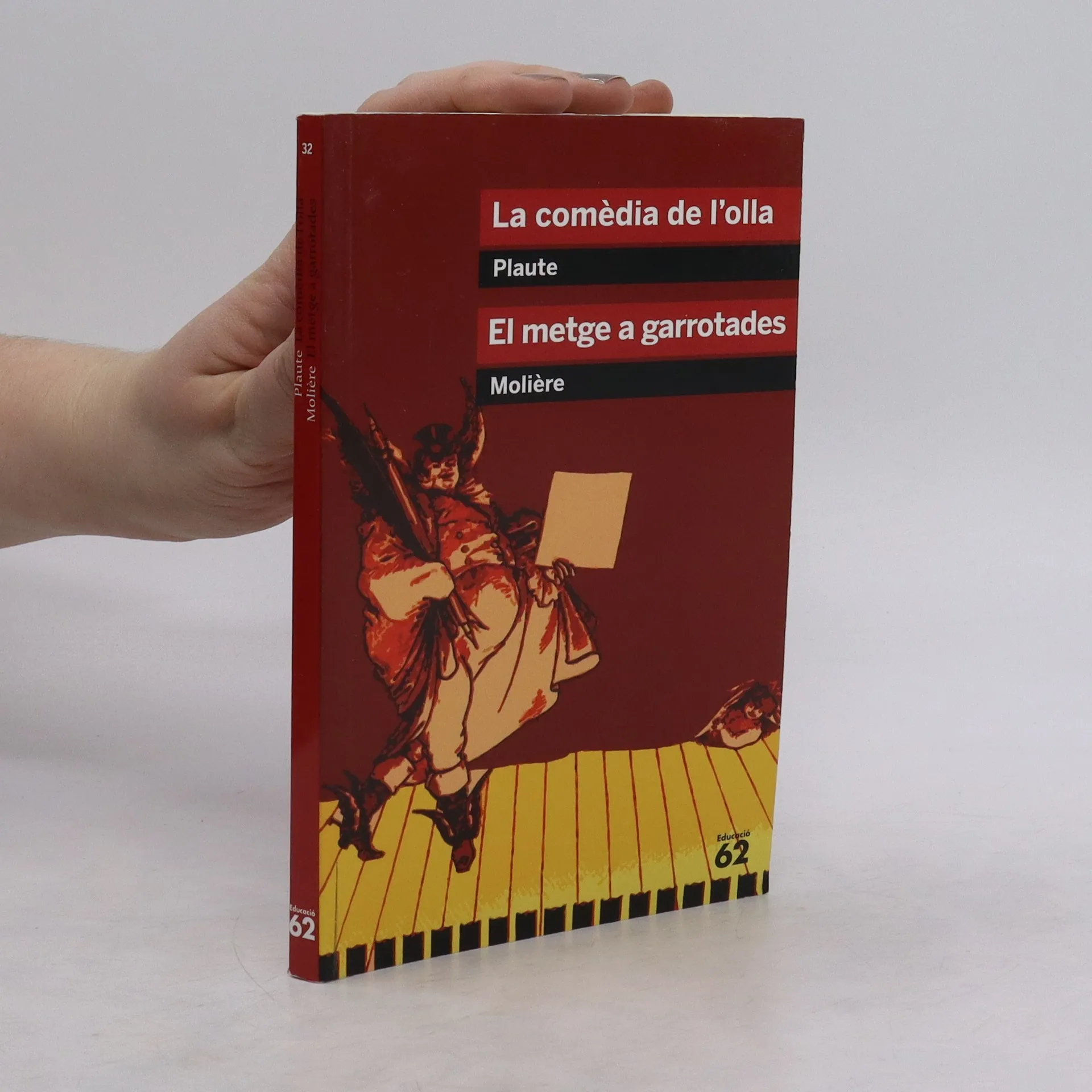
Aquest volum inclou dues obres importants de dos autors cabdals -Plaute i Molière- pertanyents a dues èpoques -la clàssica romana i la barroca francesa-, i que estan unides per una sèrie d'afinitats formals i temàtiques. Pel que respecta al gènere, l'autor romà ens ofereix un comèdia que prolonga la tradició grega de la Comèdia Nova, i pel que fa a la temàtica, ens presenta un tema que ha estat tractat per la majoria d'autors de comèdia al llarg de la història literària. Cenyint-nos a la temàtica, cal dir que totes dues tenen un fil conductor que les uneix: el tema de l'avarícia.En efecte: Plaute, a La comèdia de l'olla, presenta una síntesi entre la comèdia grega nova i elements indígenes, manllevats de la farsa itàlica. Per la seva banda, Molière, amb El metge a garrotades, ofereix una comèdia que potser més aviat mereix el qualificatiu de farsa.
Testo latino a fronte Un mercante di Siracusa perde a Taranto uno dei suoi due figli gemelli, Menecmo, e ne muore di dolore. Menecmo, allevato da un ricco mercante di Epidamno di cui ha poi ereditato le ricchezze, vive a Epidamno, ha una moglie gelosa e una bella amante, Erozio. Il fratello, chiamato anch'egli Menecmo, va a Epidamno e viene scambiato per il gemello, crede però che la causa delle strane avventure che gli capitano sia l'interesse da lui suscitano in Erozio. Intanto Menecmo primo subisce le ire della moglie gelosa e del suocero. I due fratelli infine si riconoscono e decidono di tornare insieme a Siracusa dopo aver venduto all'asta i beni e la moglie (se qualcuno la compra) di Menecmo primo.
Miles Gloriosus
- 93 pages
- 4 hours of reading
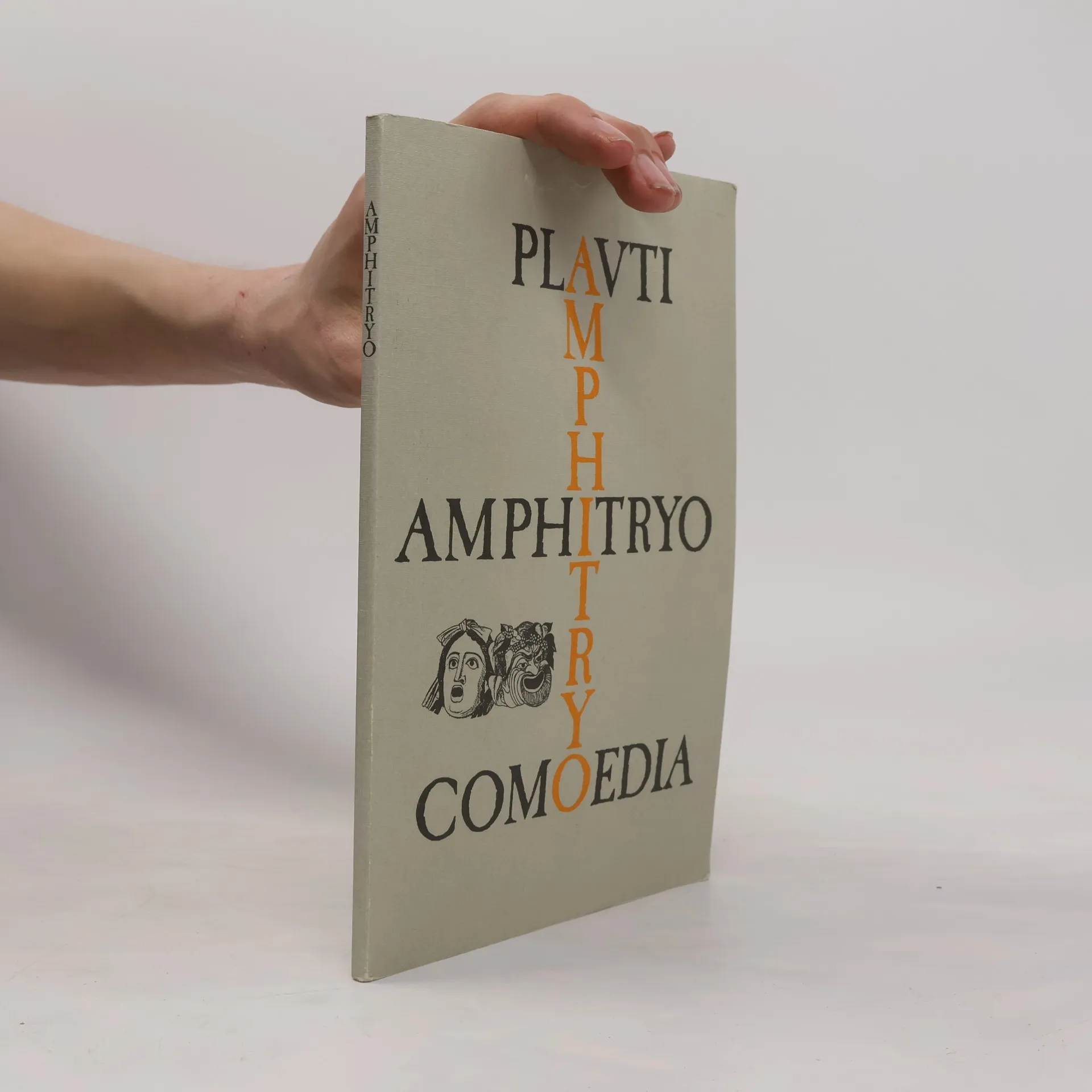
Amphitryo. Comoedia
- 84 pages
- 3 hours of reading
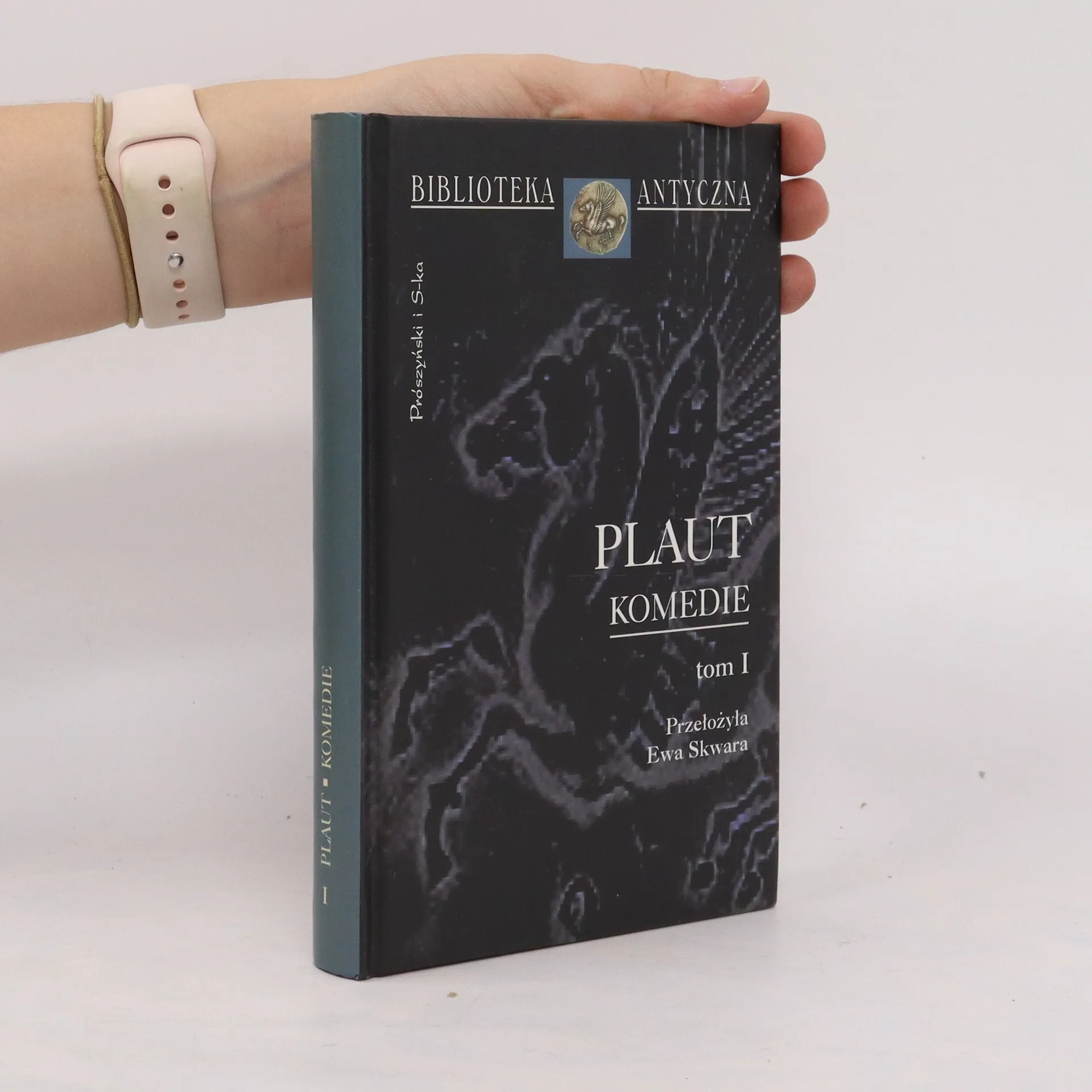
Plaut Komedie. Tom I
- 284 pages
- 10 hours of reading
Komedies
- 1070 pages
- 38 hours of reading
Vertaling van de komedies van Plautus.
Komödien 4
- 337 pages
- 12 hours of reading
Edition Antike - 3: Komödien
Curculio; Epidicus; Menaechmi; Mercator / [verantw. Bd.-Hrsg.: Martin Hose]
- 360 pages
- 13 hours of reading
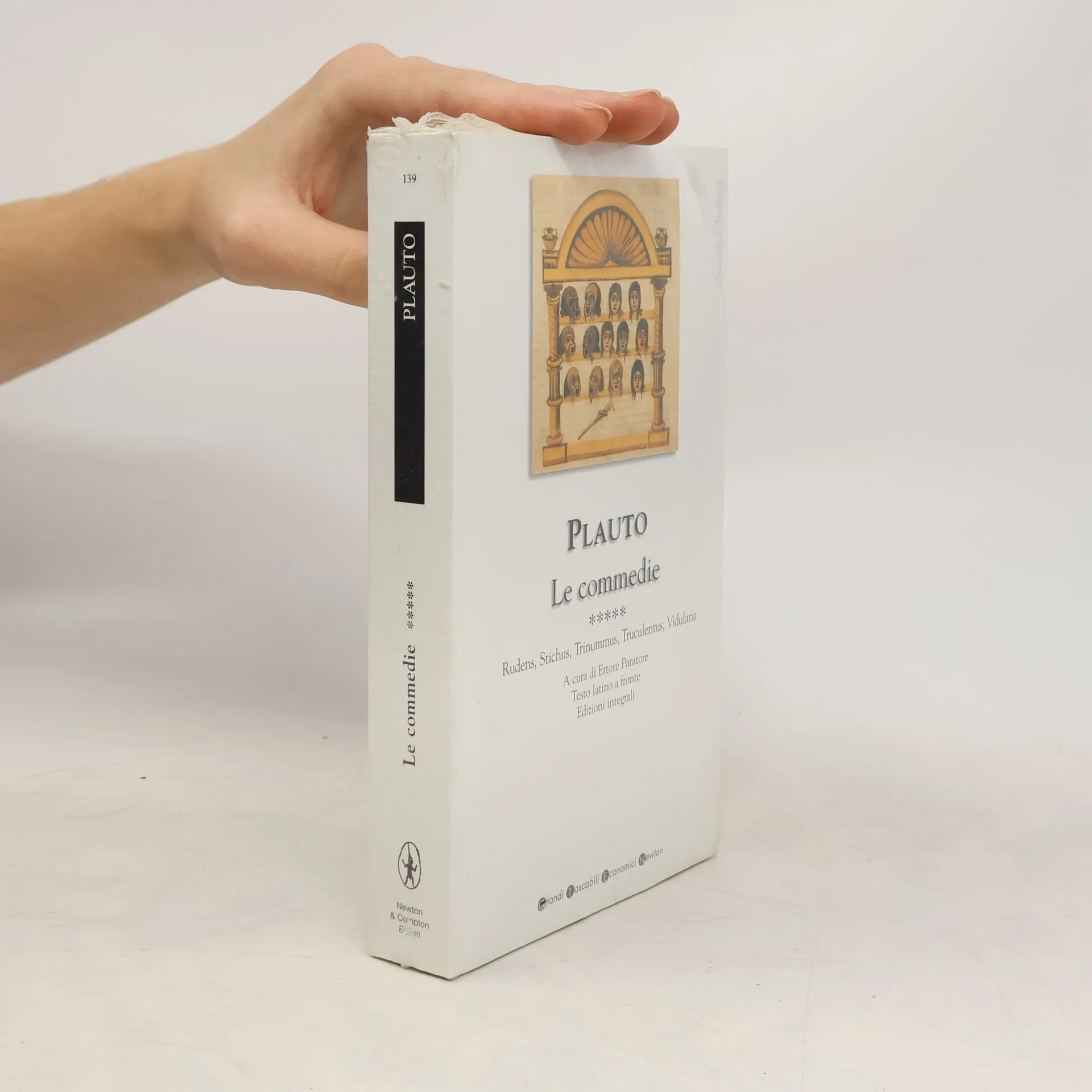
Komödien
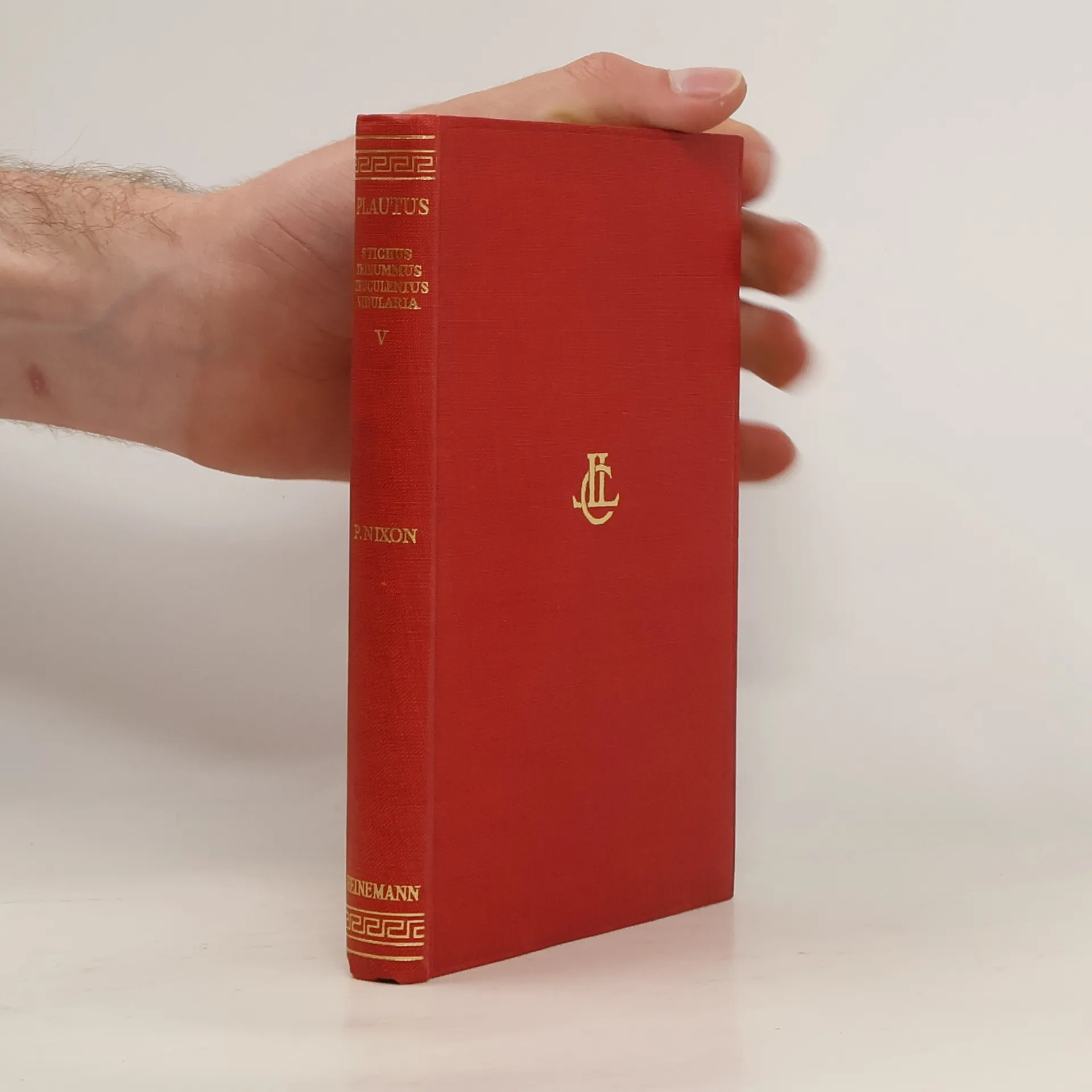
Stichus - Trinummus - Truculentus - Vidularia
Komödien 5
- 386 pages
- 14 hours of reading
Poker - 14: Anfitrione-Menecmi
- 152 pages
- 6 hours of reading
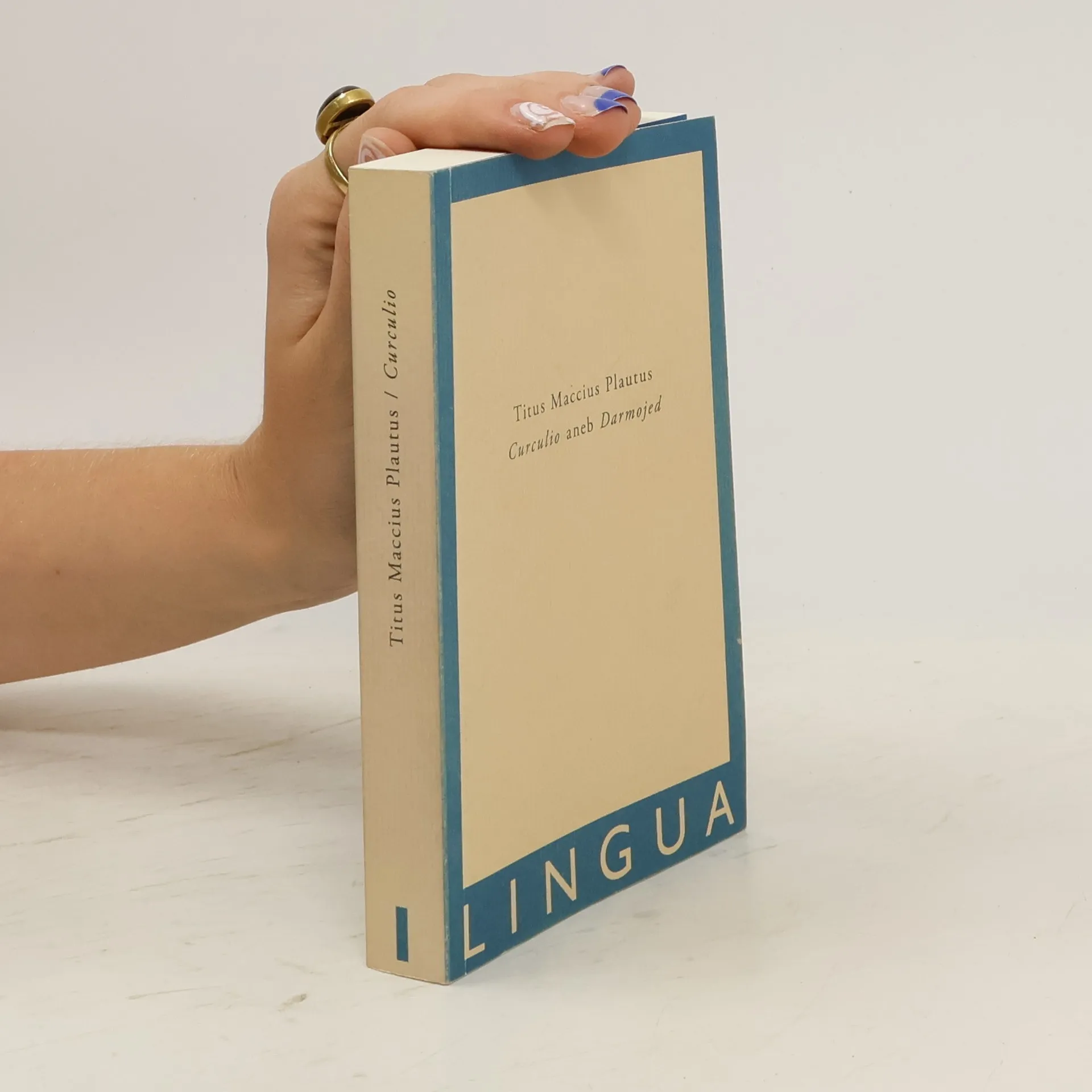
Curculio aneb Darmojed
- 282 pages
- 10 hours of reading
"Curculio, také nazývaný Klíčák, je latinská komediální hra pro rané římské divadlo od Tita Maccia Plauta. Je to nejkratší z Plautových dochovaných her."
Tuto komedii, jednu z nejhranějších her starého Říma, přeložil Vladimír Šrámek z latinského originálu.
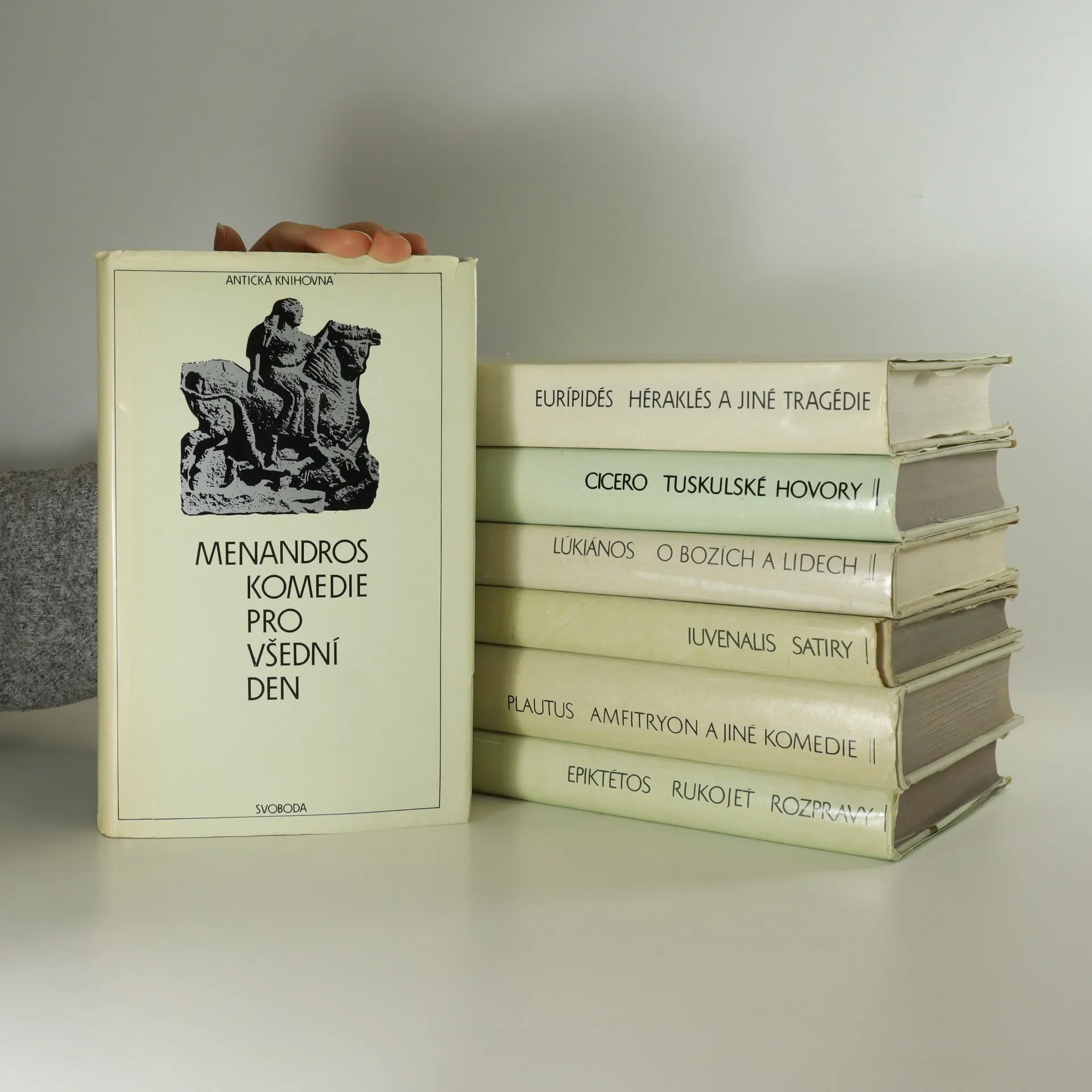
Klasik římské komedie Titus Maccius Plautus, miláček římského divadelního obecenstva, vzbudil zaslouženou pozornost už ve starověku a jeho veseloherní kusy oživovaly po staletí divadelní repertoár. Obrození zájmu o antického komediografa přínáší renesance, je překládán a vykládán humanisty, moderní evropská dramatika – Molière, Shakespeare, Holberg, Kleist, Ostrovský, Giraudoux, ale také Klicpera, Otokar Fischer, Voskovec a Werich – čerpá z Plautova díla podněty pro svou tvorbu. Tematicky čerpají Plautovy hry z bohatých zdrojů nové antické komedie. Hlavními motivy jsou překážky v lásce, osudy odložených nebo ztracených dětí, záměna podobných osob a nenadálá šťastná shledání. Plautus ovšem nakládal s řeckými předlohami velmi volně, často kontaminoval různé hry, obohatil hudební složkou komedií, především však okořenil uhlazené řecké komedie jadrným humorem římské ulice. Jeho postavy mluví šťavnatým lidovým jazykem, hýří situačním vtipem a slovními hříčkami. První plautovský svazek Antické knihovny přináší moderní české překlady sedmi Plautových komedií (Komedie o hrnci; Kasina; Amfitryon; Hra o skříňce; Komedie oslovská; Zajatci; Milenci).
Základní postavou je Štipka, otrok Anifouse, zhýralého syna Bambuluse. Když se Theopropidés vrátí po dlouhé době domů, oznámí mu otrok Tranio, že v domě straší, aby zabránil pánovu vstupu domů, kde syn zrovna hýří s přáteli a přítelkyněmi.
Autor - nejnadanější ze starořímských básníků komedií (polovina 3. stol. př. n. l.) a jeden z tvůrců světové komedie, sám herec a původem otrok, obrážel v komediích, psaných pro obecenstvo římské ulice, rozmáhající se luxusní způsob římského života i nectnosti přejímané řeckémódy. "Tlučhuba" (dosud překládán "Chlubný vojín") se odehrává v Efesu a vznikl spojením dvou řeckých předloh: komedie o oklamání otroka - hlídače pánovy milenky, a komedie o oklamání tlučhuby. Spojovací postavou je chvástavý žoldnéř, tehdy dobový typ nové antické komedie. Plautus se v něm vysmívá pochybné žoldnéřské statečnosti a morální méněcennosti námezdního vojska. Proti tomuto neustálým pochlebováním a chvástáním zhlouplému velmožovi uvádí jako hybnou sílu komedie otroka bystré inteligence a velké odvahy, nabyté léty tvrdého života, bez jehož důvtipu by se pán nedostal ze šlamastyky, do níž se zapletl svým milostným poměrem. Otrok je u Plauta nositelem pokrokových myšlenek, ať už nepřímo svou intelektuální a fysickou převahou nad pány, nebo přímo svými ironisujícími poznámkami.