Explore the latest books of this year!
Bookbot

Plautus

    Plautus was a pioneering figure in Roman comedy, whose works represent the earliest complete surviving Latin literature. His plays, known as palliata comoedia, are characterized by wit and vibrant dialogue that profoundly influenced subsequent dramatists. His distinctive style and humor establish him as a cornerstone of Roman drama. The term 'Plautine' today signifies works directly by him or those inspired by his unique theatrical legacy.

    Plautus
    Selected Plays
    Plautus II
    Plautus With an English Translation by Paul Nixon III
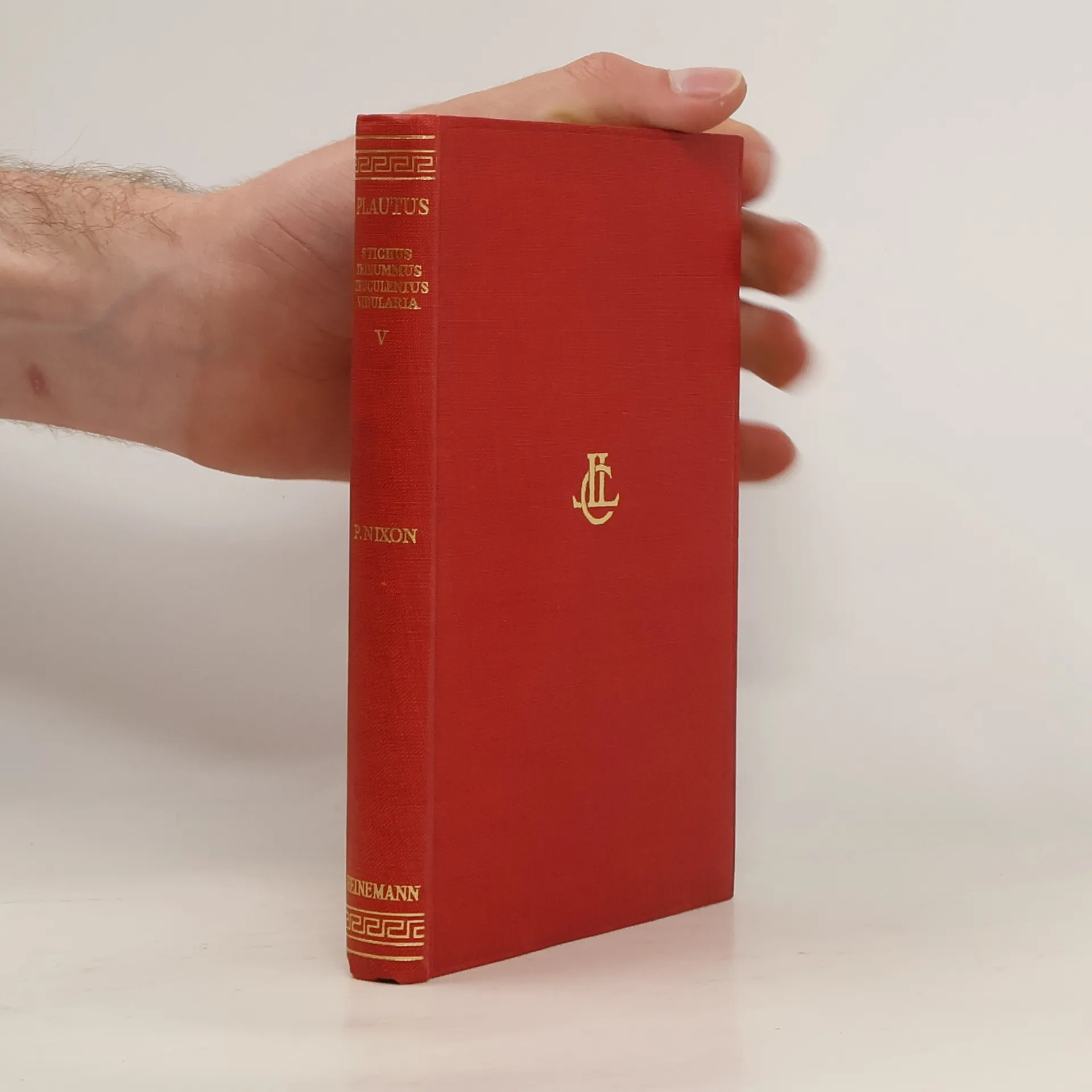
    Plautus With an English Translation by Paul Nixon V
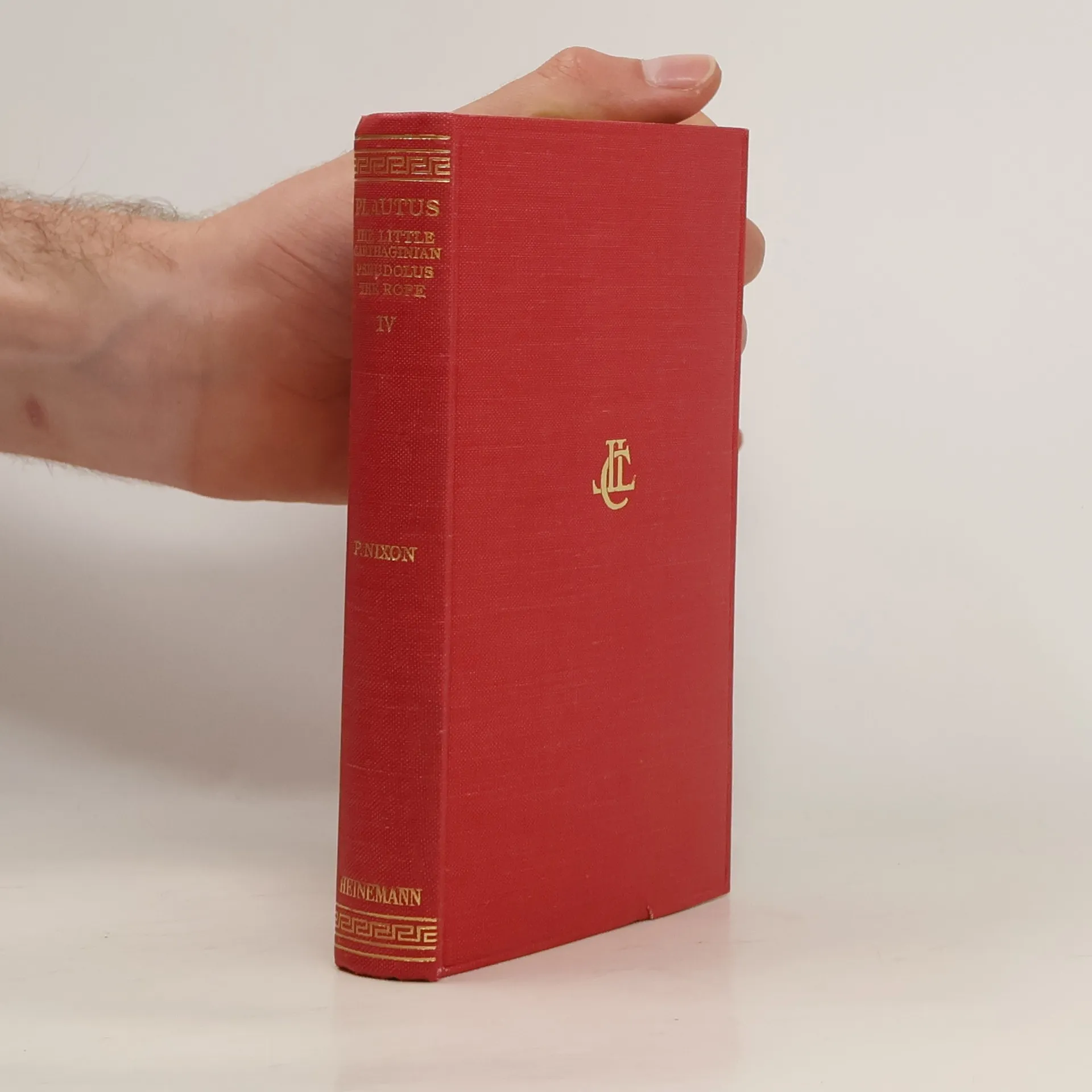
    Plautus With an English Translation by Paul Nixon IV
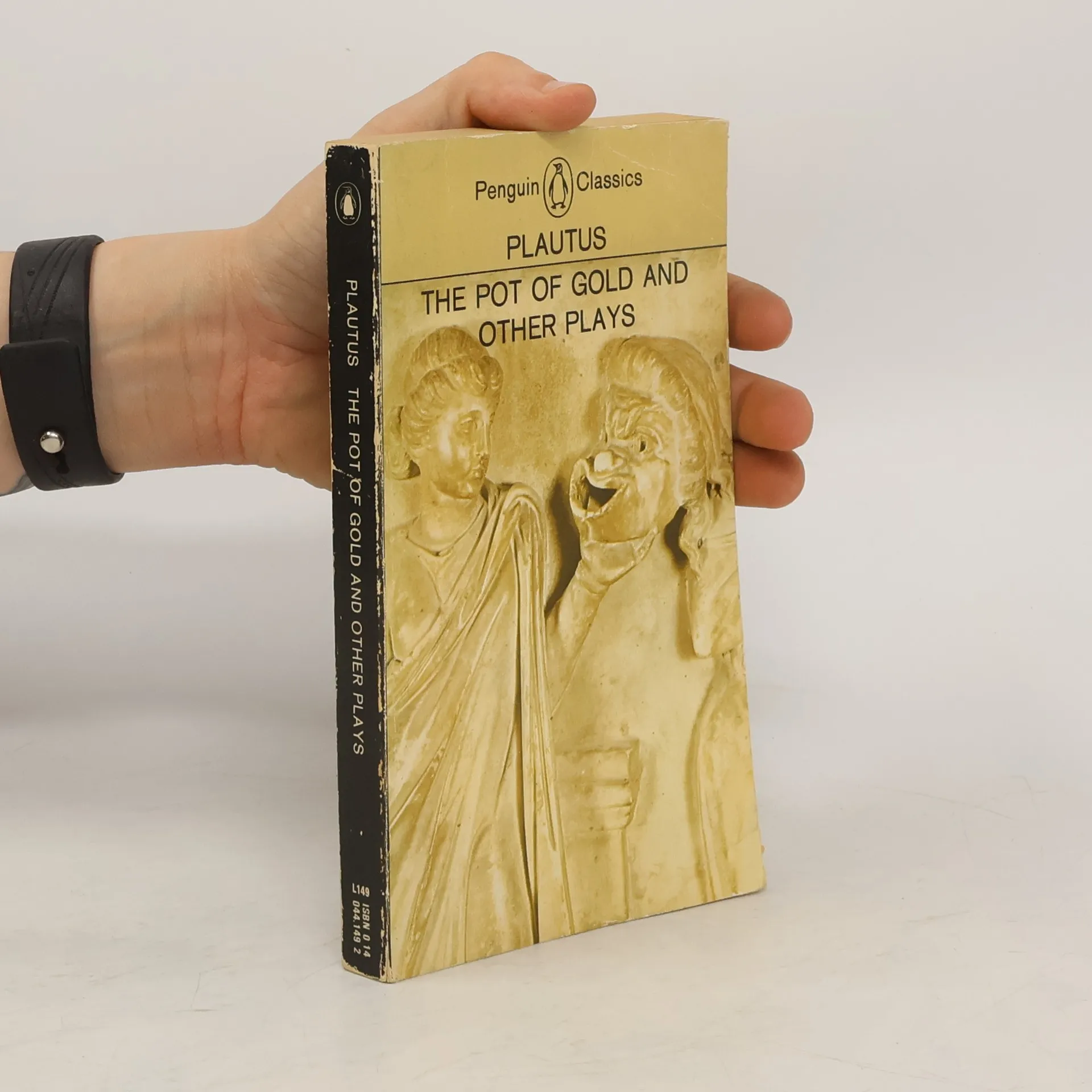
    The Pot of Gold and Other Plays
    • 2023

      The Captivi; And, Mostellaria, or The Haunted House

      in large print

      • 212 pages
      • 8 hours of reading

      Focusing on accessibility, this book is a reproduction of a historical work designed for readers with impaired vision. Published by Megali, a house dedicated to producing large print editions, it aims to enhance the reading experience for those who may struggle with standard text sizes. The commitment to preserving historical literature while making it more accessible underscores the importance of inclusivity in reading.

      The Captivi; And, Mostellaria, or The Haunted House
    • 2020

      Selected Plays

      • 380 pages
      • 14 hours of reading

      The collection showcases the comedic brilliance of Plautus, a pivotal figure in Roman theatre known for adapting Greek stories while infusing them with contemporary Roman flair. Emphasizing everyday life over philosophical themes, his plays feature early examples of slapstick humor and clever wordplay. This edition includes eight representative plays, translated by Paul Nixon and Henry Thomas Riley, highlighting Plautus's influence on future theatrical giants like Moliere and Shakespeare. It is printed on premium acid-free paper, ensuring durability.

      Selected Plays
    • 2019
    • 2009

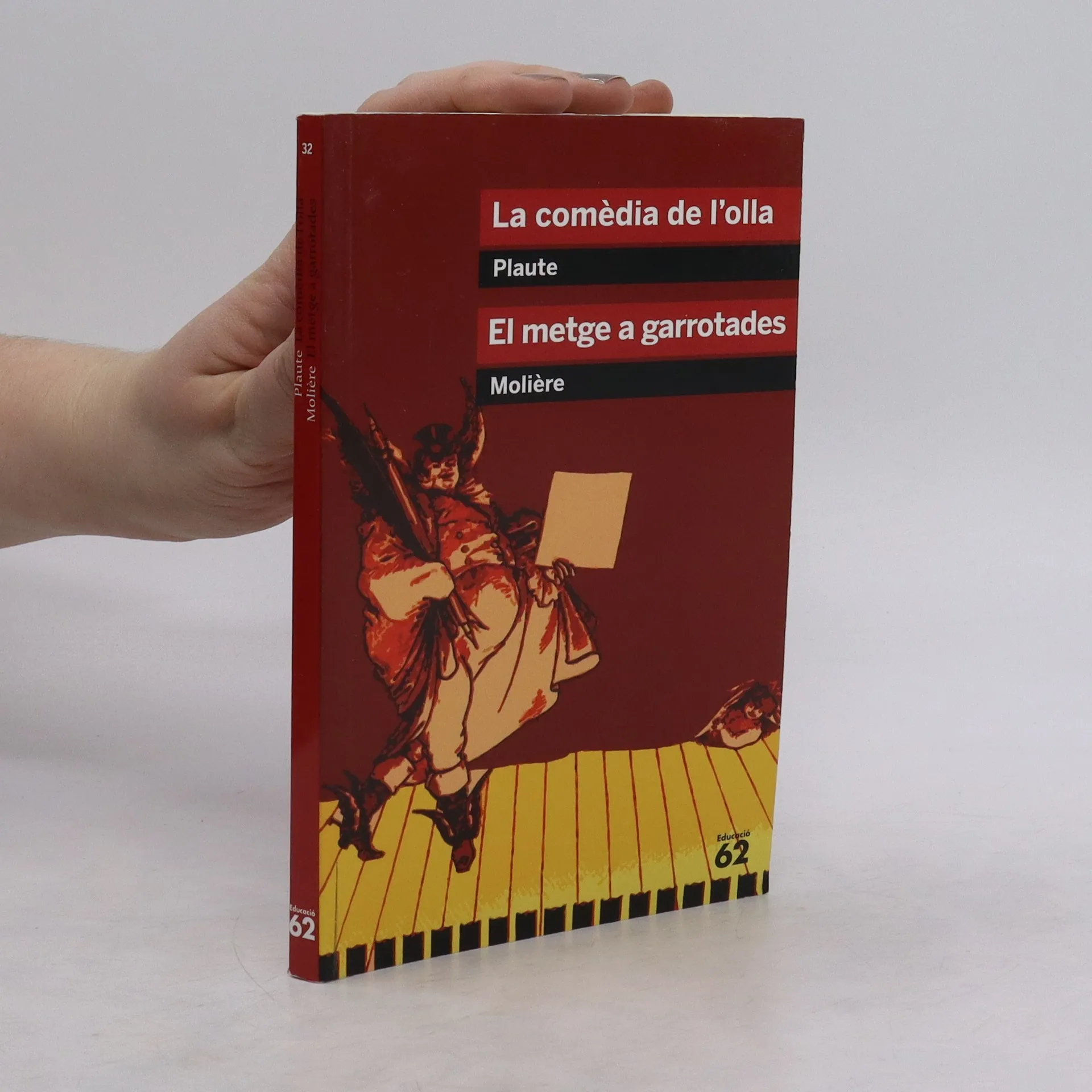
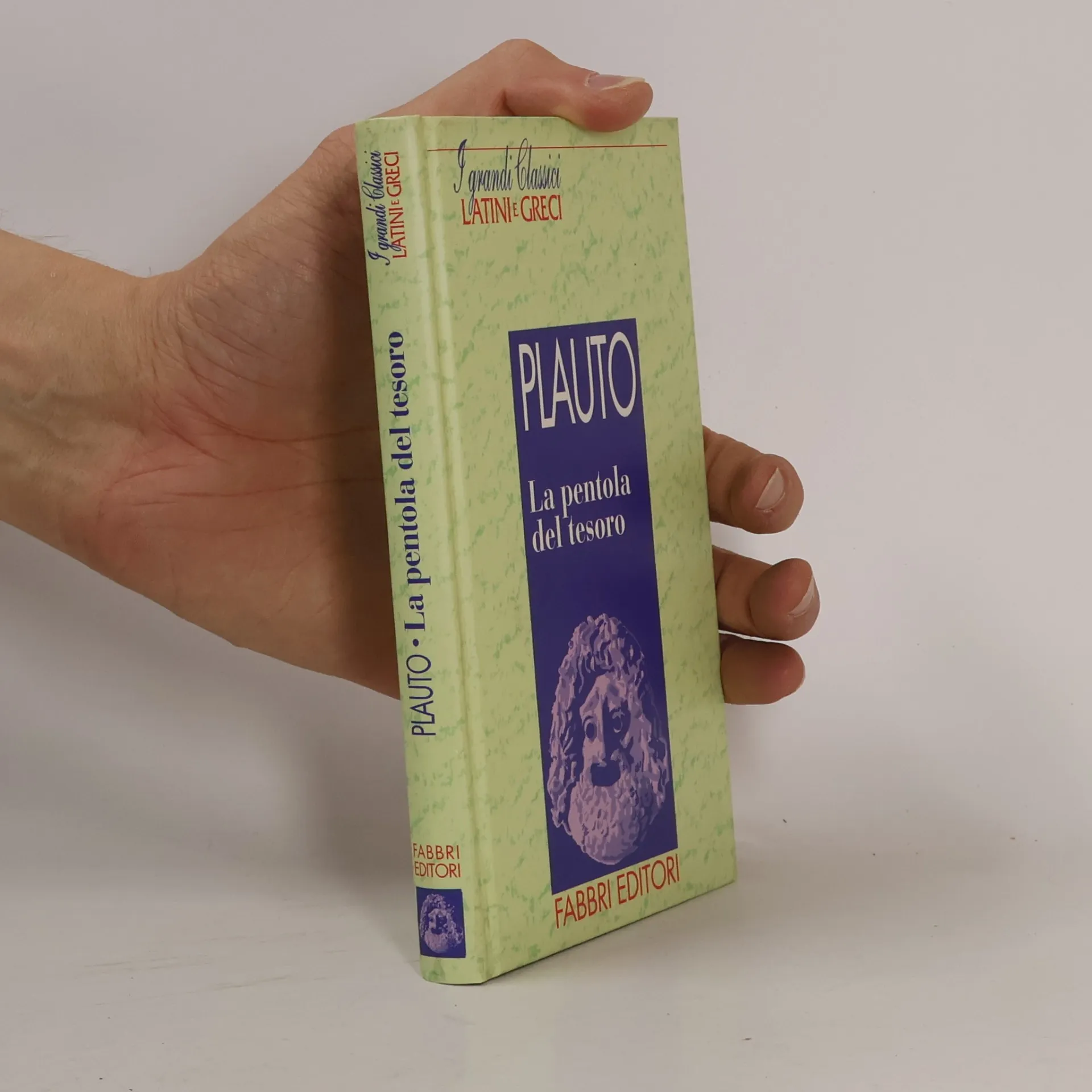
      Aquest volum inclou dues obres importants de dos autors cabdals -Plaute i Molière- pertanyents a dues èpoques -la clàssica romana i la barroca francesa-, i que estan unides per una sèrie d'afinitats formals i temàtiques. Pel que respecta al gènere, l'autor romà ens ofereix un comèdia que prolonga la tradició grega de la Comèdia Nova, i pel que fa a la temàtica, ens presenta un tema que ha estat tractat per la majoria d'autors de comèdia al llarg de la història literària. Cenyint-nos a la temàtica, cal dir que totes dues tenen un fil conductor que les uneix: el tema de l'avarícia.En efecte: Plaute, a La comèdia de l'olla, presenta una síntesi entre la comèdia grega nova i elements indígenes, manllevats de la farsa itàlica. Per la seva banda, Molière, amb El metge a garrotades, ofereix una comèdia que potser més aviat mereix el qualificatiu de farsa.

      La comèdia de l'olla. El metge a garrotades
    • 1998

      L'Avaro

      • 147 pages
      • 6 hours of reading
      4.0(18117)Add rating

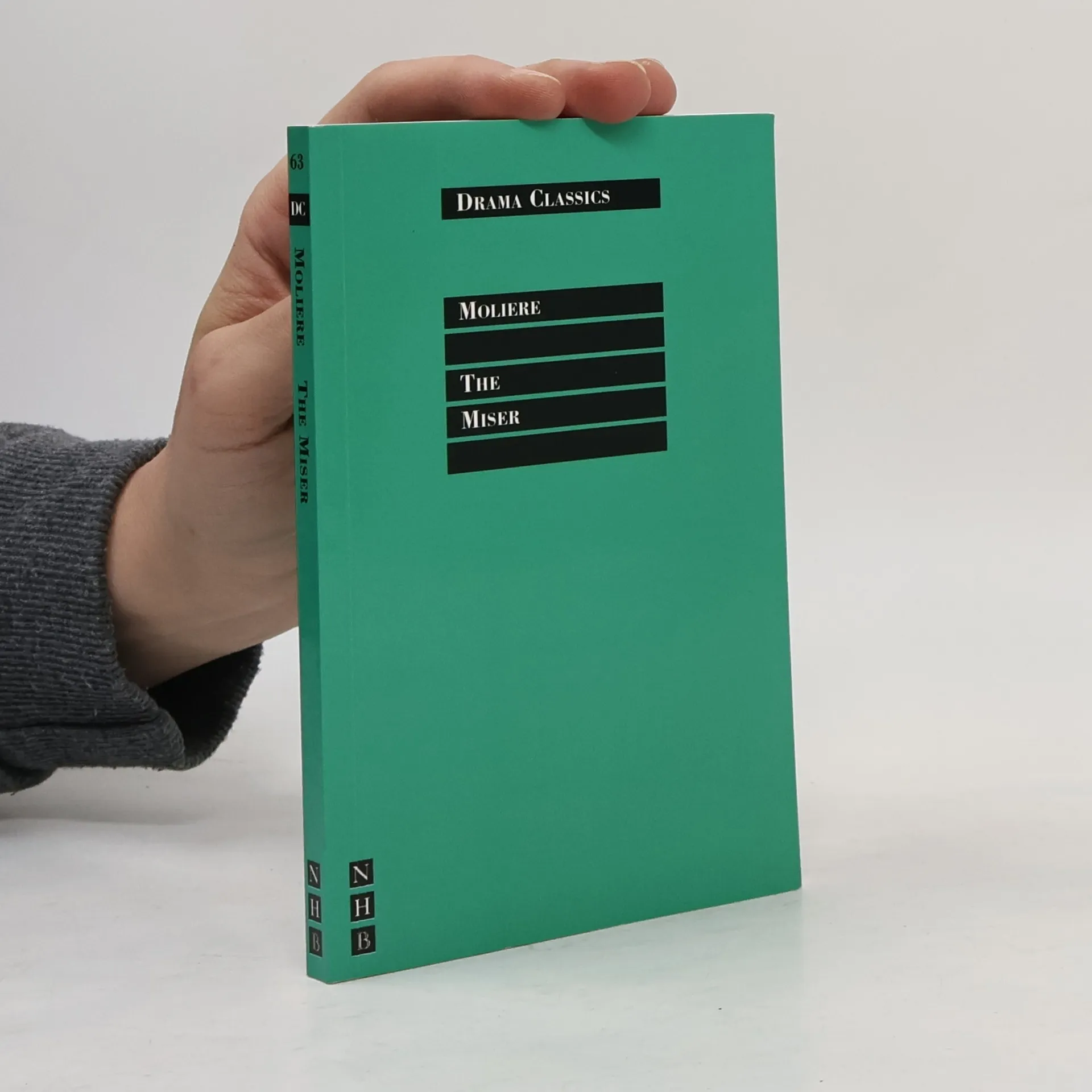
      L'Avaro è una commedia di costume tra le più rappresentate e il suo Arpagone è uno dei ruoli più ambiti dagli attori. Autoritario, assertore del proprio sfrenato egoismo, personaggio vivo e concreto, suscita larghe risate ma induce anche amare riflessioni sulla sua passione devastatrice, che soffoca ogni altro sentimento e acceca la coscienza. Pianificando la vita dei suoi due figli secondo il proprio tornaconto, Arpagone alimenta in loro l'odio e il raggiro. Contro questo dispotismo da padre-padrone Molière si scaglia con forza e profonda convinzione. Testo a fronte.

      L'Avaro
    • 1996

      Aulularia

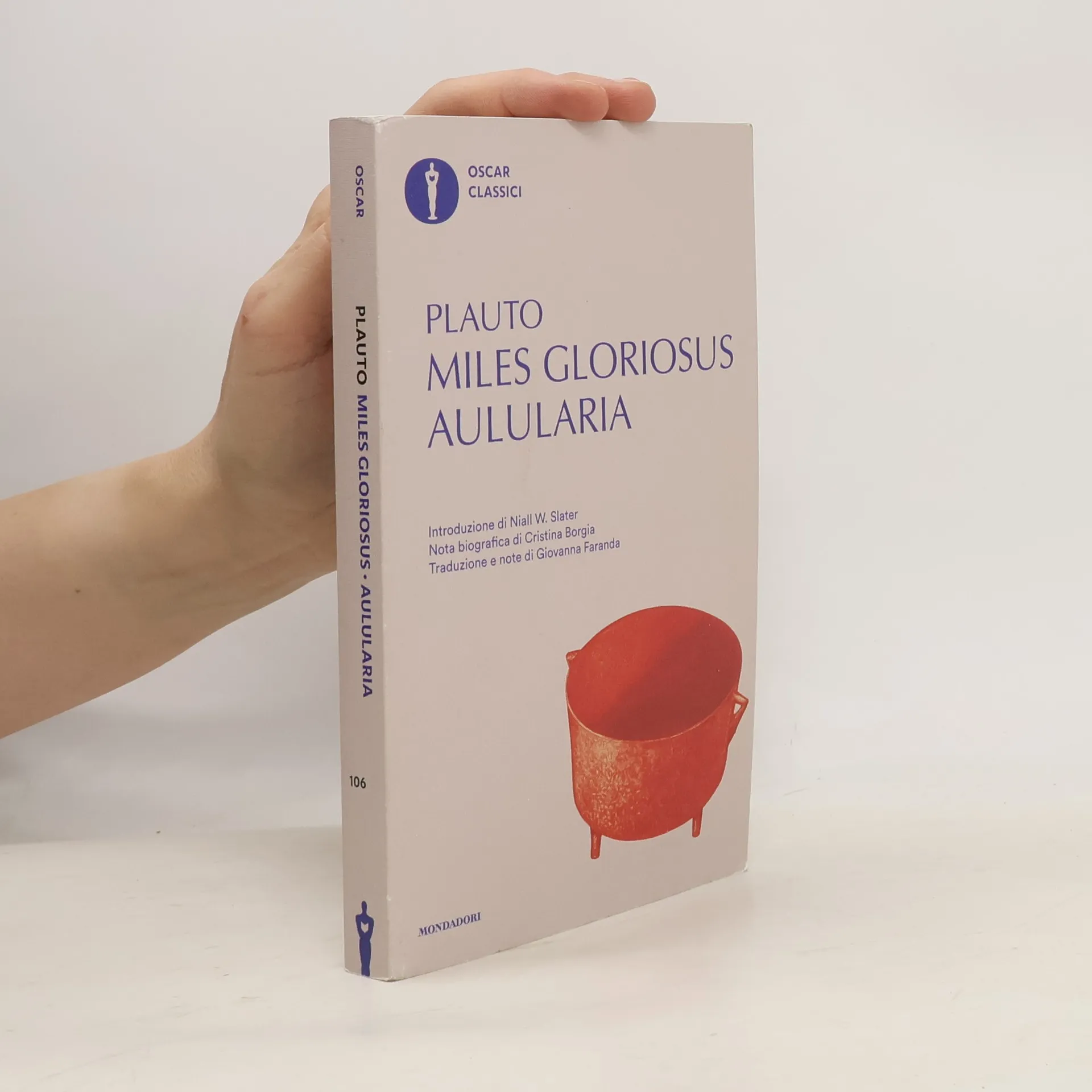
      Miles gloriosus. Mostellaria

      • 382 pages
      • 14 hours of reading

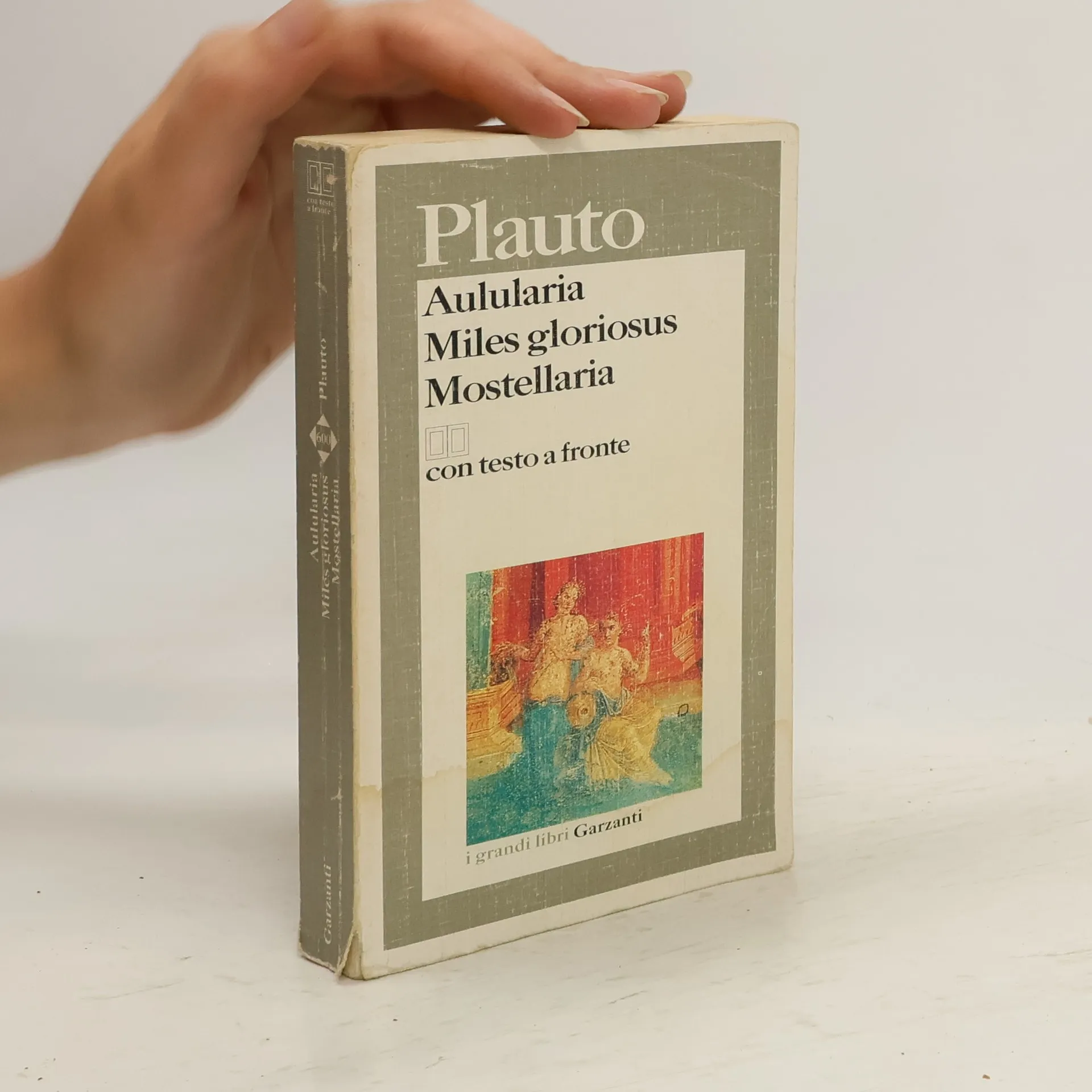
      Pregio di Plauto è la sua prodigiosa ricchezza linguistica: i giochi di parole, le assonanze, i doppi sensi; le espressioni che spaziano dall’arcaico al neologismo, dalle deformazioni grottesche a volgarità che oggi si direbbero surreali; la magistrale padronanza delle possibilità musicali della parola, lo scoppiettante incalzare dei dialoghi. Tutto questo, insieme alla comicità esplicita e prepotente e alla rapidità del movimento scenico, comunica alle commedie plautine una verve irresistibile. Il teatro di Plauto è stato un importante modello per quello rinascimentale e per la successiva commedia dell’arte, fornendo una galleria di “tipi” e di situazioni cui hanno attinto, nei secoli, autori italiani e anche europei.
      Aulularia
    • 1994