
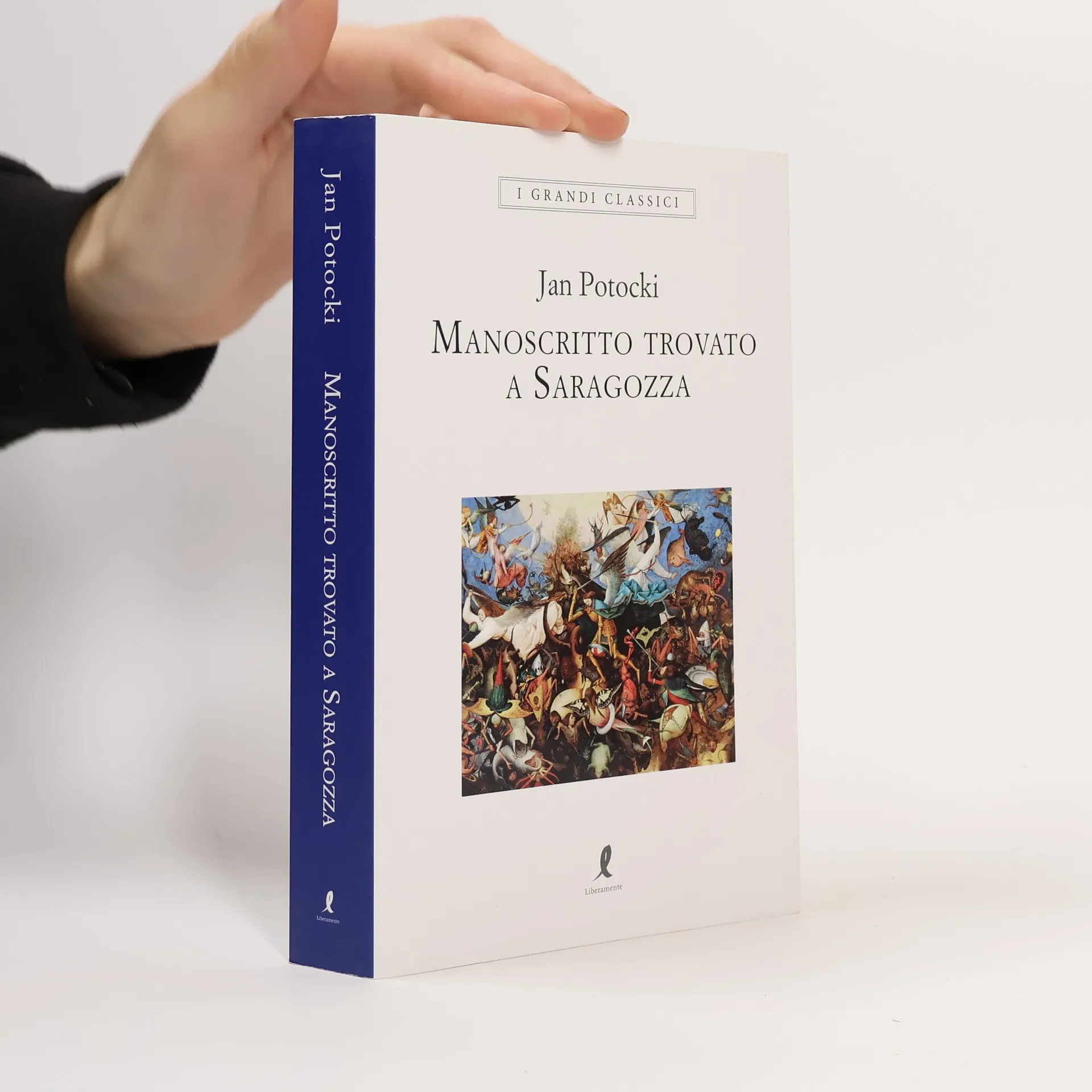
«Discendente di un’illustre famiglia polacca, contemporaneo di grandi avvenimenti, cui talvolta prese anche parte direttamente, il conte Jan Potocki (1761-1815) acquista durante la sua vita una strana reputazione di eccentrico e di erudito. Sale in pallone con l’aeronauta Blanchard, impresa di minore importanza ma di maggior eco che non quella di annotare, per primo, il linguaggio segreto dei principi circassi... Frequenta i salotti parigini d’avanguardia e in seguito si lega coi Giacobini... Prima di darsi una morte orribile, porta a termine un lungo romanzo pieno di estro che lascia quasi completamente inedito... Nel 1958 la prima parte dell’opera, intitolata Manoscritto trovato a Saragozza, viene ritrovata e pubblicata... Se ne trova improvvisamente arricchita la letteratura fantastica del mondo intero, di cui questo testo, indipendentemente dai suoi altri meriti, costituisce un esempio tra i più alti» (Roger Caillois).
Werner Creutziger Book order (chronological)


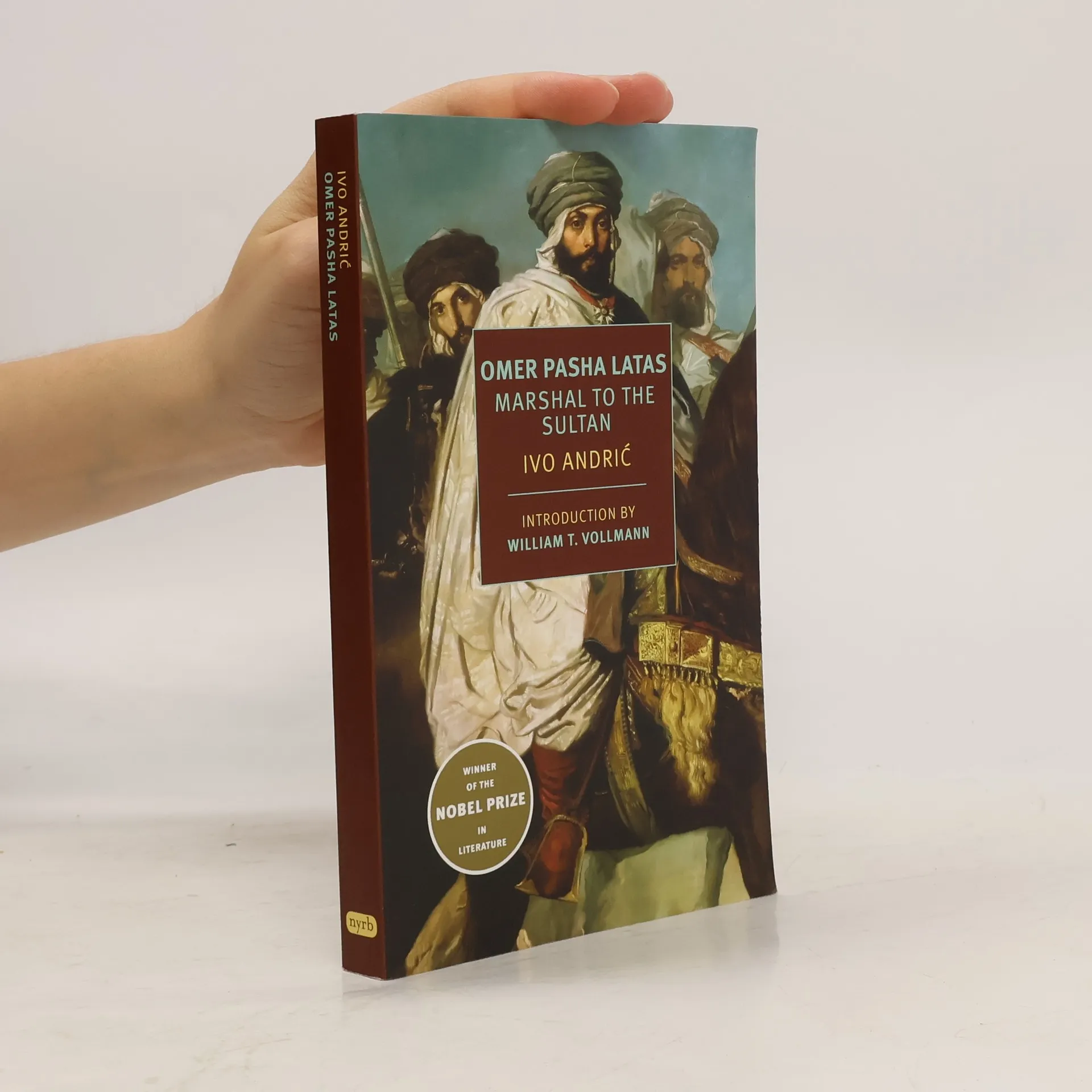
Omer Pasha Latas
- 273 pages
- 10 hours of reading
A sweeping epic by Nobel Prize-winner Ivo Andrić about power, identity, and Islam set in 19th-century Ottoman Bosnia and Istanbul. Omer Pasha Latas is set in nineteenth-century Sarajevo, where Muslims and Christians live in uneasy proximity while entertaining a common resentment of faraway Ottoman rule. Omer is the seraskier, commander in chief of the Sultan’s armies, and as the book begins he arrives from Istanbul, dispatched to bring Sarajevo’s landowners to heel, a task that he accomplishes with his usual ferocity and efficiency. And yet the seraskier’s expedition to Bosnia is a time of reckoning for him as well: he was born in the Balkans, a Serb and a subject of the Austro-Hungarian Empire, a bright boy who escaped his father’s financial disgrace by running away and converting to Islam. Now, at the height of his power, he heads an army of misfits, adventurers, and outcasts from across Europe and Asia, and yet wherever he goes he remains a stranger. Ivo Andrić, who won the Nobel Prize in 1961, is a spellbinding storyteller and a magnificent stylist, and here, in his final novel, he surrounds his enigmatic central figure with many vivid and fascinating minor characters, lost souls and hopeless dreamers all, in a world that is slowly sliding towards disaster. Omer Pasha Latas combines the leisurely melancholy of Joseph Roth’s The Radetzky March with the stark fatalism of an old ballad.