Independent and spirited Bathsheba Everdene has come to Weatherbury to take up her position as a farmer on the largest estate in the area. Her bold presence draws three very different suitors: the gentleman-farmer Boldwood, soldier-seducer Sergeant Troy and the devoted shepherd Gabriel Oak. Each, in contrasting ways, unsettles her decisions.
Adam Hook Books
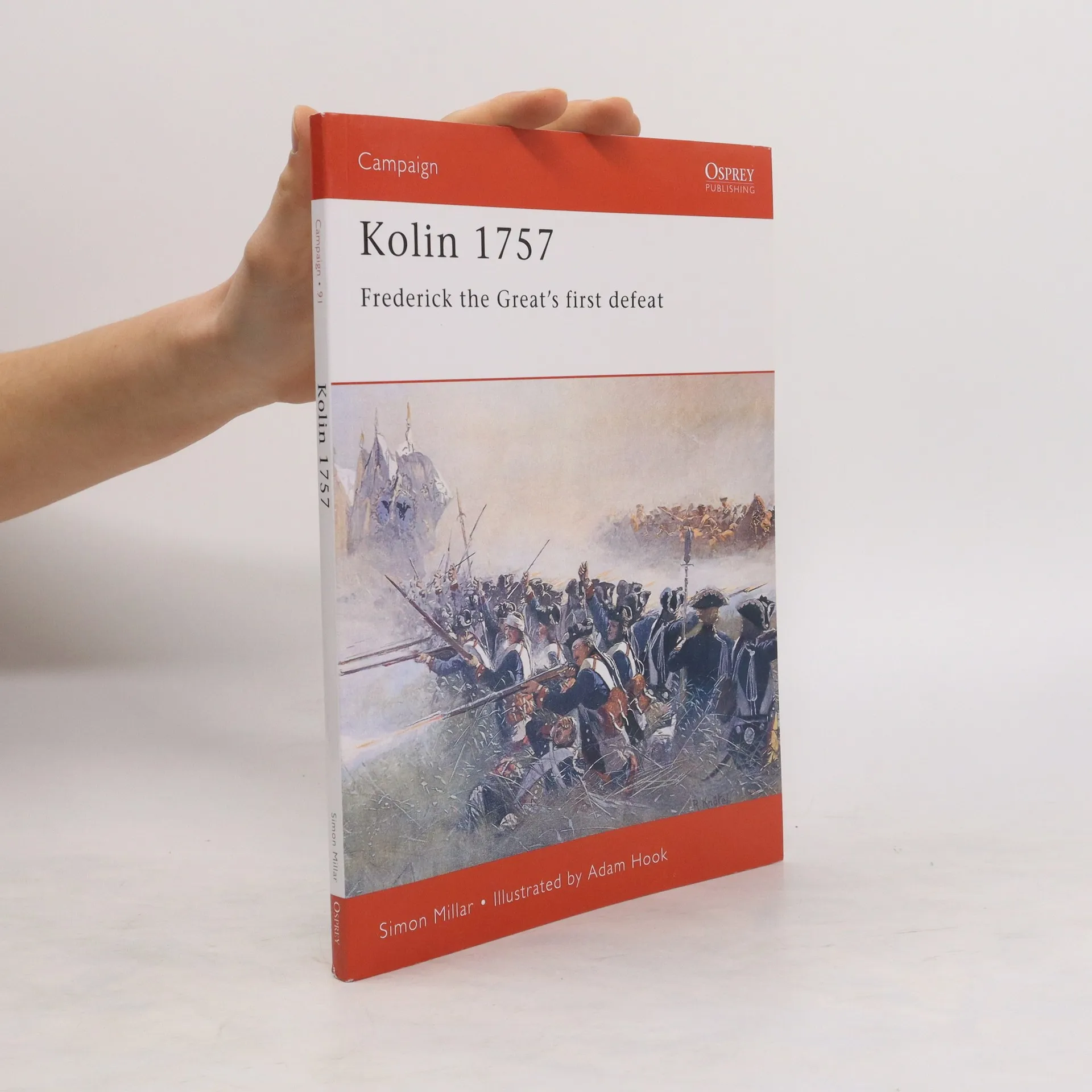
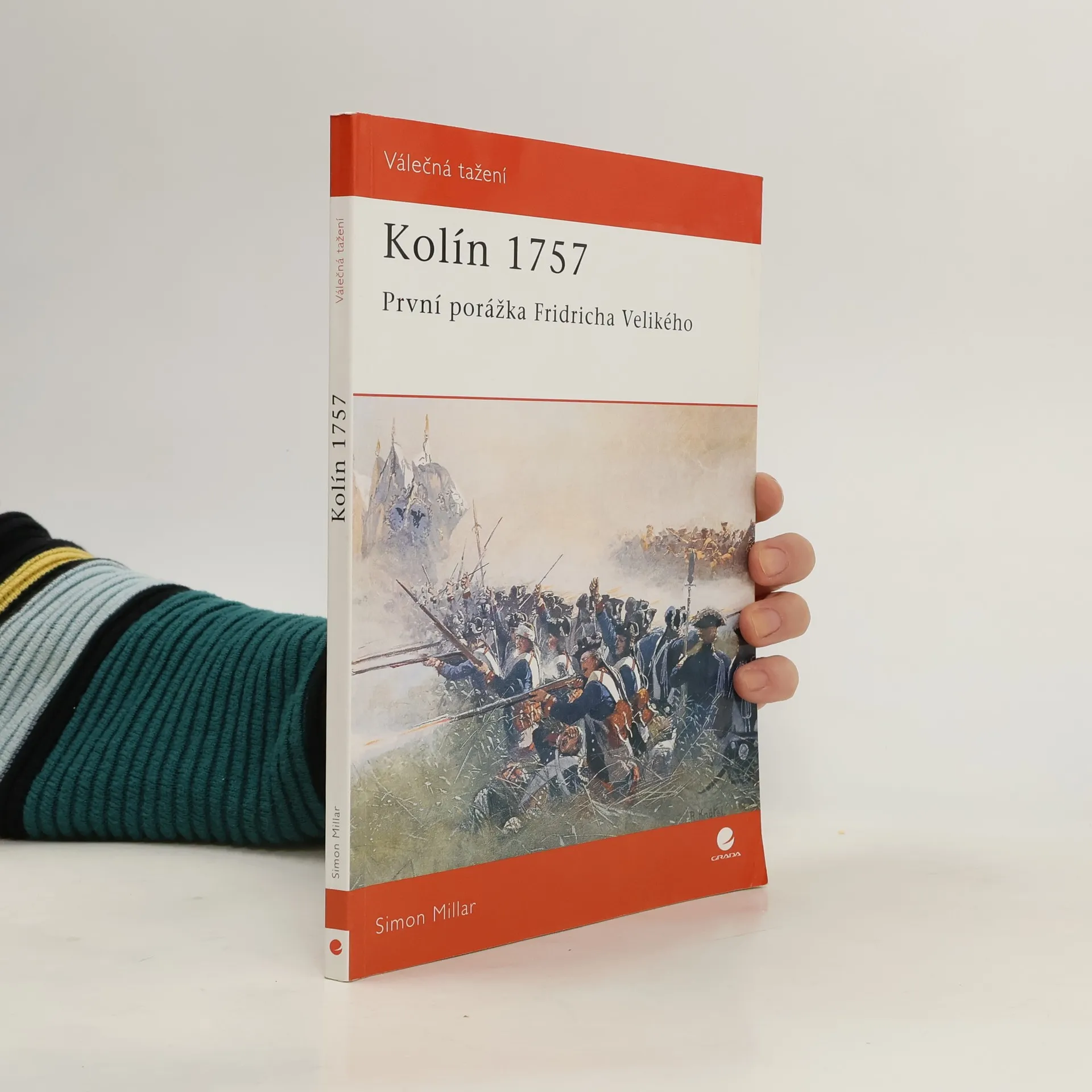
Kolin 1757. Frederick the Great's First Defeat
- 96 pages
- 4 hours of reading
Osprey's examination of the highly devastating battle of the Seven Years' War (1756-1763). In May of 1757 Frederick the Great invaded Bohemia, smashed an Austrian army outside Prague and bottled it up in the city. The Empress Maria Theresa despatched Marshal Daun with 60,000 men to save the Empire's second city. Frederick had won a string of victories over the Austrians and was convinced his men would always triumph. Although outnumbered he attacked, but the Austrians were waiting. His army was defeated and forced to withdraw. As his veterans commented, 'they were not the same old Austrians at all'. Simon Millar shows how Frederick's overconfidence proved his undoing at Kolin.
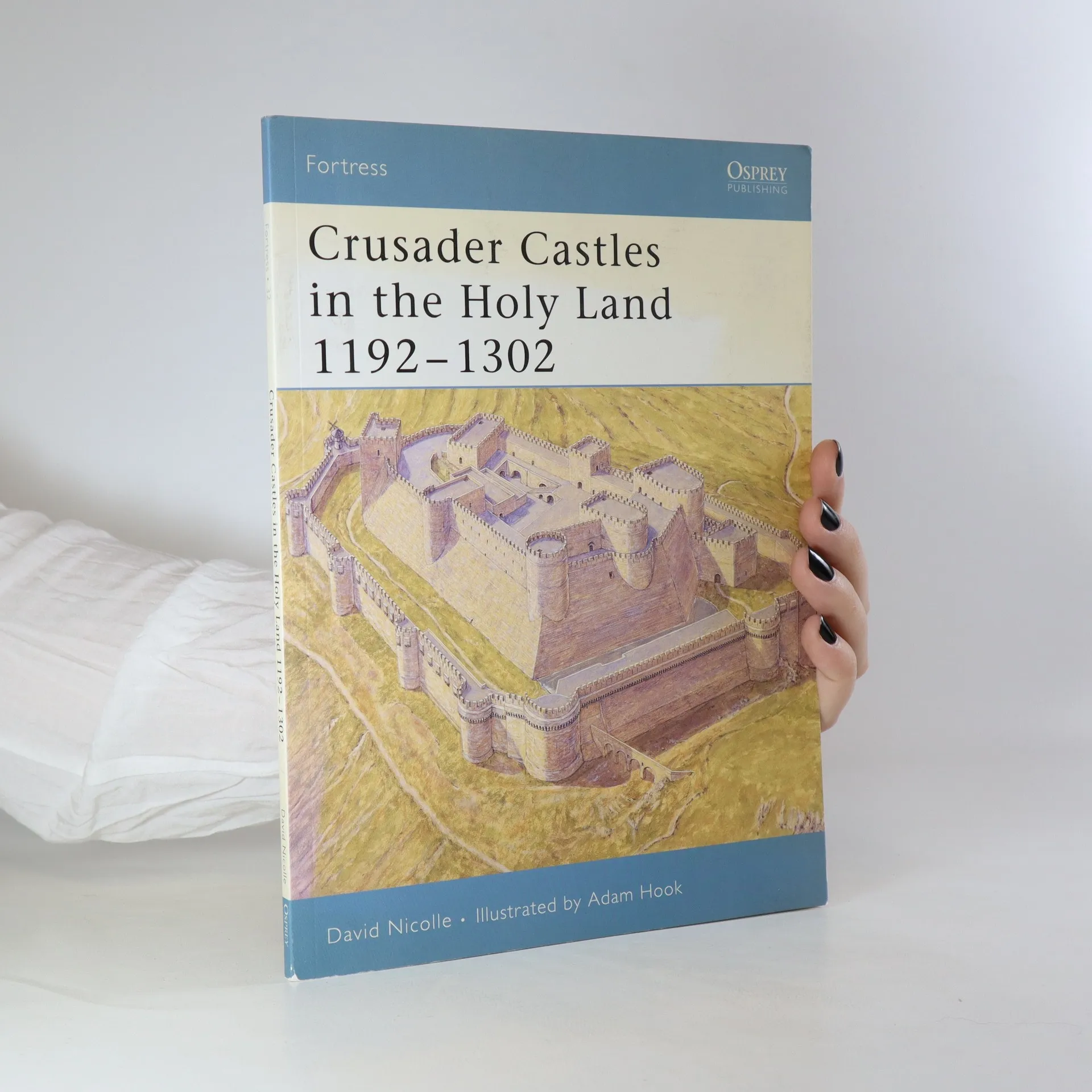
Crusader castles in the Holy Land 1192-1302
- 64 pages
- 3 hours of reading
After the Second Crusade in 1148 the Crusader States embarked on a period of caution and consolidation and, in an increasingly hostile environment, began strengthening existing fortifications and building new castles.
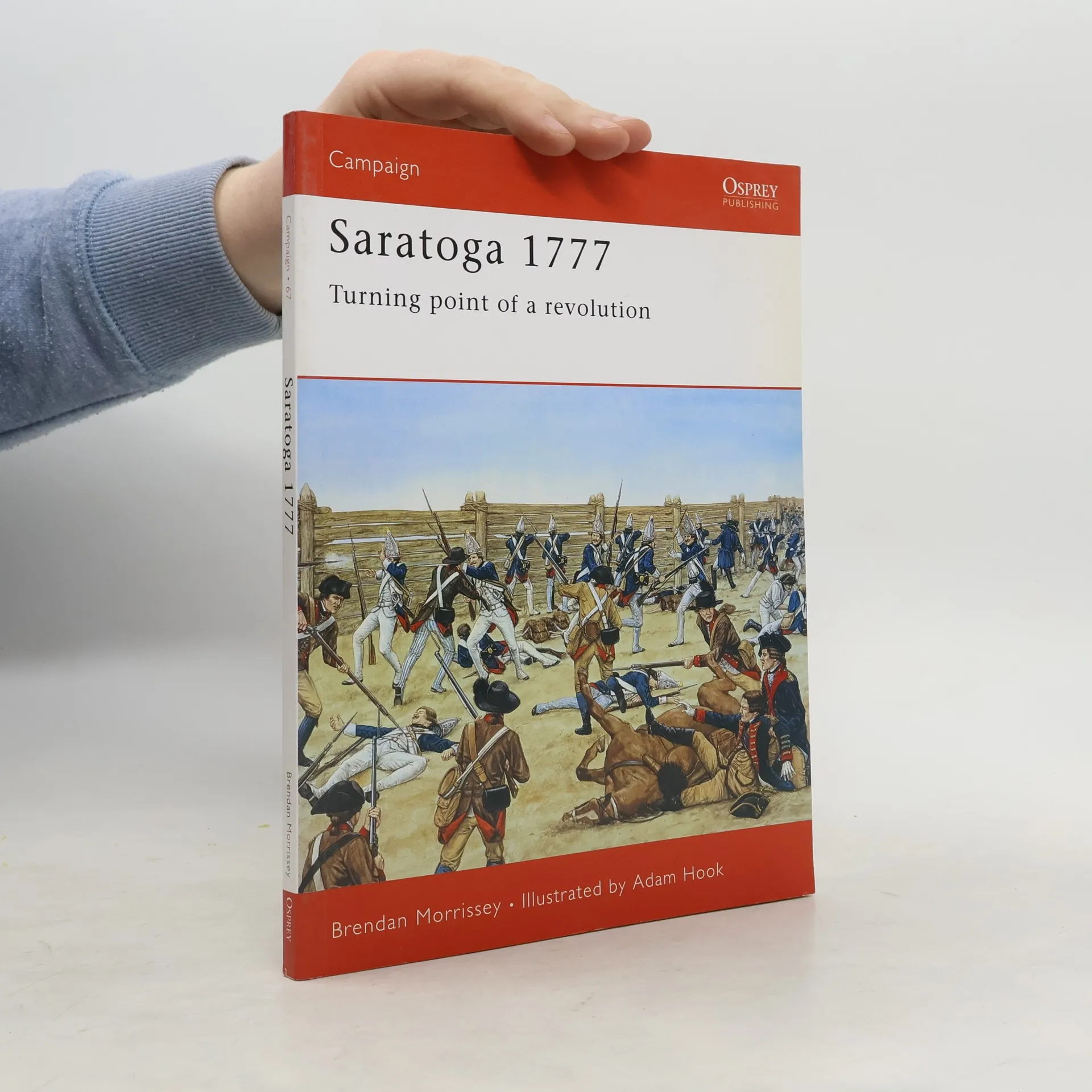
Osprey's examination of the Saratoga campaign, which was a watershed, and is widely believed to have been the turning point of the American War of Independence (1775-1783). For the first time British regulars were beaten in open battle by equal numbers of Americans. The Continentals bore the brunt of the fighting, supported by 'hordes' of militia who proved adept at attacking detachments or lines of communication.The after-shock in America (on both sides) and Europe transformed a civil war into a global struggle against the two colonial superpowers of the day, France and Spain, and eventually lost George III his American colonies.
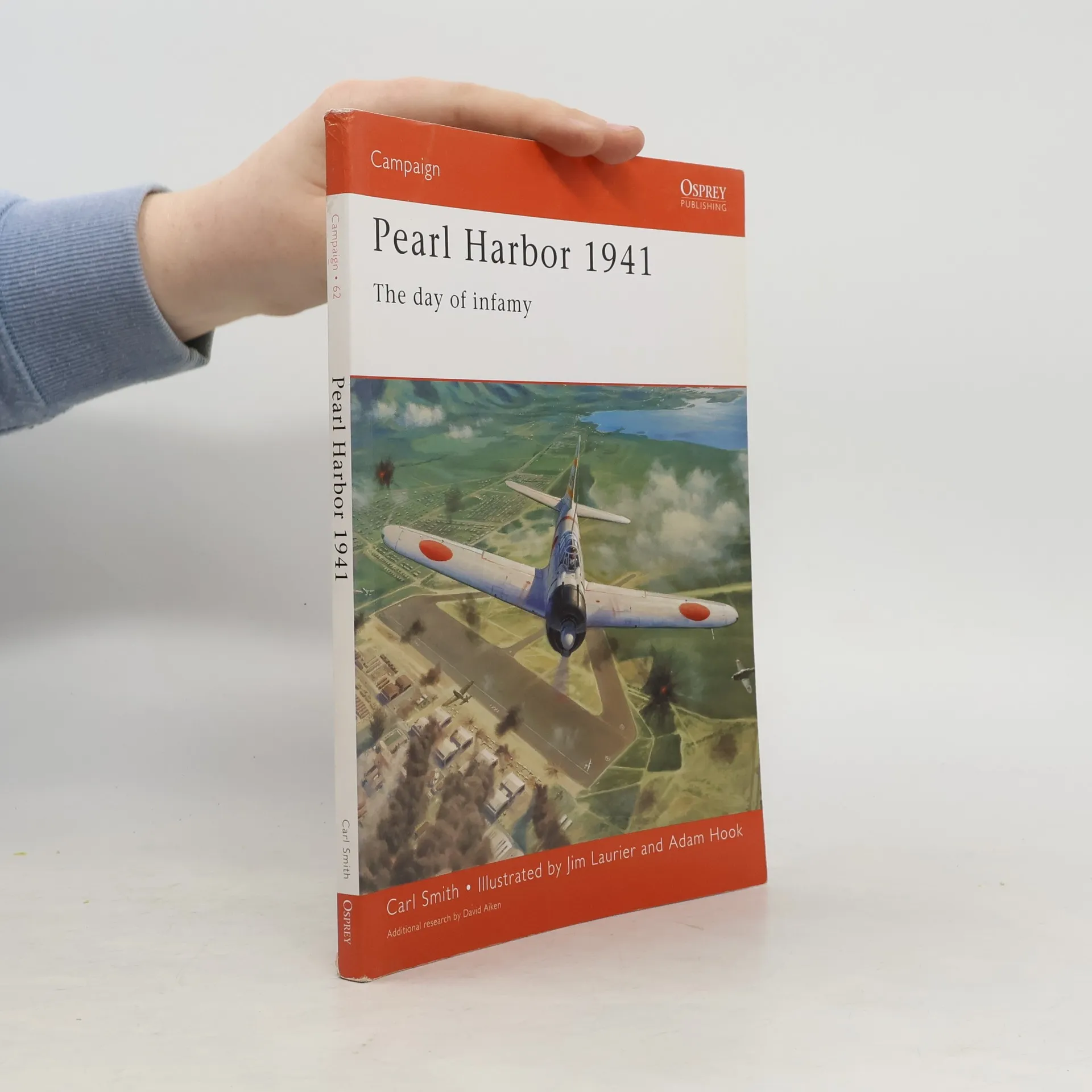
December 7, 1941 was one of the single most decisive days of World War II (1939-1945) - the day that brought the USA into the fight. Six Japanese aircraft carriers disgorged their full complements in two waves on the superior US Pacific Fleet as it lay slumbering in Pearl Harbor. Depending on opposing viewpoints, the attack was either a brilliant maneuver of audacious strategy, or a piece of unparalleled villainy and deception by a supposedly friendly power. This revised edition, containing the latest research on the events of December 7, 1941, reveals several previously unknown aspects of the attack and dispels key myths that have been built up around the fateful day - a day, as Franklin Delano Roosevelt declared, that would "live in infamy".
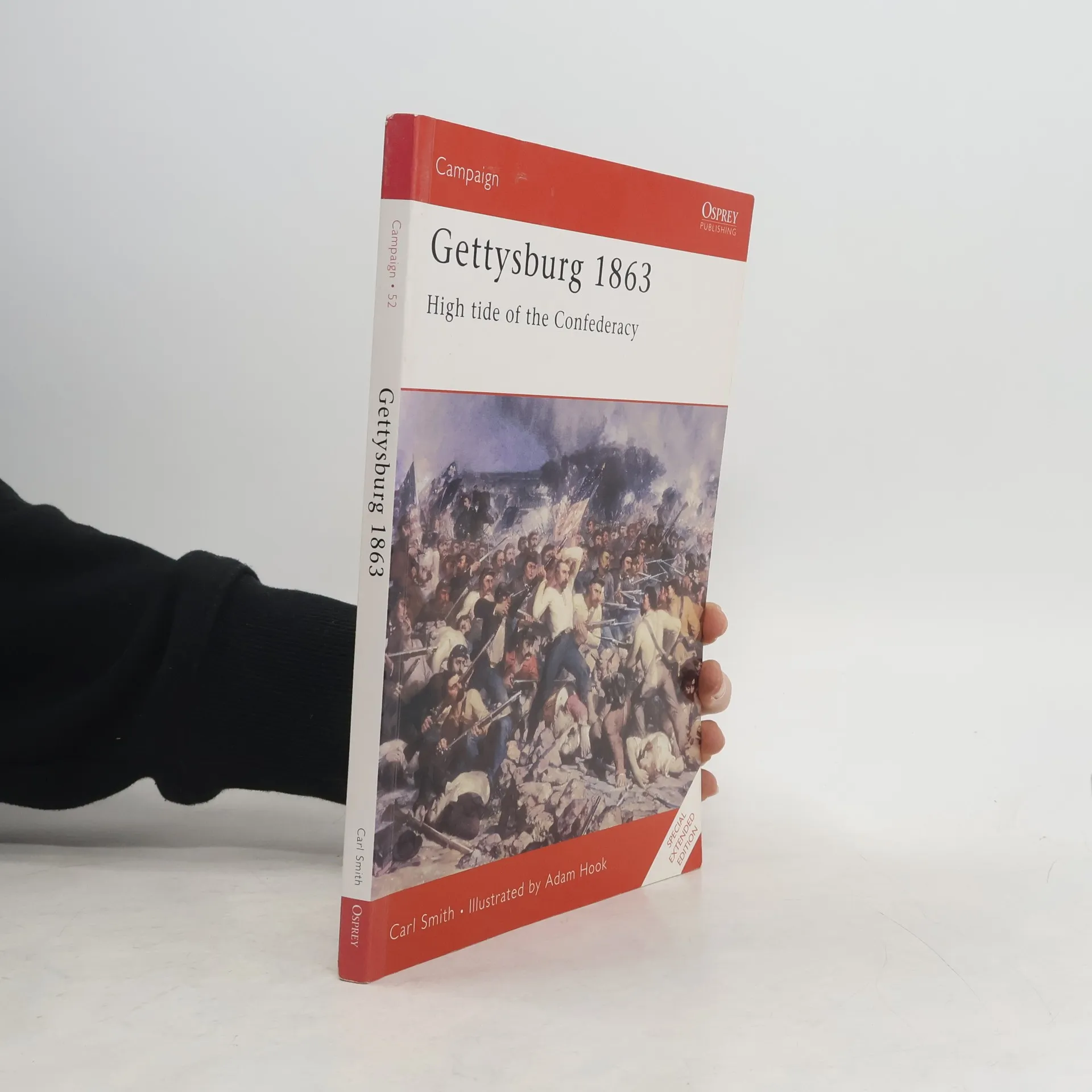
Campaign - 52: Gettysburg 1863
High Tide of the Confederacy - Special Extended Edition
- 128 pages
- 5 hours of reading
Osprey's study of the Battle of Gettysburg (1863), one of the decisive battles of the American Civil War (1861-1865). The Confederate invasion of the Northern states was General Lee's last great gamble. By taking the war to the Union he hoped to force Lincoln into peace negotiations, or win support from the European powers who were watching events closely from across the Atlantic. Equally, Meade's Army of the Potomac needed to regain it's fighting credibility after the setbacks of Fredericksburg and saw this as an opportunity to redeem its honour. The clash of 150,000 soldiers from both sides would ultimately decide the fate of a nation.
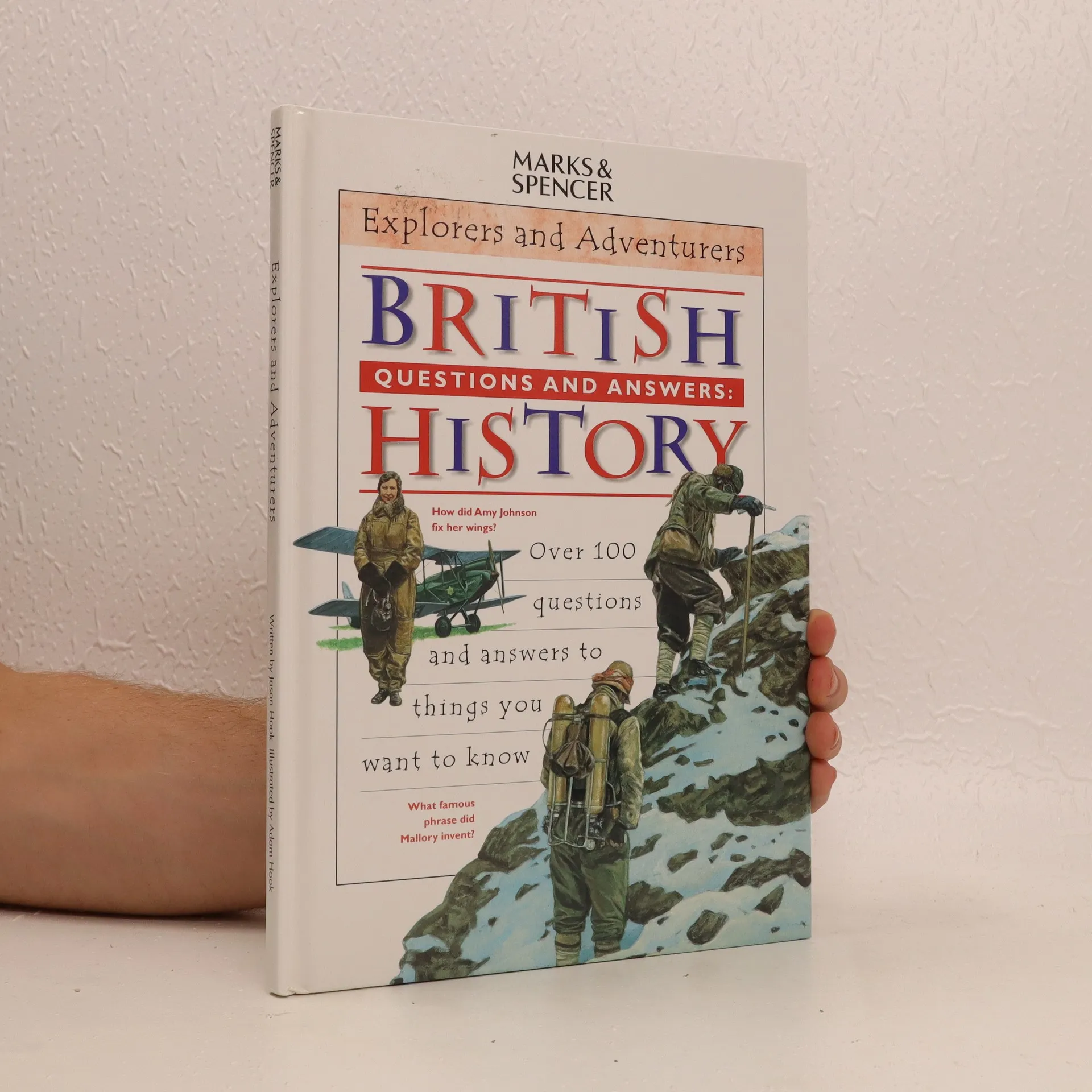
Explorers and adventurers. British history
- 32 pages
- 2 hours of reading
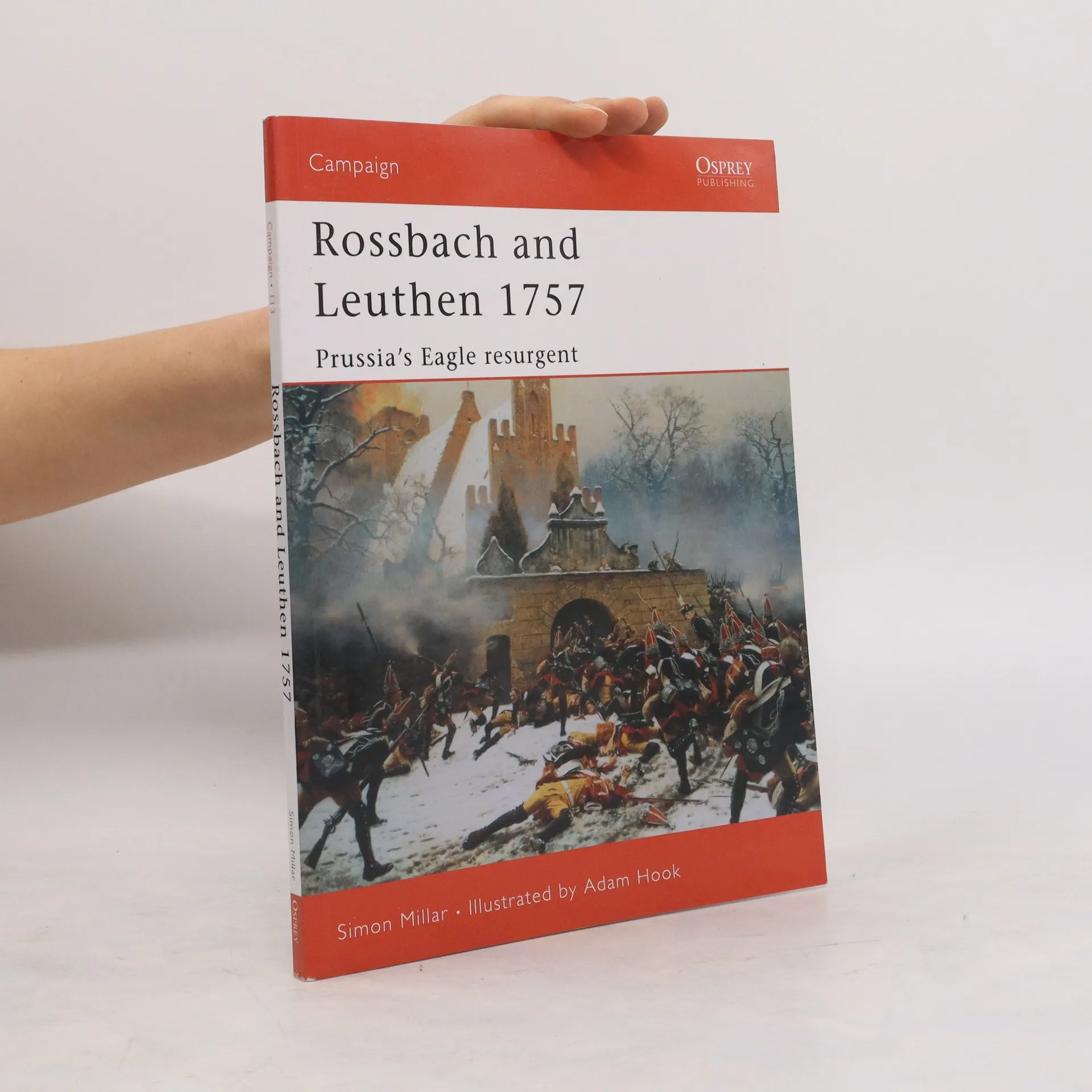
Ospreys Untersuchung der Leistungen Preußens während des Siebenjährigen Krieges (1756-1763). Im Herbst 1757 war Friedrich der Große von Feinden auf allen Seiten umgeben. Die Franzosen hatten das Gebiet seiner anglo-hannoverschen Verbündeten überfallen, eine franco-imperiale Armee bedrohte Sachsen, eine 110.000 Mann starke österreichische Armee war nach Schlesien marschiert und sogar die schwerfälligen Russen hatten sich gegen ihn gewandt. Doch innerhalb eines Monats verwandelte Friedrich sein Schicksal. Am 5. November zerschlug er bei Rossbach die franco-imperiale Armee in kaum 1½ Stunden. Mit einem Marsch nach Schlesien gewann er genau einen Monat später vielleicht seinen größten Sieg und zerschlug die österreichische Armee bei Leuthen. Der Kaiser Napoleon betrachtete Friedrichs Blitzkampagne als 'ein Meisterwerk der Manövrierkunst und Entschlossenheit'.
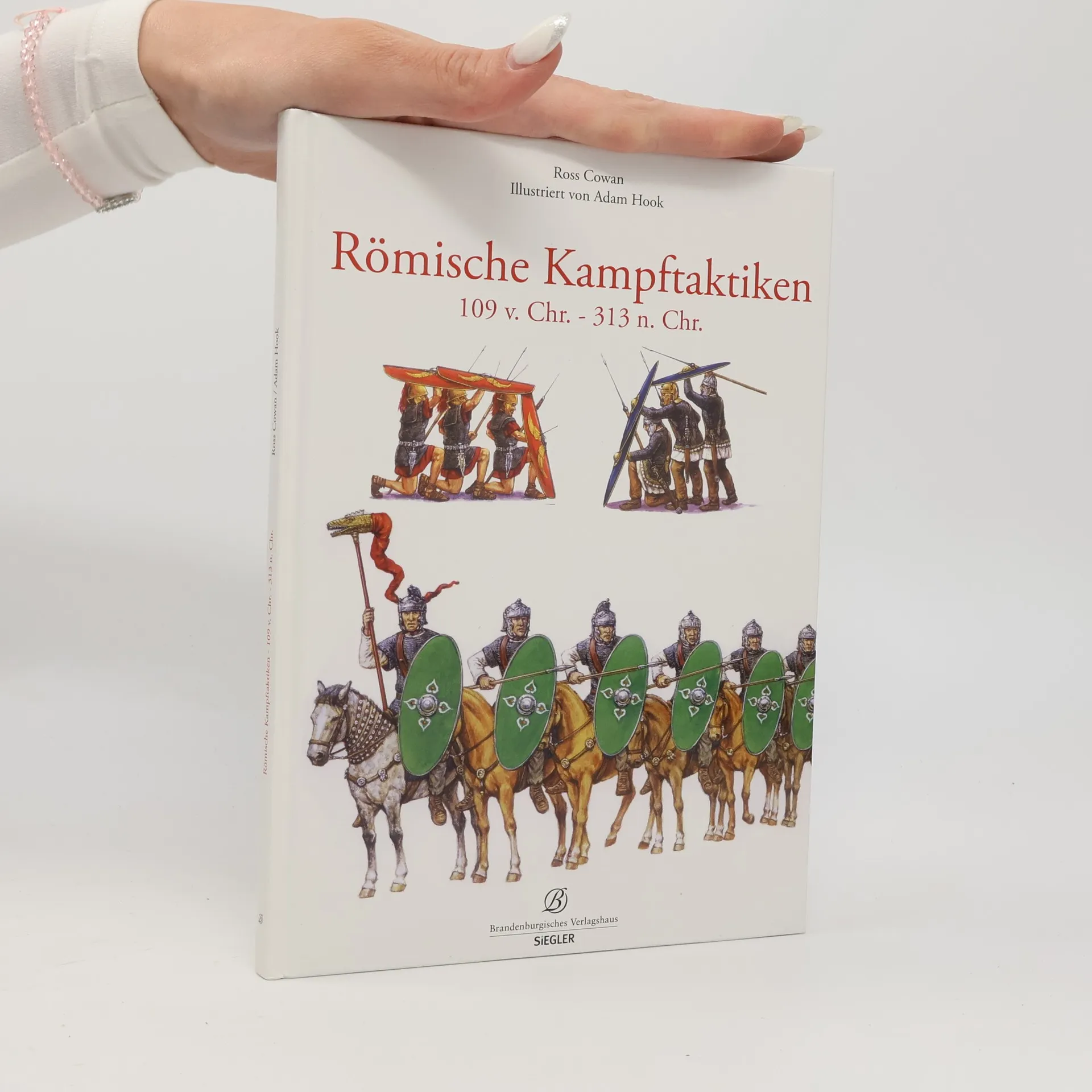
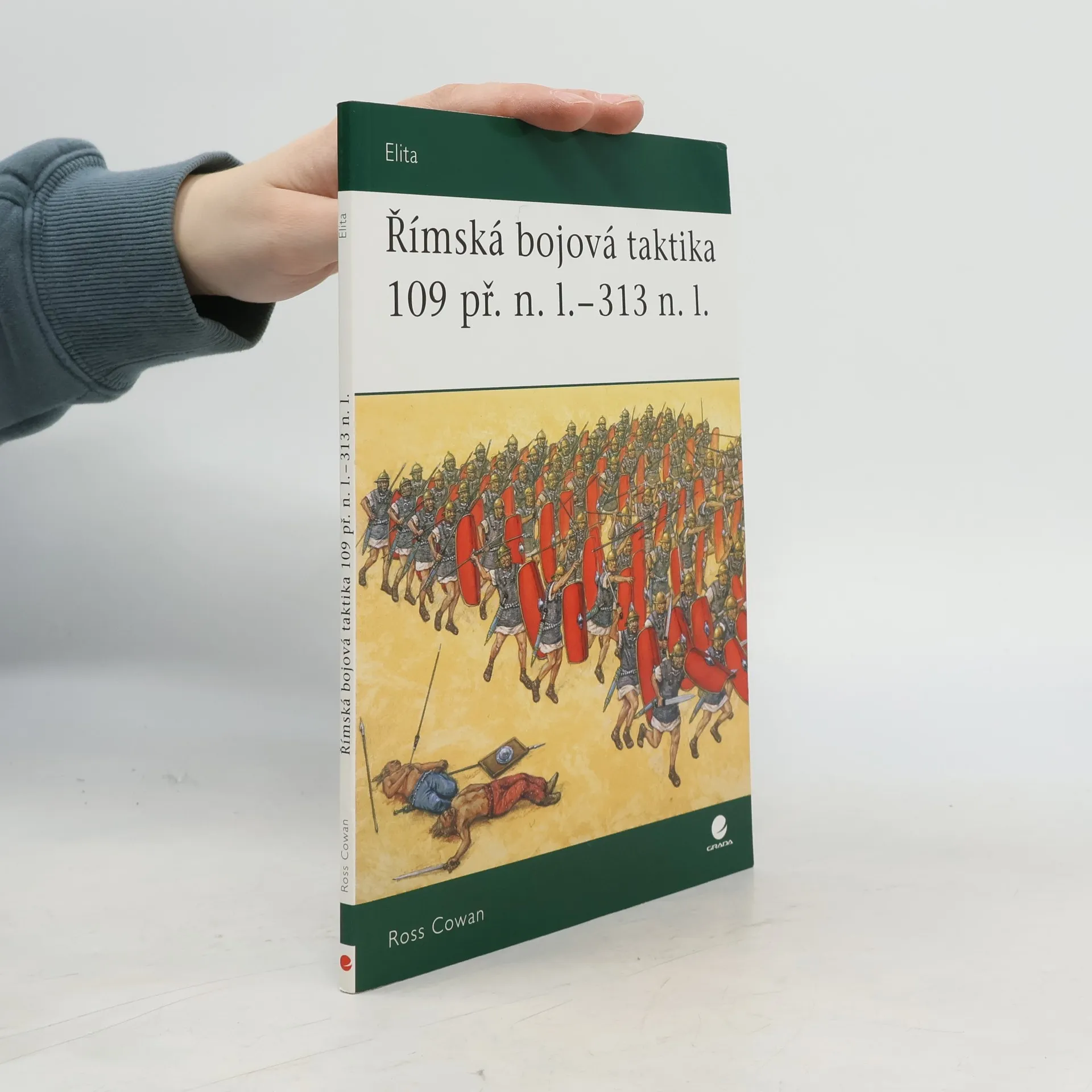
Dieses Buch untersucht die Taktiken der Legionen der späten republikanischen und frühen römischen Kaiserzeit. Das römische Heer bildete das Fundament für die westliche militärische Tradition Die Taktiken wurden von zentraler Bedeutung für alle nachfolgenden professionellen Armeen. Zahlreiche farbige Illustrationen und Abbildungen der Schlachtpläne stellen die taktische Szenarien der Römer sehr anschaulich dar.
Kolín 1757 : první porážka Fridricha Velikého
- 96 pages
- 4 hours of reading
V květnu 1757 vpadl pruský král Fridrich II. do Čech, porazil Rakušany u Prahy a město sevřel v obležení. Marie Terezie vyslala maršála Dauna v čele 60 000mužů, aby druhé nejdůležitější město její říše zachránil. Fridrich II. dosáhl nad Rakušany již řady vítězství a byl přesvědčen, že jeho vojsko bude vítězit i nadále. Zaútočil bez ohledu na početní převahu protivníka, avšak Rakušané byli připraveni. Byl poražen a donucen ustoupit. Jak řekl jeden z jeho veteránů: "To už vůbec nebyli ti staří Rakušané." Simon Millar velice názorně ukazuje, že to byla právě Fridrichova přílišná sebedůvěra, co u Kolína přivodilo pruskou porážku.
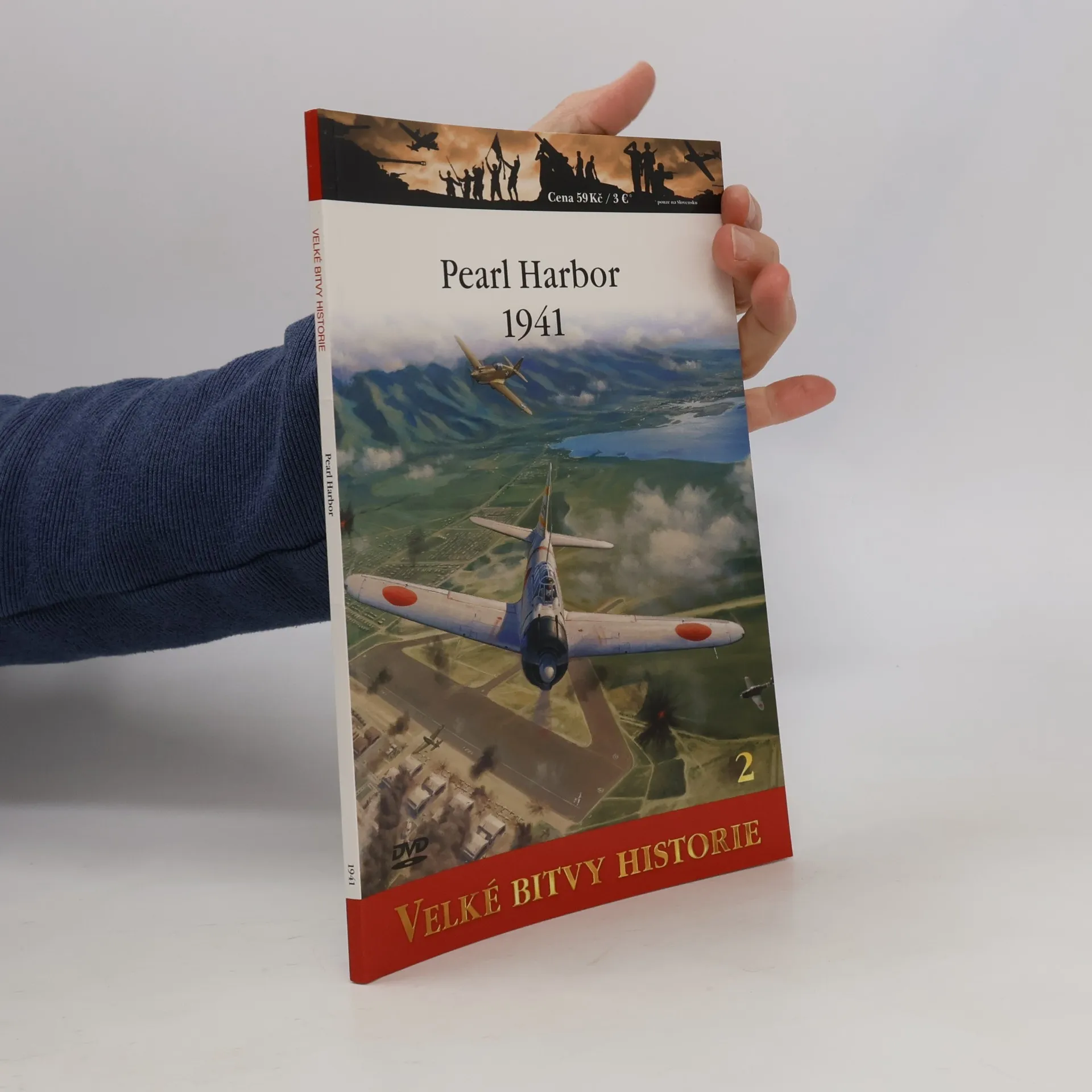
Velké bitvy historie 2. Pearl Harbor 1941
- 94 pages
- 4 hours of reading
Zákeřný útok japonských bombardovacích letounů na tichomořskou základnu námořnictva USA znamenal vstup Spojených států amerických do 2. světové války. Japonci probudili spícího obra a brzy se měli dočkat odplaty…
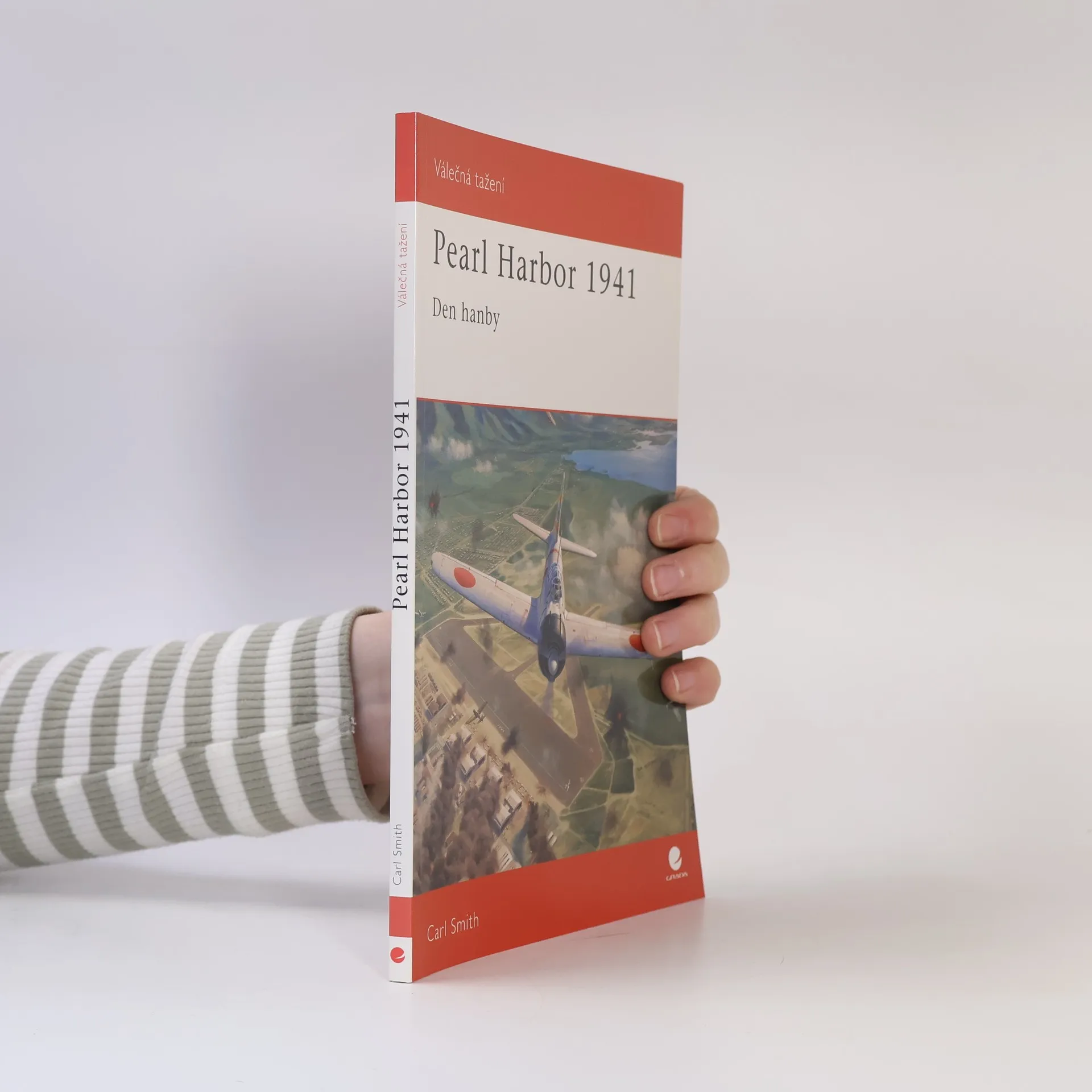
Pearl Harbor 1941. Den hanby
- 96 pages
- 4 hours of reading
Nálet na americkou tichomořskou flotilu kotvící v havajském přístavu Pearl Harbor, který provedlo japonské letectvo zcela nečekaně dne 7. prosince 1941, znamenal výrazný mezník v průběhu 2. světové války. Jeho důsledkem byl totiž vstup dosud neutrálních USA do války. Pomocí dobových textových a obrazových dokumentů se autorovi podařilo velice sugestivně vystihnout atmosféru bezstarostnosti, která v přístavu Pearl Harbor vládla těsně před náletem, a atmosféru plnou úděsu a bezmocného vzteku během náletu. S až udivující důkladností je v knize zaznamenán sled událostí pár hodin, jeho hlavní i méně důležití aktéři, jak američtí, tak japonští. Velká pozornost je pak věnována japonskému plánu, jednotlivým typům bojových letadel, výstroji a výzbroji pilotů. Zájemci jistě ocení i takové detaily, jakou byly sestavy japonských útočných vln a struktura velení.
Římská bojová taktika 109 př.n.l. - 313 n.l.
- 64 pages
- 3 hours of reading
Autor knihy se zaměřil na bojovou taktiku používanou legiemi pozdně republikového a raně císařského Říma a opírá se přitom o záznamy antických spisovatelů. Dobová svědectví jsou detailní a oživená bitevními plány a ilustracemi taktických scénářů. Je z nich patrné, že římská armáda, která byla nejmohutnější vojenskou mašinérií západního světa nejméně po čtyři staletí, položila základy západní vojenské tradice a její doktríny byly hlavní inspirací pro pozdější znovuzrození vycvičených profesionálních armád novověku.