



Explore the latest books of this year!
Bookbot

Emil Brunner

    December 23, 1889 – April 6, 1966

    Heinrich Emil Brunner was a Swiss Protestant theologian and professor of systematic and practical theology at the University of Zurich. His work delved into profound questions of faith and human existence. Brunner sought to bridge modern thought with traditional theological concepts. His influence on 20th-century Protestant theology is considerable.

    Emil Brunner
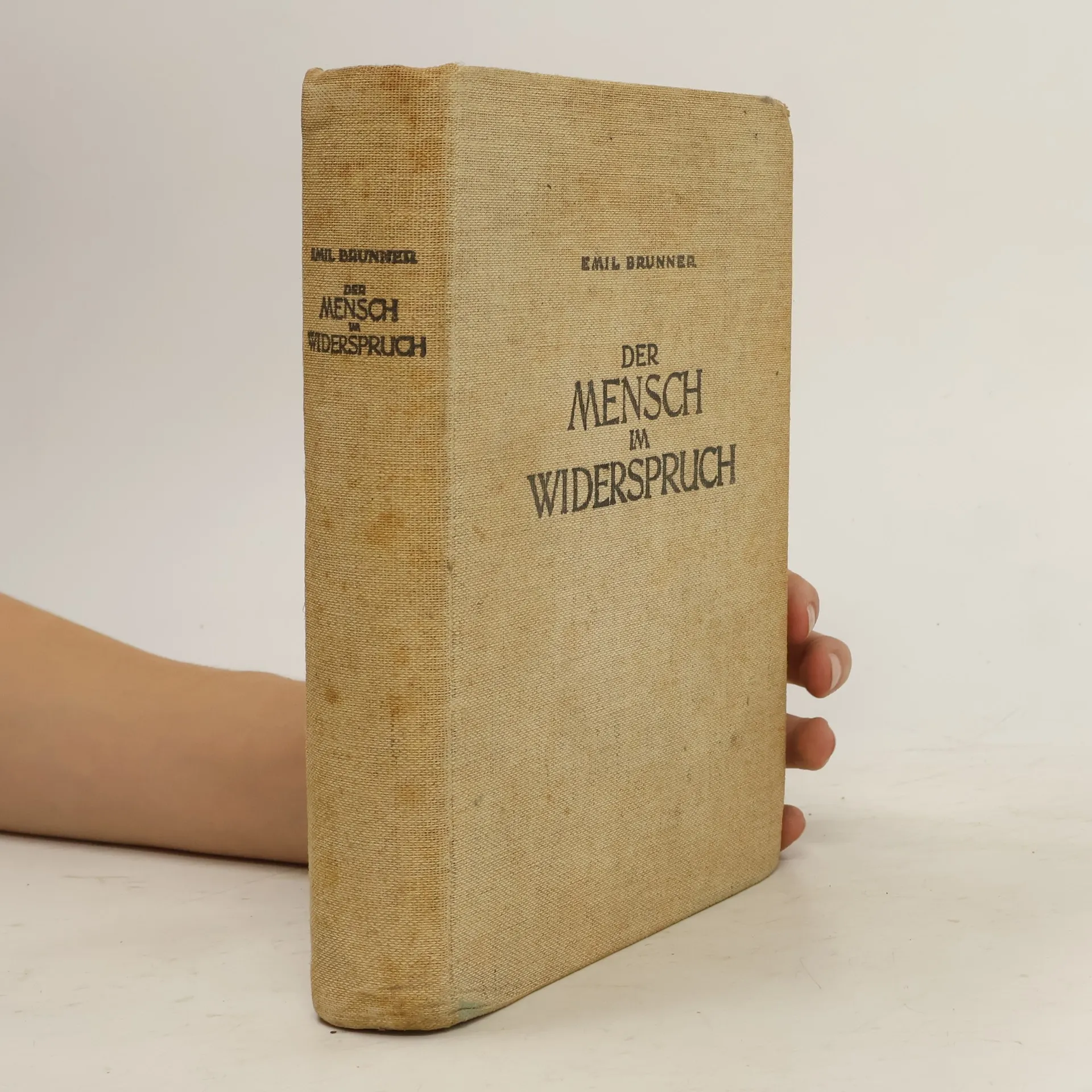
    Der Mensch im Widerspruch
    Faith, Hope and Love
    Eternal Hope
    The Christian Doctrine of God
    The Christian Doctrine of the Church, Faith, and the Consummation
    The Christian Doctrine of Creation and Redemption
    • Emil Brunner, a prominent theologian of the mid-twentieth century, served as a Professor of Systematic and Practical Theology at the University of Zurich. His influential works, including The Mediator, The Divine Imperative, and Man in Revolt, became essential readings in Protestant seminaries, shaping theological discussions and education during his time. Brunner's contributions significantly impacted the understanding of Christian doctrine in the English-speaking world.

      The Christian Doctrine of Creation and Redemption
    • Emil Brunner, a prominent theologian of the mid-twentieth century, served as a Professor of Systematic and Practical Theology at the University of Zurich. His influential writings, including The Mediator, The Divine Imperative, and Man in Revolt, became essential readings in Protestant seminaries, shaping theological discourse in the English-speaking world. Brunner's work continues to resonate, reflecting his significant impact on modern Protestant thought.

      The Christian Doctrine of the Church, Faith, and the Consummation
    • The Christian Doctrine of God

      • 374 pages
      • 14 hours of reading

      Emil Brunner, a prominent theologian from 1889 to 1966, greatly influenced mid-twentieth-century theology in the English-speaking world. Serving as a Professor of Systematic and Practical Theology at the University of Zurich from 1924 to 1955, his significant works, including The Mediator, The Divine Imperative, and Man in Revolt, became essential reading in Protestant seminaries for many years, shaping theological education and discourse.

      The Christian Doctrine of God
    • Describing his objective in writing Eternal Hope, Emil Brunner boldly claimed that ‘a church that has nothing to teach concerning the future and the life of the world to come is bankrupt’. Several decades later, such a challenge might still be levied. Against this backdrop, Brunner offers a way forward that remains closely tied scripture, yet is nevertheless pastorally sensitive. Indeed, one of the central tenets of his approach is that the Gospel offers no comfort to the individual that is not at the same time a promise for the future of humanity as a whole. He proceeds systematically through the promises and mysteries that the Christian faith maintains surrounding death, while holding the hope of eternity as a constant goal. A precursor to his more rigorous Dogmatics, and partly in preparation for the second assembly of the World Council of Churches in 1954, Eternal Hope was also written just a year after the tragic death of Brunner’s son. It is therefore no surprise that he combines the vulnerability of his personal encounter with death, and a theological outlook that has universal implications.

      Eternal Hope
    • Faith, hope, and love are central tropes in Christian teaching, and indeed are increasingly common in general vernacular, yet Swiss theologian Emil Brunner found the triad lacked the thorough theological study they demanded. These three words, Brunner argues, represent the totality of what it means to be Christian: faith as a receptable of God’s timeless love, hope as our faith in what God has done in Christ, and the giving of love which makes humans truly human. To Brunner, faith, hope, and love are essential and total, reflecting the relation to Jesus in the three dimensions of time - the past, present, and future. Faith, Hope, and Love, originally delivered as the Earl Lectures in Berkeley, California, in 1955, therefore represents Brunner’s accomplished expression on the significance and importance of these three values to Christians.

      Faith, Hope and Love