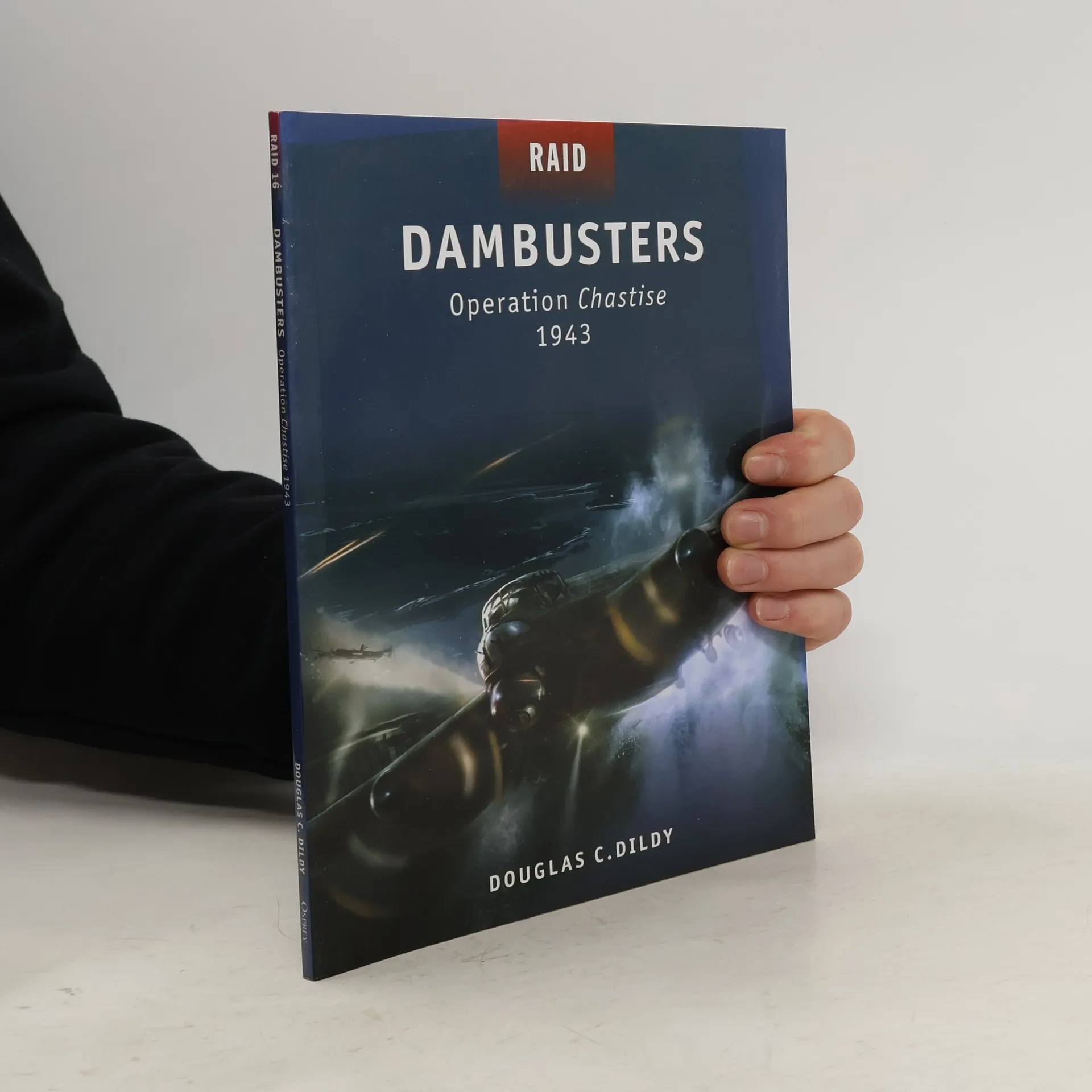
In May 1943, a specially established RAF squadron made its permanent imprint on military aviation history by flying a high-risk, low level, nighttime attack against German hydro-electric dams vital to the Nazi armaments industry in the Ruhr Valley. This one raid had an impact totally out of proportion to the small number of aircraft involved.
Howard Gerrard Books
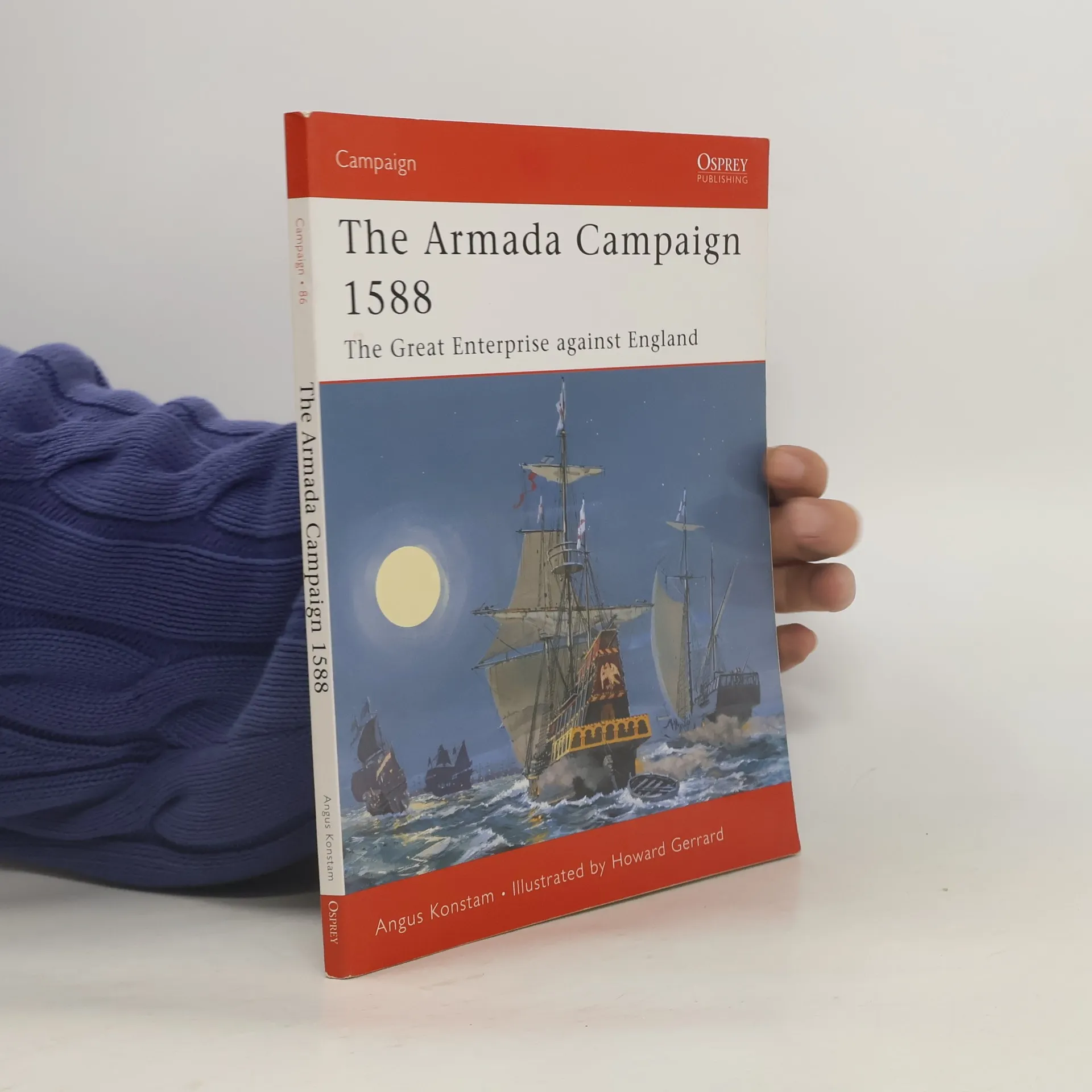
Campaign - 86: The Armada Campaign 1588
The Great Enterprise Against England
- 96 pages
- 4 hours of reading
Osprey's examination of the naval conflict between England and Spain in 1588. The thwarted invasion of England by the Spanish Armada is studied here in fascinating detail. How, in a few short days, Philip II's fleet was stopped from invading England and forced into full retreat is looked at in a new and unique way. With the help of battle plans and bird's eye views of the action, leading historian Angus Konstam considers many of the intriguing questions surrounding the campaign, concluding with details of how the Armada's disastrous return voyage around Scotland and Ireland became one of the most tragic episodes in maritime history.
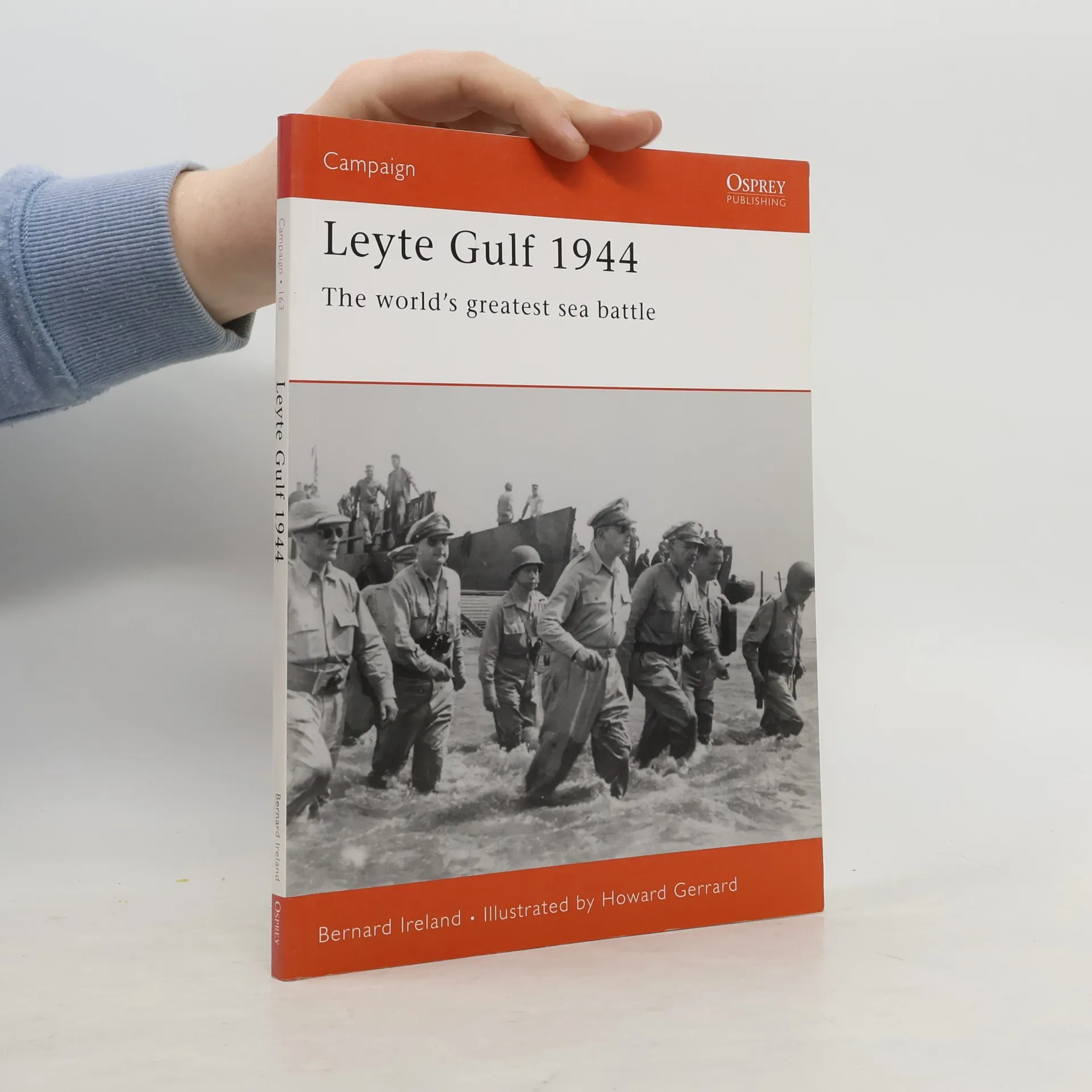
Leyte Gulf was a key victory for the United States: its scale dwarfed previous sea conflicts and its result created an opportunity for the US forces to invade the Philippines. Four different battles - Leyte, Samar, Cape Engaño and the Surigao Strait - occurred almost simultaneously as part of a Japanese plan to claim a Trafalgar-style victory over US forces. Yet they were defeated in the battles on the surface, under the sea and in the air. This highly-accessible book describes the conflict's interweaving battles and the personalities of the commanders involved in what has been called 'the greatest sea battle of all'.
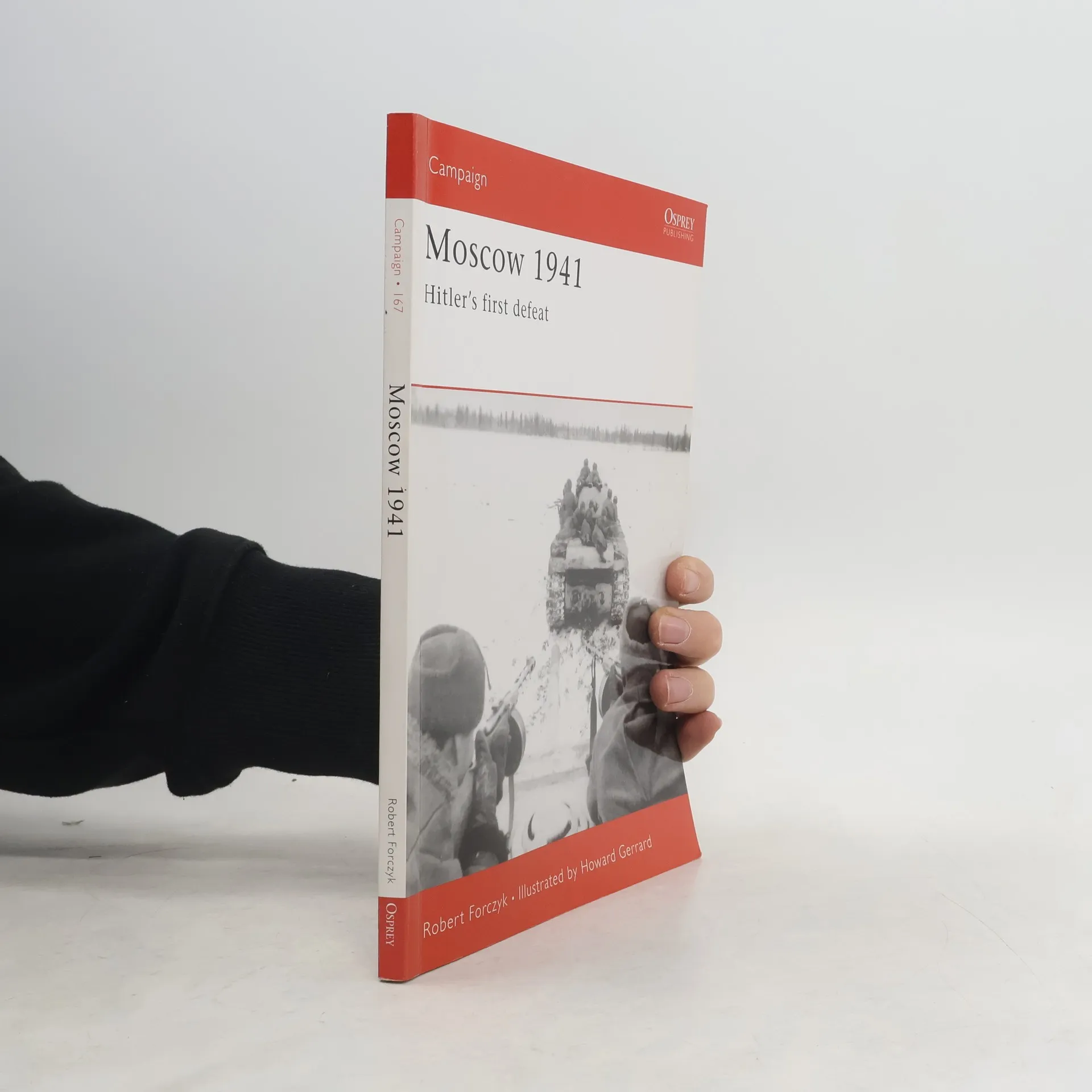
Campaign - 167: Moscow 1941: Hitler's First Defeat
- 96 pages
- 4 hours of reading
In late September 1941 the war in the east was approaching a climax. Since the beginning of the German invasion on 22 June 1941, Soviet forces had suffered the staggering loss of over 2 million troops. Operation Typhoon began and in the first week of the offensive, the three German panzer armies surrounded virtually the bulk of the Soviet forces barring the way to Moscow. This title details the dramatic battle that took place right up to the suburbs of Moscow itself, and the defeat which altered Hitler's strategic management of World War II (1939-1945).
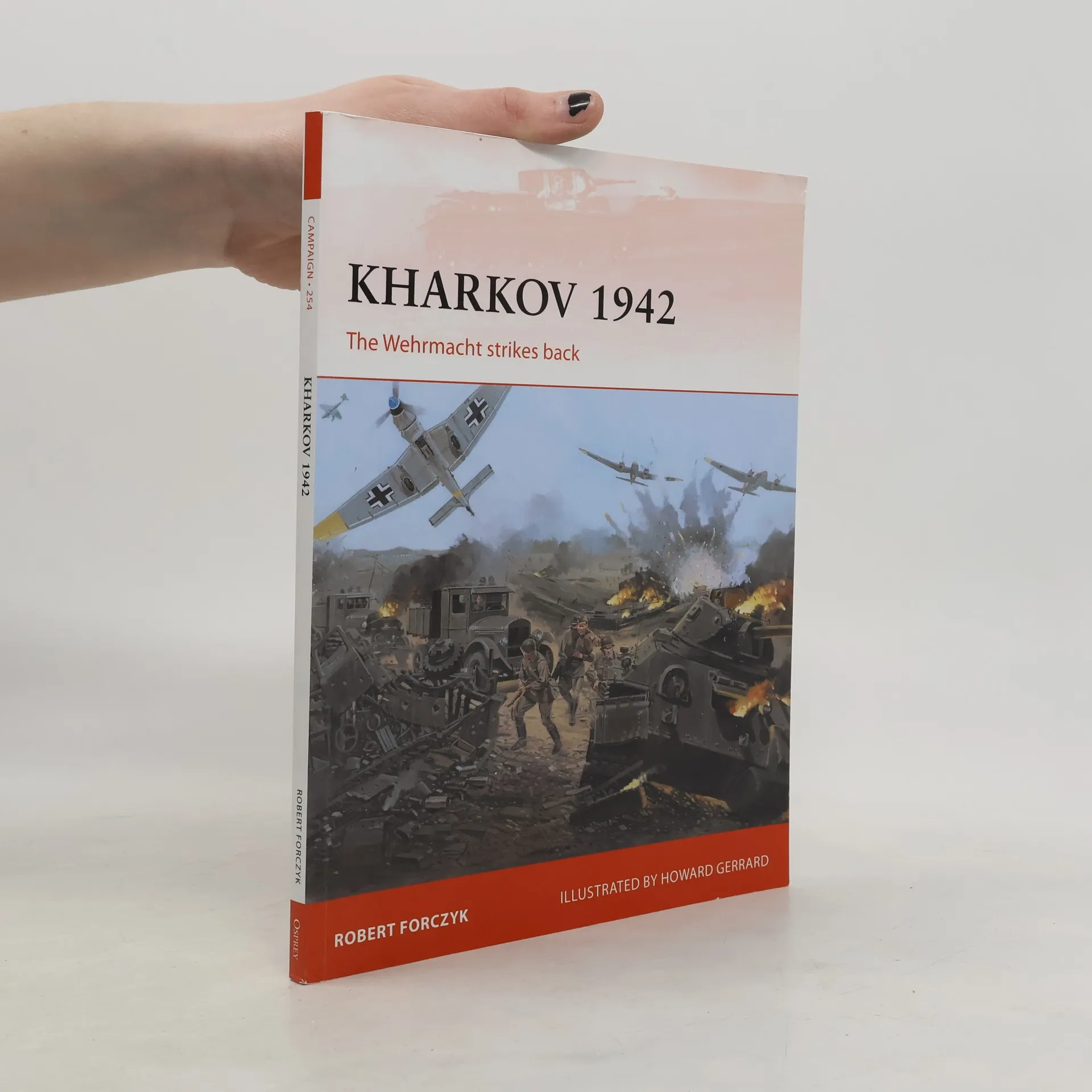
Campaign - 254: Kharkov 1942: The Wehrmacht Strikes Back
- 96 pages
- 4 hours of reading
Under Marshal Semyon Timoshenko, the Stavka's remaining reserves were assembled and prepared to conduct a breakthrough attack intended to encircle the German Sixth Army near Kharkov. However, Stalin was unaware that the Germans were planning their own riposte at Kharkov, known as Operation Fredericus.
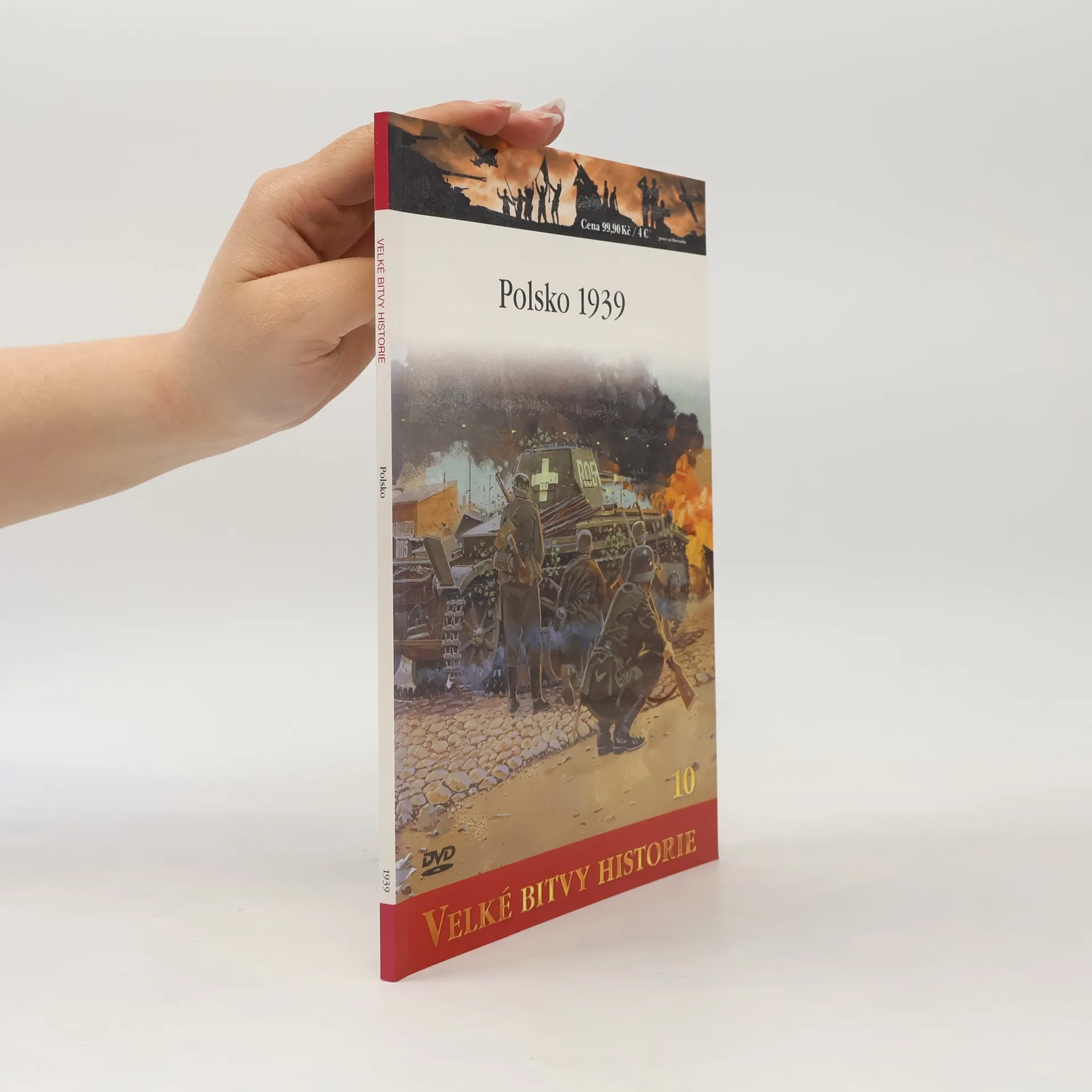
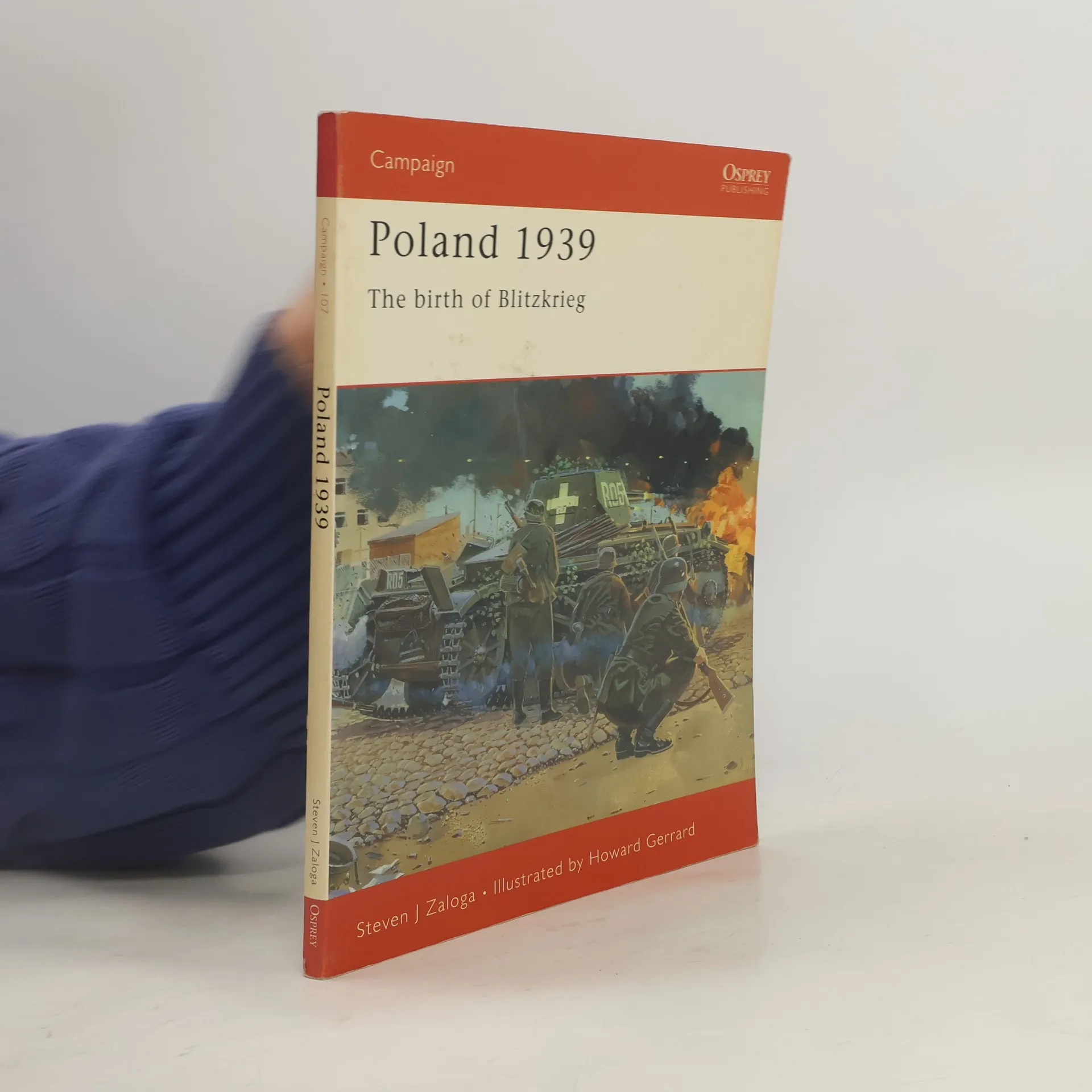
Osprey's examination of the German invasion of Poland, which began World War II (1939-1945) in Europe, pitting the newly modernized army of Europe's great industrial power against the much smaller Polish army and introducing the world to a new style of warfare – Blitzkrieg. Panzer divisions spearheaded the German assault with Stuka dive-bombers prowling ahead spreading terror and mayhem. This book demonstrates how the Polish army was not as backward as it is often portrayed and fielded a tank force larger than that of the contemporary US Army. Its stubborn defence did give the Germans some surprises and German casualties were relatively heavy for such a short campaign.
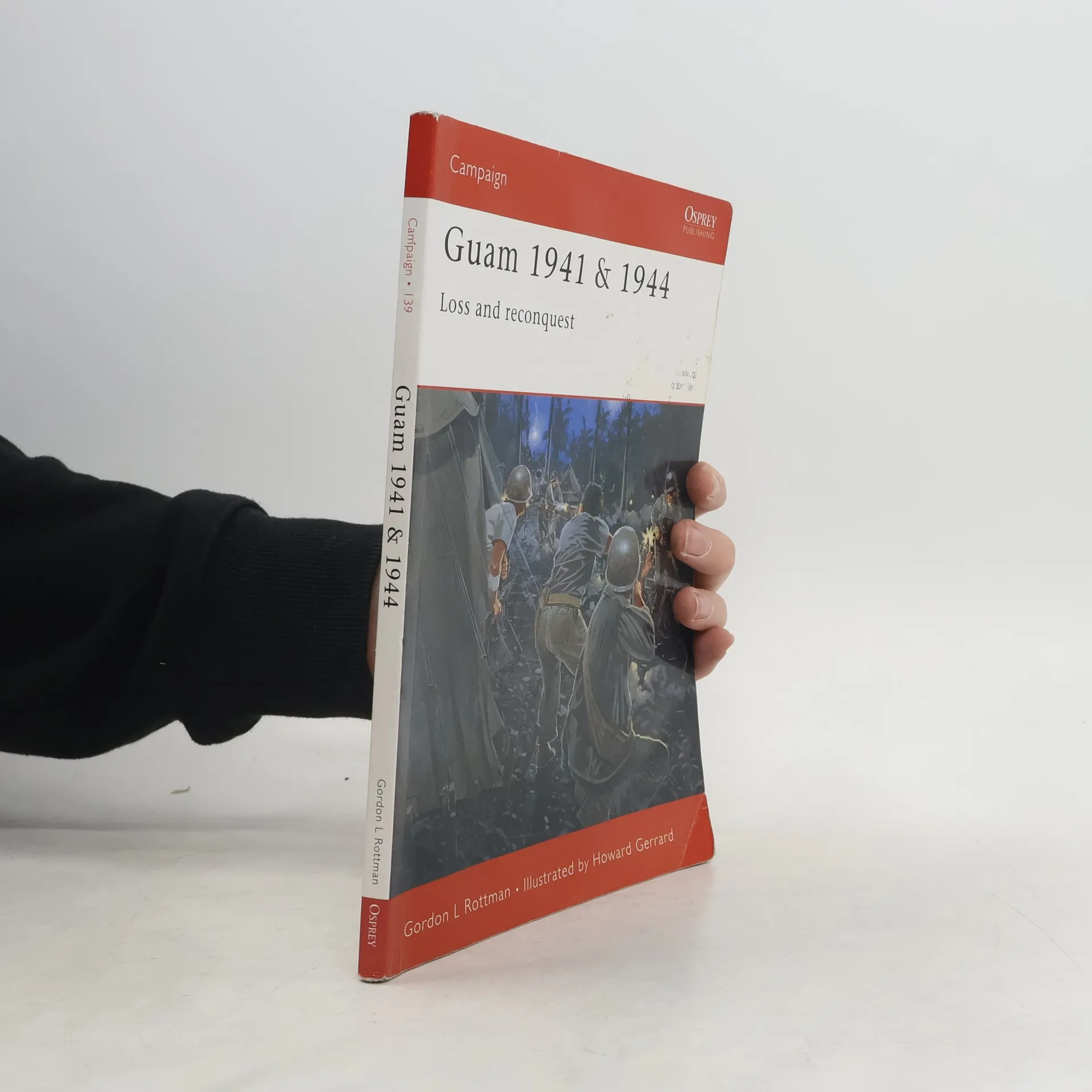
The island of Guam was the first Allied territory lost to the Japanese onslaught in 1941. On 10 December 5,000 Japanese troops landed on Guam, defended by less than 500 US and Guamanian troops, the outcome was beyond doubt. On 21 July 1944 America returned. In a risky operation, the two US landing forces came ashore seven miles apart and it was a week before the beachheads linked up. Only the battles for Iwo Jima and Okinawa would cost the Americans more men than the landings on Guam and Saipan, which immediately preceded the Guam operation. In this book Gordon Rottman details the bitter 26-day struggle for this key Pacific island duringWorld War II (1939-1945).
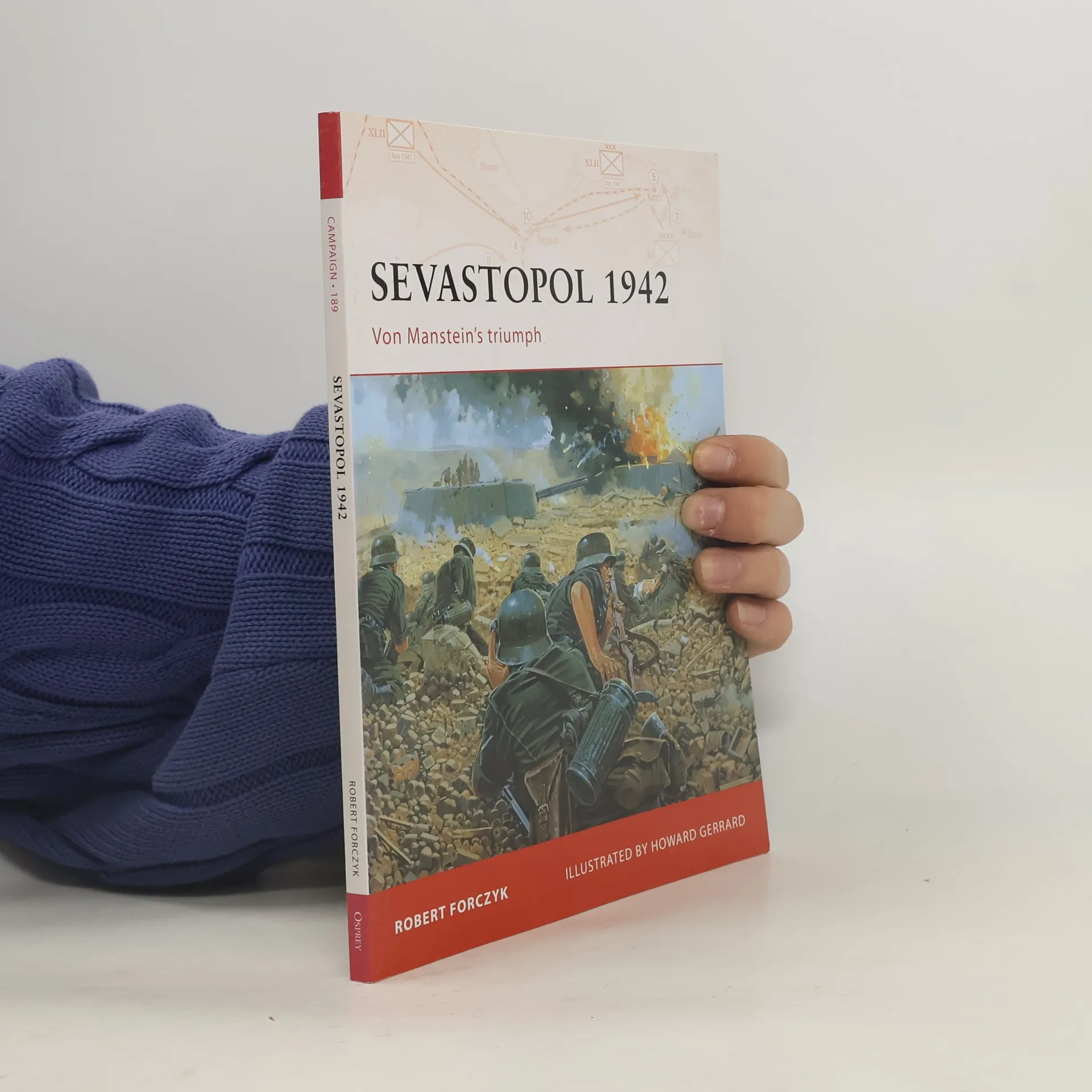
In late July 1941, Hitler ordered Army Group South to seize the Crimea as part of its operations to secure the Ukraine and the Donets Basin, in order to protect the vital Romanian oil refineries at Ploesti from Soviet air attack. After weeks of heavy fighting, the Germans breached the Soviet defenses and overran most of the Crimea. By November 1941 the only remaining Soviet foothold in the area was the heavily fortified naval base at Sevastopol.Operation Sturgeon Haul, the final assault on Sevastopol, was one of the very few joint service German operations of World War II, with two German corps and a Romanian corps supported by a huge artillery siege train, the Luftwaffe's crack VIII Flieger Korps and a flotilla of S-Boats provided by the Kriegsmarine. This volume closely examines the impact of logistics, weather and joint operational planning upon the last major German victory in World War II (1939-1945).
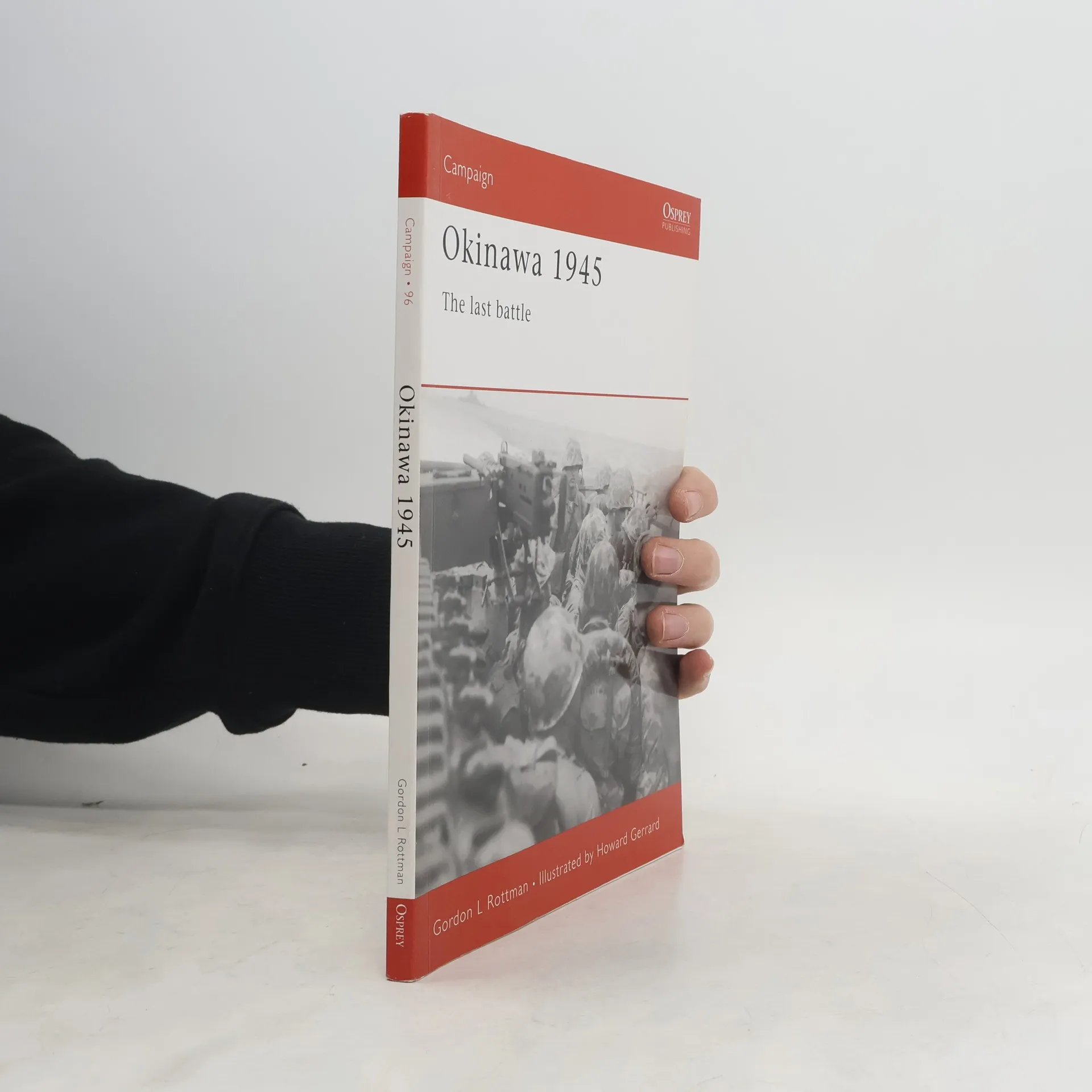
By the spring of 1945 the Allies were sweeping all before them in the Pacific War against Japan, and a series of victories had reclaimed many of the islands and territories seized by the Imperial Japanese forces in the early months of the war. The dark days of humiliating defeat were far behind the unstoppable Allied juggernaut - victory was now assured. The question was where the last battle would be fought. That place was the island of Okinawa. This book details the struggle for the island as US Marines and Army units battled determined Japanese defenders in the last battle of World War II (1939-1945).
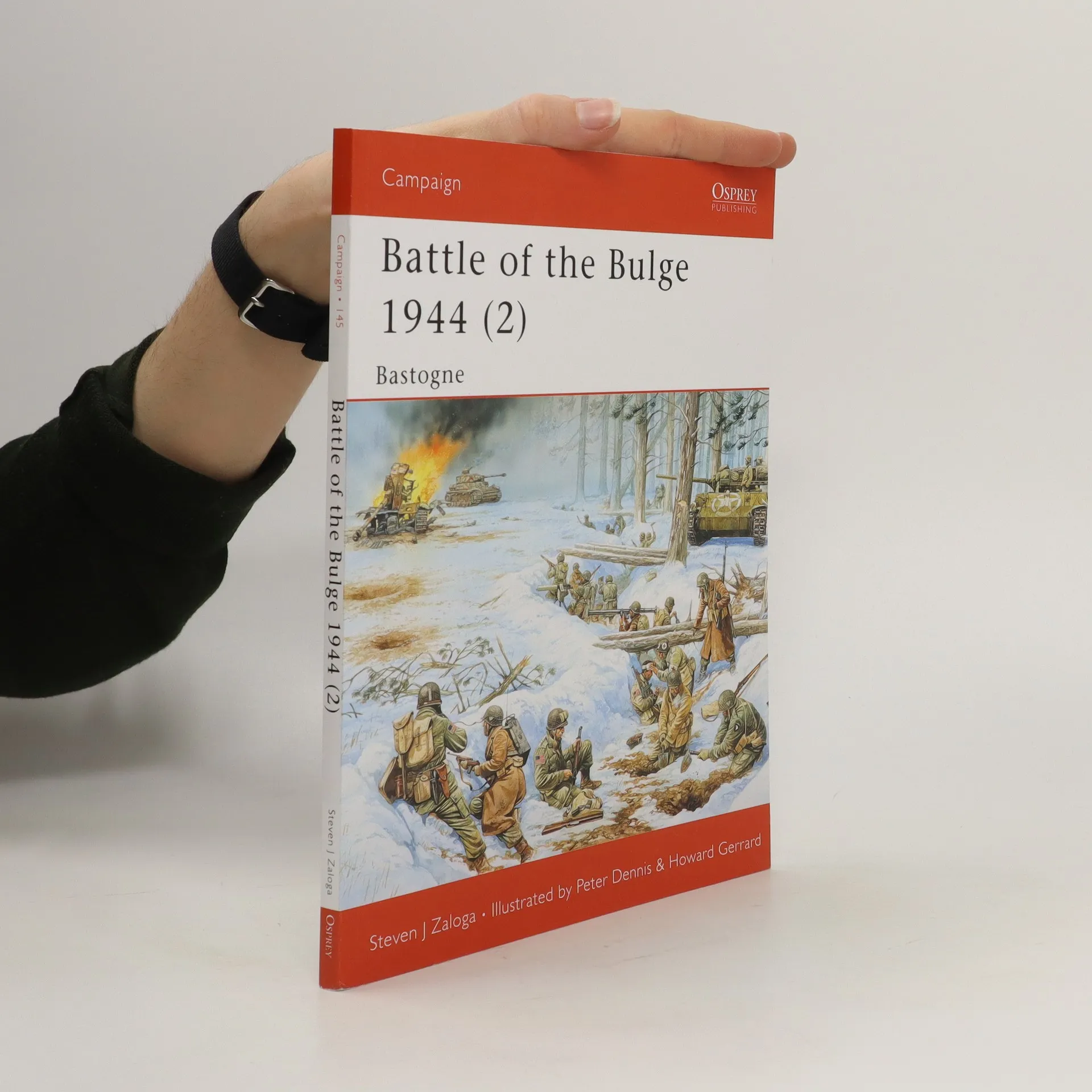
Battle of the Bulge 1944 (2): Bastogne
- 96 pages
- 4 hours of reading
Osprey's second title examining the Battle of the Bulge, which was the largest and most costly battle fought by the US Army in World War II (1939-1945). When the attack in the north by 6th Panzer Army failed, Hitler switched the focus of the offensive to General Manteuffel’s 5th Panzer Army farther south. Overwhelming the green US 106th Division, German Panzers flooded towards the River Meuse. Barring their way was the crossroads town of Bastogne, reinforced at the last minute by the paratroopers of the 101st Airborne, the ‘Screaming Eagles”. The stage was set for one of the epic struggles of the war – the battle for Bastogne.
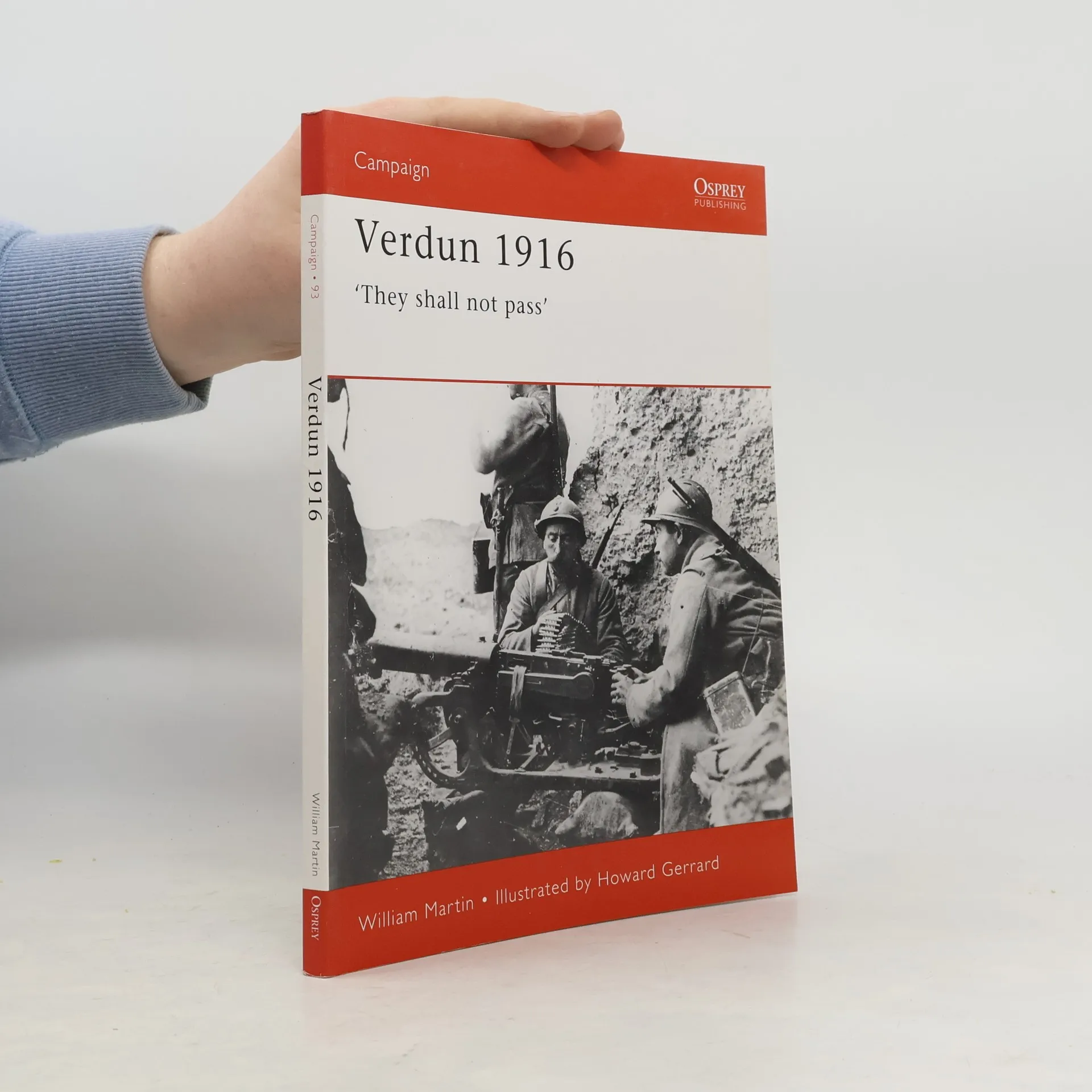
Osprey's examination of the destructive events of a pivotal battle of World War I (1914-1918). On 21 February 1916 German General Erich von Falkenhayn unleashed his hammer-blow offensive against the French fortress city of Verdun. His aim was nothing short of the destruction of the French army. Falkenhayn was sure that the symbolic value of Verdun was such that the French would be ‘compelled to throw in every man they have.’ He was equally sure that ‘if they do so the forces of France will bleed to death’. The massed batteries of German guns would smash the French troops in their trenches and bunkers. But the French hung on with immense courage and determination and the battle became a bloody war of attrition.
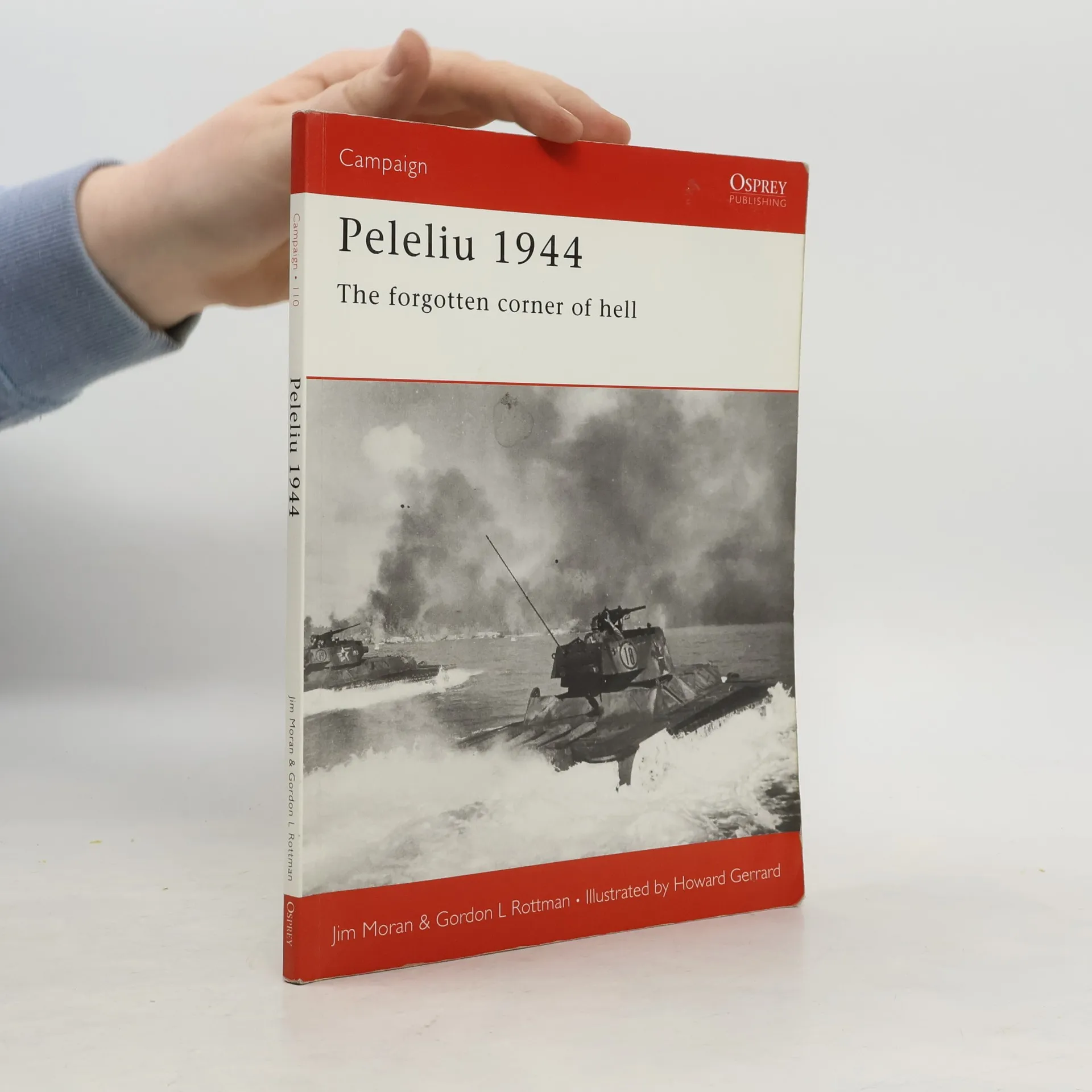
Osprey's examination of one of the bloodiest conflicts between the United States and Japan during World War II (1939-1945). Equalling Tarawa, Iwo Jima and Okinawa in scale and ferocity, the battle for Peleliu has long been regarded as the Pacific War's “forgotten battle”, and perhaps one that should never have been fought. A massive carrier-based attack some weeks before the invasion destroyed all aircraft and shipping in the area and virtually isolated the Japanese garrison. 1st Marine Division commander, General Rupertus, made extravagant claims that the capture of Peleliu would “only take three days – maybe two.” But the Japanese fought a bloody battle of attrition from prepared positions and in a struggle of unprecedented savagery a whole Marine Division was bled white.
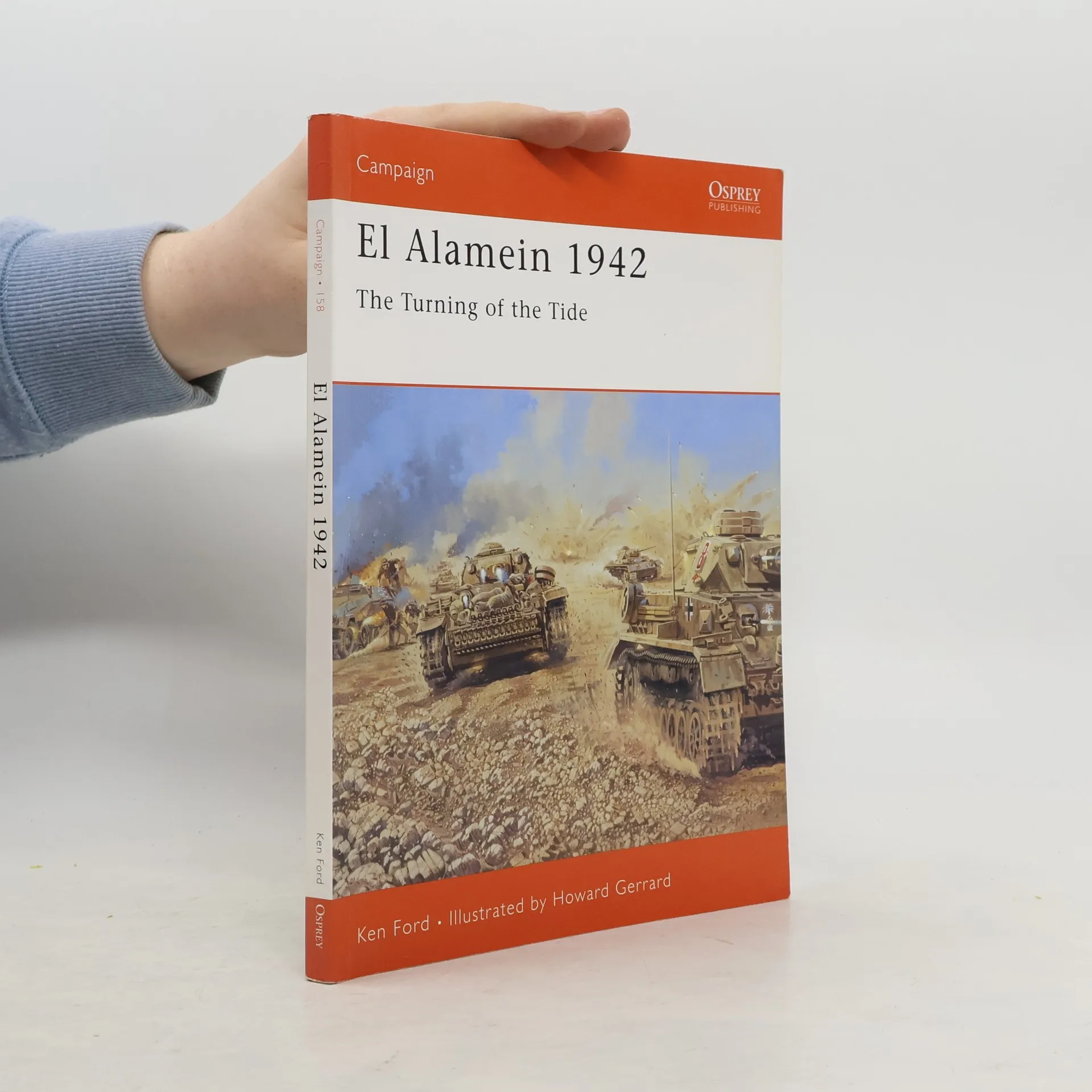
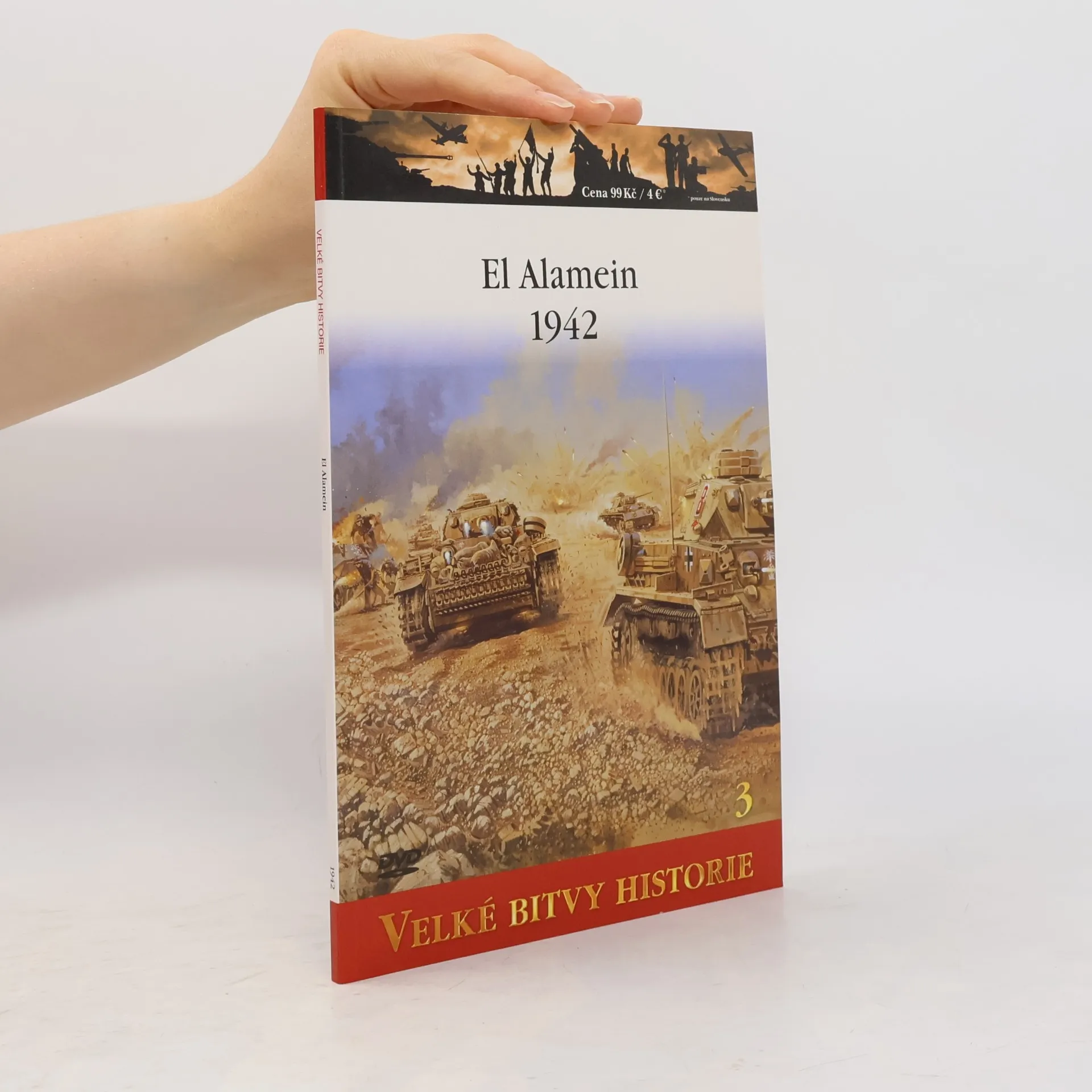
The battle of El Alamein marked the turning point in Britain's fortunes in the World War II (1939-1945). There were three separate battles between July and November 1942, all of which were fought to halt the advance of Rommel's army towards the Suez Canal. This final battle at El Alamein, fought in October and November, saw the continuous bombardment of the German line that Rommel was instructed to hold at all costs by Hitler himself. The Allies shattered the German defences, and Rommel led a westward retreat in order to salvage what was left of the Afrika Korps. This book provides an in-depth analysis of the battle that turned the tide in favour of the Allies in Africa.
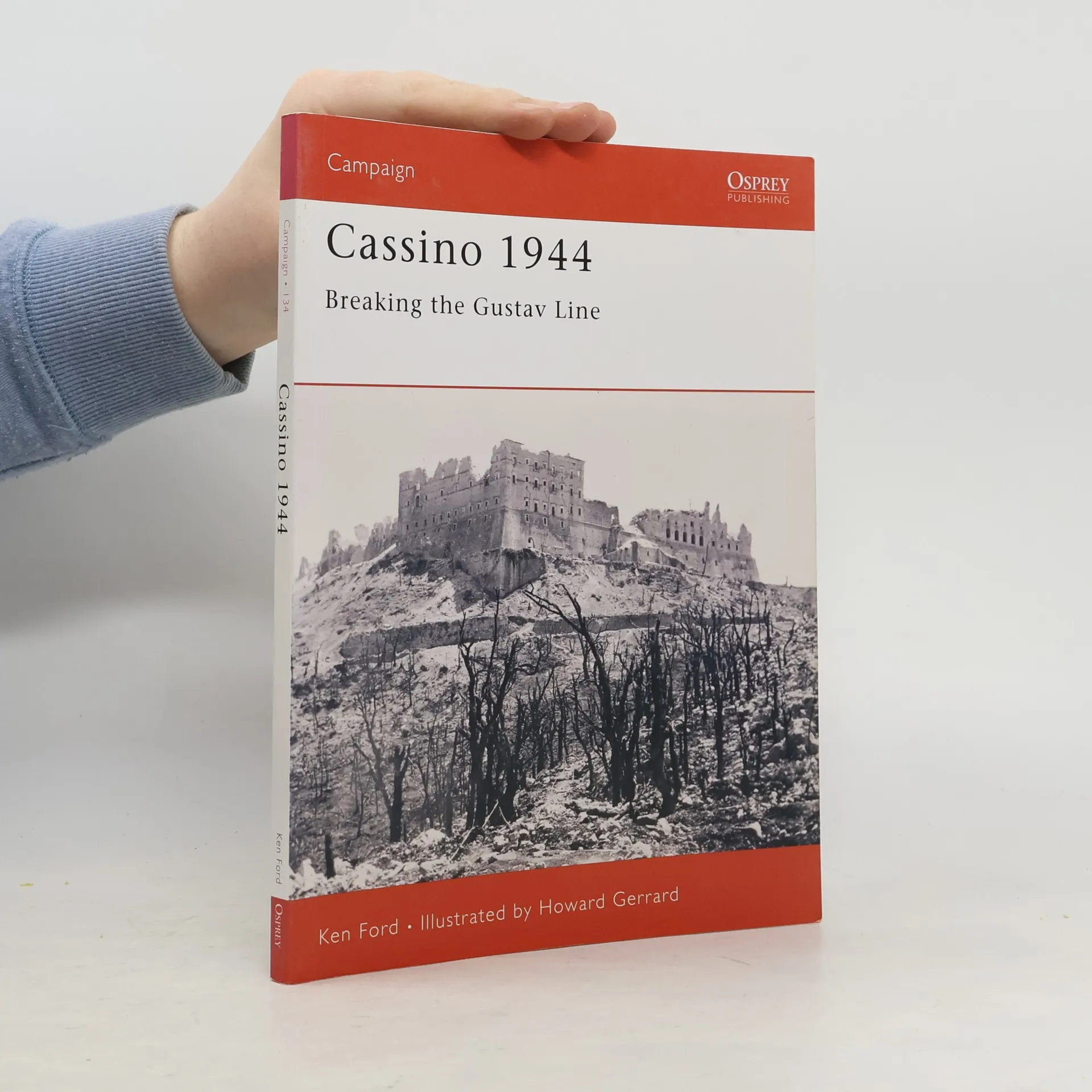
The allies landed at Salerno and Taranto in September 1943. They reached the main German fortified position - the Gustav line - in December. This work details how it took a massive offensive by 11 divisions to take Cassino in a brutal battle of attrition.
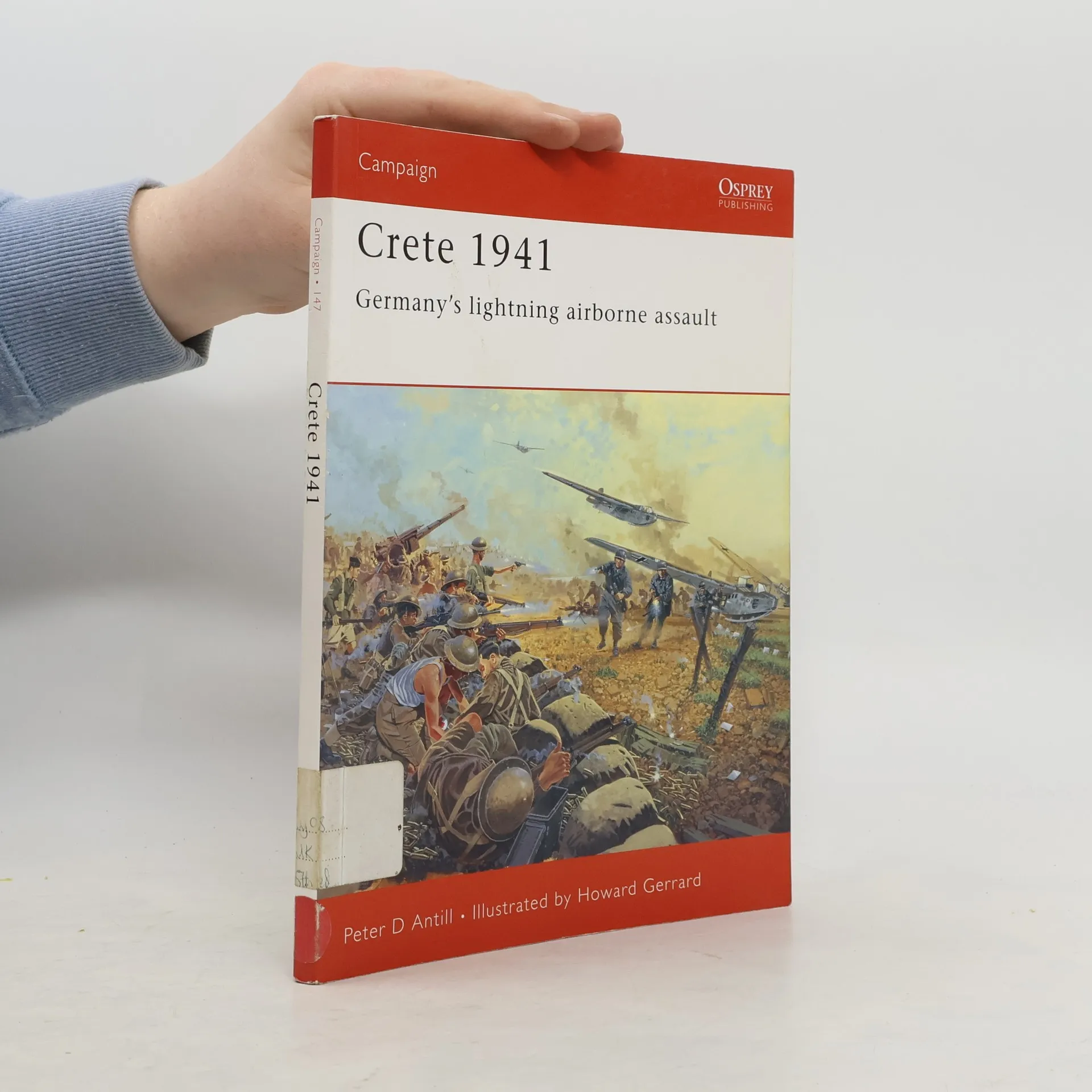
Osprey's study of Operation Mercury, the German airborne assault on the island of Crete in May 1941 during World War II (1939-1945), which was the first strategic use of airborne forces in history. The assault began on 20 May, with landings near the island's key airports, and reinforcements the next day allowed the German forces to capture one end of the runway at Maleme. By 24 May, the Germans were being reinforced by air on a huge scale and on 1 June Crete surrendered. This book describes how desperately close the battle had been and explains how German losses so shocked the Führer that he never again authorised a major airborne operation.
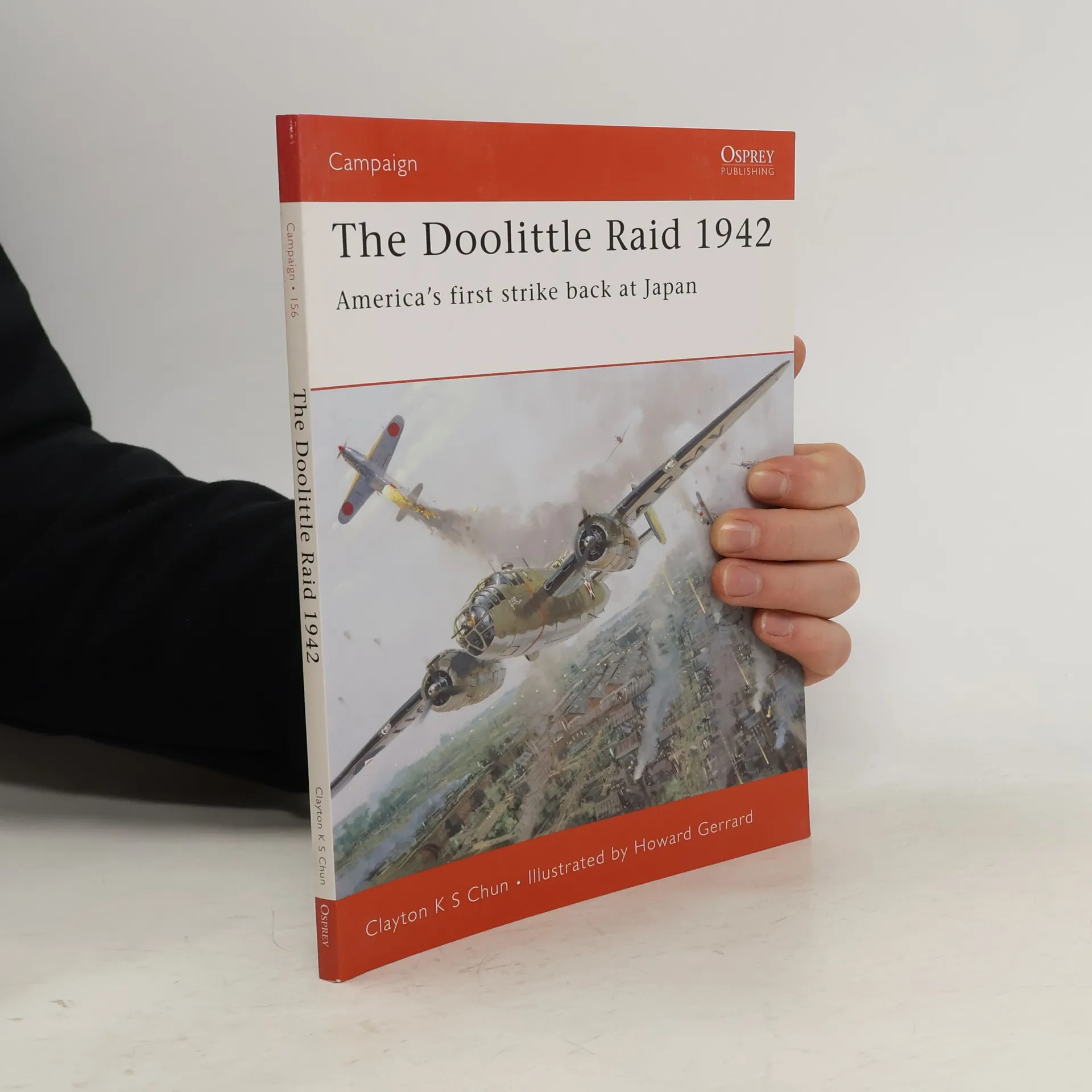
Campaign - 156: The Doolittle Raid 1942
America’s First Strike Back at Japan
- 96 pages
- 4 hours of reading
Osprey's study of the United States' first offensive response to the Pearl Harbor attacks of World War II (1939-1945). In early 1942, the strategic situation was bleak for the United States. She had been in continual retreat since Pearl Harbor, surrendering major areas such as the Philippines, and was preparing for the worst in Hawaii and on the West Coast. The Japanese, on the other hand, had secured a well-defended perimeter, and were set for further expansion. Something needed to happen quickly and be of considerable impact. The April 1942 Doolittle Raid on Japan was a way to achieve this. This book examines the planning, execution, and aftermath of this innovative, daring and risky attack, which would show that the Japanese navy and air forces were anything but invincible.
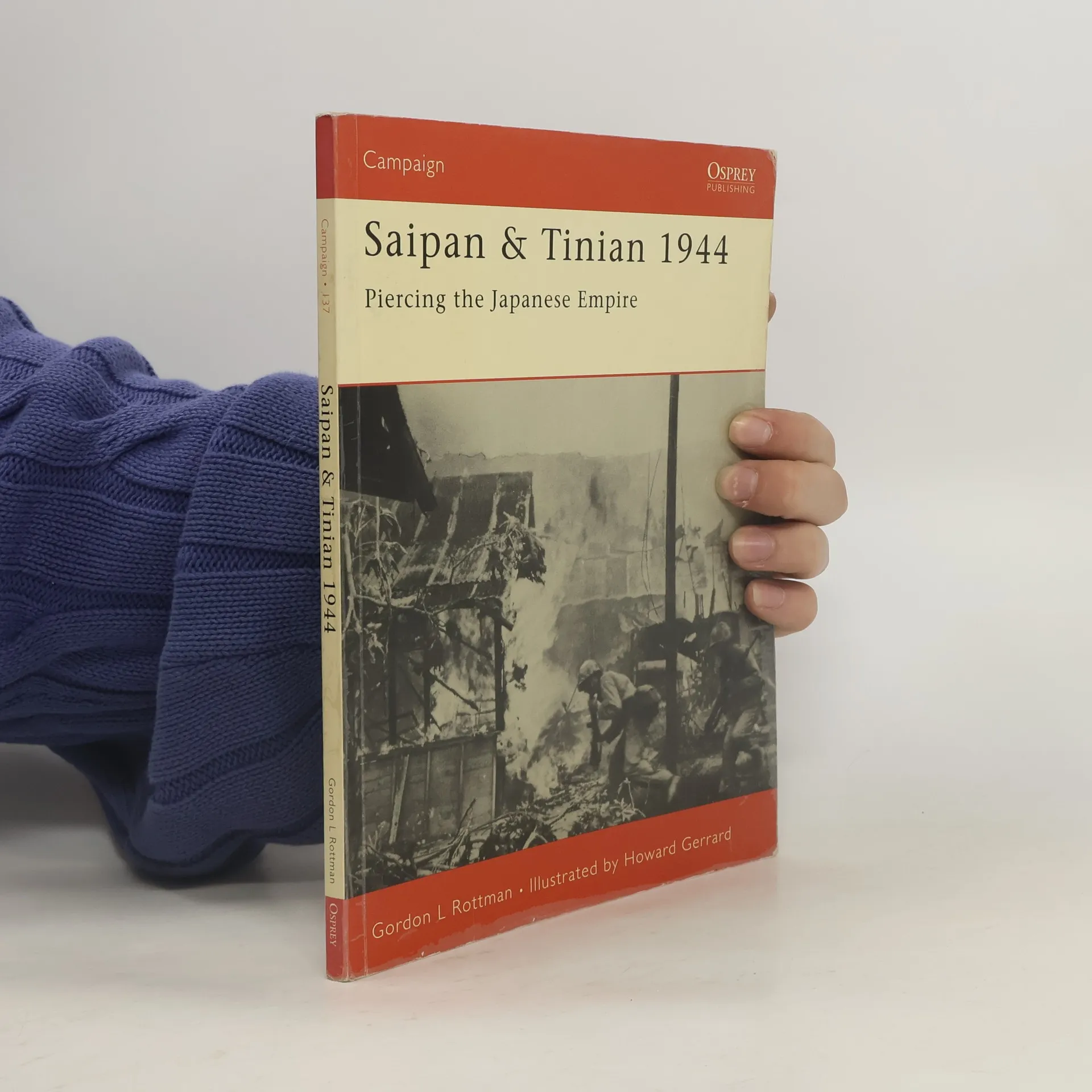
The 1944 invasion of Saipan was the first two-division amphibious assault conducted by US forces in World War II (1939-1945). Saipan and Tinian had been under Japanese control since 1914 and, heavily colonized, they were considered virtually part of the Empire. The struggle for Saipan and Tinian was characterized by the same bitter fighting that typified the entire Central Pacific campaign. Fighting side-by-side, Army and Marine units witnessed the largest tank battle of the Pacific War, massed Japanese banzai charges, and the horror of hundreds of Japanese civilians committing suicide to avoid capture. In this book Gordon Rottman details the capture of these vital islands that led to the collapse of Prime Minister Tojo's government.
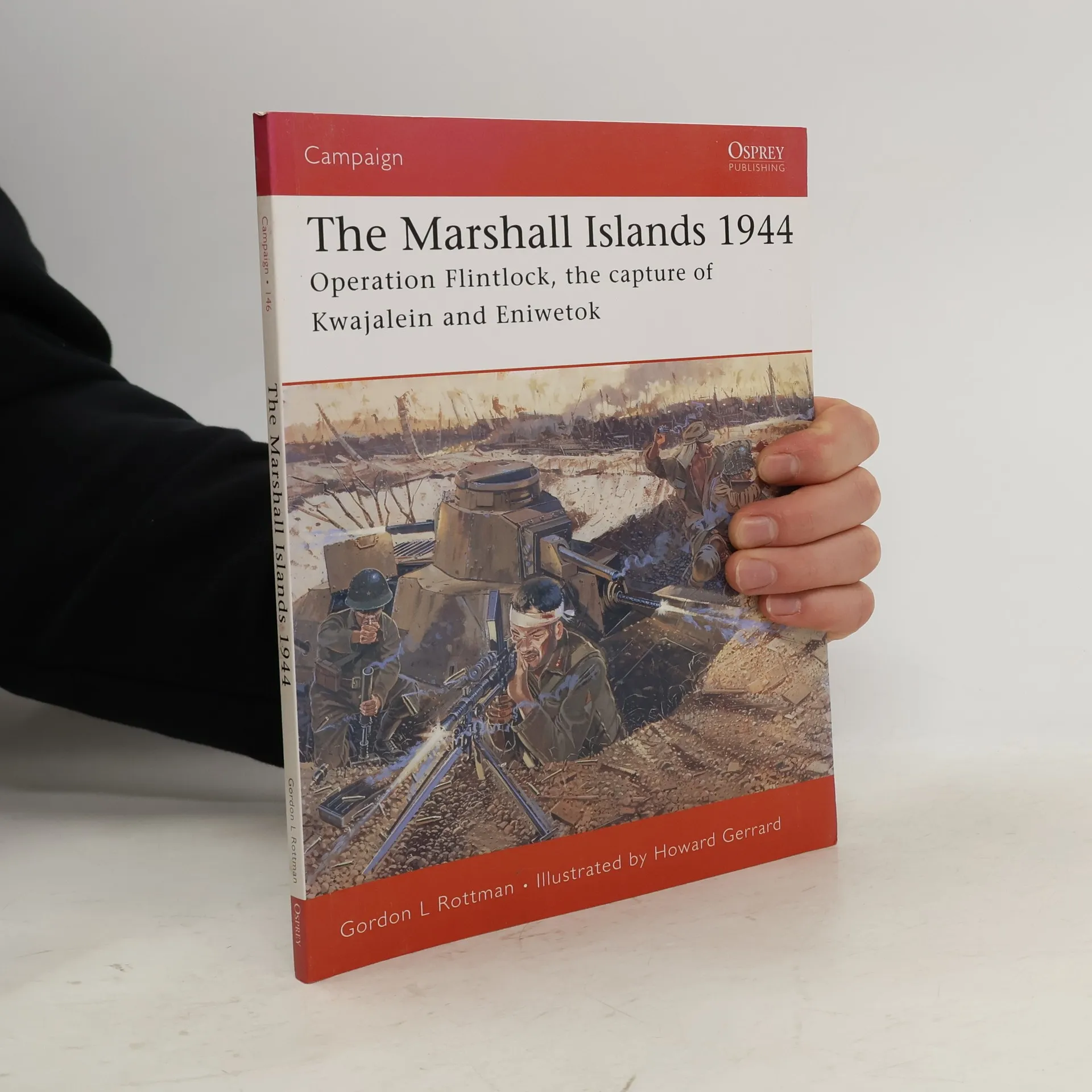
Campaign - 146: The Marshall Islands 1944
Operation Flintlock, The Capture Of Kwajalein And Eniwetok
- 96 pages
- 4 hours of reading
Following the capture of Tarawa in November 1943 during World War II (1939-1945), American eyes turned to the Marshall Islands. These were the next vital stepping-stone across the Pacific towards Japan, and would bring the islands of Guam and Saipan within the reach of US forces. In their first amphibious attack, the new 4th Marine Division landed on Roi and Namur islands on 1 February 1944, while US 7th Division landed on Kwajalein. At the time this was the longest shore-to-shore amphibious assault in history. The lessons of the bloody fighting on Tarawa had been well learned and the successful attack on the Marshalls set the pattern for future amphibious operations in the Pacific War.
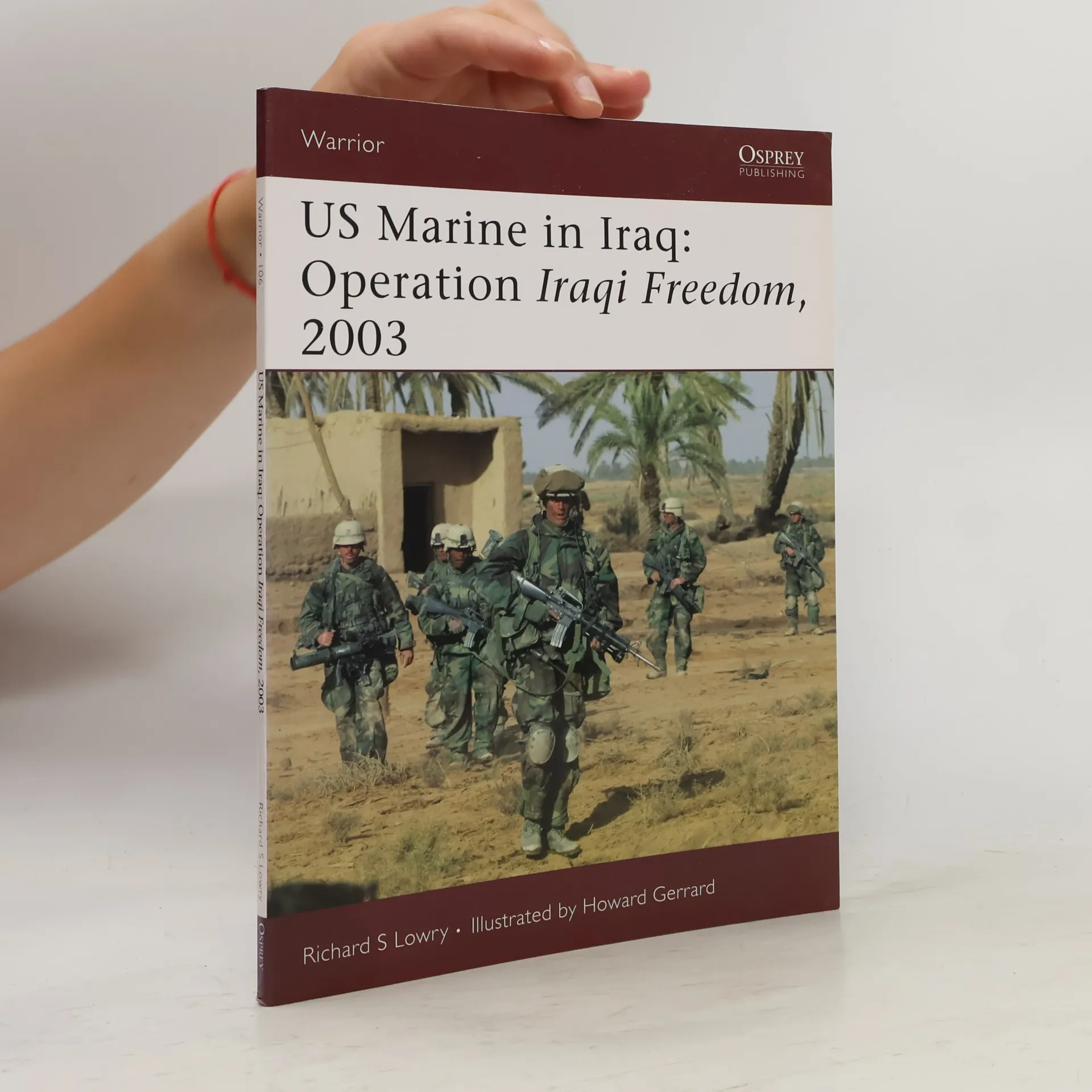
Operation Iraqi Freedom officially began on March 20, 2003 and has become one of the most controversial conflicts of modern warfare. Thousands of US Marines were deployed into Iraq in order to topple the dictatorship government and liberate the Iraqi people. This book examines the experience of those "ordinary" Marines who fought on the frontline of one of the major battles in the operation, the battle for An Nasiriyah. This title details the Marines' enlistment, levels of training and life in the Iraqi desert, as well as exploring their important role in the complex stabilization operations after their hard-won victories on the battlefield. US Marine in Operation Iraqi Freedom, 2003 offers a fascinating insight into the modern Marine Corps.
Den D 1944 : pláž Omaha
- 96 pages
- 4 hours of reading
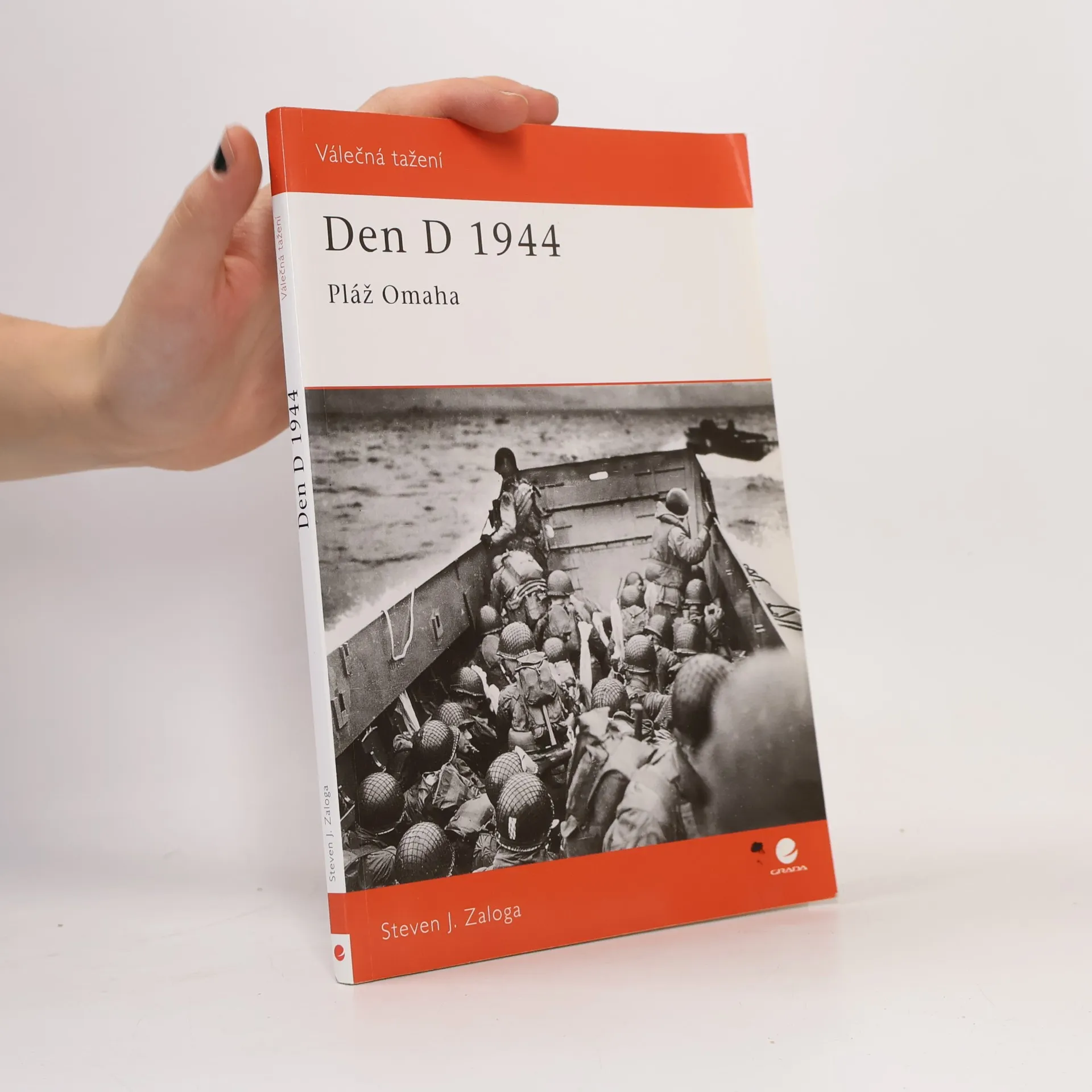
Strhující líčení největší obojživelné vojenské operace v dějinách z pera zkušeného amerického vojenského historika. Během této nesmírně náročné akce se přes Lamanšský průliv na francouzském pobřeží vylodila invazní spojenecká vojska, aby otevřela druhou frontu. Velké množství dobových fotografií, trojrozměrné plány a stejně tak do detailu autorem zdokumentovaný plán postupu spojenců i bránících se nacistů, popis použité výzbroje, výstroje, ženijních bojových prostředků a německých obranných zařízení jistě uvítají všichni milovníci vojenské historie.
El Alamein 1942
Velké bitvy historie 3
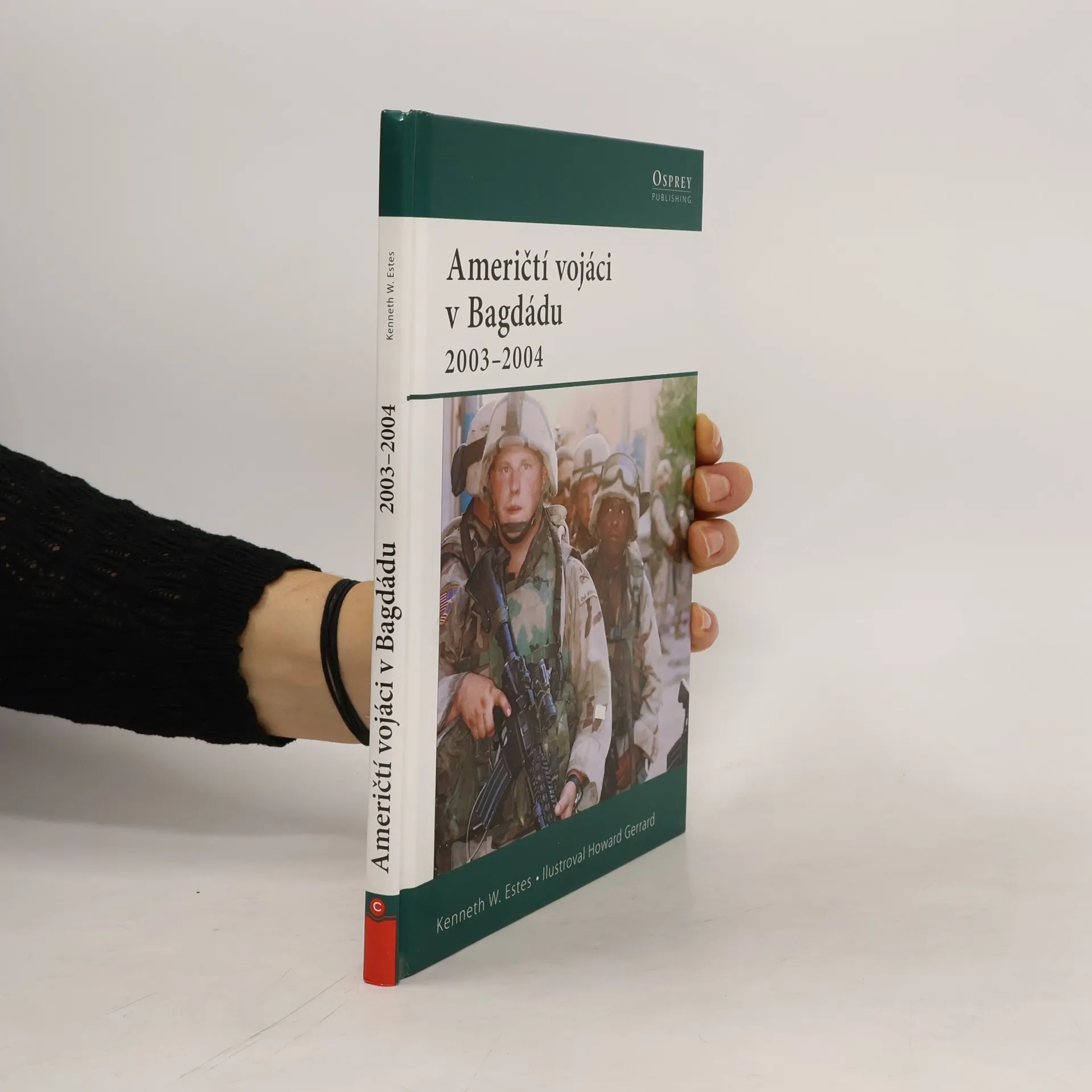
Američtí vojáci v Bagdádu 2003-2004
- 59 pages
- 3 hours of reading
V dubnu 2003 po krátkém boji získaly Spojené státy americké kontrolu nad Bagdádem. Byla vytvořena prozatímní koaliční autorita pro udržení pořádku a nová irácká vláda se stávala realitou. Tato kniha podrobně popisuje stabilizační operace a zkušenosti vojáků operační skupiny 1. obrněné divize Spojených států amerických, kteří žili a bojovali v těžkých podmínkách a jejichž aktivity byly ústředním bodem kontroverzních debat okolo počáteční okupace Iráku. Osobní zkušenosti vojáků z náboru, výcviku, ozbrojených bojů a jejich následků a účinků vyplynuly z rozhovorů a z nedávno zpřístupněných dokumentů a vysvětlují detaily této zásadní vojenské okupace.
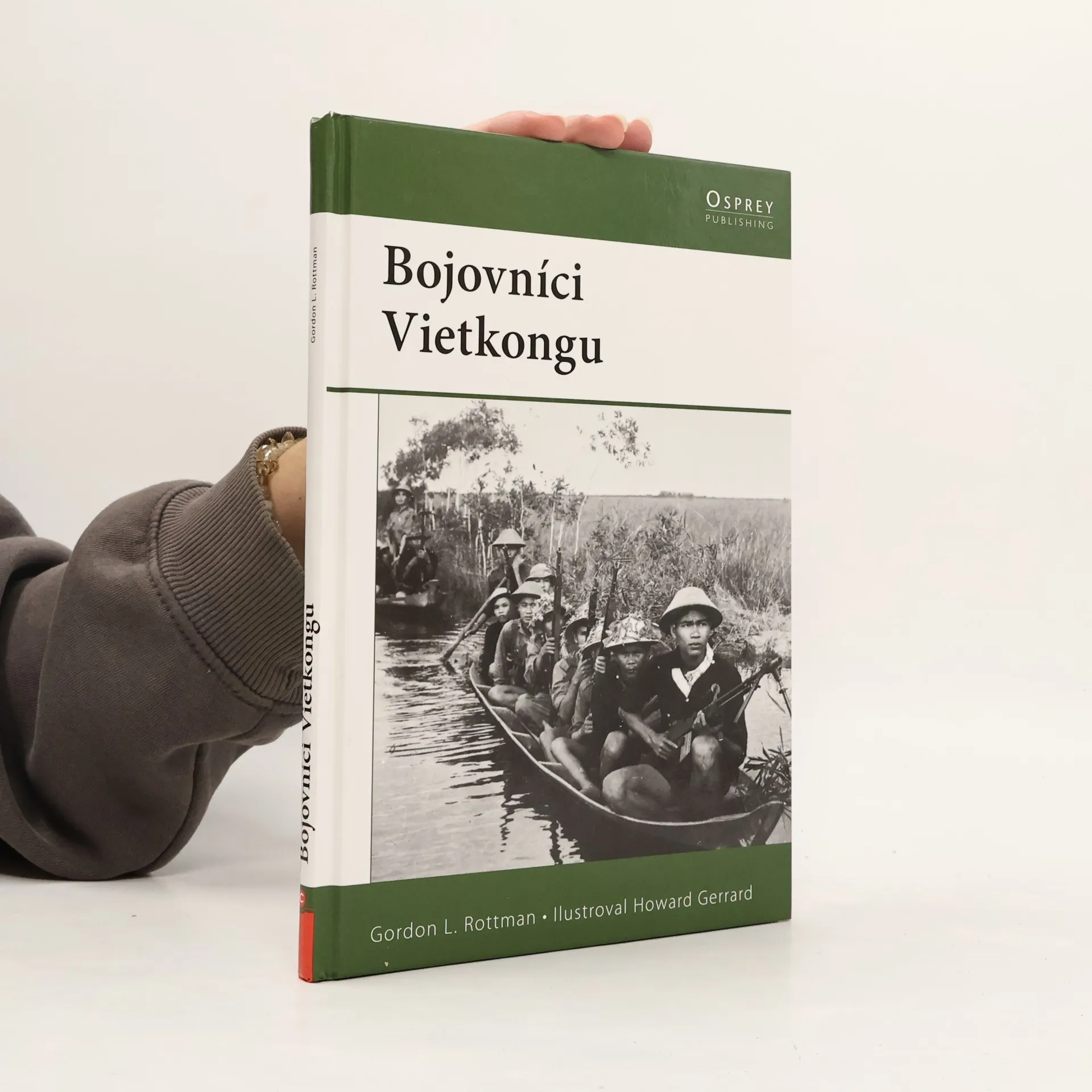
Bojovníci Vietkongu
- 66 pages
- 3 hours of reading
Ve stínu ukrytý nepřítel, takový byl Vietkong – zbrojené křídlo Národní fronty osvobození, komunistické strany Vietnamské republiky. Často spolupracoval s jednotkami Severovietnamské armády a po celou válku představoval na bojištích obklopených rýžovými poli významný faktor. Přestože tito vojáci bojovali proti nepříteli, který je převyšoval palebnou silou svých zbraní a dostupnými prostředky, dokázali pro vedení války úspěšně využívat své znalosti místního prostředí a dostupných zdrojů. Gordon Rottman využil vzácných fotografií a ilustrací k tomu, aby vykreslil podmanivý portrét těchto odhodlaných gerilových bojovníků. Podrobně popisuje jejich výcvik, ojedinělou motivaci, rozsáhlou politickou a psychologickou indoktrinaci, i surovou realitu vlastního boje.
Bitva u El Alameinu znamenala pro Velkou Británii za druhé světové války bod zlomu, po kterém se válečná štěstěna definitivně přiklonila na její stranu. V období mezi červencem a listopadem 1942 se tu odehrály tři dílčí bitvy, jejichž společným cílem bylo zastavení postupu Rommelovy armády k Suezskému průplavu. Při závěrečné z nich, jež probíhala v říjnu a listopadu, byla německá linie prakticky nepřetržitě ostřelována spojeneckými jednotkami. Rommel však měl od Hitlera rozkaz udržet ji za každou cenu. Spojenci ovšem německou obranu prolomili a Rommel, ve snaze zachránit zbytek Tankové armády Afrika, zahájil definitivní ústup na západ. Kniha nabízí podrobný pohled na bitvu, při které se v Africe obrátila karta ve prospěch Spojenců.