

Explore the latest books of this year!
Bookbot

Rouben Galichian

    Historic Maps of Armenia
    The Invention of History
    • The Invention of History

      • 140 pages
      • 5 hours of reading

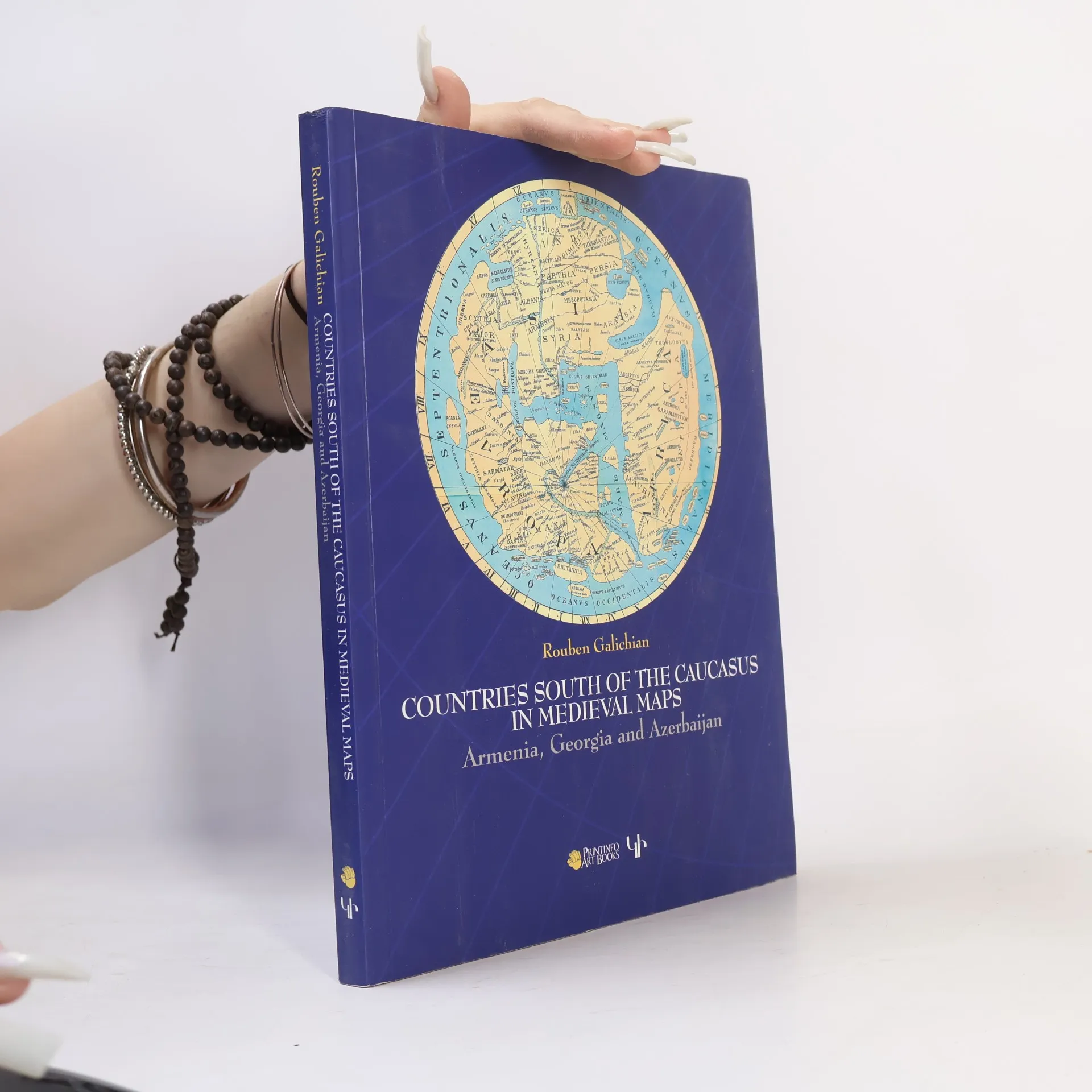
      In the middle ages (Caucasian) Albania was situated north of the Arax river, near Armenia and Iberia. During the eleventh to twelfth centuries this Christian country disappeared from the maps and after the Arab invasion and the onslaught of the Mongols and Seljuks, various Khanates such as Shirwan, Ganja, Shamakhi, Karabagh, Talesh, and others appeared in the territory, ruled mainly by the Persians. In 1918, when the regional countries became independent, there appeared a new country named Azerbaijan, which was the same, as the name of the Persian province of Azerbaijan across the Arax river. Since the early 1960s various local historians and scientists of this newly founded country have been trying to prove that the population of this land are the direct descendents of the Christian Albanians, as well as those of the Mongols and Seljuks, which allows them to claim that multitude of the Christian monuments existing in the region have Albanian, and not Christian Armenian origins. This book tries to uncover the truth behind these claims and related allegations and prove the reverse. The paradox, that the Azerbaijan authorities, who claim to be the rightful owners of all Christian monuments in the South Caucases, have been destroying most of the same medieval monuments in the area, is difficult to understand. Could it be that the targeted monements are not Albanian but irrefutably Armenian?

      The Invention of History
      5.0
    • Historic Maps of Armenia

      The Cartographic Heritage

      • 220 pages
      • 8 hours of reading

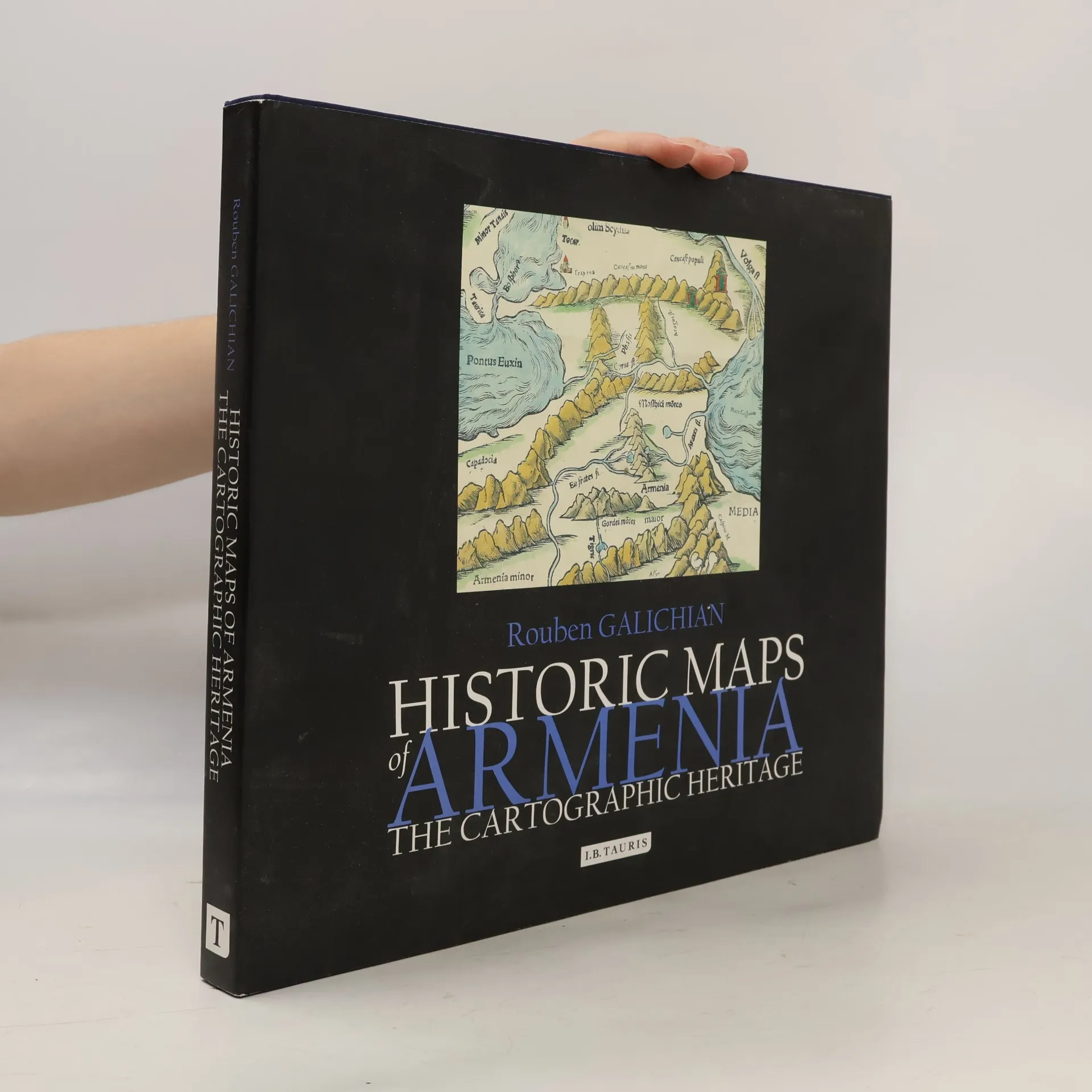
      Armenia as a cultural and political entity has existed for over 3000 years. Buffeted for the last 1000 years between Russians, Turks, Persians and the various peoples of the Caucasus, Armenians have survived the looming presence of much more powerful neighbours. The existence of the country has been recorded by mapmakers since the beginnings of cartography - including the various configurations of borders of the Armenian homeland which have shifted back and forth with the political fortunes of the peoples. This book brings together a collection of the most important maps of Armenia, from the oldest known version - a Babylonian clay tablet of the 6th century BC - to the renderings of Greek and Alexandrian cartographers, early Christian maps as well as versions from Ottoman and other Islamic centres. The text includes works by some of the greatest mapmakers, including Mercator and Ortelius. The cartographic treasures in this book include maps from the most important collections in Europe and America.With his detailed descriptions of 125 and his introductory text, the author has produced a work of reference and artistic distinction, which should prove a valuable tool to all who follow the history of Armenia, the Caucasus, the Ottoman and Iranian worlds, as well as to collectors and enthusiasts of cartography.

      Historic Maps of Armenia