Capitalism is analyzed in original essays by Paul Volcker, Polly Toynbee and George Soros, among others.
Anthony Giddens Books
January 18, 1938
Anthony Giddens is a British sociologist renowned for his theory of structuration and his holistic view of modern societies. He fundamentally shaped sociological thought by developing a framework that bridges macro and micro levels of social life. His work delves into critical aspects of modernity, including globalization, the transformation of intimacy, and self-identity in contemporary times. Giddens thus offers a comprehensive perspective for understanding the dynamics and trajectory of modern societies.





Europe in the Global Age
- 256 pages
- 9 hours of reading
Europe's social model, celebrated for promoting social cohesion and care for the vulnerable, is facing significant challenges, particularly with persistently high unemployment rates across many EU states. This strain has led to widespread dissatisfaction with the European project, exemplified by the rejection of the proposed new constitution. Urgent reform of the social model is necessary, aligning with efforts to stimulate economic growth. Weaker-performing nations can learn from those that have navigated these challenges more effectively. However, more radical changes must be considered in light of globalization, increasing cultural diversity, and shifting demographics. The author advocates for a rethinking of the traditional welfare state, emphasizing the need to integrate lifestyle changes into welfare concepts. Additionally, environmental issues should be linked to citizenship obligations. These innovations must coincide with efforts to enhance Europe's competitive position. This original and groundbreaking work is poised to join the ranks of influential texts that have reshaped social and political thought in recent decades.
Is There a Third Way?
Essays on the Changing Direction of Socialist Thought
- 62 pages
- 3 hours of reading
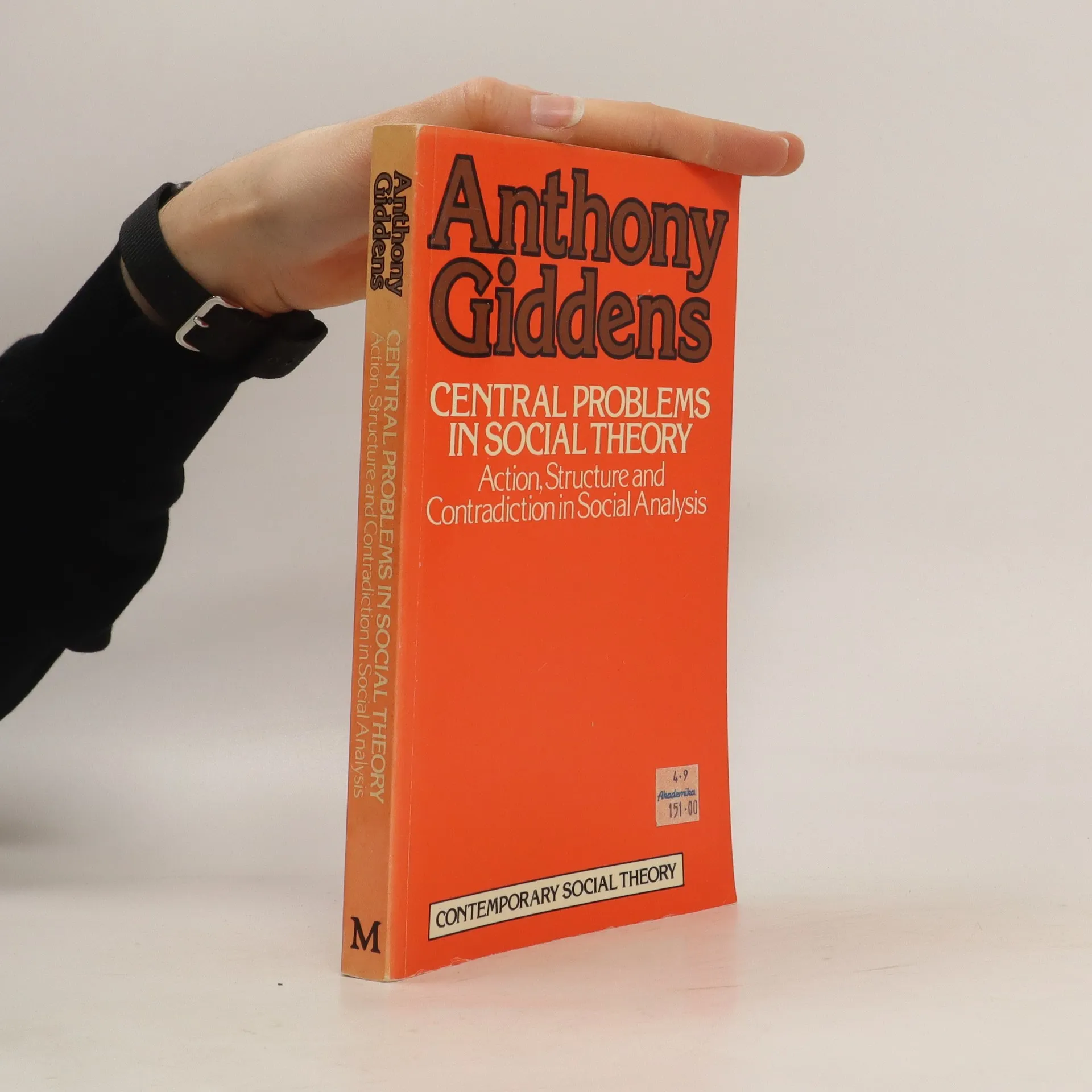
Central problems in social theory : action, structure, and contradiction in social analysis
- 308 pages
- 11 hours of reading
In this new and brilliantly original book of essays, Anthony Giddens discusses three main theoretical traditions in social science that cut across the division between Marxist and non-Marxist sociology: interpretive sociology, functionalism, and structuralism.
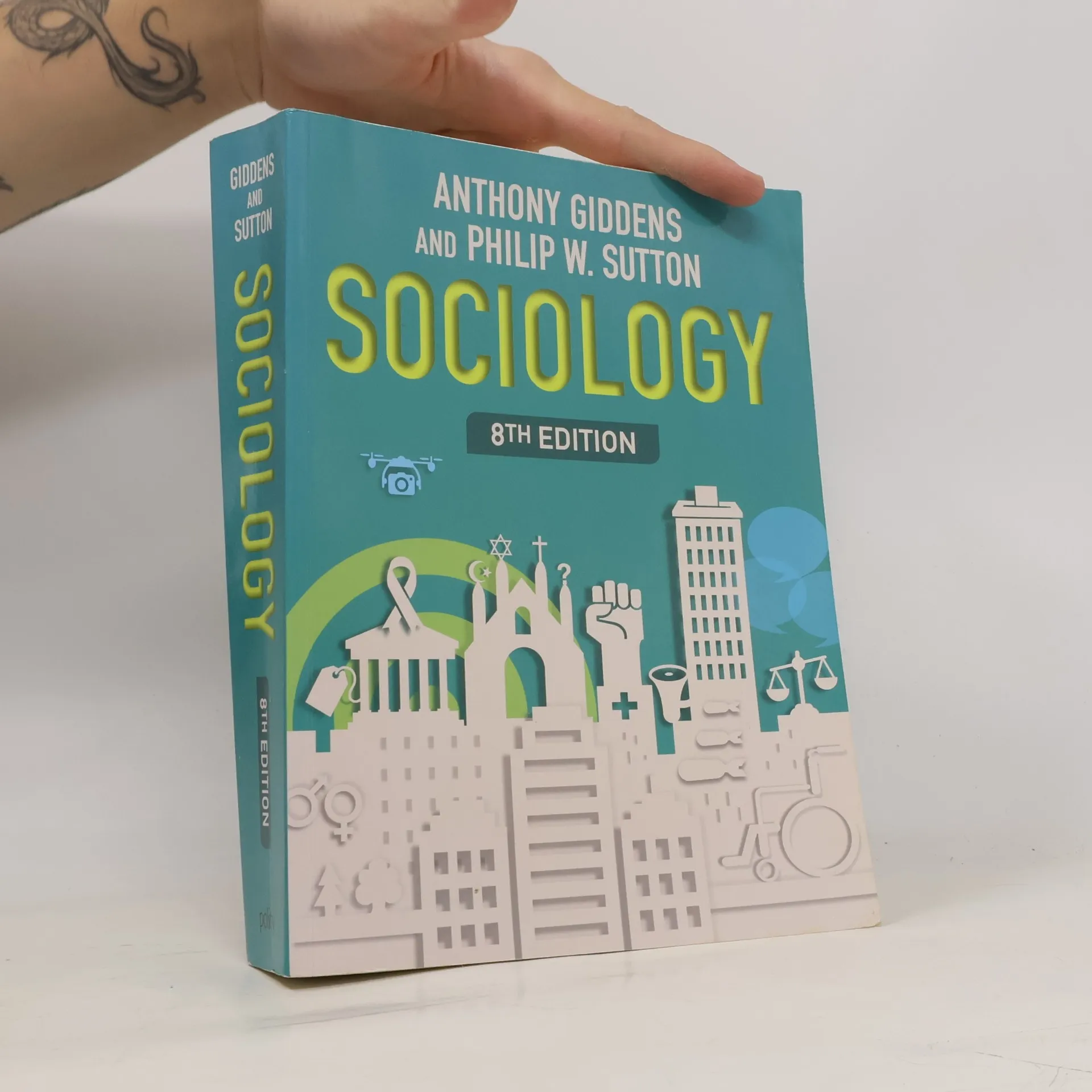
Sociology - Second Edition Fully Revised & Updated
- 848 pages
- 30 hours of reading
Every chapter in this new edition has been revised and the empirical content brought up to date using government statistics, academic journals and weeklies. There are also a number of new sections. These include an extended analysis of the 1989 revolutions in Eastern Europe and Russia, the upsurge in new forms of nationalism, the debate of the end of history, how green issues affect us and the impact of the men's movement and the backlash against feminism.
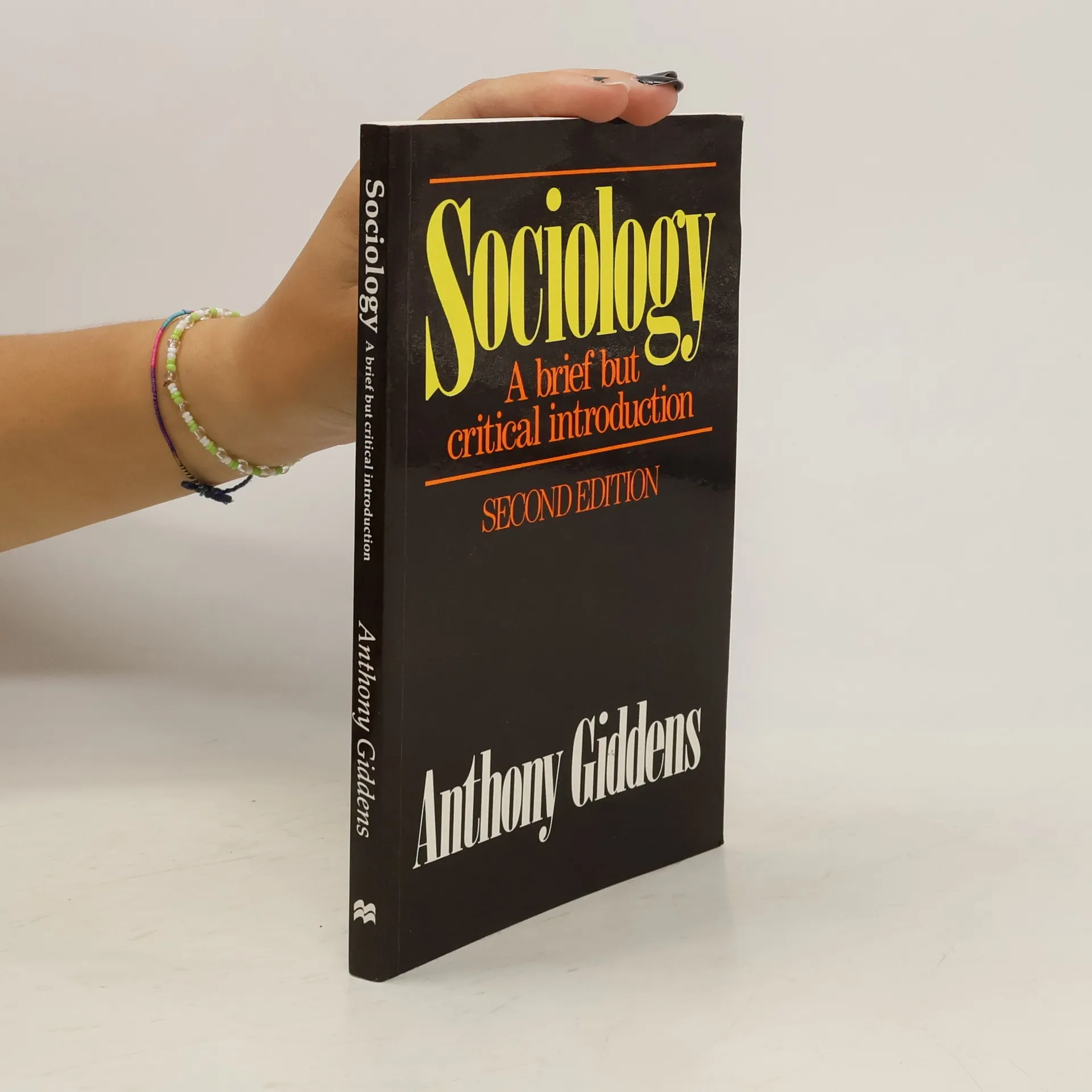
Sociology. A Brief but Critical Introduction
- 192 pages
- 7 hours of reading
Sociology: A Brief but Critical Introduction offers a lively, discursive and jargon-free introduction to sociology, accessible to the lay reader as well as to the student. It incorporates discussion of recent developments in both social theory and empirical social research - developments to which Giddens has directly contributed.
Sociology: Introductory Readings, 4th Edition
- 354 pages
- 13 hours of reading
The fourth edition features a comprehensive collection of readings that reflect contemporary sociological thought and practice. It has been meticulously revised and updated, making it an engaging resource for those looking to explore the diverse aspects of sociology. This edition aims to stimulate critical thinking and provide a broad understanding of the field, catering to both newcomers and those familiar with sociological concepts.
Sociology
- 704 pages
- 25 hours of reading
All the conventional areas of sociology are covered, but the author gives special attention to the new developments in the subject which have occurred during the late 1970s and 1980s.
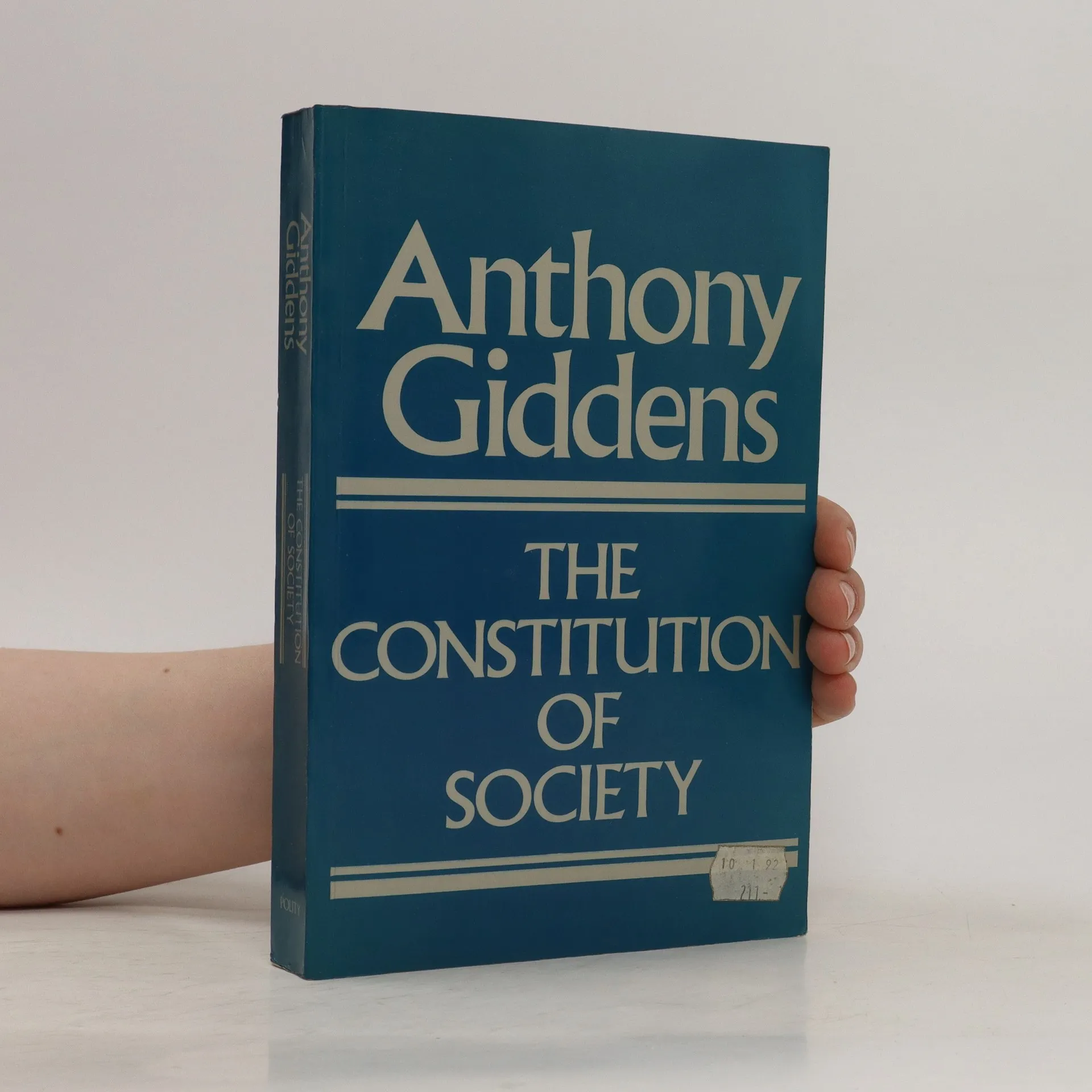
The Constitution of society
- 440 pages
- 16 hours of reading
Anthony Giddens has been in the forefront of developments in social theory for the past decade. In The Constitution of Society he outlines the distinctive position he has evolved during that period and offers a full statement of a major new perspective in social thought, a synthesis and elaboration of ideas touched on in previous works but described here for the first time in an integrated and comprehensive form. A particular feature is Giddens's concern to connect abstract problems of theory to an interpretation of the nature of empirical method in the social sciences. In presenting his own ideas, Giddens mounts a critical attack on some of the more orthodox sociological views. The Constitution of Society is an invaluable reference book for all those concerned with the basic issues in contemporary social theory.
In this major theoretical statement, the author offers a new and provocative interpretation of the institutional transformations associated with modernity. We do not as yet, he argues, live in a post--modern world.
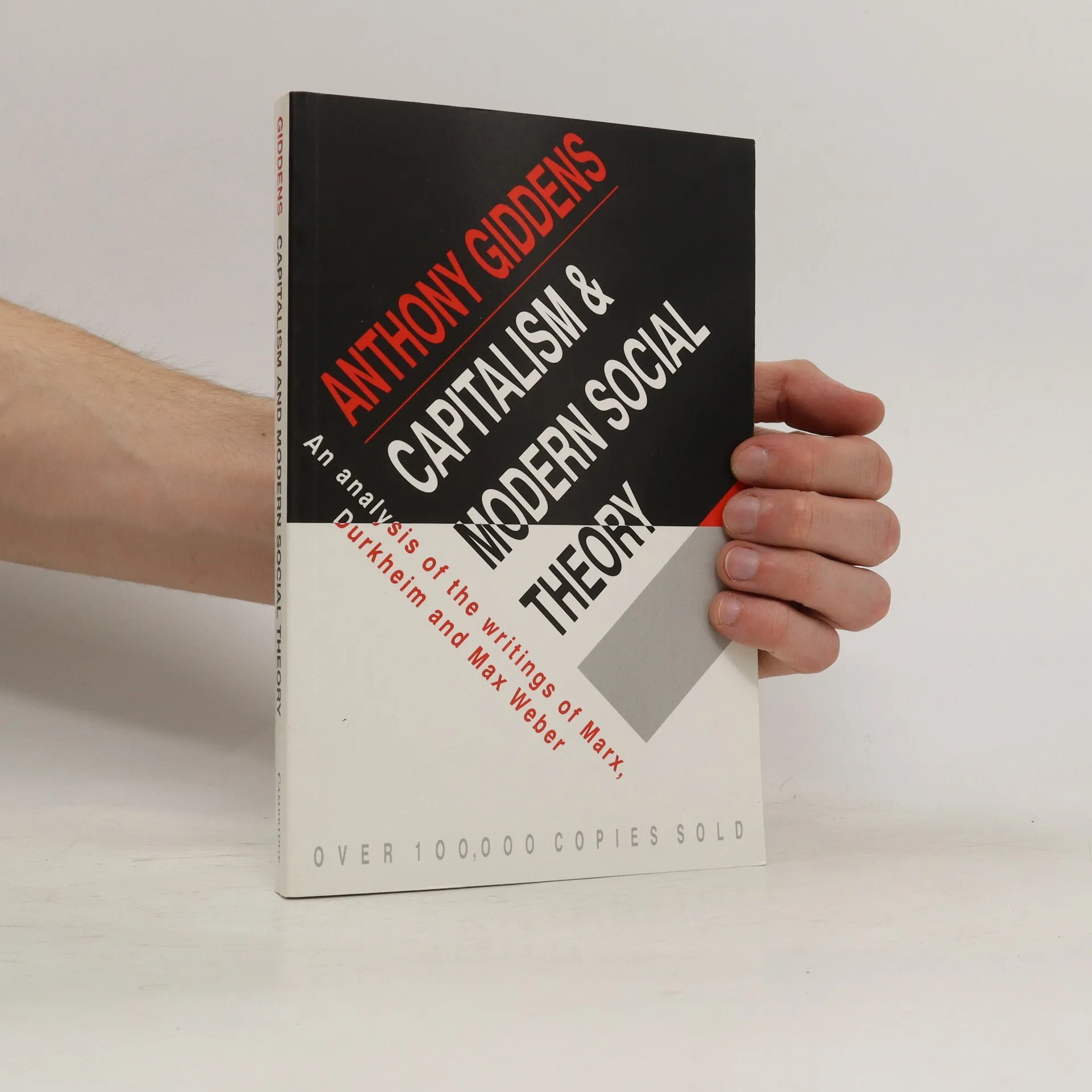
Capitalism and modern social theory
- 280 pages
- 10 hours of reading
Giddens's analysis of the writings of Marx, Durkheim and Weber has become the classic text for any student seeking to understand the three thinkers who established the basic framework of contemporary sociology. The first three sections of the book, based on close textual examination of the original sources, contain separate treatments of each writer. The author demonstrates the internal coherence of their respective contributions to social theory. The concluding section discusses the principal ways in which Marx can be compared with the other two authors, and discusses misconceptions of some conventional views on the subject.
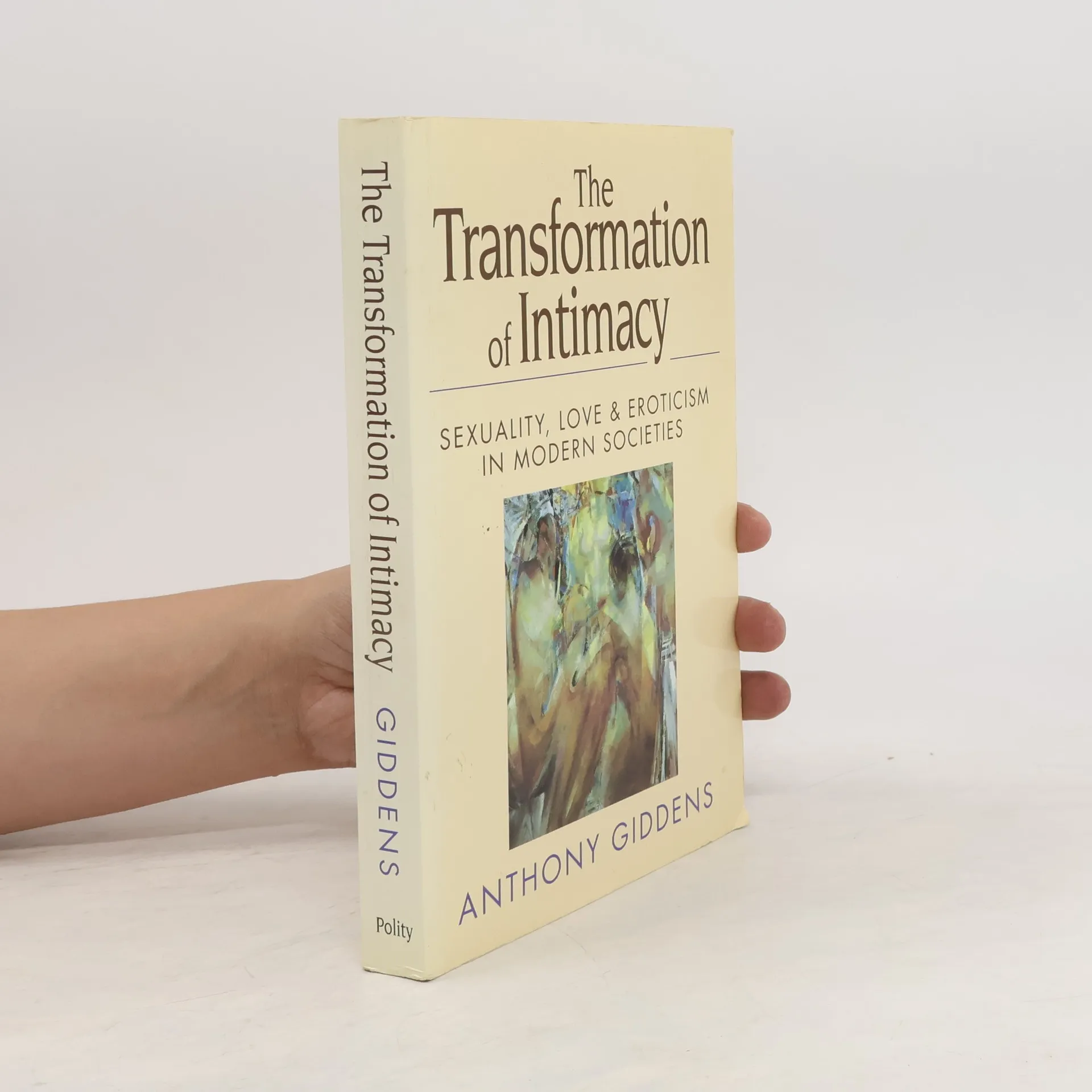
The Transformation of Intimacy
Sexuality, Love and Eroticism in Modern Societies
The sexual revolution: an evocative term, but what meaning can be given to it today? How did sexuality come into being and what connections does it have with the changes that have affected personal life on a more general plane? In answering these questions, Anthony Giddens disputes many of the dominant interpretations of the role of sexuality in modern culture. The emergence of what the author calls plastic sexuality - sexuality freed from its intrinsic relation to reproduction - is analyzed in terms of the long-term development of the modern social order and social influences of the last few decades. Giddens further argues that the transformation of intimacy, in which women have played the major part, heralds radical changes in the relationship between the sexes.
Over to You, Mr Brown
- 256 pages
- 9 hours of reading
Labour stands at a decisive point in its history. A change of leadership can help reinvigorate the party, but winning a fourth term of government will be impossible unless Labour's ideological position and policy outlook are thoroughly refurbished. What form should these innovations take?
Turbulent and Mighty Continent
- 224 pages
- 8 hours of reading
Winner of the 2014 European Book Prize. A "United States of Europe", Winston Churchill proposed in 1946, could "as if by a miracle transform" that "turbulent and mighty continent". "In this way only", he continued, "will hundreds of millions of toilers be able to regain the simple joys and hopes which make life worth living".
This major study develops a new account of modernity and its relation to the self. Building upon the ideas set out in The Consequences of Modernity, Giddens argues that 'high' or 'late' modernity is a post traditional order characterised by a developed institutional reflexivity.
The Third Way
- 176 pages
- 7 hours of reading
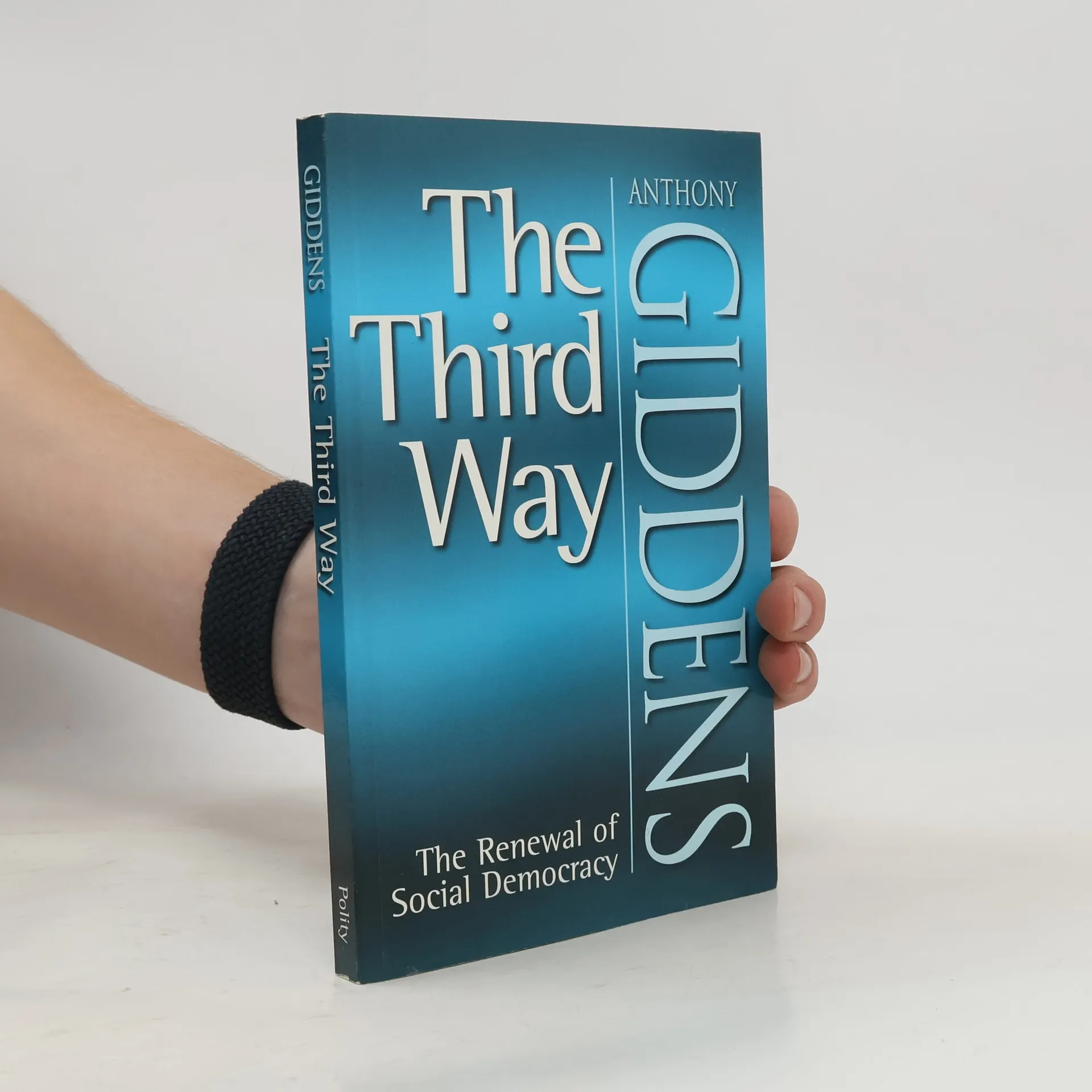
The idea of finding a 'third way' in politics has been widely discussed over recent months - not only in the UK, but in the US, Continental Europe and Latin America. But what is the third way? Supporters of the notion haven't been able to agree, and critics deny the possibility altogether. Anthony Giddens shows that developing a third way is not only a possibility but a necessity in modern politics.
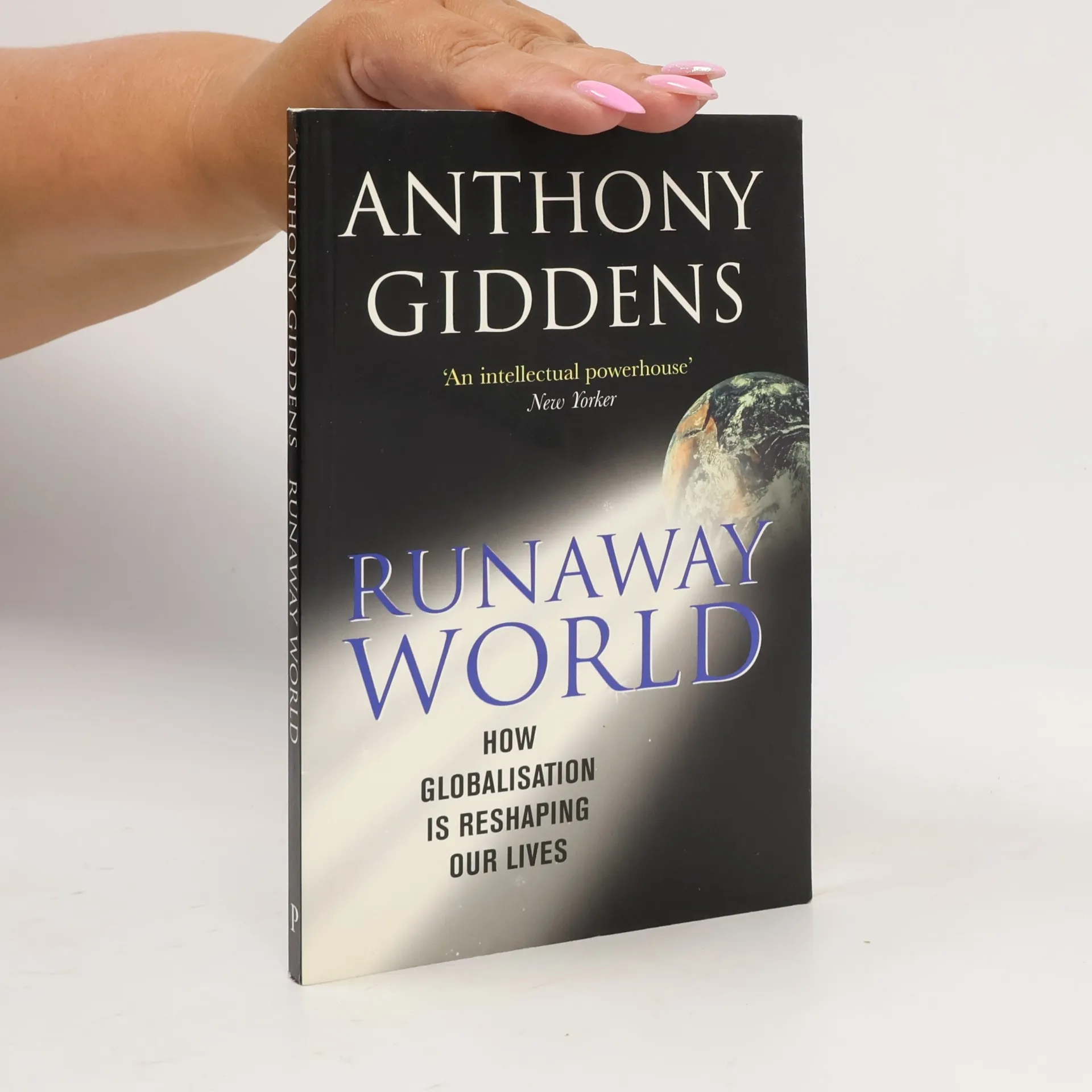
'Before the current global era it is impossible to imagine that comparable events like September 11] could have occurred, reflecting as they do our new-found interdependence. The rise of global terrorism, like world-wide networks involving in money-laundering, drug-running and other forums of organised crime, are all parts of the dark side of globalisation.' From the new Preface This book is based on the highly influential BBC Reith lecture series on globalisation delivered in 1999 by Anthony Giddens. Now updated with a new chapter addressing the post-September 11th global landscape, this book remains the intellectual benchmark on how globalisation is reshaping our lives. The changes are explored in five main chapters: * Globalisation * Risk * Tradition * Family * Democracy.
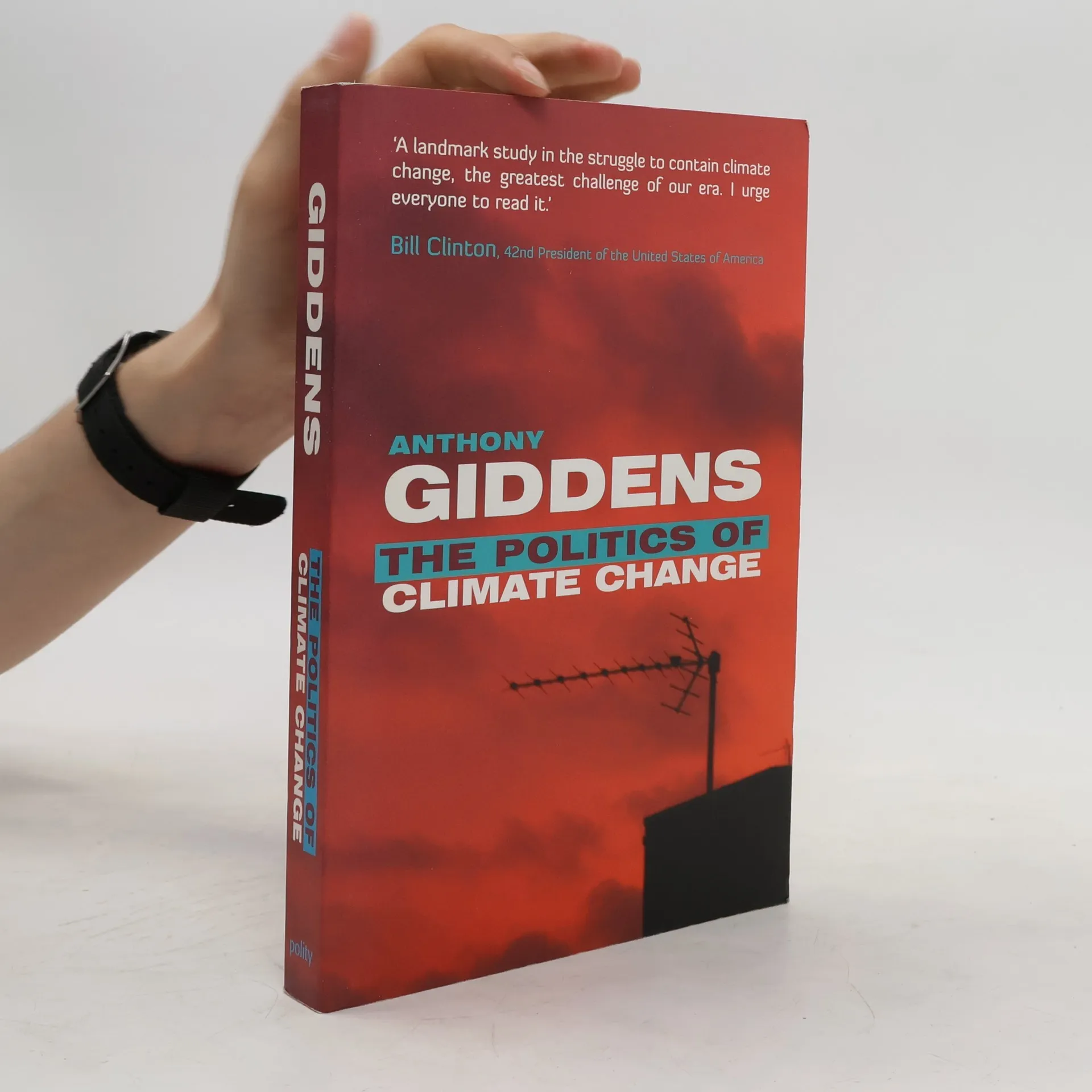
"Climate change differs from any other problem that, as collective humanity, we face today. If it goes unchecked, the consequences are likely to be catastrophic for human life on earth. Yet for most people, and for many policy-makers too, it tends to be a 'back of the mind' issue. ... [This book] argues controversially, we do not have a systematic politics of climate change. Politics-as-usual won't allow us to deal with the problems we face, while the recipes of the main challenger to orthodox politics, the green movement, are flawed at source." - cover.
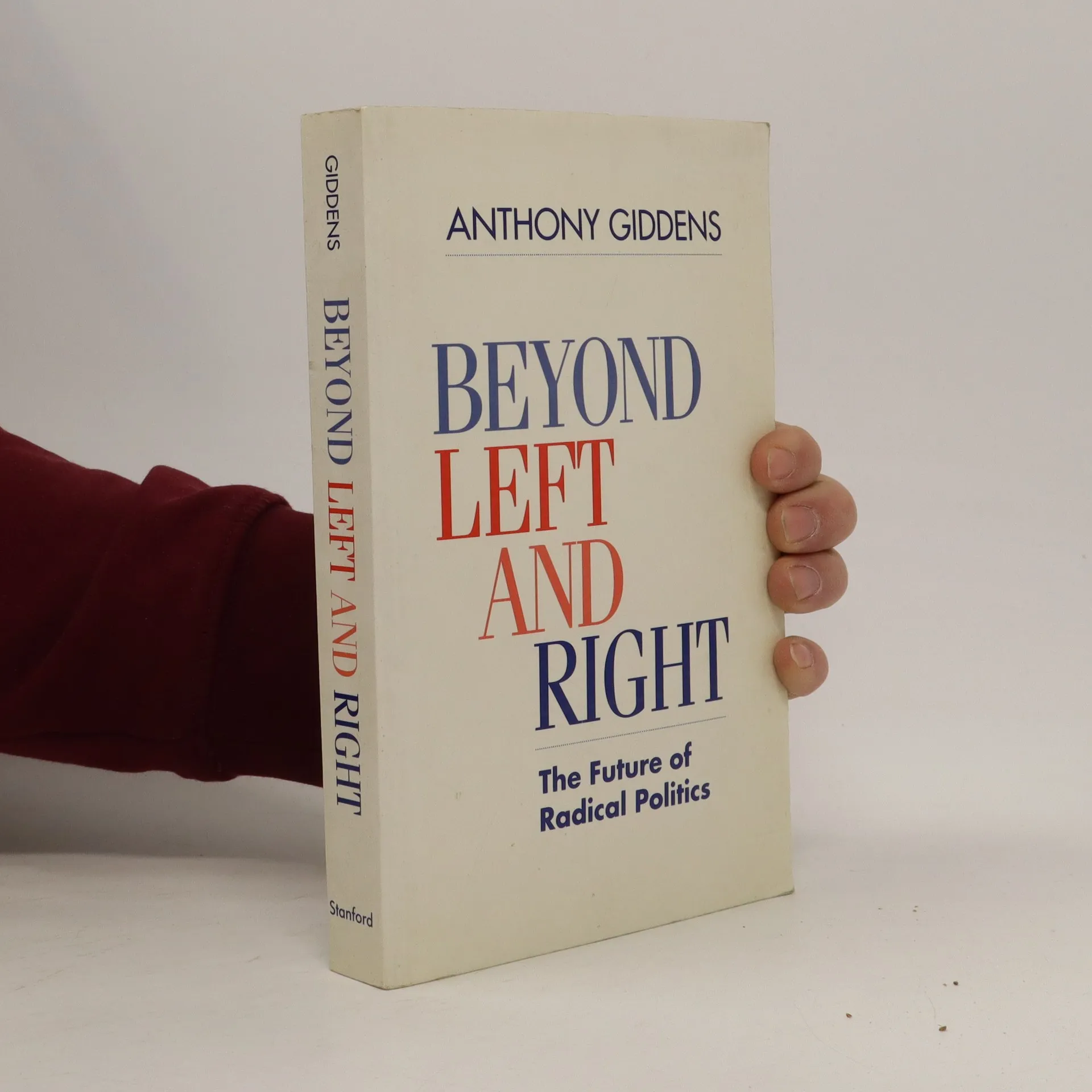
In the wake of the cataclysmic changes that have transformed the Soviet Union and Eastern European countries since 1989, what can it mean to be politically radical today? In this conceptually powerful work, the author applies his well-known and influential body of ideas about modernity to the present state and future of radical politics.
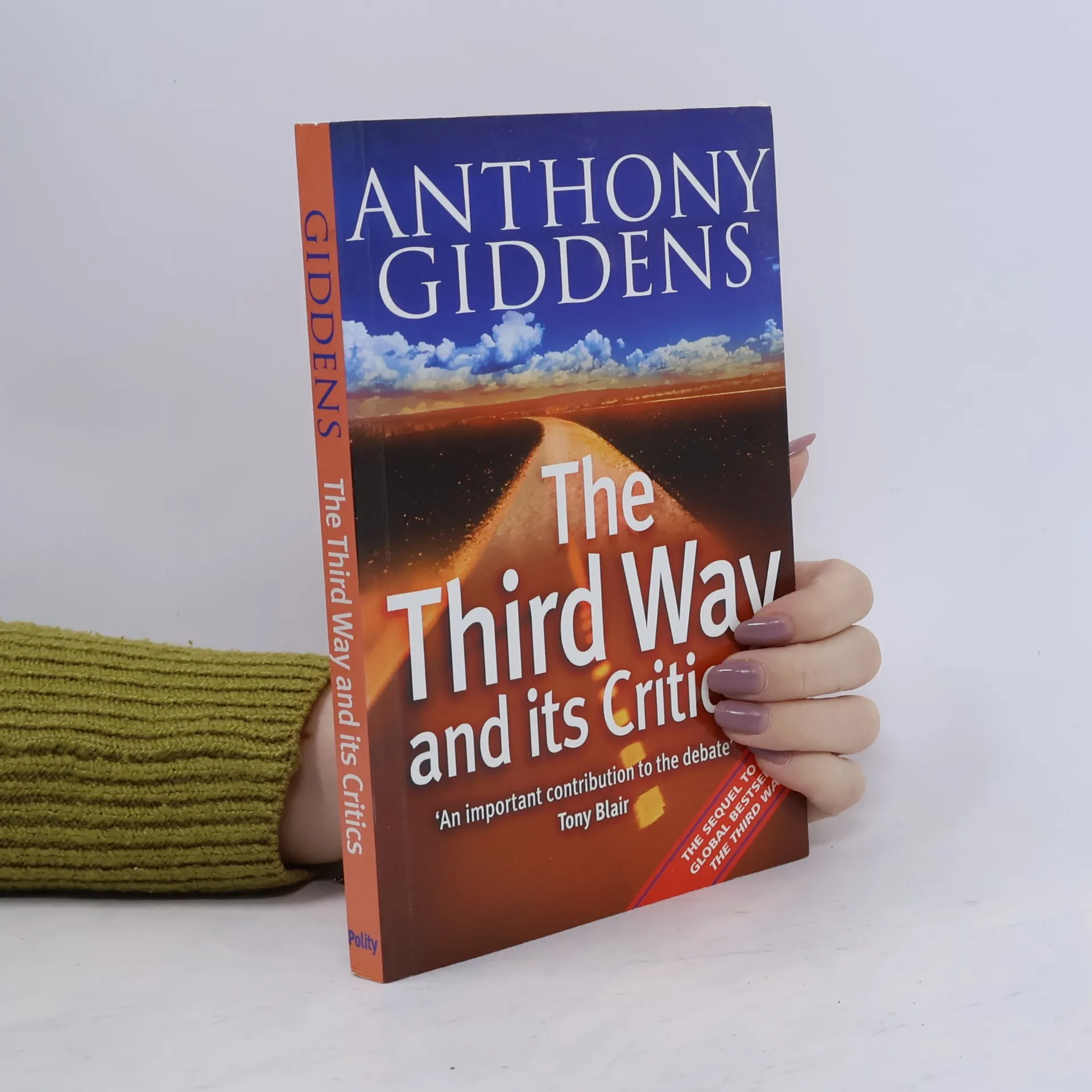
The Third Way and Its Critics
- 200 pages
- 7 hours of reading
The idea of finding a a third waya in politics has become a focus of discussion across the world. Political leaders, in the US, Europe, Asia and Latin America claim to be following its principles. Yet the notion has also attracted much criticism. Some say it is an empty concept without any real content. schovat popis
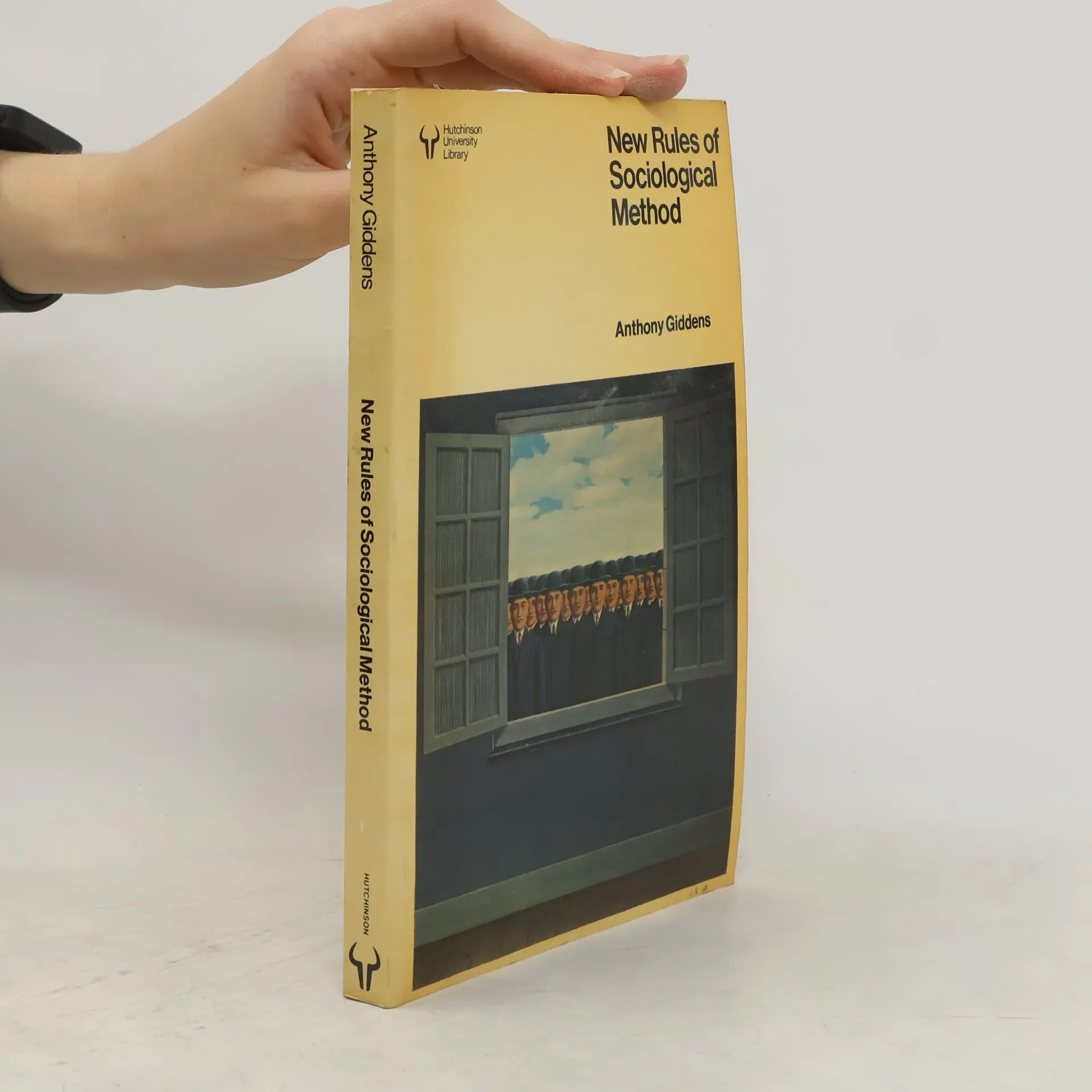
New Rules of Sociological Method
A Positive Critique of Interpretative Sociologies
- 192 pages
- 7 hours of reading
Sociology is concerned not with a "given" universe of objects, but rather with a universe constructed or produced through the active actions of subjects. While people transform and humanize nature socially, they do not produce the natural world, which is shaped independently of their existence. The reason people create history while transforming the world, and thus live within history, is that the production and reproduction of society is not "biologically programmed," unlike lower-level animal communities. Although the theories they produce can have an effect on nature through technological applications, people cannot shape the characteristics of the natural world in the same way they shape the characteristics of the social world. Therefore, the production and reproduction of society must be understood not merely as a series of mechanical processes, but as a skilled execution by its members. However, emphasizing this does not imply that individuals are fully aware of what these skills are or how to use them, nor that social lifestyles can be seen as the intended outcomes of action in the most appropriate form.
xi, 1130 pages : 26 cm
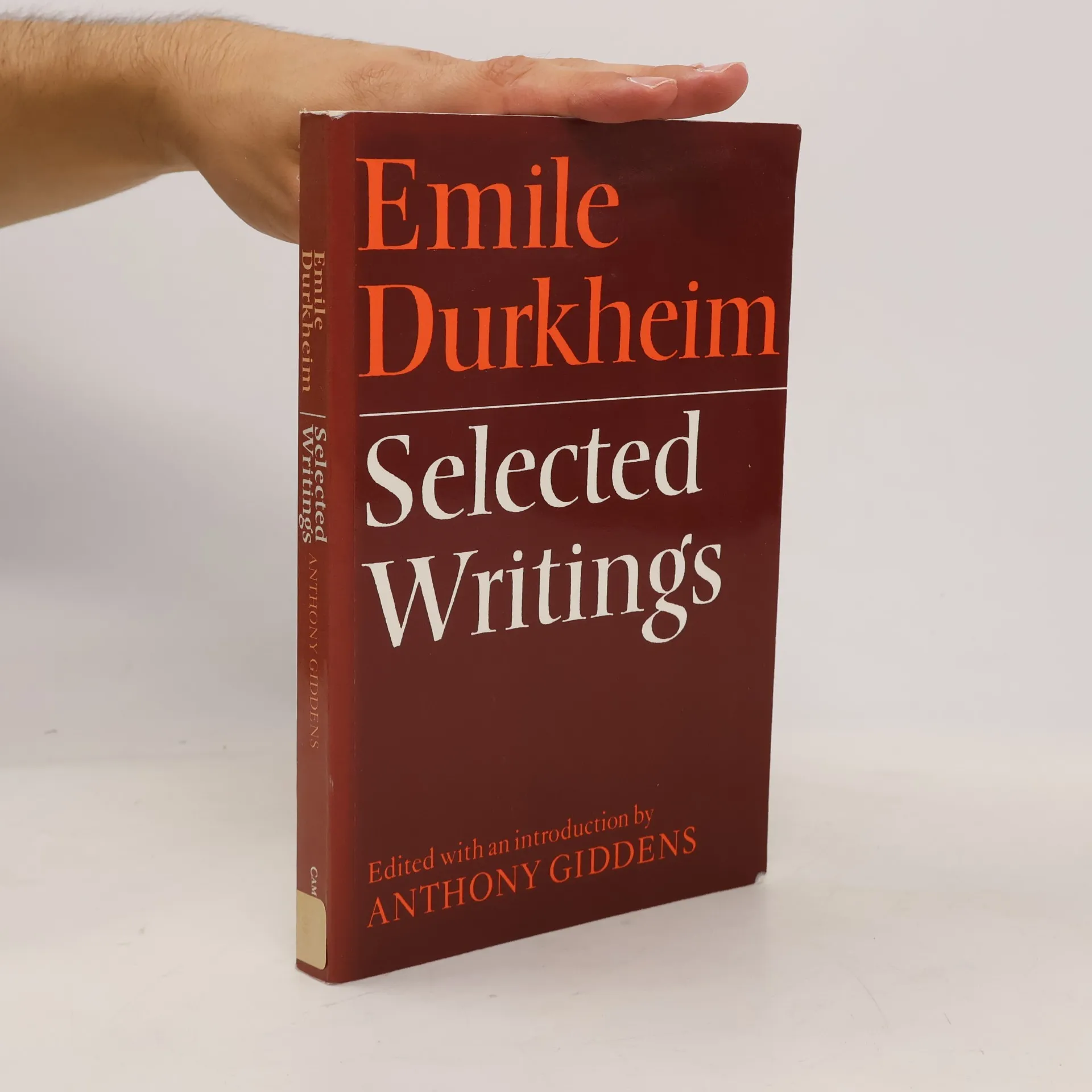
Selected Writings
- 284 pages
- 10 hours of reading
This 1972 book is a collection of Durkheim's writings drawing upon the whole body of his work. Dr Giddens takes his selections from a wide variety of sources and includes a number of items from untranslated writings in the Revue Philosophique, Annee Sociologique and from L'evolution pedagogue en France. Selections from previously translated writings have been checked against the originals and amended or re-translated where necessary. Dr Giddens arranges his selections thematically rather than chronologically. However, extracts from all phases of Durkheim's intellectual career are represented, giving the date of their first publication, which makes the evolution of his thought easily traceable. In his introduction Dr Giddens discusses phases in the interpretation of Durkheim's thought, as well as the main themes in his work, with an analysis of the effects of his thinking on modern sociology. The book is for students at any level taking courses in sociology, social anthropology and social theory in which Durkheim is one of the major writers studied.
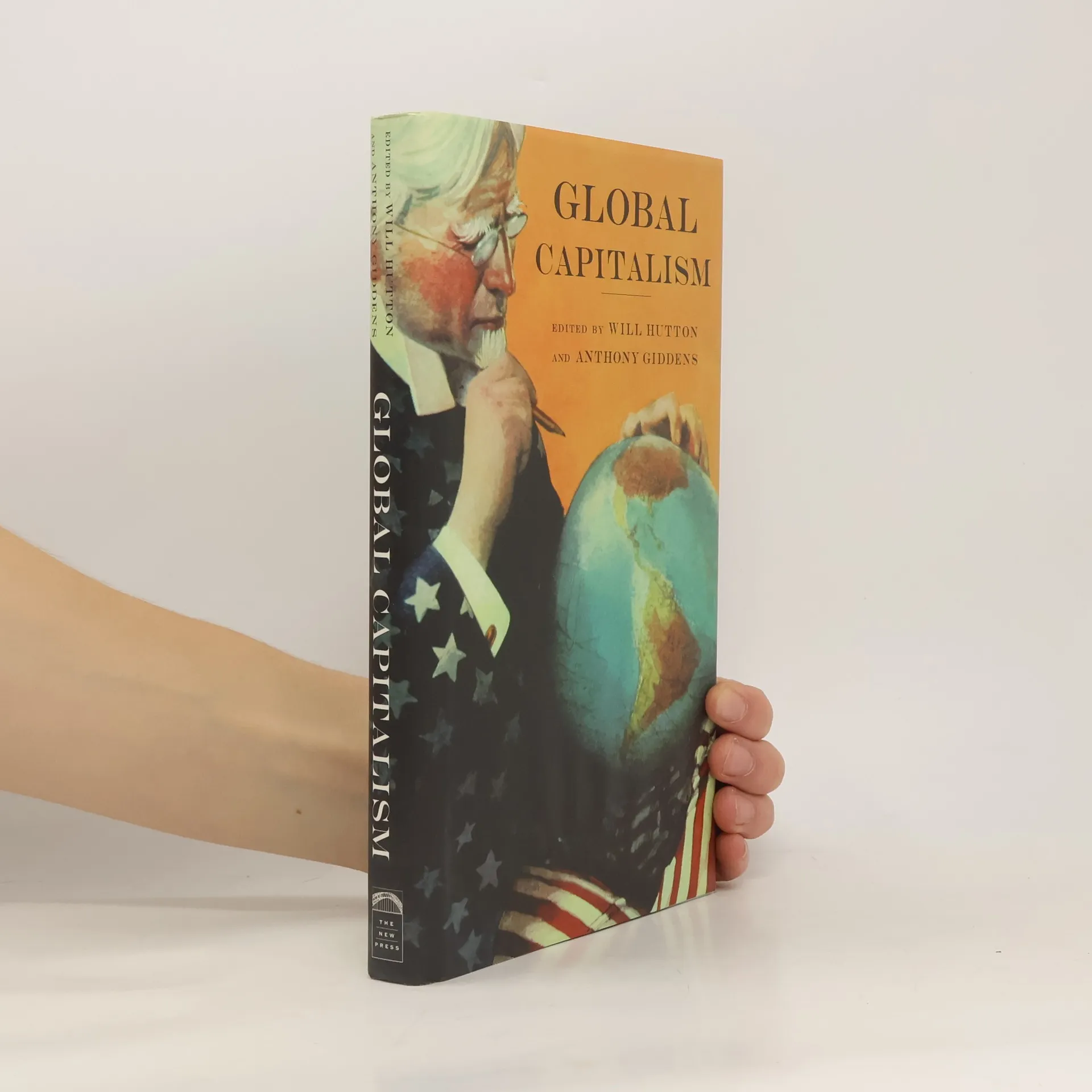
Global Capitalism
- 241 pages
- 9 hours of reading
This "glorious and frightening read" (MT Magazine) examines capitalism's place as the universal social and economic order of our time. Now truly global, twenty-first century capitalism -- aided by extraordinary advances in technology and communication and by unfettered global financial markets -- has a speed, inevitability, and force that it has not had before. In Global Capitalism, now available in paperback, leading political and economic analysts have gathered to dissect this dangerous new world.Hailed as a "must read" by Internet Business London, Global Capitalism analyzes the current role of the business firm, considers whether the new capitalism is compatible with social cohesion and social justice, and addresses topics ranging from the degradation of the environment to the concentrated control of the media by transnational corporations. The contributors discuss capitalism as a form of culture and way of life, and ask whether it has any viable political rivals.
Mundo em descontrole
- 124 pages
- 5 hours of reading
Relata sobre as mudanças pelos quais passaram culturas tradicionais, o choque entre a busca de integração e o fundamentalismo, as intolerâncias religiosas e as identidades étnicas e nacionais, as incertezas criadas pelo processo de unificação em escala planetária. Também discute sobre sexualidade, casamento e família.
Die Frage der sozialen Ungleichheit
- 196 pages
- 7 hours of reading
Mit seinem Buch Der dritte Weg hat Anthony Giddens ein umfassendes Programm für politisches Handeln auf allen Ebenen in den Zeiten der Globalisierung vorgelegt. Dieses neue Denken und diese neue Praxis drängten sich auf, da vor allem auf wirtschaftlichem Gebiet weder die Konservativen noch die traditionellen Linken eine angemessene Antwort liefern. Giddens" Kritik an diesen Lagern führte in ganz Europa zu einer Debatte über Ziele und Mittel des dritten Wegs. In seinem neuen Buch antwortet Giddens seinen Kritikern und entfaltet im Detail seine Konzeption.Die neoliberalen Vertreter einer uneingeschränkten Herrschaft des Weltmarktes werfen Giddens vor, seine Vorstellungen von einem globalen Regieren schränkten das Wirtschaftswachstum ein und verstärkten die soziale Ungleichheit. Die traditionelle Linke hält ihm vor, seine Perspektive für den Umbau des Sozialstaates verleihe der Globalisierung zuviel Gewicht, schränke die Handlungsfähigkeit des Nationalstaats ein und führe in seiner Konse quenz zum Abbau der für die Demokratie notwendigen gesellschaftlichen Umverteilungsmechanismen. Giddens zeigt, dass weder ungezügeltes Wirtschaftswachstum noch Globalisierungspessimismus in der Lage sind, die soziale Demokratie zu erneuern. Allein der dritte Weg, der die neuen Faktoren Globalisierung, Individualisierung und ökolologische Notwendigkeiten berücksichtigt, erlaubt, auf neue Anforderungen neue Antworten zu geben.
Szociológia
- 833 pages
- 30 hours of reading
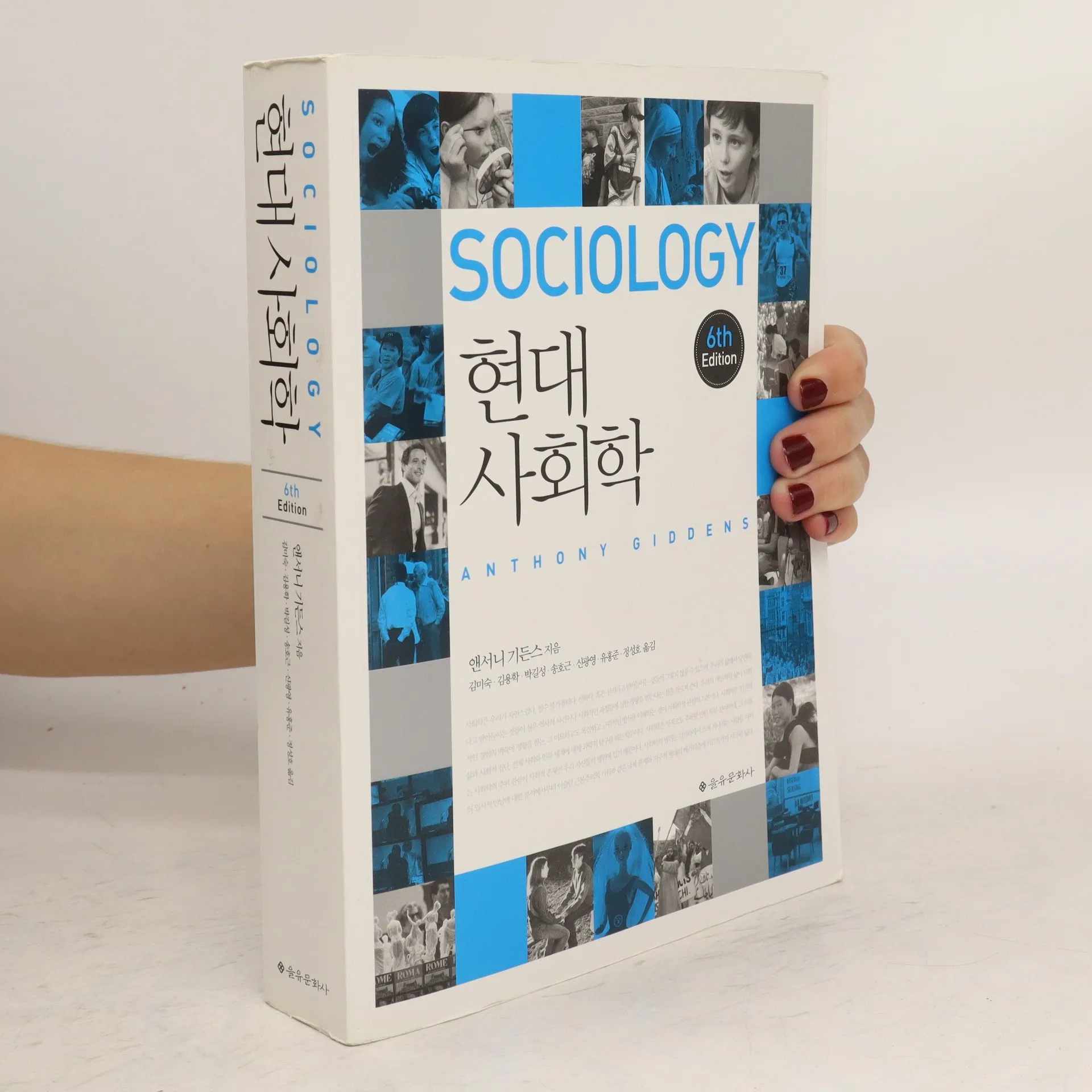
현대 사회학 (hyeondae sahoehag)
- 963 pages
- 34 hours of reading
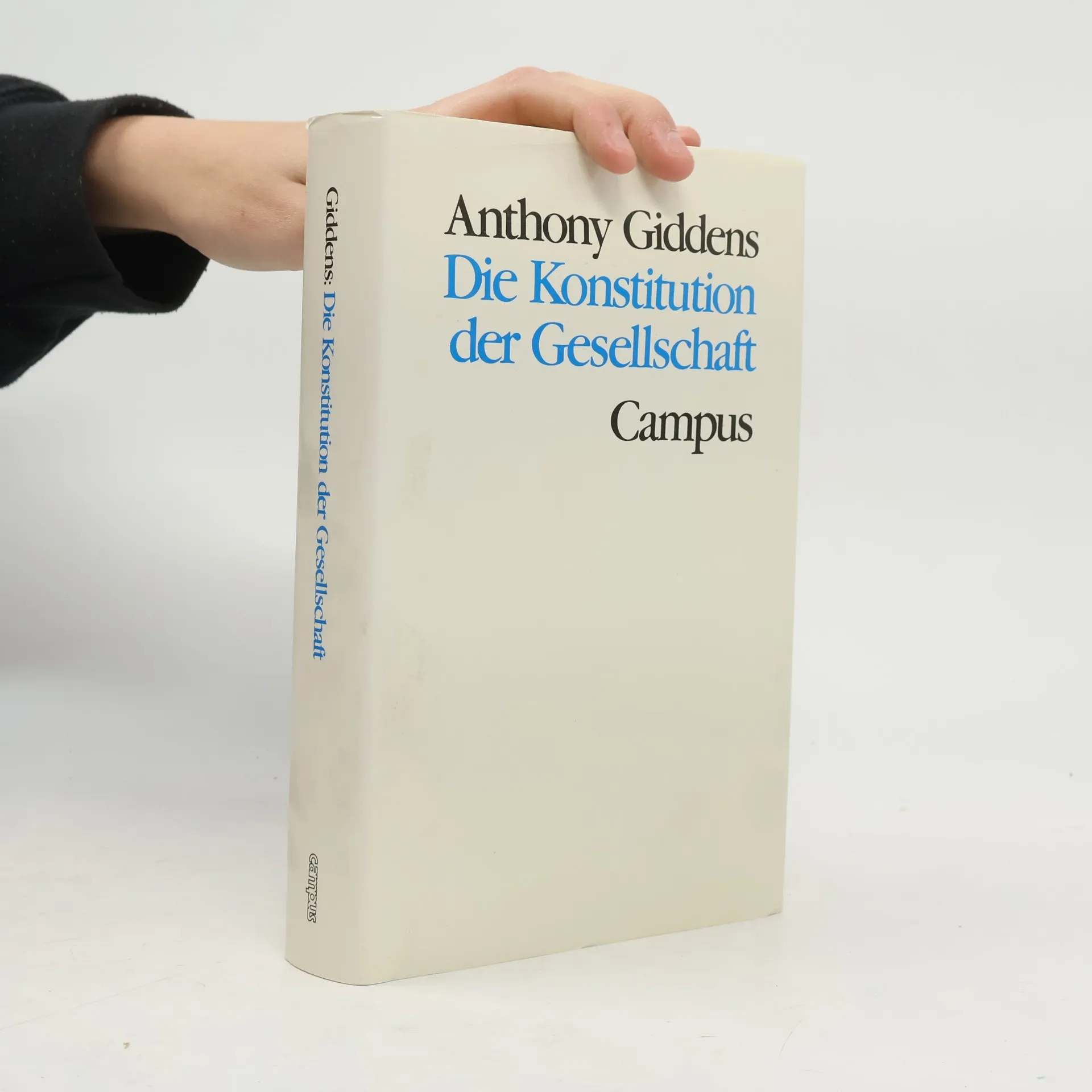
Die Konstitution der Gesellschaft
- 460 pages
- 17 hours of reading
氣候變遷政治學
- 318 pages
- 12 hours of reading
Paperback. Pub 2011 05 320 Traditional Chinese Business Weekly Publishing U.S. President Bill Clinton Everyone should read this important book. Giddens told! Nobel Prize winner. former Dean of the Academia Sinica Lee Yuan-tse Academia Sinica researcher at the Institute of European and American Studies Huang Ruiqi Taiwan University of Geography Professor Wang Xin recommended that the climate issue is so urgent. why few people seriously face? Why do most countries indifferent to the leader? Why is it that when future life crumbling. we passively over day to day? On climate change. green policies and national development. we need a new political attitude! Following the third way. Sociology Masters Giddens told. brought up again in the new political ways and thinking! For human survival crisis caused by global climate change. if we do not ...
Suhrkamp Taschenbuch Wissenschaft - 452: Die Klassenstruktur fortgeschrittener Gesellschaften
- 398 pages
- 14 hours of reading
Kniha reaguje na polemické názory, které Giddens rozpoutal svou předchozí knihou Třetí cesta, ve které hledá alternativní politickou cestu ke stávajícím sociálním modelům, která by adekvátněji reagovala na takové jevy, jakými jsou kupříkladu vzrůstající kriminalita, nezaměstnanost, ekologické problémy, postavení mužů a žen a pod.
Sociální teoretik světového významu a nejoblíbenější intelektuál Tonyho Blaira je přesvědčen, že je třeba najít třetí cestu mezi konzervatismem a liberalismem. Ten první již neodpovídá dynamickému a stále se měnícímu kapitalismu svobodného trhu, druhý neuspěl v pokusu dosáhnout sociální rovnosti pomocí státu blahobytu. Je tedy třeba vytvořit „třetí cestu“, novou vizi liberalismu, která přesahuje tradiční politické kategorie kombinací ekonomické moudrosti pravice a sociálního soucítění typického pro levici. ...
Kritická teorie pozdní moderny
Oleg Suša K pojetí sociální změny moderní společnosti u Anthony Giddense