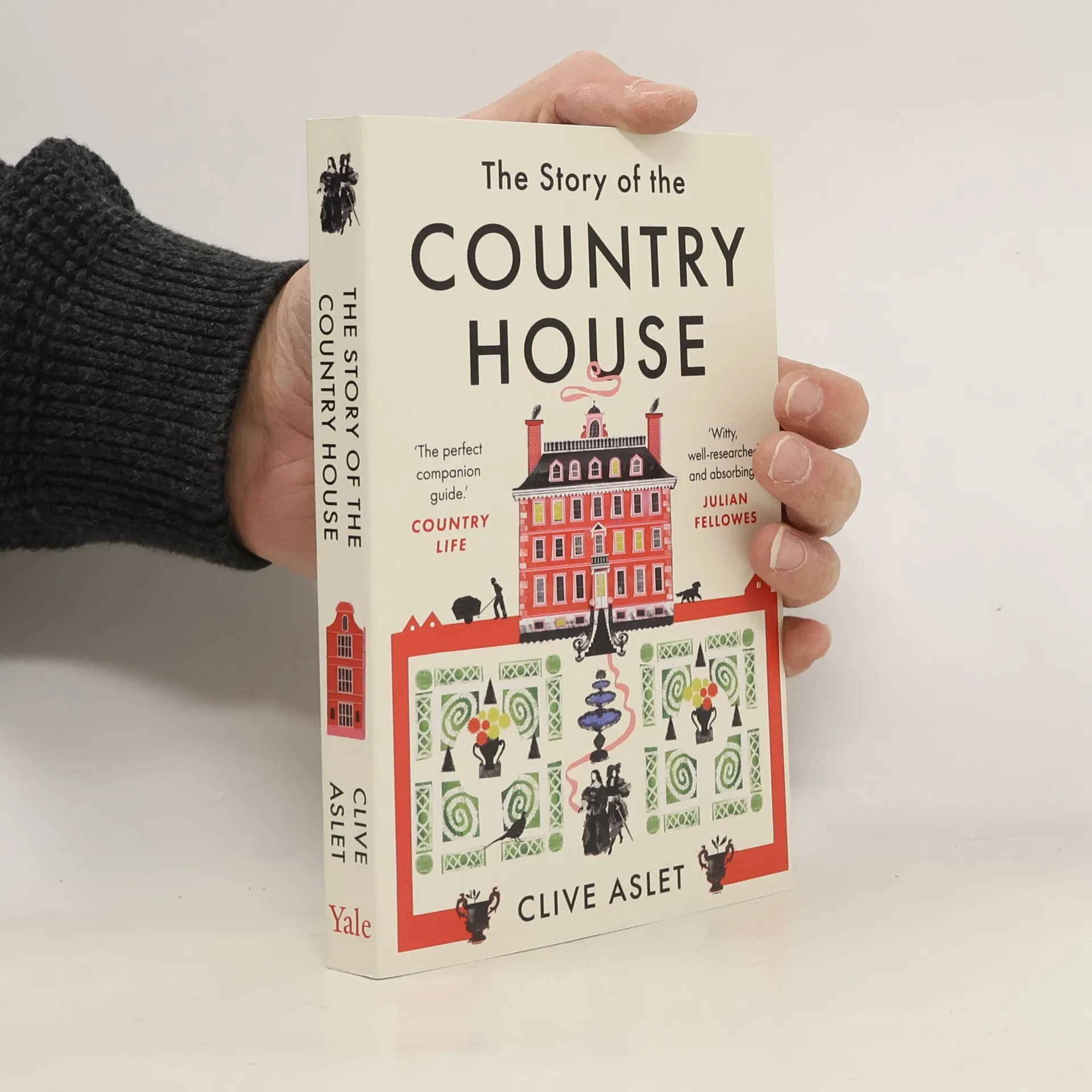
Professor Clive Aslet, chairman of the Lutyens Trust, reveals the journey
behind the buildings designed by Lutyens. This book digs deep into the
archives, showcasing both Aslet's knowledge and unseen artwork and stories.
Was Sir Edwin Lutyens Britain's Greatest Architect?
The meerkats Mia and Kit do not like their new home, not one bit of it! They don't like their new routine, their new bedroom, or new foods for dinner - and most of all, they definitely do not like their new carer, Becky the capybara. But when the meerkats (along with their very special cuddly dinosaur toys) stay with Becky, they discover that a new home can be OK, and sometimes it's alright to trust new people. Moving to a new place can be scary for any child, but even more so for children in care, who may have to move to new carers if they cannot live with their birth parents. Learning to trust new carers can also be more difficult for children who have experienced neglect, trauma and loss in their early lives. This colourful picture book explores what it's like to move to a new place, and how children can develop trust in new adults.
The journey of a prominent traditional architect unfolds through a showcase of his diverse portfolio, featuring thoughtful renovations of country houses, inspiring new builds, and innovative sustainable town planning. Hugh Petter shares insights into his design philosophy and collaborative processes, offering a glimpse into the creative mind behind his acclaimed works.
A gorgeous leatherbound compendium of flora, shells, rare insects and more from the golden age of curiosities Featuring amazing reproductions of floral specimens, minerals, seashells and more from rarely seen collections, and beautiful engravings of 18th- and 19th-century collections, this stupendously produced volume takes as its starting point the famous Timm Collection at Engelsberg Ironworks in Sweden, created by Gabriel Casper Timm and his son Paul August in the 19th century. Throughout their lives, father and son devoted much of their leisure time to collecting plants, insects, minerals and other natural treasures across Scandanavia, which they preserved in beautiful collector’s cabinets. Maintaining close contact with collectors and scientists, they also assembled a library of volumes on natural science along with books on spirituality and faith.Drawing on a range of historical materials, Collecting Nature places the Timm Collection in a larger dialogue with other collectors, thinkers and scientists of the 18th and 19th centuries, showing how the world of ideas in collecting has developed and continues to influence us today.
Celebrating the work of John Simpson at the Walsh Family Hall, University of Notre Dame, Indiana.
176 pages
7 hours of reading
Focusing on the architectural marvel of Walsh Family Hall at the University of Notre Dame, this book features vibrant commissioned photography, detailed drawn plans, and original sketches. It highlights the work of architect John Simpson, showcasing the building's design and significance within the School of Architecture. The visual and technical elements provide an in-depth look at this newly completed structure, making it a valuable resource for architecture enthusiasts and students alike.
Featuring 12 historic country houses, this book offers an exclusive glimpse into the lives of families who have occupied these homes for over 300 years. Through interviews and stunning photography, it explores various spaces, from grand state rooms to cozy boot rooms, revealing the unique character and heritage of each residence. Set against a backdrop of dynamic change and renewal, the work captures the essence of a private world steeped in history and tradition.
From award-winning baker Paul Barker, Naturally Fermented Bread introduces the
principles of yeast-water baking, including recipes for nutritious, delicious
sweet and savory bakes.
Salonika in 1916 has become suddenly Greek. Nominally neutral, it is filled
with French, British and Serbian soldiers defending it against the Austro-
German and Bulgarian forces to the north. In a city seething with intrigue,
cafe society continues unperturbed and the native inhabitants make from the
soldiers what money they can.
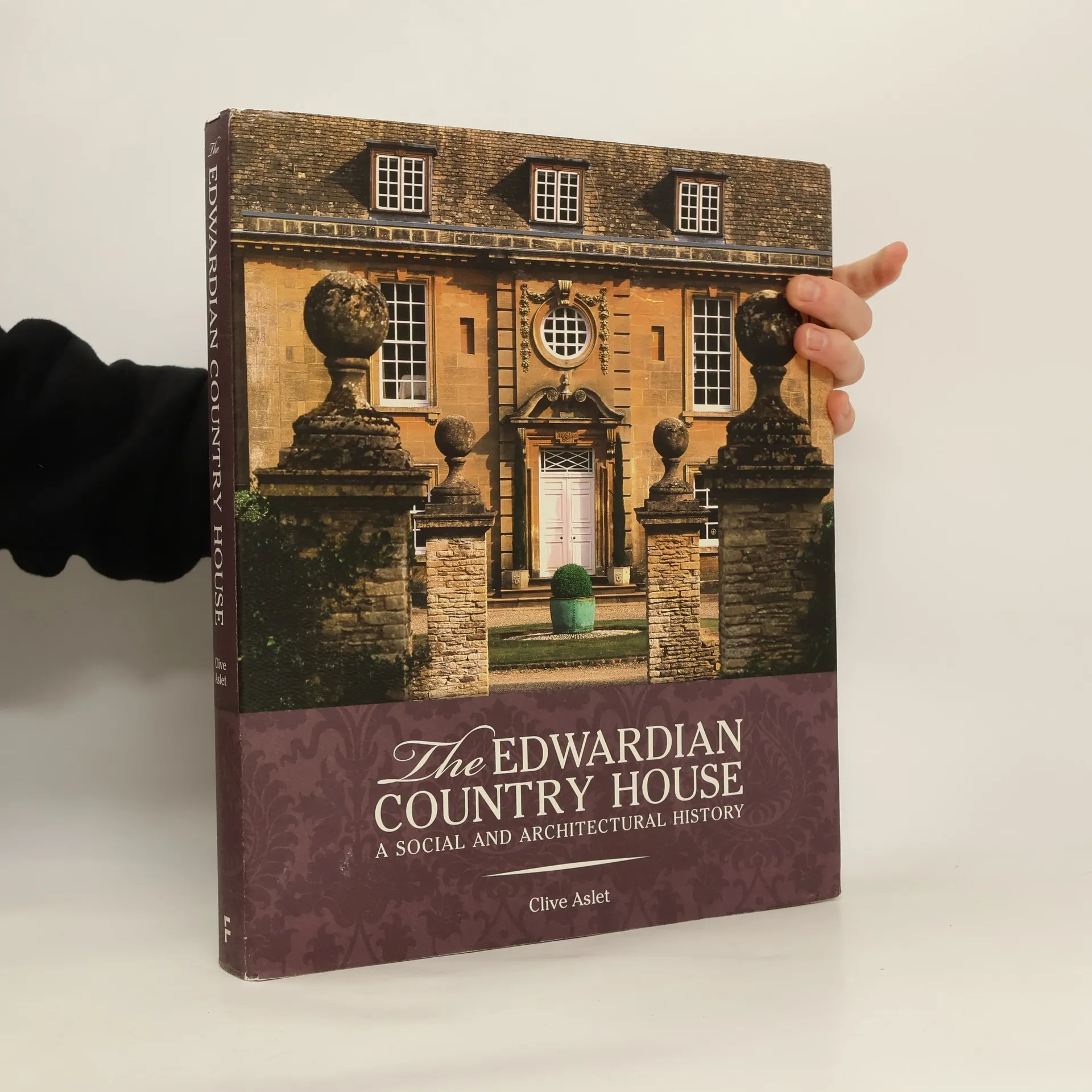
The magnificent country houses built in Britain between 1890 and 1939 were the last monuments to a vanishing age. Many of these great mammoths of domestic architecture were unsuited to the changes in economic and social priorities that followed the two world wars, and rapidly became extinct
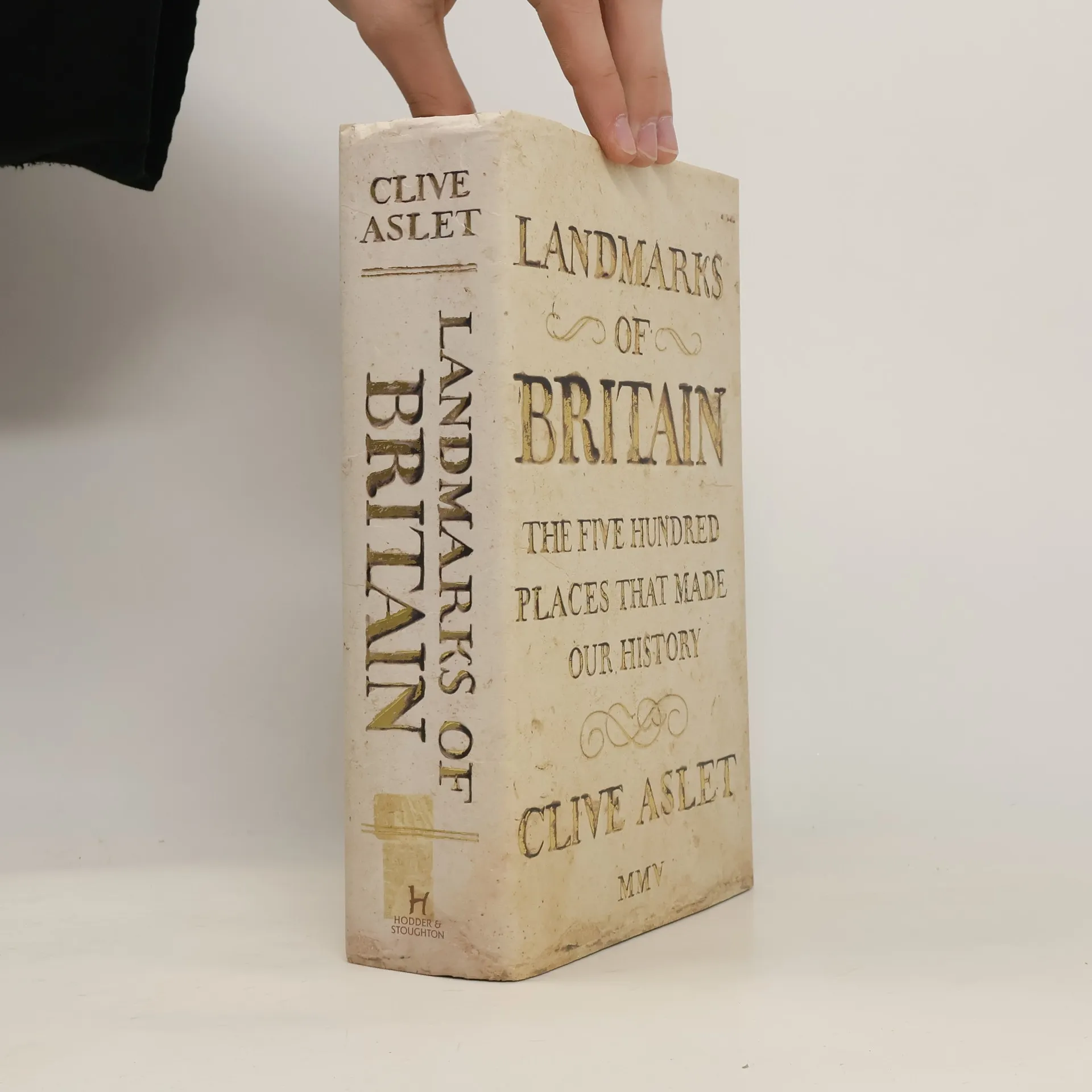
The history of the nation, told through 500 of the 'landmarks' most associated with our greatest national events and figures such as... The All England Club, Banqueting House, Blackpool Pleasure Beach, Bodleian Library, Caernarfon Castle, Dounreay Nuclear Reactor, Fishbourne Roman Palace, Flatford Mill, The Foundling Hospital, Glasgow School of Art, Glencoe, John Murray Publishers, Jordans Quaker Meeting House, Offa's Dyke, Old Sarum, Plymouth Hoe, Port Sunlight, Rotherhithe Tunnel, Runnymede, Selfridges, Sherwood Forest, Slough Trading Estate, Smithfield, Southwell Workhouse, Spaghetti Junction, Speakers' Corner, Sutton Hoo, Tolpuddle, Trellick Tower, Woking Mosque... THE LANDMARKS OF BRITAIN promises to be the most unusual history of Britain to be published for years. Arranged regionally - but underpinned by a strong sense of chronology - the book embraces the whole of British history, encompassing battlefields, cathedrals and palaces, of course, but also places linked with great events in the worlds of science, literature, architecture, espionage, philanthropy, religion, romance, agriculture and industry. the writing of Paradise Lost, the abolition of the slave trade - these appear alongside battles, coronations and executions. Visit all 500 landmarks and you will have relived the epic of British history through the very fields and stones on which it happened.
A gloriously illustrated history of a very English town, a site of royal courting and banishment, of scientific discovery and invention, of departure and exploration and the home of global time where the millennium will truly begin. Greenwich is not only the site of Britain's celebration of the new millennium, it has been emblematic of the history of Britain during the last thousand years. It has been the point of departure and return for navigators and adventurers, the site of the last great popular revolt in London, a favoured royal palace where perhaps England's greatest monarch, Elizabeth I, was born and died and where she signed the death warrant for Mary Queen of Scots, a place forever associated with Britain's navy through the Naval College and the centre of the state funeral for Nelson in 1805, whose body was carried up the Thames from Greenwich. Its architecture, including work by Wren, Hawksmoor, Vanburgh and Inigo Jones has always been pioneering. And it is the site of a royal park and a plague burial ground, the origin of national timekeeping, a favoured haunt of Dickens and Gladstone, and through the Royal Observatory, a unique place of scientific investigation and dis