Maryse Condé is celebrated for her historical fiction, which delves into complex themes of race, gender, and culture across diverse historical settings. Her narratives offer a unique perspective on identity and the human experience. Beyond her writing, Condé has had a distinguished academic career, teaching French literature at prominent universities globally. She is known for her profound exploration of postcolonial realities and the construction of self.
Ivan and Ivana are twins with a bond so strong they become afraid of their feelings. As young adults in Paris, Ivana joins the police while Ivan walks the path of radicalisation. Unable to live with or without each other, become perpetrator and victim in a wave of violent attacks. With her most impressive novel to date, this master storyteller offers an impressive picture of a colourful yet turbulent 21st century.
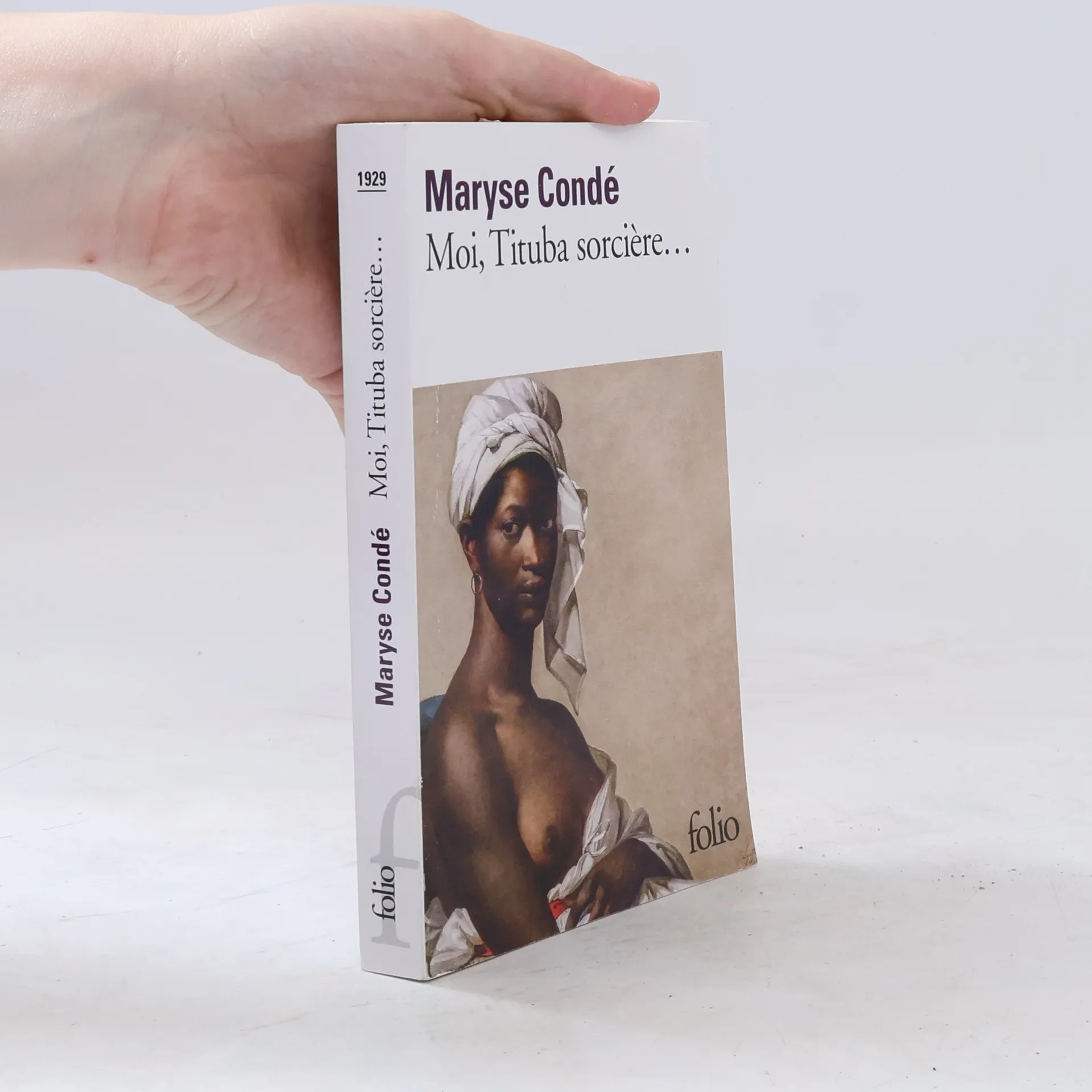
At the age of seven, Tituba watched as her mother was hanged for daring to wound a plantation owner who tried to rape her. She was raised from then on by Mama Yaya, a gifted woman who shared with her the secrets of healing and magic. But it was Tituba's love of the slave John Indian that led her from safety into slavery, and the bitter, vengeful religion practiced by the good citizens of Salem, Massachusetts. Though protected by the spirits, Tituba could not escape the lies and accusations of that hysterical time.As history and fantasy merge, Maryse Condé, acclaimed author of Tree of Life and Segu, creates the richly imagined life of a fascinating woman.
The Last of the African Kings follows the wayward fortunes of a noble African family. It begins with the regal Béhanzin, an African king who opposed French colonialism and was exiled to distant Martinique. In the course of this brilliant novel, Maryse Condé tells of Béhanzin’s scattered offspring and their lives in the Caribbean and the United States. A book made up of many characters and countless stories, The Last of the African Kings skillfully intertwines the themes of exile, lost origins, memory, and hope. It is set mainly in the Americas, from the Caribbean to modern-day South Carolina, yet Africa hovers always in the background.
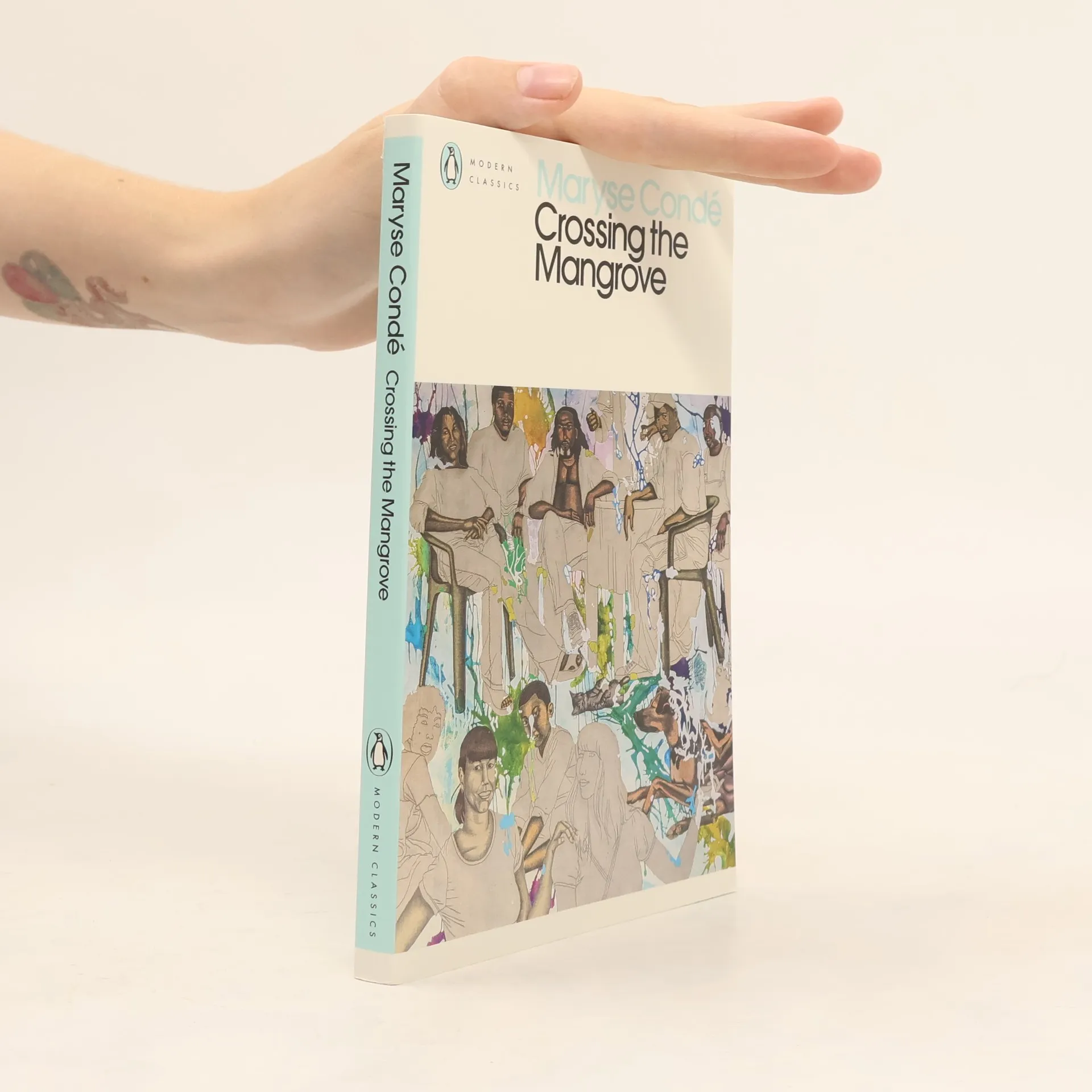
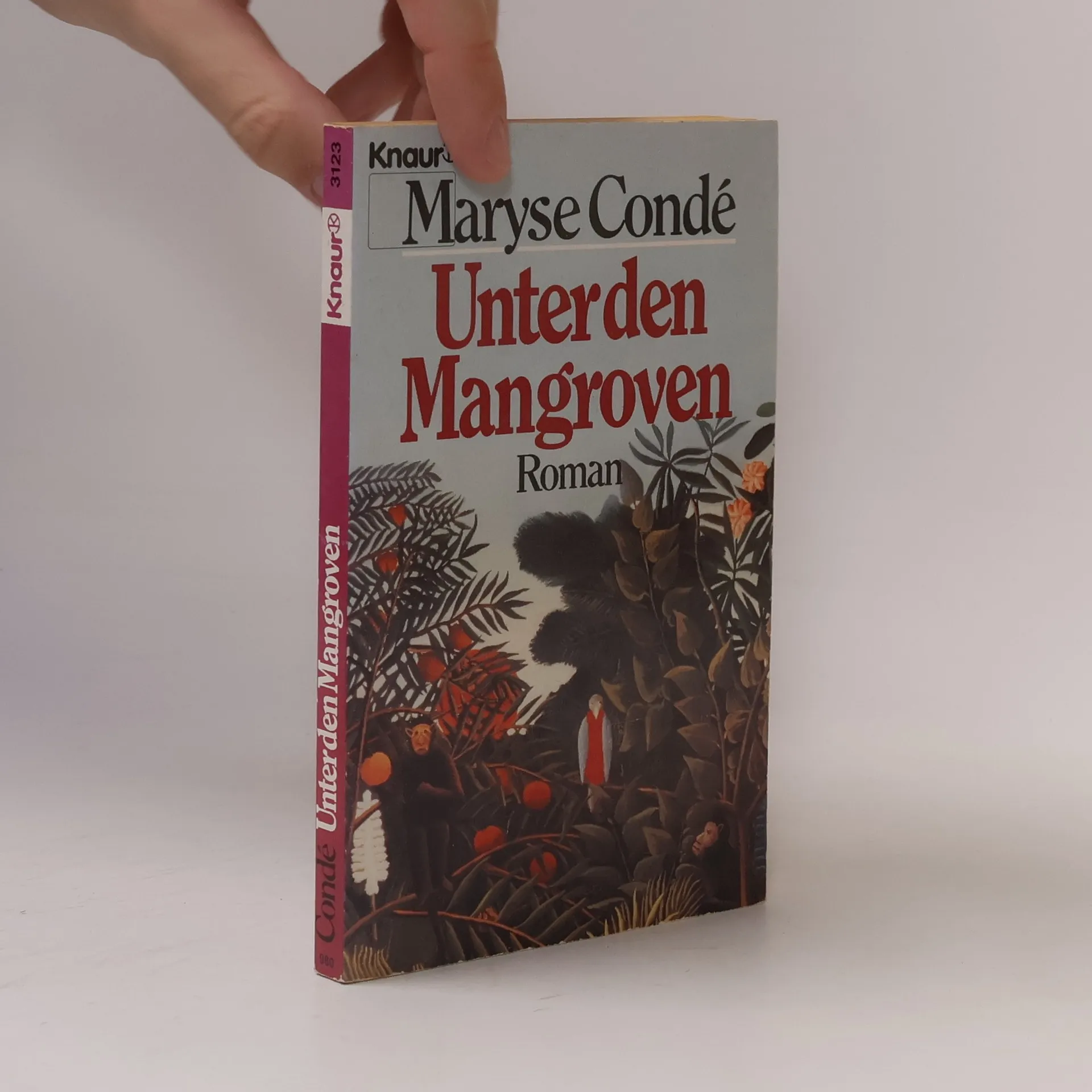
"Francis Sancher always said he would come to an unnatural end. So when this handsome newcomer to the Guadeloupean village of Rivière au Sel is found dead, face down in the mud, no one is particularly surprised. Loved by some - especially women - and reviled by others, Francis was an enigmatic figure. Where did he come from? What caused his strange nocturnal wanderings? What devils haunted him? As the villagers come to pay their respects, they each reveal another piece of the mystery behind his life and death - and their own buried secrets and stories come to light."--Provided by publisher.
The narrative centers on Dieudonné Sabrina, a young black gardener accused of murdering his wealthy white employer and lover, Loraine. As he seeks refuge on his sailboat, La Belle Créole, the story unfolds through flashbacks during a tumultuous night in Port-Mahault, Guadeloupe. Set against a backdrop of social unrest and labor strikes, the novel explores themes of identity, race, and the uncertain futures of both Dieudonné and the island itself. Condé's work weaves a complex tale of desperation and societal decay.
Babakar is an African doctor living alone until the child Anaïs comes into his life. Forced to abandon his solitude, he takes her to Haiti in search of her family.
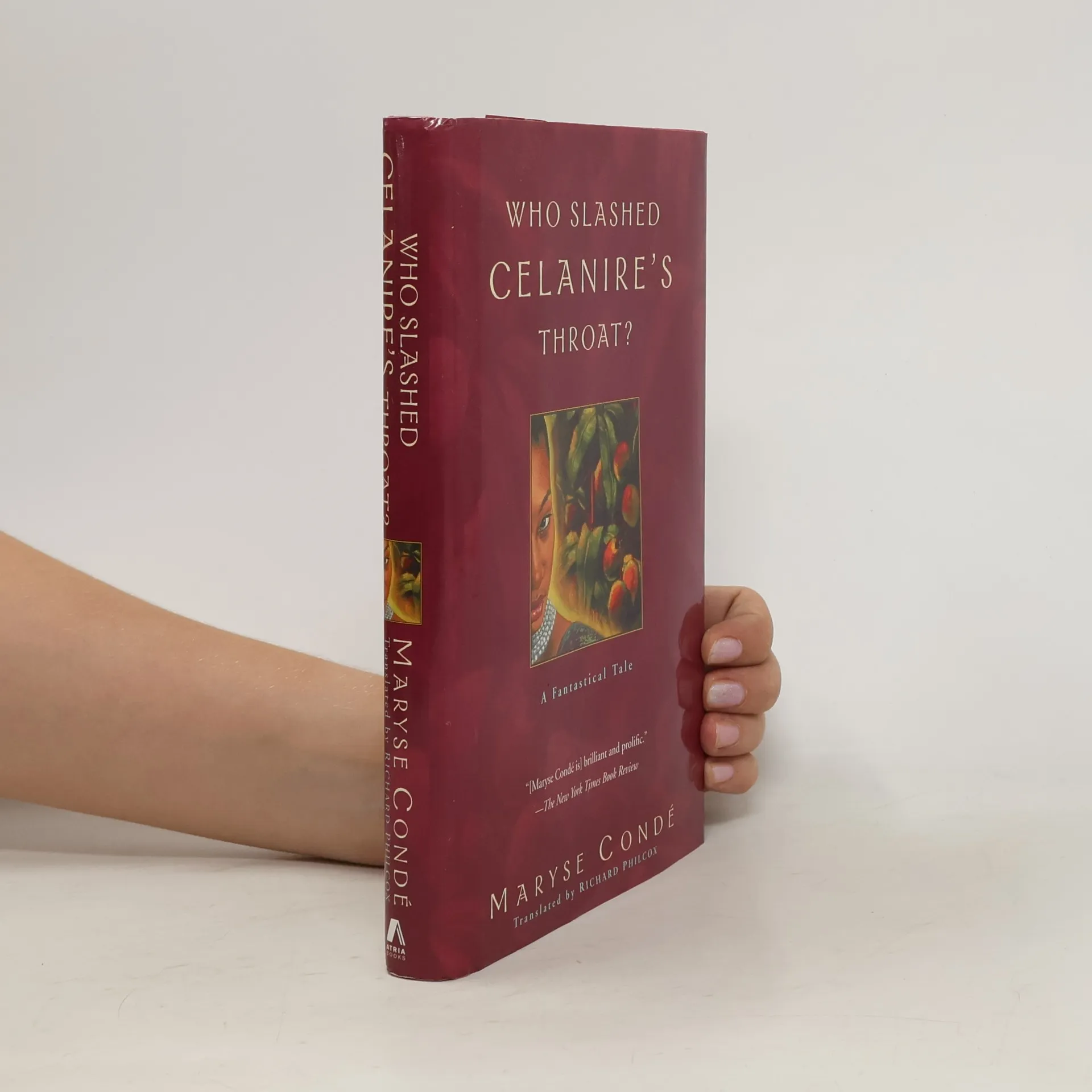
Five years ago, in Guadeloupe, a baby was found with its throat slashed on a pile of garbage. It survived its injuries. The reading of this abominable news deeply moved Maryse Condé. Such mutilation marks a life in a monstrous way. How can one survive bearing such a horrible scar on their neck? To answer this question, Maryse Condé created the astonishing character of Célanine Pinceau, known as "Célanine cou-coupé."
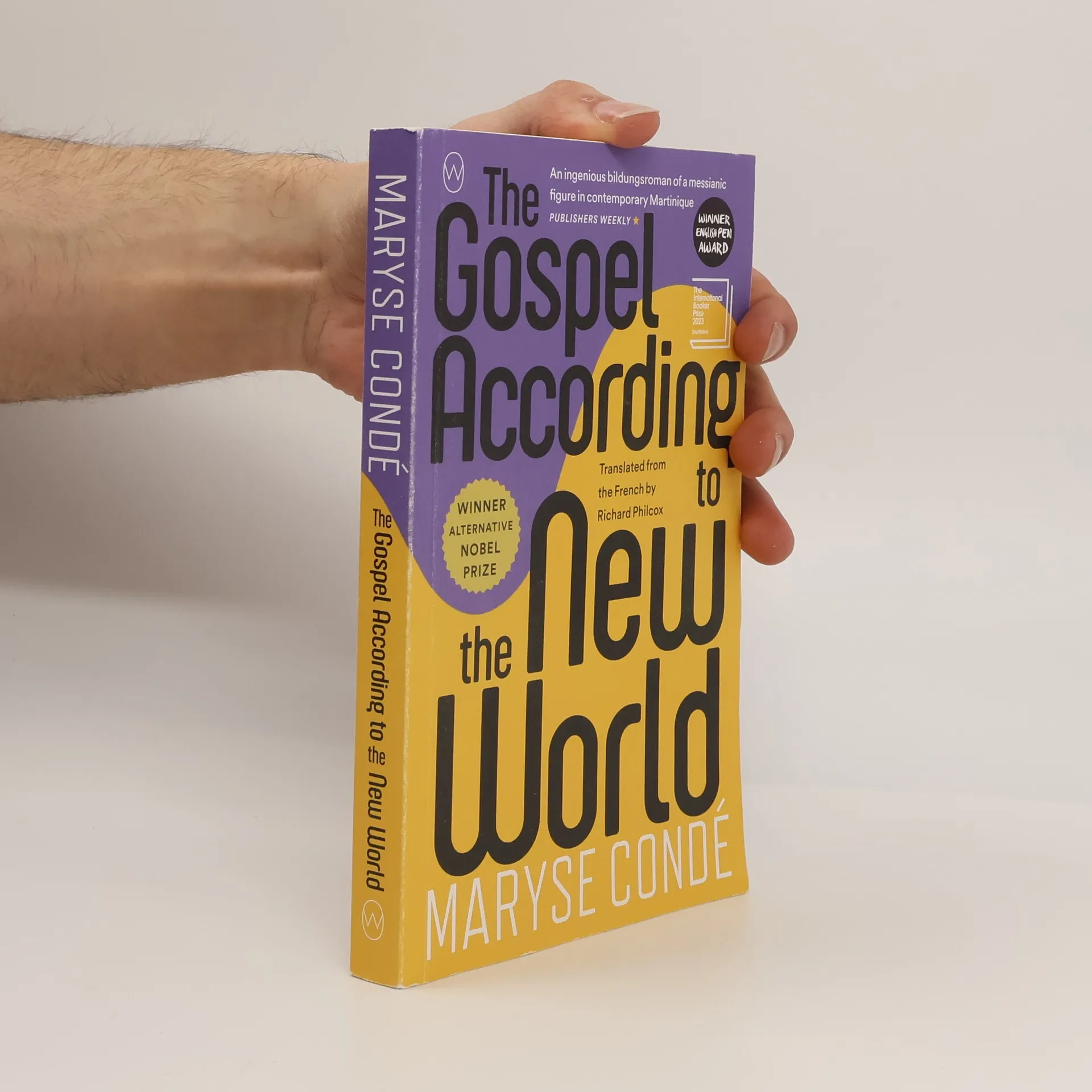
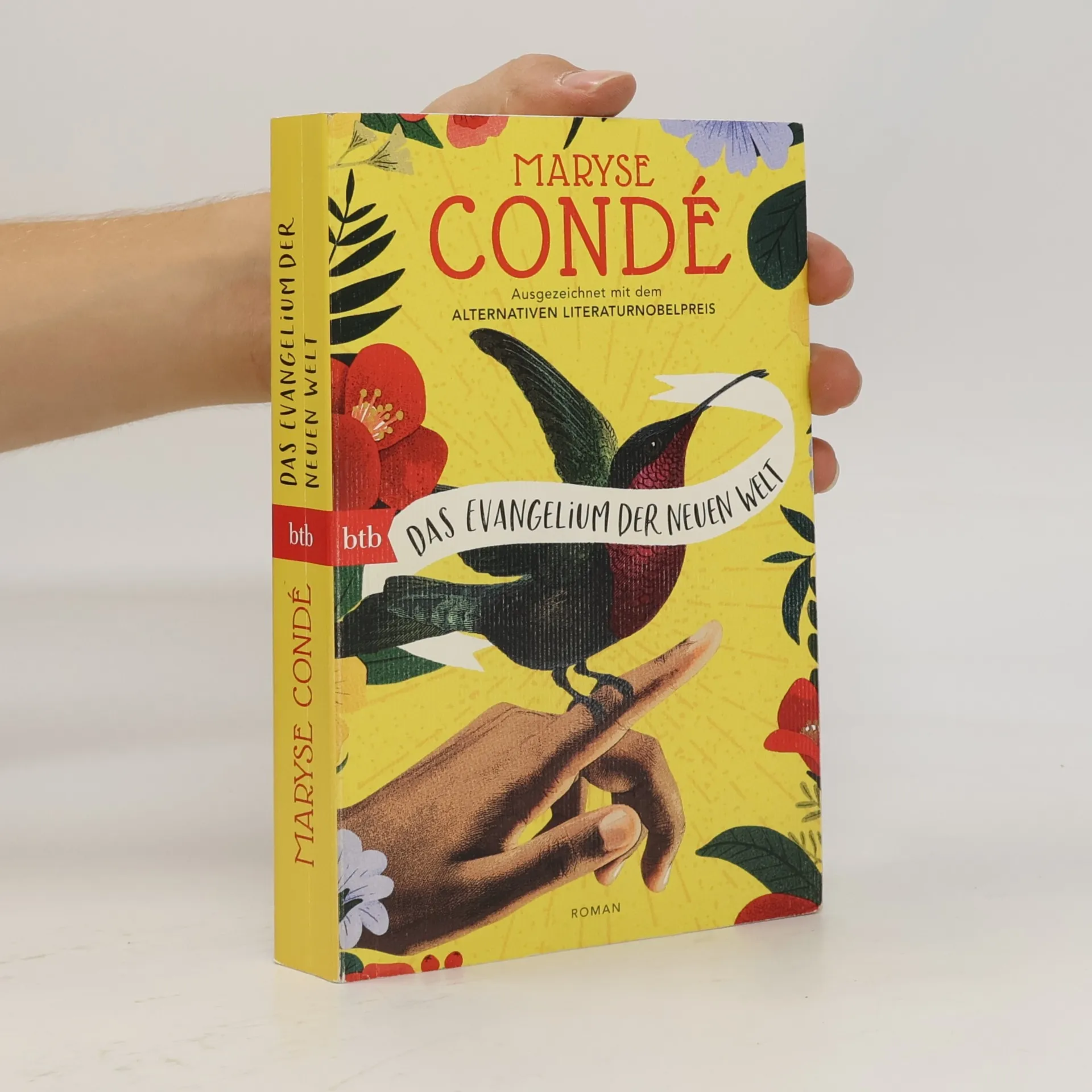
One Easter Sunday, Madame Ballandra puts her hands together and exclaims: 'A miracle!' Baby Pascal is strikingly beautiful, brown in complexion, with grey-green eyes like the sea. But where does he come from? Is he really the child of God? So goes the rumour, and many signs throughout his life will cause this theory to gain ground. From journey to journey and from one community to another, Pascal sets off in search of his origins, trying to understand the meaning of his mission. Will he be able to change the fate of humanity? And what will the New World Gospel reveal? For all its beauty, vivacity, humour, and power, Maryse Conde's latest novel is above all a work of combat. Lucid and full of conviction, Conde attests that solidarity and love remain our most extraordinary and lifesaving forces.
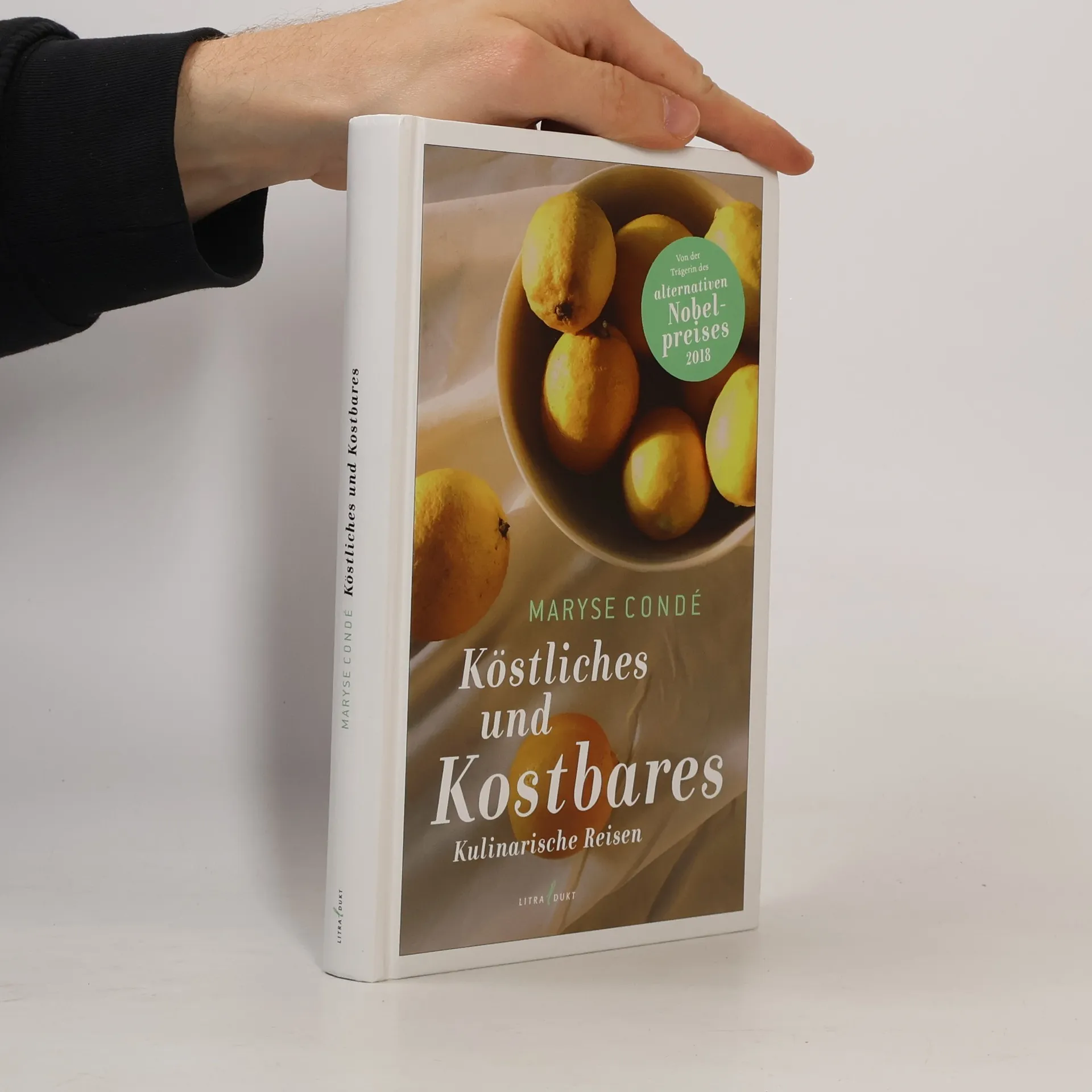
Mit der von ihrer Großmutter Victoire geerbten Leidenschaft für die Kochkunst als rotem Faden setzt Maryse Condé die Reihe ihrer autobiografischen Werke fort und nimmt uns mit auf ihre Reisen nach Indien, Japan, Australien, Kuba und in andere Länder. Kulinarische Entdeckungen und Erinnerungen sind dabei stets Anknüpfungspunkte für Reflexionen über politische, soziale und kulturelle Probleme, bieten Anlass für die kritische Auseinandersetzung mit eigenen Ansichten, Hoffnungen und Enttäuschungen. Wie in Mein Lachen und Weinen oder Victoire erzählt Maryse Condé voll Humor und menschlicher Wärme und bettet das persönliche Erleben in die großen Zusammenhänge ein. Nicht zuletzt ist auch dieses Buch von Maryse Condé die Geschichte einer Rebellion: Dass eine Intellektuelle sich für das Kochen interessiert, erschien vielen als ein Frevel. Maryse Condé zelebriert ihre »Majestätsbeleidigung« umso genüsslicher – ein Vergnügen, an dem dank der kongenialen Übersetzung von Ina Böhme nun auch das deutschsprachige Publikum teilhaben kann.
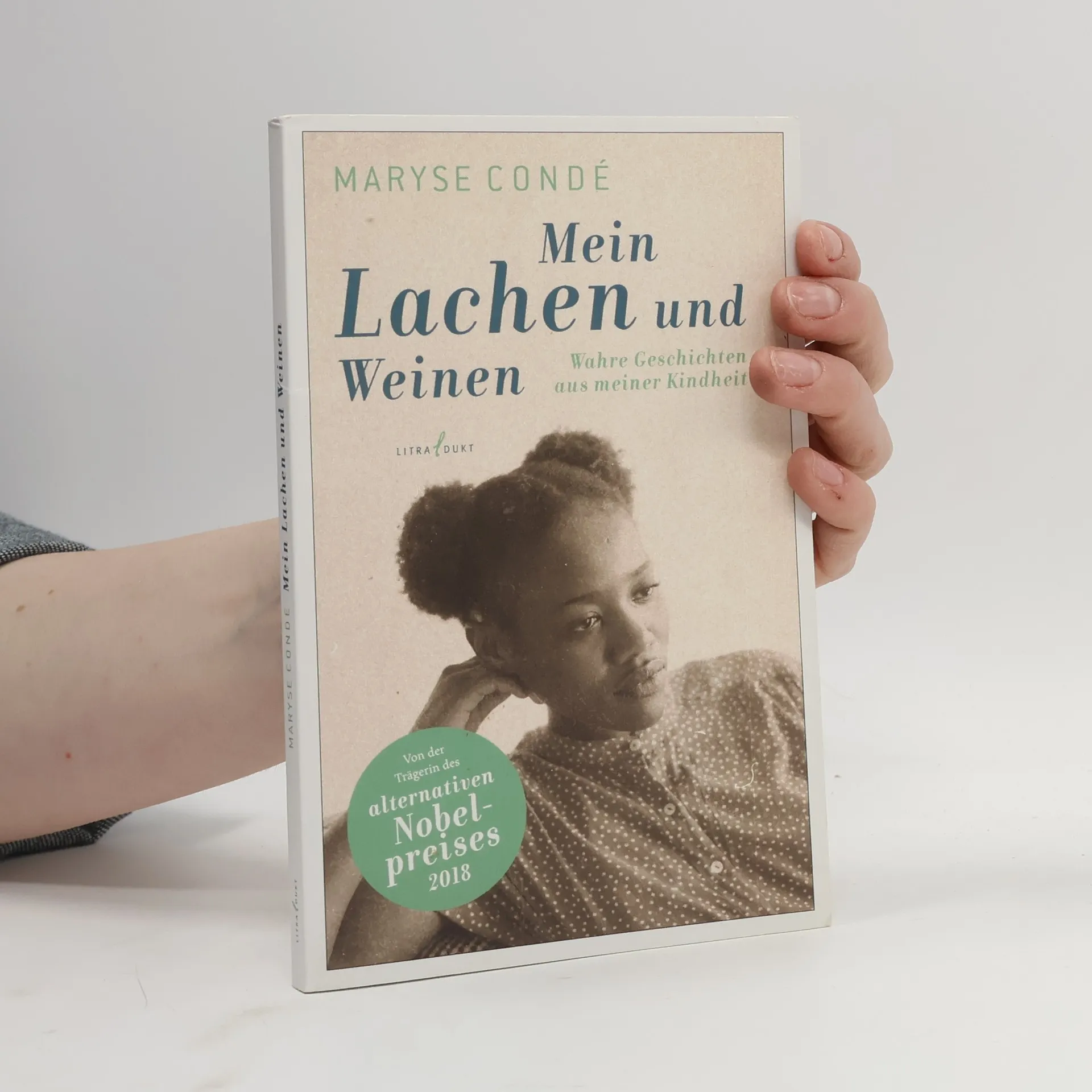
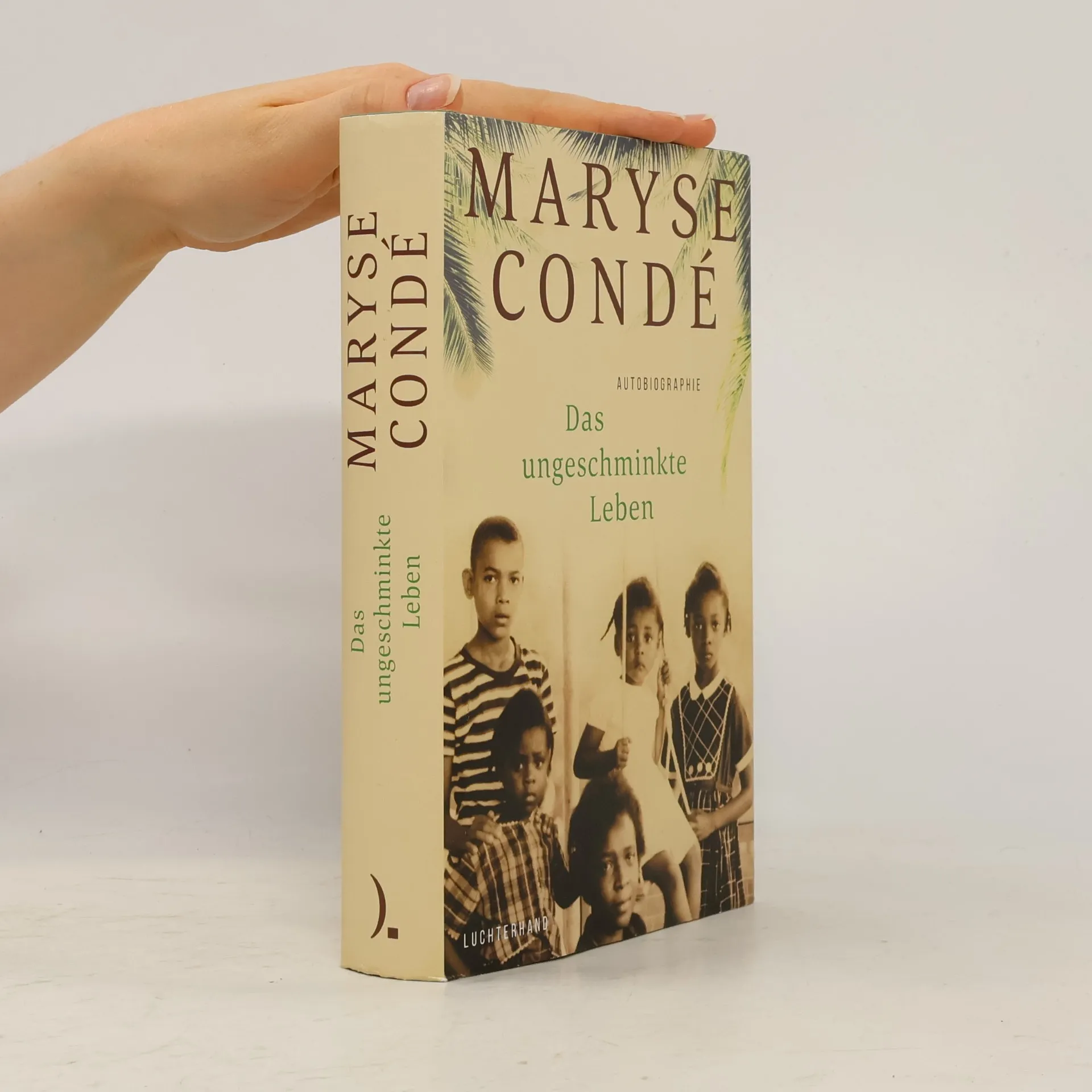
Maryse Condé schildert in ihren Kindheitserinnerungen das Aufwachsen in der schwarzen Oberschicht Guadeloupes in den 40er und 50er Jahren. Sie thematisiert Klassen- und Rassenkonflikte sowie ihre Rebellion gegen gesellschaftliche Zwänge und das Gefühl der Entfremdung von ihren Eltern. Siebzehn humorvolle und warmherzige Erzählungen reflektieren soziale Wirklichkeiten und zeitgenössische Fragen.
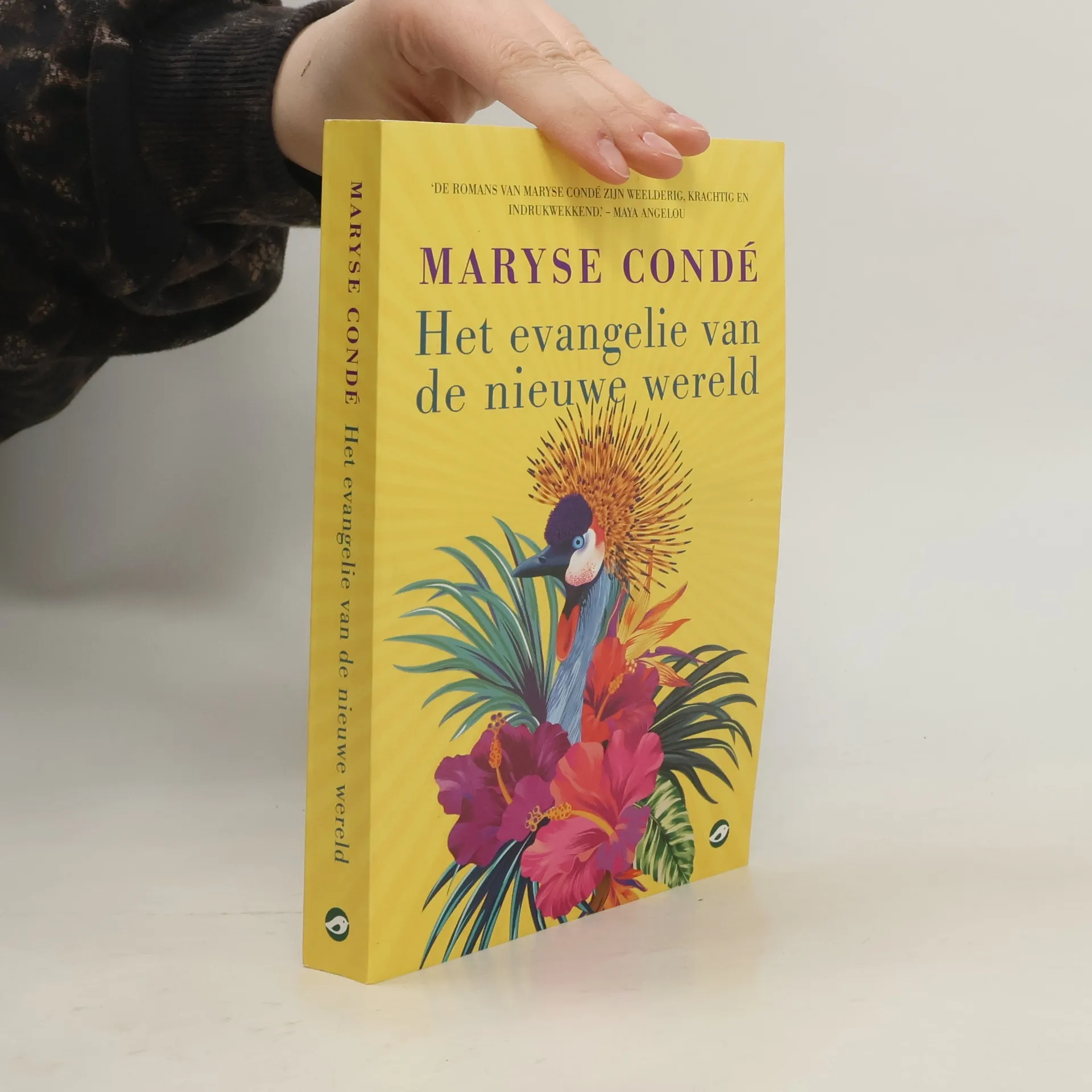
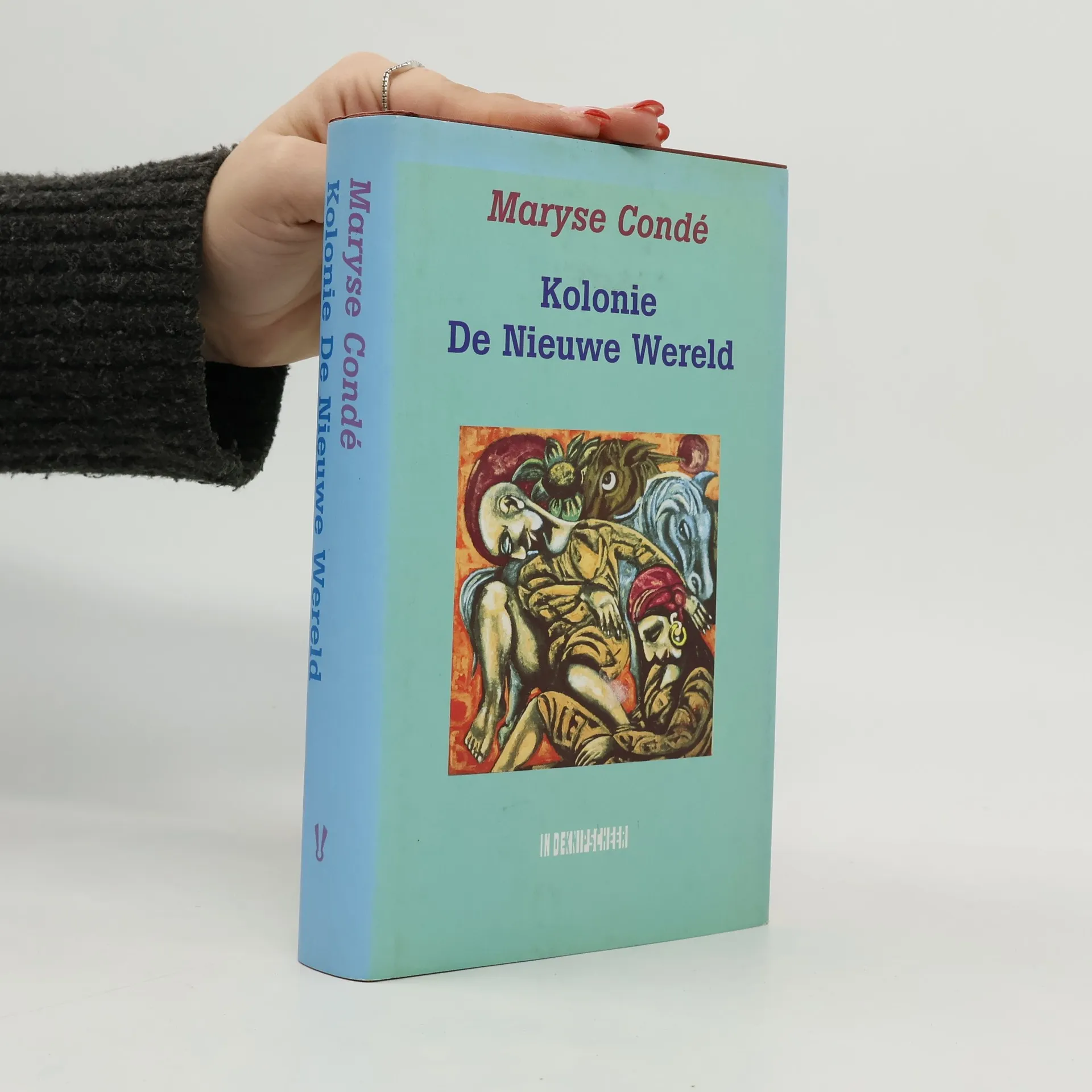
Op paaszondag ligt een pasgeboren kind op het stro, tussen de hoeven van de ezel, die het met zijn adem verwarmt. Mevrouw Ballandra vouwt haar handen en ÔEen wonder! Dit is een geschenk van God dat ik niet verwachtte.Õ De pasgeborene is heel mooi, met een bruine huidskleur, steil zwart haar en grijsgroene ogen, zoals de zee die het land omgeeft. Zijn schoonheid is echter niet de enige oorzaak van de algehele nieuwsgierigheid; een hardnekkig gerucht wint steeds meer terrein. Is hij echt de zoon van God? Kan hij het lot van de mensen veranderen en de wereld rechtvaardiger maken? Wat zal dit evangelie van de nieuwe wereld ons leren over onze aard en onze toekomst? Met haar meedogenloze scherpte geeft Maryse CondŽ haar lezers mee dat liefde en broederschap nog steeds de meest buitengewone en verlossende krachten van de mens zijn.
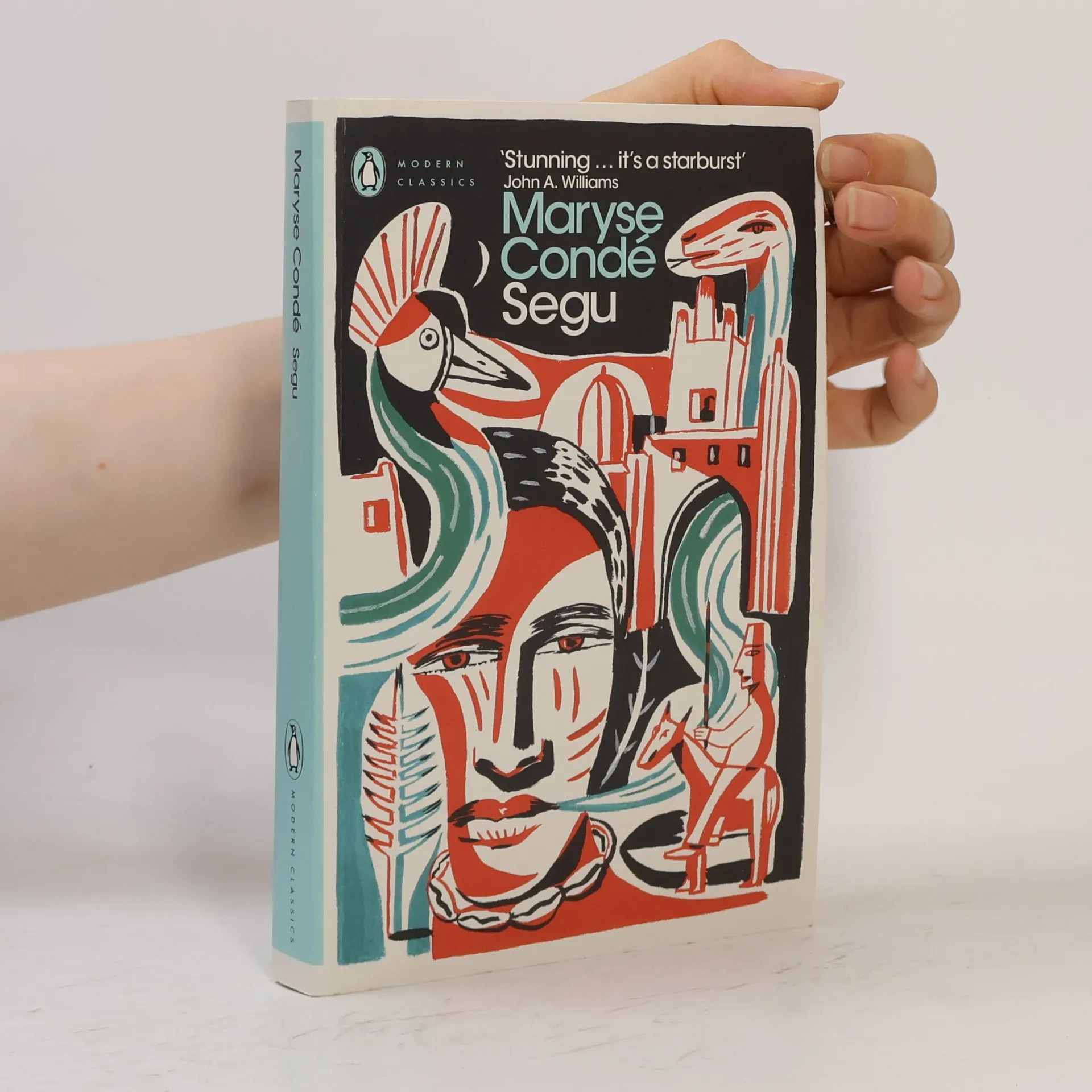
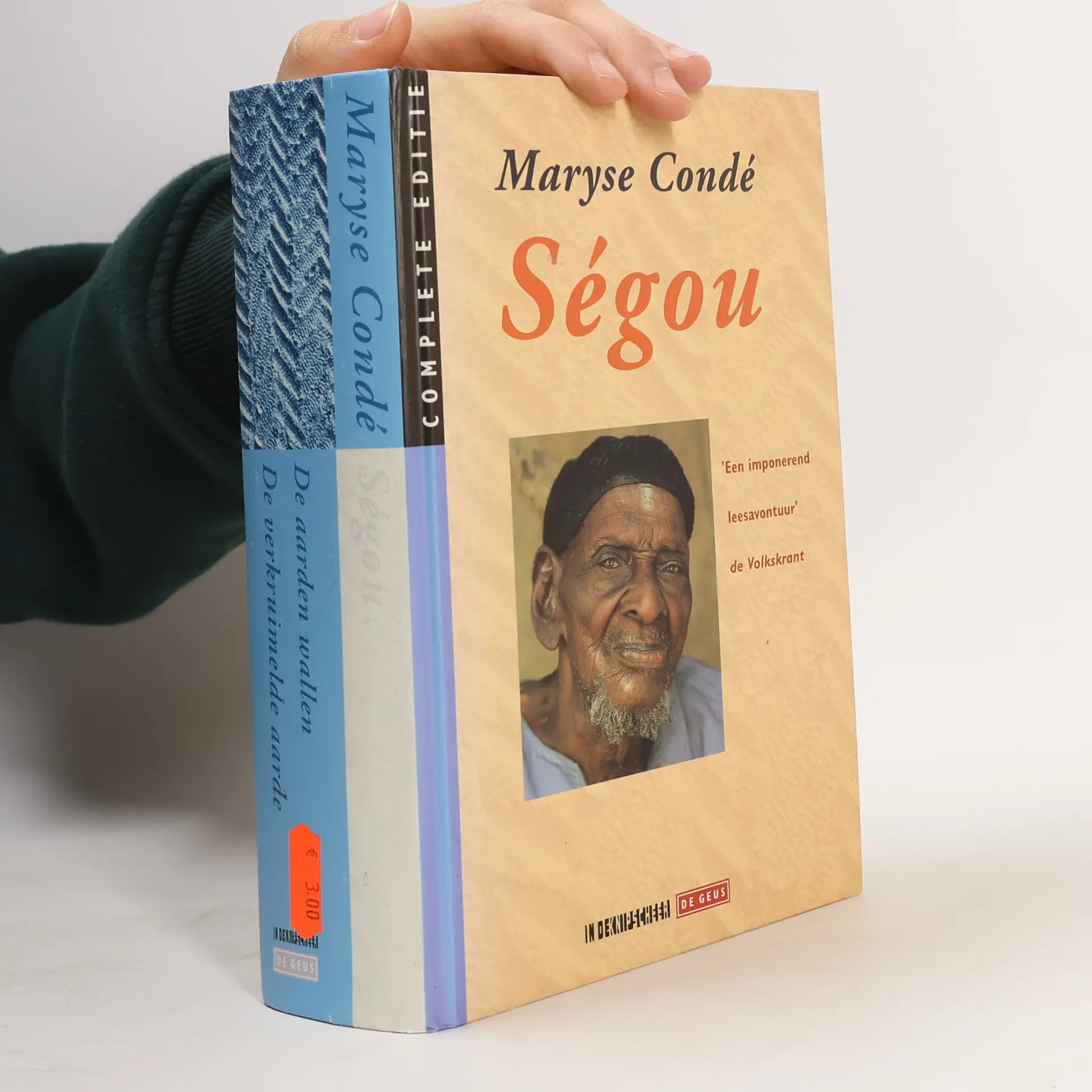
Een machtig rijk in Noordwest-Afrika wordt met de ondergang bedreigd als de islam en het christendom hun intrede doen. En terwijl de mannen ten overstaan van de grote historische krachten steeds avontuurlijker plannen beramen, trachten de vrouwen de families bijeen te houden en de voortgang van het leven te verzekeren.In De aarden wallen maakt de lezer kennis met Ségou, 'de tuin der lusten' en de hoofdstad van een machtig rijk in Noordwest- Afrika. De burgers genieten van hun voorrechten als heersers over vele volkeren. Totdat rond 1850 vanuit het noorden de roep naar Allah doorklinkt, en zich tevens de eerste blanke voor de poorten van Ségou aandient. De priesters duiden de tekens: niets zal meer zo zijn als het was...In De verkruimelde aarde ontmoet het eens zo machtige Ségou aan de Niger, nu door de twist verdeeld tussen de bekeerlingen van Allah en degenen die de oude tradities eren, de macht van een nieuwe grootheid: de blanken.
Im Vordergrund der Generationen umspannenden Familienchronik steht der Urgrossvater der Autorin, der sich der erbarmungslosen Ausbeutung auf den Zuckerrohrplantagen entzieht und seine Identität in Panama, Kalifornien und auf seiner Heimatinsel Guadeloupe finden will.
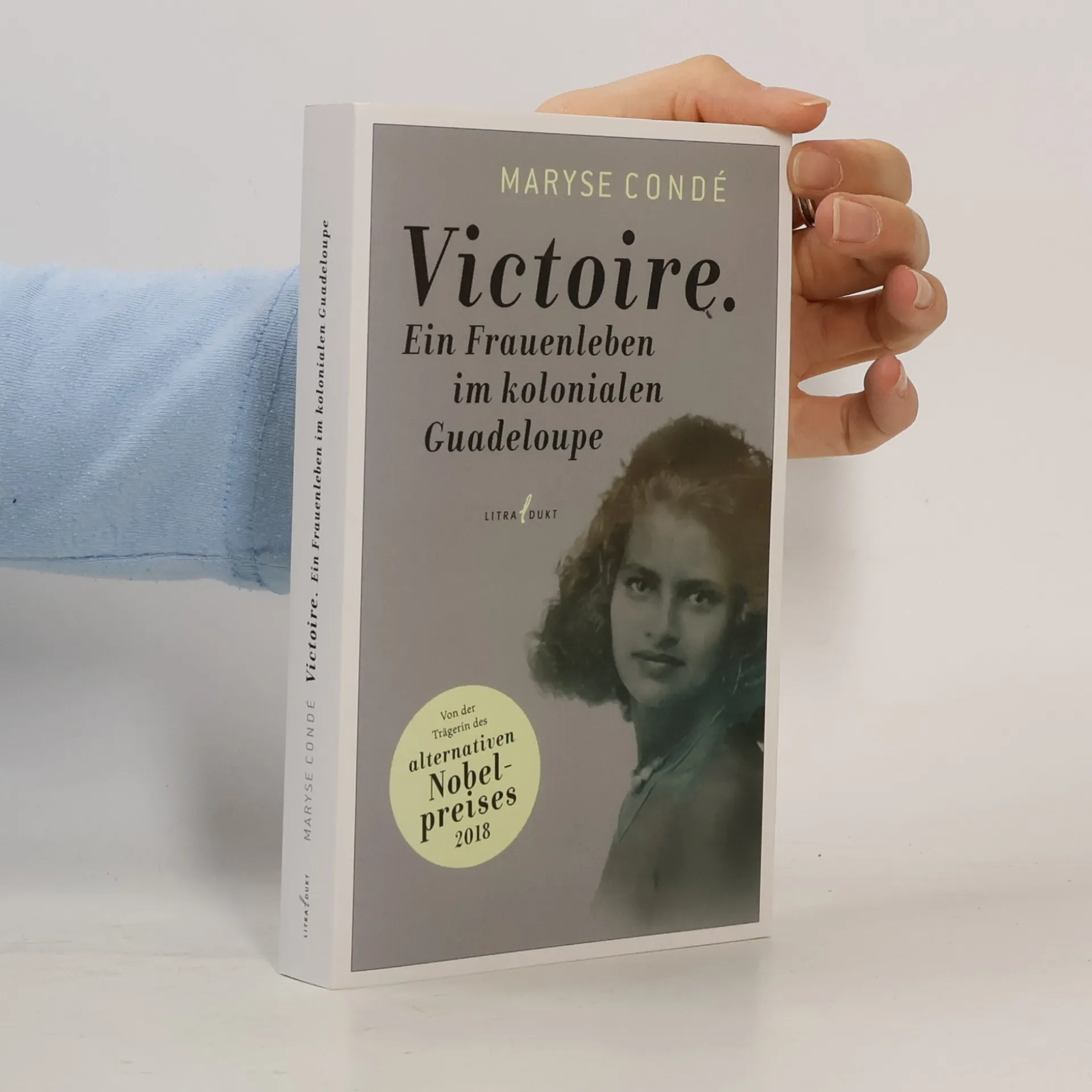
Maryse Condé, Bestsellerautorin der Achtzigerjahre, meldet sich mit der Geschichte ihrer Großmutter zurück. Victoire Quidal wächst Ende des 19. Jahrhunderts in einer armen Familie auf Guadeloupe auf. Obwohl sie nie lesen und schreiben lernt und nur kreolisch spricht, legt sie als talentierte Köchin den Grundstein für den sozialen Aufstieg ihrer Nachkommen. Der faszinierende Lebensweg einer Frau in einer rassistischen und machistischen Gesellschaft und ein Sittengemälde der französischen Karibik zur Kolonialzeit.
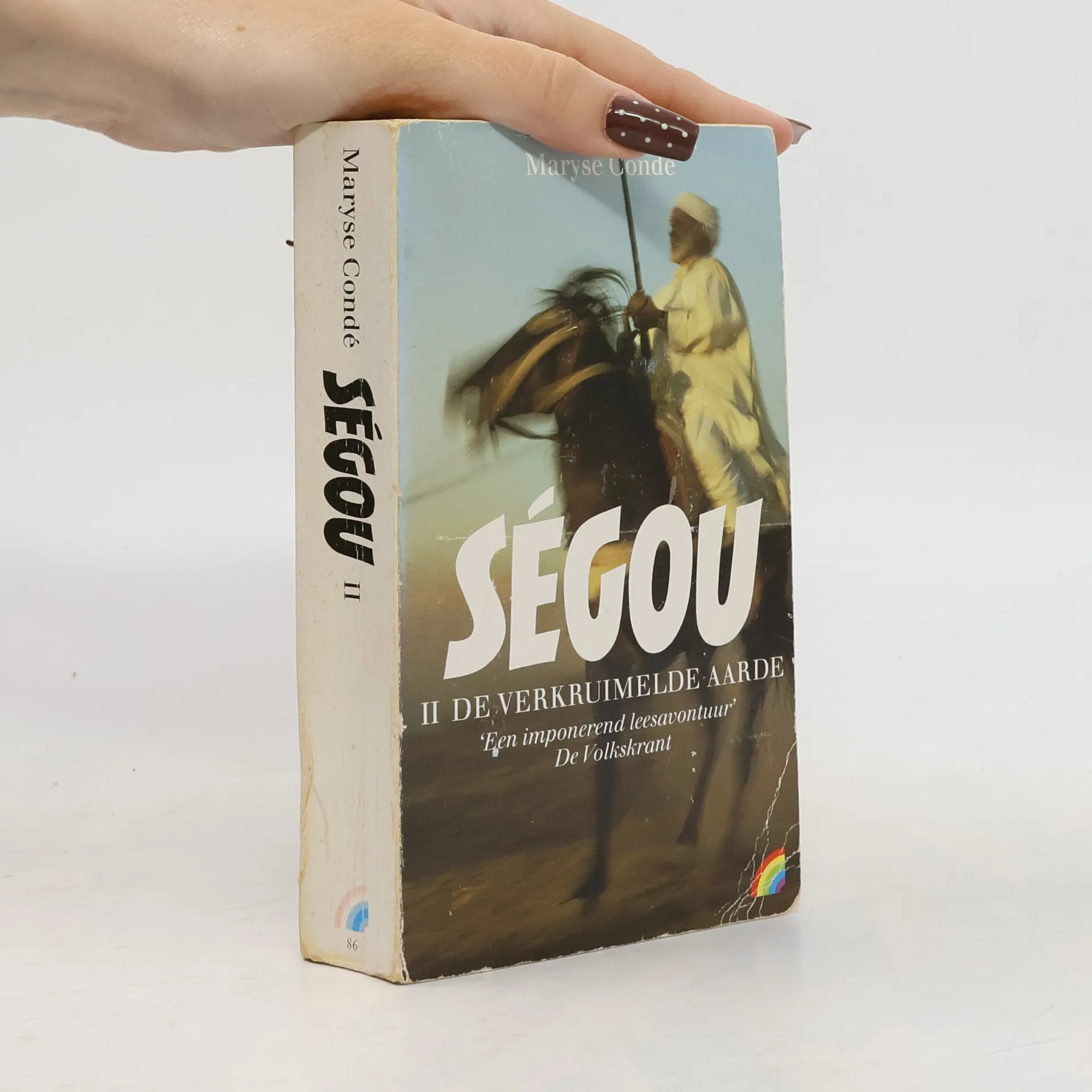
Het eens zo machtige Ségou aan de Niger, nu door de winst verdeeld tussen de bekeerlingen van Allah en degenen die de oude tradities eren, ontmoet de macht van een nieuwe grootheid: de blanken. En terwijl de mannen ten overstaan van deze grote historische krachten steeds avontuurlijker plannen beramen, trachten de vrouwen de families bijeen te houden en de voortgang van het leven te verzekeren.
Roman - Ausgezeichnet mit dem Alternativen Literaturnobelpreis, nominiert für den Booker-Award
320 pages
12 hours of reading
Ein Findelkind auf einer Karibikinsel: Ist der Junge der neue, nicht-weiße Messias? Maryse Conde erzählt farbenprächtig und unvergesslich vom Traum einer toleranten, friedlichen Welt. »Eine großartige Geschichtenerzählerin.« Bernardine Evaristo »Heiter und hoffnungsfroh ... ein bestechend schöner Roman voller Weisheit, Großherzigkeit und Versöhnlichkeit.« Leïla Slimani »Maryse Condé ist eine magische Erzählerin.« Jury des Alternativen Literaturnobelpreises An einem Ostersonntag finden Monsieur und Madame Ballandra, ein älteres, kinderloses Ehepaar, ein Neugeborenes in ihrem Gartenschuppen. Pascal, der Säugling, ist überaus hübsch - dunkelhäutig, mit glatten, schwarzen Haaren und Augen, die so graugrün sind wie das Meer, das die Karibikinsel umgibt. Niemand kann sagen, woher der Junge kommt. Aus Europa? Aus Afrika? Aus Asien? Doch nicht nur sein Aussehen weckt die Neugier der Inselbewohner. Hartnäckig hält sich das Gerücht, dieses Findelkind könnte ein ganz besonderes Geschenk an die Menschheit sein: Vielleicht hatte Gott der Vater ja zwei Söhne und den Jüngeren nun zu ihnen geschickt? Ein neuer Messias, der den Auftrag hat, die Welt so zu verändern, dass sie toleranter und friedlicher wird. Kaum erwachsen, zieht Pascal los, auf der Suche nach seiner wahren Bestimmung. »Das Evangelium der Neuen Welt« ist eine farbenprächtige, unvergessliche Geschichte der »Grande Dame der französischen Literatur« (BR).
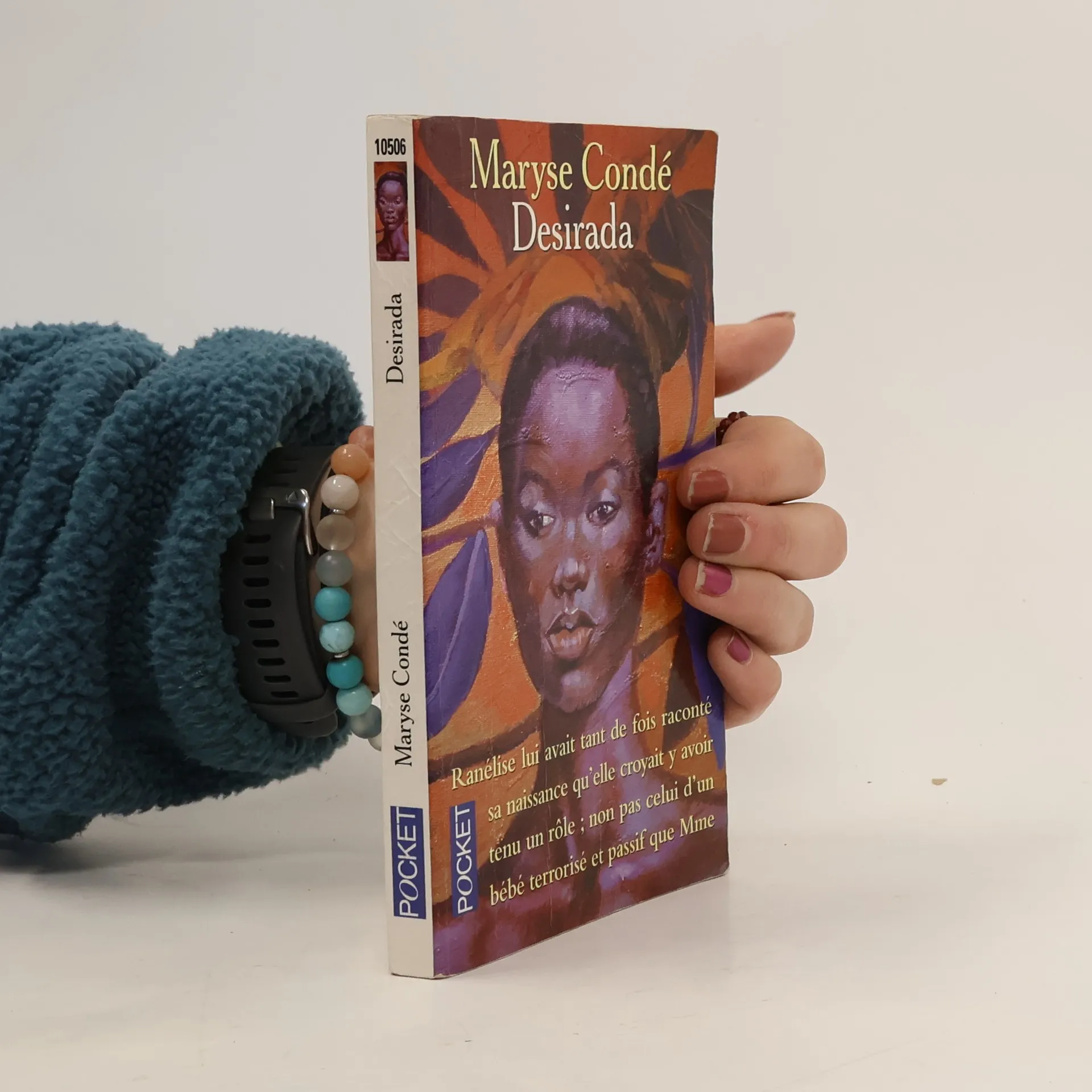
Secrets et mensonges, est-ce le seul héritage que sa grand-mère, Nina, et sa mère, Reynalda, vont léguer à la narratrice ? Trois femmes, trois générations séparées bien qu'unies par le sang. Enfant abandonnée, Marie-Noëlle grandit à la Désirade, jusqu'au jour où sa mère l'a fait venir en France. Mère inconnue, terre inconnue. À Savigny-sur-Orge, elle se morfond dans une cité, sans jamais trouver sa place dans cette famille, pourtant la sienne. Commence alors pour elle une douloureuse quête sur la vérité de sa naissance. Elle interroge Nina et Reynalda. Leurs aveux sont affabulés, leurs demi-vérités ajoutent au mystère, ni l'une ni l'autre n'est disposée à livrer son histoire vraie. Si déguisées soit-elle, ces confidences font apparaître des femmes libres à tout prix, en lutte contre un destin qui veut les clouer : maternités non désirées, hommes non choisis, traditions frelatées d'un pays en rupture d'histoire. Long chemin, longue peine avant que, revenue à la Désirade, Marie-Noëlle ne conclut à la vanité des hantises familiales. Et vivre devient alors sa seule vérité.
Ein Leben fernab der üblichen Pfade
»Ich blickte hinauf zum sternenübersäten Himmel und wünschte mir leidenschaftlich ein neues Leben.«
Maryse Condé wird als jüngstes von acht Kindern auf der französischen Karibikinsel Guadeloupe geboren und gilt heute als »Weltbürgerin und Grande Dame der frankophonen Literatur« (BR 2). In ihrer Autobiographie lässt sie ihre frühen Lebensjahre wiederaufleben. Die Zeit als junge Studentin im Paris der 1950er-Jahre, als alleinerziehende, mittellose Mutter, die wagemutig nach Westafrika geht und als Lehrerin miterlebt, wie der Kontinent von politischen Auseinandersetzungen erschüttert wird.
Mit entwaffnender Offenheit schildert Maryse Condé ein Leben fernab der üblichen Pfade und zeichnet das Bild einer unerschrockenen Frau, die die gesellschaftlichen und politischen Widersprüche ihrer Zeit erkannte und sich »nie scheute, gegen den Strom zu schwimmen« (
Neue Zürcher Zeitung
).
Maryse Condé's personal journey of discovery and revelation becomes ours as we learn of Victoire, her white-skinned mestiza grandmother who worked as a cook for the Walbergs, a family of white Creoles, in the French Antilles. Using her formidable skills as a storyteller, Condé describes her grandmother as having "Australian whiteness for the color of her skin...She jarred with my world of women in Italian straw bonnets and men necktied in three-piece linen suits, all of them a very black shade of black. She appeared to me doubly strange." Victoire was spurred by Condé's desire to learn of her family history, resolving to begin her quest by researching the life of her grandmother. While uncovering the circumstances of Victoire's unique life story, Condé also comes to grips with a haunting question: How could her own mother, a black militant, have been raised in the Walberg's home, a household of whites? Creating a work that takes you into a time and place populated with unforgettable characters that inspire and amaze, Condé's blending of memoir and imagination, detective work and storytelling artistry, is a literary gem that you won't soon forget.
Lorsque Dieudonné, jardinier de son état, sort de prison après avoir été acquitté pour le meurtre de Loraine, sa riche maîtresse békée croqueuse de jeunes hommes, il se retrouve dans une ville au bord de l'insurrection. Economie sinistrée, conflits sociaux, affrontements syndicaux et politiques, haines raciales : en 1999, Port-Mahault vit des heures difficiles. Dans cette ambiance délétère, Dieudonné, renié par sa famille et par bon nombre de ses amis, retrouve tout naturellement le chemin de sa Belle Créole, le bateau qui lui sert de refuge et de repère, vestige heureux d'un passé révolu.Dans une langue fleurie et baroque, Maryse Condé livre peu à peu les clés de ce mystérieux personnage frappé du sceau du malheur, figure tragique d'une histoire d'amour passionnelle. Dans une nature luxuriante, elle met en scène des personnages au grand cœur et aux nobles idéaux. Loin de tout cliché exotique, La Belle Créole peint dans une tonalité sombre le destin d'un grand héros romantique.
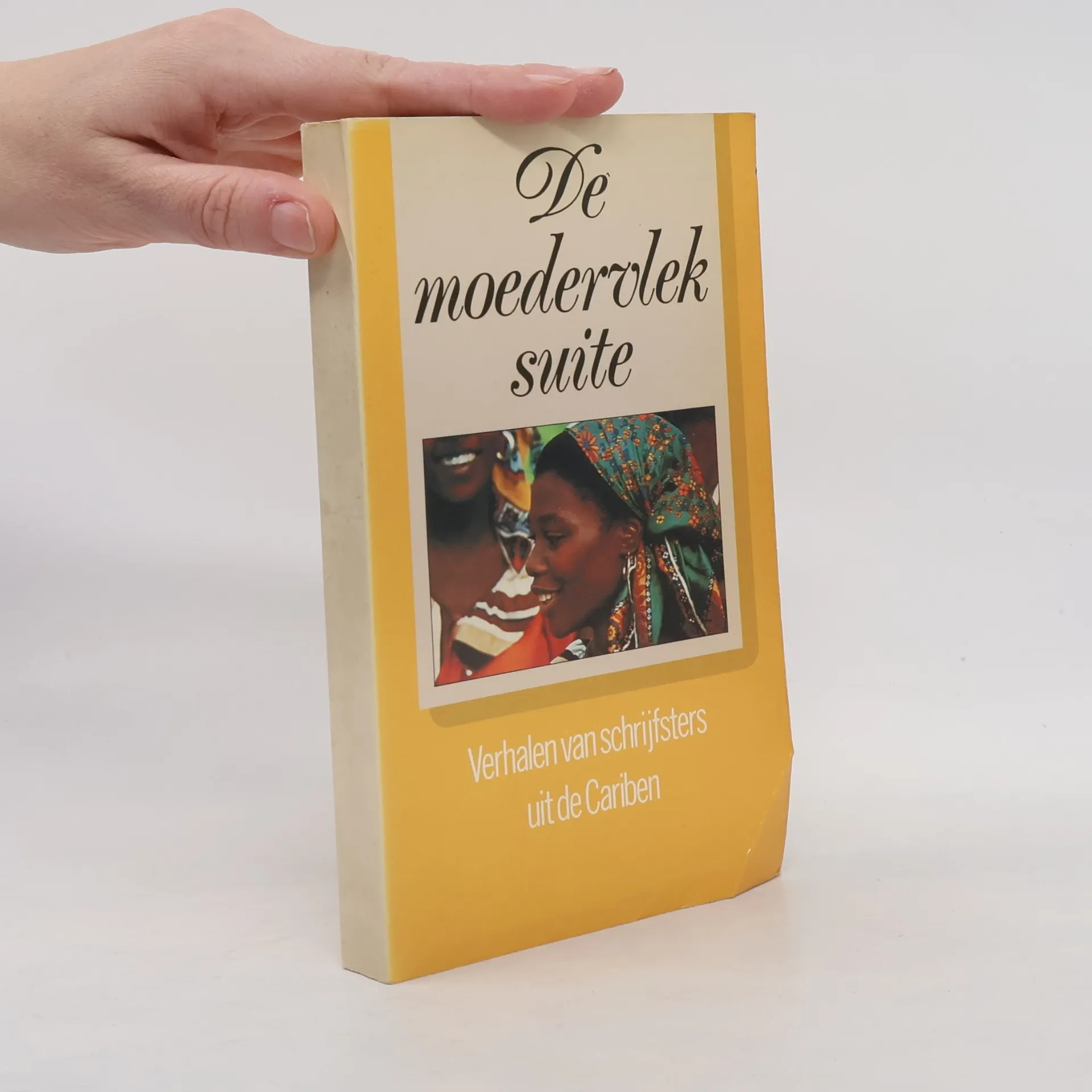
In deze bundel zijn tweeëntwintig verhalen opgenomen van schrijfsters die in het Caribisch gebied werden geboren en daar veelal ook een deel van hun leven hebben doorgebracht. De verhalen werden geschreven in het Spaans, Frans, Engels en Nederlands en tonen een tot nu toe nauwelijks ontdekte kant van de Caribische literatuur: de vrouwelijke emotie.