

In Russia, food has a hugely important role in political, symbolic, and practical terms. In this illuminating history of Russian food in the modern age, Catriona Kelly – a leading cultural historian and keen amateur cook – reflects on this and an environment where what you eat (and drink) indicates how patriotic you are. Kelly argues that an expectation of 'feeding' is embedded in attitudes to the state as provider, and that rationing systems have traditionally replicated and even enforced social hierarchies. The book looks at how Russian food is intimately connected with family and friends, and was an important source of delight even in the Soviet period, when official culinary provision and practices ostensibly sought to promote nutrition above all, and food was often short. Russian Food since 1800 traces these complex and contradictory associations. It also examines various shifts in diet and cuisine over the last three centuries, including the ways in which old traditions such as pickling and jam-making sit alongside wider world influences from the vast imperial hinterland in the Baltic, the Caucasus, and Central Asia, as well as Western Europe and America.
Catriona Kelly Books
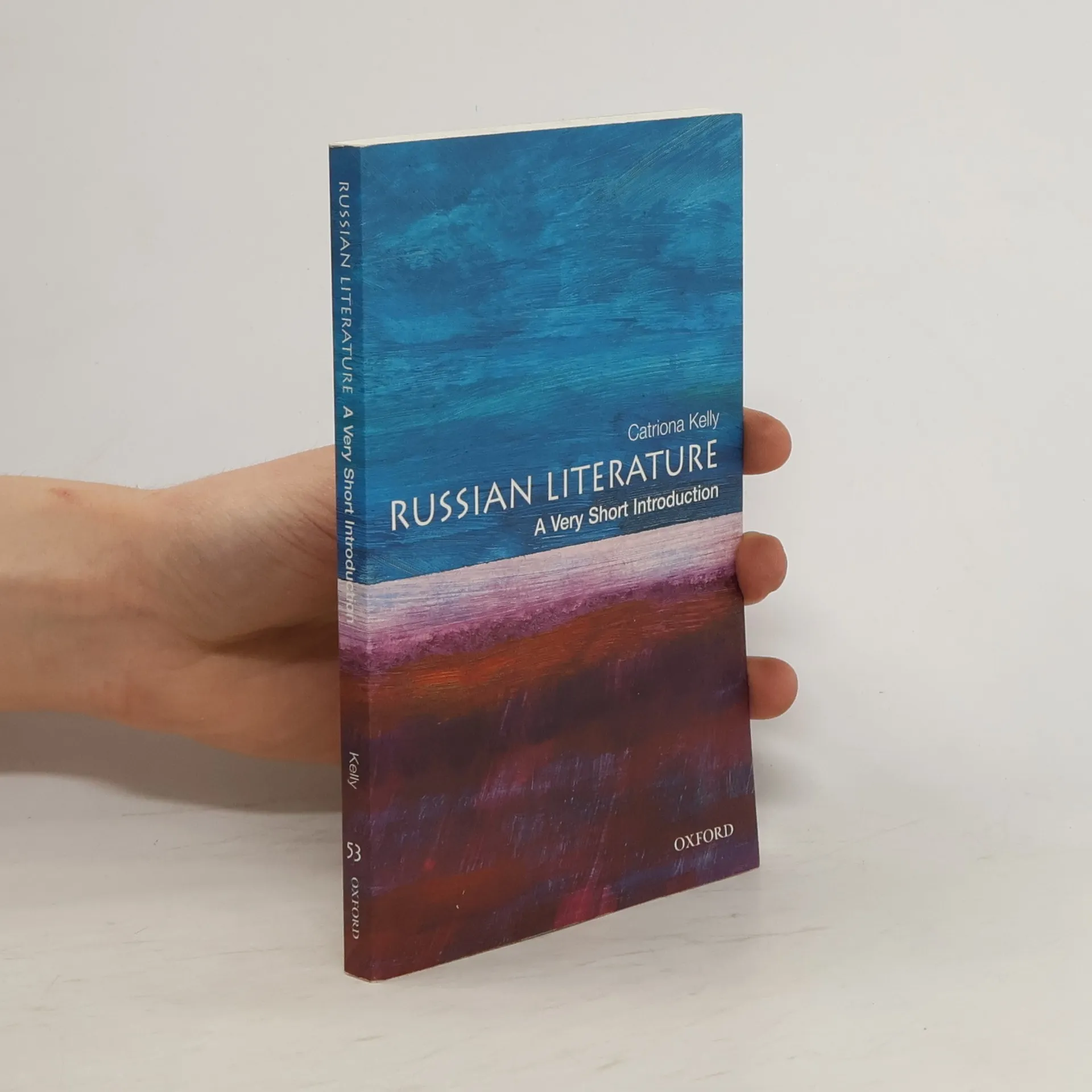

Explores the place and importance of literature in Russian culture. How and when did a Russian national literature come into being? What shaped its creation? How have the Russians regarded their literary language? This book uses the figure of Pushkin, 'the Russian Shakespeare', as an example. schovat popis
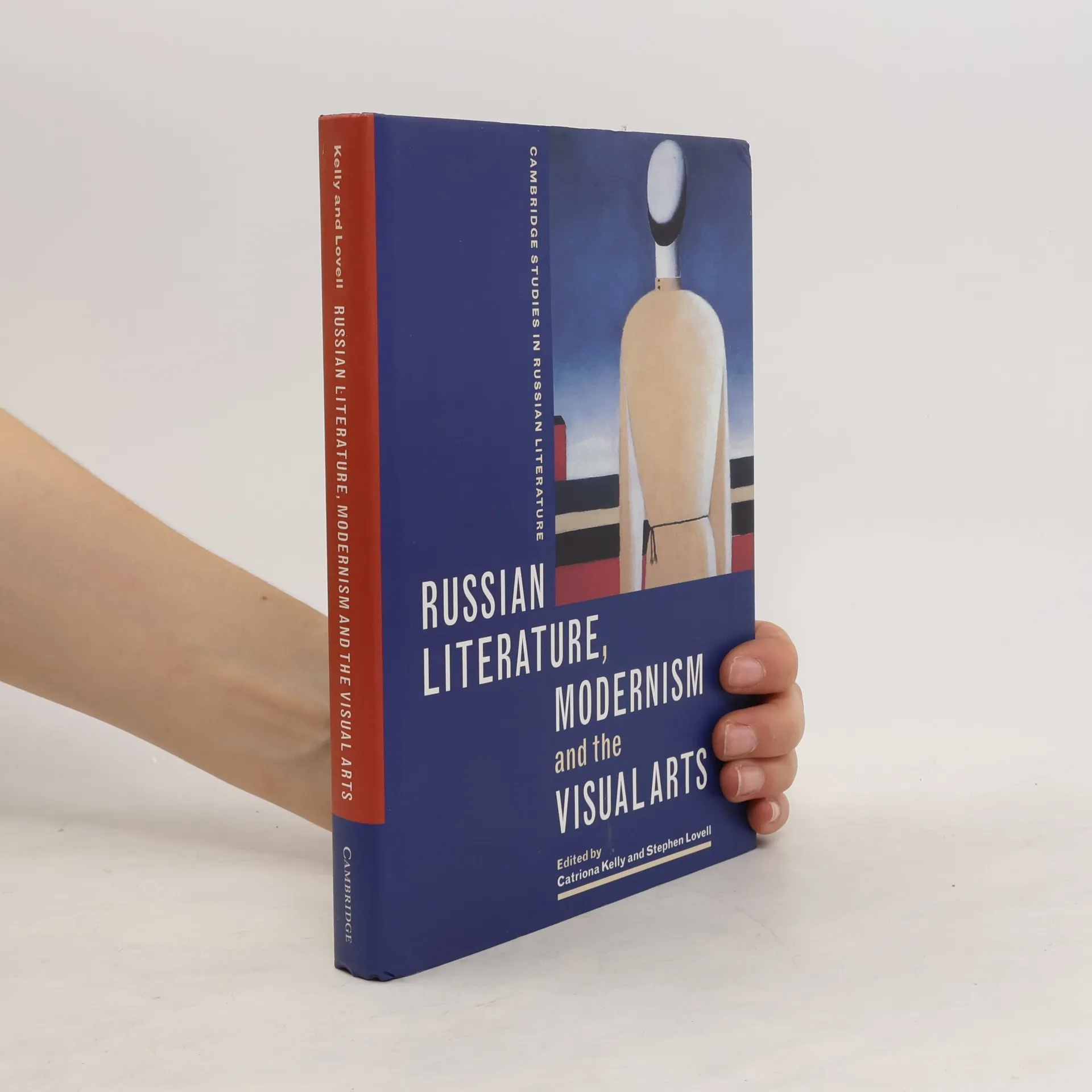
Russian Literature, Modernism and the Visual Arts
- 334 pages
- 12 hours of reading
Set against the backdrop of the Russian modernist era, this collection of essays explores the profound interactions between literature and visual arts, highlighting the collaborative spirit among writers, artists, and directors. Scholars from various backgrounds analyze the creative tensions that emerged as art forms blended, showcasing the dynamic energy of Russian culture during this transformative period. The essays reveal how these interactions not only enriched artistic expression but also challenged traditional boundaries, fostering innovation and creativity.
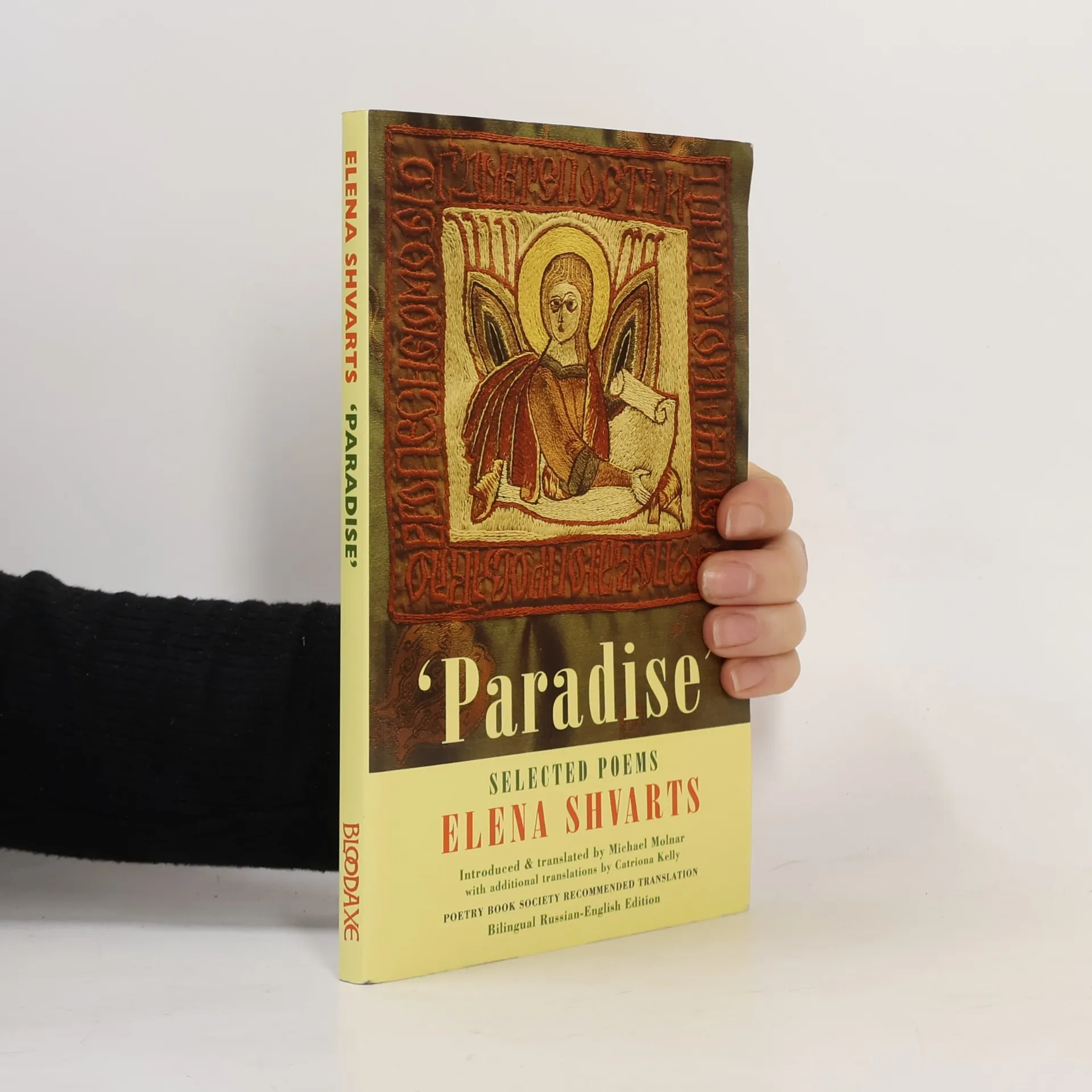
Elena Shvarts was the most outstanding Russian poet of her generation. 'Paradise' presents a dual language selection of her earlier poetry. Poetry Book Society Recommended Translation.