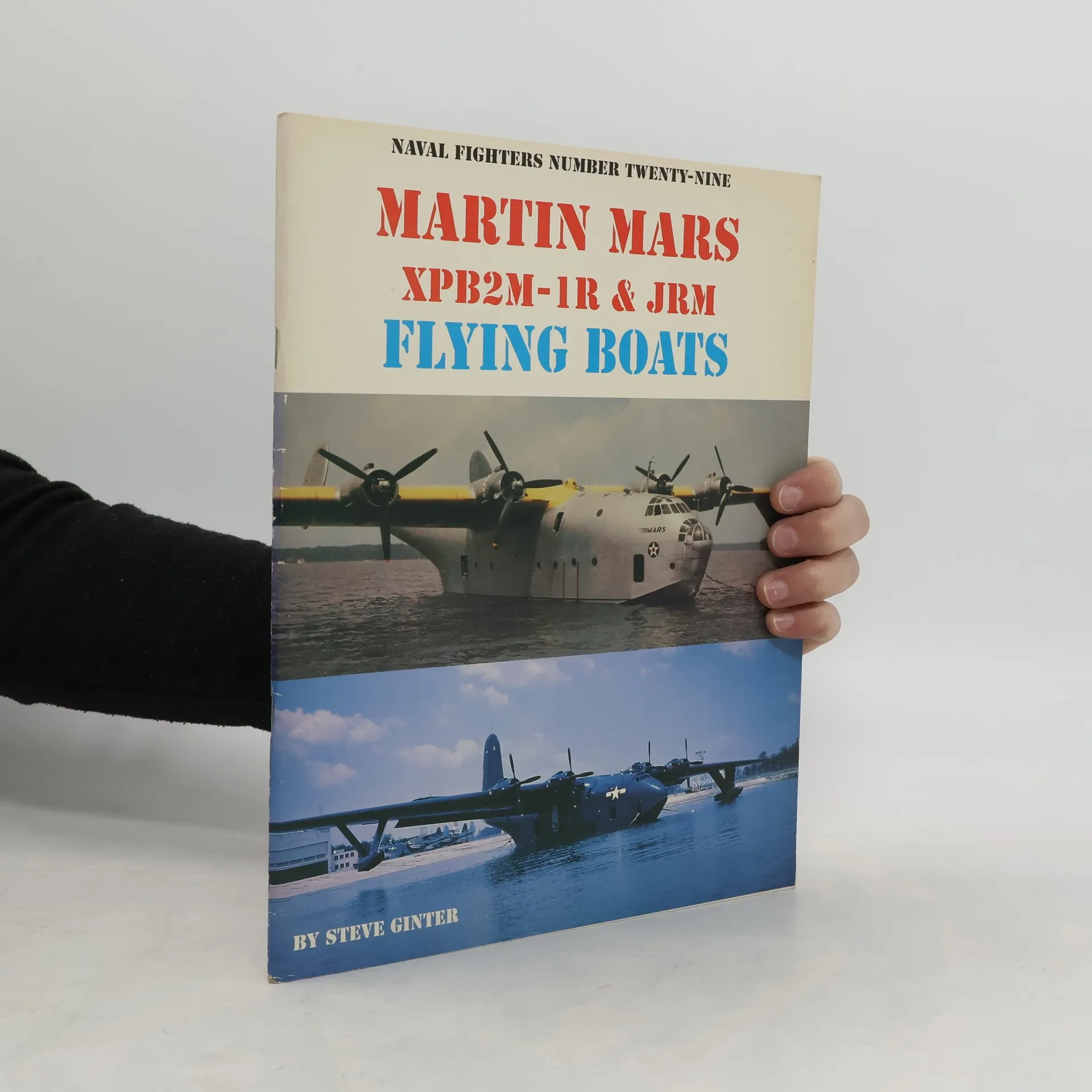
The photos in this edition are black and white. WWII's 4-engine Martin Mars flying boat would be the World's largest aircraft weighing in at over 150,00 pounds until the Spruce Goose came along. Used as a transport, five production aircraft were built and used throughout the Pacific as the Navys heavy hauler into the mid-1950s when they were purchased and converted into fire bombers in Canada and used to this day. The five aircraft were named Philippine Mars, Marianas Mars, Marshall Mars, Hawaii Mars and Carolline Mars.
Steve Ginter Books
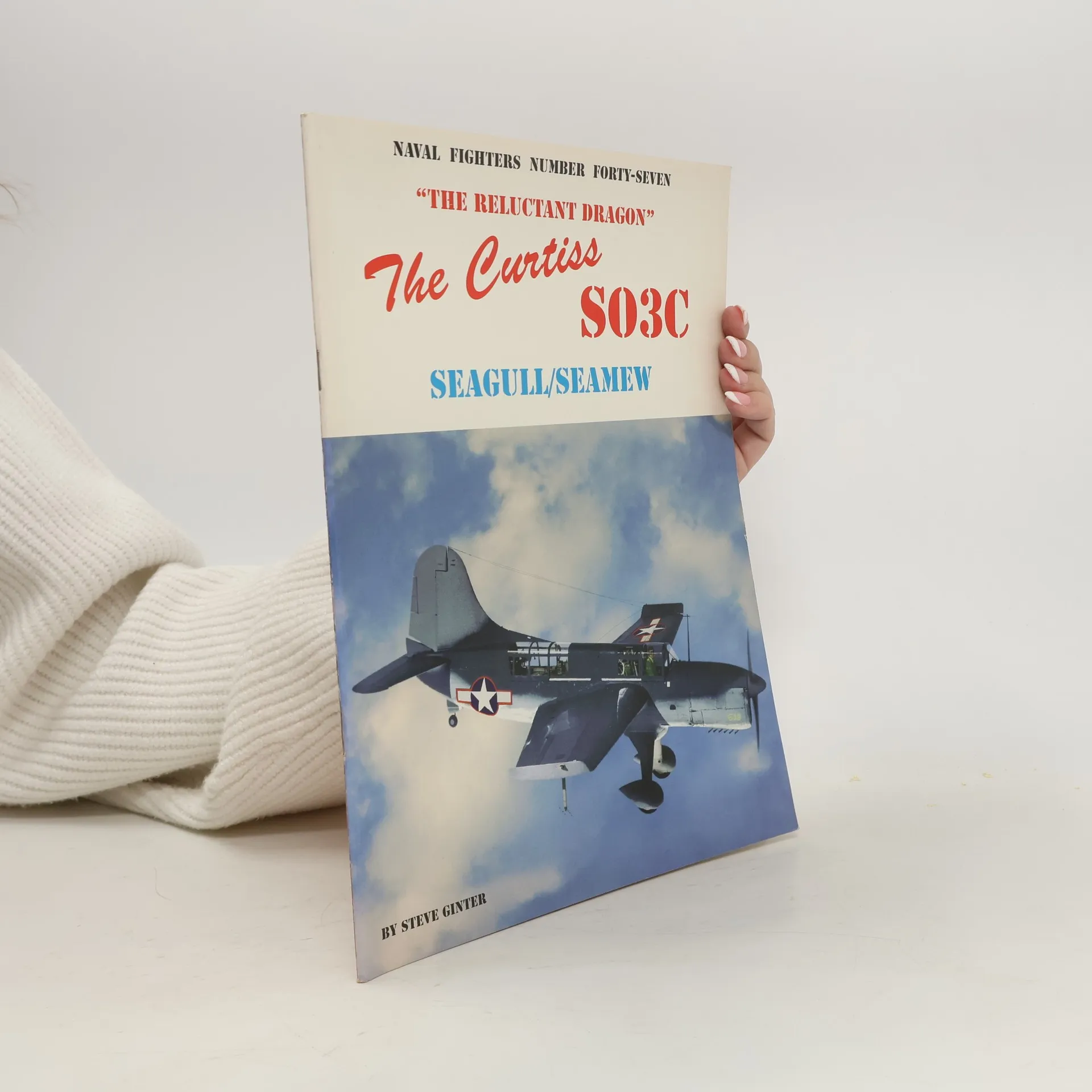
In early 1937, Curtiss and Vought, the Navy's two pre-war suppliers of fleet catapult scout floatplanes, were asked to submit bids for a high-speed replacement of the very successful SOC Seagull series. Navy design number 403 called for a mid-wing monoplane with a crew of two seated in tandem. The removable centerline float and outer wing floats could be replaced with optional fuselage-mounted landing gear. Because of cruiser and battleship deck and hangar space limitations, the specifications called for folding wings and wing floats all within a weight limitation of 6,350 pounds. However, the most critical design stipulation was the engine.
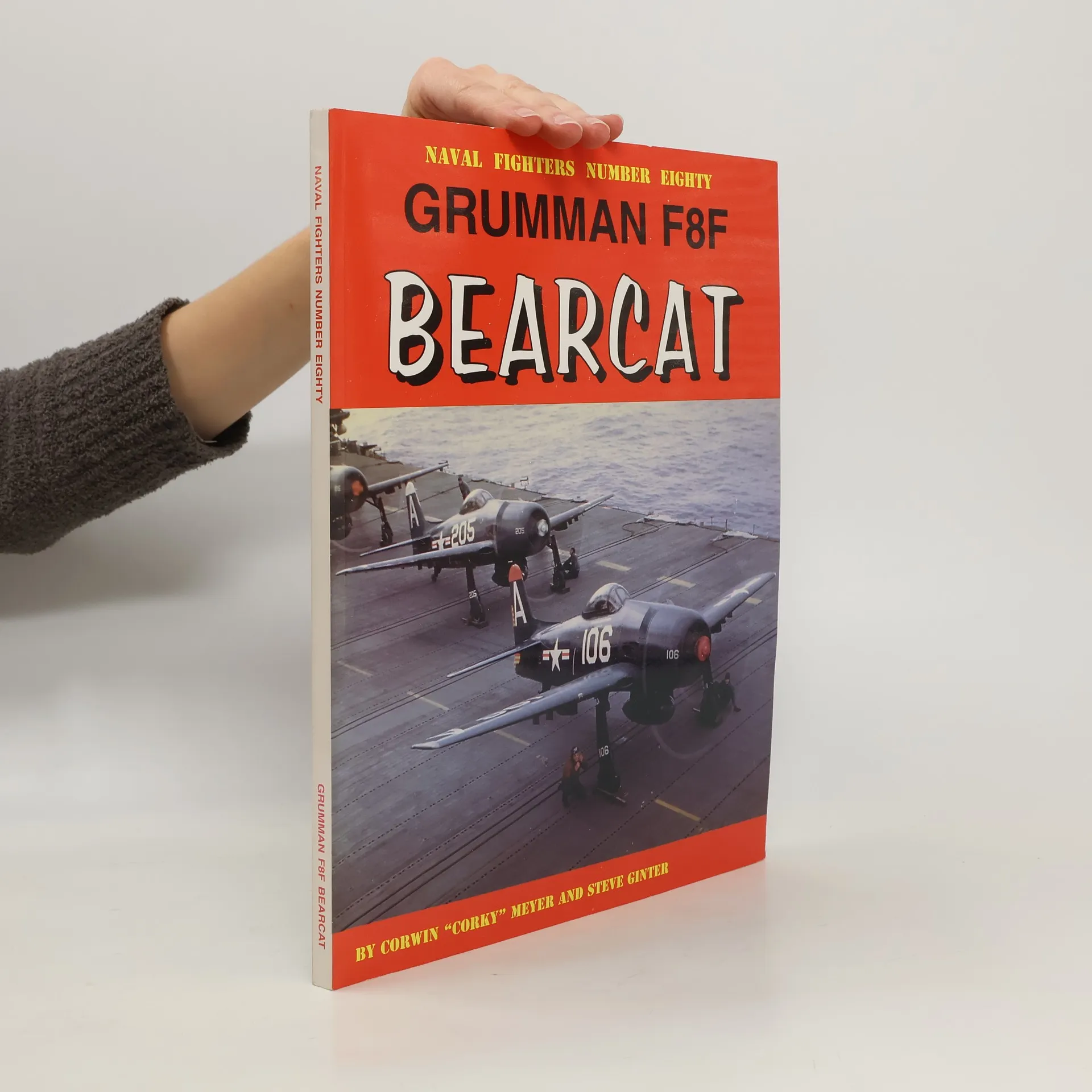
Grumman F8F Bearcat
- 217 pages
- 8 hours of reading
By the last half of World War II, most new US fighter designs were much heavier and more complex than earlier fighters. When planning a replacement for their successful F6F Hellcat carrier fighter, however, Grumman chose to build as lightweight a design as possible around the most reliable large radial engine. The result was the F8F Bearcat, which was often called a "hot rod" by its pilots for its fantastic acceleration and climbing ability. Using the well-proven Pratt & Whitney R-2800 engine, the first Bearcat prototype flew on August 21, 1944. After minor modifications, including the addition of a dorsal fin, early production F8F-1s began armament tests and carrier qualification trials in early 1945. By May of 1945, the Bearcat was cleared for operations, with very few restrictions on its flight operations over its wide speed range. A total of 654 F8F-1s were delivered, all fitted with the 2,100 hp R-2800-34W engine.
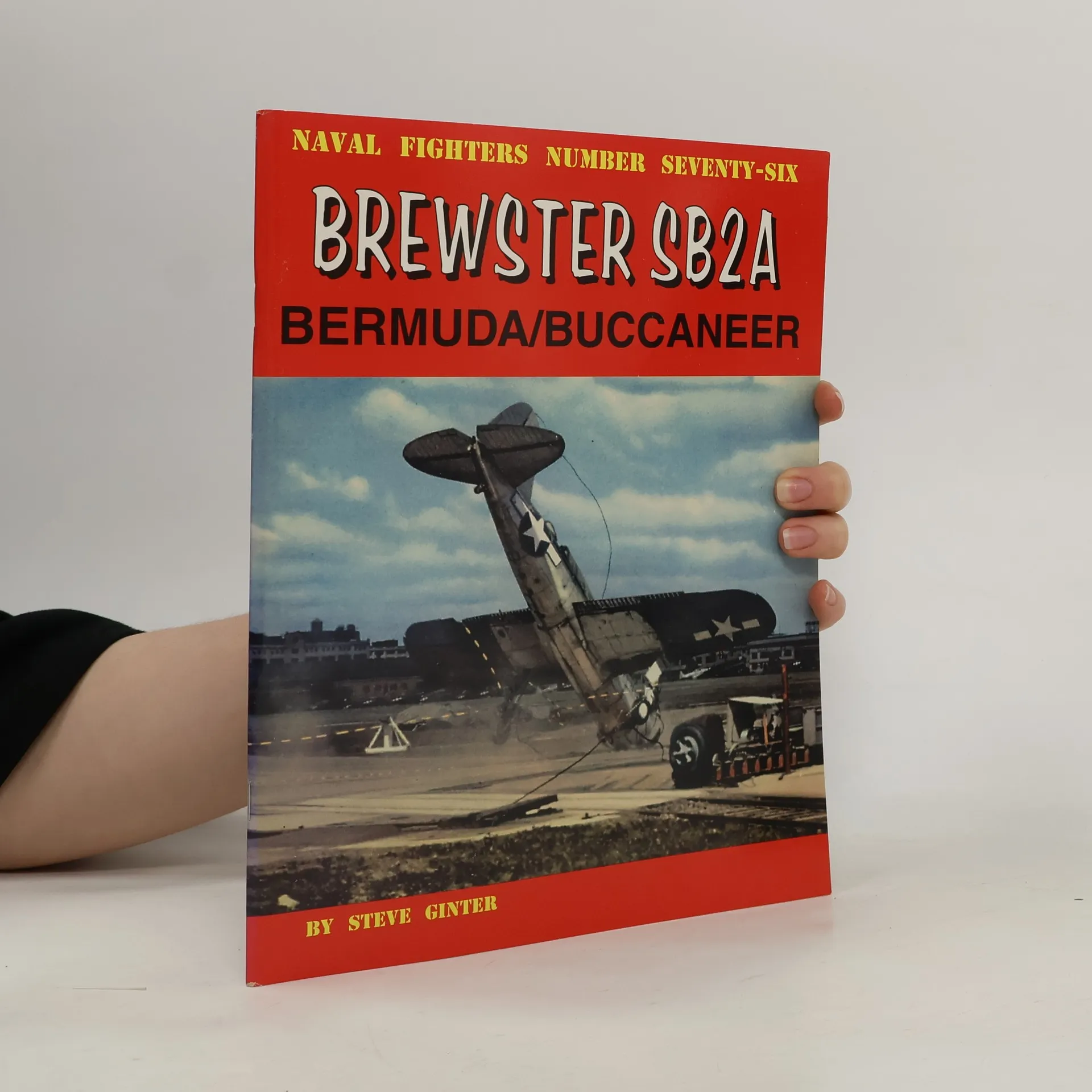
Brewster SB2A Bermuda/Buccaneer
- 96 pages
- 4 hours of reading
The Brewster Bermuda is the name given by the RAF to the Brewster SB2A. In the US Navy service, the aircraft was the SB2A "Buccaneer." The Bermuda was not carrier-capable, although it was designed as a dive bomber. It was developed by Brewster in parallel with the Curtiss SB2C Helldiver. The two aircraft looked similar. Handling and production problems caused two years of delay, and the US Navy had no need for a new dive bomber when the SB2A was finally available. Many were used as target tugs, others were scrapped straight from the production line. A total of 1,052 were built. The Bermuda was supplied for FAA (Fleet Air Arm is a branch of the Royal Navy) assessment under lend-lease when a small number entered RAF service. Also includes coverage of the XSBA-1 and SBN-1.
Naval Fighters - 71: Douglas TBD-1 Devastator
- 96 pages
- 4 hours of reading
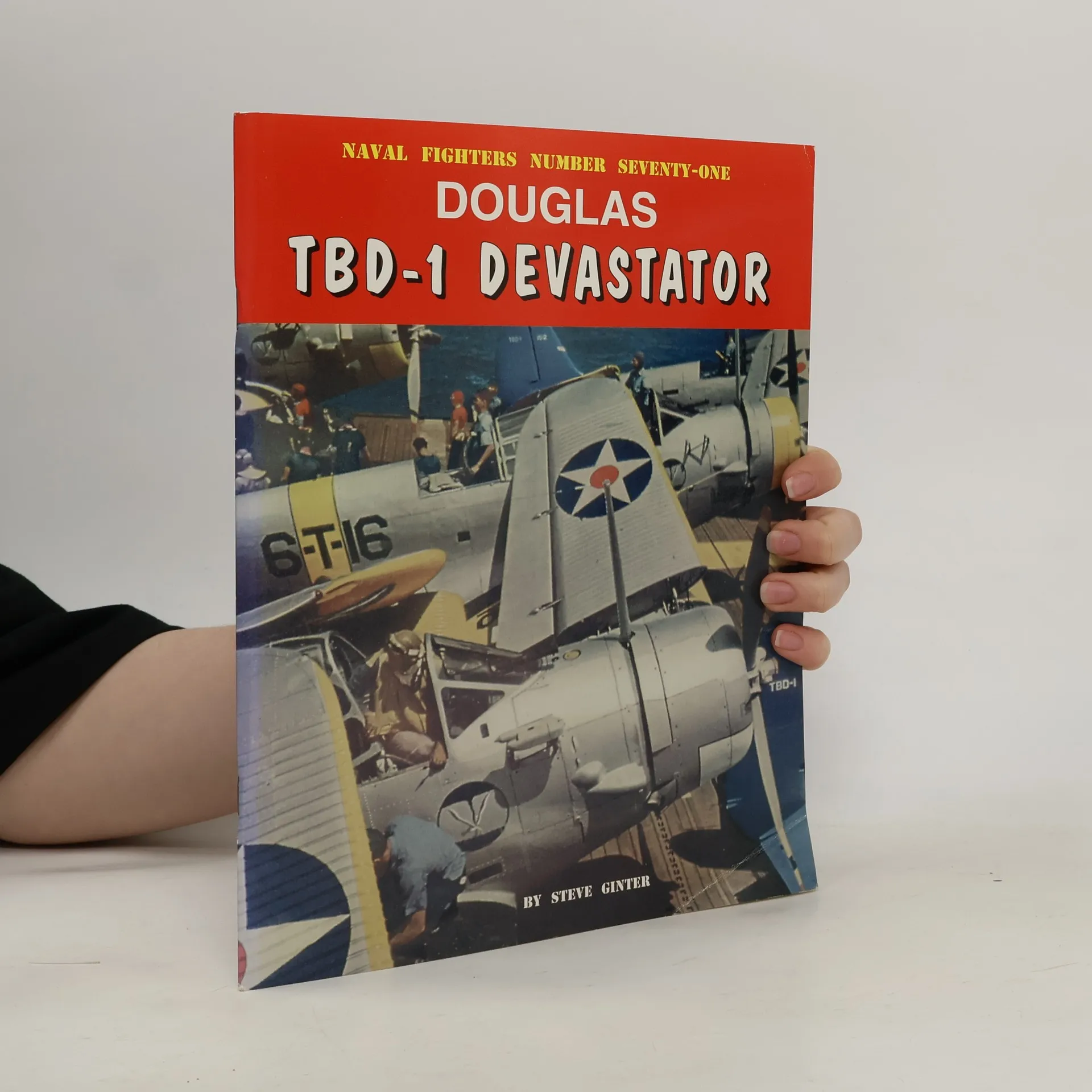
The US Navy's first carrier-based monoplane was a torpedo bomber rather than a nimble fighter. It was also the first all-metal, high performance aircraft and the first aircraft with hydraulically folding wing. This book takes you back to the early days of the Navy with a new weapon on the new and untried aircraft carriers when the battle ship was king. There are a lot of photos, drawings, cutaways, along with ship and squadron history.
Naval Fighters - 83: Lockheed R6O/R6V Constitution
- 72 pages
- 3 hours of reading
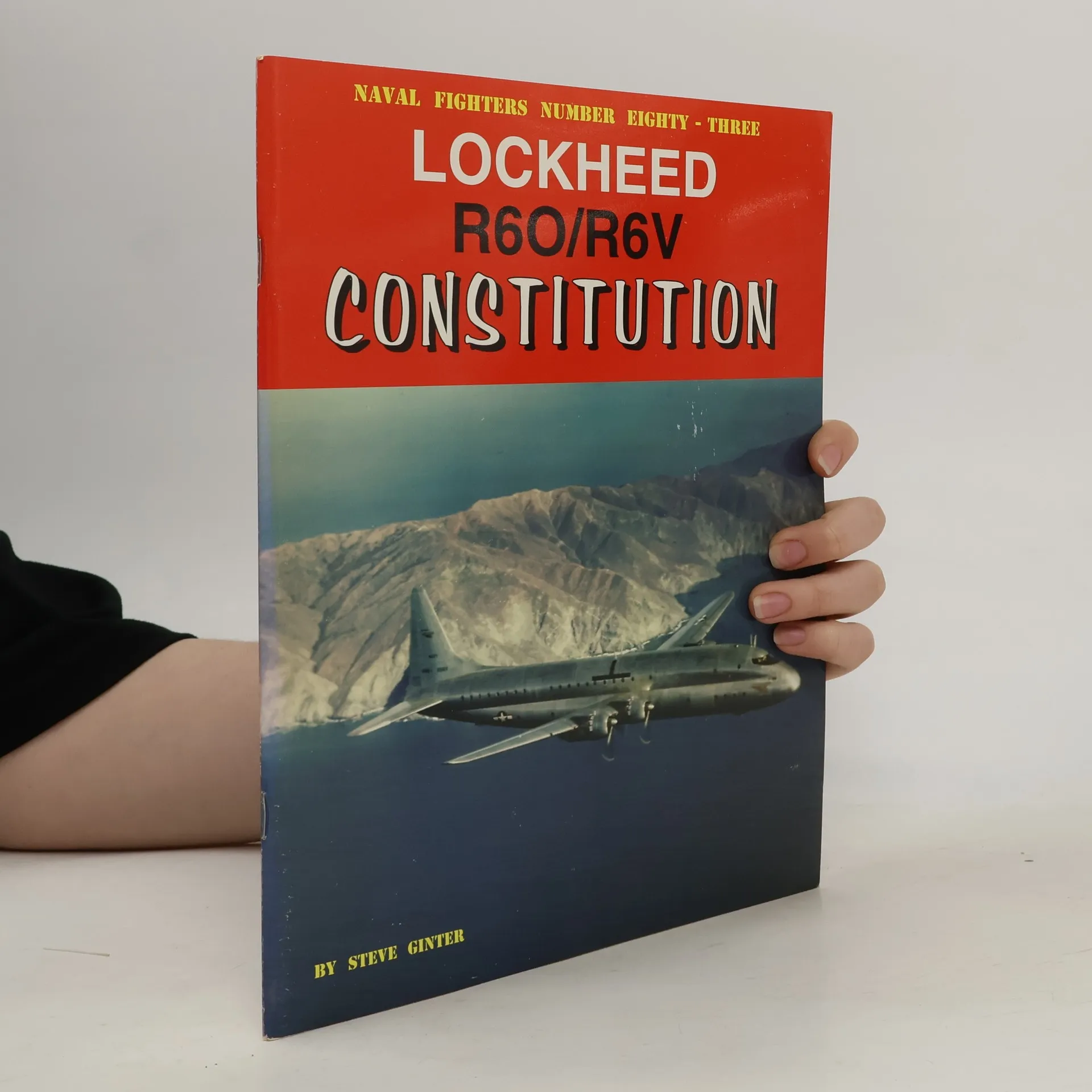
The Lockheed R6V Constitution was a large, propeller-driven, double-decker transport aircraft developed in the 1940s by Lockheed as a long-range, high capacity transport and airliner for the U.S. Navy.
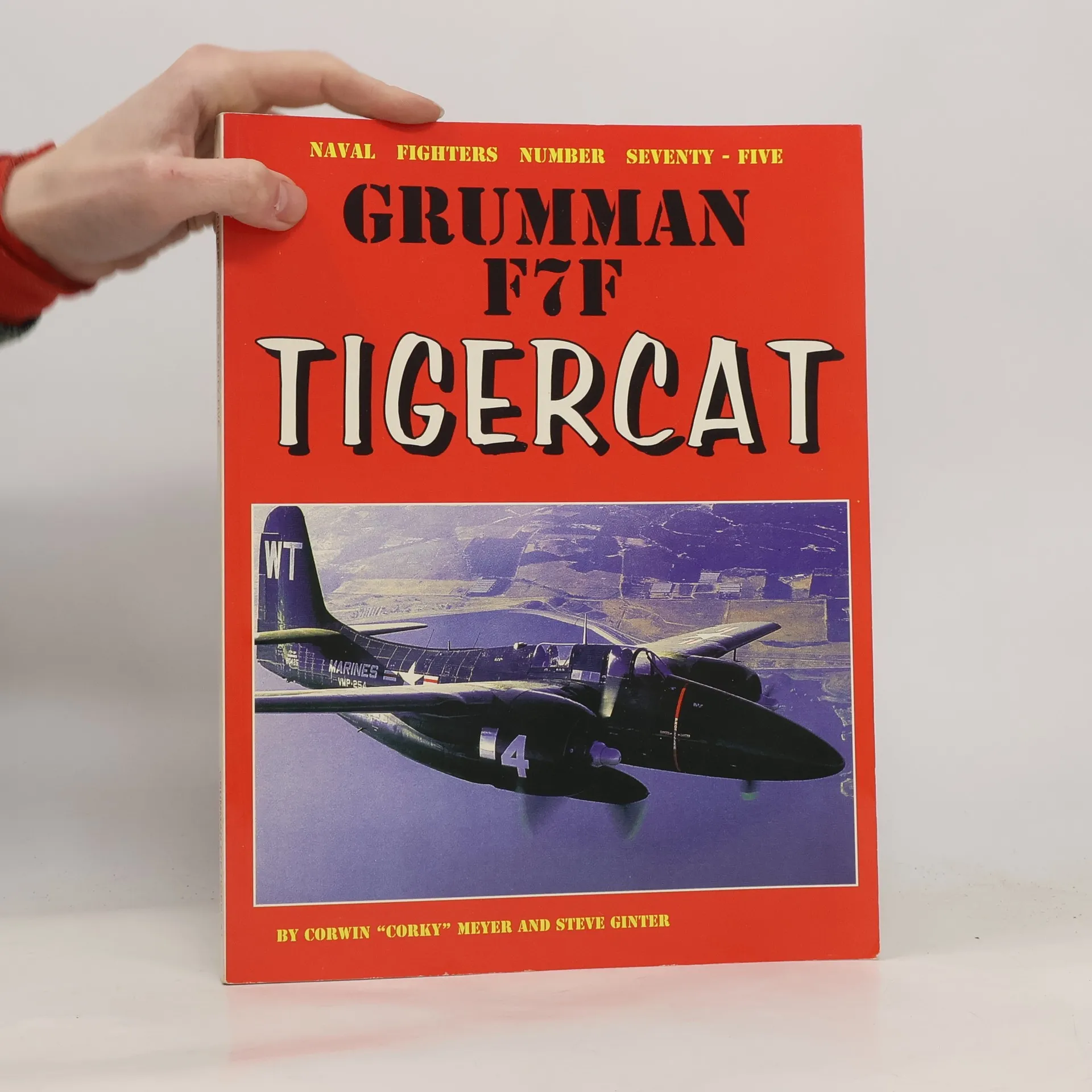
The XF7F-1 (Grumman G-45) was ordered on June 30, 1941, and was intended to be operated from the forthcoming 45,000 ton Midway class carriers. It was to be the first twin engine with tricycle undercarriage. It was heavily armed with four 20 mm guns in the wing roots and four .50 cal in the nose with strong points under the wings and fuselage to carry bombs and the Navy torpedo. This book covers all of the many versions along with its use as a firebomber, and some aircraft that are saved in the museum.
Grumman Goose Flying Boat
- 73 pages
- 3 hours of reading
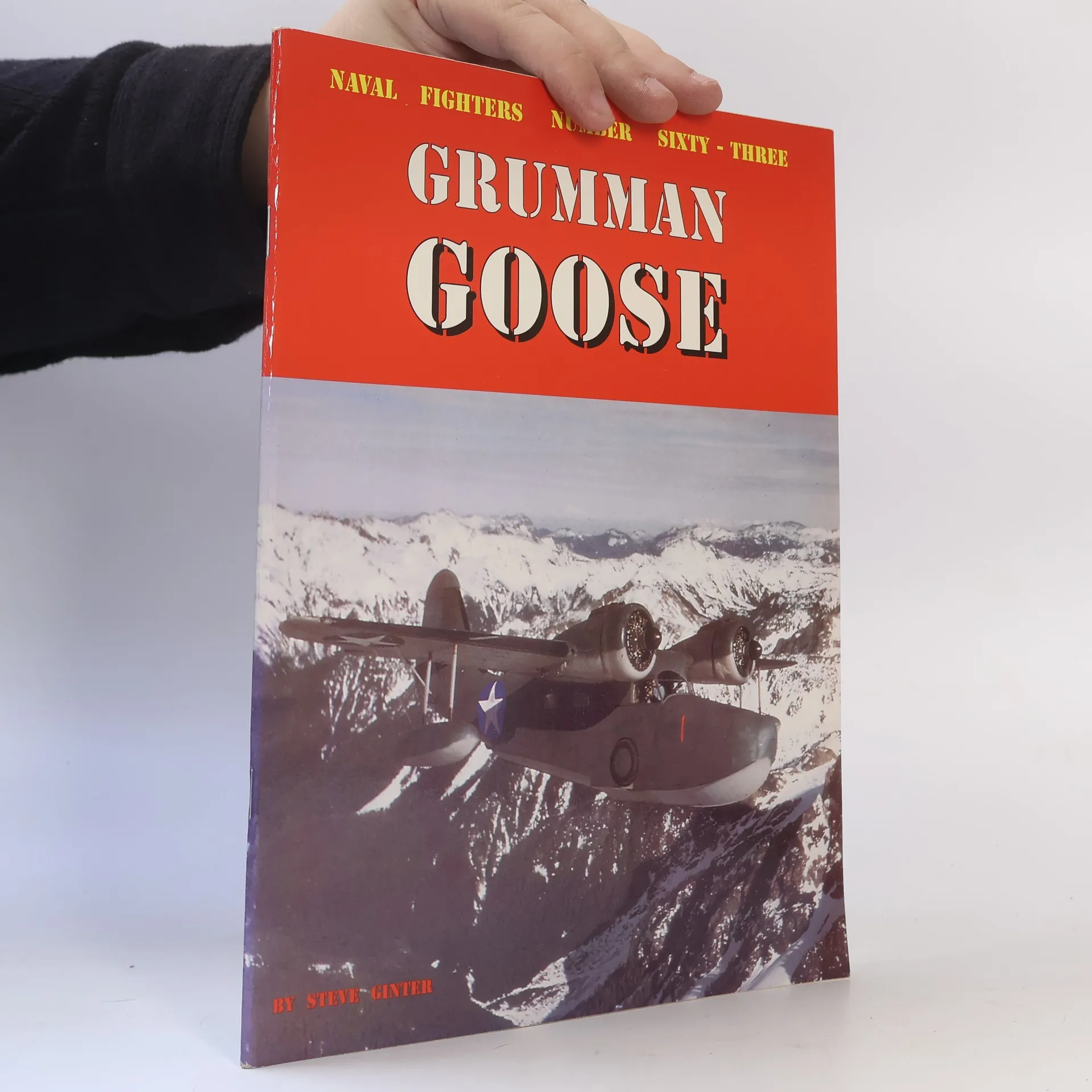
The Grumman Goose was developed to satisfy the needs of 10 businessmen who wanted a modern replacement for the Loening Air Yacht and Commuter amphibians.On 3 of July 1937, just 35 day after first flight the first Goose was delivered for the price of $60,000. This book talks about the many uses for the Goose. From Patrol to Hydrofoil test aircraft.