

Sold out but wanted!

Parameters
More about the book
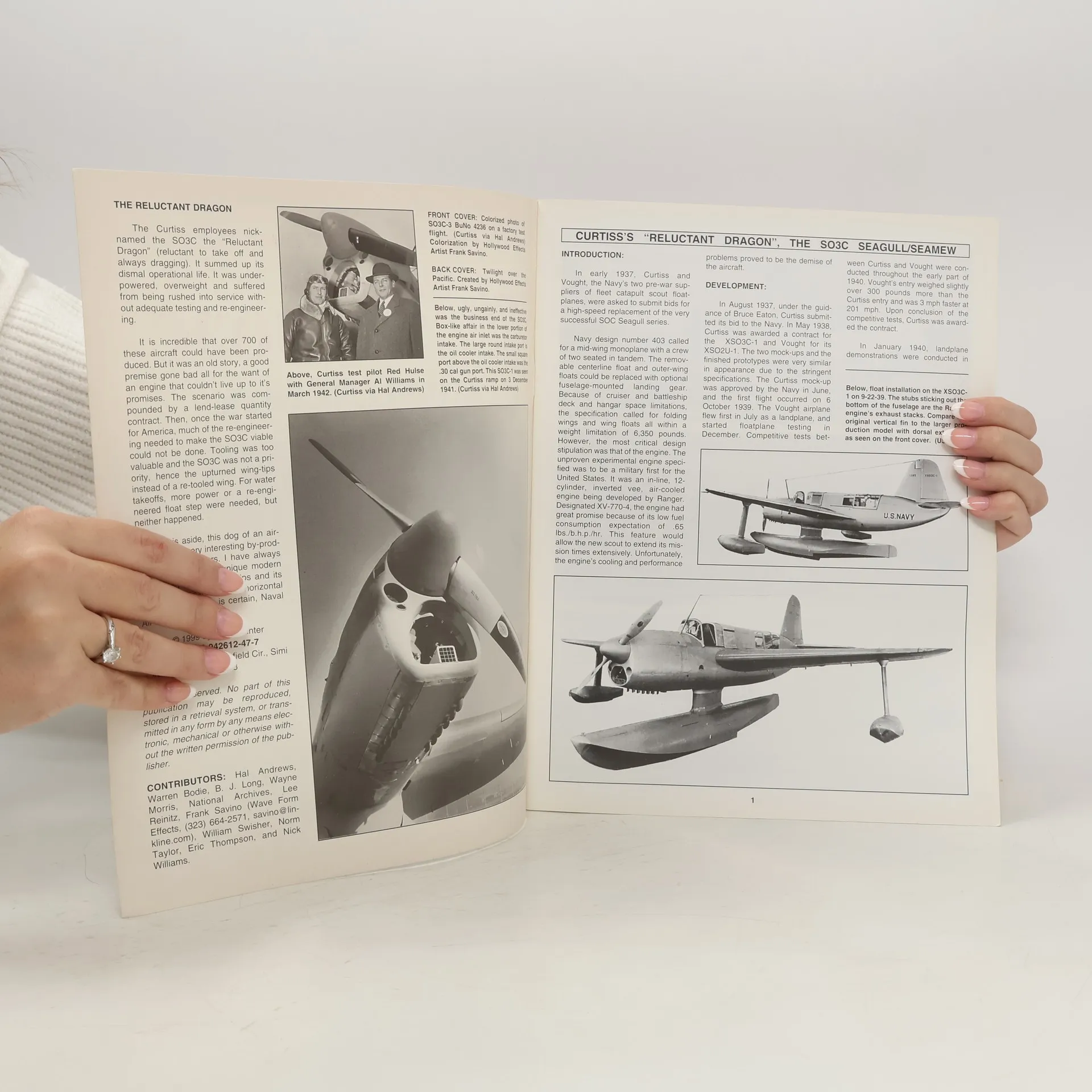
In early 1937, Curtiss and Vought, the Navy's two pre-war suppliers of fleet catapult scout floatplanes, were asked to submit bids for a high-speed replacement of the very successful SOC Seagull series. Navy design number 403 called for a mid-wing monoplane with a crew of two seated in tandem. The removable centerline float and outer wing floats could be replaced with optional fuselage-mounted landing gear. Because of cruiser and battleship deck and hangar space limitations, the specifications called for folding wings and wing floats all within a weight limitation of 6,350 pounds. However, the most critical design stipulation was the engine.
Book purchase
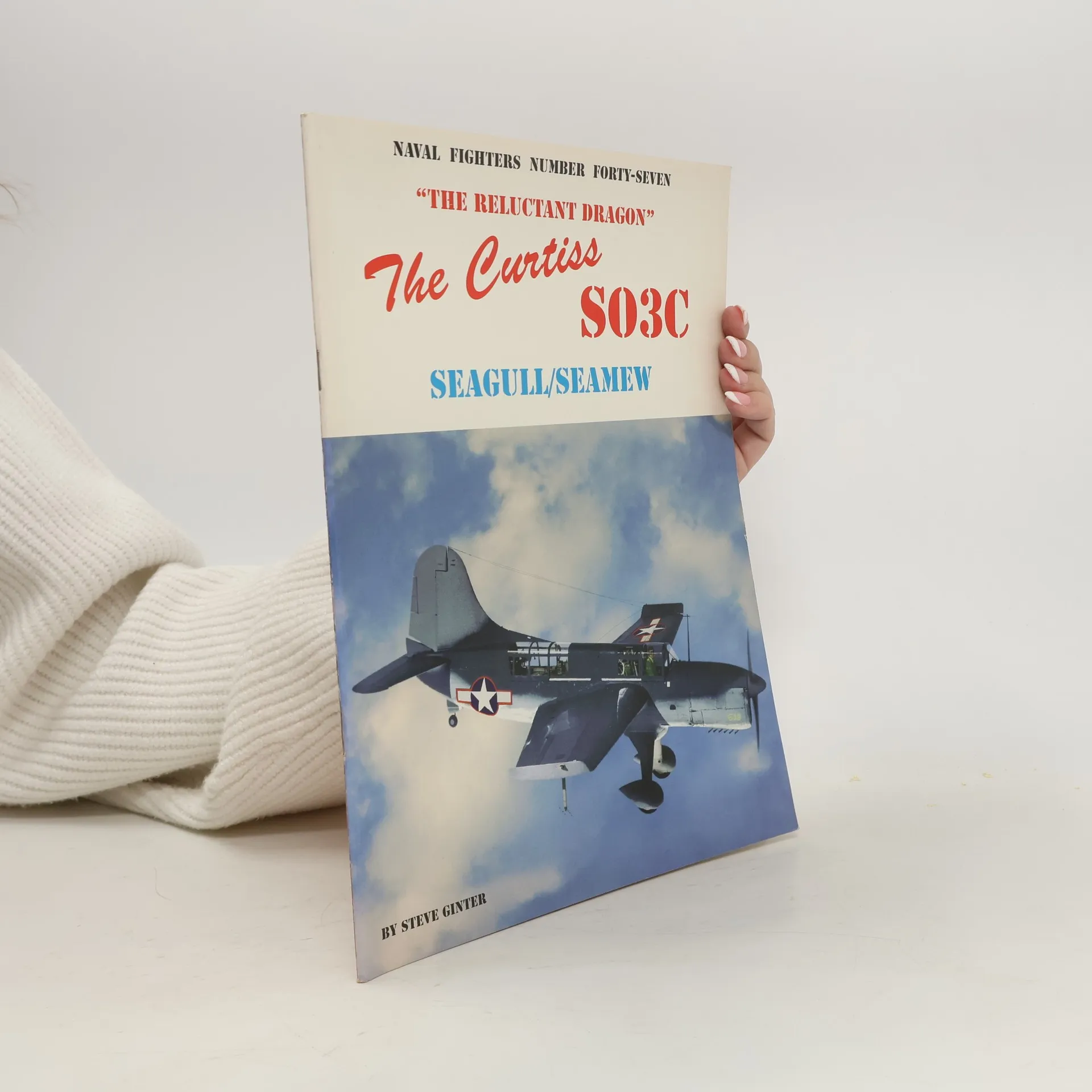
The Curtiss SO3C Seagull/Seamew, Steve Ginter
- Language

- Released
- 1999
- Binding
- (Saddle stitch)
We’ll email you as soon as we track it down.
Payment methods
We’re missing your review here.
- Title
- The Curtiss SO3C Seagull/Seamew
- Language
- English
- Authors
- Steve Ginter
- Publisher
- Naval Fighters
- Released
- 1999
- Format
- Saddle stitch
- ISBN10
- 0942612477
- ISBN13
- 9780942612479
- Series
- Tags
- Aviation
- Rating
- 5 out of 5
- Description
- In early 1937, Curtiss and Vought, the Navy's two pre-war suppliers of fleet catapult scout floatplanes, were asked to submit bids for a high-speed replacement of the very successful SOC Seagull series. Navy design number 403 called for a mid-wing monoplane with a crew of two seated in tandem. The removable centerline float and outer wing floats could be replaced with optional fuselage-mounted landing gear. Because of cruiser and battleship deck and hangar space limitations, the specifications called for folding wings and wing floats all within a weight limitation of 6,350 pounds. However, the most critical design stipulation was the engine.