

"Quakerism: The Basics is an accessible and engaging introduction to the history and diverse approaches and ideas associated with The Religious Society of Friends. This small religion incorporates a wide geographic spread and varied beliefs that range from evangelical Christians to non-theists. Topics covered include: Quaker values in action The first generations of Quakerism Quakerism in the eighteenth and nineteenth centuries Belief and activism Worship and practice Quakerism around the world The future of Quakerism. With helpful features including, suggested readings, timelines, a glossary, and a guide to Quakers in fiction, this book is an ideal starting point for students and scholars approaching Quakerism for the first time as well as those interested in deepening their understanding"--
Carl Abbott Books
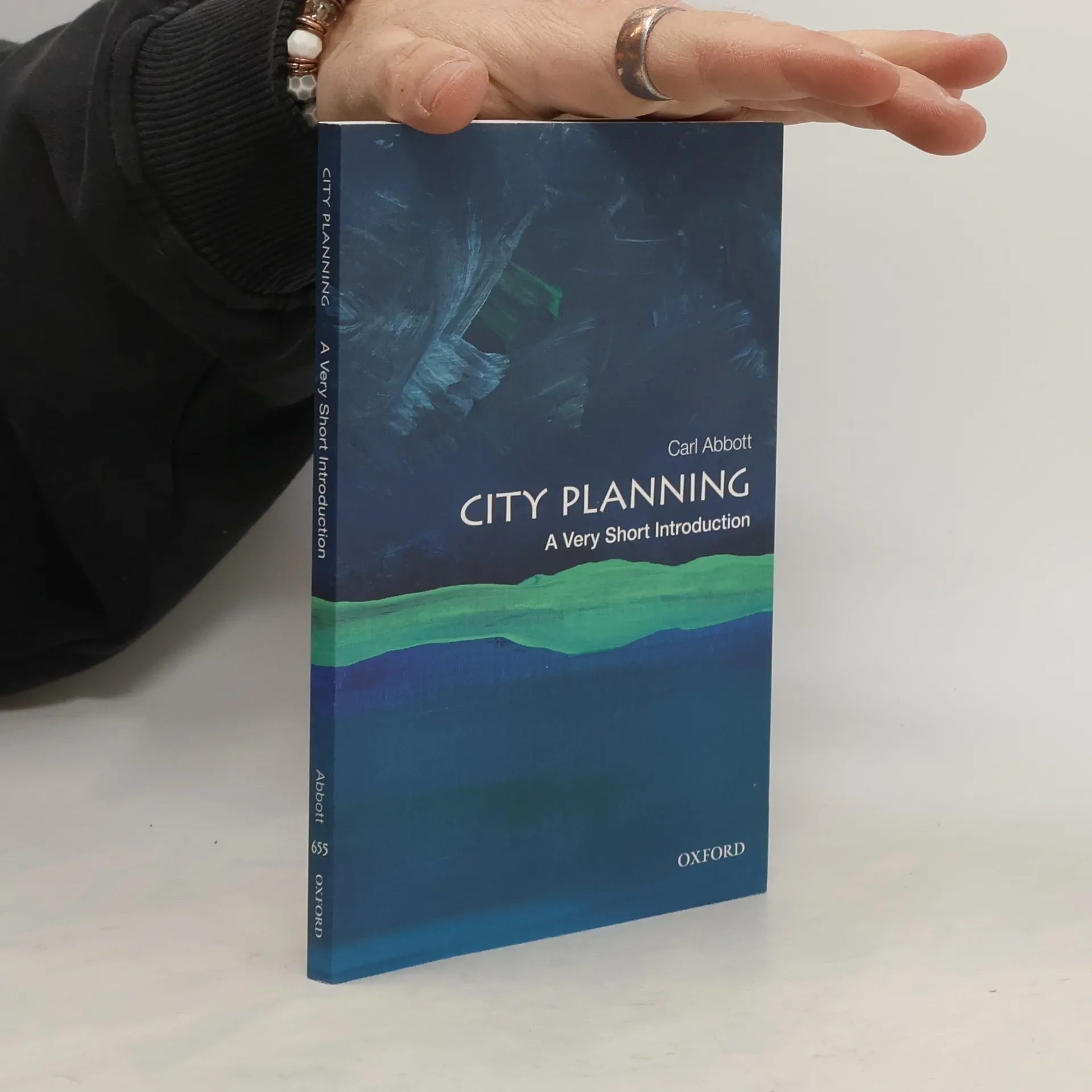

City Planning: A Very Short Introduction
- 160 pages
- 6 hours of reading
"City Planning: A Very Short Introduction gives an international overview of progress in city planning over the last century. City planning explores the tension between the idea of cities as individually held land-parcels and as representations of community and identity. It has inevitable political and ethical dimensions. Over time, cities have grown and merged, leading to larger-scale thinking about planning, but it remains a regional discipline. Part of city planning involves making cities more resilient to natural disasters and civil conflict. Data, technological developments, commerce, and efficient functioning are important, but human connection is necessary for cities to survive"--