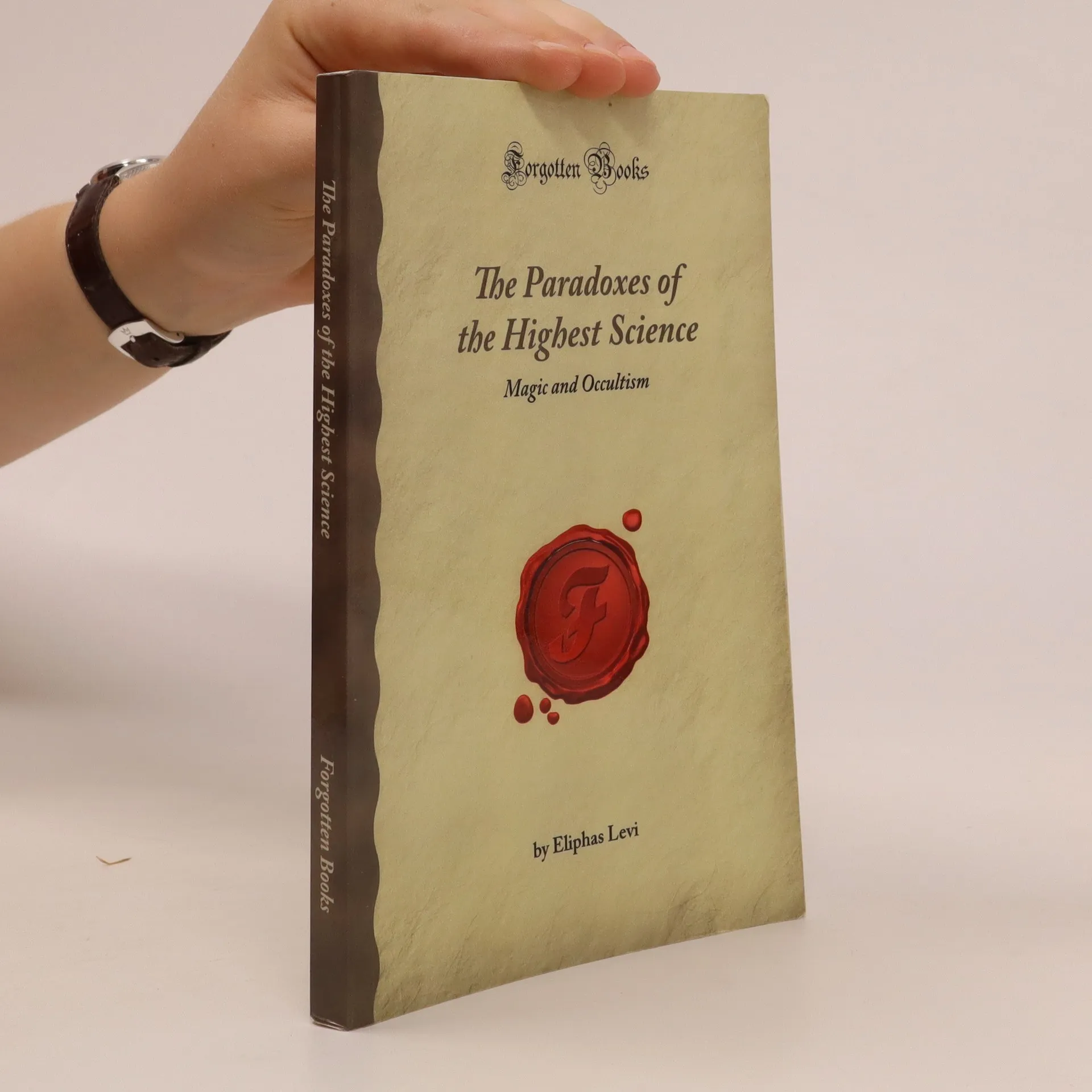
The Paradoxes of the Highest Science
- 168 pages
- 6 hours of reading
Éliphas Lévi, the pen-name of Alphonse Louis Constant, was a French Roman Catholic priest and occultist. His later writings on the Tarot and esoteric topics profoundly influenced the Spiritualist and Hermetic movements of fin de siècle England and France. Lévi's work is still valued today for its depth and impact on modern occult traditions. His writings offer a compelling insight into mystical thought and symbolism.


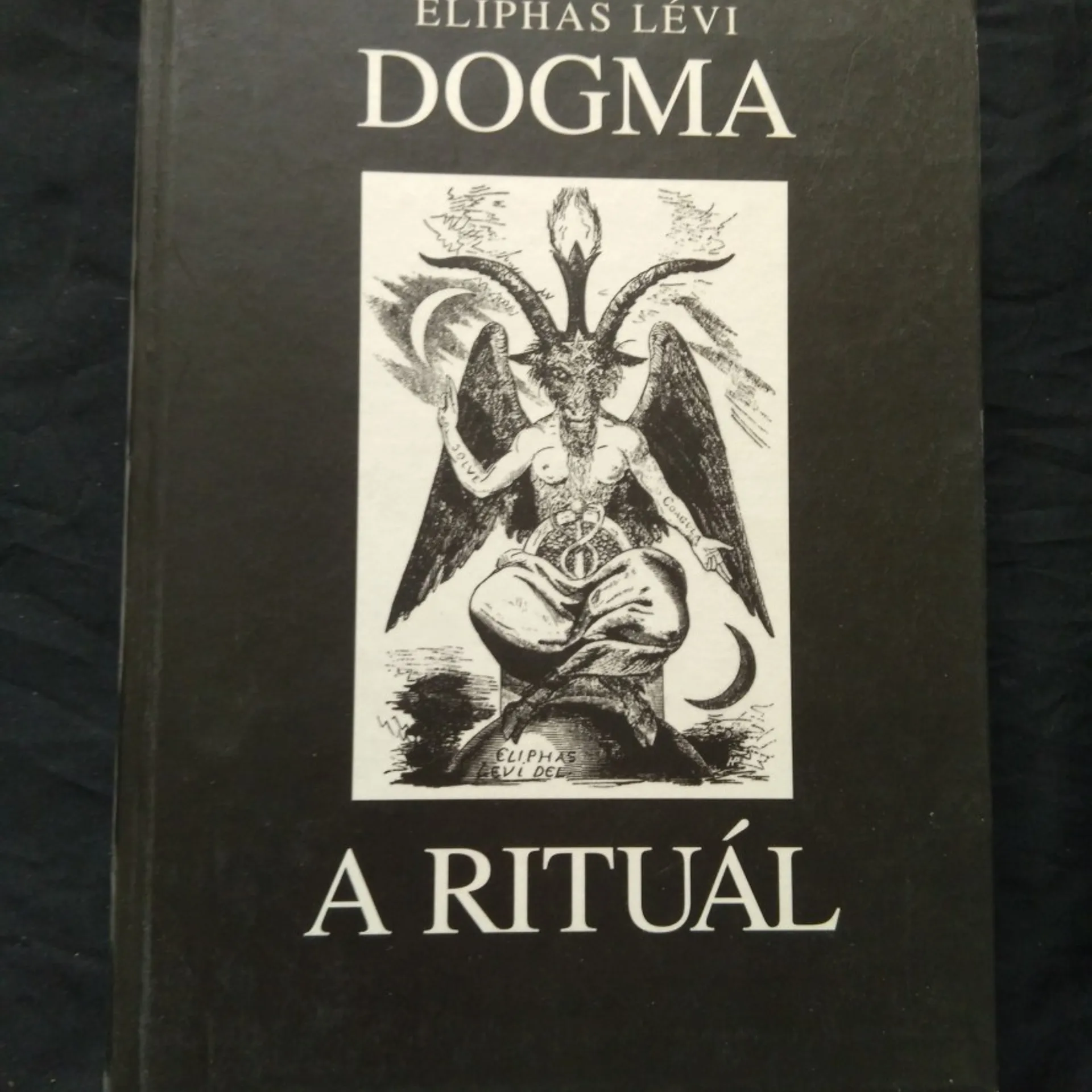
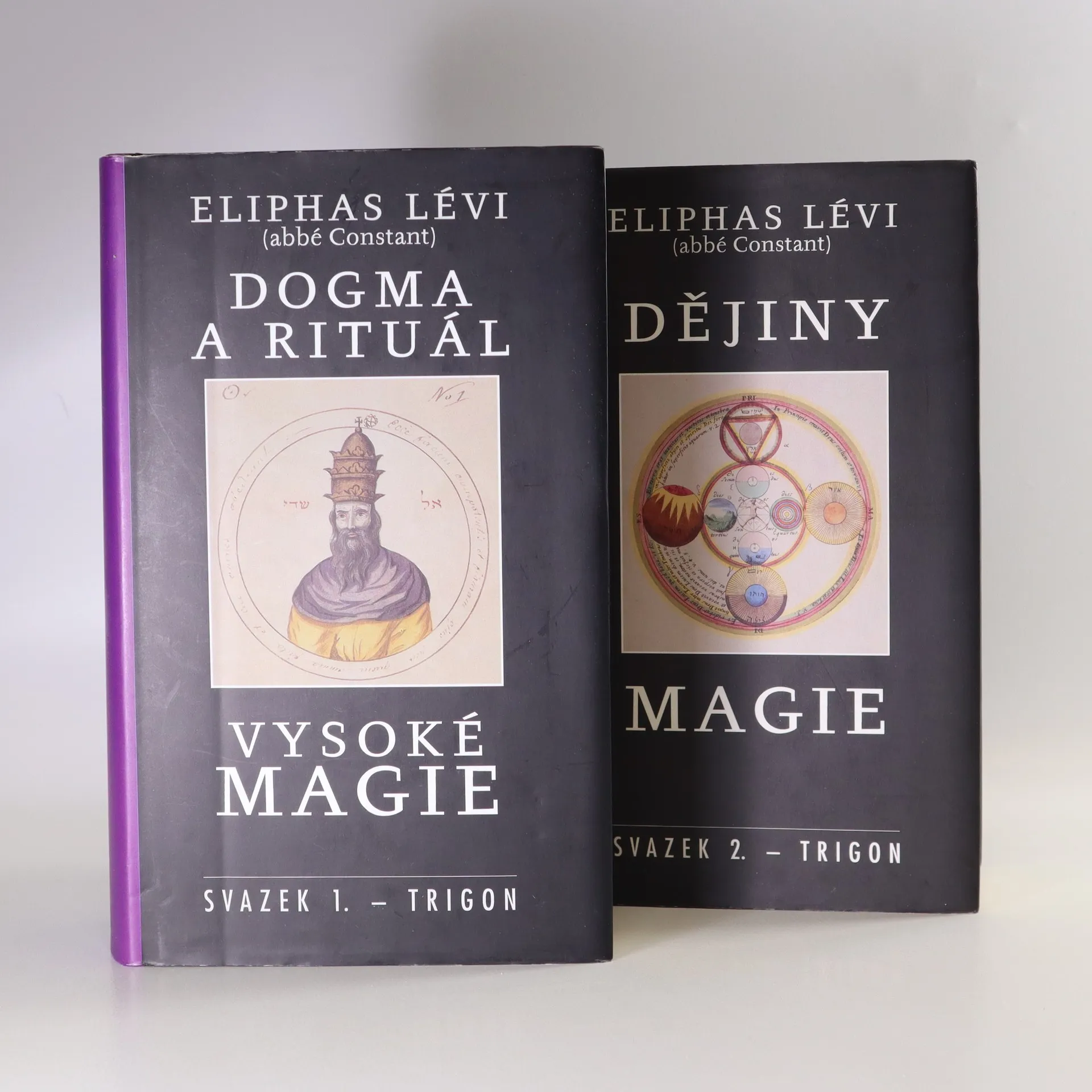
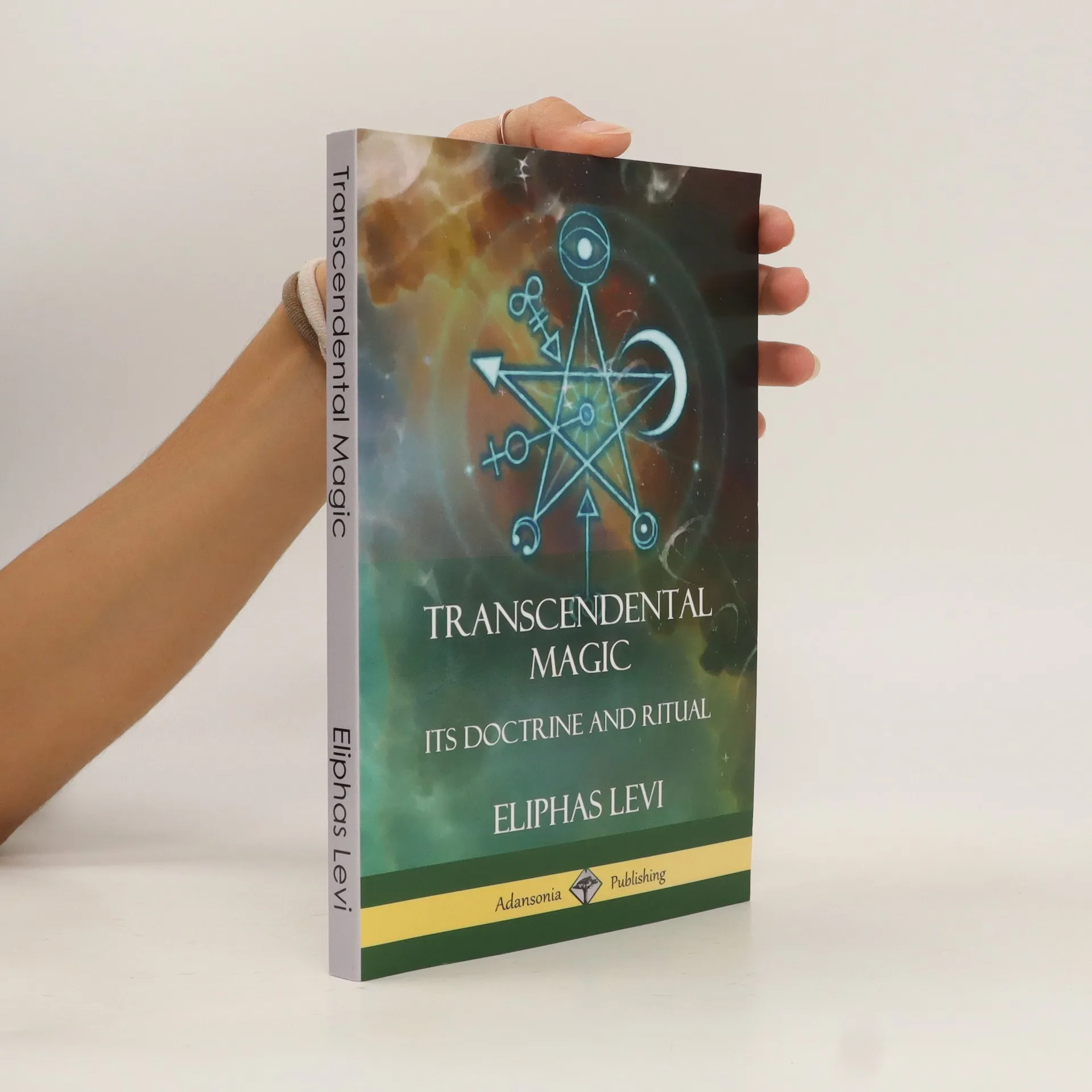
2011 Reprint of the 1958 London Edition, featuring a full facsimile of the original. This work marks Levi's first treatise on magic, translated into English by Arthur Edward Waite as "Transcendental Magic, its Doctrine and Ritual." Its opening lines encapsulate the essence of Occultism, highlighting a concealed doctrine present in ancient allegories, initiations, sacred writings, and the art of various cultures. Levi's interpretation of magic gained significant traction, particularly after his death, aided by the popularity of Spiritualism in the 1850s. His teachings were notable for their lack of fanaticism; he did not claim affiliation with any secret society nor sought to profit from his insights. By incorporating Tarot cards into his magical framework, he established their importance in Western magic. His influence extended to the Hermetic Order of the Golden Dawn and later to Aleister Crowley. Levi was also the first to assert that a pentagram with one point down symbolizes evil, while one with a point up signifies good. His legacy endures through the occultists he inspired, marking him as a pivotal figure in the twentieth-century revival of magic.
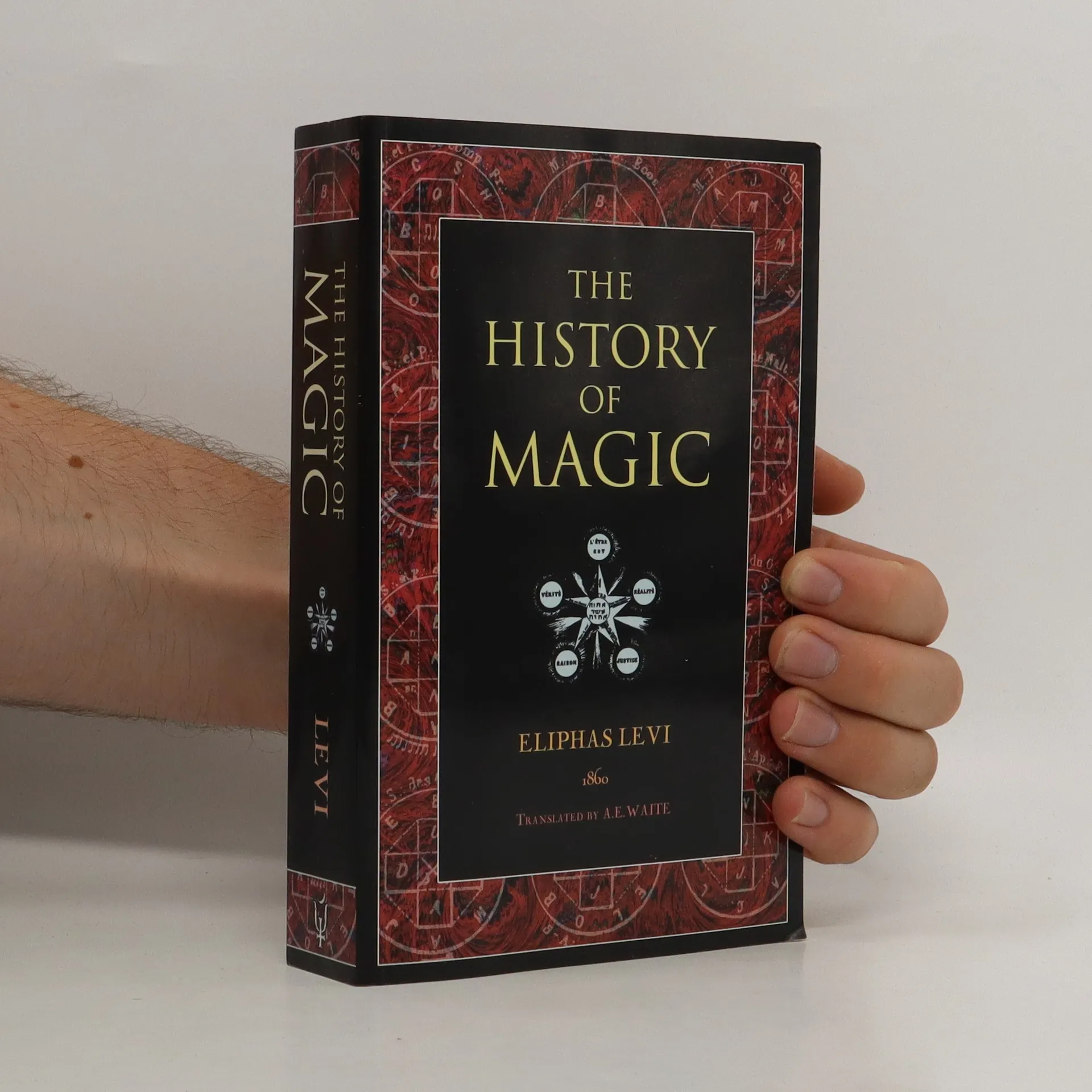
'The History of Magic' was first published in 1913 and is still considered a comprehensive source book on the history of magic and occultism.
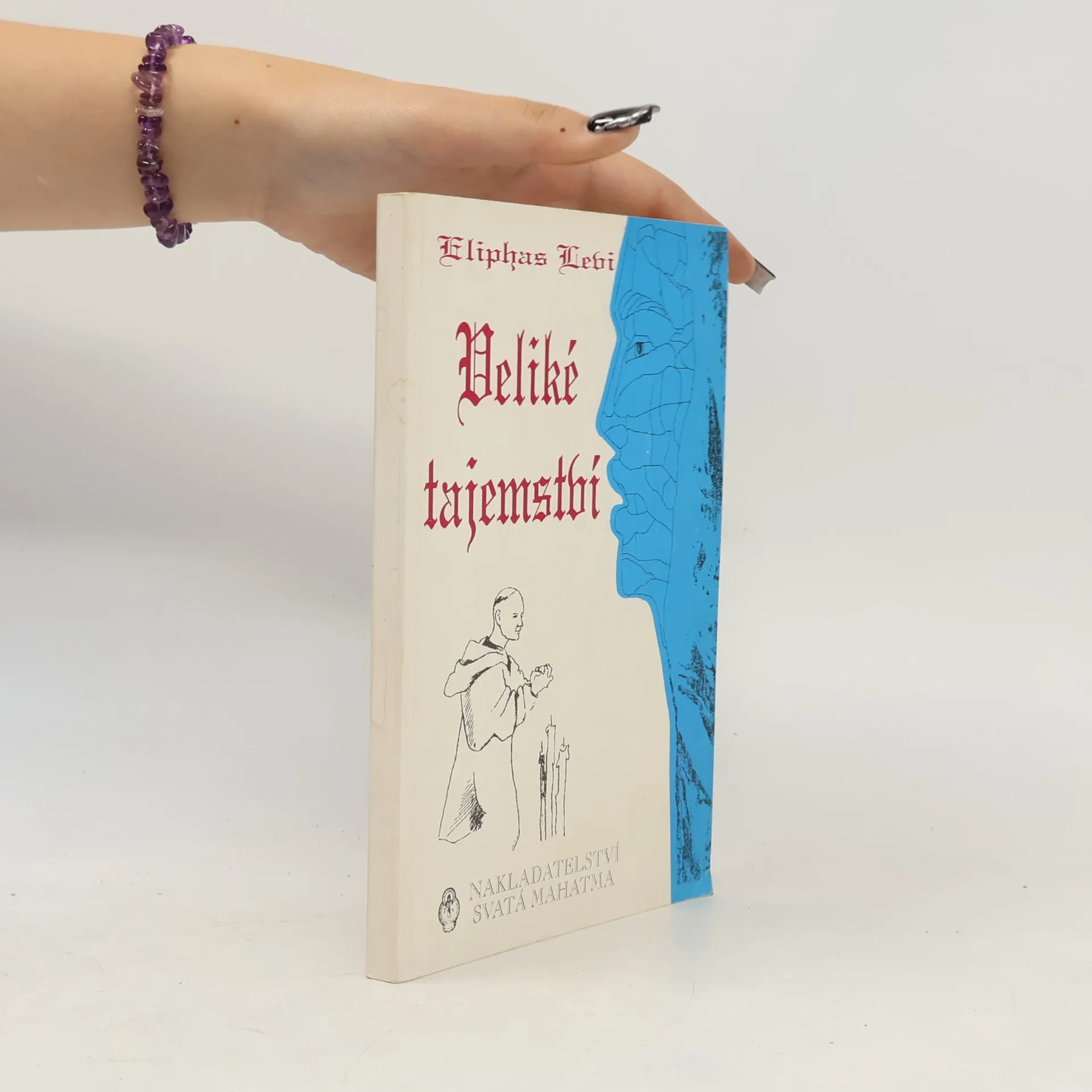
Kniha hledá v magii základy všeobecné vědy, filozofie a náboženství.
Nach Henoch, Abraham, Hermes Trismegistos und Salomon
Das verschollene Manuskript des großen Kabbalisten