
Explore the latest books of this year!
Bookbot

Curzio Malaparte

    June 9, 1898 – July 19, 1957

    This Italian author, known for his sharp observations and provocative writing, delves into the darker aspects of human nature and the complexities of interwar Europe. His works, often rooted in his extensive experiences as a journalist and diplomat, offer an unflinching look at politics and society. Through a distinctive style, he captures the tensions and ironies of the era, providing readers with incisive and unsettling reflections. His writing remains a powerful testament to the intricacies of the world and human motivations.

    Curzio Malaparte
    Fughe in prigione
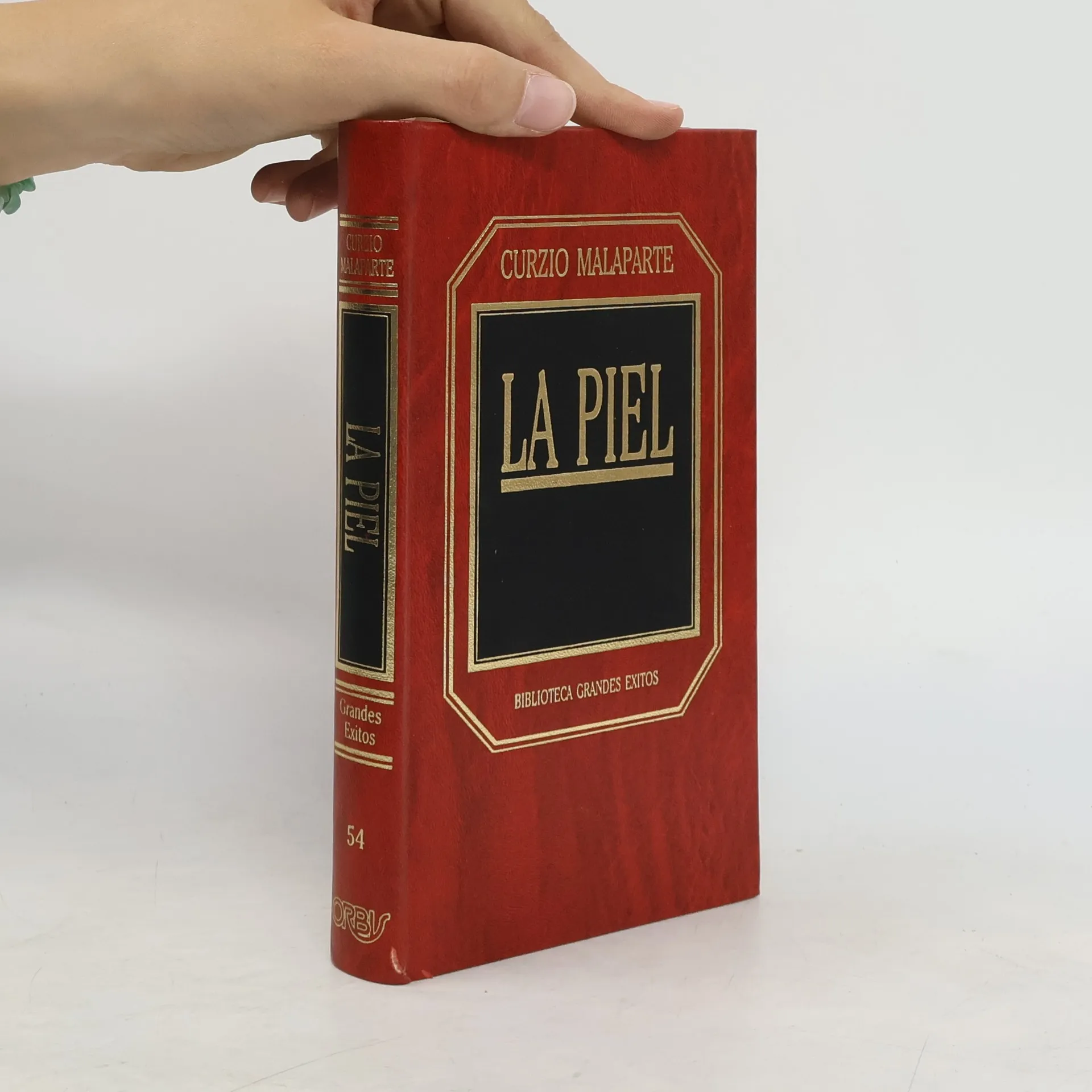
    Biblioteca Grandes Exitos - 54: La Piel
    Diary of a Foreigner in Paris
    The Kremlin Ball
    The Skin
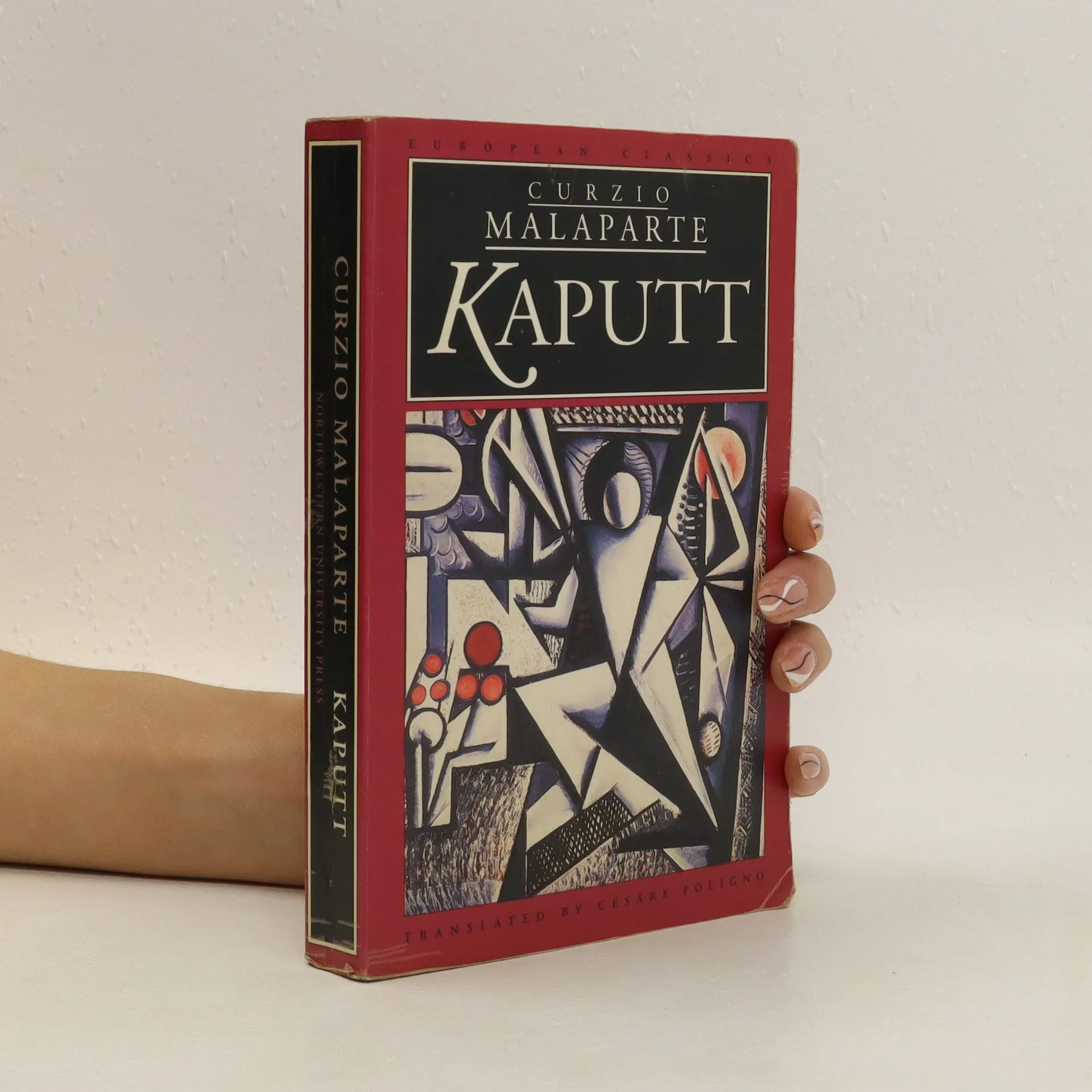
    Kaputt
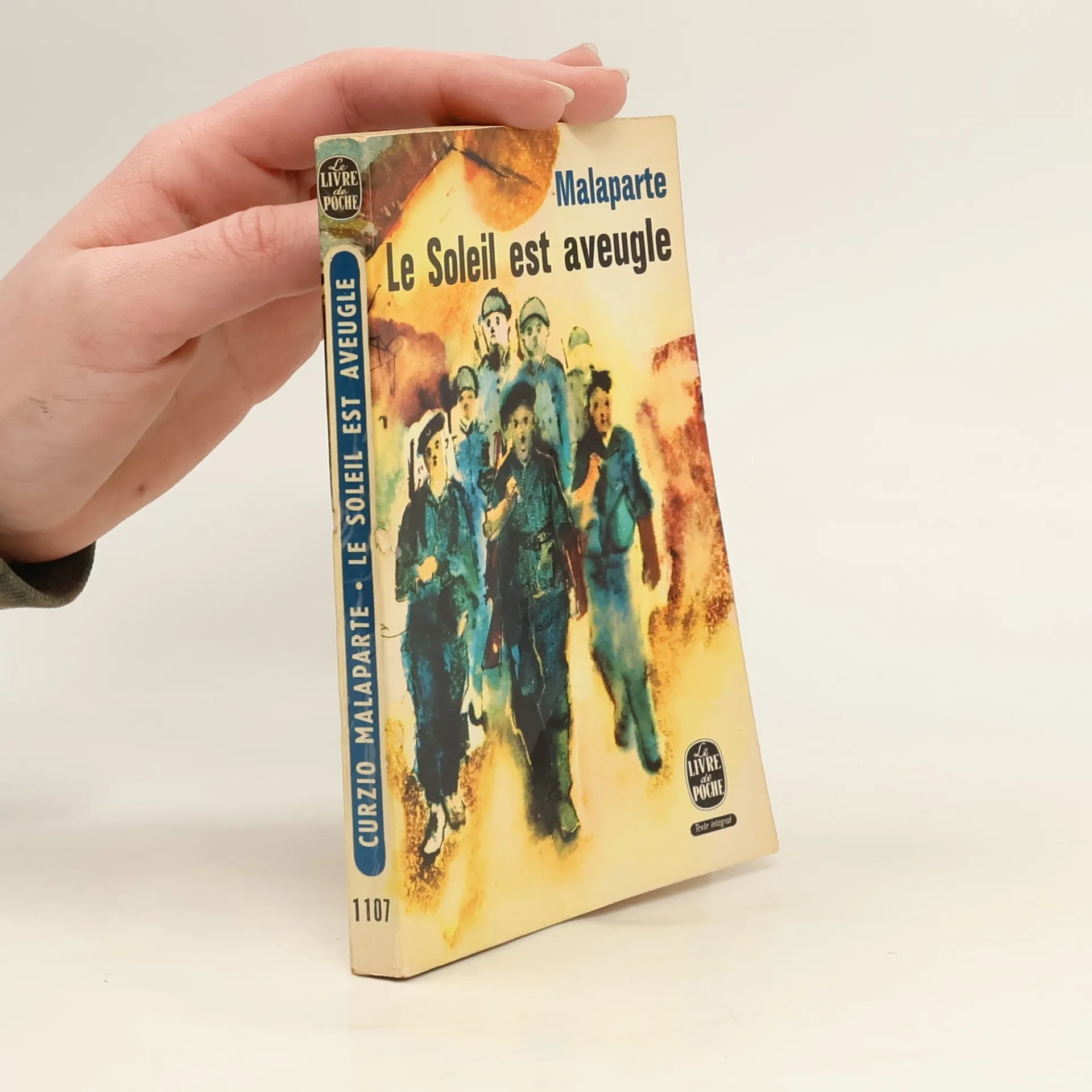
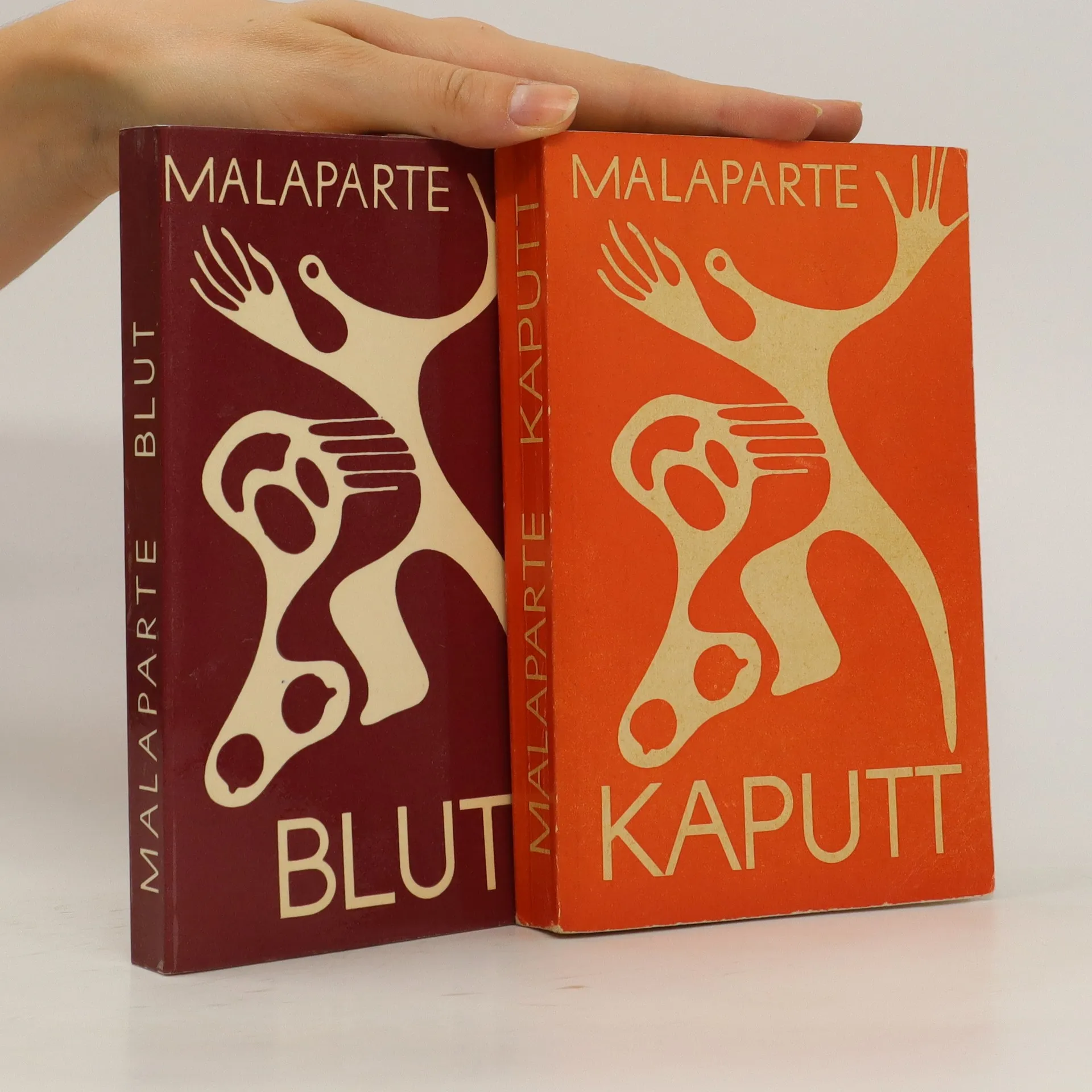
    • Curzio Malaparte was a disaffected supporter of Mussolini with a taste for danger and high living. Sent by an Italian paper during World War II to cover the fighting on the Eastern Front, Malaparte secretly wrote this terrifying report from the abyss, which became an international bestseller when it was published after the war. Telling of the siege of Leningrad, of glittering dinner parties with Nazi leaders, and of trains disgorging bodies in war-devastated Romania, Malaparte paints a picture of humanity at its most depraved. Kaputt is an insider's dispatch from the world of the enemy that is as hypnotically fascinating as it is disturbing.

      Kaputt
    • The Skin

      • 343 pages
      • 13 hours of reading
      4.0(245)Add rating

      This is the first unexpurgated English edition of Curzio Malaparte’s legendary work The Skin. The book begins in 1943, with Allied forces cementing their grip on the devastated city of Naples. The sometime Fascist and ever-resourceful Curzio Malaparte is working with the Americans as a liaison officer. He looks after Colonel Jack Hamilton, “a Christian gentleman . . . an American in the noblest sense of the word,” who speaks French and cites the classics and holds his nose as the two men tour the squalid streets of a city in ruins where liberation is only another word for desperation. Veterans of the disbanded Italian army beg for work. A rare specimen from the city’s famous aquarium is served up at a ceremonial dinner for high Allied officers. Prostitution is rampant. The smell of death is everywhere. Subtle, cynical, evasive, manipulative, unnerving, always astonishing, Malaparte is a supreme artist of the unreliable, both the product and the prophet of a world gone rotten to the core.

      The Skin
    • The Kremlin Ball

      • 223 pages
      • 8 hours of reading
      3.7(176)Add rating

      "Perhaps only the impeccably perverse imagination of Curzio Malaparte could have conceived of The Kremlin Ball, which might be described as Proust in the corridors of Soviet power. The book is set at the end of the 1920s, when the Great Terror may have been nothing more than a twinkle in Stalin's eye, but when the revolution was accompanied by a growing sense of doom. In Malaparte's vision it is from his nightly opera box, rather than the Kremlin, that Stalin surveys Soviet high society, its scandals and amours and intrigues among beauties and bureaucrats, including the legendary ballerina Marina Semyonova and Olga Kameneva, a sister of the exiled Trotsky, who though a powerful politician is so consumed by dread that everywhere she goes she gives off the smell of rotting meat. This extraordinary court chronicle of Communist life (for which Malaparte also contemplated the title God Is a Killer) was published posthumously and appears now in English for the first time"--

      The Kremlin Ball
    • Diary of a Foreigner in Paris

      • 360 pages
      • 13 hours of reading
      3.6(69)Add rating

      Every "diary" serves as a portrait, chronicle, or history, capturing moments that reflect a broader narrative. Unlike random notes, a true diary tells the story of a life, marked by beginnings, middles, and ends. Life itself unfolds like a tale, with a structured progression rather than mere chance. The subject of this diary revolves around my return to Paris after fourteen years, exploring a transformed France and its people. It captures a specific moment in the history of the French nation that aligns with a pivotal time in my own life. I do not claim to innovate within the diary genre; rather, I propose that a diary functions as a narrative, akin to a play. It embodies the essence of storytelling, where every element leads toward a conclusion, adhering to classical unity, while focusing on the character of "I." This diary represents a theatrical work brought to the page, echoing Kafka's concept of the "present moment" as it unfolds. Ultimately, my diary seeks to bridge the gap between narrative and theater, presenting a unique perspective on personal and national stories.

      Diary of a Foreigner in Paris
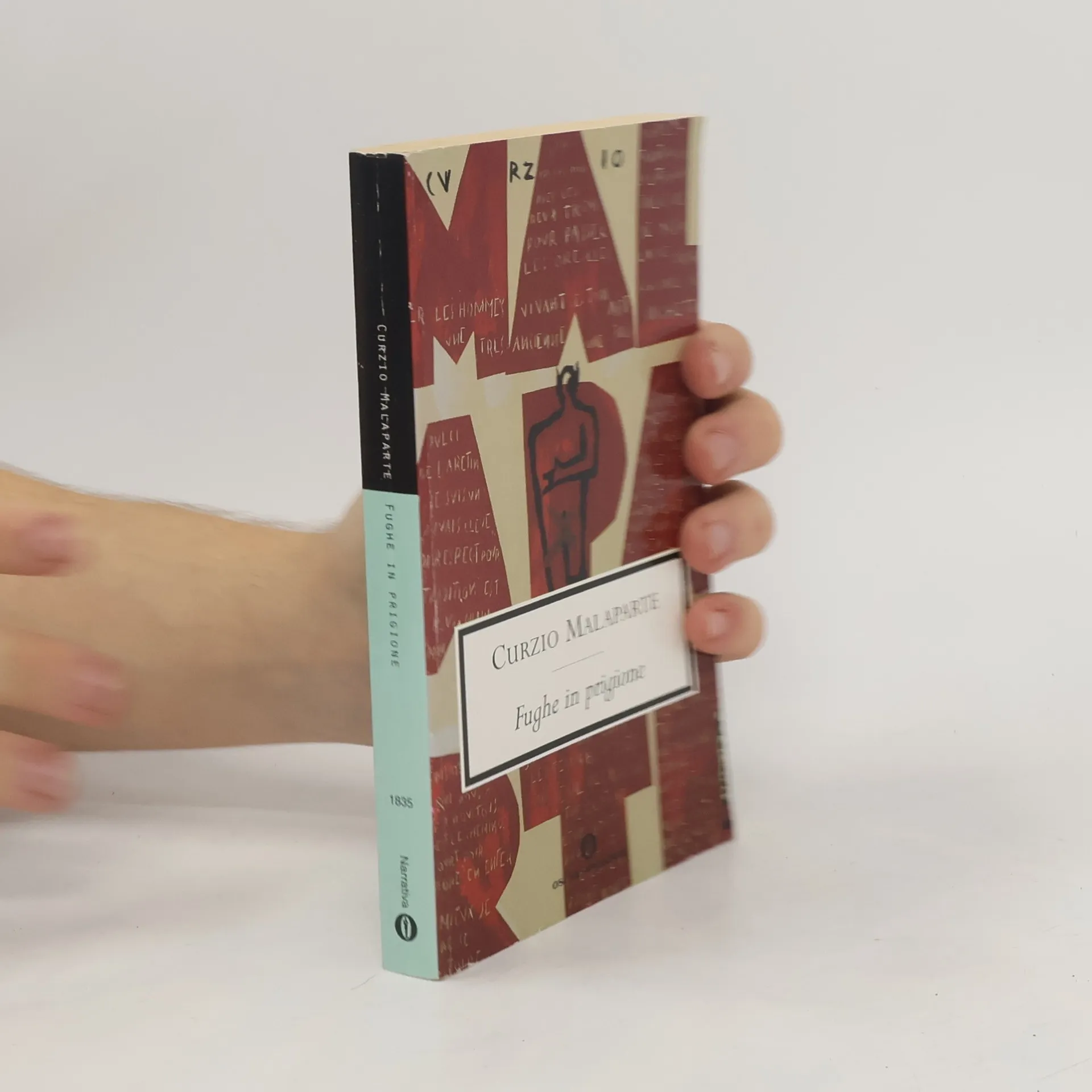
    • Pubblicate in varie edizioni, nel 1936, nel 1943 e, infine, nel 1954 (quella qui riproposta), queste "Fughe in prigione" sono state scritte durante i periodi trascorsi da Malaparte nel carcere romano di Regina Coeli e al confino di Lipari, dove venne inviato per i suoi atteggiamenti liberi, provocatori, non allineati al regime fascista, che anzi attaccò violentemente. A queste pagine del tempo di prigionia Malaparte volle aggiungere alcuni testi scritti in Francia e in Inghilterra poco prima dell'arresto. Si tratta di memorie, riflessioni di carattere culturale, studi letterari nei quali l'autore sembra cercare un rifugio e una via di fuga per lo spirito.

      Fughe in prigione
    • La Biblioteca di Repubblica - 96: La pelle

      • 315 pages
      • 12 hours of reading

      Un viaggio allucinato e infernale nella Napoli appena liberata dagli americani, un susseguirsi di storie al limite della visionarietà nei meandri di una città distrutta, sfinita, quasi in putrefazione, una grottesca rappresentazione del dolore, della bestialità, della miseria e della turpitudine: il romanzo-scandalo di Curzio Malaparte pare voler colpire con tutti i mezzi a disposizione le pigre coscienze dei lettori, proponendo un vasto e terrorizzante campionario di orrori e di abiezioni. Dal pranzo del generale Cork, in cui viene imbandita una bambina, alla vendita della ragazzina ancora vergine, al frenetico sabba omosessuale della “figliata”, si delinea a poco a poco un universo oscuro e perverso, che ha smarrito il senso della distinzione fra bene e male, e che tutti ingloba, sia vincitori che vinti, in un vischioso e insensato Nulla, ove l’unica cosa che resta da fare è «lottare e soffrire per la propria pelle».

      La Biblioteca di Repubblica - 96: La pelle