Explore the latest books of this year!
Bookbot

Jill Norman

    January 1, 1940
    Jill Norman
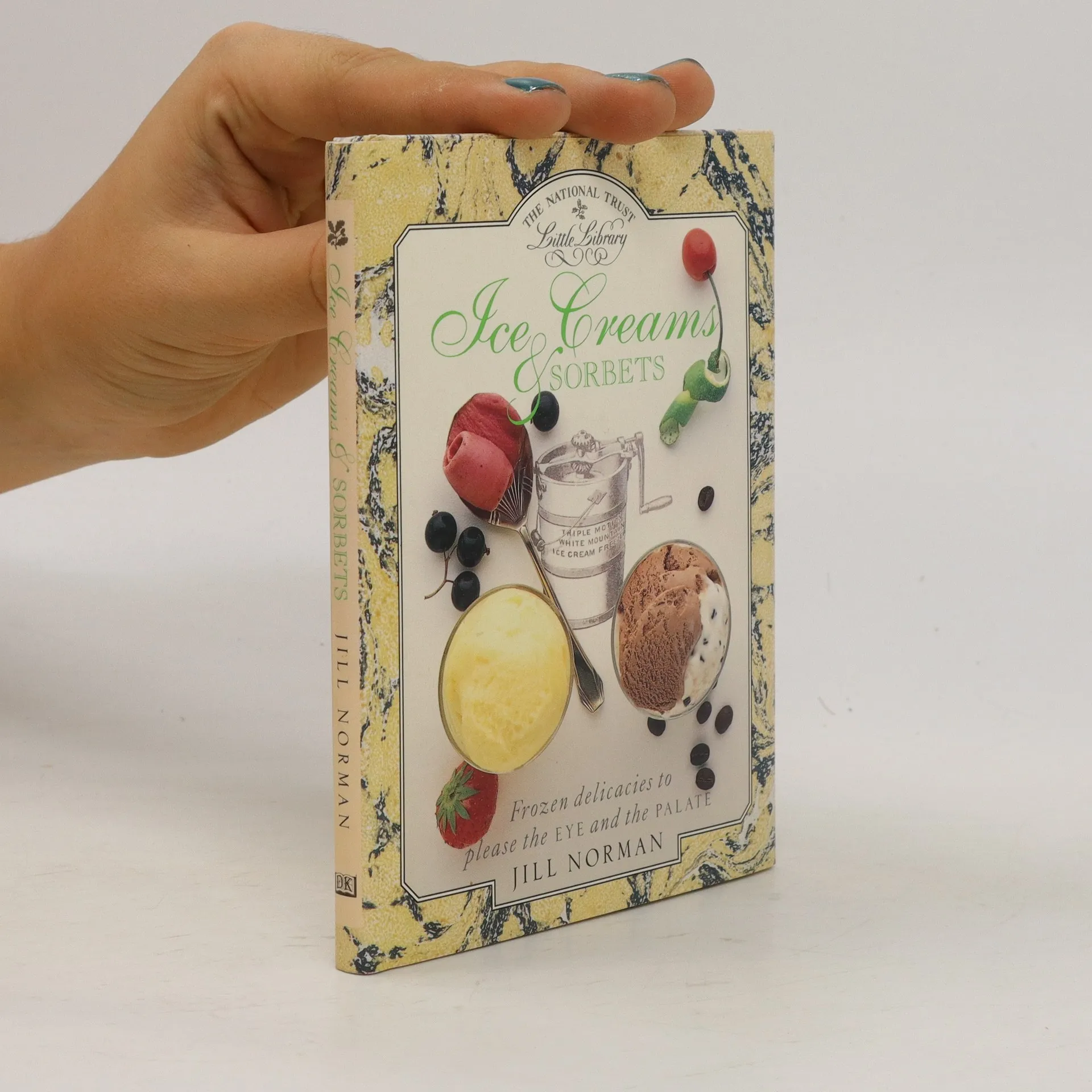
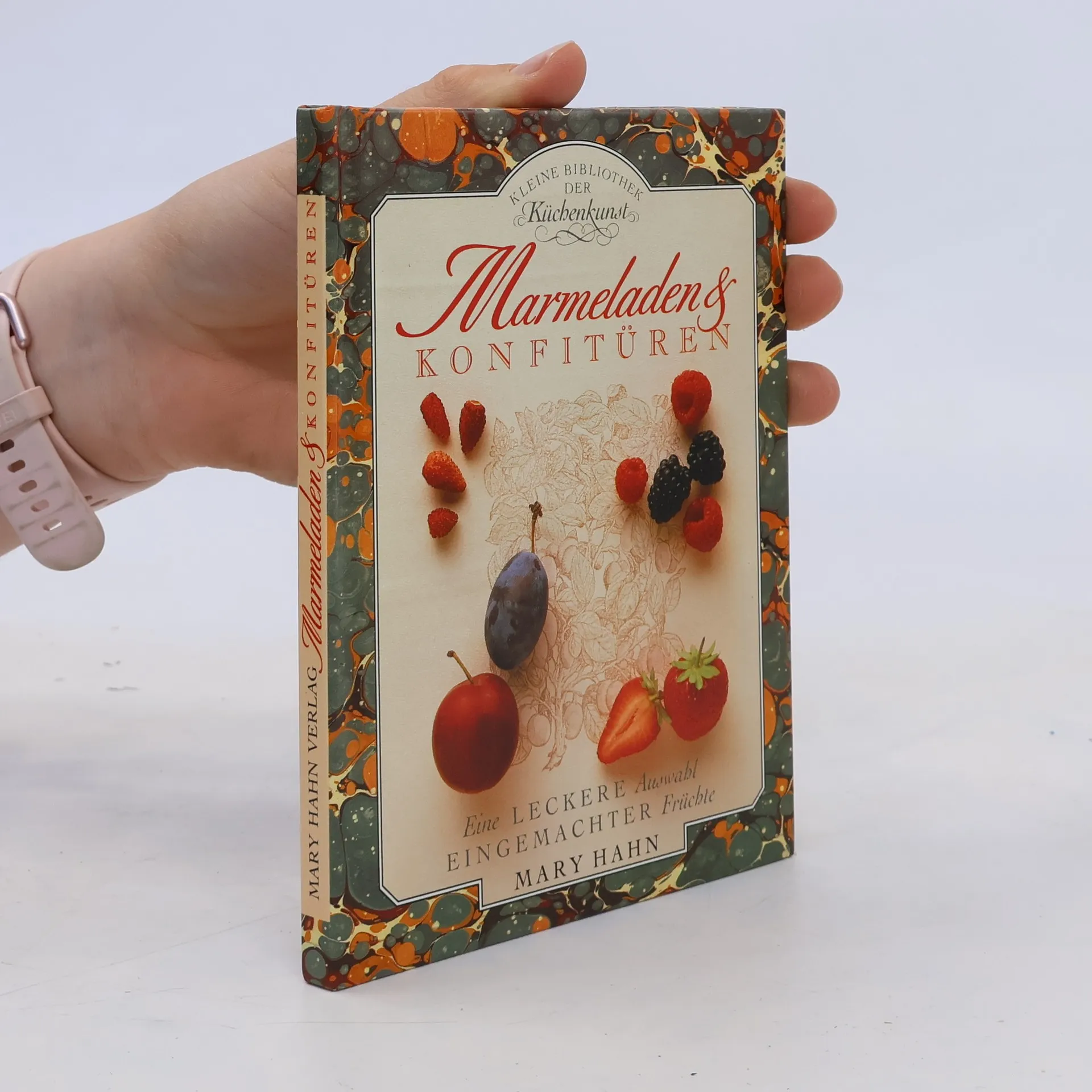
    Jams & preserves
    The Complete Book of Spices
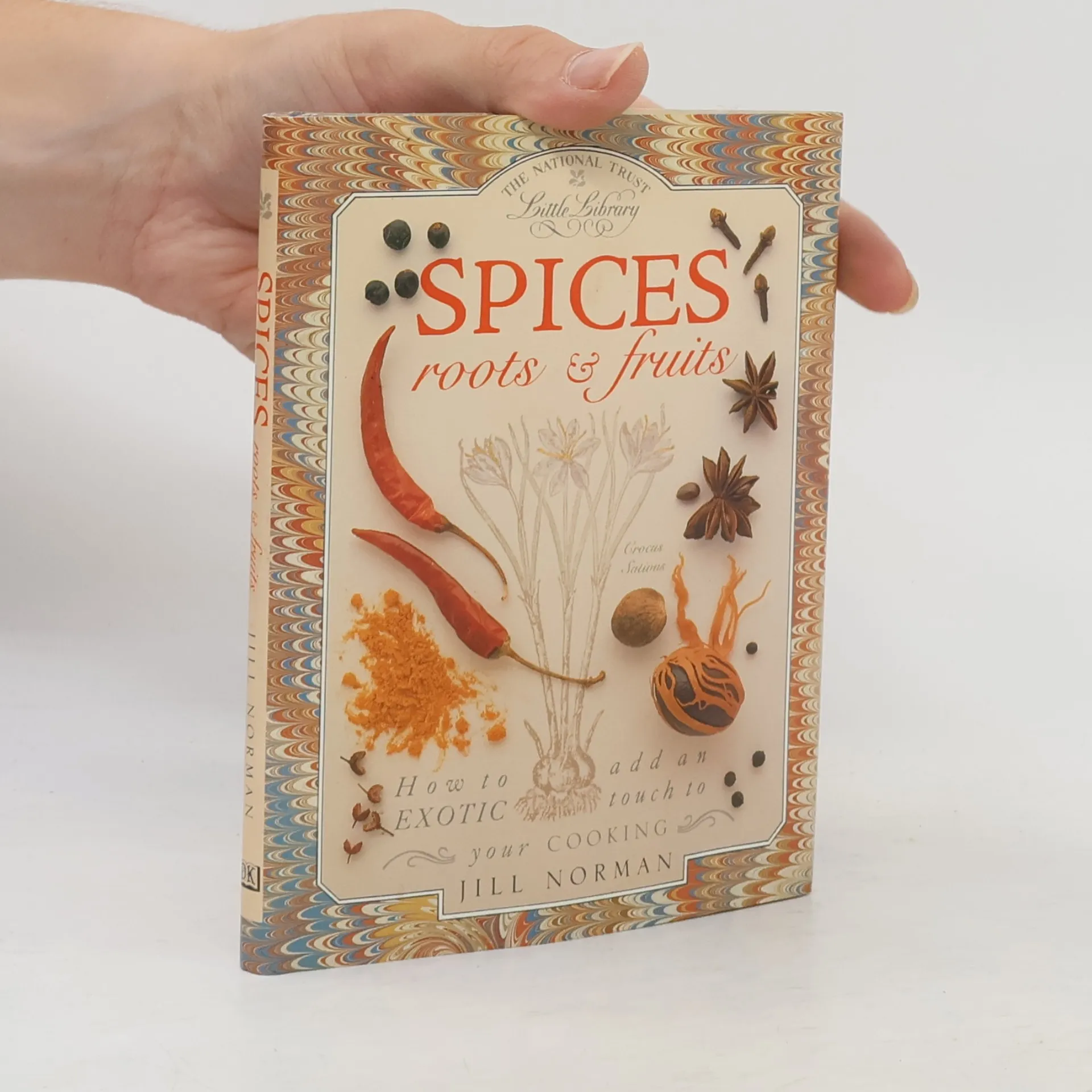
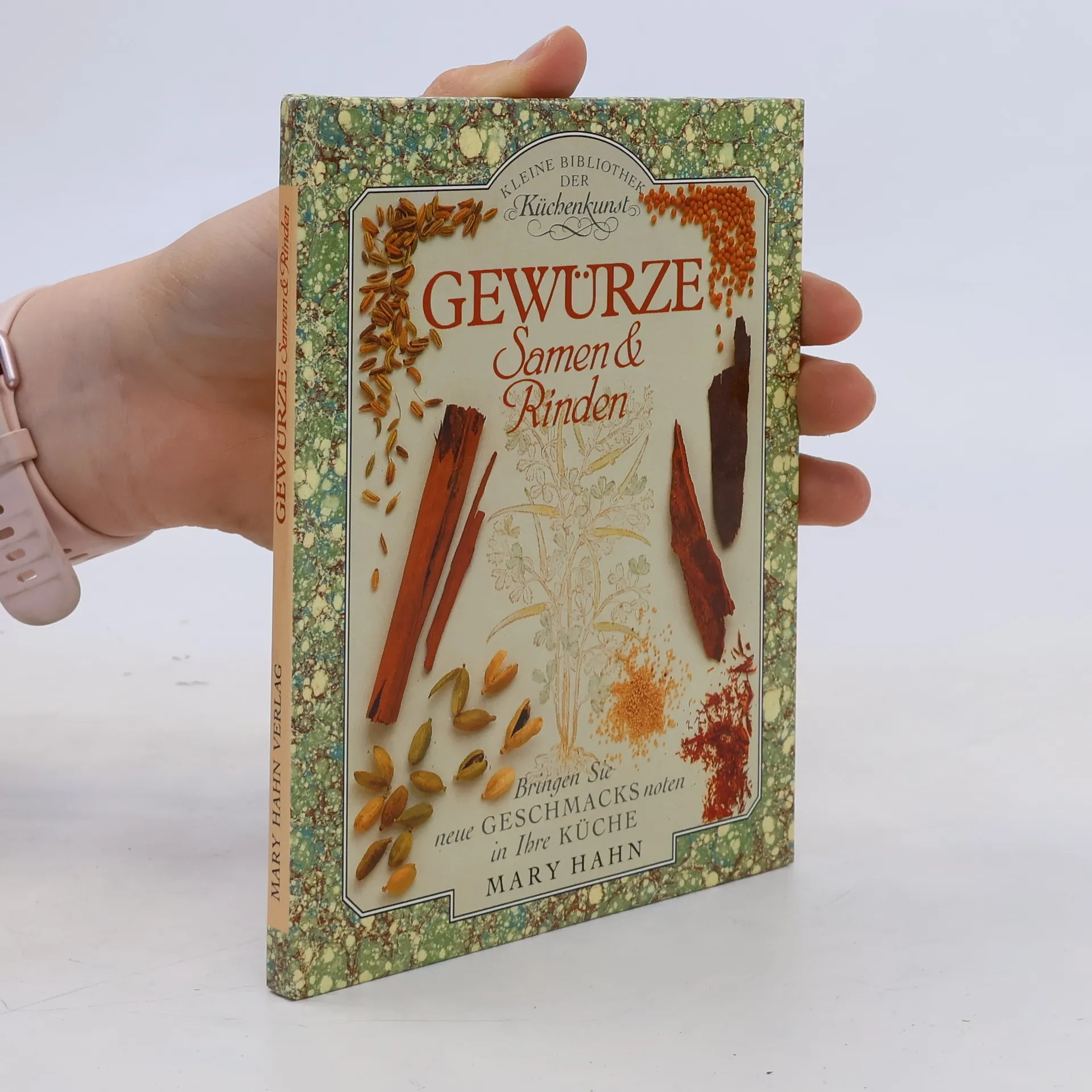
    Herbs & Spices
    French Phrase Book
    The Penguin German Phrasebook
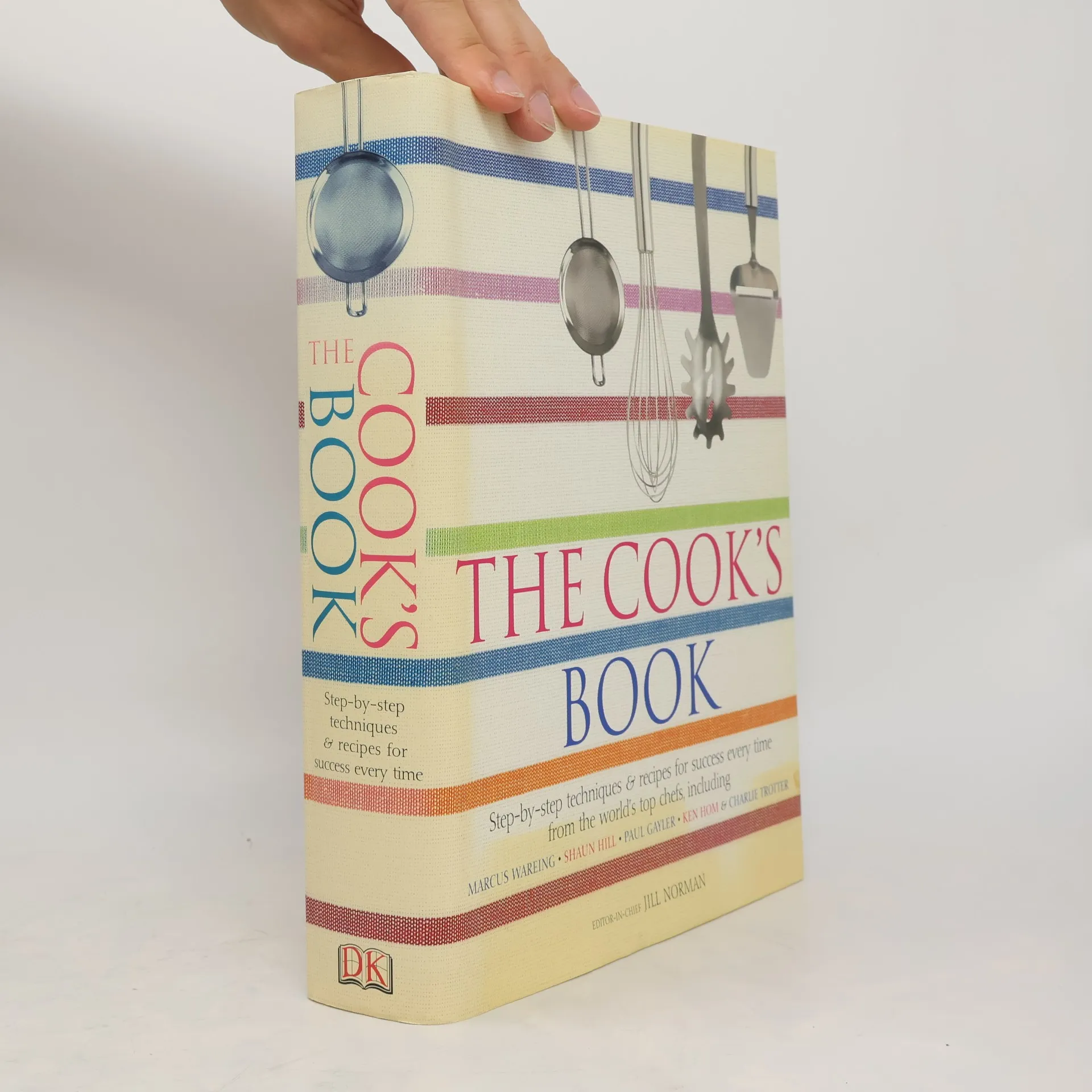
    The cook's book
    • The cook's book

      • 648 pages
      • 23 hours of reading
      4.5(100)Add rating

      A new edition of The Cook's Book � winner of the Gourmand World Cookbook Award. Now in e-book format Master classic dishes and pick up tips for success every time with the world�s top chefs, including Marcus Wareing, Shaun Hill, Ken Hom & Charlie Trotter. From making a mouth-watering sauce to jointing a chicken and preparing fresh lobster to cooking the perfect rice, you�ll find easy to achieve techniques and over 600 delicious recipes to help you create perfection on a plate in your own kitchen, no matter what your culinary skills. Get cooking and explore chapters covering all the major foods: from meat, fish and vegetables to desserts and cakes. An essential ingredient for every kitchen.
      The cook's book
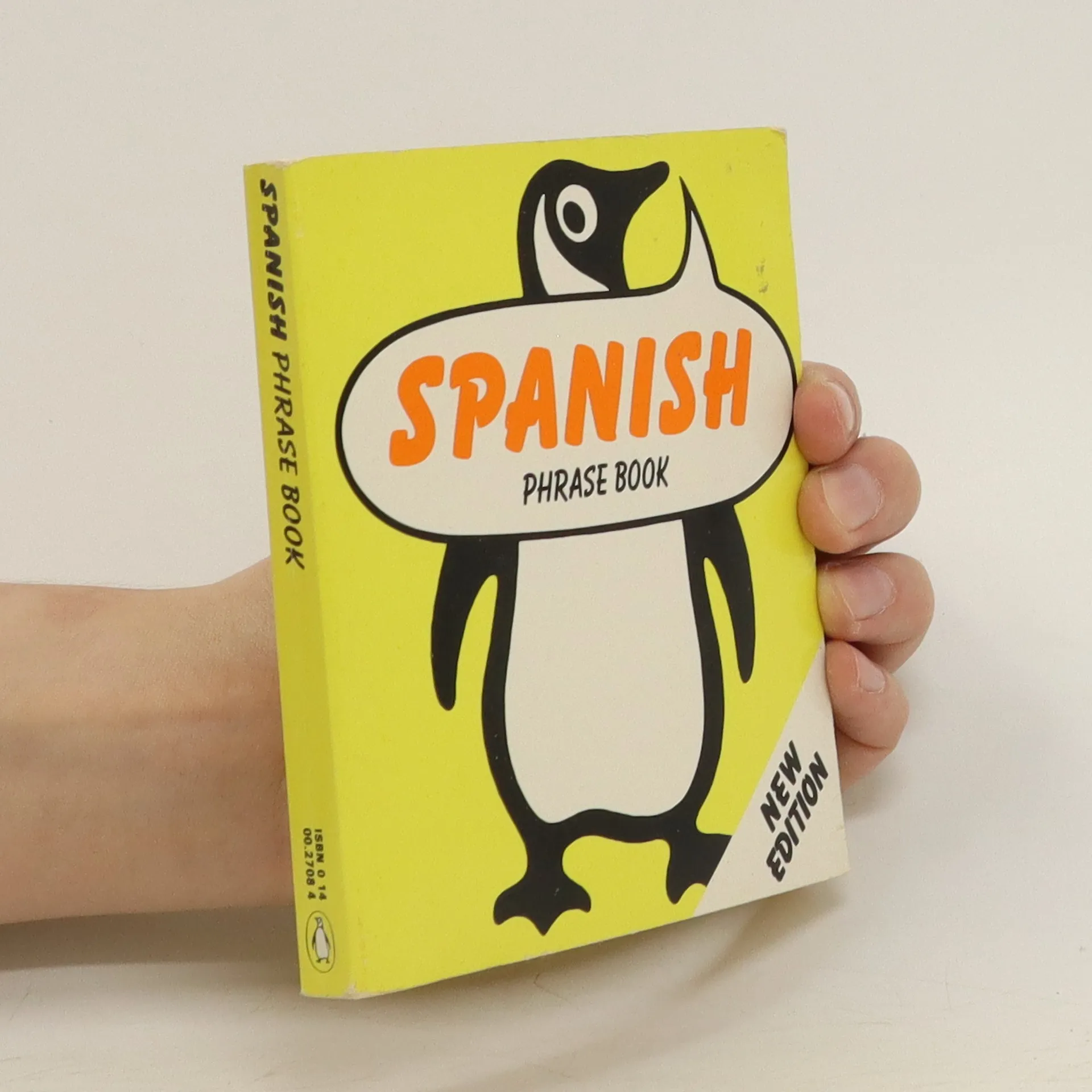
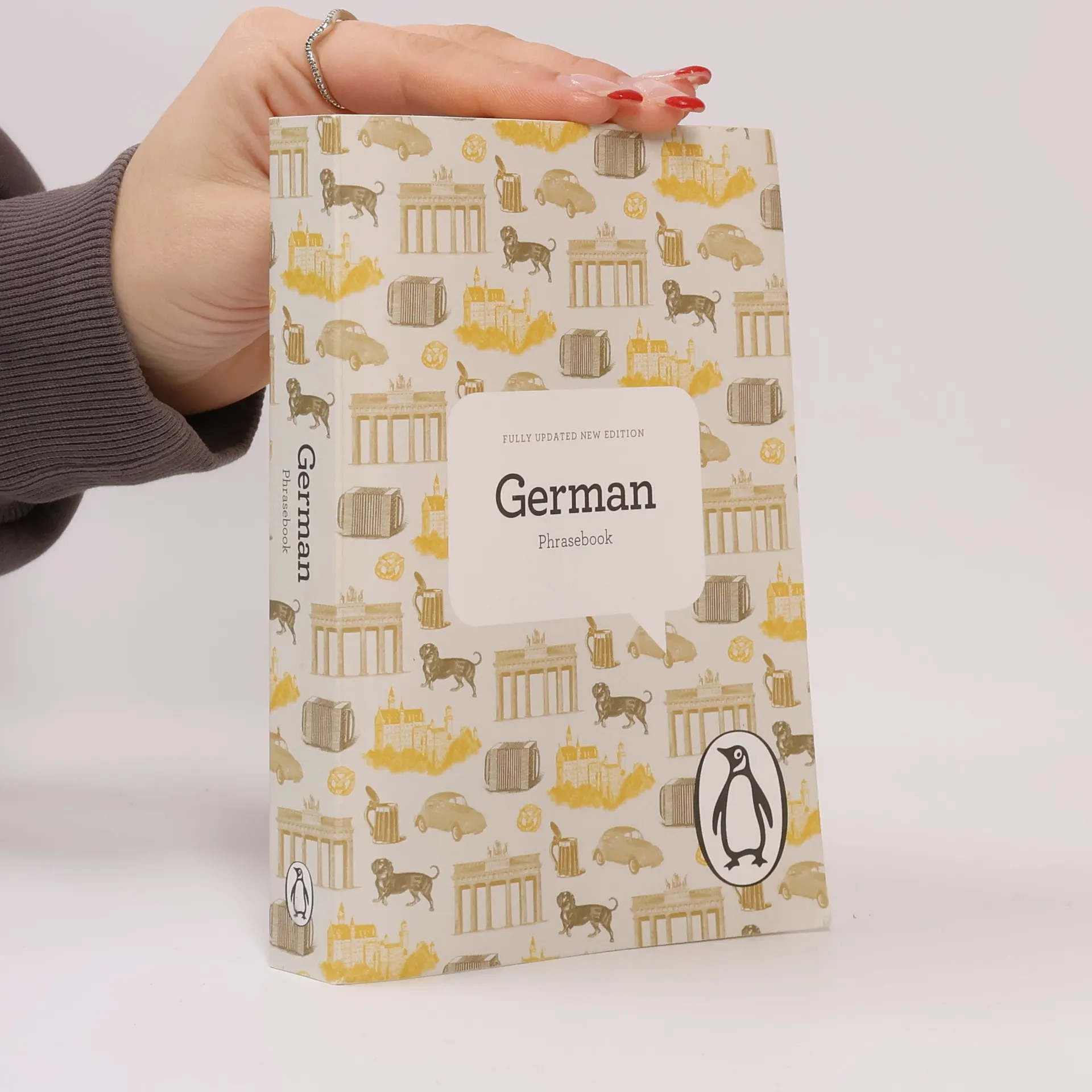
    • This newly revised and updated German Phrase Book contains a wealth of useful words and phrases for travellers. The book includes basic grammar, a pronunciation guide and additional vocabulary, and is clearly presented in the perfect pocket size, with a clean and simple look.

      The Penguin German Phrasebook
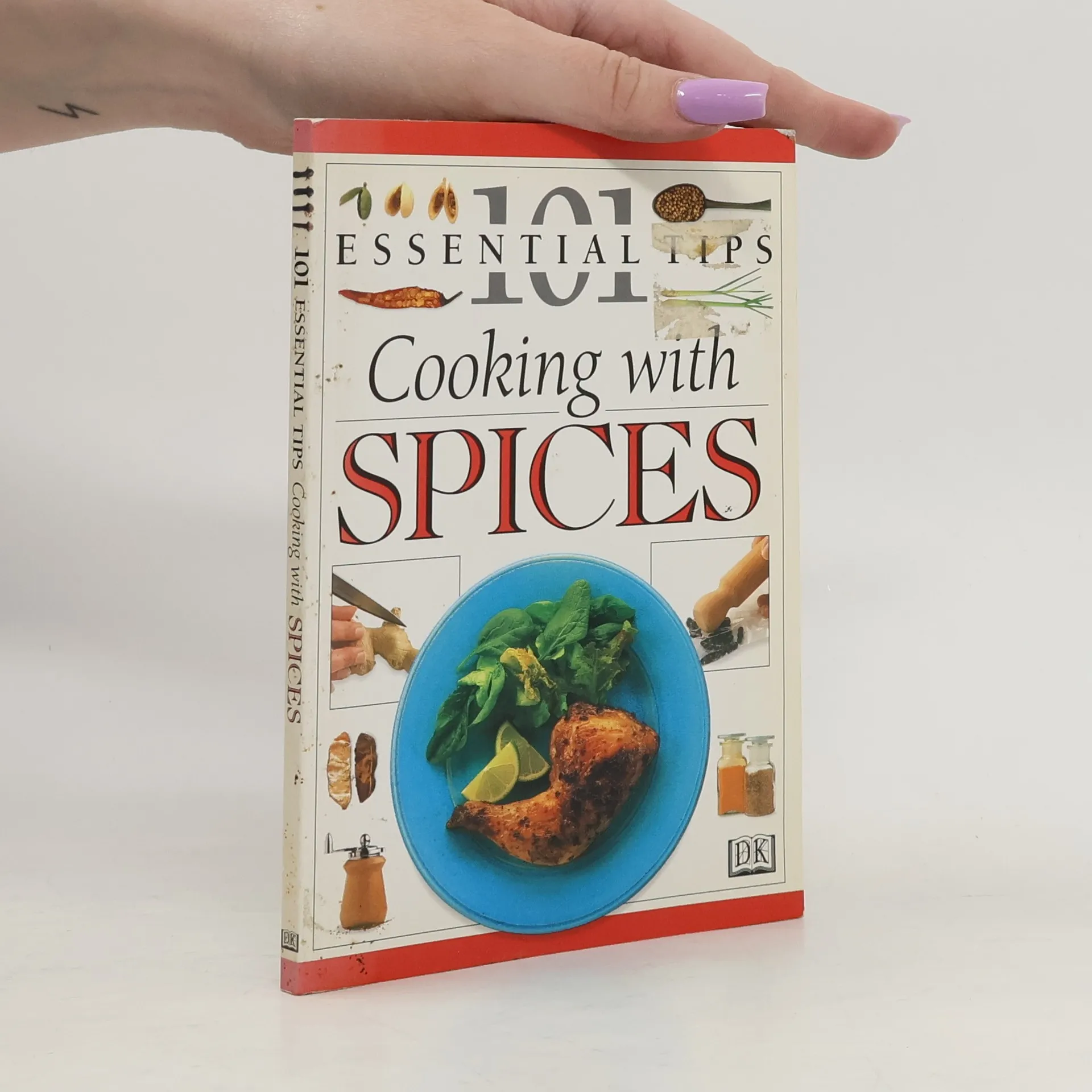
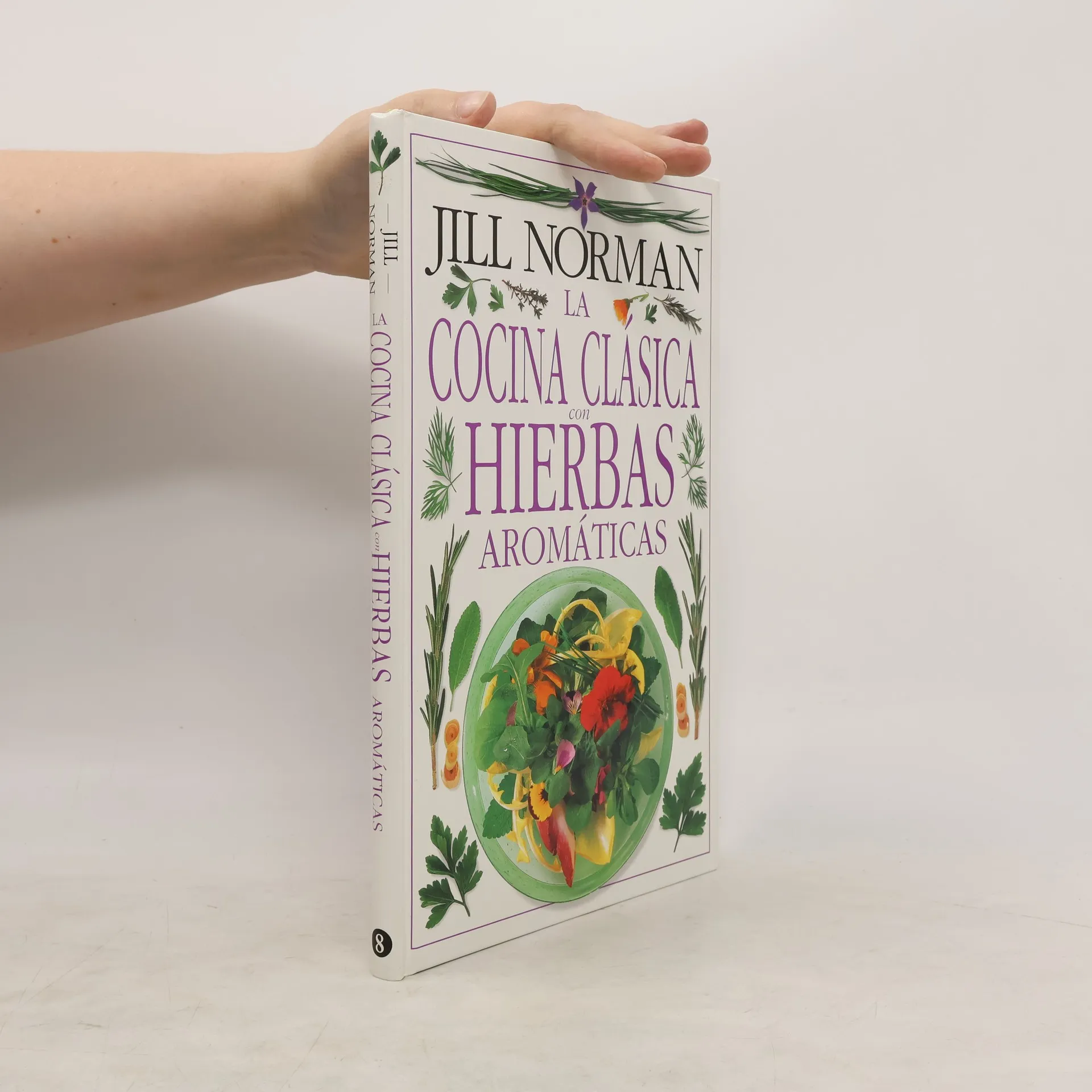
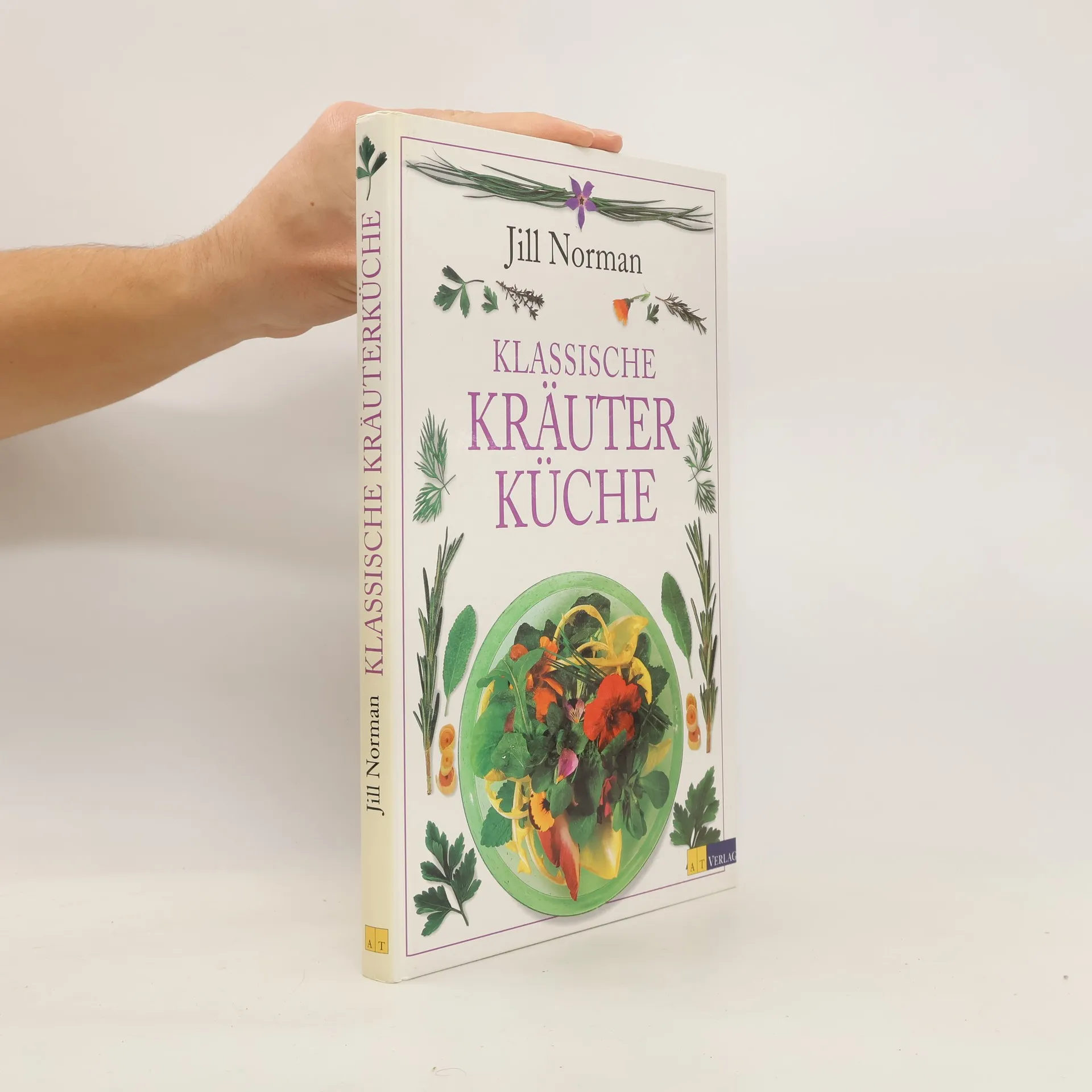
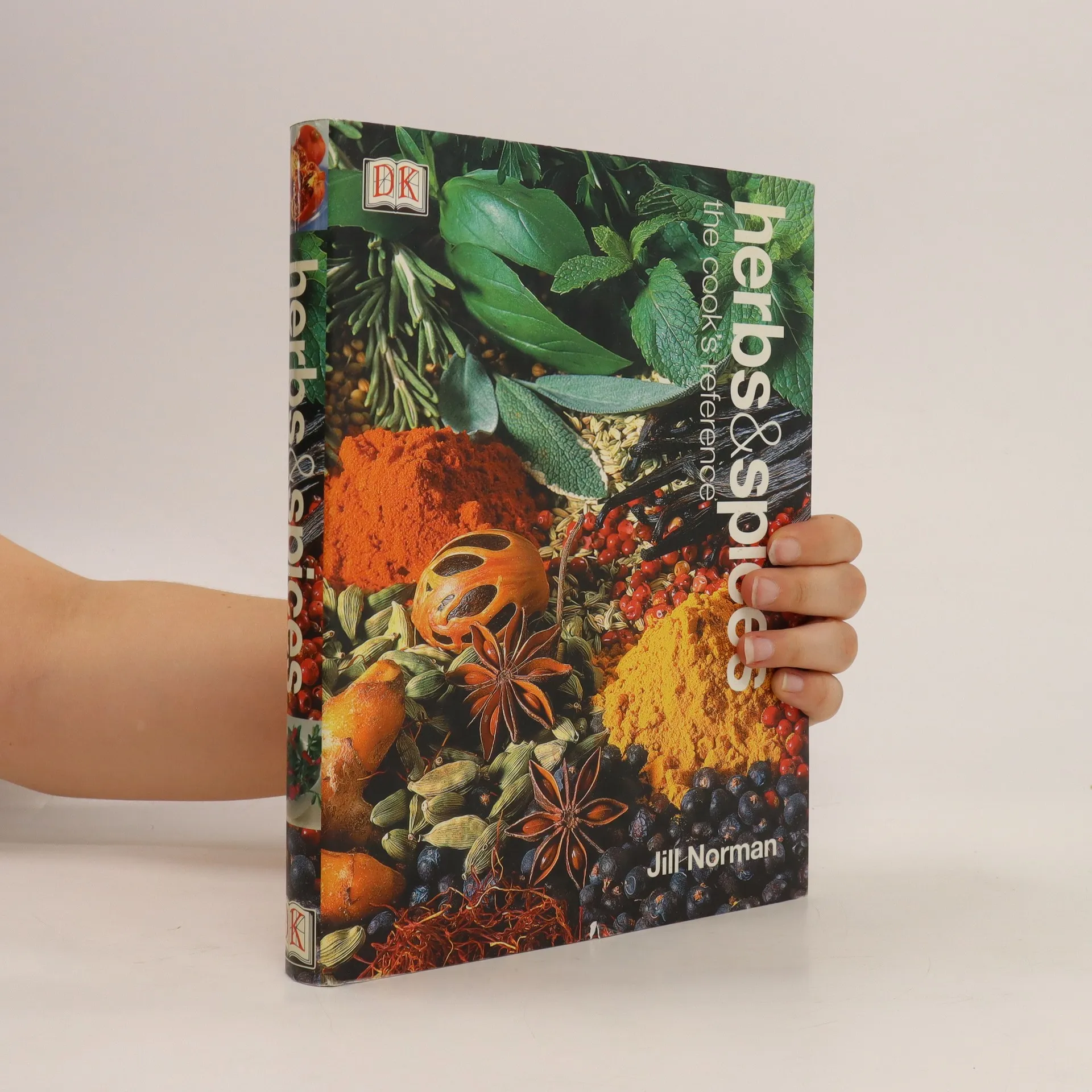
    • Describes the properties, usage, and history of over sixty herbs and spices, and includes recipes and techniques for cooking.

      Herbs & Spices
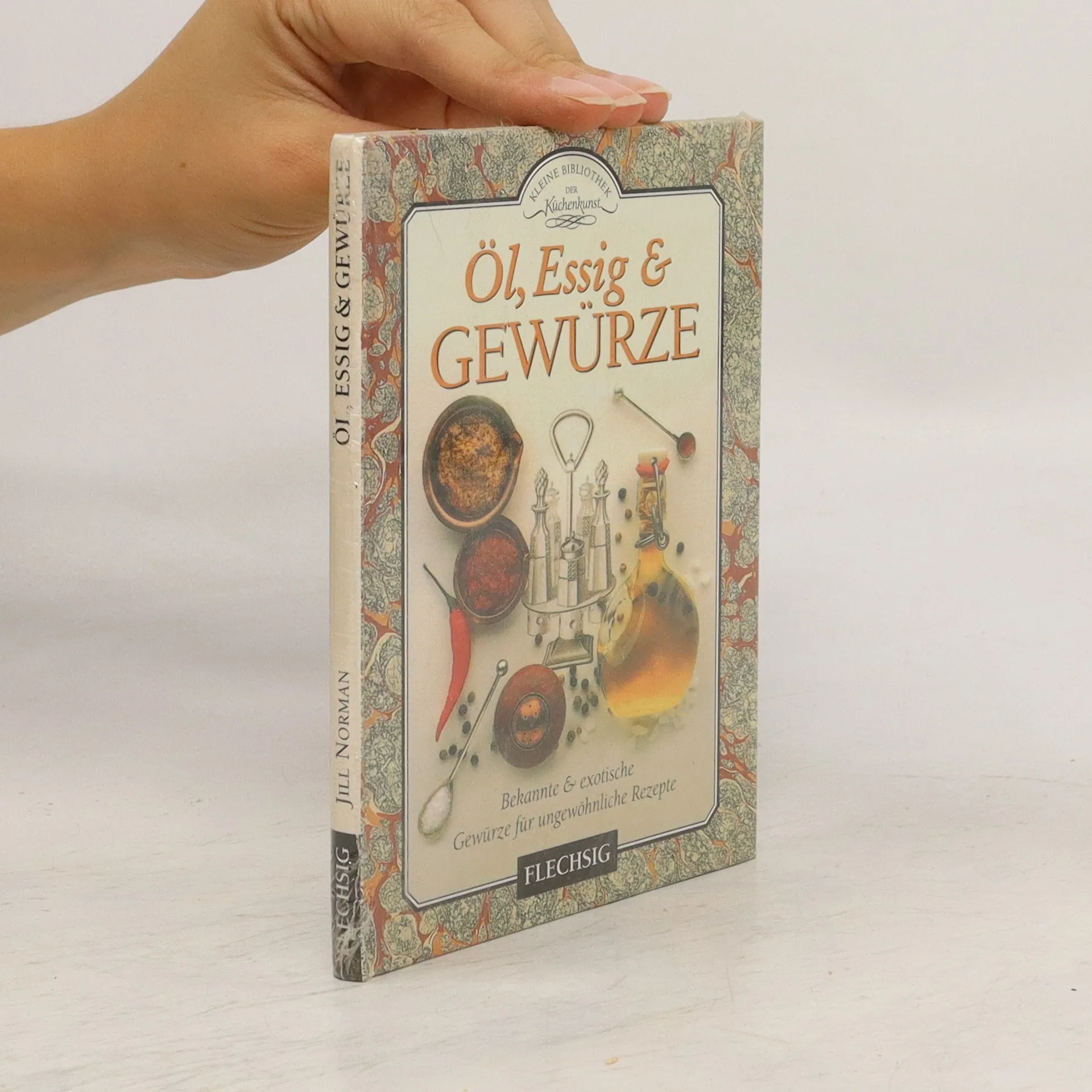
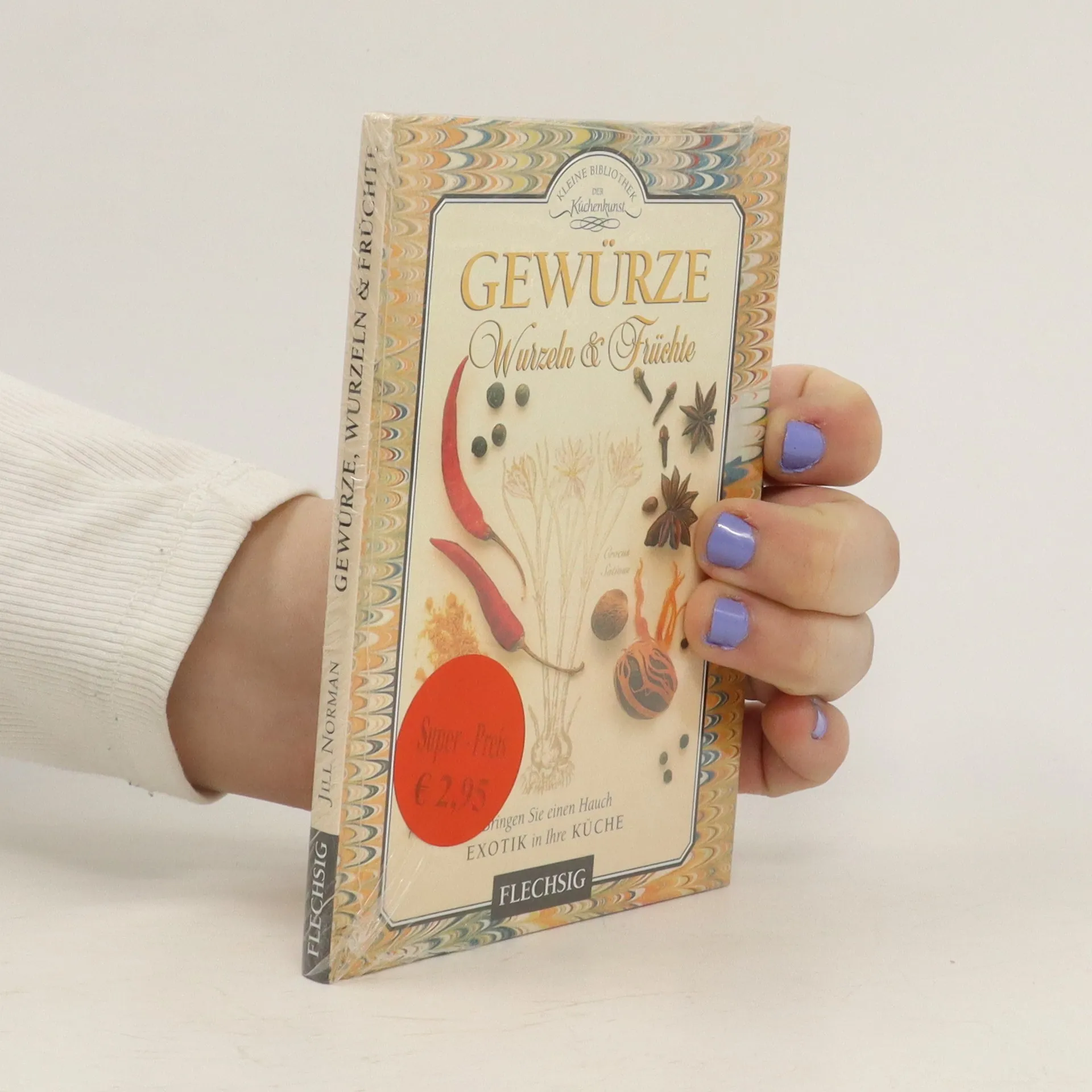
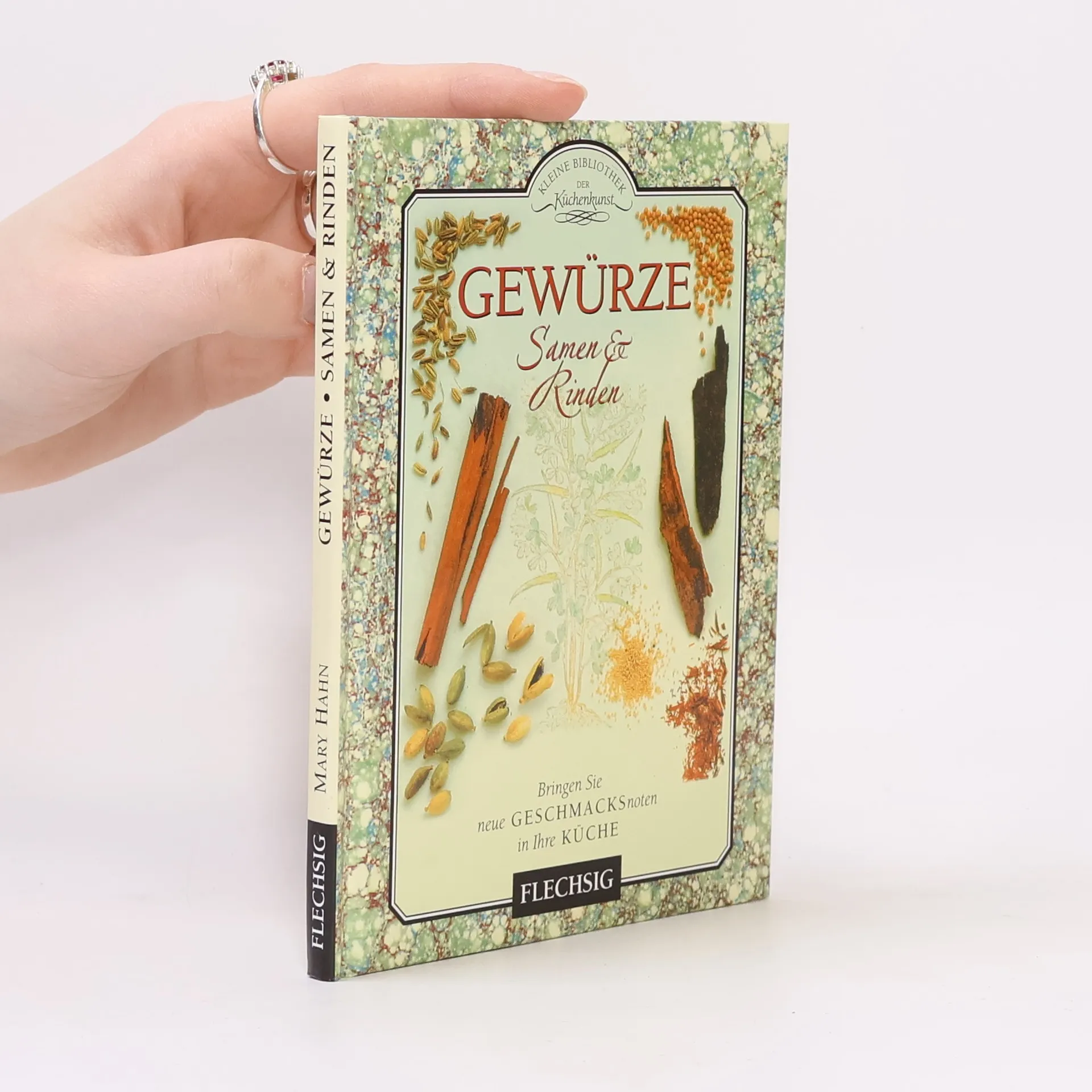
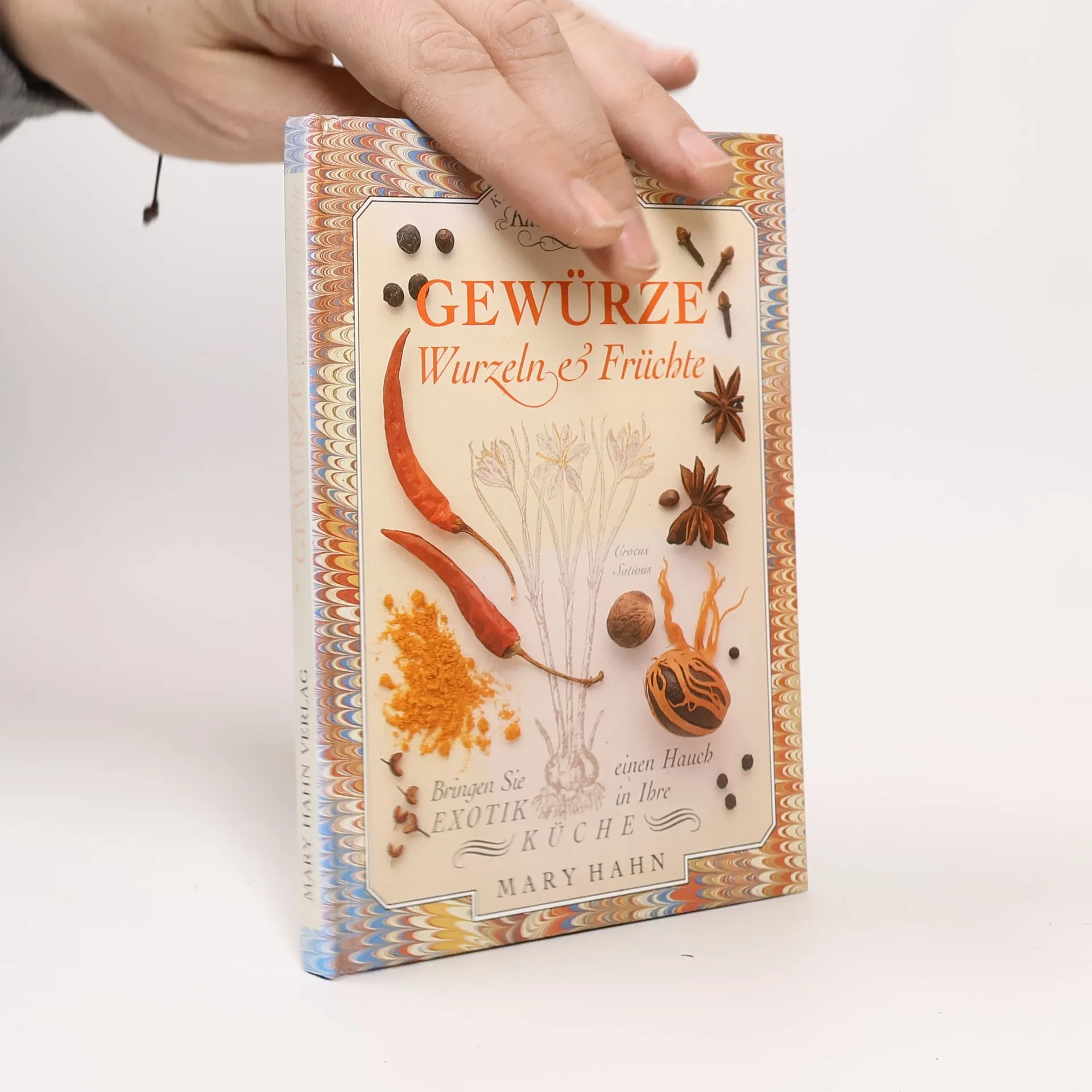
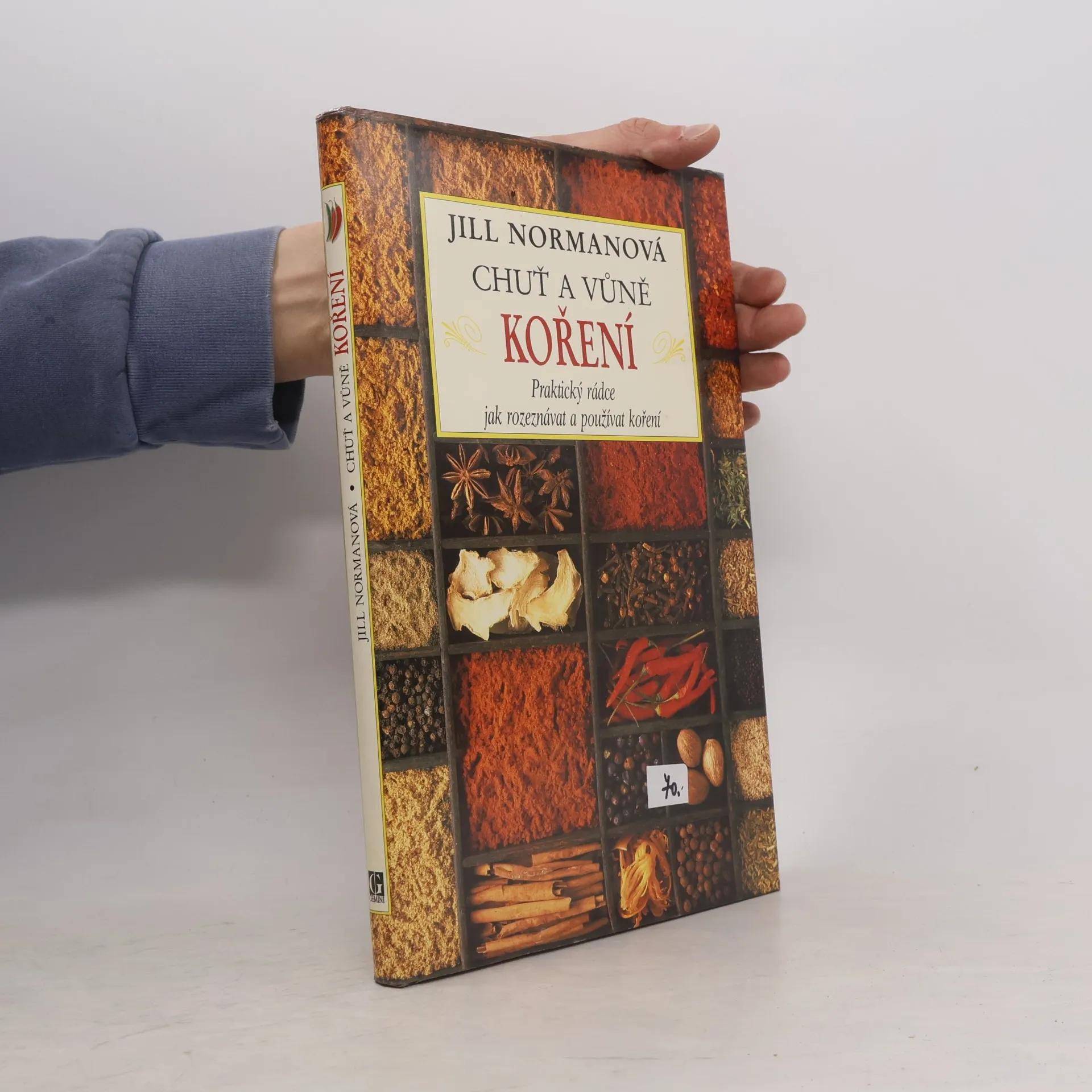
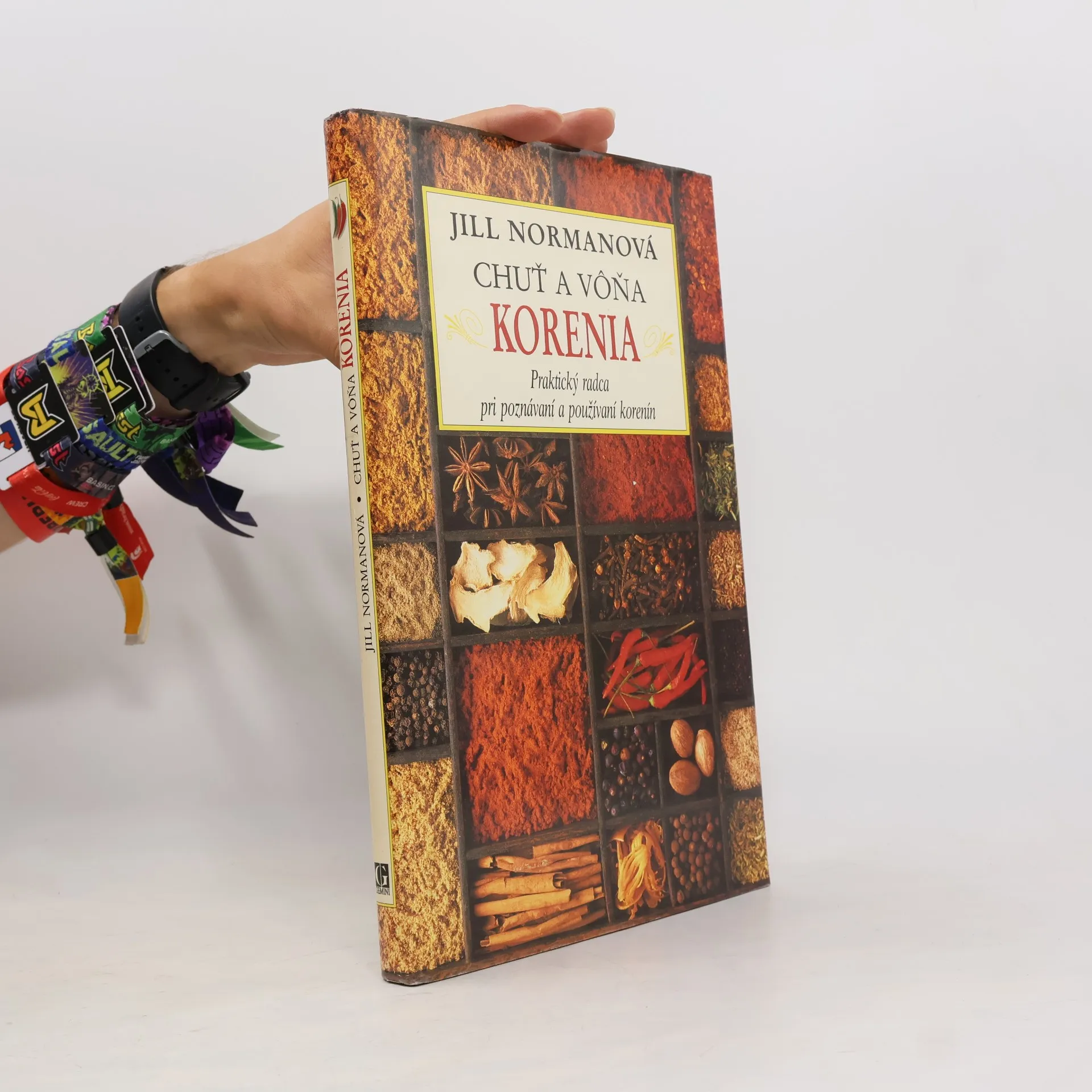
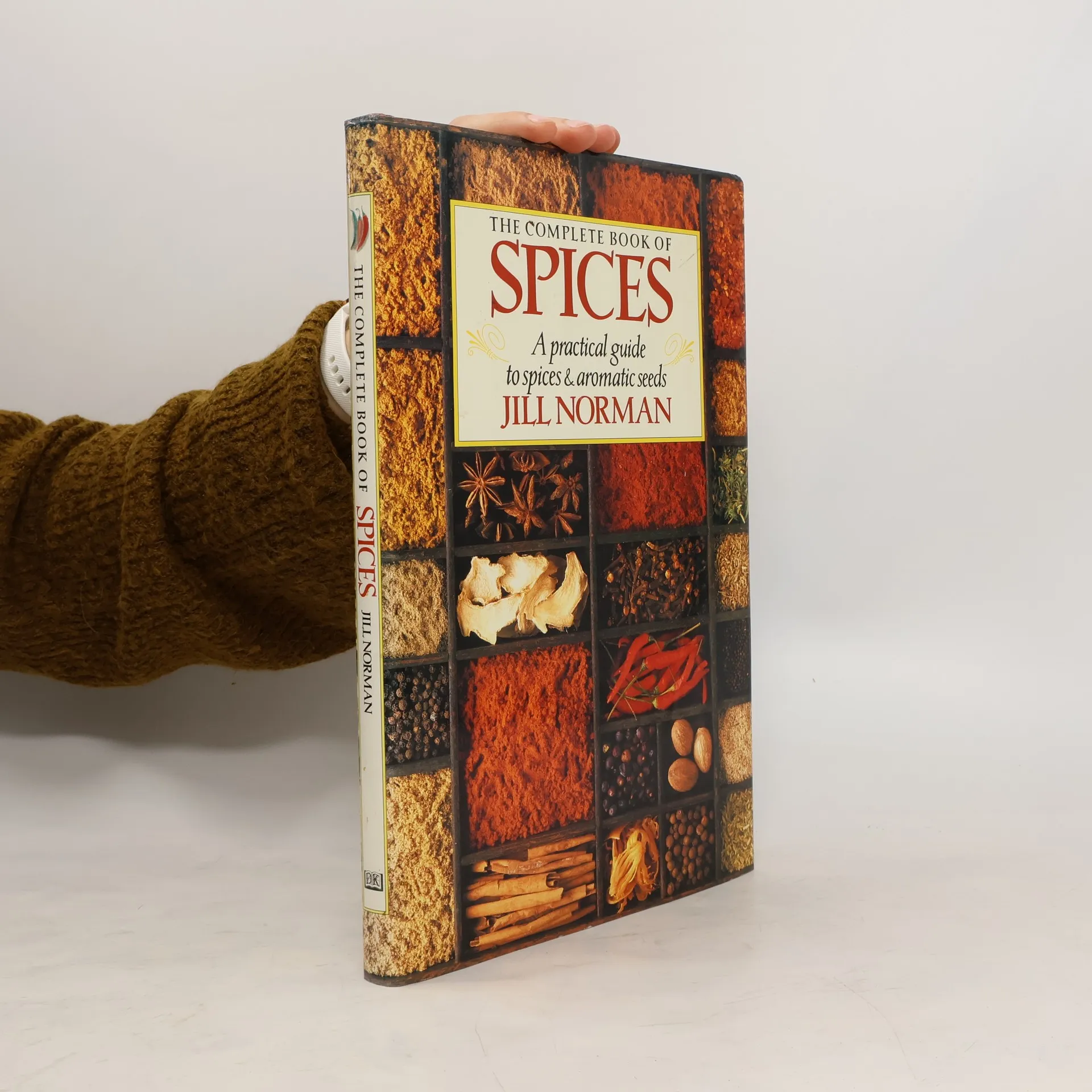
    • A look at the richness and variety of spices and their uses, this text contains an identification guide, recipes drawn from all over the world and also offers information on the domestic and medical use of spices. At the core of the book is an A-Z index of spices in all their different guises.

      The Complete Book of Spices
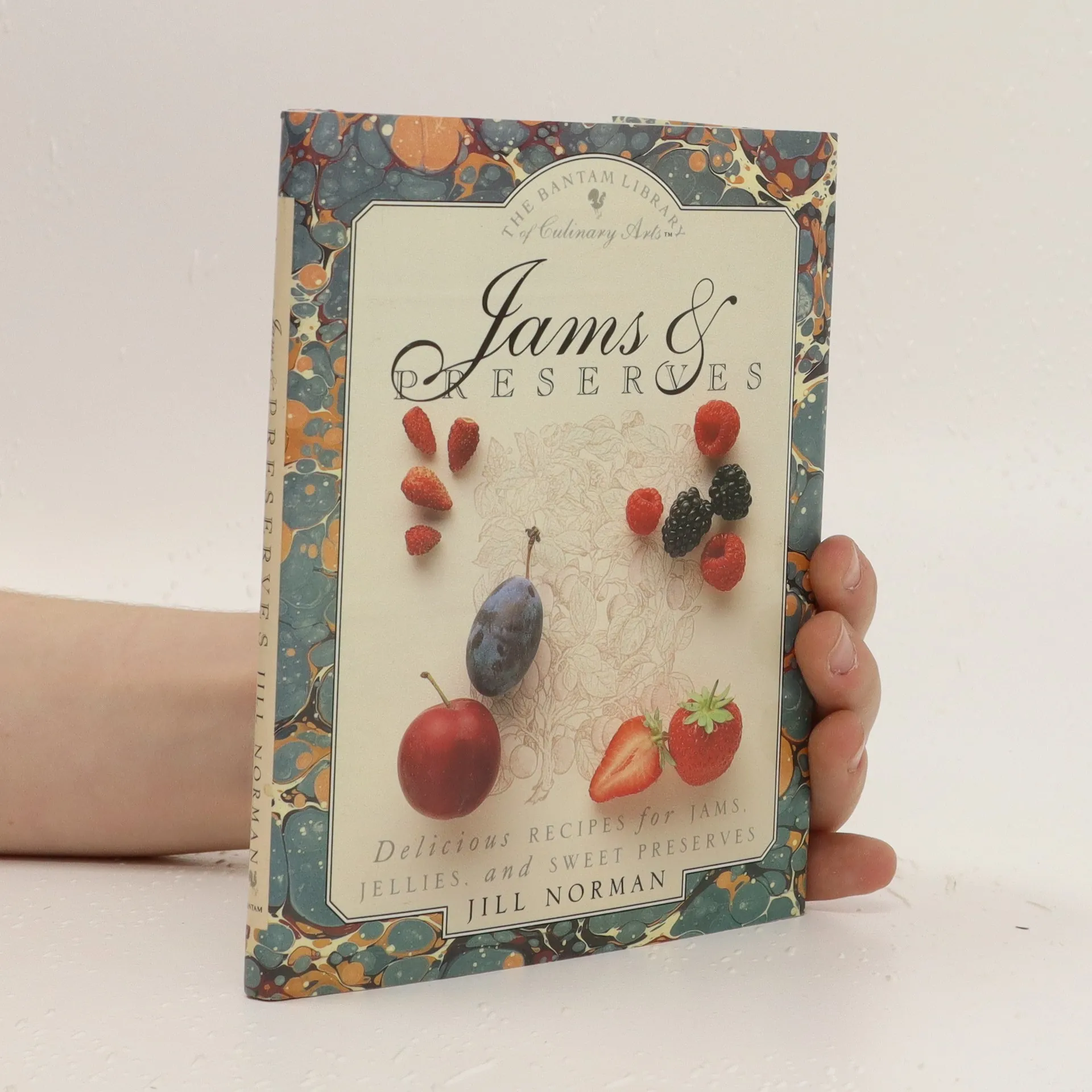
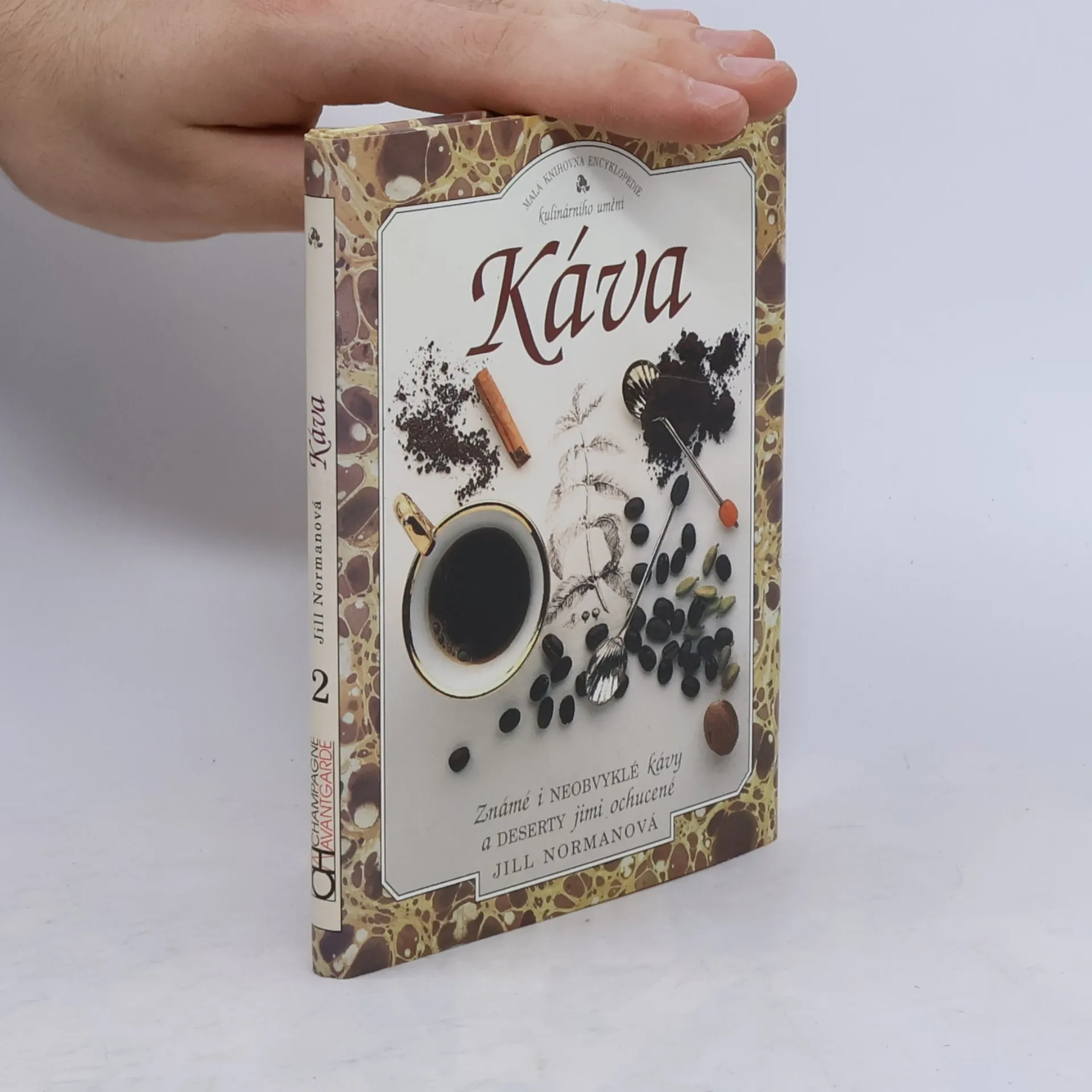
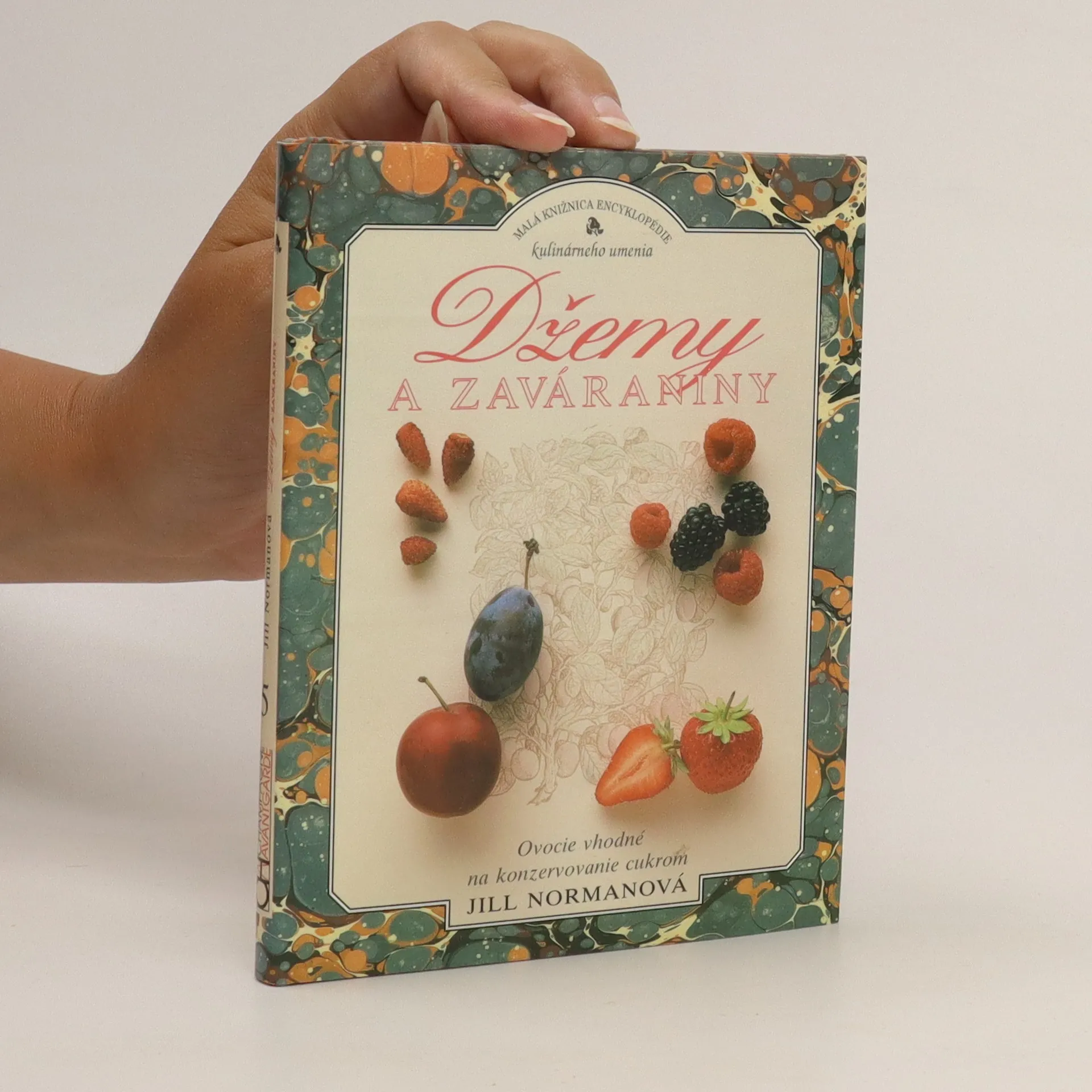
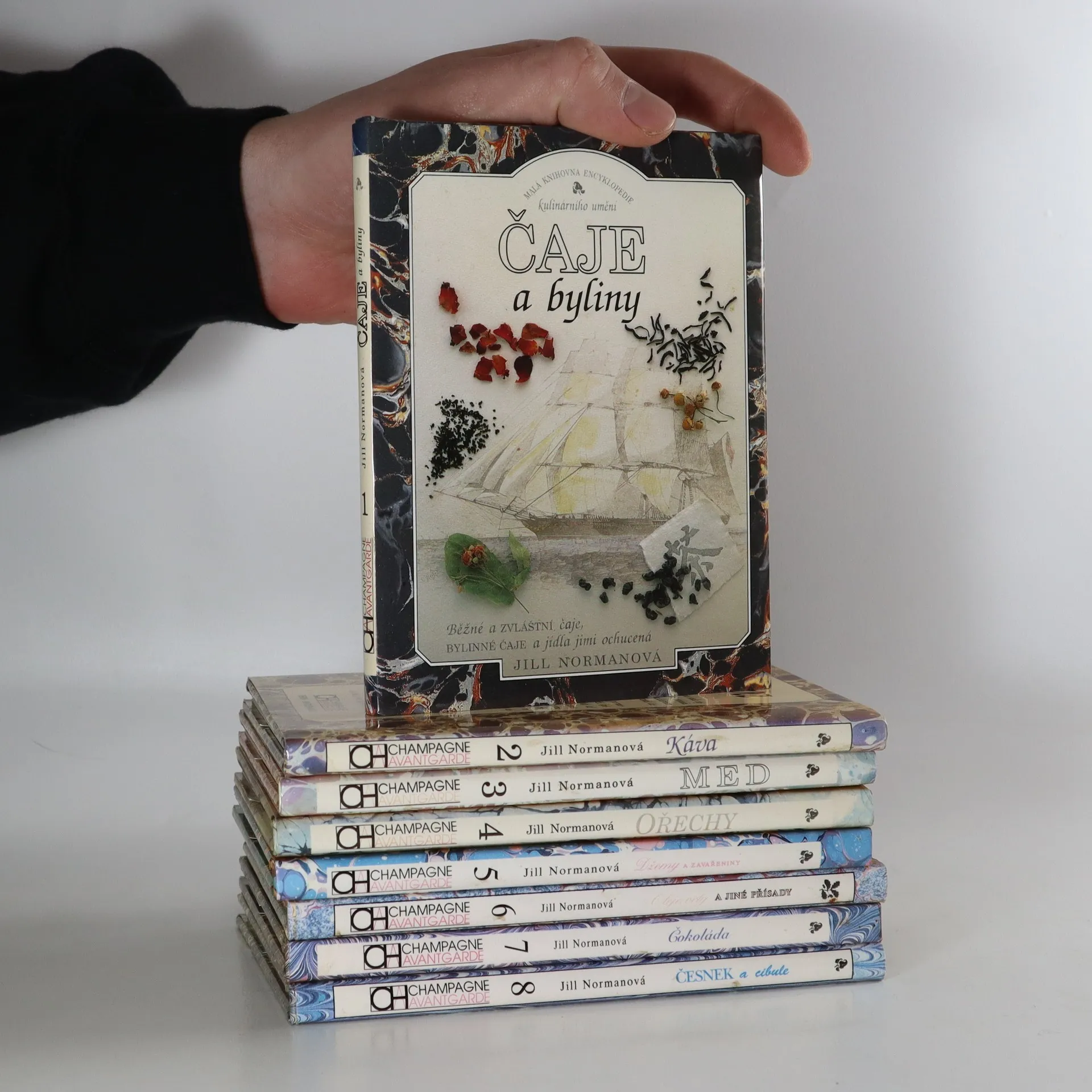
    • Describes the fruits used to make jams, jellies and preserves, and shares recipes for marmalades, curds, conserves, chutneys and syrups as well

      Jams & preserves
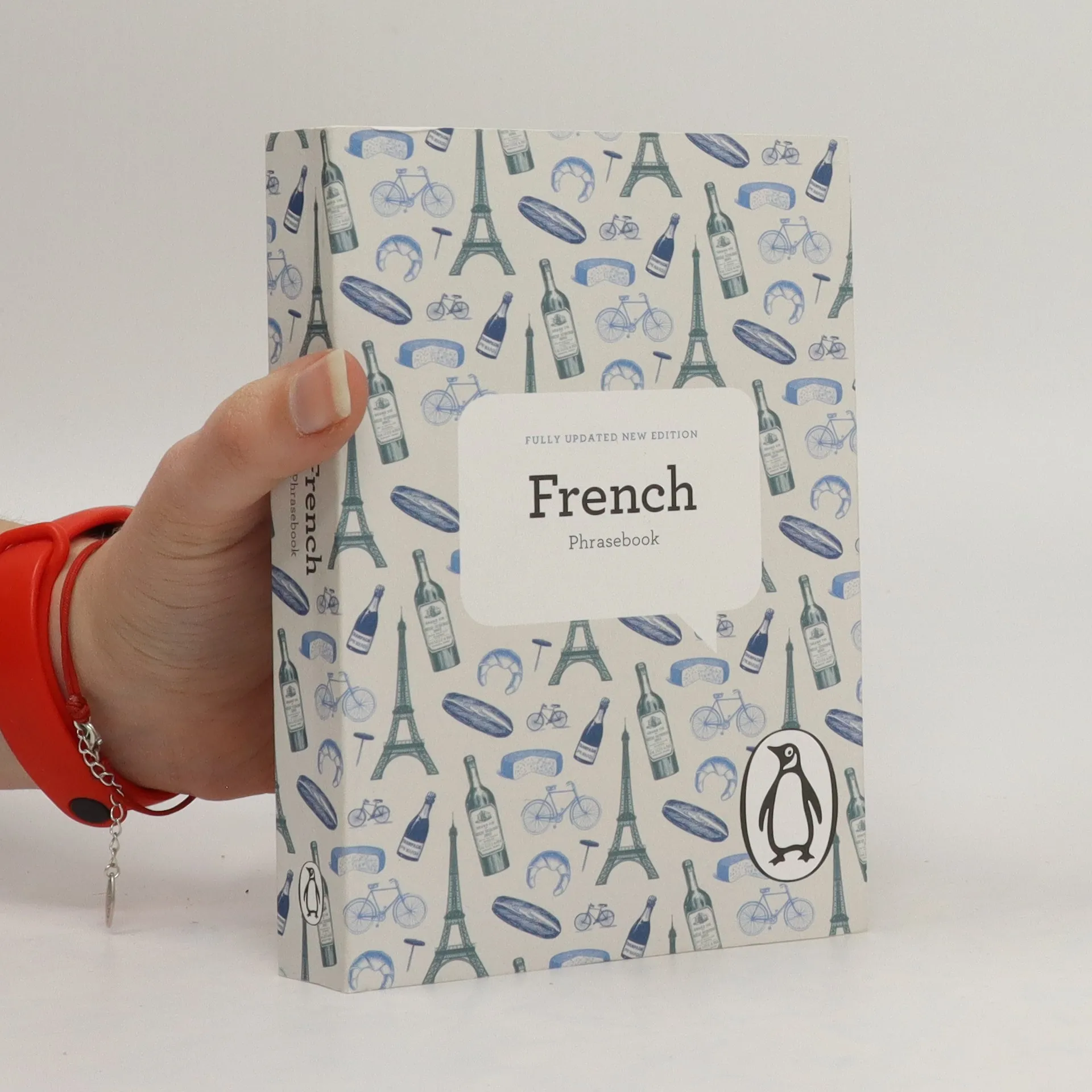
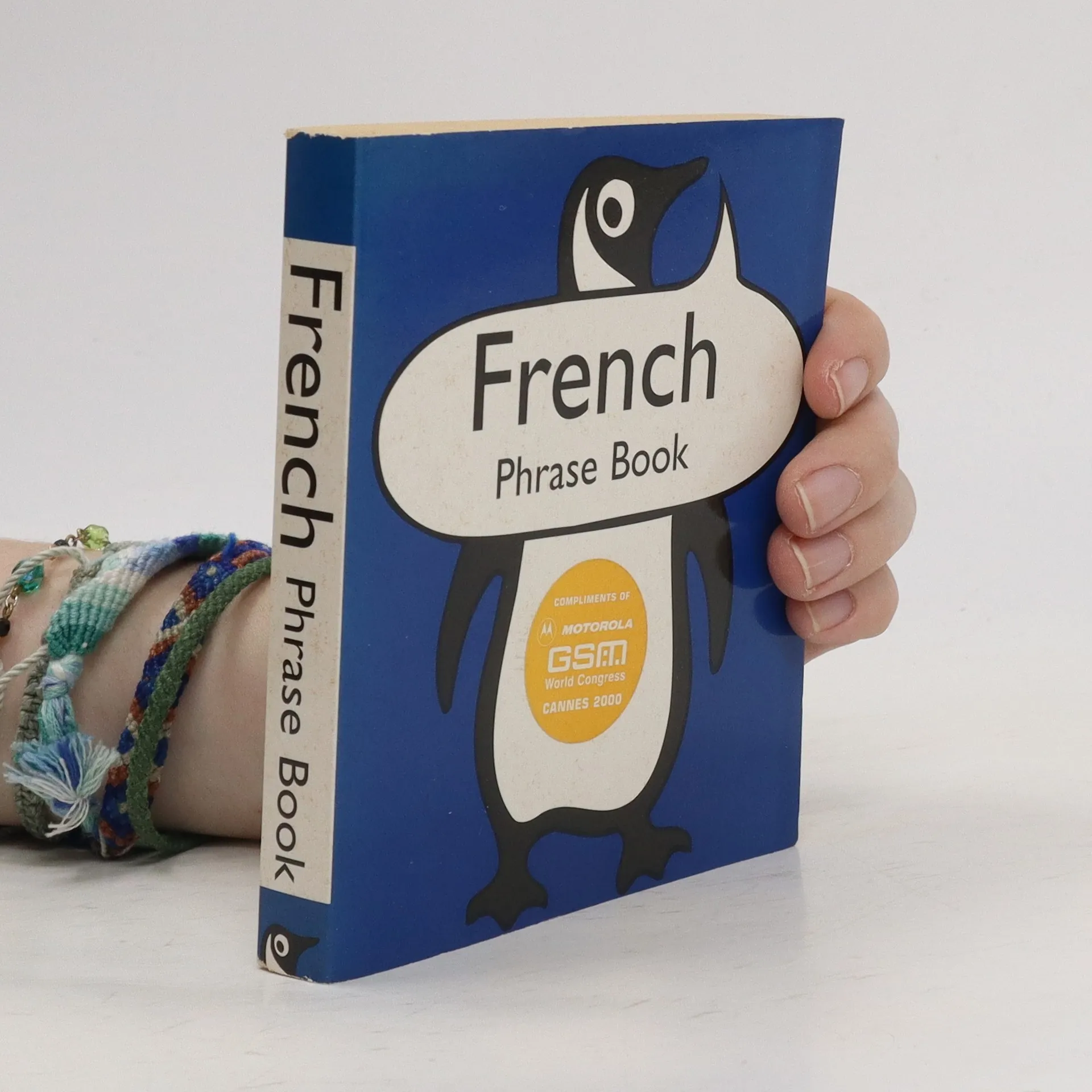
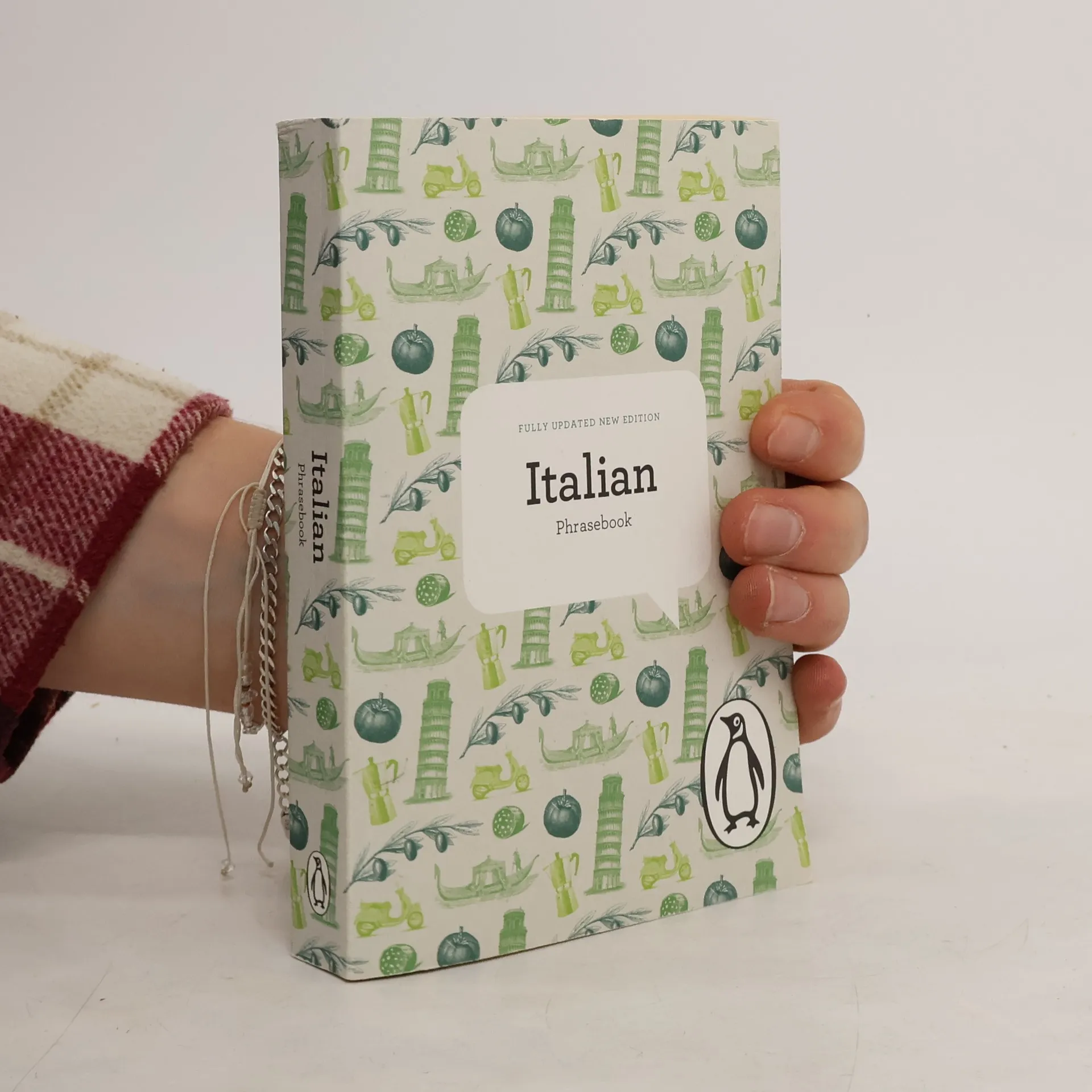
    • A stylish, pocket-size phrasebook perfect for business travelers, backpackers, sightseers, and anyone who wants to keep their French close at hand Penguin’s French phrasebook includes a wealth of useful words and expressions essential to travelers of all kinds, spelled out phonetically and arranged in sections to help you deal with specific situations and needs as they arise. After a primer on basic grammar and a quick pronunciation guide, you’ll find statements and questions like: • Does the hotel have wi-fi? A l’hôtel, y a-t-il la WiFi? (a lo-tel ee-ya-teel la wee-fee) • My luggage has not arrived. Mes bagages ne sont pas arrivés. (may ba-gazh ner son pa za-ree-vay) • How much does the tour cost? Combien coûte la visite? (kon-byan koot la vee-zeet) • May I see the wine list, please? Pourrais-je voir la carte des vins, s’il vous plaît. (poo-rezh vwar la kart day van, seel-voo-ple) • Does anyone here speak English? Est-ce que quelqu’un parle anglais ici? (es-ker kel-ken parl ahn-gle ee-see) Some of the French phrases are marked with an asterisk, giving an indication of the kind of reply you might get to your questions, and of questions you may be asked in turn. With an elegant cover and easy-to-read design that are the hallmarks of Penguin Books, this essential reference will have you feeling at home no matter where your travels take you.
      French Phrasebook
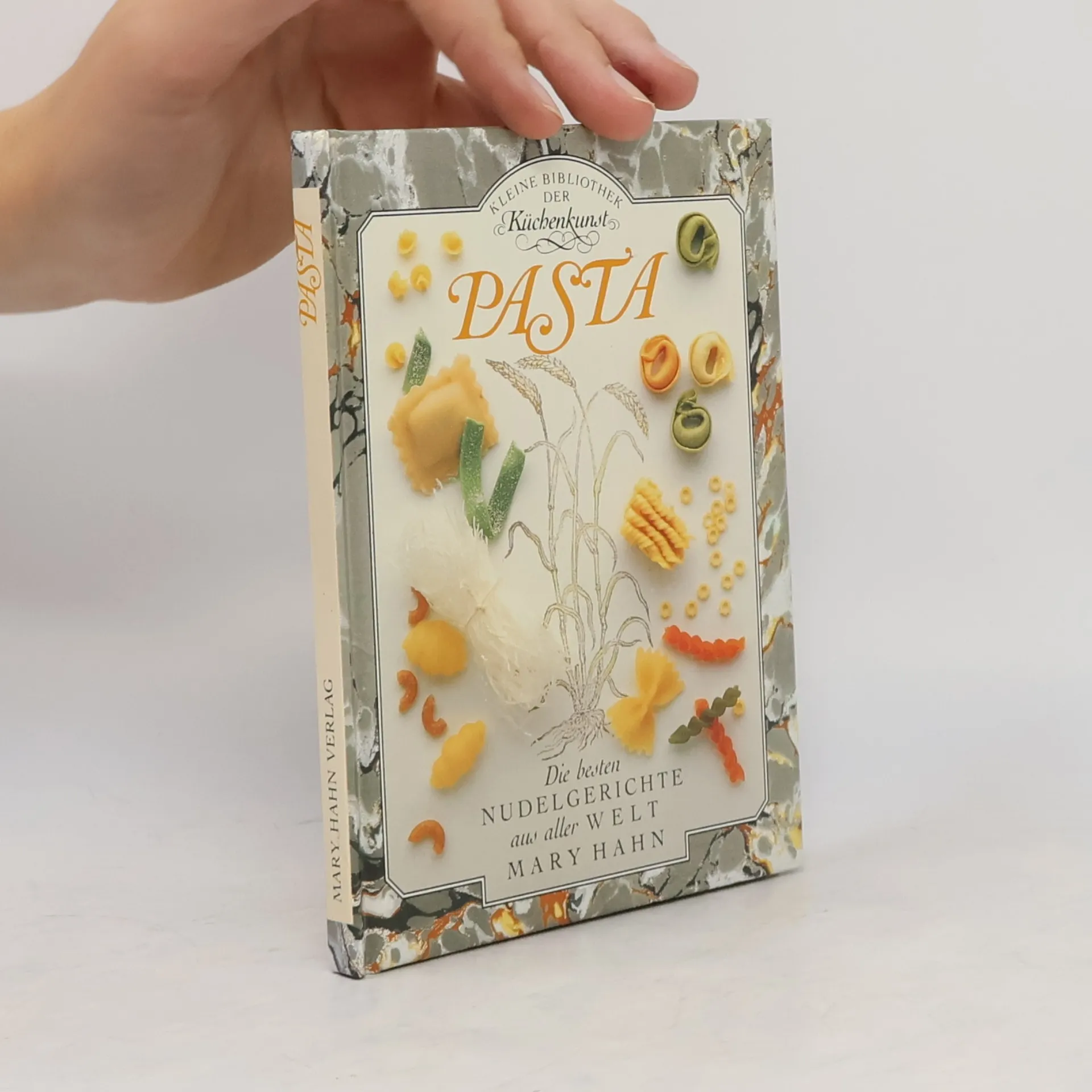
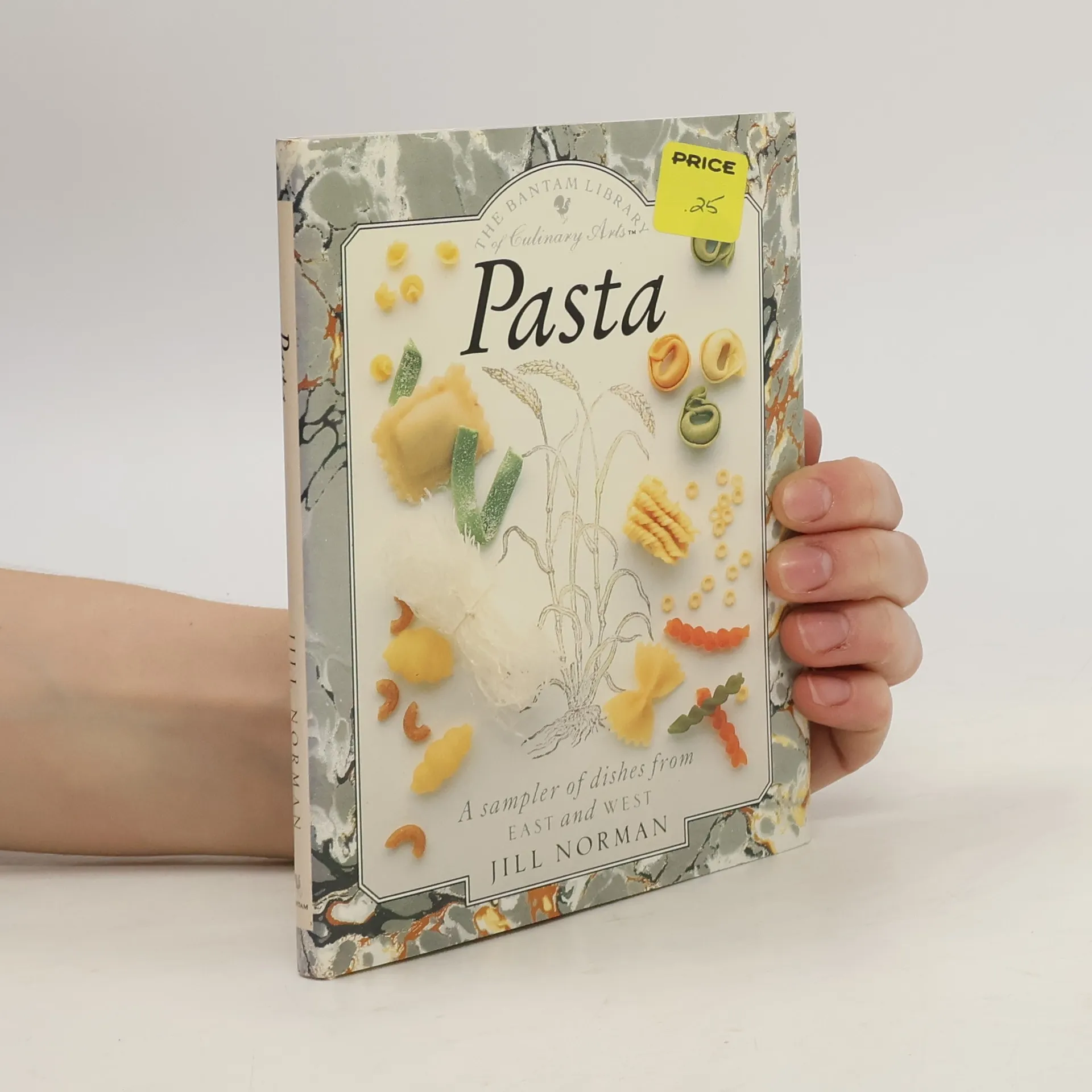
    • The Bantam Library of Culinary Arts: Pasta

      Sampler of Dishes from East and West

      • 41 pages
      • 2 hours of reading

      Provides recipes for different pastas and dishes such as fettuccine with swordfish, Hungarian cabbage and noodles, baked shells with spinach and ricotta, and bean and pasta salad

      The Bantam Library of Culinary Arts: Pasta
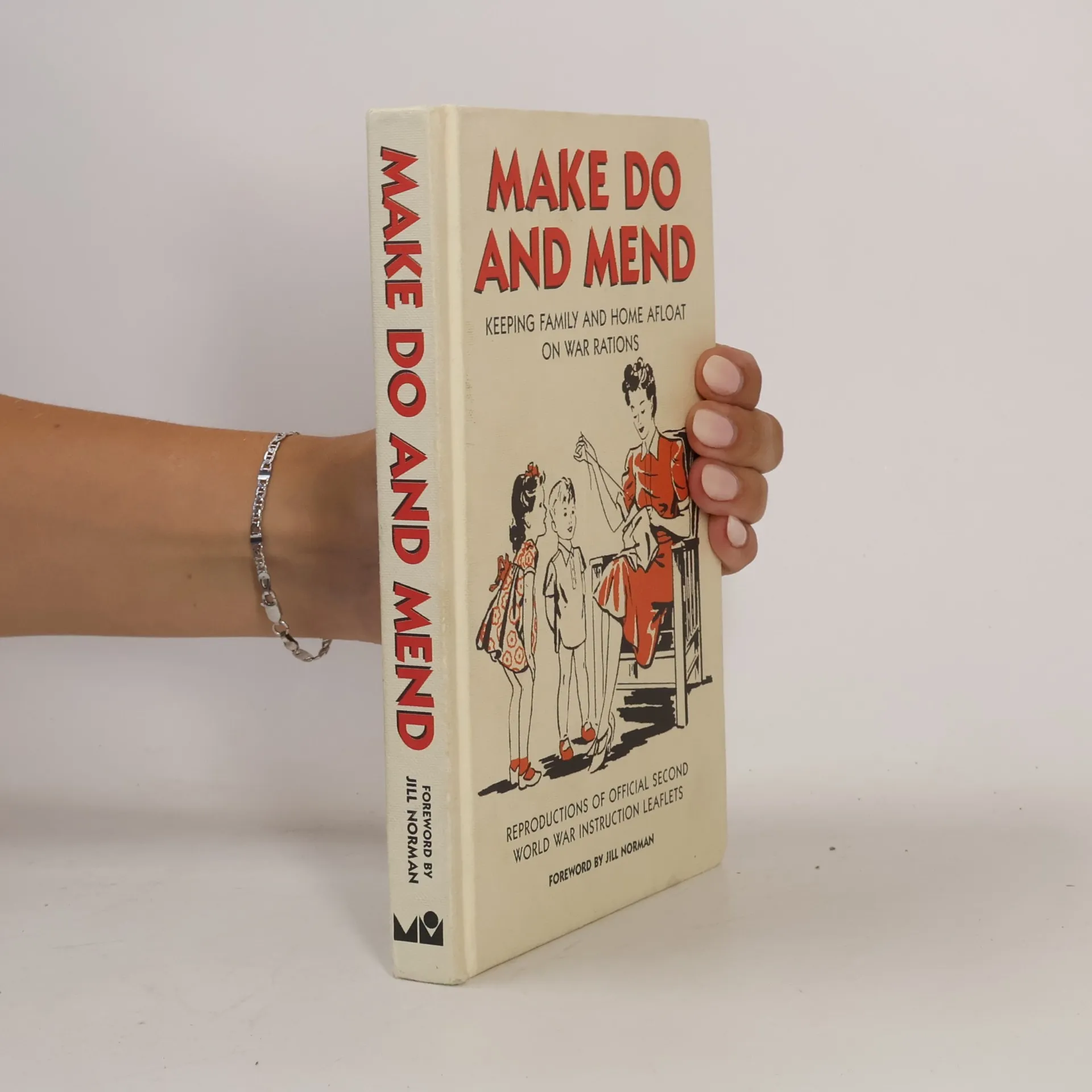
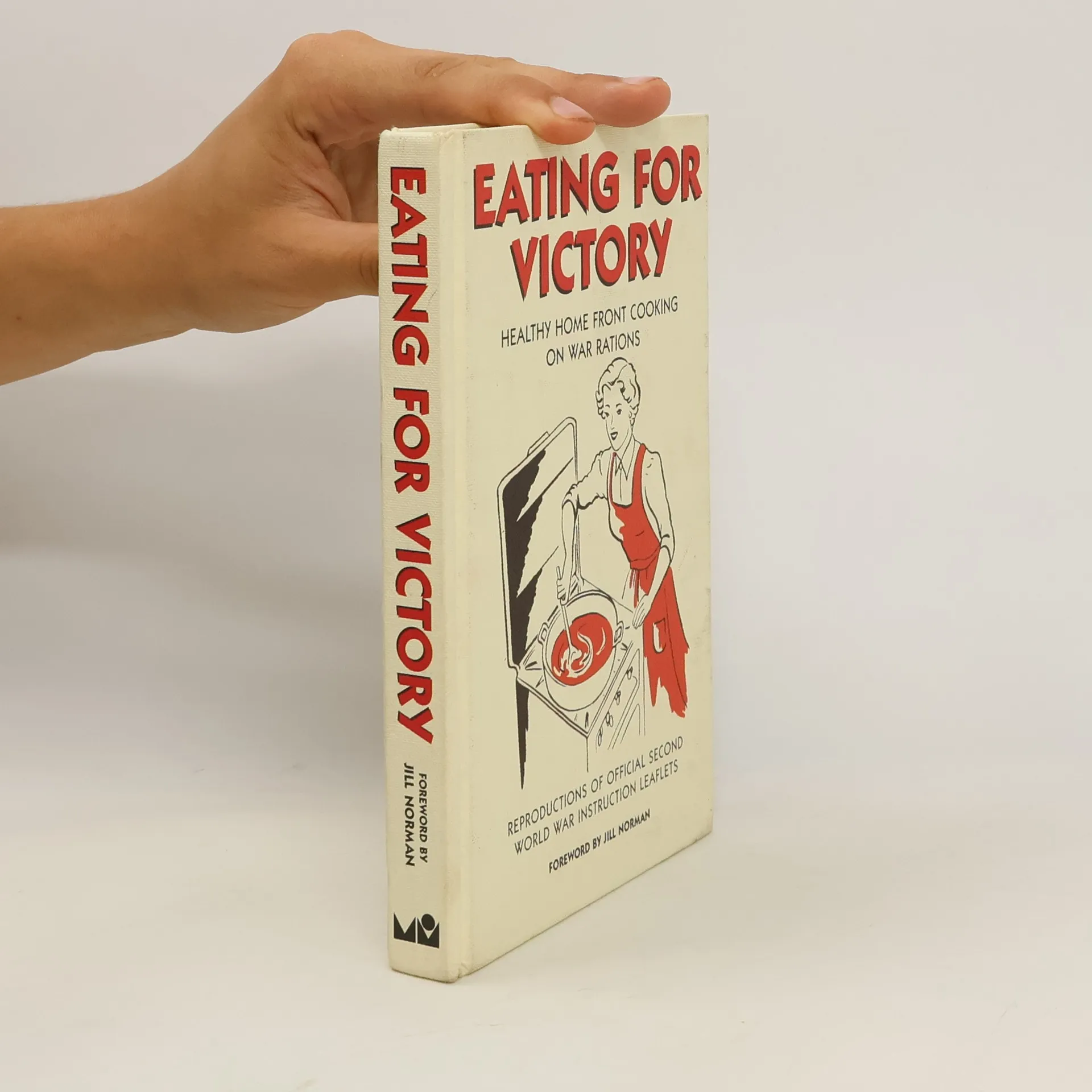
    • Food rationing was introduced in England in January 1940 after supply ships were attacked by German U-boats. The first food items to be rationed were butter, sugar, bacon, and ham, though restrictions were also eventually placed on meat, fish, jam, biscuits, cheese, eggs, and milk. In response, the Ministry of Food produced a series of "Eating for Victory" pamphlets that advised the general public on how to cope with these shortages. Designed to lift spirits in a time of shortage, these jolly leaflets contained a variety of recipes and cooking advice ranging from how to make steamed and boiled puddings and hints on how to reconstitute dried eggs. For all the hardship that rationing brought, the food restrictions resulted in many people eating more healthily than ever before. A nostalgic look back at one of the most difficult and yet healthiest times in history, this quaint collection is also a relevant guide to good eating today.

      Eating For Victory