Reading the Maya Glyphs
- 176 pages
- 7 hours of reading
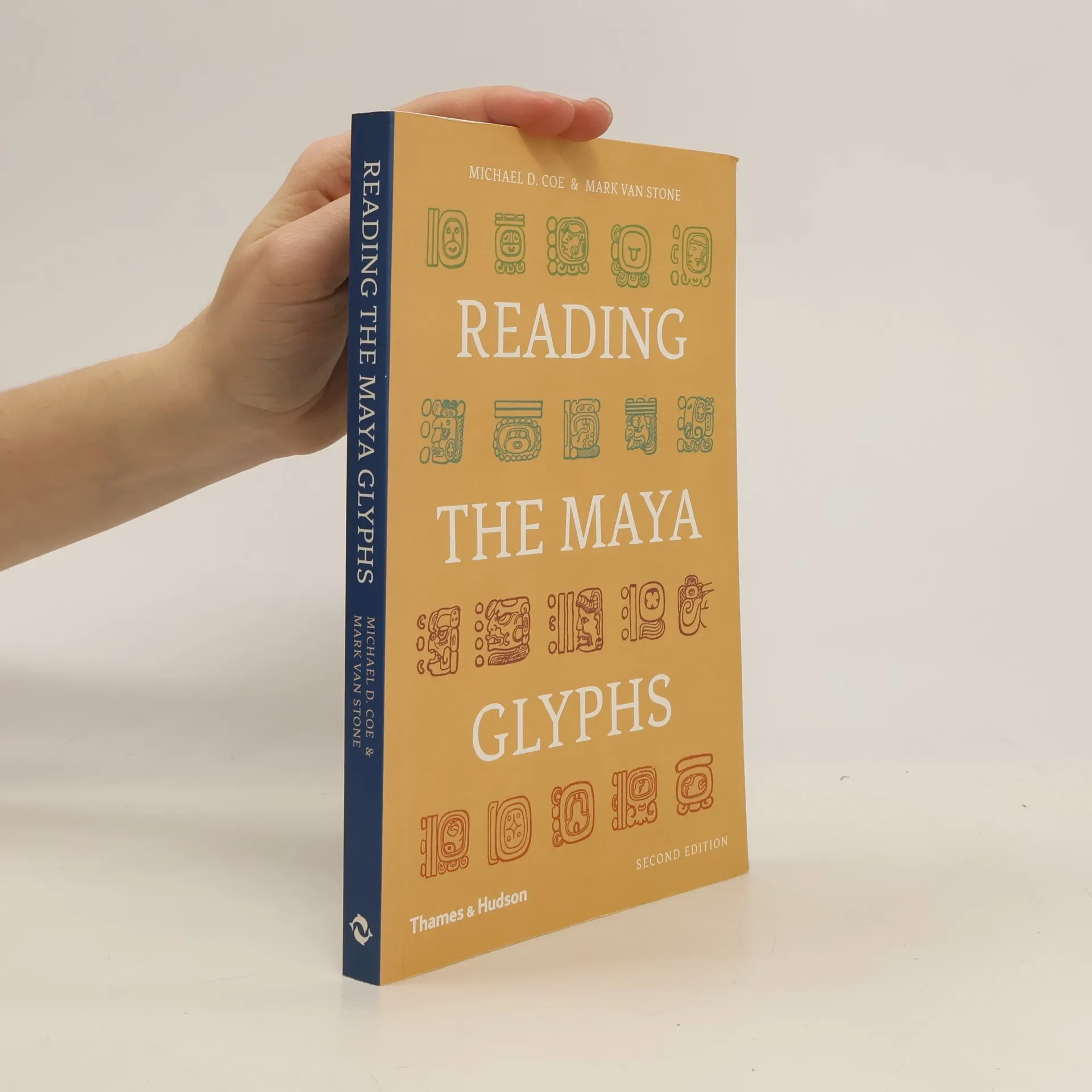
The breaking of the Maya code has completely changed our knowledge ofthis ancient civilization, and has revealed the Maya people's long andvivid history.


Michael D. Coe was an American archaeologist and anthropologist, renowned for his extensive work on the Maya civilization. He was a leading expert in Maya culture, hieroglyphs, and societal structures, bringing the ancient world to life for a broad audience. Coe's writings delve into the complexities of Maya civilization, offering readers a compelling exploration of their history and achievements.

The breaking of the Maya code has completely changed our knowledge ofthis ancient civilization, and has revealed the Maya people's long andvivid history.
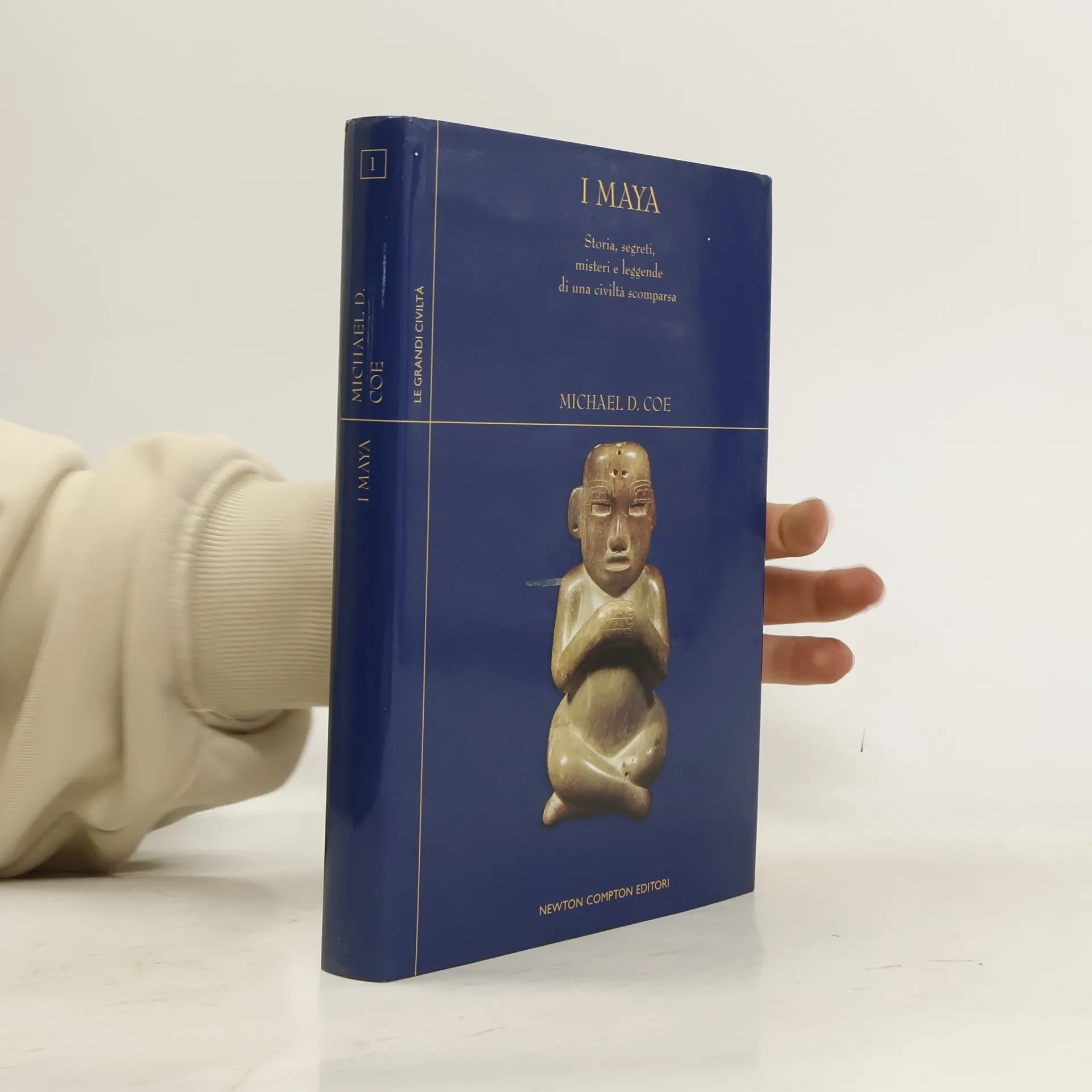
Storia e segreti di una civiltà scomparsa
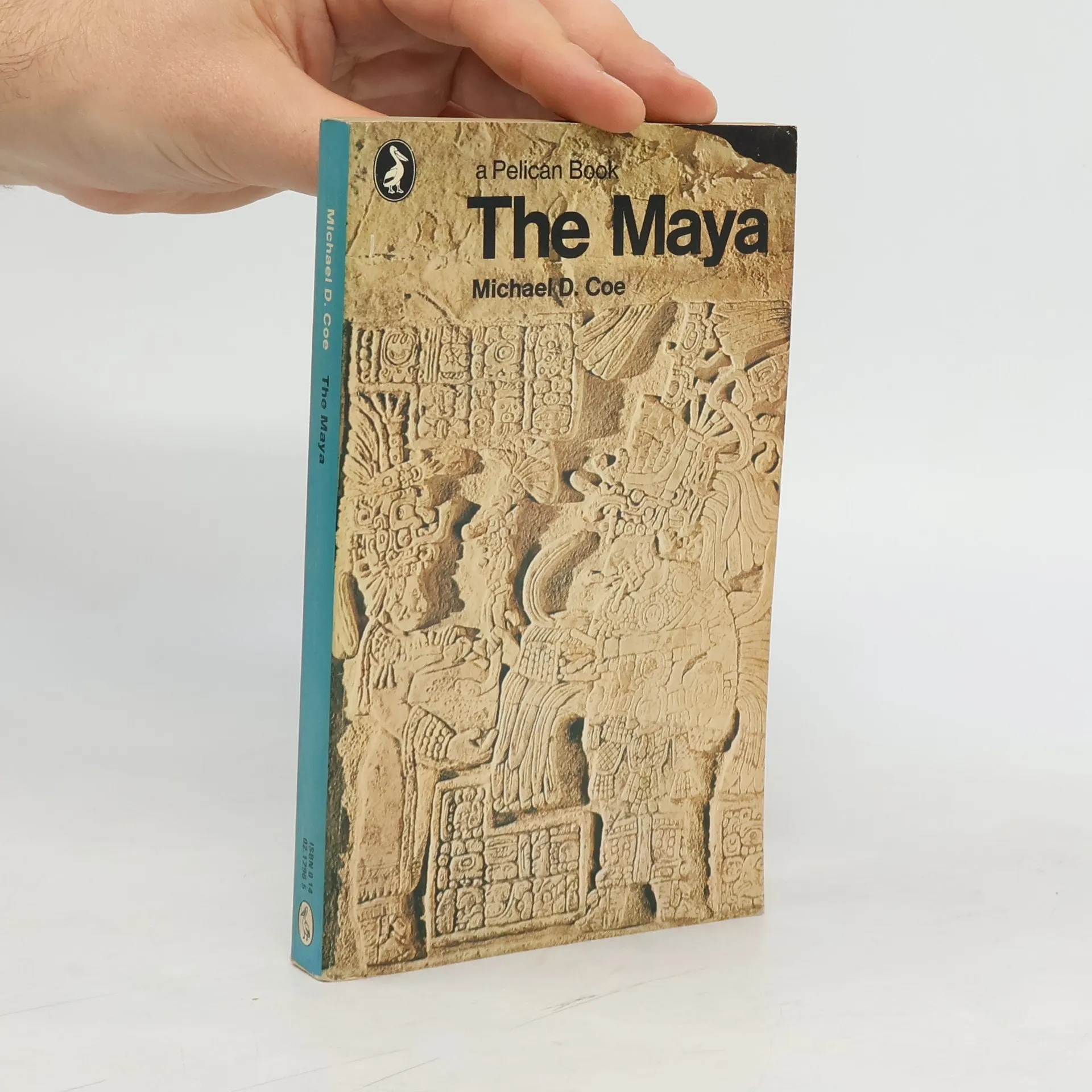
Il libro «I Maya» è considerato da tempo la migliore introduzione generale al più grande antico civiltà del Nuovo Mondo. Il professor Coe getta nuova luce sulla Periodo Preclassico, analizzando l'ascesa di città come Nakbé ed El Mirador durante il primo millennio a.C. Il capitolo sulla Periodo Classico Tardivo si riferisce al sovraffollamento e alla deforestazione, considerandoli, sulla base delle testimonianze, le principali cause del catastrofico crollo dei Maya della regione meridionale nel IX secolo d.C. Tuttavia, il centro dell'interesse del libro rimane la gloriosa Periodo Classico, con la sua maestosa arte e architettura. Vengono coperte completamente le nuove scoperte nei siti archeologici del Periodo Classico, come Copán e Dos Pilas, così come le innovazioni nel campo dell'epigrafia, che continuano a gettare nuova luce sulla storia dinastica e sulla cosmologia dei Maya. La civiltà dei Maya può essere crollata più di mille anni fa, ma la cultura dei Maya rimane viva. In un capitolo finale, il professor Coe rende omaggio ai sei milioni di Maya moderni, custodi di tante antiche tradizioni, il cui lungo combattimento contro le persecuzioni e l'estinzione continua fino ad oggi.
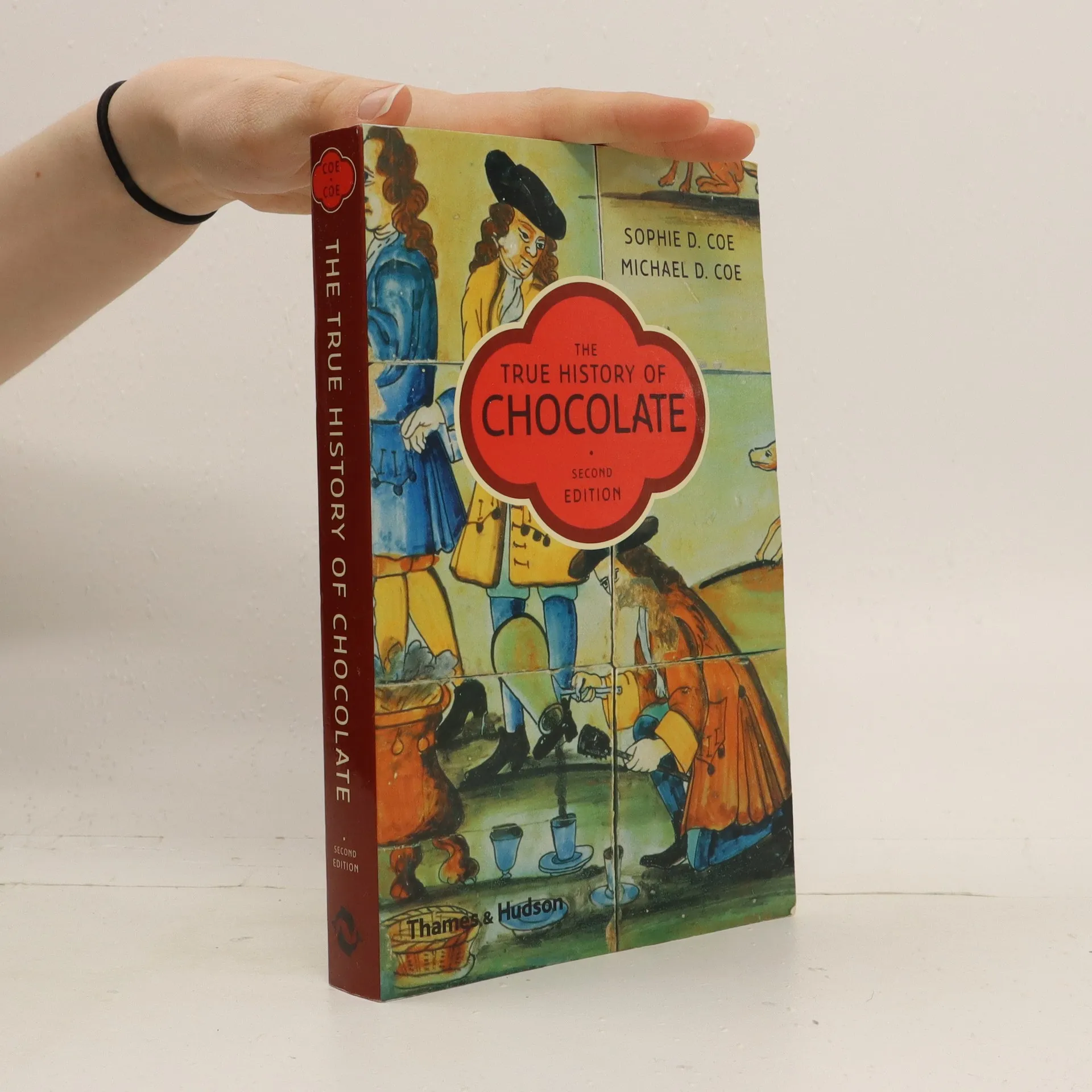
"Begins with the origins of the cacao tree and follows the story up to today's mass-produced chocolate candy and its expensive boutique counterparts...A pleasure not just for chocoholics but for anyone who enjoys lively, thorough historical sleuthing via the printed page." [Gourmet] (Cover)
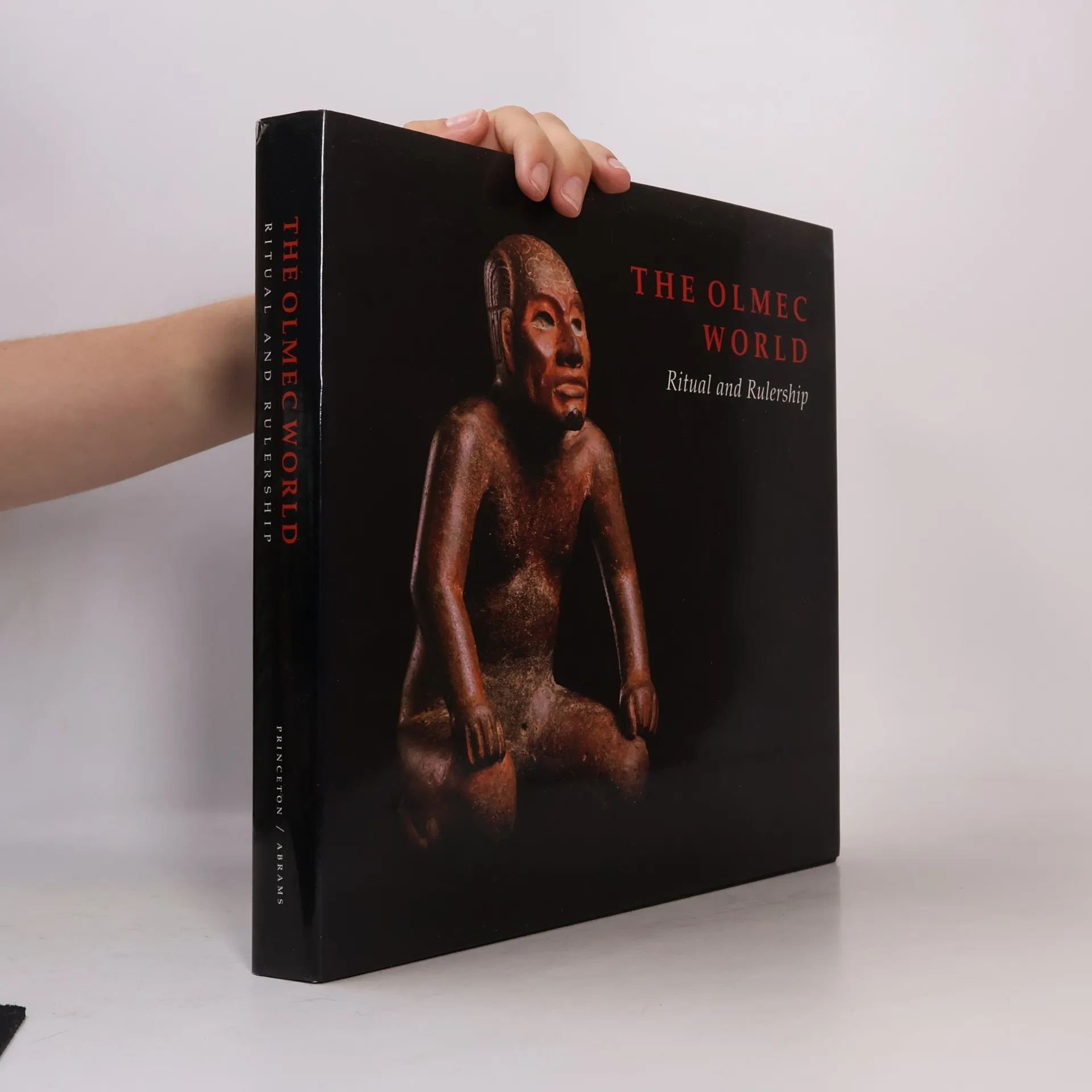
Between 1400 and 400 BC, in what is now Mexico and Central America, the Olmec people created a magnificent culture, one too often overshadowed by those of the Maya and the Aztec. This catalogue accompanies an exhibition of over 250 Olmec works of art - ceramic, jade and stone - on display at the Art Museum, Princeton University in December 1995, and travelling to the Museum of Fine Arts, Houston. Essays by prominent scholars offer interpretations of such topics as the power of objects within the context of the Olmec ritual system. These identify and illustrate the fundamental themes of Olmec small-scale sculpture, the sacred role of the maize in Olmec ideology, and the relationship of Olmec culture to later civilizations. An illustrated glossary of motifs and symbols is provided to clarify the often highly abstract style and encoded iconography of the Olmec. The book also includes precise mineralogical descriptions of the lithic materials they used.
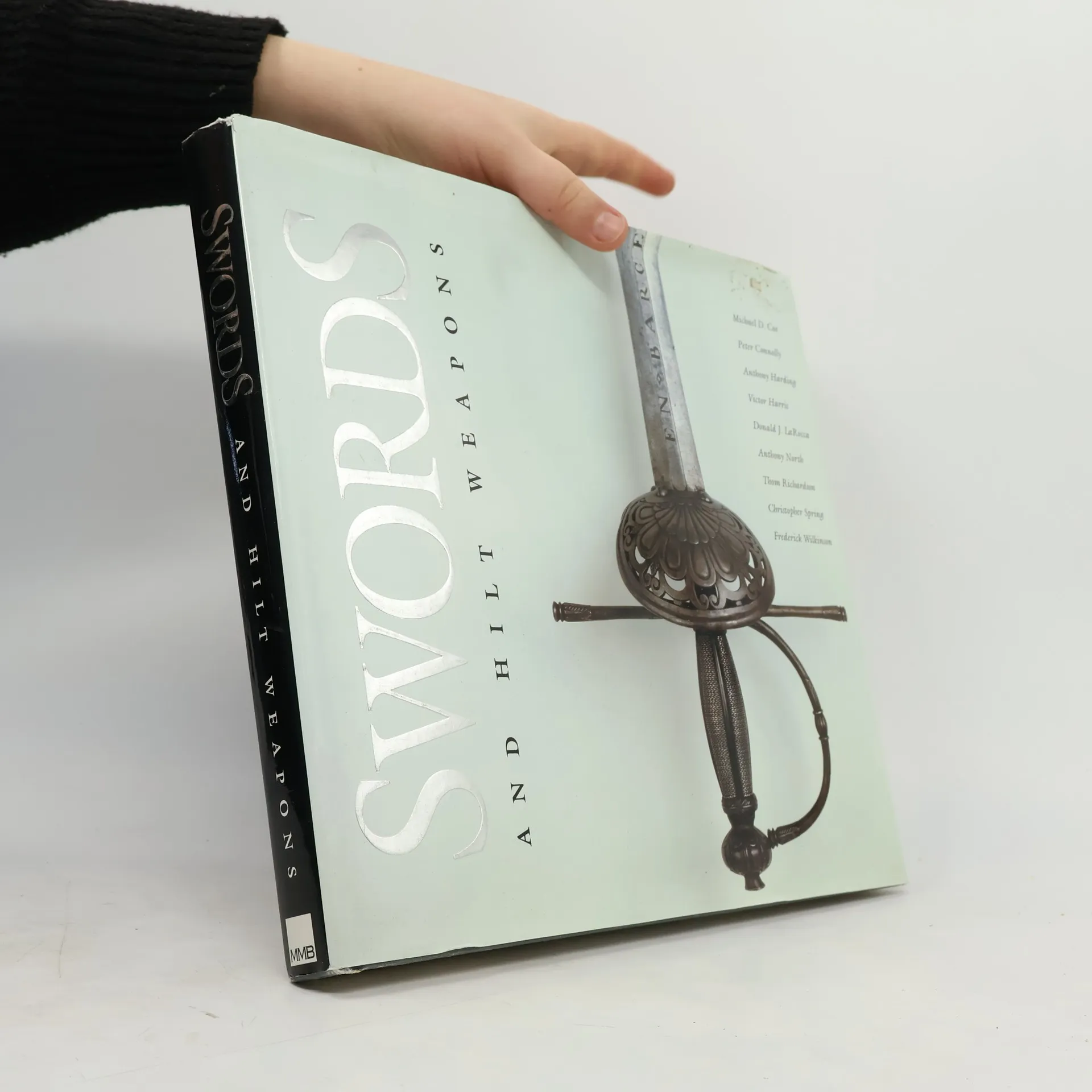
A guide to nearly 4000 years of sword making from the Bronze Age to World War II. On the basis of technical excellence and cultural significance, emphasis is given to European, Islamic and Japanese weapons. It also covers those of Africa, Mesoamerica, China, Central Asia and Indonesia.
Michael D. Coe ist Professor für Ethnologie an der Yale Universität und Experte auf dem Gebiet der präkolumbischen Archäologie. Die vorliegende Veröffentlichung liest sich wie eine Detektivgeschichte und ist zugleich ein sachkundiger Bericht über eines der aufregendsten Abenteuer unserer Zeit: die Entschlüsselung der Maya-Schrift.
Contains 56 maps, 329 illustrations, and accompanying text describing ancient American art, history, and archaeology.
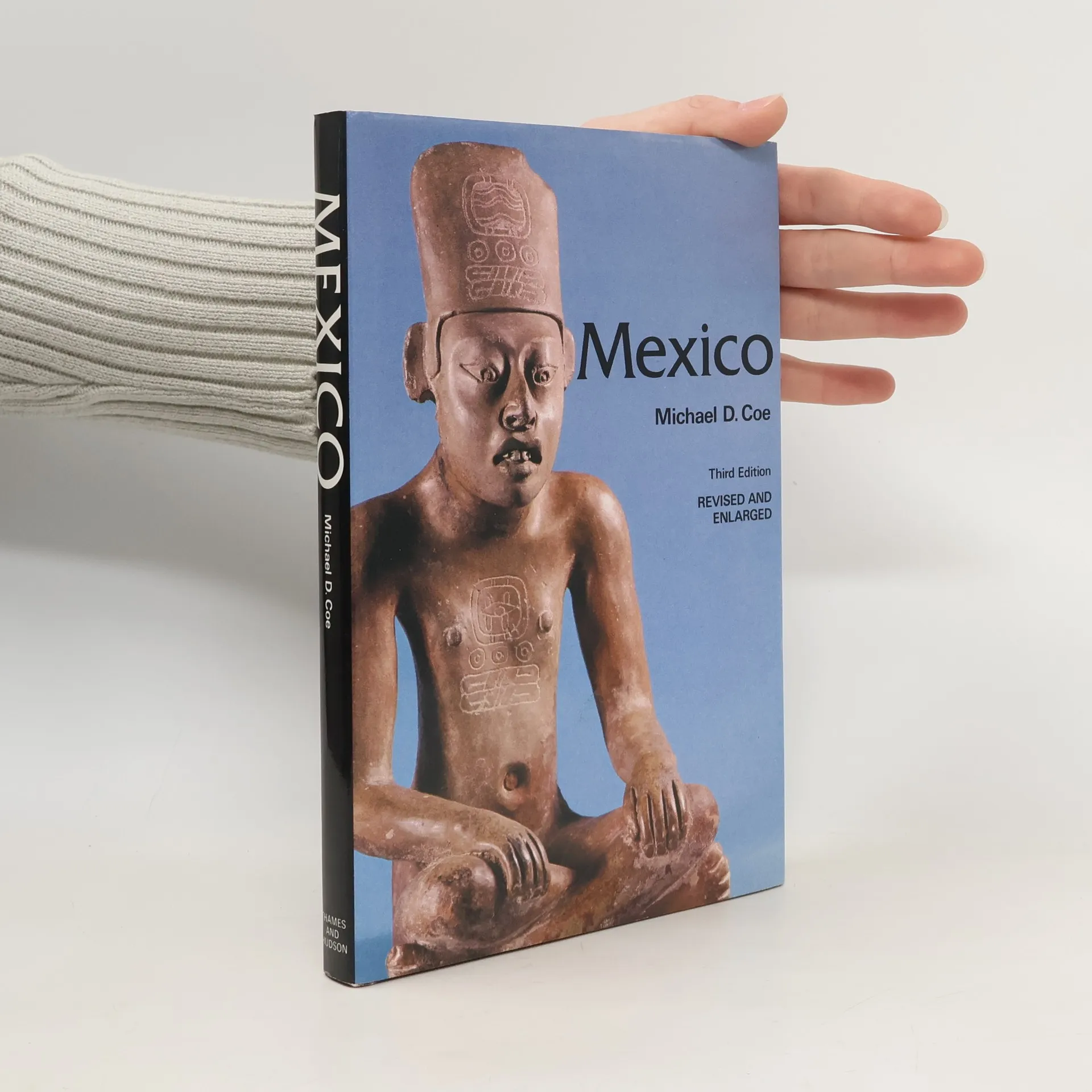
Michael D. Coe’s Mexico is recognized as a readable and authoritative introduction to the region’s ancient civilizations. This companion to The Maya incorporates new findings in various disciplines. The origin of maize-farming has been solved, and new discoveries shed light on Mexico’s earliest civilization, the Olmec culture. At Teotihuacan, recent investigations in the earliest monumental pyramid indicate the antiquity of certain sacrificial practices and the symbolism of the pyramid. Expanded information on the Huastec region of the northeastern Gulf of Mexico is included, while discoveries in the sacred precinct of the Aztec capital Tenochtitlan have led to a refined understanding of the history and symbolism of this area.
"The Maya has long been established as the best, most readable introduction to the ancient Maya by experts Michael D. Coe and Stephen Houston. In this new edition, this classic has been updated by distilling the latest scholarship for the general reader and student. This edition incorporates the most recent archaeological and epigraphic findings, which continue to proceed at a fast pace, along with full-color illustrations. The new material includes evidence of the earliest human occupants of the Maya region and the beginnings of agriculture and settled life; analysis from lidar on swampy areas, such as Usumacinta, that show enormous rectangle earthworks, including Aguada Fe´nix, dating from 1050 to 750 BCE; and recent advances in decoding Maya writing and imagery. This revised edition also expands information on the roles of women, courtiers, and outsiders; covers novel research about Maya cities, including research into water quality, marketplaces, fortifications, and integrated road systems; and includes coverage of more recent Maya, including their displacement and mistreatment, along with growing affirmations of their cultural identity and legal rights"--Amazon.com