Napoleon byl zavražděn
- 268 pages
- 10 hours of reading
Po 150 letech moderní soudní lékařství odhaluje pravdu o jednom z největších zločinů v historii .


This author explores the fascinating intersection of physical culture and Napoleonic history. Their work often highlights the strength, discipline, and strategic thinking evident in both these seemingly disparate fields. Their unique perspective offers readers a new way to consider human potential and historical ambition. Through their writing, they share a deep understanding of both physical prowess and the complexities of historical events.
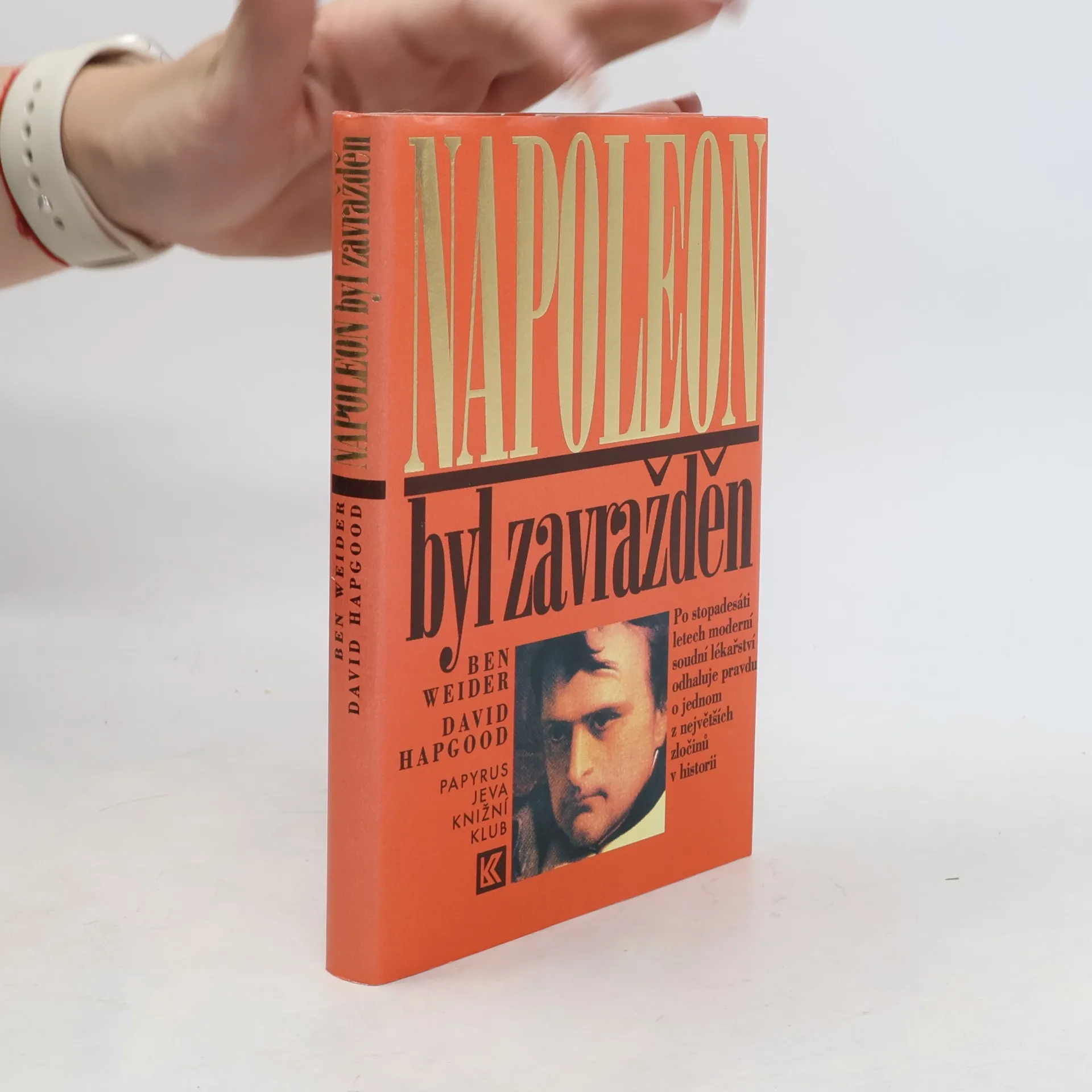
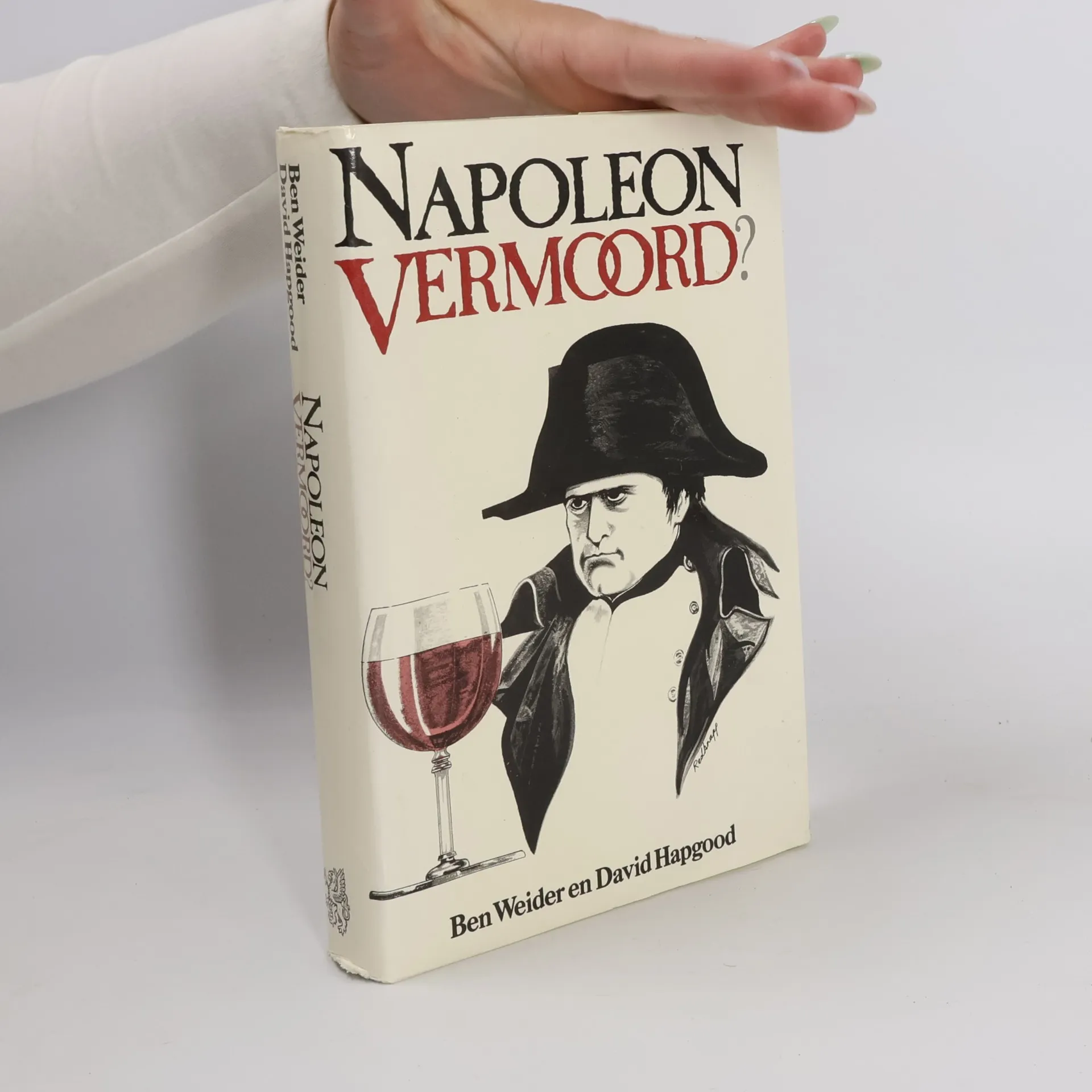
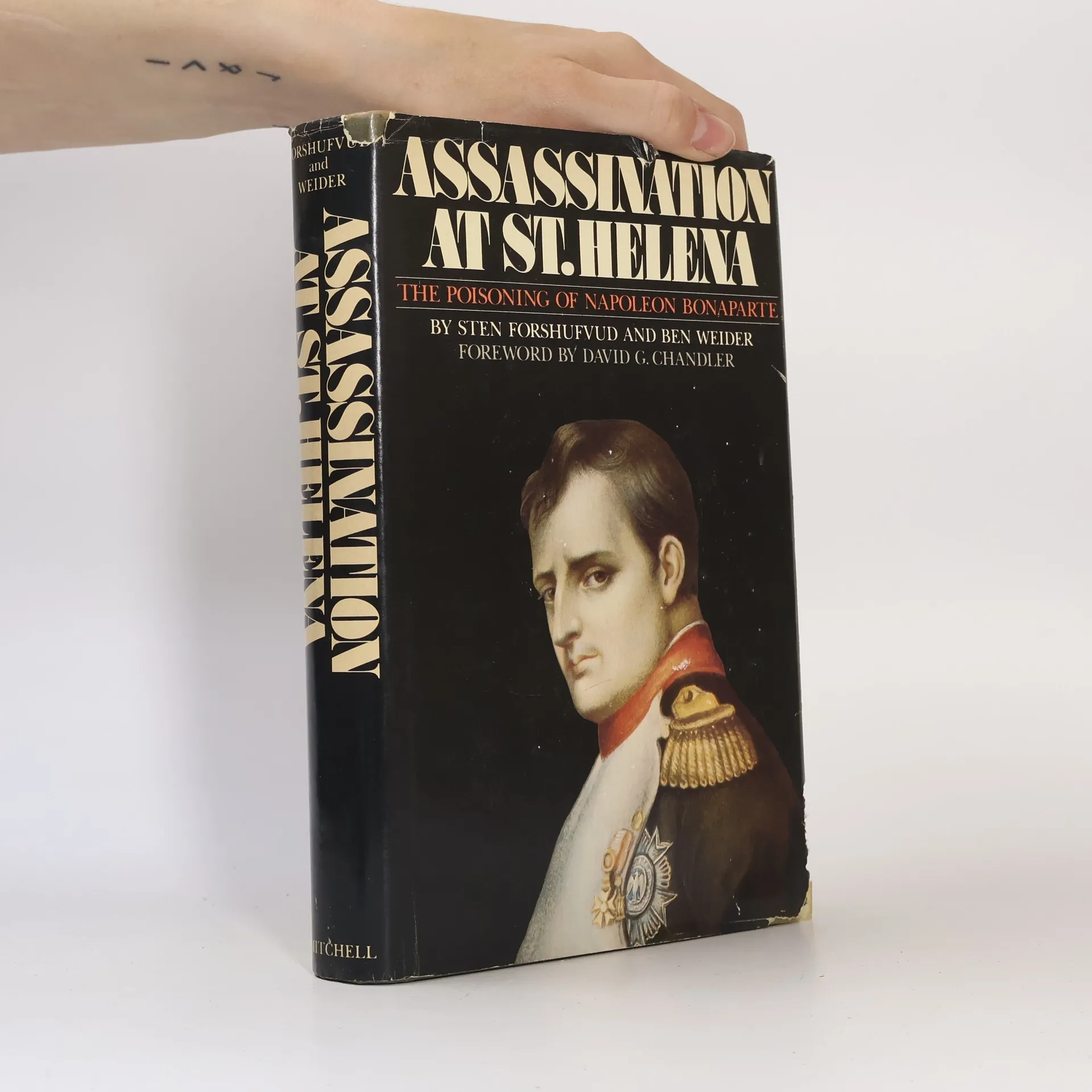
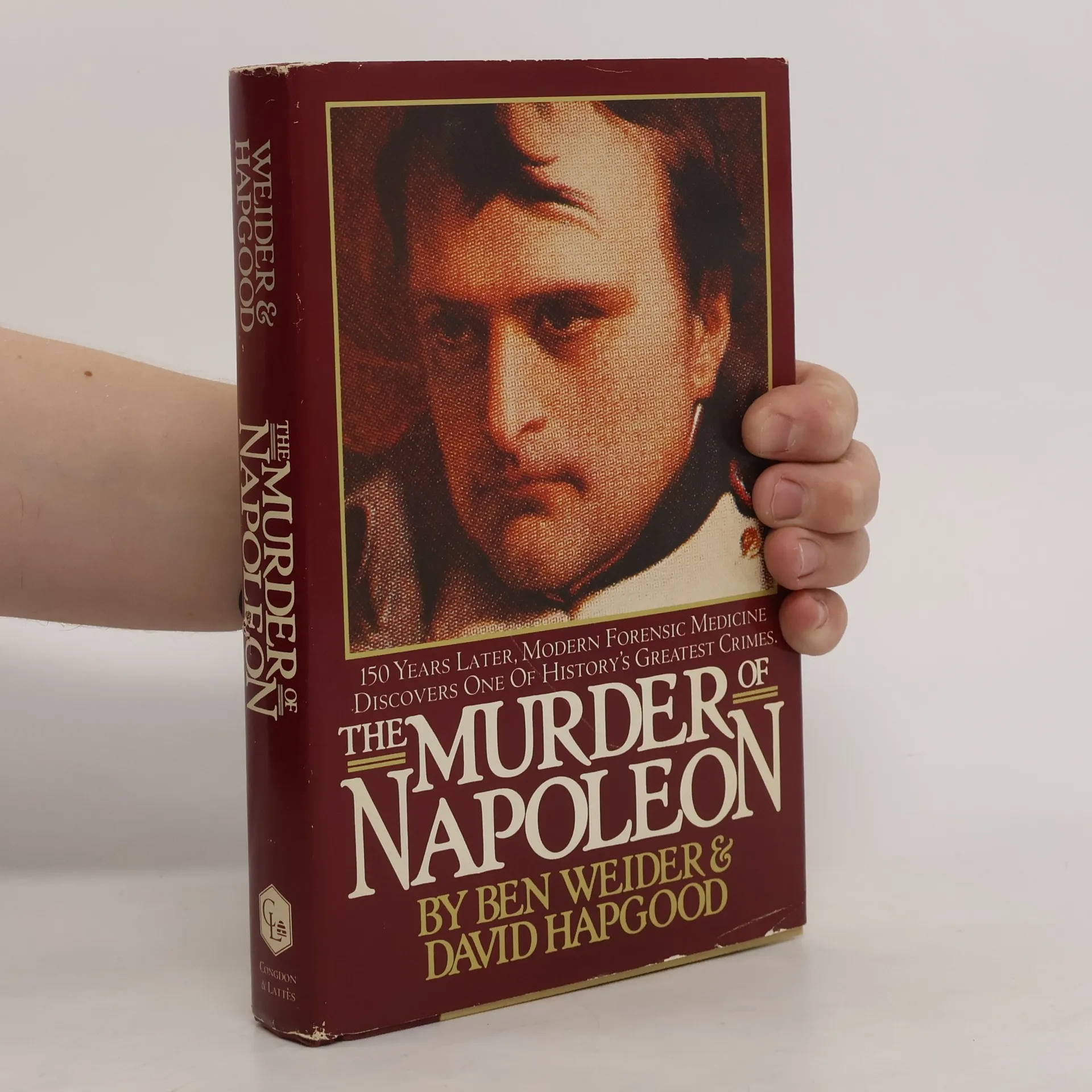
Po 150 letech moderní soudní lékařství odhaluje pravdu o jednom z největších zločinů v historii .
Historische beschrijving van de dagen van Napoleon op St. Helena, die voor een Zweedse wetenschapper aanleiding waren op zoek te gaan naar de omstandigheden rond Napoleons dood.
The book reveals a historical crime that has remained hidden for 160 years. Napoleon did not die of stomach cancer; he was poisoned with arsenic. This sensational work is based on the research of Swedish dentist and toxicologist Sten Forshufvud, who, while reading the memoirs of Napoleon's valet Louis Marchand, recognized that the exiled emperor's symptoms pointed to arsenic poisoning rather than stomach cancer. Forshufvud noted that some passages in the memoirs read like a textbook on toxic symptoms. The authors describe how and where Forshufvud ultimately found his evidence, how analyses confirmed his theory, and how he, with investigative acumen, even identified the murderer. The book reads more like a gripping detective novel than a dry history text, while also providing previously unknown insights into Napoleon's life on Saint Helena. Readers are drawn into the nearly impossible resolution of a mysterious case where the possibilities of modern forensic science triumph.