In 1993, a newly-appointed CIA director warned that Western powers might have 'slain a large dragon' with the fall of the USSR, but now faced a 'bewildering variety of poisonous snakes'. Since then, both dragons (state enemies like Russia and China) and snakes (terrorist and guerrilla organisations) have watched the US struggle in Iraq and Afghanistan, and mastered new methods in response: hybrid and urban warfare, political manipulation, and harnessing digital technology.Leading soldier-scholar David Kilcullen reveals everything the West's opponents have learned from twenty-first-century conflict and explains how their cutting-edge tactics and adaptability pose a serious threat to America and its allies, disabling the West's military advantage.The Dragons and the Snakes is a compelling, counterintuitive look at the new, vastly complex global arena. Kilcullen reshapes our understanding of the West's foes, and shows how it can respond.
David Kilcullen Books
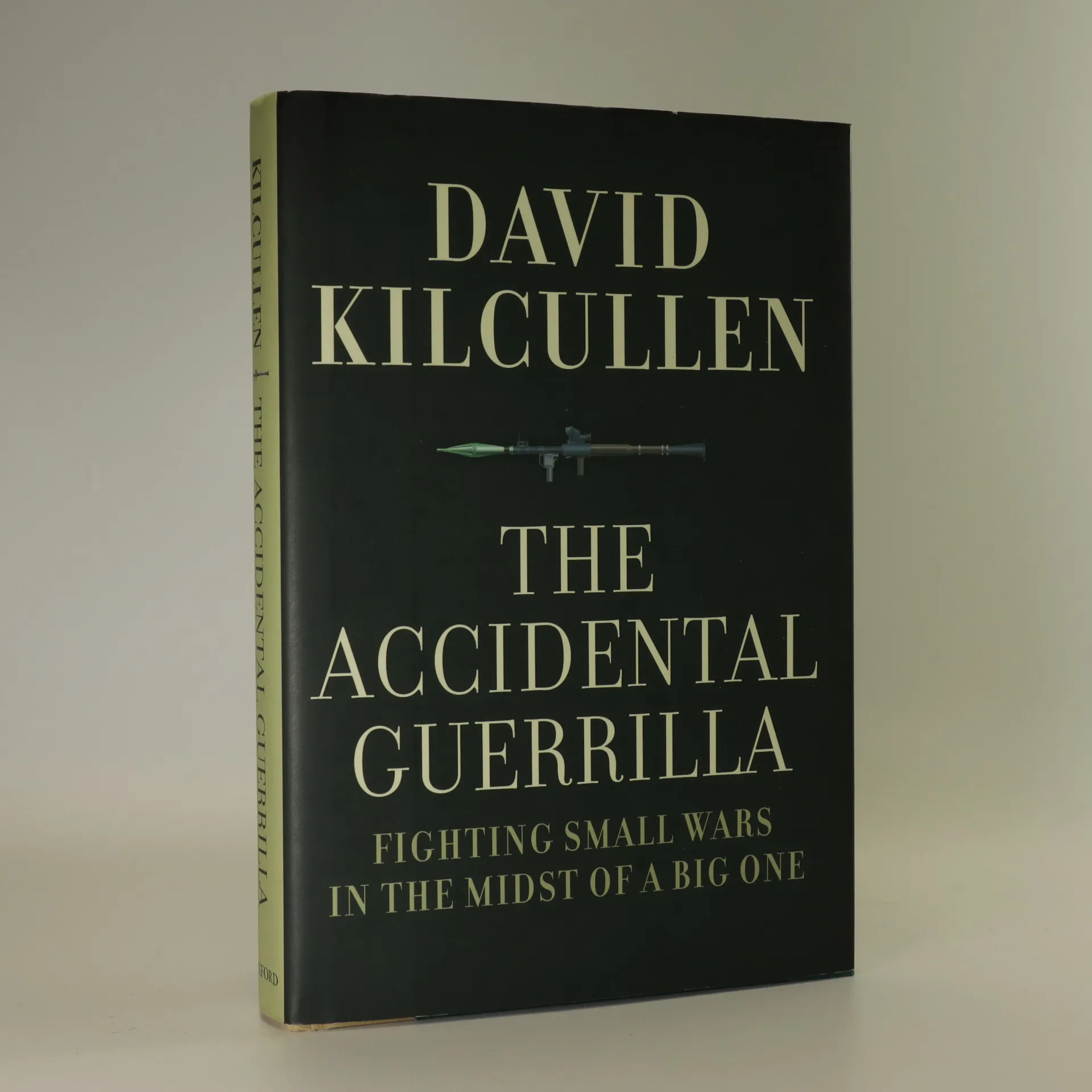


The Dragons and the Snakes: How the Rest Learned to Fight the West
- 336 pages
- 12 hours of reading
In The Dragons and the Snakes, David Kilcullen asks what the opponents of the West have learned in the past quarter-century and how they have evolved. He shows how Russia, China, Iran and North Korea developed new tactics by copying terrorists and guerrillas, and how guerrilla groups have been able to access new technologies that allowed them to take on the states that oppose them. More broadly, Kilcullen explains how evolution happens in combat, how states and non-state groups copy each other, how our enemies have sought to exploit our tunnel-vision on terrorism since 9/11, and how we can respond.
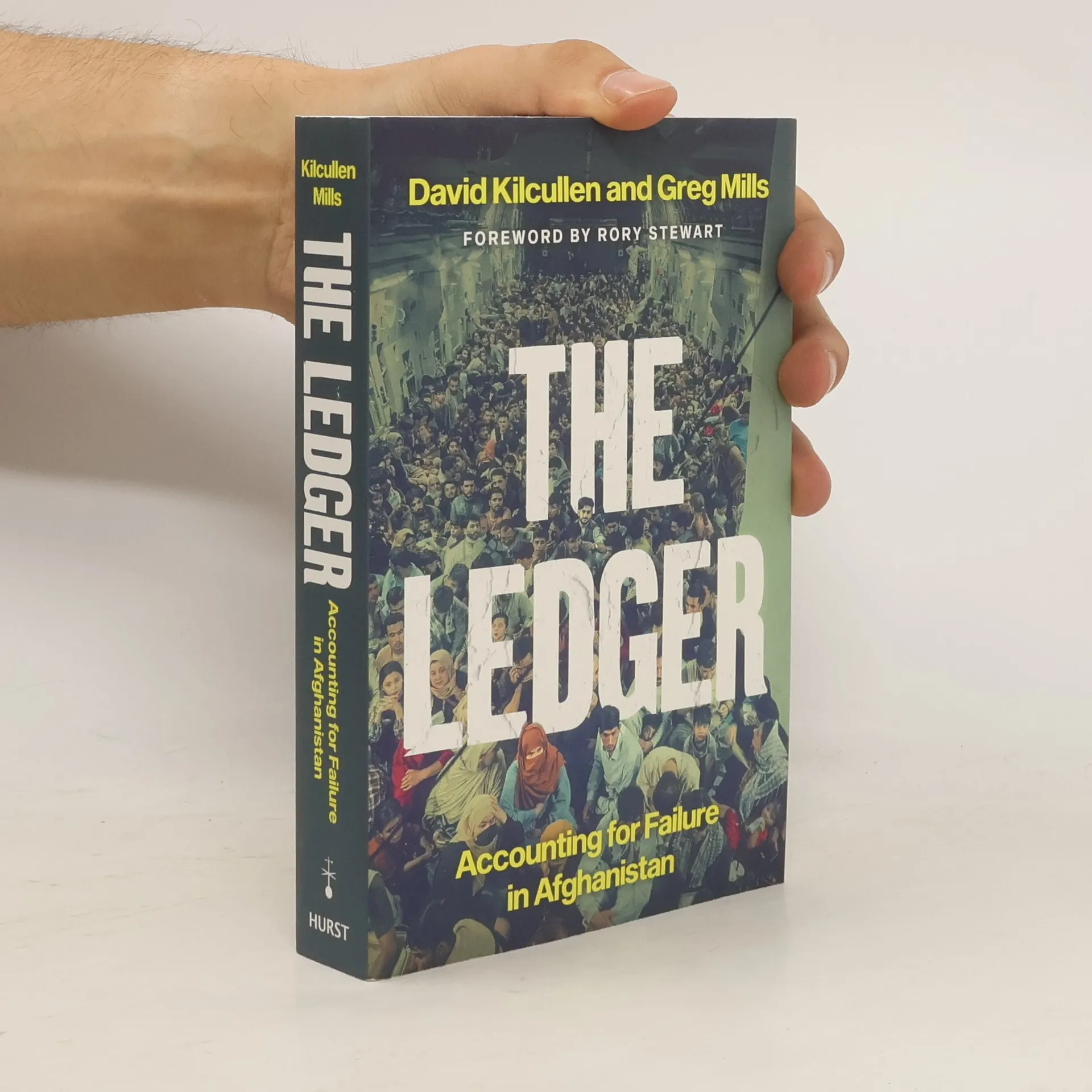
The Ledger
- 368 pages
- 13 hours of reading
'These things happened. They were glorious and they changed the world,' said Charlie Wilson, reflecting on America's support for the mujahideen against the Soviet Union, lamenting the lack of post-war support for Afghanistan, which allowed the Taliban and Osama bin Laden to rise. The text examines the West's failures in Afghanistan after 9/11 across military, diplomatic, political, and developmental fronts. For Afghans, the war continues despite Western declarations of its end, with lasting geopolitical consequences. Afghanistan remains interconnected through communication networks established over the past two decades. The authors also draw lessons for future peacebuilding efforts in Africa and beyond. Dr. David Kilcullen and Dr. Greg Mills, both experienced in counter-insurgency and stability operations, reflect on their roles in the international mission and the broader implications of the Afghan conflict. They highlight the persistent signs of impending collapse that were often ignored in favor of a narrative of progress. The Ledger serves as a cautionary tale, emphasizing the human tendency to believe in exceptionalism while warning that political decisions may not heed the lessons of the past, making future crises difficult to avoid.
Counterinsurgency
- 264 pages
- 10 hours of reading
Focusing on the Surge campaign of 2007 in Iraq, this book features an introduction and annotated tactical case studies that provide insights into its success. An appendix outlines key principles, making it a valuable resource for field officers, students, and general readers interested in military strategy and operations.
David Kilcullen, a leading expert on counterinsurgency and modern warfare, served as a Senior Counterinsurgency Advisor to General David Petraeus in Iraq, significantly influencing America's military strategy during the surge. In this insightful exploration of the War on Terror, Kilcullen offers a fresh perspective, delving into the realities of modern warfare and its connections to various global conflicts, including Iraq, Afghanistan, and North Africa. He identifies a complex interplay of local social networks and global movements, traditional and postmodern cultures, and local insurgencies versus broader pan-Islamic campaigns. Kilcullen warns that U.S. actions have often conflated these dynamics, obscuring the distinction between local and global struggles and complicating the challenges faced. He argues that the U.S. has misidentified insurgents with limited aims and legitimate grievances—whom he terms "accidental guerrillas"—as part of a coordinated global terror network. To address these issues, he emphasizes the need to disentangle these strands, develop effective strategies for global threats, avoid unnecessary local conflicts, and succeed in those that are essential. Rich with gripping battlefield experiences from diverse regions, this work will fundamentally alter perceptions of war and is essential reading for those invested in understanding the complexities of the war on terror.
When Americans envision modern warfare, they often picture the US military engaging with terrorists in Afghanistan. However, the landscape of global conflict is evolving. David Kilcullen, a leading authority on contemporary and future warfare, presents a transformative perspective on the aftermath of current conflicts. His work examines future conflicts and urban environments, highlighting the challenges and opportunities posed by four significant megatrends: population growth, urbanization, coastal settlement, and interconnectedness. Kilcullen emphasizes the need for cities, communities, and businesses to prepare for a rapidly changing world where conflict, crime, and violence are increasingly prevalent. He posits that future conflicts are likely to emerge in sprawling coastal cities and peri-urban slums across the Middle East, Africa, Latin America, and Asia, suggesting that cities, rather than nations, should be the focal point for understanding these conflicts. Resiliency, rather than stability, becomes the primary goal. Drawing on his extensive fieldwork in urban conflict zones from Kingston to Mumbai, Kilcullen introduces a theory of "competitive control," illustrating how non-state armed groups gain strength from local populations. He argues that addressing these complex issues requires deep local involvement, as neither outsiders nor locals alone can effectively resolve them.