The US spends more per capita on health care than any other country, yet it ranks last among comparison nations on the major health indicators. Here, Kaplan analyzes what can be done to turn this situation around and provides useful advice to policymakers.
Robert Kaplan Books
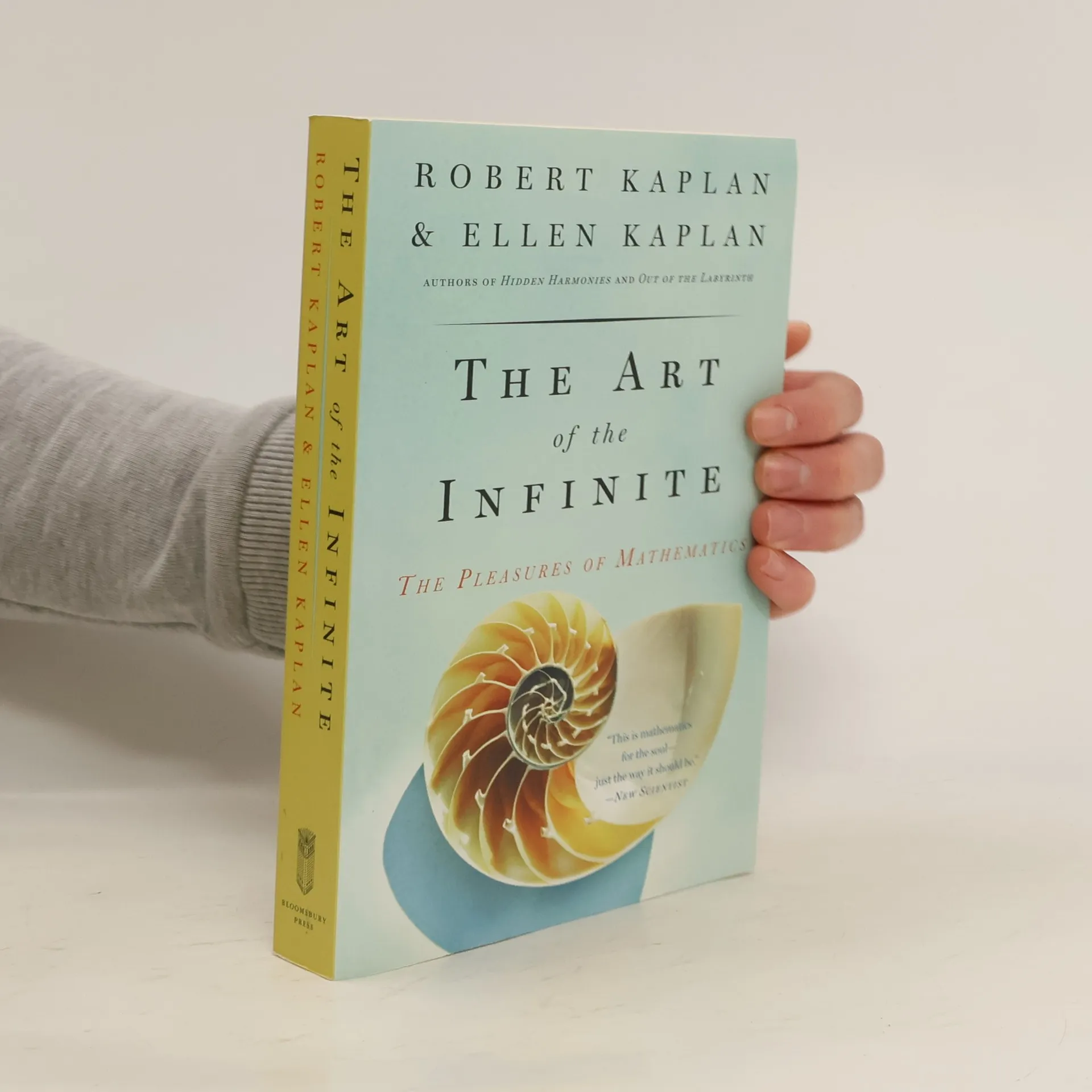
Robert and Ellen Kaplan bring a wealth of experience in mathematics education, having taught students from childhood to adulthood at renowned institutions, including Harvard University. Their collaborative work aims to demystify and illuminate complex mathematical ideas for a general audience. Through their writing, they explore profound concepts like infinity and the nature of numbers, making them accessible and engaging. Their approach reveals the inherent beauty and interconnectedness of mathematics within our world.


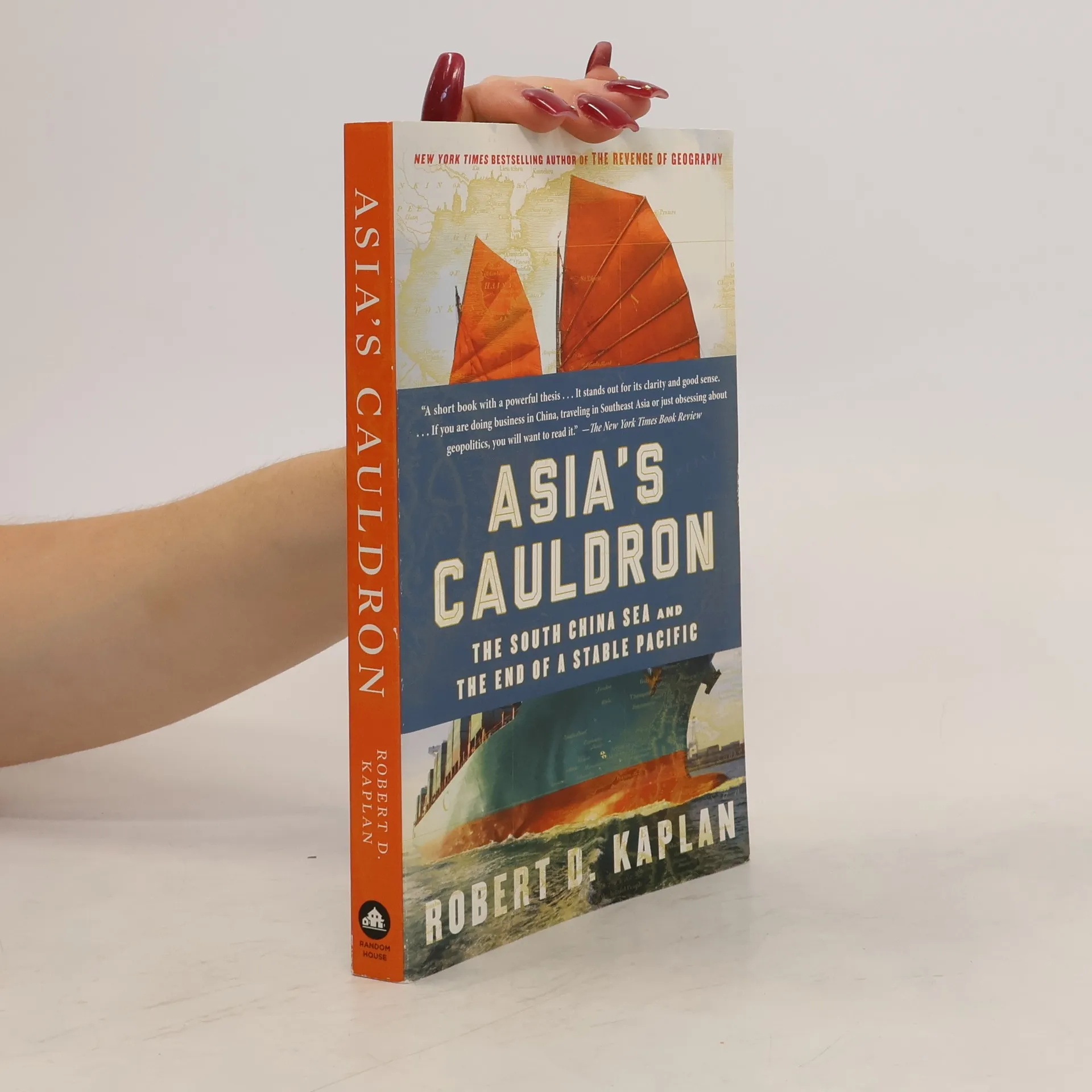
Asia´s Cauldron
- 256 pages
- 9 hours of reading
NAMED ONE OF THE BEST BOOKS OF THE YEAR BY FINANCIAL TIMES From Robert D. Kaplan, named one of the world's Top 100 Global Thinkers by Foreign Policy magazine, comes a penetrating look at the volatile region that will dominate the future of geopolitical conflict. Over the last decade, the center of world power has been quietly shifting from Europe to Asia. With oil reserves of several billion barrels, an estimated nine hundred trillion cubic feet of natural gas, and several centuries' worth of competing territorial claims, the South China Sea in particular is a simmering pot of potential conflict. The underreported military buildup in the area where the Western Pacific meets the Indian Ocean means that it will likely be a hinge point for global war and peace for the foreseeable future. In Asia's Cauldron, Robert D. Kaplan offers up a vivid snapshot of the nations surrounding the South China Sea, the conflicts brewing in the region at the dawn of the twenty-first century, and their implications for global peace and stability. One of the world's most perceptive foreign policy experts, Kaplan interprets America's interests in Asia in the context of an increasingly assertive China. He explains how the region's unique geography fosters the growth of navies but also impedes aggression. And he draws a striking parallel between China's quest for hegemony in the South China Sea and the United States' imperial adventure in the Caribbean more than a century ago. To understand the future of conflict in East Asia, Kaplan argues, one must understand the goals and motivations of its leaders and its people. Part travelogue, part geopolitical primer, Asia's Cauldron takes us on a journey through the region's boom cities and ramshackle slums: from Vietnam, where the superfueled capitalism of the erstwhile colonial capital, Saigon, inspires the geostrategic pretensions of the official seat of government in Hanoi, to Malaysia, where a unique mix of authoritarian Islam and Western-style consumerism creates quite possibly the ultimate postmodern society; and from Singapore, whose benevolent autocracy helped foster an economic miracle, to the Philippines, where a different brand of authoritarianism under Ferdinand Marcos led not to economic growth but to decades of corruption and crime. At a time when every day's news seems to contain some new story--large or small--that directly relates to conflicts over the South China Sea, Asia's Cauldron is an indispensable guide to a corner of the globe that will affect all of our lives for years to come. Praise for Asia's Cauldron Asia's Cauldron is a short book with a powerful thesis, and it stands out for its clarity and good sense. . . . If you are doing business in China, traveling in Southeast Asia or just obsessing about geopolitics, you will want to read it.--The New York Times Book Review Kaplan has established himself as one of our most consequential geopolitical thinkers. . . . [Asia's Cauldron] is part treatise on geopolitics, part travel narrative. Indeed, he writes in the tradition of the great travel writers.-- The Weekly Standard Kaplan's fascinating book is a welcome challenge to the pessimists who see only trouble in China's rise and the hawks who view it as malign.--The Economist Muscular, deeply knowledgeable . . . Kaplan is an ultra-realist [who] takes a non-moralistic stance on questions of power and diplomacy.--Financial Times From the Hardcover edition.
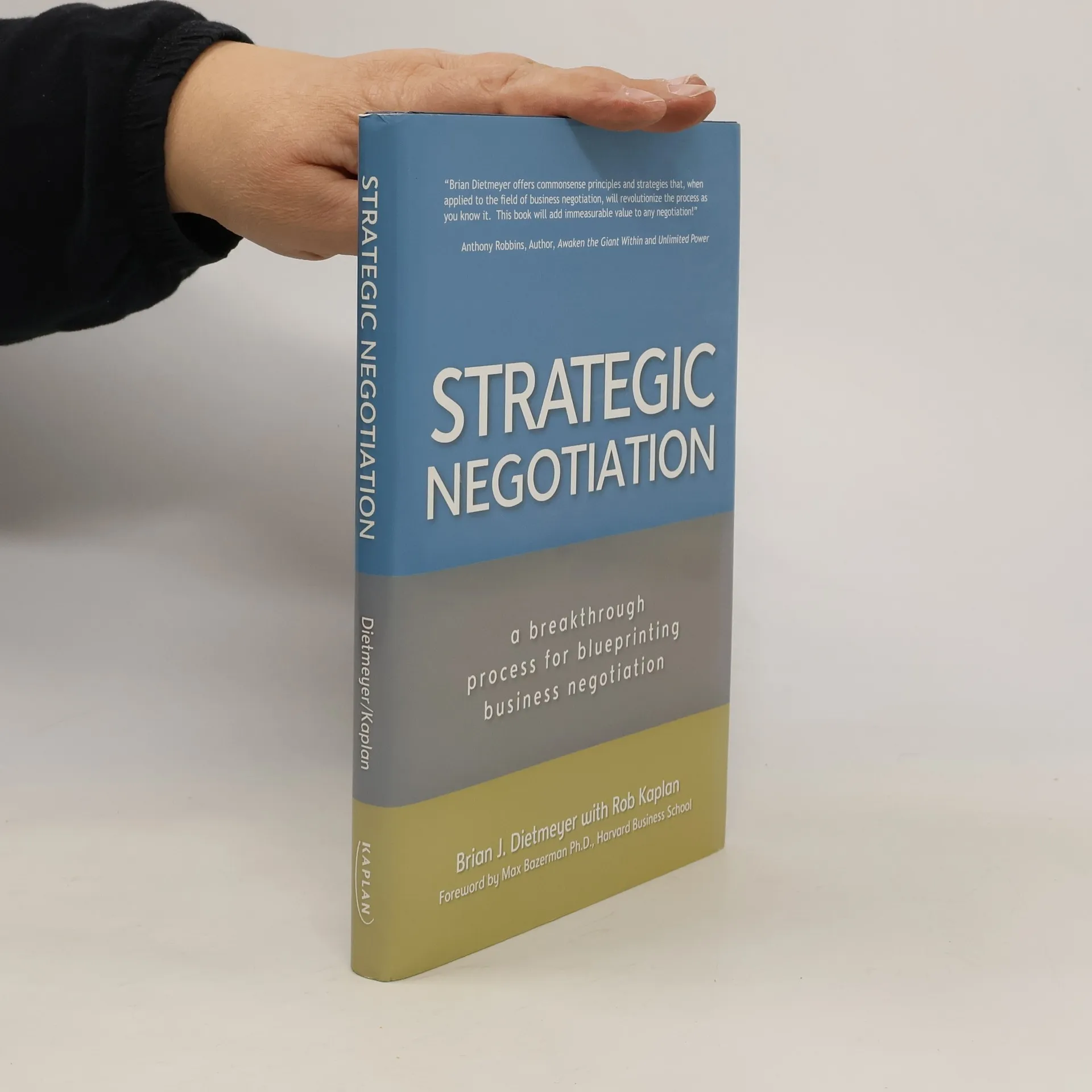
Strategic Negotiation
- 224 pages
- 8 hours of reading
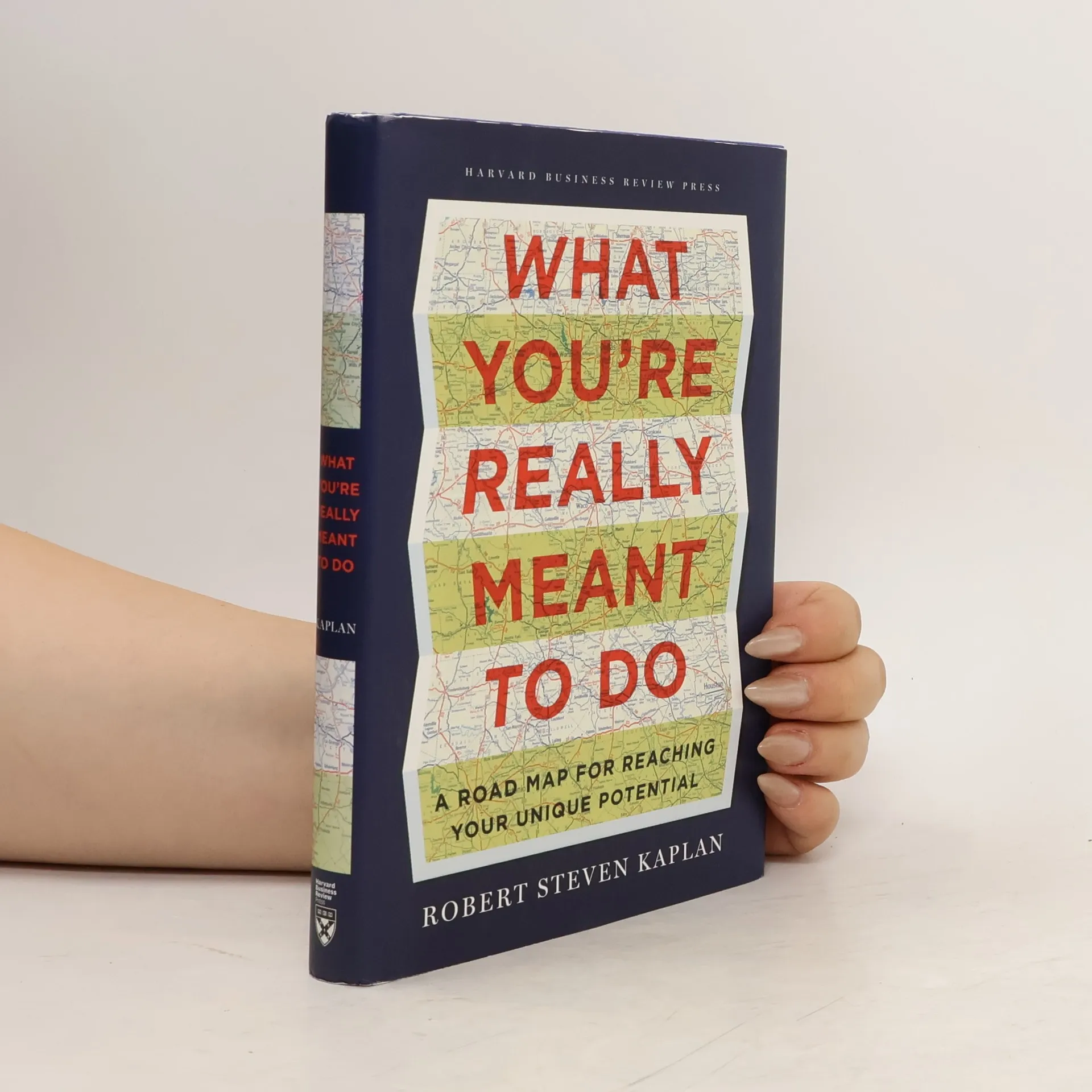
What You're Really Meant to Do
- 219 pages
- 8 hours of reading
Kaplan describes a specific and actionable roadmap for helping readers define their own success and reach their unique potential. This effort requires several key steps in an integrated process, as well as a high level of motivation and hard work.
The Nothing That Is
- 256 pages
- 9 hours of reading
The 'invention' of zero made arithmetic infinitely easier - try doing division in Roman numerals - and it now forms part of the binary code which powers all our computers. Robert Kaplan traces 'the nothing that is' back to its origins as two wedges pressed into a wet lump of Sumerian clay. He explores the contributions of Greeks, Mayans, Hindus and humanists, and shows how zero opened the door to the strange complexities of irrational, infinitesimal and imaginary numbers. 'If you look at zero,' he writes, 'you see nothing; but look through it and you will see the world.'
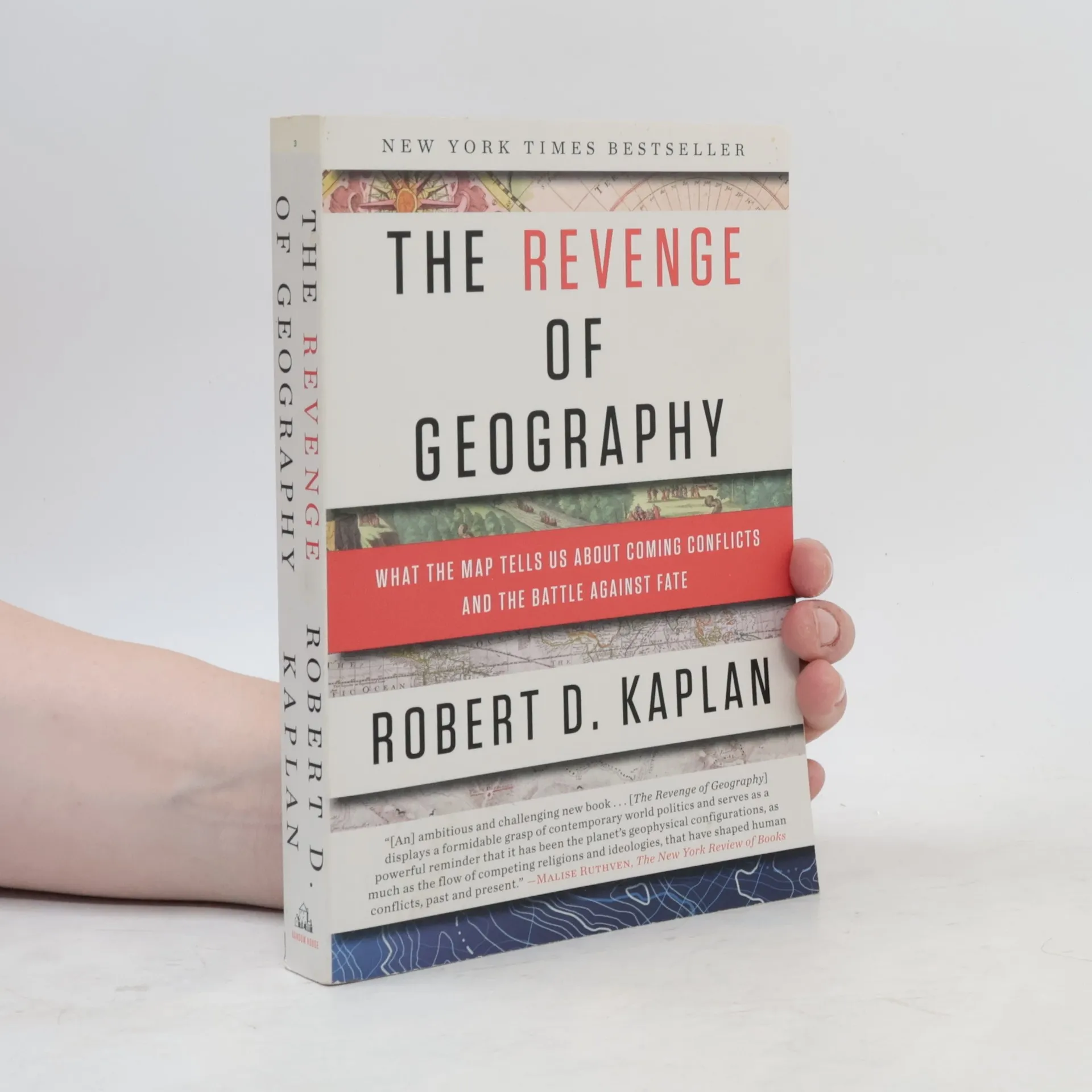
The Revenge of Geography
- 448 pages
- 16 hours of reading
The insights, discoveries and theories of great geographers and geopolitical thinkers of the past look back at critical pivotal events in history and then look forward at the evolving global scene
Whatever it Takes
- 150 pages
- 6 hours of reading
A rich, realistic, and useful analysis of the problems of decision making in an organization. This text introduces the student to the more important concepts of both organization theory and decision theory as they apply to managing decisions.
A squared plus b squared equals c squared. It sounds simple, doesn't it? Yet this familiar expression is a gateway into the riotous garden of mathematics, and sends us on a journey of exploration in the company of two inspired guides, who trace the life of the Pythagorean theorem from ancient Babylon to the present, visiting along the way Leonardo da Vinci, Albert Einstein, President James Garfield, and the Freemasons--not to mention the elusive Pythagoras himself. Why does this theorem have more than two hundred proofs--or is it four thousand? And it has even more applications than proofs: Ancient Egyptians used it for surveying, and today astronomers call on it to measure the distance between stars. It works not just in two dimensions, but any number you like, up to infinity. And perhaps most intriguing of all, it opened the door to the world of irrational numbers.--From publisher description
Past/Present and Other Poems
- 70 pages
- 3 hours of reading
Set against the backdrop of 1980s New York City, the book intricately weaves narrative and reflection through the lens of the AIDS epidemic, exploring themes of urban life, national politics, and personal loss. The title poem, "Past/Present," delves into time, failed romance, and self-discovery, while the second half crafts a sensory landscape that serves as a meditative space for examining memory, identity, and relationships in a tumultuous world. Detailed imagery enhances the emotional depth and complexity of the experience.
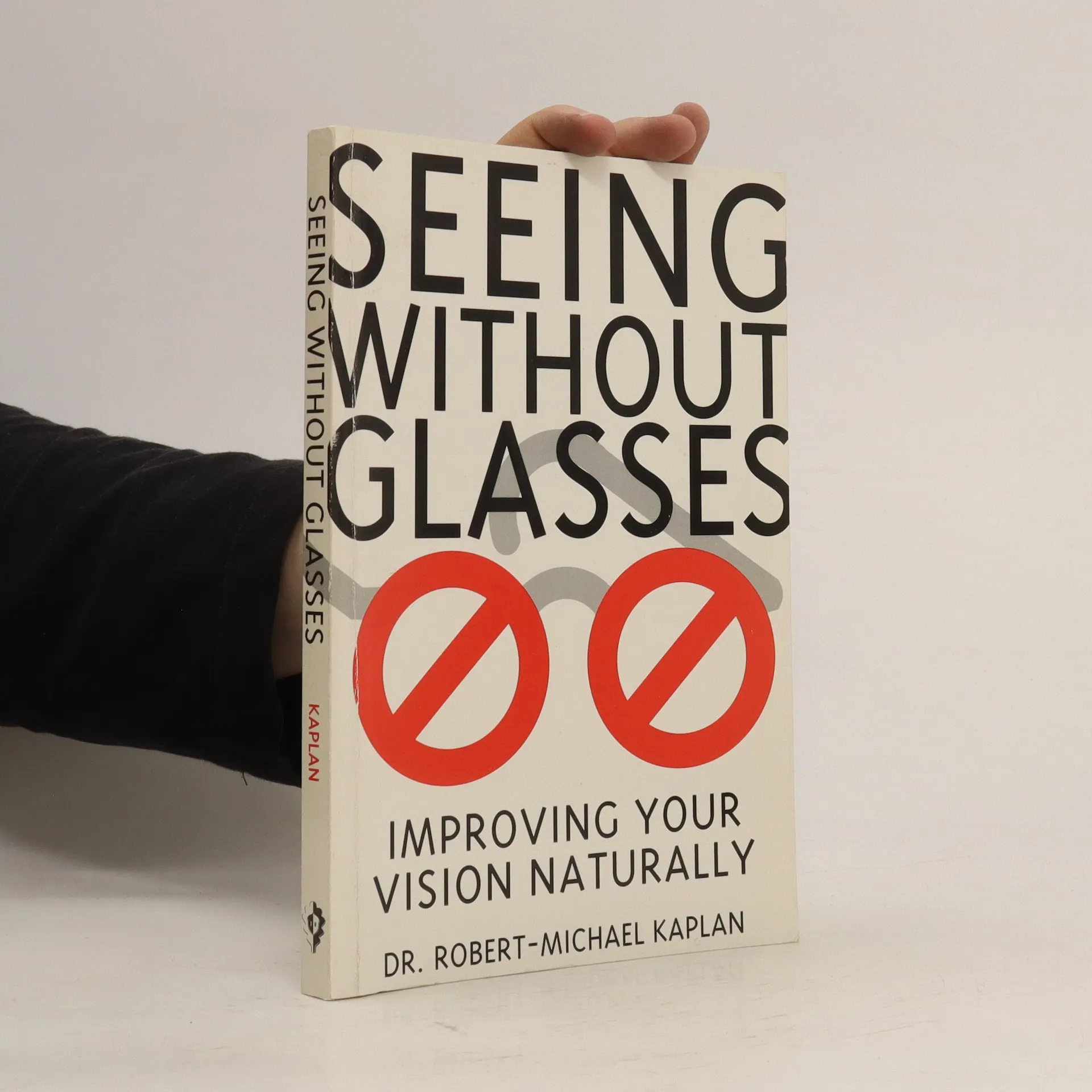
According to the author you can improve your vision through unique exercises, proper diet and even by modifying your thought patterns. B/W illus.