
Explore the latest books of this year!
Bookbot

Pheng Cheah

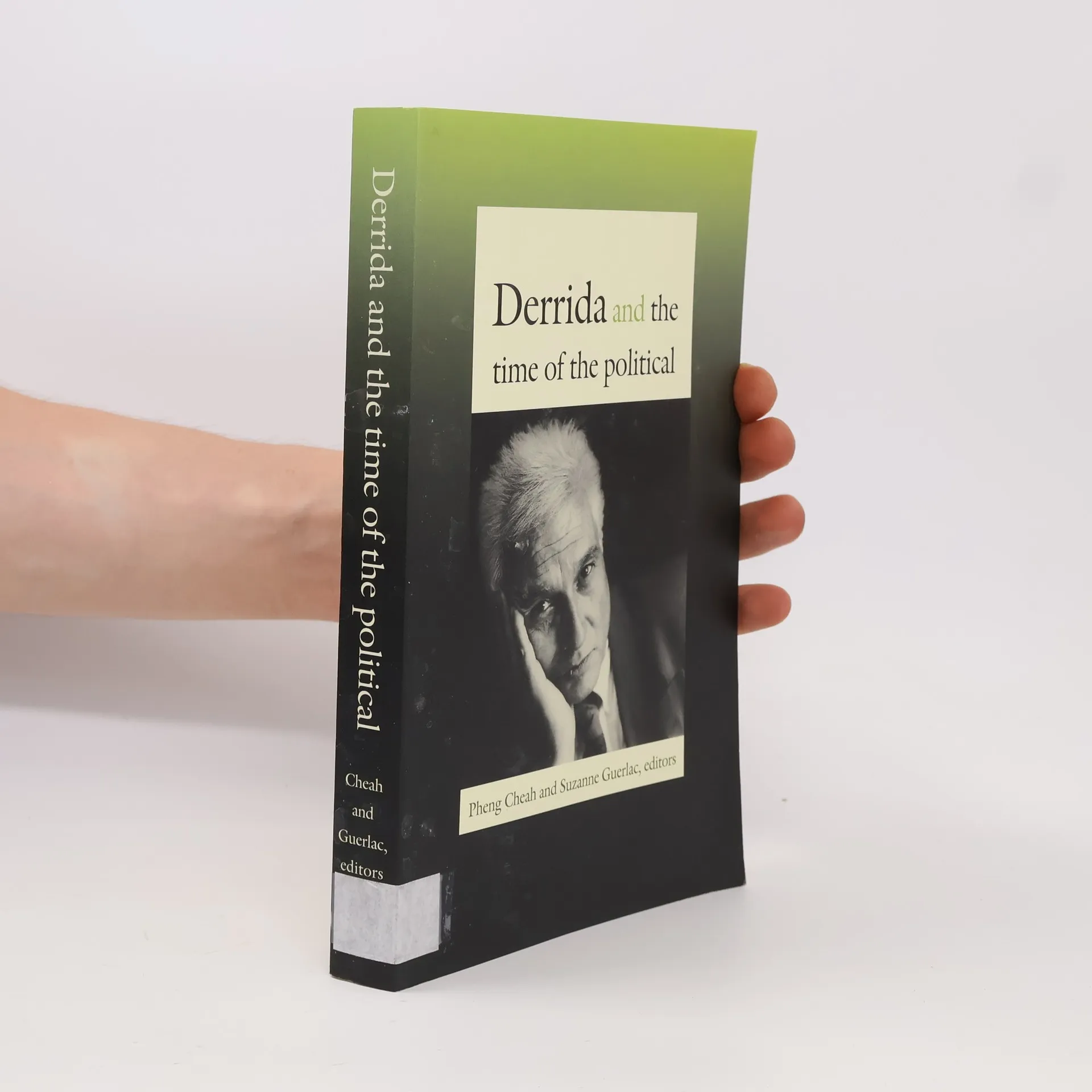
    Derrida and the Time of the Political
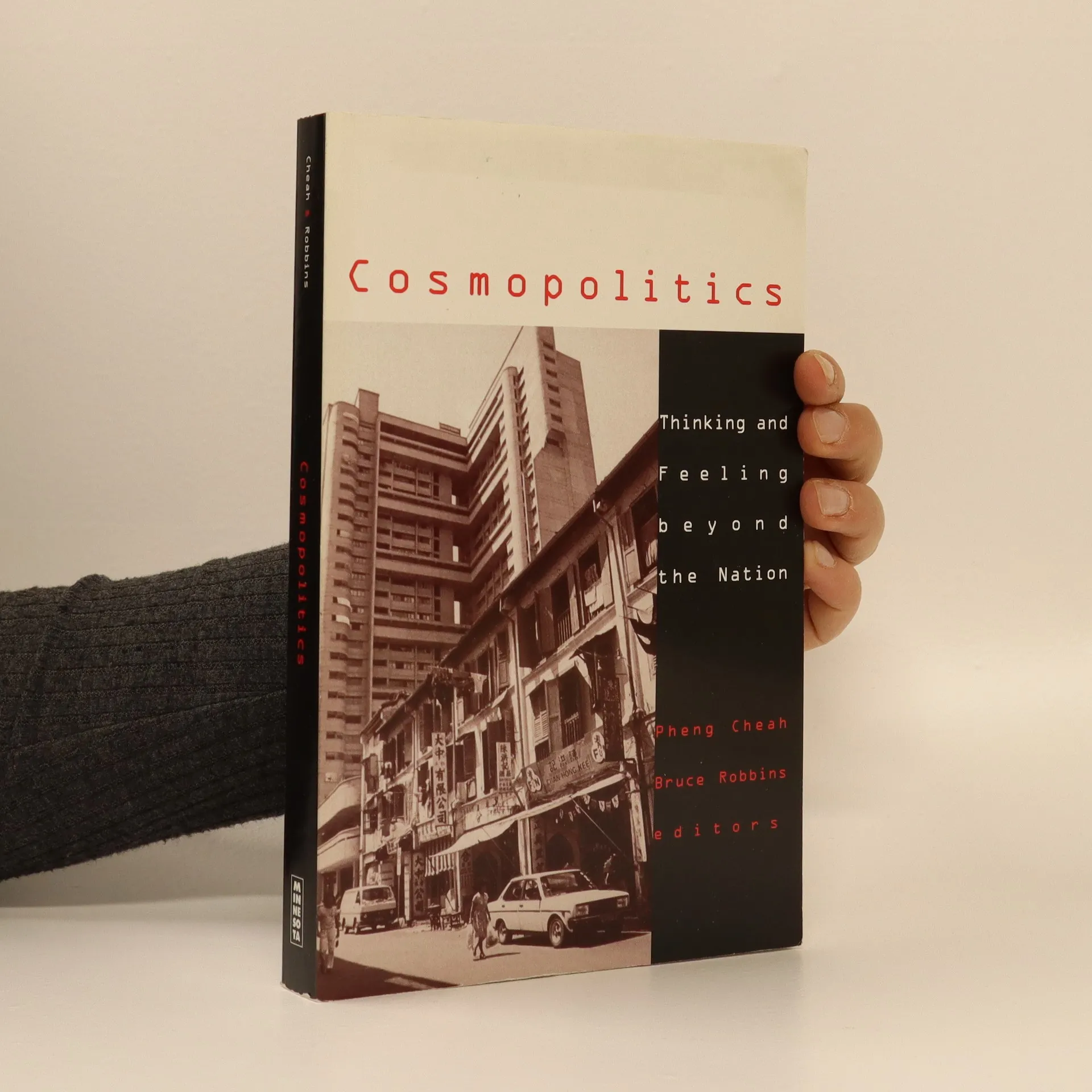
    Cosmopolitics: Thinking and feeling beyond the nation
    • Eminent contributors examine the current and future landscape of cosmopolitanism and its interplay with nationalism. Nationalism and the nation-state are facing challenges from ethnic strife, religious fundamentalism, global capitalism, and significant population movements across cultures and cyberspace. In response, a revitalized cosmopolitanism has emerged as a compelling political alternative. This collection features a distinguished group of scholars and political theorists who provide a thorough analysis of this project, its inclusive claims, and its complex relationship with nationalism. While traditional cosmopolitanism has been critiqued for its perceived detachment from the obligations of nation-bound lives, the essays reveal that contemporary cosmopolitanism is rooted in specific cultural, historical, and political contexts. The contributors investigate the possibility of a feasible cosmopolitanism that may not only coexist with but potentially reshape nationalism, which warrants reexamination rather than dismissal. This intellectually stimulating and interdisciplinary volume offers a range of critical perspectives, evaluating both the aspirational goals and the current realities of the evolving cosmopolitical movement.

      Cosmopolitics: Thinking and feeling beyond the nation
      3.9
    • Derrida and the Time of the Political

      • 343 pages
      • 13 hours of reading

      An intellectual event, Derrida and the Time of the Political marks the first time since Jacques Derrida’s death in 2004 that leading scholars have come together to critically assess the philosopher’s political and ethical writings. Skepticism about the import of deconstruction for political thought has been widespread among American critics since Derrida’s work became widely available in English in the late 1970s. While Derrida expounded political and ethical themes from the late 1980s on, there has been relatively little Anglo-American analysis of that later work or its relation to the philosopher’s entire corpus. Filling a critical gap, this volume provides multiple perspectives on the political turn in Derrida’s work, showing how deconstruction bears on political theory and real-world politics. The contributors include distinguished scholars of deconstruction whose thinking developed in close proximity to Derrida’s, as well as leading political theorists and philosophers who engage Derrida’s thought from further afield. The volume opens with a substantial introduction in which Pheng Cheah and Suzanne Guerlac survey Derrida’s entire corpus and position his later work in relation to it. The remaining essays address the concerns that arise out of Derrida’s analysis of politics and the conditions of the political, such as the meaning and scope of democracy, the limits of sovereignty, the relationship between the ethical and the political, the nature of responsibility, the possibility for committed political action, the implications of deconstructive thought for non-Western politics, and the future of nationalism in an era of globalization and declining state sovereignty. The collection is framed by original contributions from Hélène Cixous and Judith Butler. Contributors . Étienne Balibar, Geoffrey Bennington, Wendy Brown, Judith Butler, Pheng Cheah, Hélène Cixous, Rodolphe Gasché, Suzanne Guerlac, Marcel Hénaff, Martin Jay, Anne Norton, Jacques Rancière, Soraya Tlatli, Satoshi Ukai

      Derrida and the Time of the Political