


Explore the latest books of this year!
Bookbot

Claude David

    July 8, 1913 – November 26, 1999
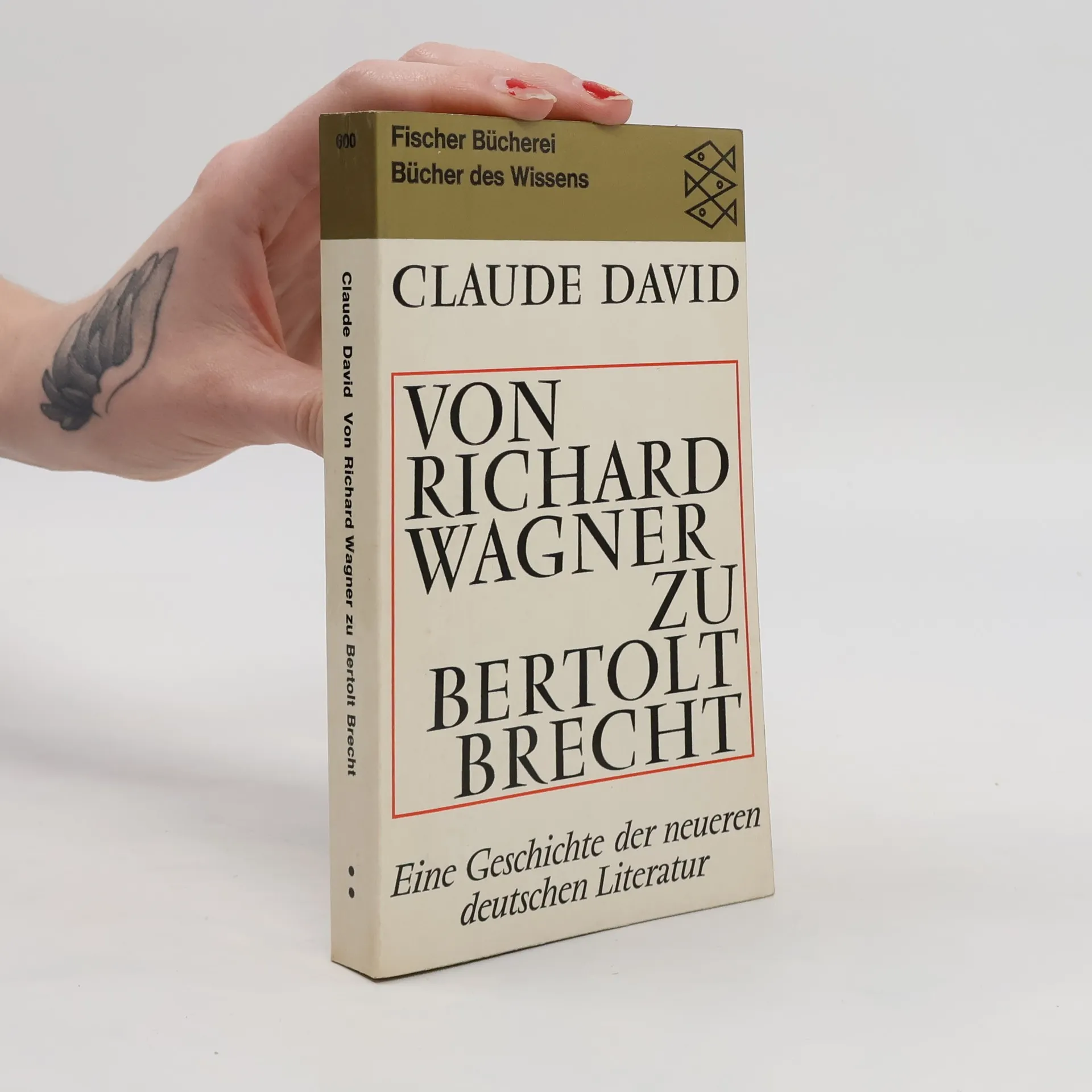
    Von Richard Wagner zu Bertolt Brecht
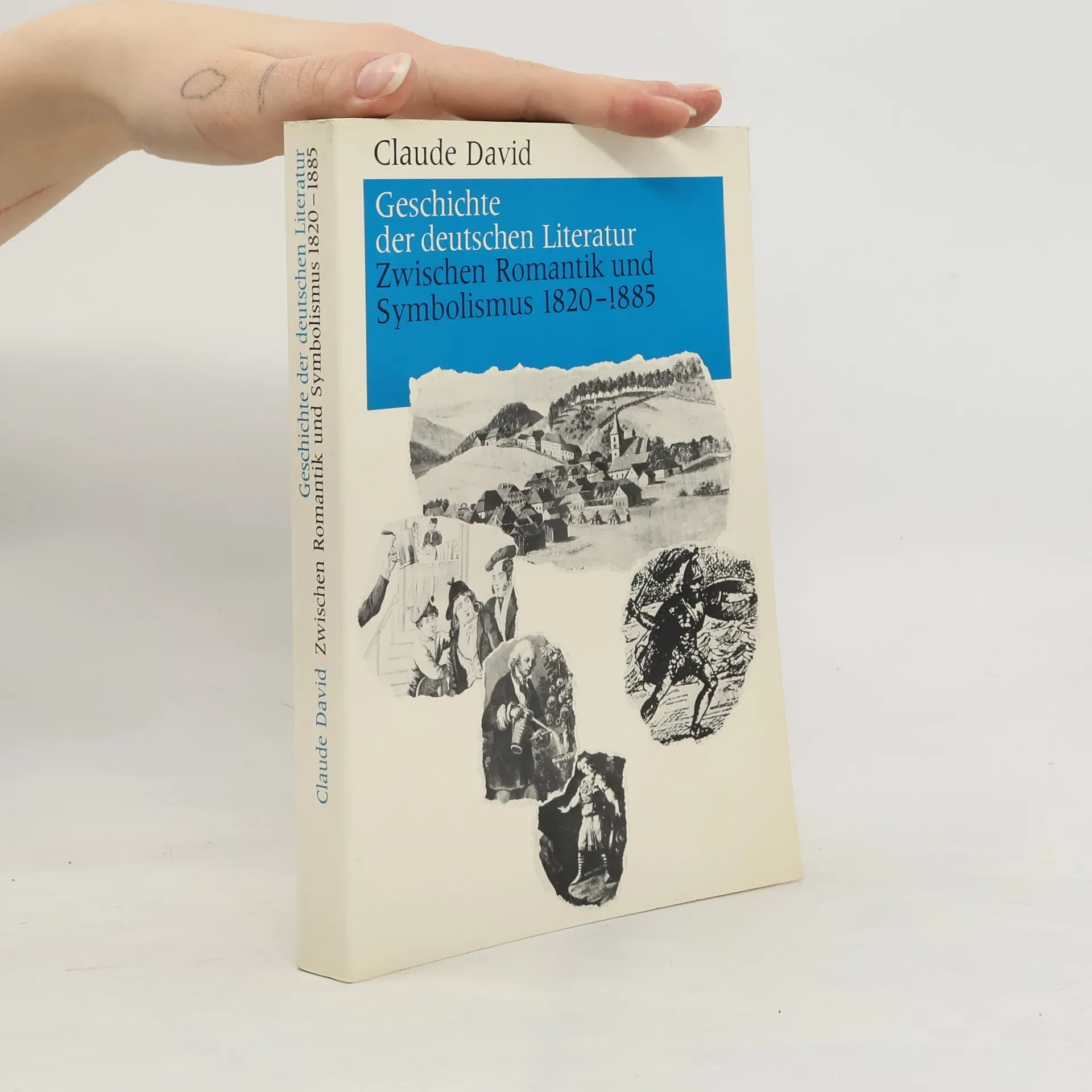
    Geschichte der deutschen Literatur. Zwischen Romantik und Symbolismus 1820-1885
    The trial
    Letters to Milena
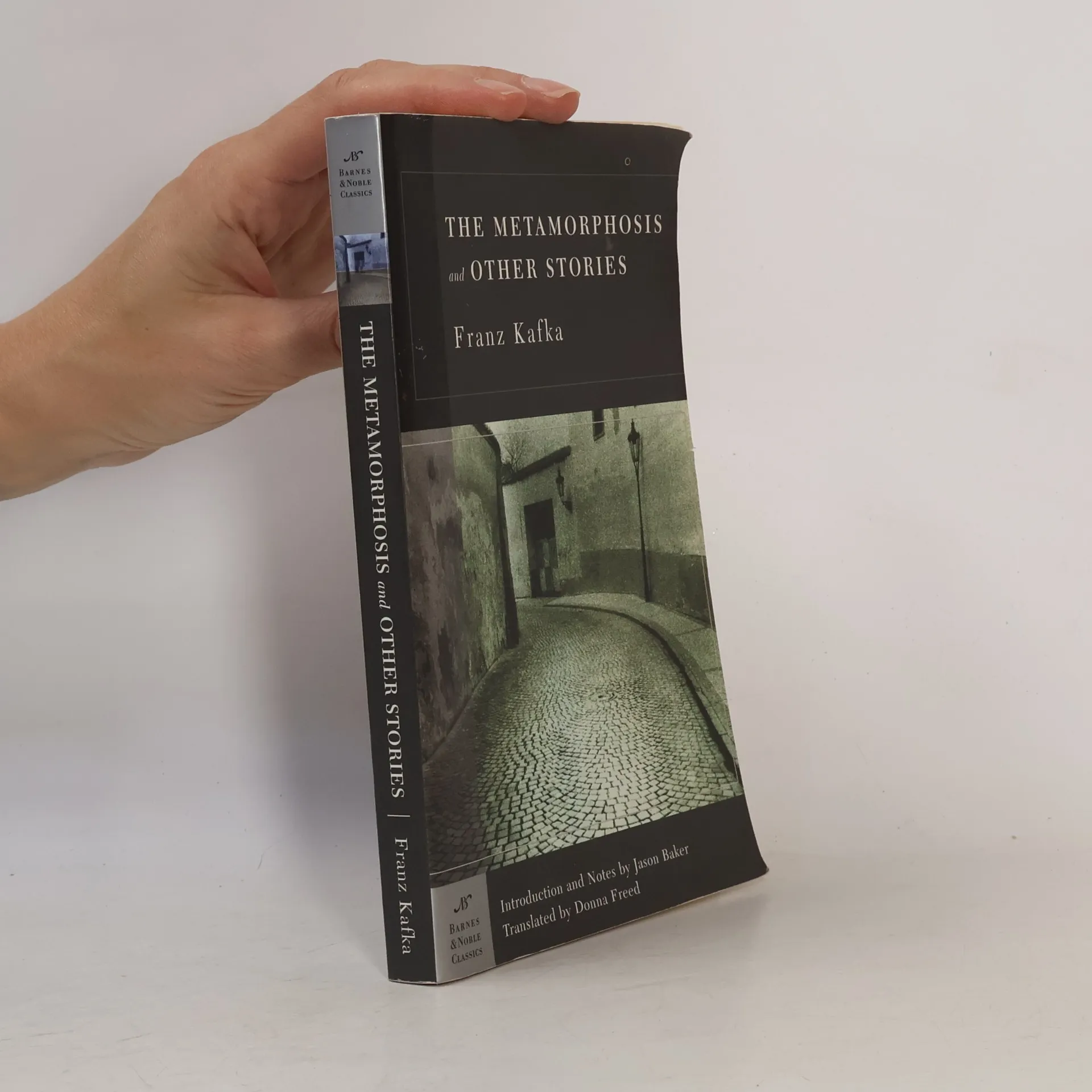
    The Metamorphosis and Other Stories
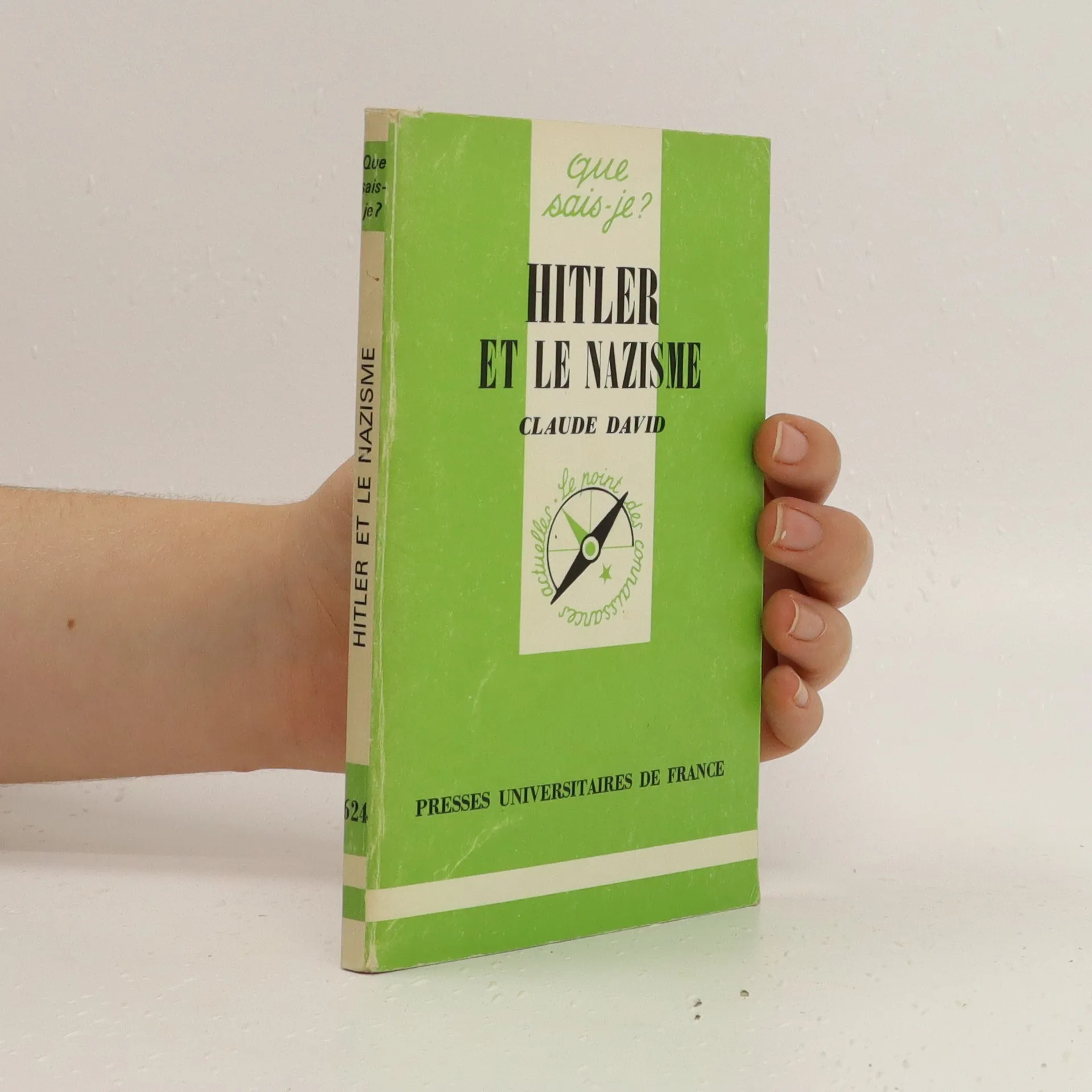
    Hitler et le nazisme
    • Hitler et le nazisme

      • 127 pages
      • 5 hours of reading

      La dictature hitlérienne a duré douze ans. Elle a laissé l'Allemagne mutilée à l'est, dévastée par les bombardements, décimée avec quatre millions de morts. Peut-être qu'il y a eu dans l'histoire des régimes aussi cruels que celui-ci, mais jamais aucun n'a fait verser autant de sang. Comment une doctrine aussi manifestement absurde que le racisme a-t-elle pu diriger pendant des années la politique d'un grand peuple ? Comment a-t-on pu tolérer si longtemps des sacrifices si stériles ? Comment comprendre ce délire collectif, qui a conduit à tant d'infamies et finalement à la ruine de la nation entière ?
      Hitler et le nazisme
      3.0
    • The Metamorphosis and Other Stories

      • 256 pages
      • 9 hours of reading

      When the young salesman Gregor Samsa wakes up one morning transformed into a monstrous insect, his shock and incomprehension are coupled with the panic of being late for work and having to reveal his appearance to family and colleagues. Although over the following weeks he gradually becomes used to this new existence confined within the bounds of the apartment, and his parents and sister adapt to living with a grotesque bug, Gregor notices that their attitudes towards him are changing and he feels increasingly alienated. One of the masterpieces of twentieth-century world literature, ‘The Metamorphosis’ is accompanied in this volume by a selection of other classic tales and sketches by Kafka – such as ‘The Judgement’, ‘In the Penal Colony’ and ‘A Country Doctor’ – all presented in a lively and meticulous new translation by Christopher Moncrieff.

      The Metamorphosis and Other Stories
      4.1
    • Kafka first made the aquaintance of Milena Jesenska in 1920 when she was translating his early short prose into Czech, and their relationship quickly developed into a deep attachment. Such was his feeliing for her that Kafka showed her his diaries and, in doing so, laid bare his heart and his conscience. Milena, for her part, was passionate and intrepid, cool and intelligent in her decisions but reckless when her emotions were involved. Kafka once described her as living her life 'so intensely down to such depths'. If she did suffer through him, it was part of her great appetite for life. However while at times Milena's 'genius for living' gave Kafka new life, it ultimately exhausted him, and their relationship was to last little over two years. Kafka died in 1944 at the hands of the Nazis - these letters are a moving record of their relationship.

      Letters to Milena
      3.9
    • The trial

      • 208 pages
      • 8 hours of reading

      A gripping work of psychological horror, this novel explores the chaos of bureaucracy through the story of Josef K., who is arrested one morning without any wrongdoing. Released but required to report to court regularly, he finds himself trapped in a maddening cycle where nothing is resolved. As his uncertainty deepens, his personal life—his job at a bank and relationships with his landlady and a neighbor—grows increasingly unpredictable. In his quest for control, K. inadvertently accelerates his own downward spiral. The narrative maintains a pervasive atmosphere of unease, delving into themes of terror, absurdity, and the futility of human existence. Franz Kafka, a Czech-born German-speaking writer, published little during his lifetime and requested that his unpublished works be destroyed after his death. However, these manuscripts have become some of the most influential literature of the twentieth century. Kafka's other notable works include The Castle and Amerika. This thought-provoking novel has been described as a prophetic anticipation of modern bureaucracy's insanity and the rise of totalitarianism, offering everything yet confirming nothing.

      The trial
      3.9
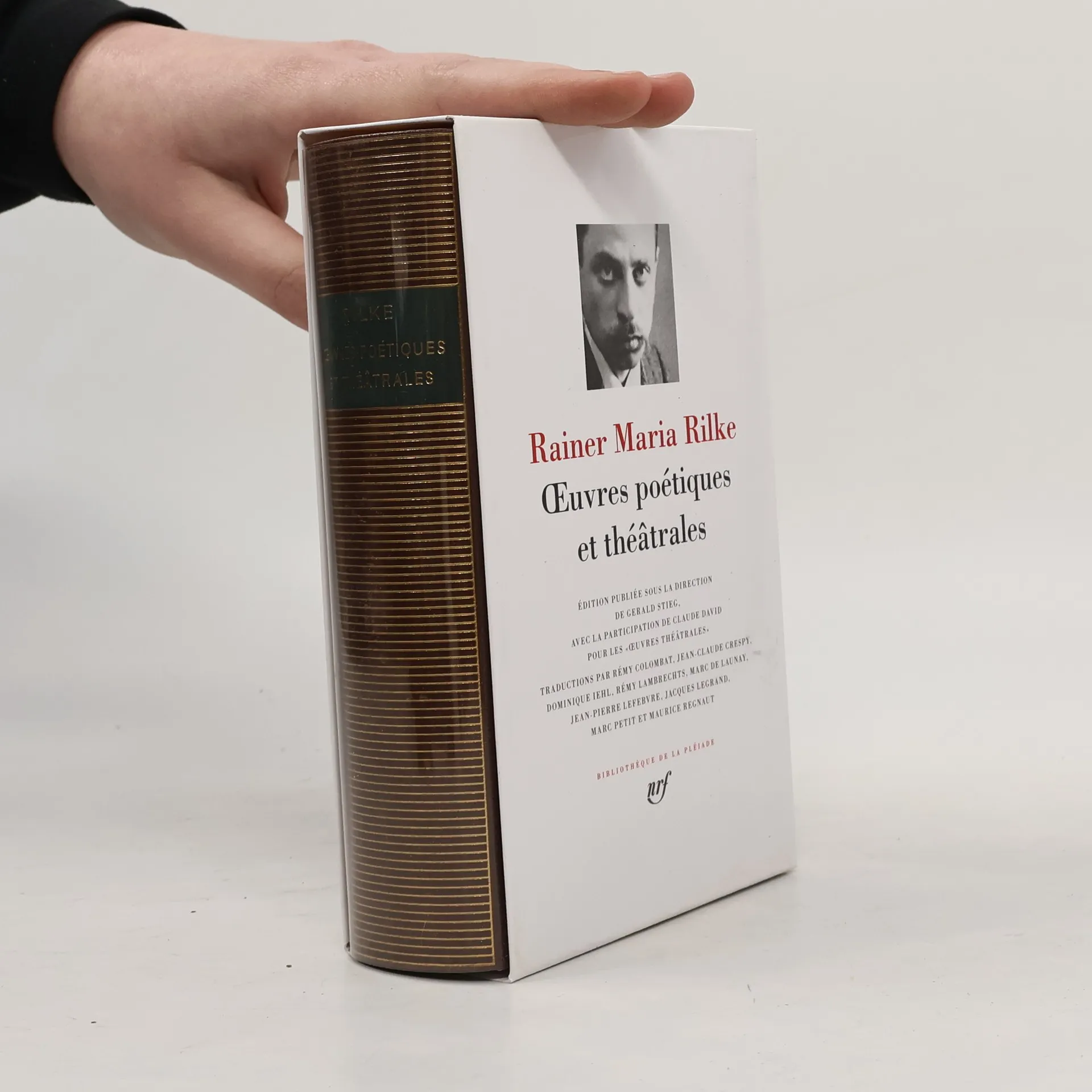
    • Œuvres poétiques et théâtrales

      • 1894 pages
      • 67 hours of reading

      Ce volume rassemble l'œuvre poétique de Rilke, incluant ses premiers poèmes, des poèmes extraits de divers cycles, ainsi que des œuvres moins connues. La richesse de sa poésie, souvent éclipsée par les Élégies de Duino et les Sonnets à Orphée, est mise en lumière grâce à cette nouvelle traduction qui présente une bonne moitié de textes inédits pour le public francophone. L'annotation retrace l'évolution de Rilke, depuis ses poèmes de jeunesse célébrant la beauté et les paysages de Bohême jusqu'à ses œuvres plus complexes et énigmatiques. Pour la première fois, des poèmes épars sont regroupés en cycles autonomes, certains étant des choix explicites de Rilke lui-même, comme une seconde partie des Élégies. Des variantes et fragments éclairent également la genèse de ces recueils. En outre, des annotations et des extraits des Sonnets à Orphée sont inclus. Le volume présente également trois pièces de théâtre, intimistes et réalistes, qui évoquent Ibsen. Ces œuvres révèlent une facette d'un auteur ancré dans le XIXe siècle tout en appartenant à la modernité à travers une partie significative de son œuvre.

      Œuvres poétiques et théâtrales